 Complete Gardening
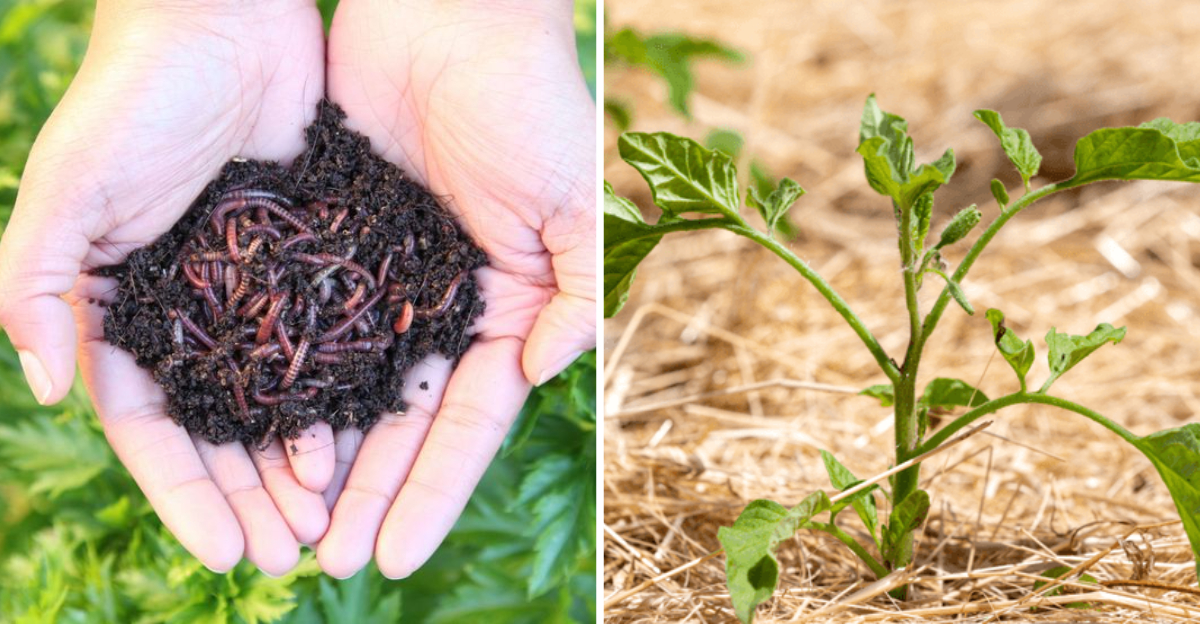
Unlock the secrets to growing tomato plants at double the speed with these intriguing yet simple techniques. Whether you’re a seasoned gardener or a budding enthusiast, these tips will transform your tomato-growing experience.
Boost with Epsom Salt
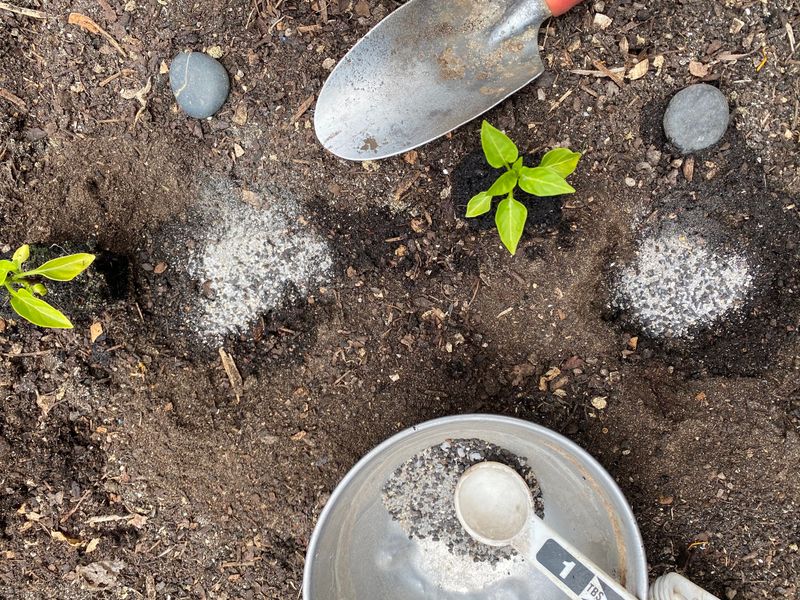
Ever wondered why your tomato plants seem sluggish? Adding Epsom salt might be the solution. Rich in magnesium, it boosts chlorophyll production, promoting faster growth. Simply sprinkle a tablespoon around each plant. Water thoroughly afterward. This not only enhances growth but also improves fruit flavor. Your taste buds will thank you! For an organic touch, it’s a gardener’s best-kept secret. Remember to apply sparingly, though. Too much can be counterproductive. A bi-weekly application is ideal. It’s a small effort with huge rewards, turning your garden into a tomato paradise. Why not try it?
Companion Planting with Basil

Picture this: tomatoes flourishing next to basil. Not only does it create a beautiful garden, but this pairing is a powerhouse. Basil acts as a natural pest repellent, keeping harmful insects away from your precious tomatoes. The aroma itself is delightful! Moreover, basil enhances tomato growth by improving overall health. It’s a classic case of nature’s synergy at work. Planting them together saves space and maximizes productivity. You’ll find your garden buzzing with life and flavor. Who knew such simple companionship could yield such incredible results? Try it and watch your tomatoes thrive.
Mulching for Moisture Retention
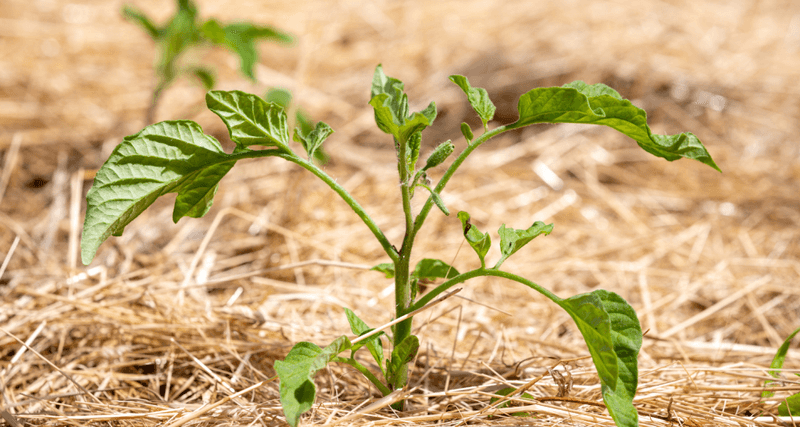
In the heat of summer, your tomato plants thirst for water. Mulching can be their savior. A thick layer of organic mulch retains moisture and suppresses weeds. It’s like a protective blanket. This simple act ensures consistent growth by maintaining ideal soil conditions. Plus, it reduces water usage! Choose materials like straw or wood chips for best results. Mulching not only supports the plants but also enriches the soil as it breaks down. It’s a sustainable practice benefiting both plants and the environment. Imagine lush, healthy tomatoes all season long!
Pruning for Productivity
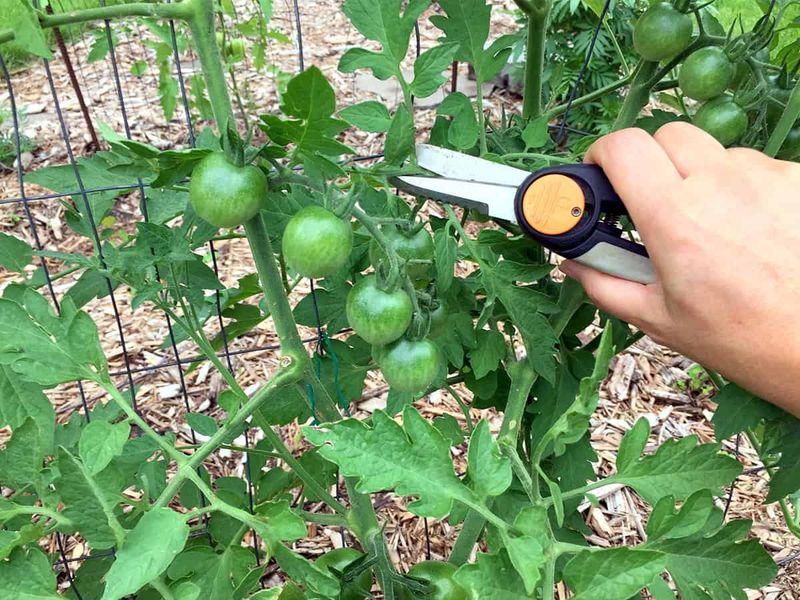
Overgrown tomato plants can hinder their own growth. Pruning is key! By removing excess leaves and stems, you enhance air circulation and focus the plant’s energy on fruit production. It’s a meticulous process but highly rewarding. Healthy plants produce more and better fruit. Ensure you have sharp, clean tools to avoid disease. Regular pruning sessions keep your plants in top shape. Interestingly, more isn’t always better in gardening. Strategic pruning leads to bountiful harvests. Embrace this technique and watch your garden flourish. It’s an art form every gardener should master.
Feeding with Compost Tea
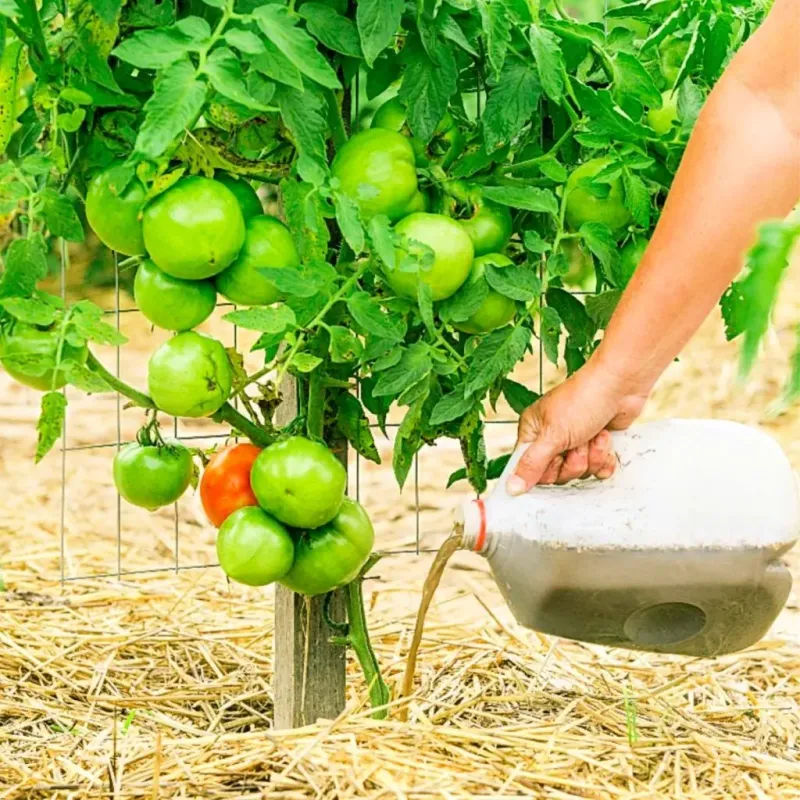
Compost tea is a game-changer for tomato growers. This nutrient-rich elixir is made by steeping compost in water, creating a powerful fertilizer. Applying it to your plants boosts their growth and resilience. It’s like a health tonic for your tomatoes! The process is simple: brew, strain, and pour. Regular feeding with compost tea can lead to vigorous, productive plants. Plus, it’s environmentally friendly. This natural method enhances soil life, ensuring sustainable gardening. Your plants will thank you with a robust harvest. Why not give your tomatoes this nourishing treat?
Planting by the Moon

Planting by the lunar cycle is an age-old technique believed to enhance plant vitality. The gravitational pull of the moon affects ocean tides and, intriguingly, the moisture in the soil. When done during specific lunar phases, such as a new moon, this practice may boost root growth.
Gardeners who follow this method often report lush, rapid growth. Some suggest that ancient civilizations used this technique to synchronize planting with nature’s rhythms.
While scientific evidence varies, many swear by the results, making it a fascinating method to try. It’s a blend of tradition and nature’s subtle cues.
Aeration with Worm Castings
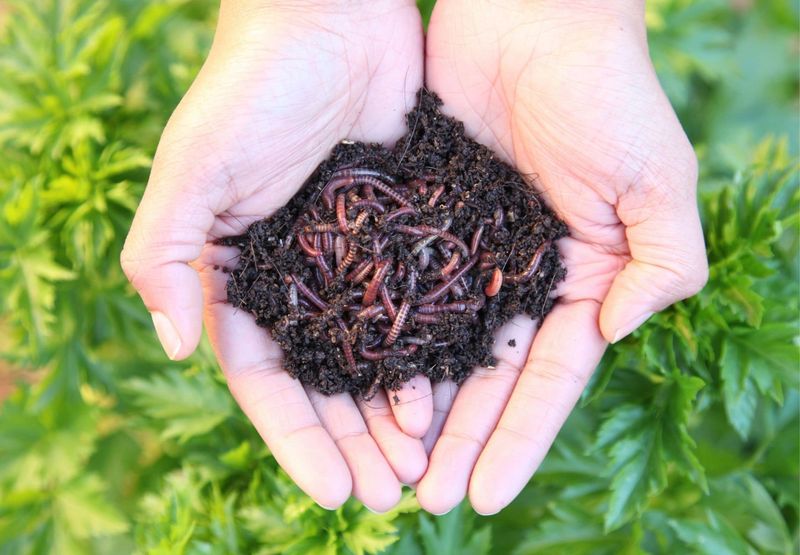
Worm castings, or vermicompost, are a powerhouse of nutrients. Rich in beneficial microbes, they enhance soil structure and promote aeration, vital for root development. This practice involves mixing castings into the soil or using them as a top dressing.
Gardeners notice healthier, faster-growing tomatoes with this method. The natural process of worms breaking down organic matter adds a gentle yet effective boost.
A quirky fact: vermiculture enthusiasts call worm castings “black gold.” It’s an eco-friendly way to enrich your plants, making your garden thrive with minimal effort.
Foliar Spraying with Seaweed Extract

Foliar feeding with seaweed extract supplies plants with essential nutrients directly through their leaves. Seaweed is rich in trace elements, promoting vigor and disease resistance. This technique involves diluting the extract and regularly misting it onto the foliage.
Tomato plants respond with increased growth rates and greener leaves. The trace minerals in seaweed enhance photosynthesis, vital for energy production.
A historical tidbit: coastal farmers have used seaweed for centuries to improve crop yields. Today, it’s a sustainable choice for gardeners aiming for lush, productive plants without synthetic chemicals.
Using Red Plastic Mulch
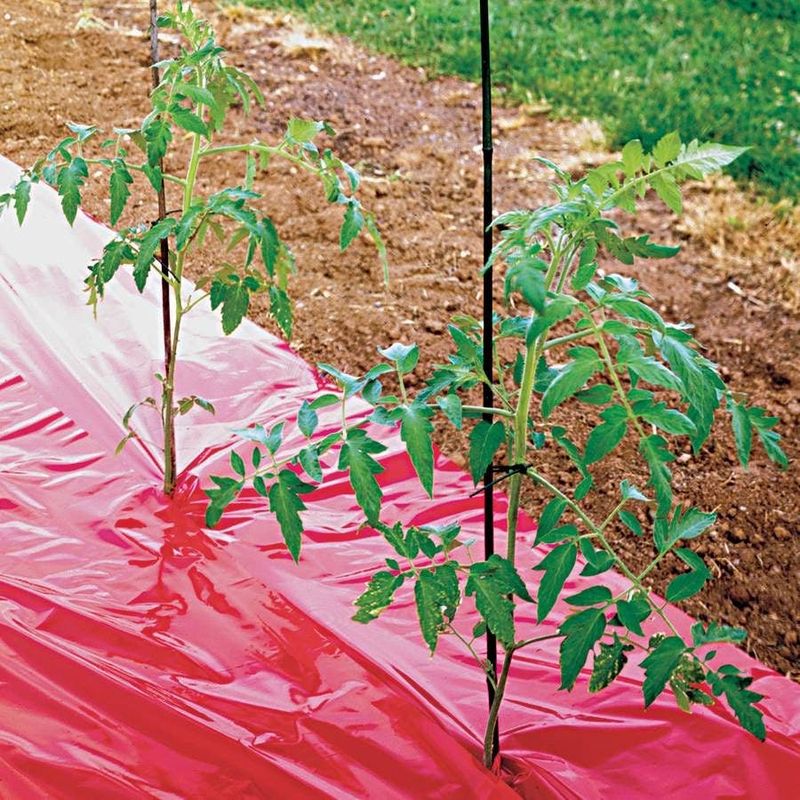
Red plastic mulch is a secret weapon for boosting tomato growth. This material reflects specific light wavelengths, enhancing photosynthesis and fruit production.
By spreading red mulch around plants, gardeners harness light’s power to stimulate plant metabolism. The mulch also conserves moisture and suppresses weeds, offering multiple benefits.
Studies suggest that tomatoes grown with red mulch produce more fruit than those with other colors. It’s a simple yet effective way to maximize your harvest while adding a splash of color to the garden.
Leveraging Beneficial Insects

Beneficial insects, like ladybugs and lacewings, are nature’s pest control agents. Inviting them into your garden reduces harmful pests without chemicals. This practice involves planting flowers and herbs to attract these helpful creatures.
Gardeners observe healthier, faster-growing tomatoes when beneficials thrive. The reduction in pest damage enables plants to focus on growth and production.
Interestingly, ladybugs can eat up to 5,000 aphids in their lifetime. By embracing these allies, you’re fostering a balanced ecosystem, leading to robust, thriving tomato plants.
Implementing Drip Irrigation
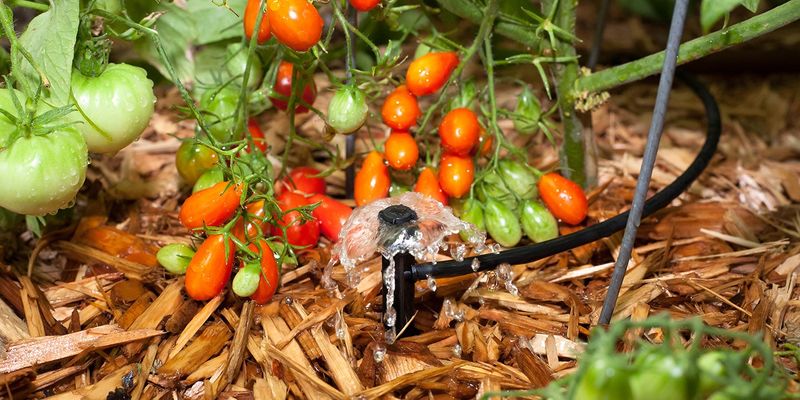
Drip irrigation delivers water directly to plant roots, conserving water and reducing evaporation. This method ensures consistent moisture, essential for strong tomato growth.
By using drip lines or soaker hoses, gardeners provide efficient hydration, leading to larger plants and fruits. Compared to overhead watering, drip irrigation minimizes leaf diseases caused by wet foliage.
A conservation bonus: drip systems can save up to 70% more water than traditional methods. This precision watering technique supports sustainable gardening and encourages prolific tomato production.
Enhancing Soil with Mycorrhizal Fungi

Mycorrhizal fungi form symbiotic relationships with plant roots, extending their reach for water and nutrients. Inoculating soil with these fungi boosts tomato plant growth.
This ancient partnership dates back millions of years, with fungi enhancing root efficiency and plant health. Gardeners using this technique report stronger, more resilient plants.
The secret lies in the fungi’s ability to increase nutrient uptake, promoting vigorous growth and productivity. It’s a natural way to strengthen your garden, connecting plants with their subterranean allies for optimal development.
Rotation with Nitrogen-fixing Plants
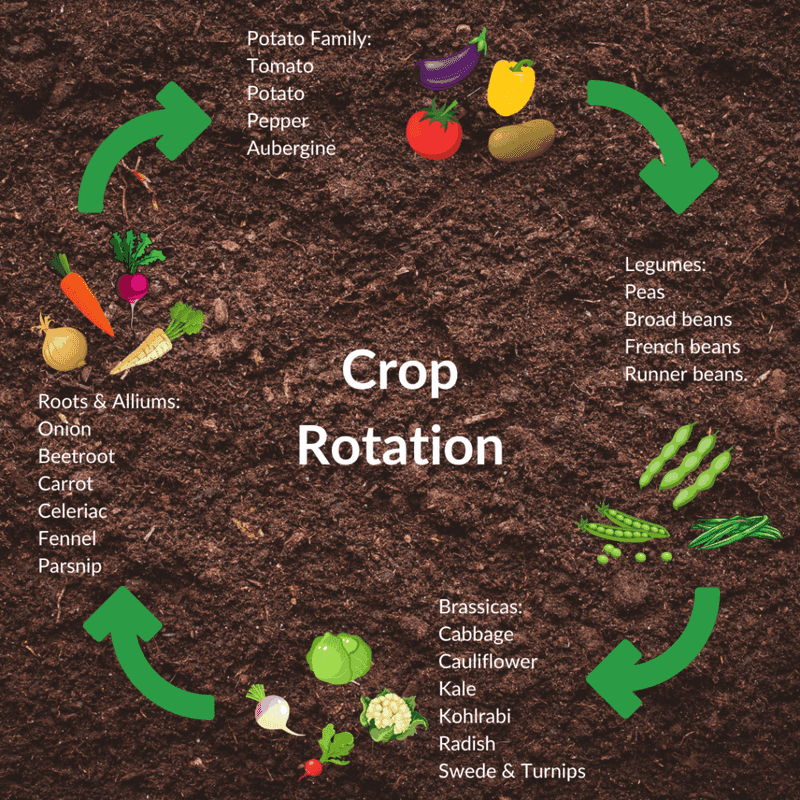
Rotating tomatoes with nitrogen-fixing plants like clover or beans replenishes soil nutrients. These plants enrich the earth, leaving it fertile for subsequent crops.
This method involves alternating planting areas annually, following nitrogen fixers with tomatoes. The result is improved soil health and reduced disease risk.
Did you know? Nitrogen-fixing plants convert atmospheric nitrogen into a usable form for other plants. This ancient farming practice boosts soil fertility naturally, ensuring your tomatoes grow vigorously in nutrient-rich conditions.
Using Reflective Surfaces
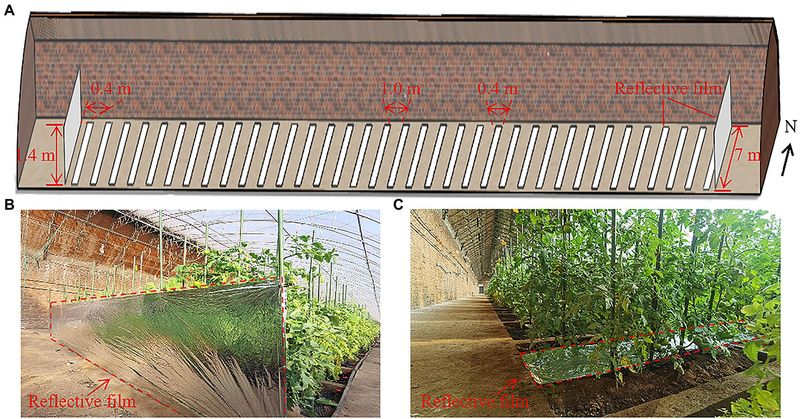
Reflective surfaces can amplify sunlight, aiding photosynthesis and promoting growth. Positioning mirrors or foil around tomato plants increases the available light.
This technique is particularly useful in shaded gardens or areas with limited sunlight. By directing more light to the plants, it boosts energy levels and growth rates.
A playful innovation: some gardeners even use CDs or shiny objects to reflect light creatively. It’s a fun way to enhance your garden’s performance, turning limited light into a growth advantage for your tomatoes.
Harnessing Fermented Plant Juice
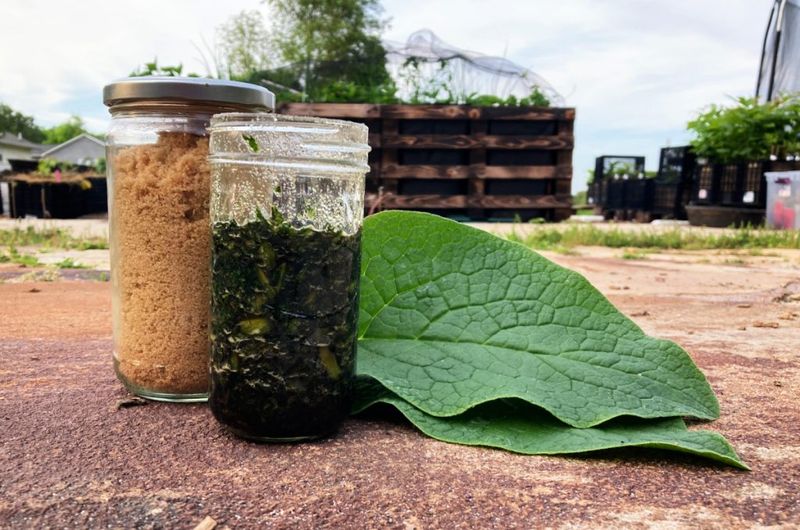
Fermented plant juice (FPJ) is an organic fertilizer made from locally sourced plants. Rich in nutrients, it boosts growth when applied to soil or foliage.
Gardeners create FPJ by fermenting plant material with brown sugar, resulting in a potent growth elixir. This traditional method is popular in natural farming for its effectiveness.
A fun fact: FPJ enhances soil microbiology, improving plant vitality. By harnessing fermentation, you’re not only nourishing your tomatoes but also reducing waste and supporting sustainable practices in your garden.
Applying Calcium with Eggshells
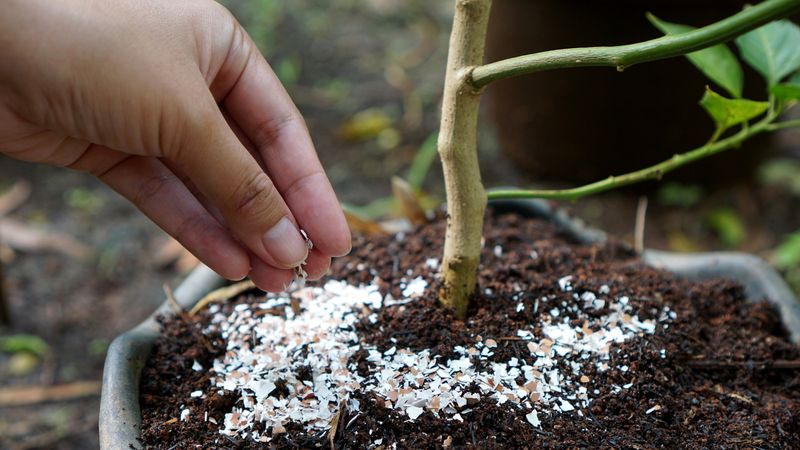
Eggshells are a natural calcium source, crucial for preventing blossom end rot in tomatoes. Crushed shells added to soil provide a slow-release calcium boost.
This practice involves drying and grinding eggshells before incorporation. It enriches the soil, supporting healthy plant development and fruit quality.
Did you know? The average eggshell contains 2.2 grams of calcium. By recycling kitchen waste in this simple yet effective way, you’re enhancing your garden’s nutrient profile and ensuring robust tomato growth.