 Complete Gardening

Have you ever thought of using tomato cages for more than just your tomatoes? These versatile garden tools can support a variety of plants, offering stability and promoting vertical growth.
Let’s explore 20 unexpected plants that can benefit from the support of a tomato cage.
1. Basil

Basil is a fragrant herb that thrives with a bit of support. Using a tomato cage can help the plant grow upright, making it easier to harvest and keeping the leaves clean. Basil’s leaves can be delicate, so the cage prevents them from drooping onto the soil.
Keep the plant trimmed to encourage bushier growth, maximizing your harvest. The cage also helps in areas with high winds, preventing the stems from breaking.
This simple support can transform your basil plant into a thriving, easy-to-maintain garden asset.
2. Oregano
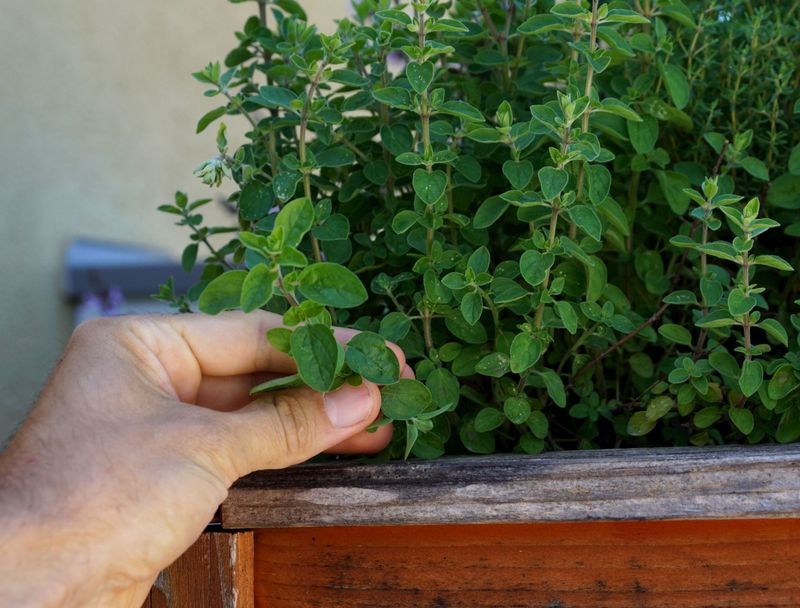
Oregano is more than just a pizza topping; it’s a robust herb that can benefit from vertical growth. A tomato cage supports the plant as it grows, allowing air to circulate and reducing the risk of fungal issues.
This support structure helps the plant grow more evenly, and it keeps the herb tidy and manageable. Regularly trimming the plant encourages new growth and ensures a continuous supply of fresh leaves.
With a cage, oregano becomes an accessible and organized garden feature, perfect for culinary use.
3. Thyme
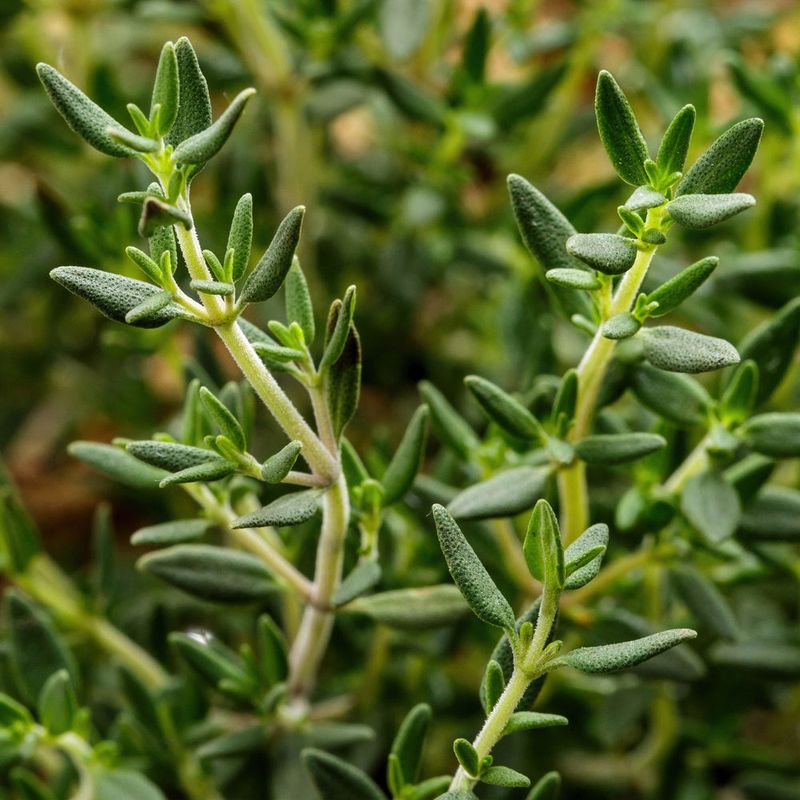
Thyme is a resilient herb that can spread rapidly. Using a tomato cage helps contain its growth, making it easier to manage. The cage promotes vertical growth, which is ideal for small gardens or balconies.
This not only saves space but also keeps the plant healthy by providing good air circulation. Thyme’s woody stems benefit from the support, preventing them from trailing on the ground.
With a bit of care, thyme can become a prolific and attractive part of your garden, ready for culinary adventures.
4. Sage
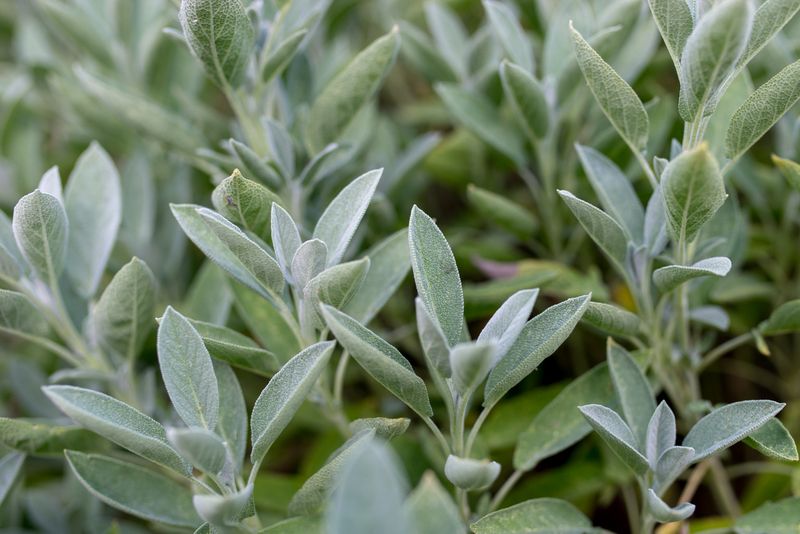
Sage is an aromatic herb that benefits from the support of a tomato cage. The cage provides a framework for the plant to grow tall and strong, preventing the stems from becoming leggy.
By growing upright, sage leaves are kept clean and dry, reducing the risk of disease. The structure supports the plant during heavy rains or winds, ensuring it remains healthy.
Regular pruning encourages bushier growth, and with a cage, sage becomes a robust addition to any garden, adding both beauty and utility.
5. Rosemary
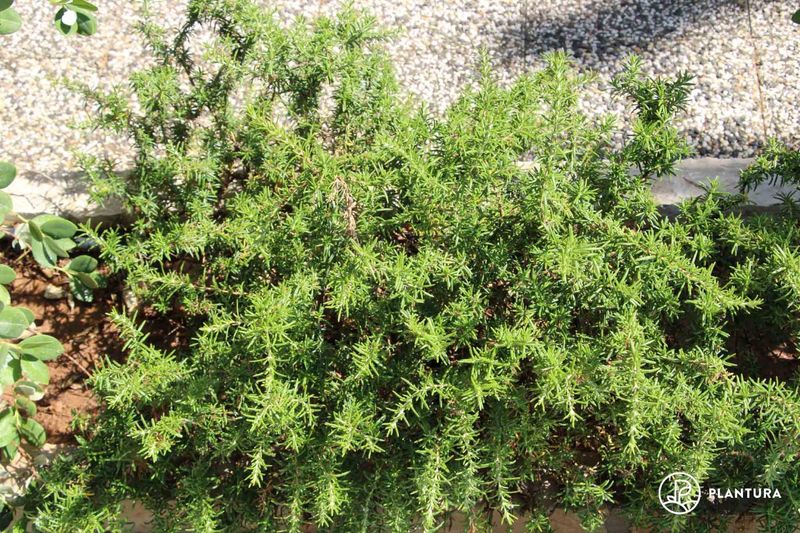
Rosemary is a hardy herb that can grow quite large and bushy. A tomato cage helps contain its growth, providing a neat and organized structure. This support ensures that the branches don’t break under their weight, especially during the growing season.
The cage allows for better air circulation, reducing the chance of mold or mildew. Regular trimming keeps the rosemary in check, promoting new growth.
With a cage, rosemary becomes a manageable and beautiful feature, perfect for enhancing your culinary dishes.
6. Parsley
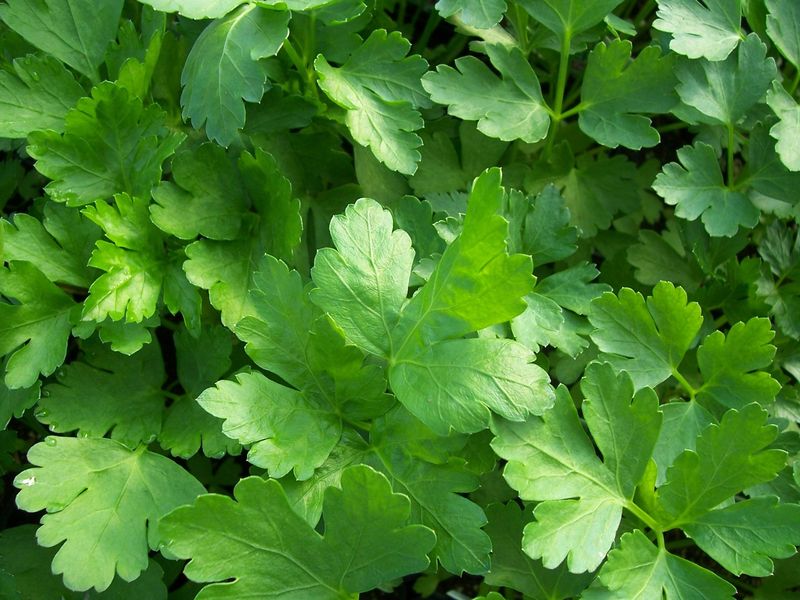
Parsley can become quite lush and bushy, making a tomato cage an excellent support. The cage helps the plant maintain an upright position, ensuring the leaves stay clean and accessible.
This structure also keeps the parsley from sprawling, saving space in your garden. Regular harvesting and trimming promote new growth, ensuring a steady supply of fresh parsley.
The cage provides stability in windy conditions, protecting the delicate stems. With this simple addition, parsley becomes an organized and productive part of your garden.
7. Cilantro
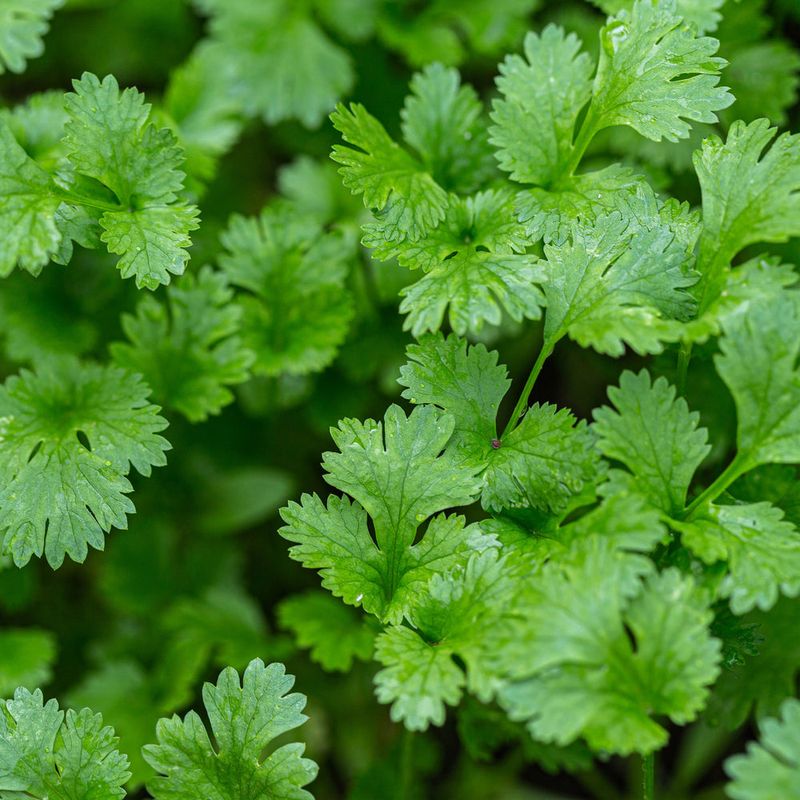
Cilantro is a flavorful herb that can quickly become unruly. A tomato cage provides the support needed to keep the plant upright and accessible. By growing vertically, cilantro takes up less space, perfect for small gardens or containers.
The cage helps in preventing the stems from breaking, especially in windy conditions. Regularly trimming the plant encourages new growth, ensuring a continuous supply of fresh leaves.
With the added support, cilantro remains a tidy and productive part of your culinary garden.
8. Mint
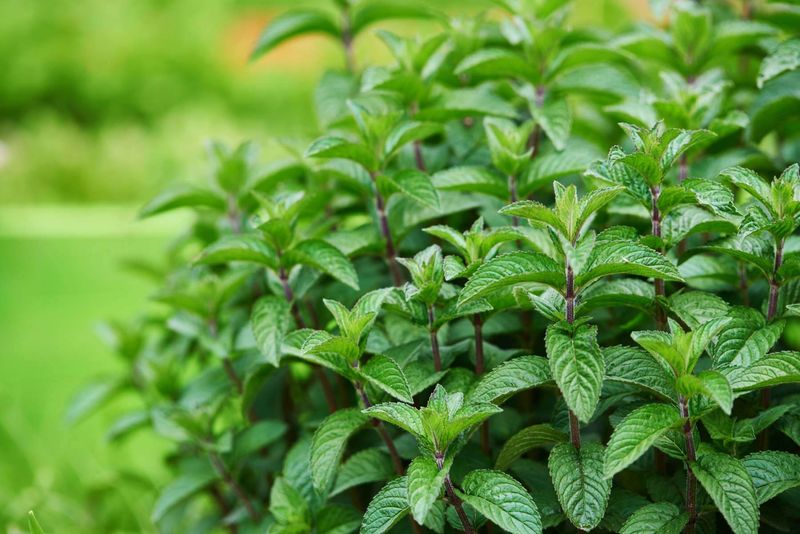
Mint is known for its rapid growth and spreading nature. A tomato cage helps contain this vigor, promoting vertical growth. The cage ensures that the mint doesn’t take over your garden, keeping it organized and manageable.
Mint’s fragrant leaves can be easily harvested when supported, and the cage provides stability in windy conditions. Regular pruning keeps the plant under control, encouraging bushier growth.
With this structure, mint becomes a delightful and aromatic addition to your garden, ready for culinary or tea-making purposes.
9. Chives
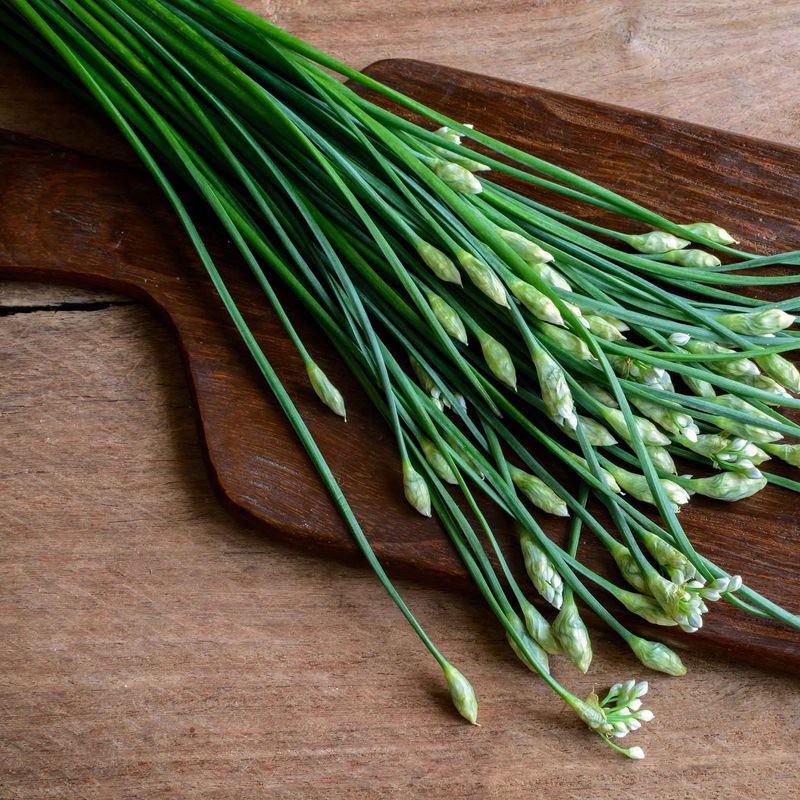
Chives are a versatile herb that benefits from the support of a tomato cage. The cage helps keep the slender stems upright, making harvesting easier. This support structure prevents the chives from sprawling, saving space in your garden.
By growing vertically, the plant receives better air circulation, reducing the risk of disease. Regular trimming encourages new growth, ensuring a continuous supply of fresh chives.
With a cage, chives become a tidy and productive part of your garden, ready to enhance your culinary creations.
10. Marigold
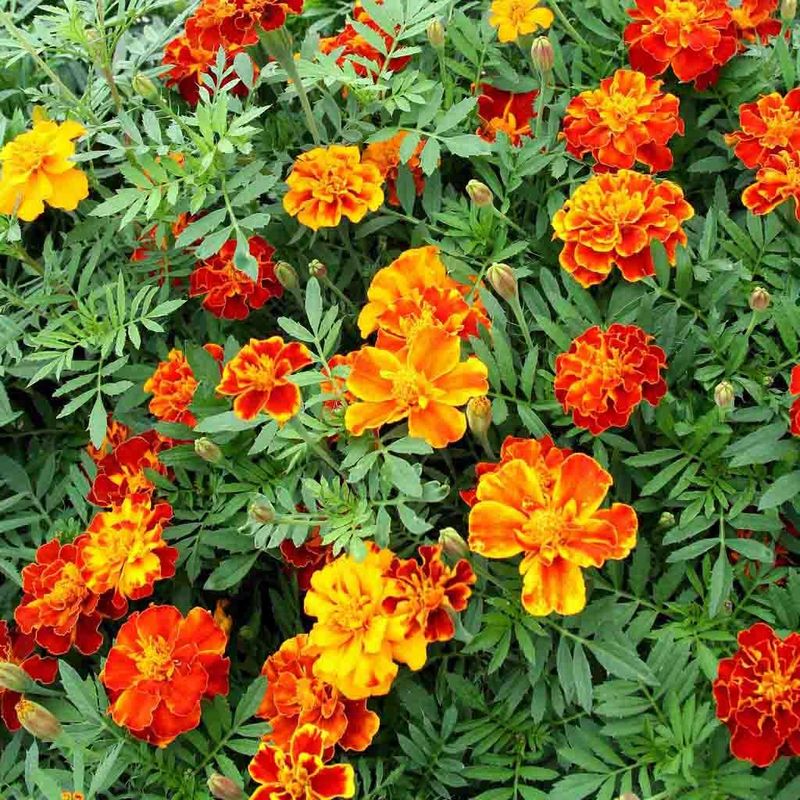
Marigolds are not just beautiful; they are beneficial companions for many vegetables. A tomato cage provides support for their upright growth, showcasing their vibrant blooms. The cage helps in keeping the plant tidy, preventing it from sprawling.
This structure also aids in better air circulation, keeping the plant healthy. Regular deadheading promotes continuous blooming, and with a cage, marigolds become a striking and organized feature in your garden. They add color and charm, while also attracting beneficial insects.
11. Nasturtium
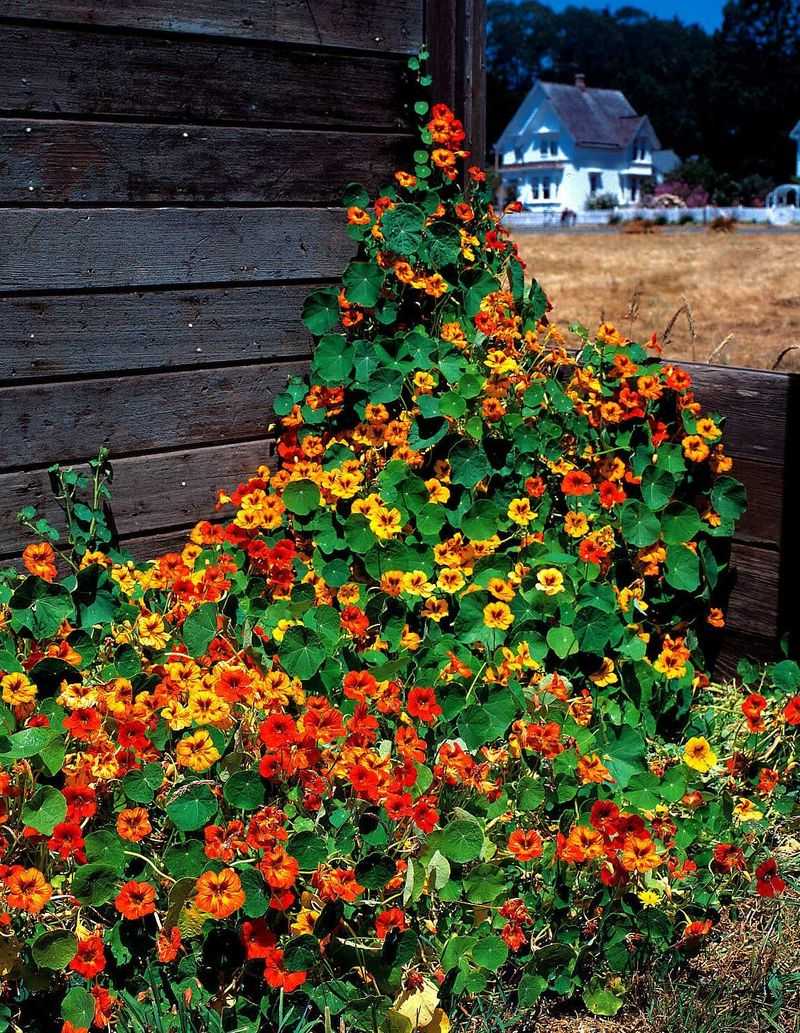
Nasturtiums are known for their vibrant flowers and peppery leaves. A tomato cage supports their climbing nature, showcasing their beauty. This structure keeps the plant off the ground, reducing the risk of disease and pests.
The cage allows for better air circulation and displays the flowers at eye level, enhancing their visual impact. Regularly trimming the plant encourages new blooms and prevents overcrowding.
With a cage, nasturtiums become a colorful and organized addition to your garden, perfect for both ornamental and culinary use.
12. Borage
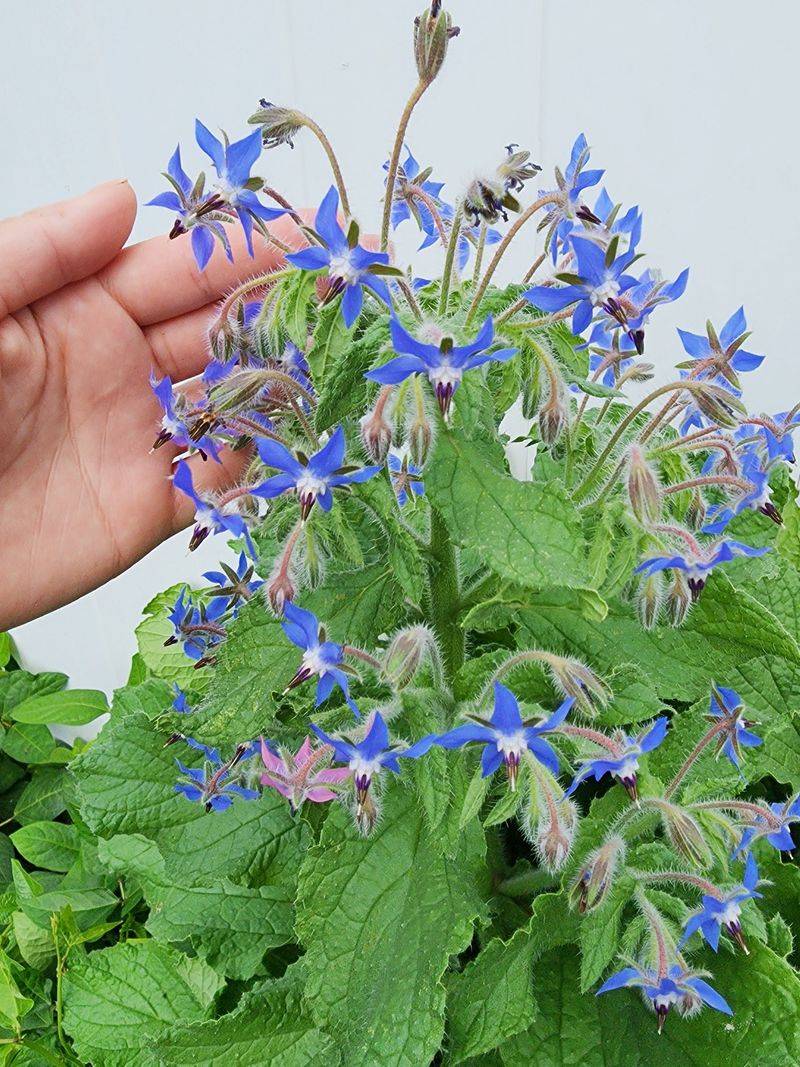
Borage is a stunning plant known for its star-shaped blue flowers. A tomato cage helps support its tall and sometimes floppy stems. This support structure keeps the plant neat and reduces the risk of breakage.
The cage aids in better air circulation, promoting a healthier plant. Borage is beloved by pollinators, and with a cage, it becomes an organized feature that attracts bees and butterflies.
Regular pruning encourages bushier growth and more blooms, making borage a delightful and beneficial addition to your garden.
13. Pole Beans
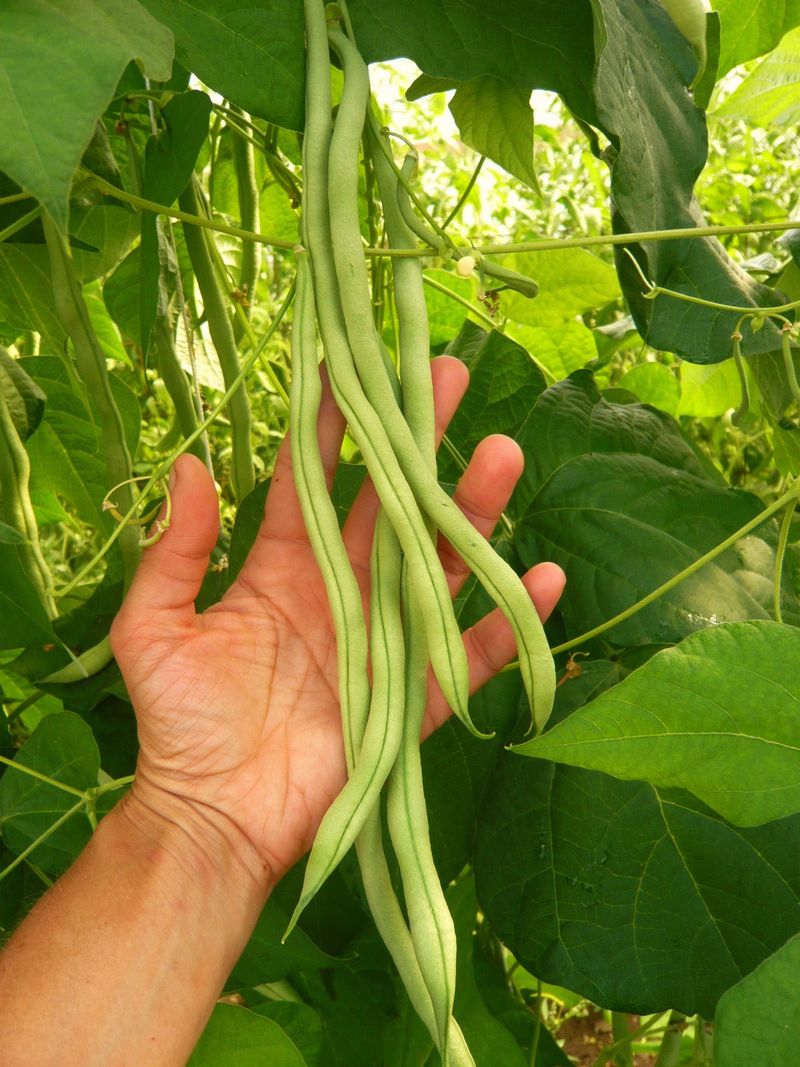
Pole beans are natural climbers, thriving with vertical support. A tomato cage provides the perfect framework for these vines to reach skyward. This support system maximizes garden space, allowing for a larger harvest in a smaller area.
The cage ensures the beans receive ample sunlight and air circulation, promoting healthier growth. Regular harvesting encourages continuous production, and the cage keeps the vines tidy and accessible.
With this support, pole beans become a prolific and rewarding part of your garden, offering delicious and fresh produce.
14. Snow Peas
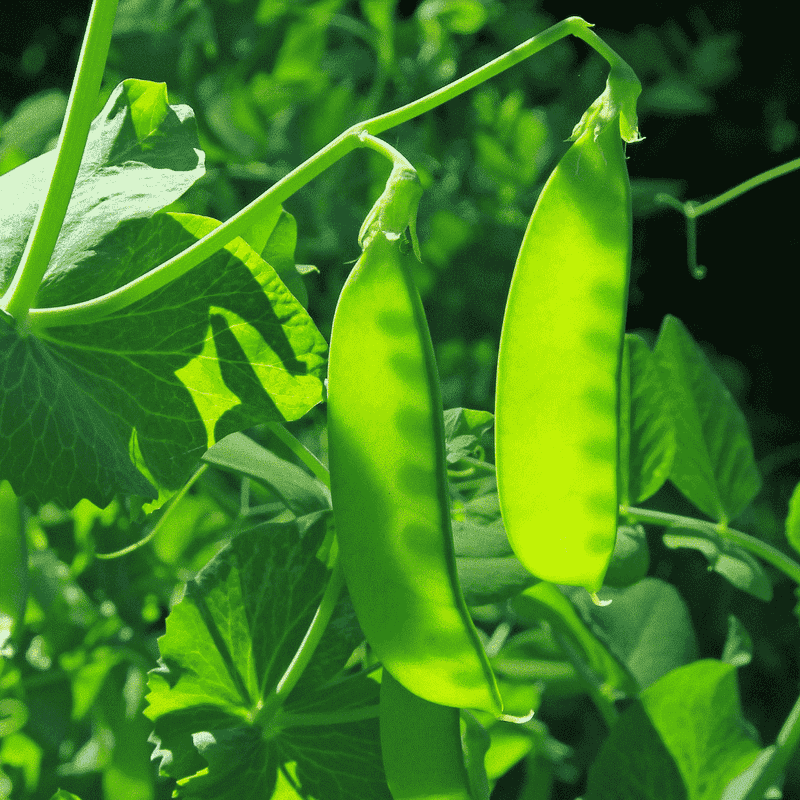
Snow peas are delicate climbers that benefit greatly from support. A tomato cage provides the structure needed for these vines to grow upward. This support keeps the plants off the ground, reducing the risk of pests and disease.
The cage allows for better airflow and sunlight exposure, ensuring the peas grow healthily. Regular harvesting encourages more pods to form, and the cage keeps the vines neat and easy to manage.
With this setup, snow peas become a productive and charming feature in your garden, perfect for fresh, sweet pods.
15. Snap Peas
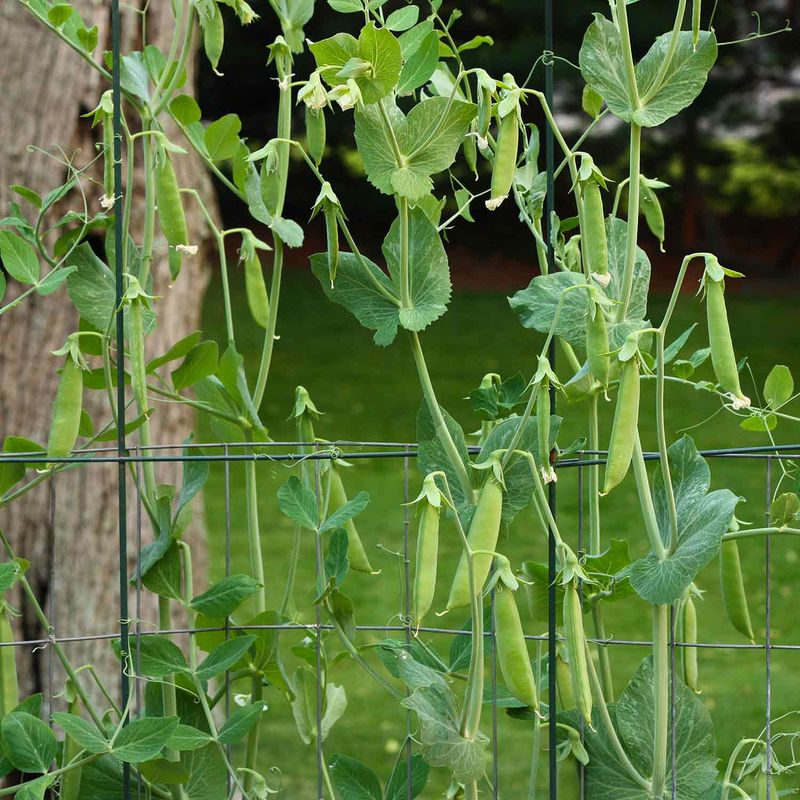
Snap peas are vigorous climbers that thrive with vertical support. A tomato cage offers the perfect structure for these vines to twine around. This setup allows the peas to grow upward, maximizing garden space and improving air circulation.
The cage keeps the plants off the ground, reducing disease risk and making harvesting easier. Regular picking encourages more pods, and the neat, organized vines become a delightful part of your garden.
With a cage, snap peas offer a bountiful harvest of crisp, sweet pods, ready for fresh eating or cooking.
16. Climbing Cucumber
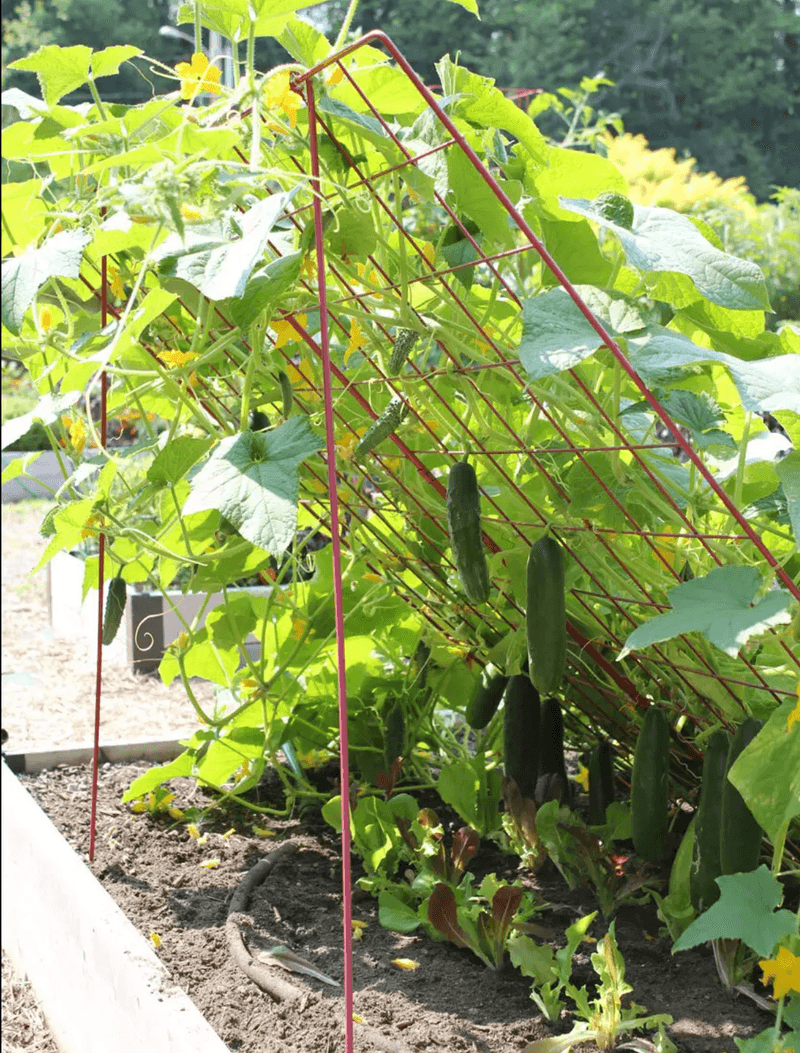
Climbing cucumbers thrive with vertical support, and a tomato cage provides the ideal framework. This structure allows the vines to grow upward, saving space and keeping the cucumbers off the ground.
The cage supports the weight of the fruit, preventing breakage and ensuring even growth. Better airflow and sunlight exposure lead to healthier plants and a more abundant harvest.
Regular harvesting keeps the plant productive, and the neat, accessible vines become a focal point in your garden. With a cage, cucumbers offer a continuous supply of fresh, crisp fruits.
17. Malabar Spinach
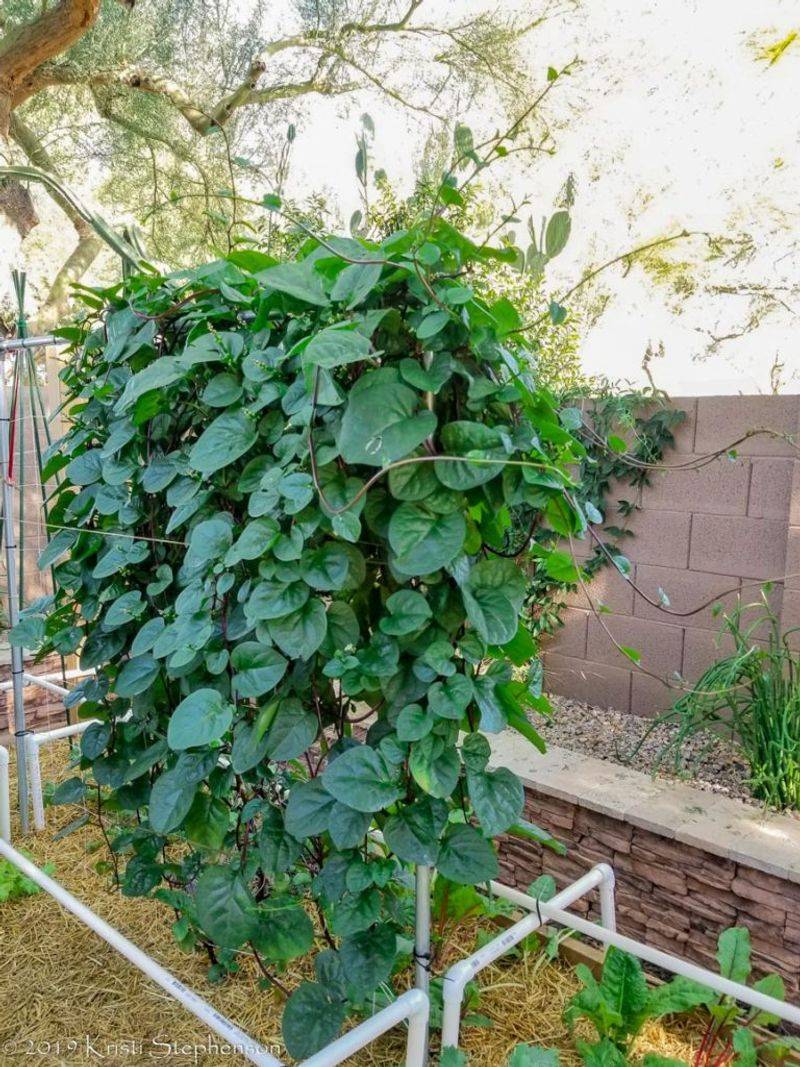
Malabar spinach is a unique climbing green that benefits from a tomato cage. This support allows the vines to grow vertically, saving space and improving air circulation. The cage keeps the plant off the ground, reducing the risk of pests and disease.
Regular harvesting of the tender leaves encourages new growth, and the structure keeps the vines neat and accessible.
With a cage, Malabar spinach becomes a prolific and attractive part of your garden, offering a continuous supply of nutritious greens for salads and cooking.
18. Scarlet Runner Beans
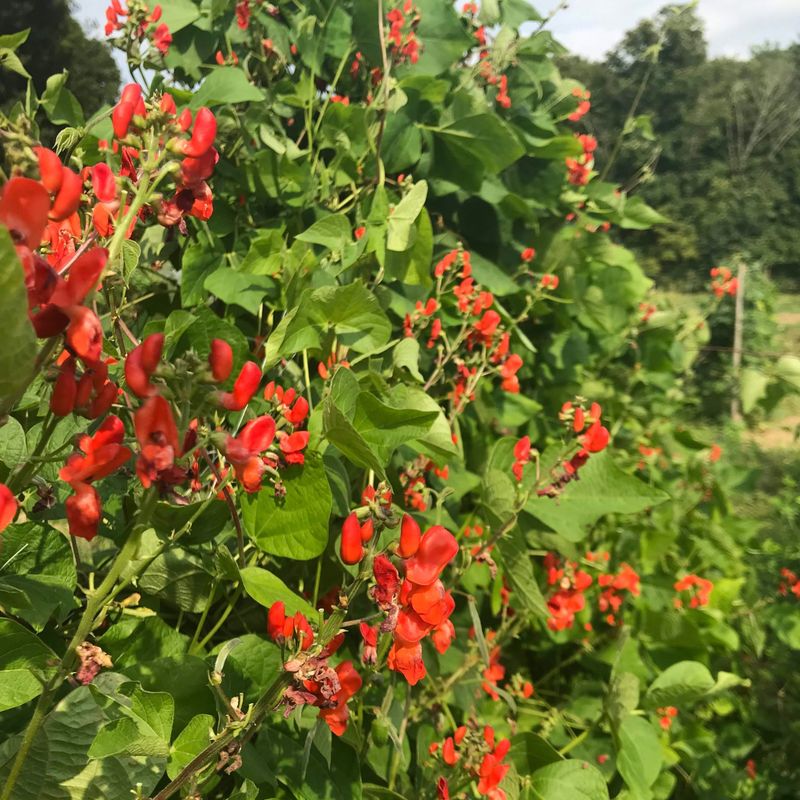
Scarlet runner beans are vigorous climbers that need support to reach their full potential. A tomato cage provides the perfect framework for these stunning vines. The cage supports the weight of the beans and displays the vibrant red flowers beautifully.
This structure allows for better air circulation and sunlight exposure, promoting healthier growth. Regular harvesting encourages more beans, and the cage keeps the vines tidy and manageable.
With this support, scarlet runner beans become a show-stopping feature in your garden, offering both beauty and bounty.
19. Ornamental Peppers
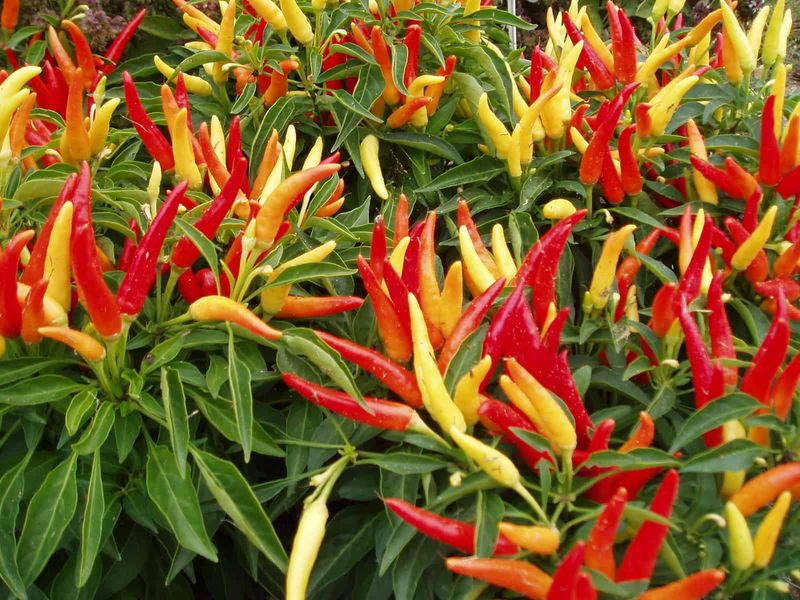
Ornamental peppers add a splash of color to any garden, and a tomato cage helps them grow upright. This support structure keeps the plants tidy and ensures the vibrant peppers are displayed beautifully.
The cage aids in better air circulation, reducing the risk of disease. Regular pruning encourages more peppers, and the structure keeps the plants from sprawling.
With a cage, ornamental peppers become a striking and organized feature in your garden, offering visual interest and a touch of spice to your landscape.
20. Dwarf Eggplant
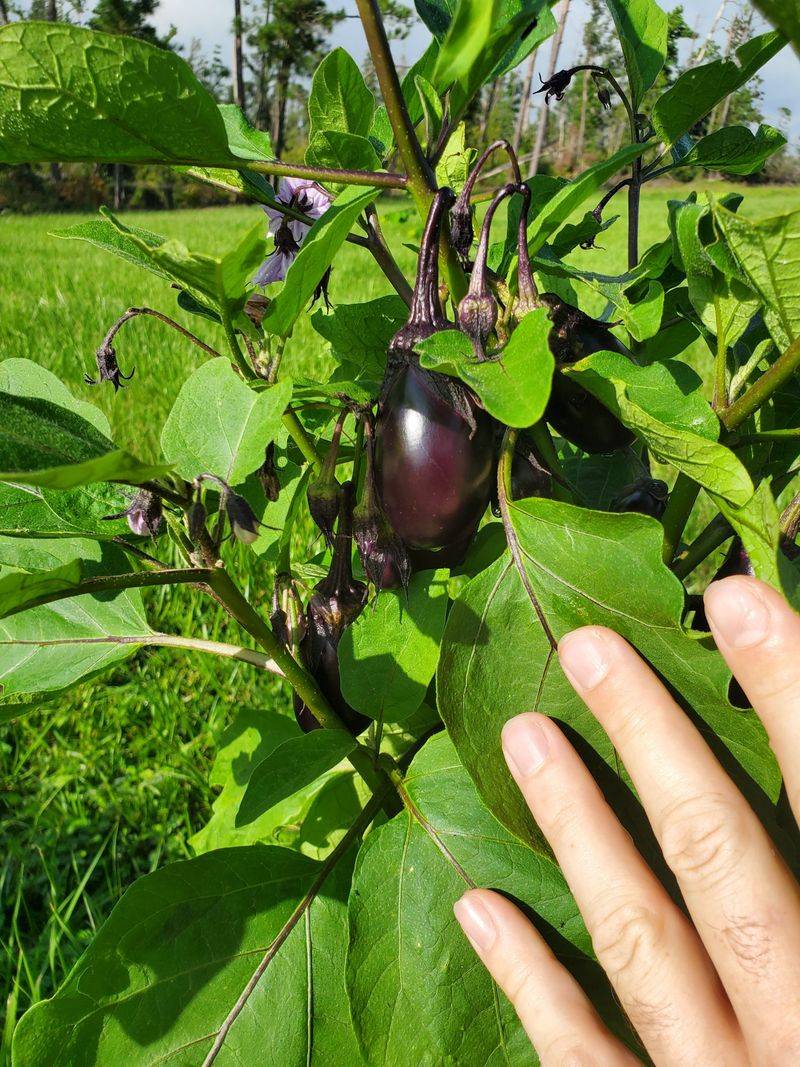
Dwarf eggplants benefit from the support of a tomato cage, helping them grow upright and manageable. This structure keeps the plant tidy and supports the weight of the developing fruits.
The cage allows for better air circulation, reducing disease risk and promoting healthier growth. Regular harvesting encourages more fruit, and the plant remains organized and accessible.
With a cage, dwarf eggplants become a productive and attractive part of your garden, offering a delicious harvest of small, tender eggplants perfect for various culinary dishes.