 Complete Gardening
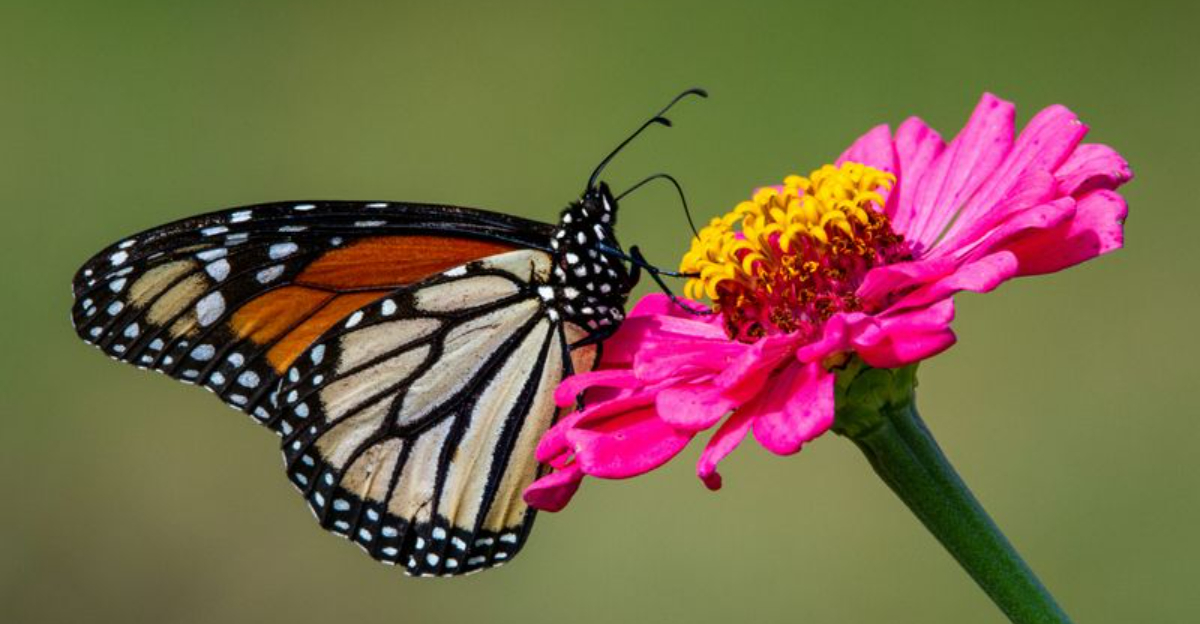
Tennessee, with its diverse climate and rich flora, provides an ideal environment for a variety of plants that attract butterflies. These fluttering beauties not only add vibrant colors to gardens but also play a crucial role in pollination. In this article, we will explore ten plants that are particularly effective in drawing butterflies to your Tennessee garden, each with its own unique charm and characteristics.
1. Milkweed
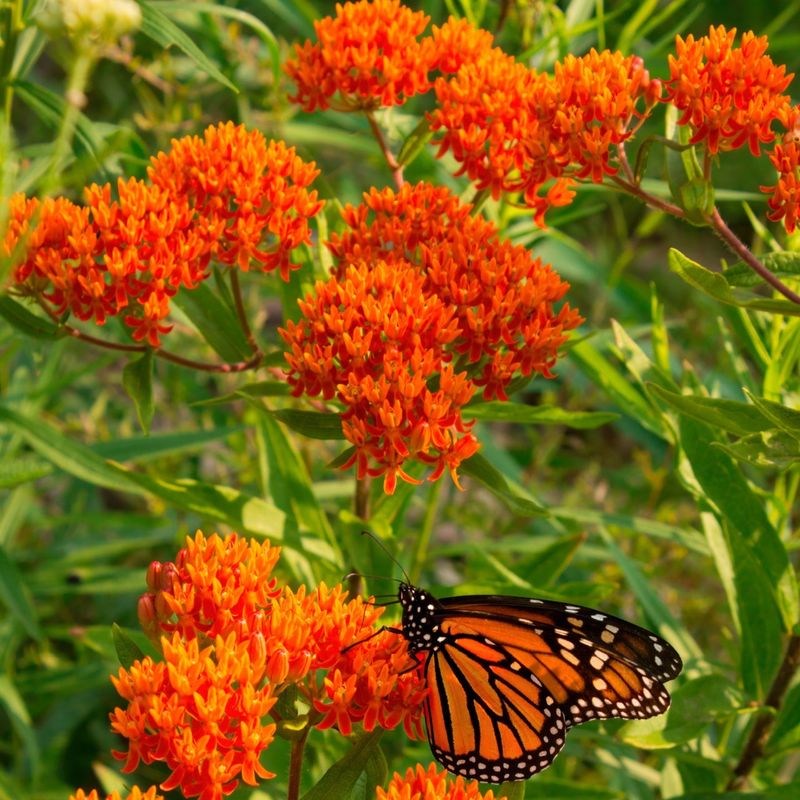
Milkweed is a vital plant for Monarch butterflies, serving as both a food source and a breeding ground. Its vibrant orange and red flowers are not only visually stunning but also essential for the Monarch’s lifecycle.
Did you know? Monarch caterpillars exclusively feed on milkweed leaves. This plant’s presence is crucial for the survival of these iconic butterflies. Planting milkweed in your garden can support Monarch populations and add a splash of color to your landscape.
2. Purple Coneflower
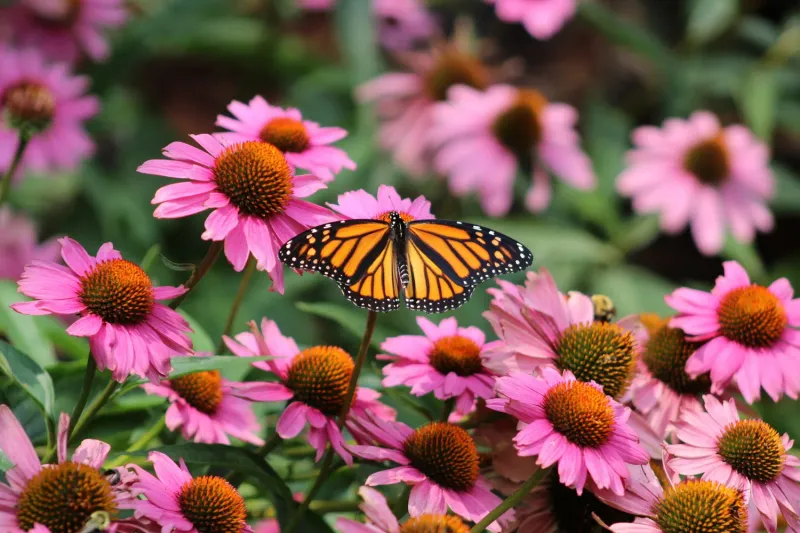
With its striking purple petals and sturdy stature, the Purple Coneflower is a favorite among butterflies. Its nectar-rich blooms are a magnet for a wide range of butterfly species.
This resilient plant not only thrives in Tennessee’s varied climate but also provides a beautiful display throughout the summer months. Ideal for both novice and experienced gardeners, the Purple Coneflower is a must-have for butterfly enthusiasts.
3. Butterfly Bush
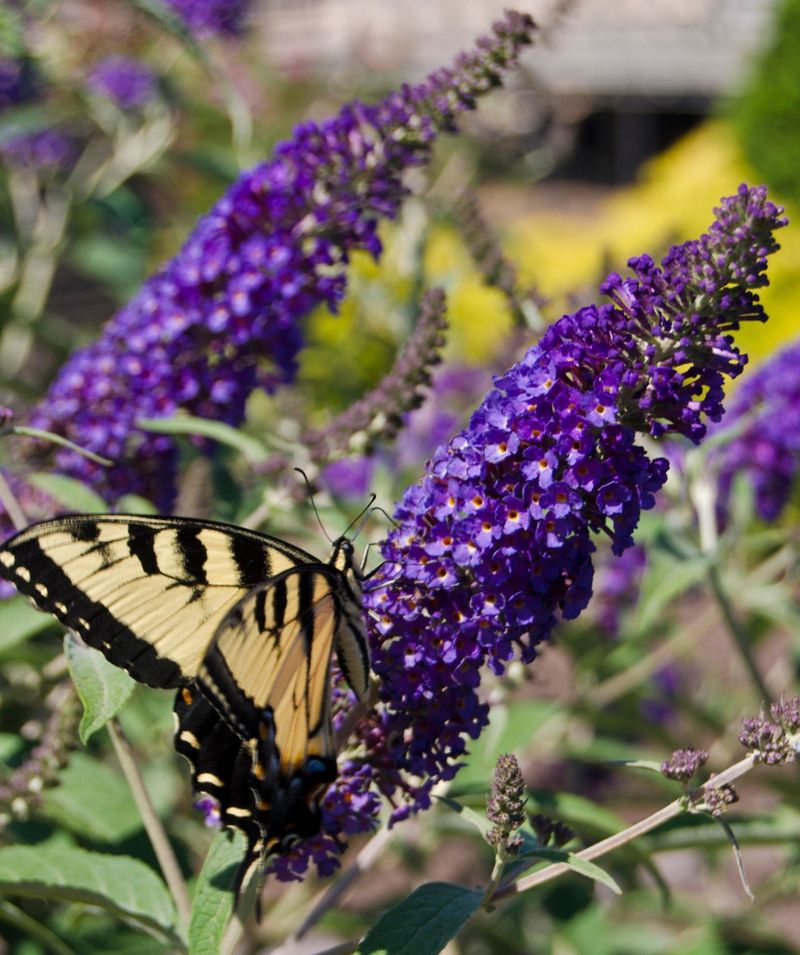
True to its name, the Butterfly Bush is a butterfly’s paradise. Its long, arching branches produce large clusters of fragrant purple flowers that are irresistible to butterflies.
This plant blooms from summer to fall, offering a consistent food source for butterflies. Its ability to thrive in various soil types makes it a versatile addition to any Tennessee garden.
Fun Fact: The Butterfly Bush is also known as “summer lilac” due to its lilac-like fragrance.
4. Zinnia
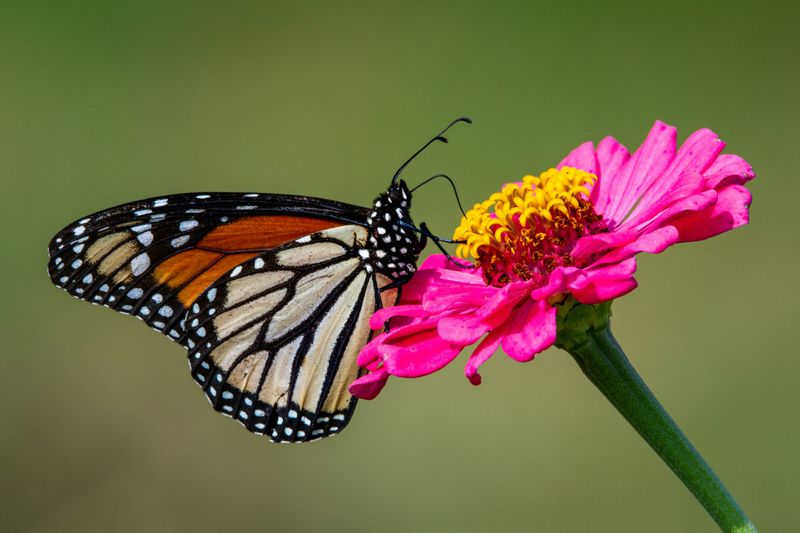
Zinnias are cherished for their vibrant colors and ease of growth. These flowers come in a variety of shades, including red, orange, yellow, and pink, making them a lively addition to any garden.
Butterflies are particularly drawn to Zinnias due to their accessible nectar and wide, open blooms. Whether planted in rows or clusters, they are sure to attract an array of butterfly species throughout the summer.
5. Lantana
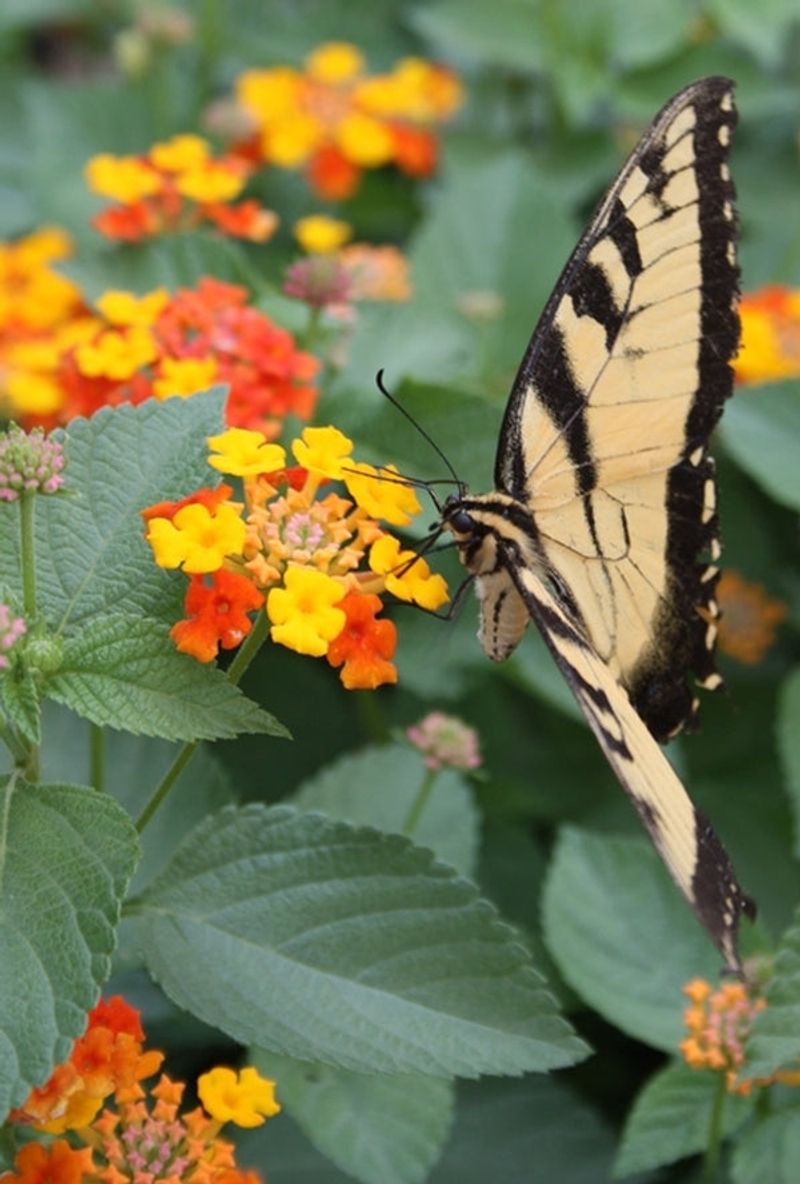
Lantana is celebrated for its clusters of small, multi-colored flowers that change color as they age. This unique feature not only adds dynamic beauty to gardens but also attracts butterflies seeking nectar.
Its robust nature allows it to thrive in Tennessee’s hot summers, making it a reliable choice for gardeners. Additionally, Lantana’s extended blooming period ensures a long-lasting butterfly haven.
6. Joe-Pye Weed
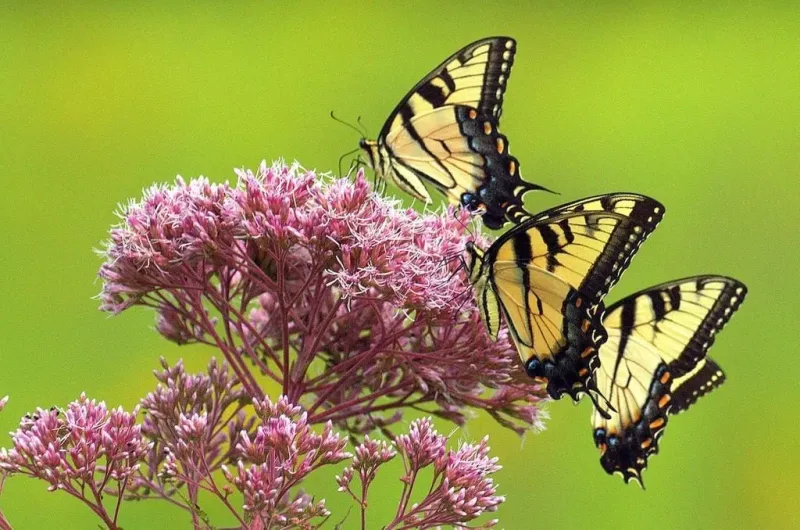
Joe-Pye Weed’s towering presence and pinkish-purple flowers are a sight to behold, attracting butterflies from far and wide. Its clusters of tiny blooms provide a feast for these winged visitors.
Originating from North America, this plant is well-suited to Tennessee landscapes, thriving in moist soils and sunny spots. Its height adds texture and depth to any garden, making it a favorite among nature lovers.
7. Black-Eyed Susan
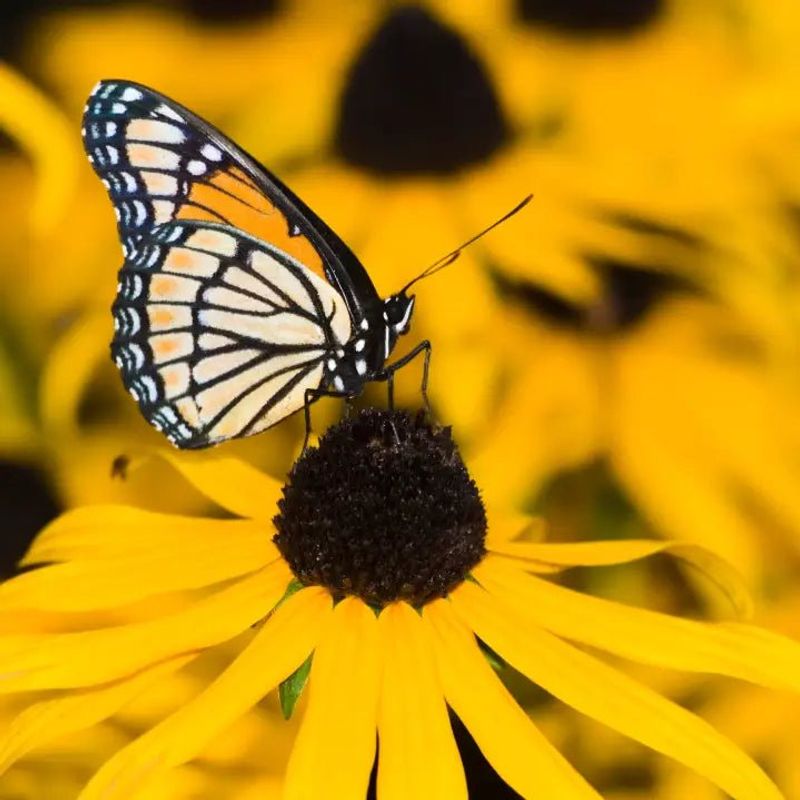
Black-Eyed Susans are known for their cheerful yellow petals and dark centers. These hardy flowers are a staple in Tennessee gardens, attracting butterflies with their abundant nectar.
Their long-lasting blooms provide a continuous source of attraction from summer to early fall. Easy to grow and maintain, Black-Eyed Susans are perfect for gardeners looking to support local butterfly populations.
8. Aster
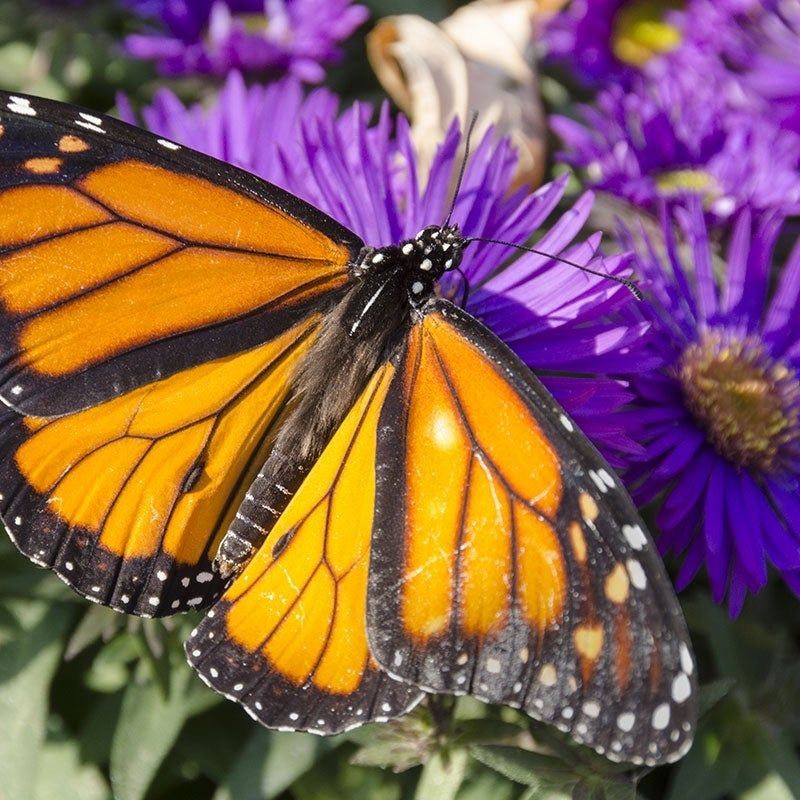
Asters are beloved for their daisy-like flowers and late-season blooms. These plants offer vital nectar to butterflies, especially during the fall months when other flowers begin to fade.
Available in shades of pink and purple, Asters add a delicate charm to gardens. Their resilience in cooler temperatures makes them an excellent choice for extending butterfly-friendly landscapes into the autumn.
9. Bee Balm
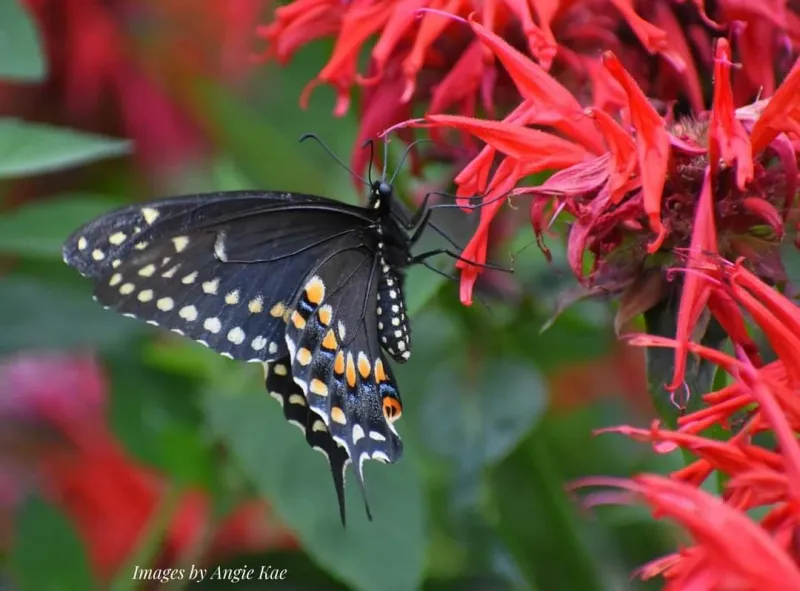
Bee Balm, with its unique tubular flowers and aromatic foliage, is a butterfly favorite. Its vivid red blooms are particularly attractive to butterflies, providing essential nectar in mid to late summer.
Native to North America, Bee Balm is well-adapted to Tennessee’s climate, thriving in both humid and dry conditions. Its distinctive appearance and butterfly appeal make it a standout in any garden setting.
10. Phlox
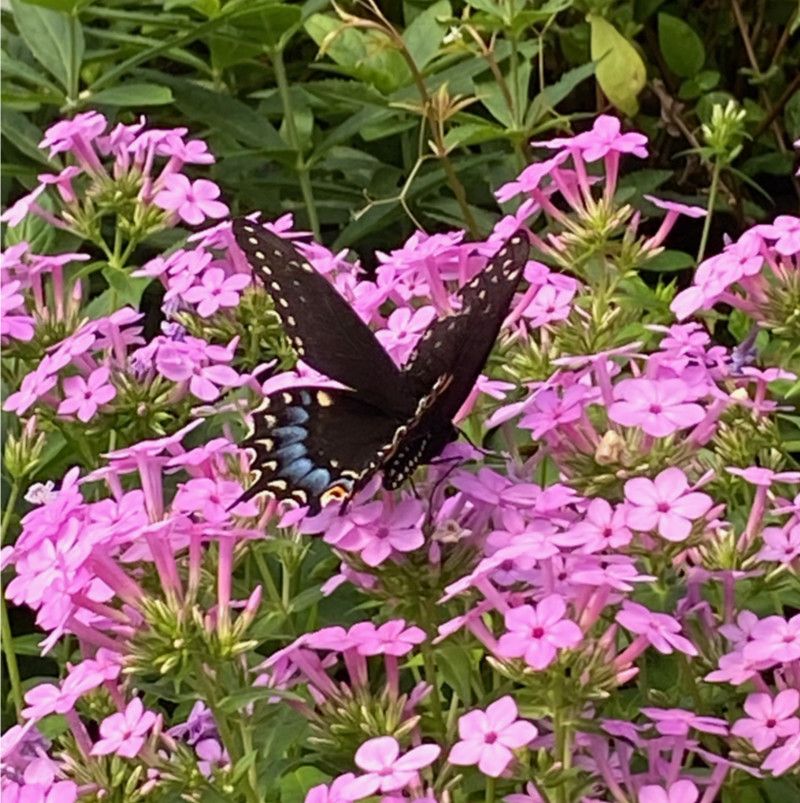
Phlox is known for its clusters of fragrant flowers and vibrant hues. This plant is a butterfly magnet, offering nectar throughout the summer months.
In addition to attracting butterflies, Phlox adds a lush, colorful display to gardens. Its versatility in different garden settings makes it a popular choice for enhancing outdoor spaces in Tennessee.