 Complete Gardening
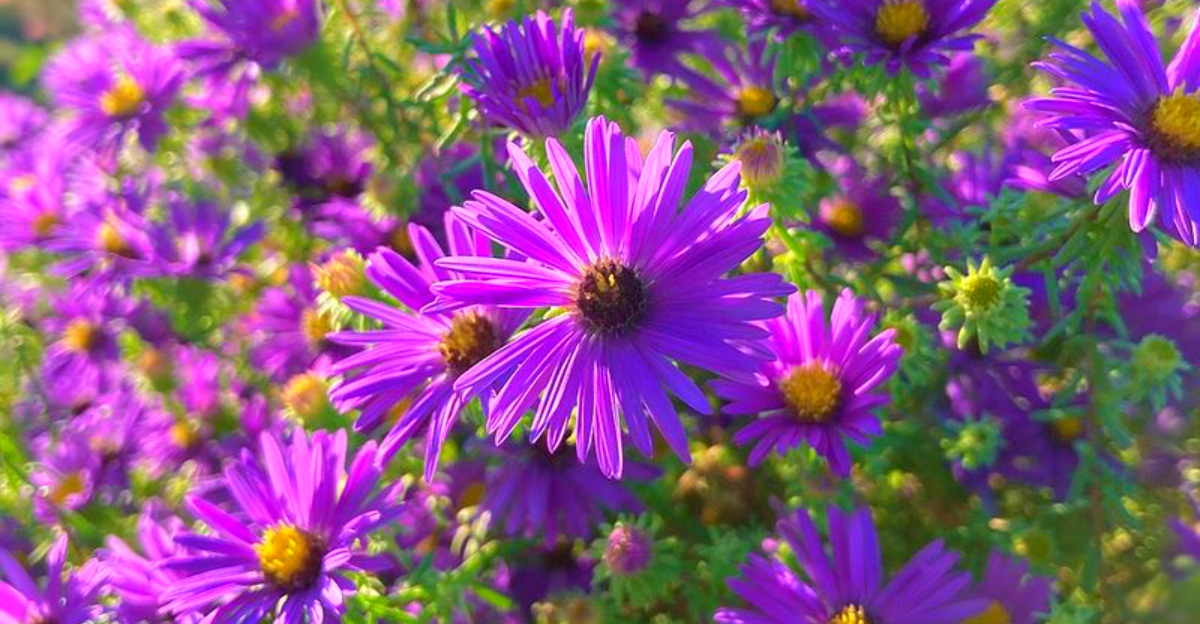
Creating a native garden in Michigan not only supports local ecosystems but also offers vibrant landscapes filled with resilient, low-maintenance beauty. These wildflowers are adapted to the local climate, ensuring that they thrive with minimal care. Whether you’re a seasoned gardener or a novice, these native plants are sure to bring color and life to your outdoor space.
1. Purple Coneflower
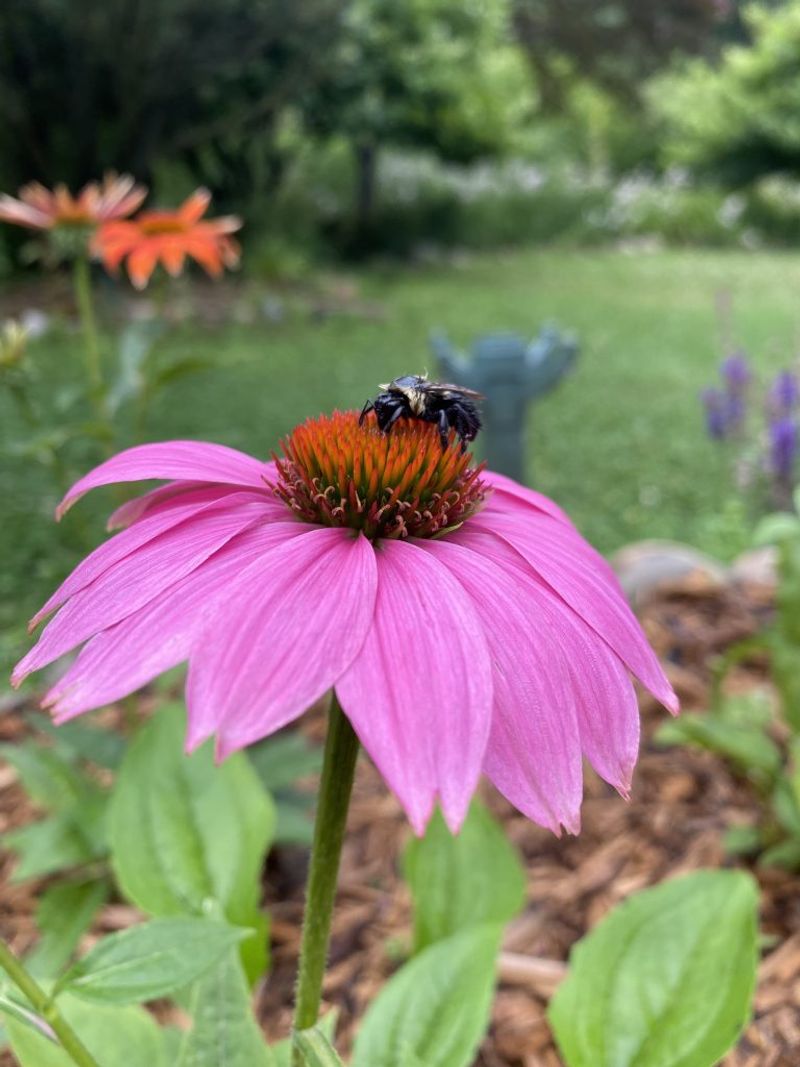
Purple Coneflower captivates with its striking purple petals surrounding a central orange cone. This perennial is not only beautiful but also drought-resistant, making it ideal for Michigan’s unpredictable weather. In addition to its aesthetic appeal, it serves as a vital source of nectar for bees and butterflies, contributing to the local ecosystem. Plant it in sunny areas for best results, and enjoy its bloom from mid-summer to fall.
2. Black-Eyed Susan
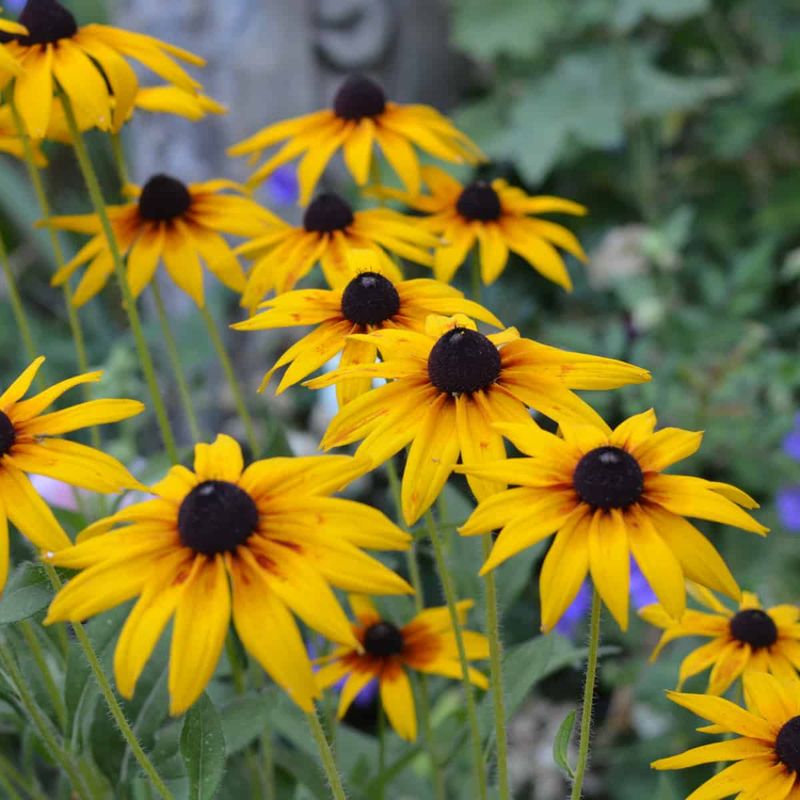
Known for its cheerful yellow petals and dark brown centers, Black-Eyed Susan is a staple in Michigan gardens. This hardy plant is easy to grow and can thrive in a variety of soil types, making it a versatile choice for gardeners. Its long blooming season from June to October ensures a continuous display of color. Furthermore, it attracts pollinators like bees and butterflies, enhancing your garden’s biodiversity.
3. Wild Bergamot
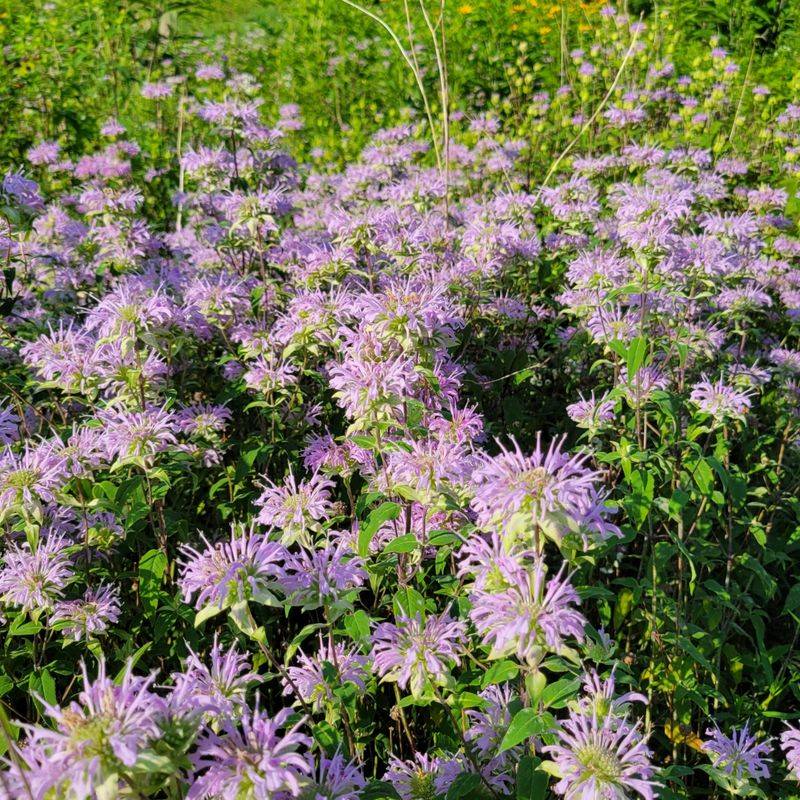
With its lavender blooms and minty aroma, Wild Bergamot adds both color and fragrance to Michigan gardens. This plant is cherished by pollinators, especially bees and hummingbirds, and its flowers can be used for making herbal teas. Preferring full sun to partial shade, it grows well in well-drained soils. Its resilience and beauty make it a favorite among native plant enthusiasts.
4. Butterfly Weed
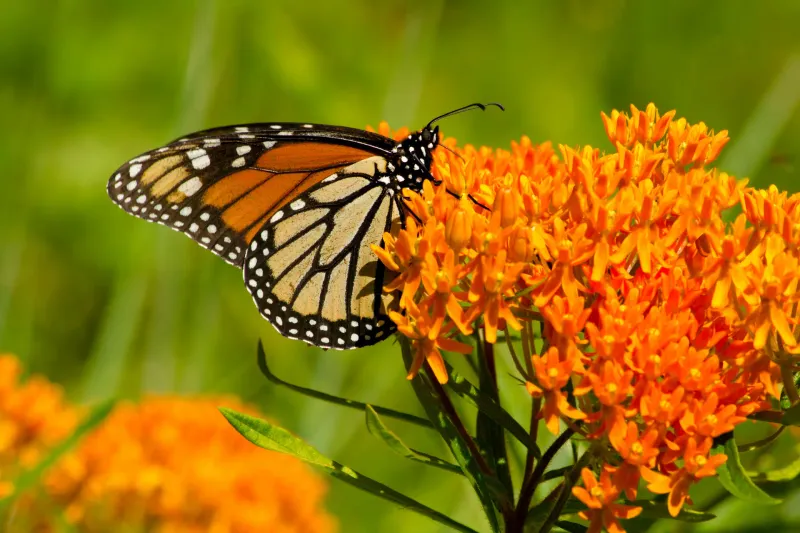
Butterfly Weed stands out with its vibrant orange clusters, acting as a magnet for monarch butterflies. This perennial thrives in sunny locations and well-drained sandy soils, making it perfect for Michigan’s diverse landscapes. Its striking appearance and ecological benefits make it a must-have for those aiming to support local wildlife. Despite its delicate name, it is a hardy and drought-tolerant plant.
5. Blue Vervain
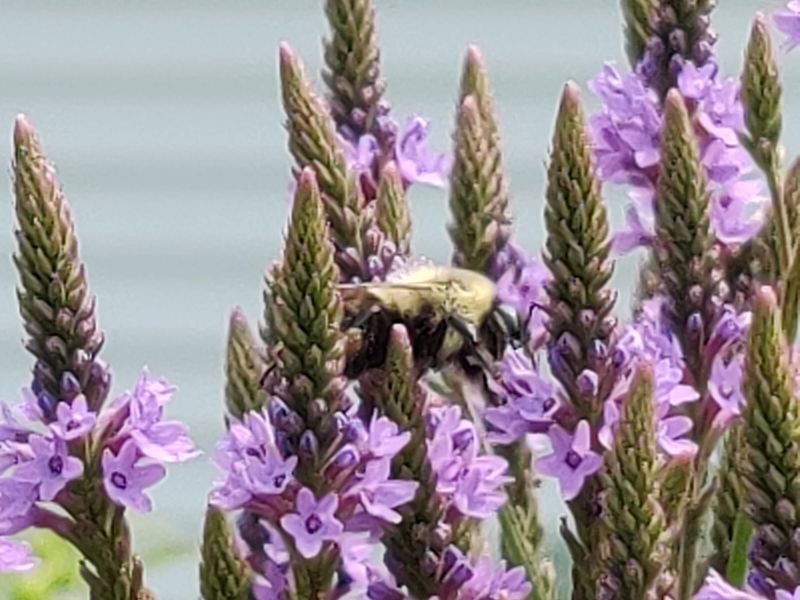
Blue Vervain graces gardens with its tall spikes of violet-blue flowers. This native plant prefers wet conditions, often found near streams or in wet meadows, making it unique among garden choices. Its presence attracts a variety of pollinators, supporting biodiversity. Aside from its visual appeal, Blue Vervain has been traditionally used in herbal medicine, adding another layer of interest to its cultivation.
6. Swamp Milkweed
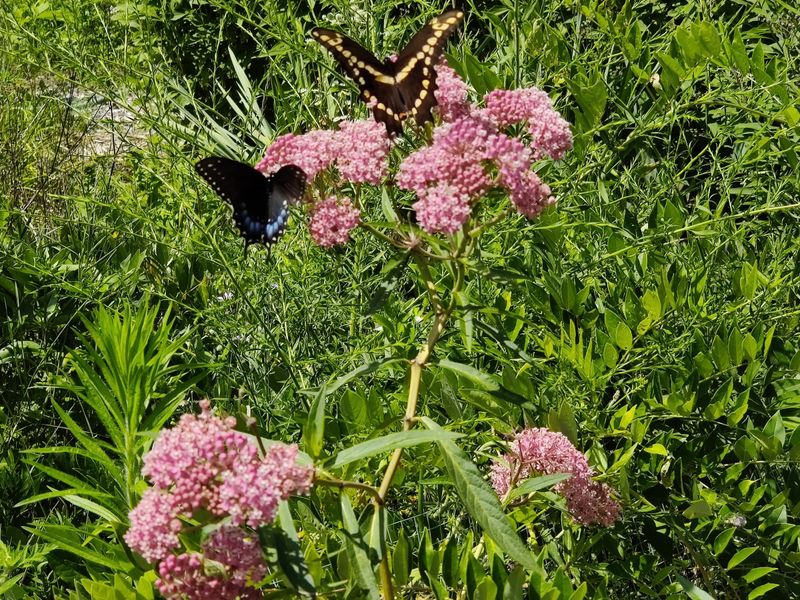
Swamp Milkweed is a vibrant addition to any wetland or garden space in Michigan. Its pink clusters of flowers offer visual appeal while supporting pollinators like monarchs and bees. This perennial is well-suited for moist, sandy, or clay soils, making it adaptable to various garden conditions. Not only is it beautiful, but it also plays a crucial role in the lifecycle of monarch butterflies, serving as a host plant for their larvae.
7. Columbine
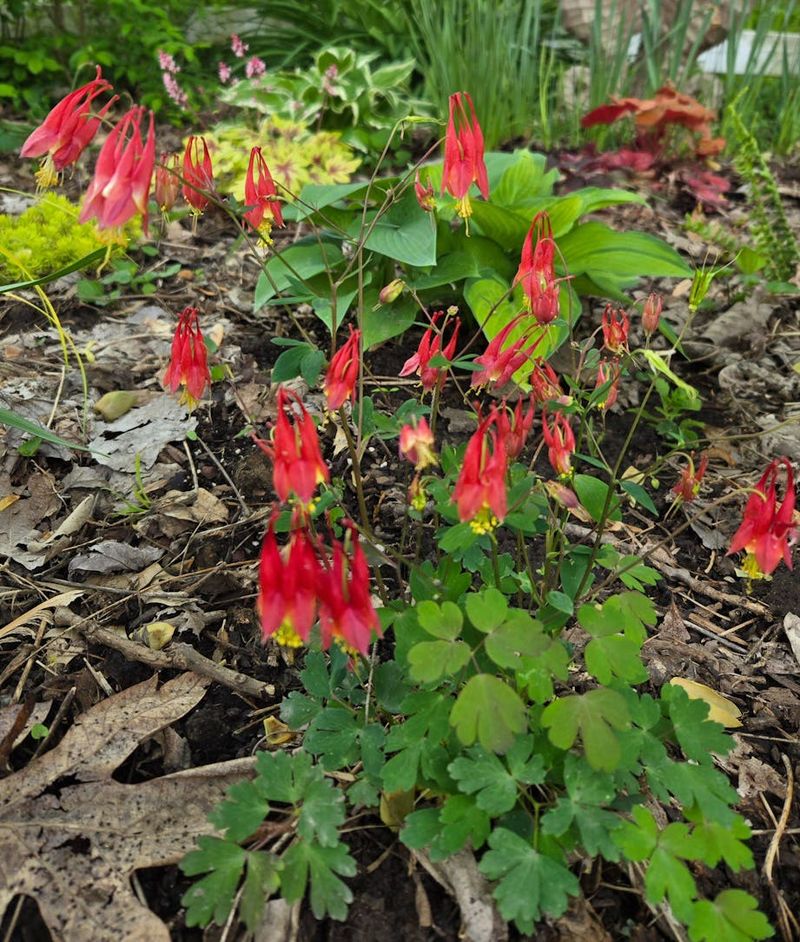
Columbine’s unique red and yellow petals bring a touch of elegance to Michigan gardens. This shade-tolerant plant thrives in woodland settings and is ideal for adding color under tree canopies. Its intricate blooms attract hummingbirds, providing a dynamic element to your garden. Easy to grow in well-drained soils, Columbine is a delightful choice for gardeners seeking to enhance their native plant collection.
8. Wild Lupine
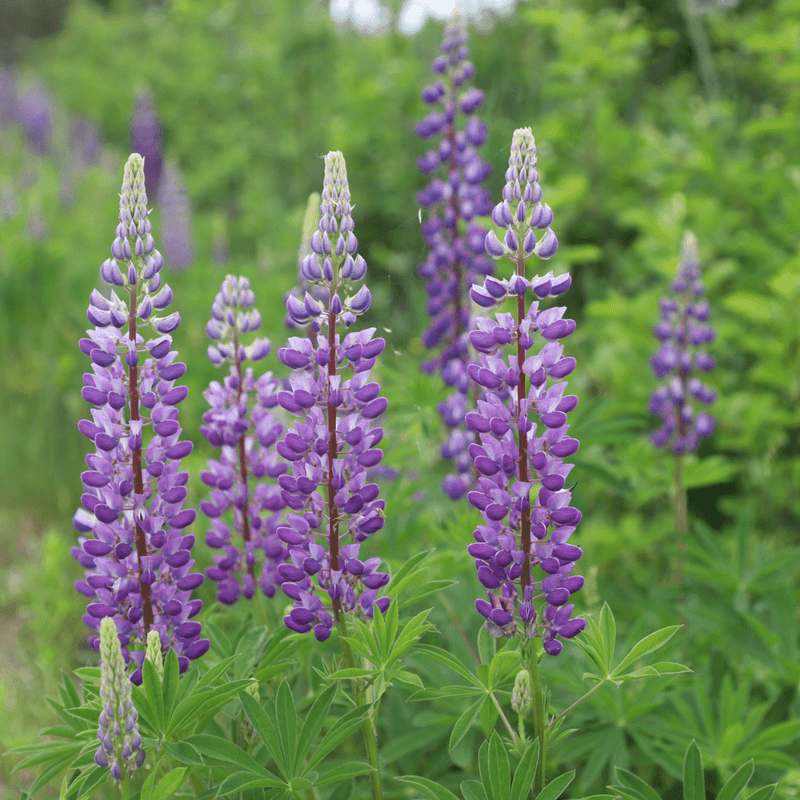
Wild Lupine is cherished for its tall spikes of blue and purple flowers that sway gently in the breeze. Found naturally in prairies and open woodlands, this plant prefers sandy, well-drained soils. It’s an important food source for the endangered Karner blue butterfly, making its cultivation significant for conservation efforts. Enhance your garden’s visual appeal and ecological value with this striking native flower.
9. New England Aster
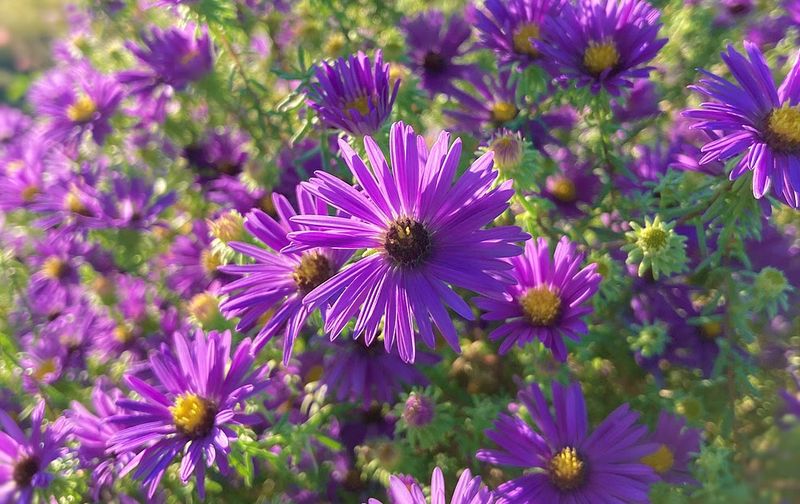
New England Aster is a late-blooming beauty that extends color into the fall season. Its vibrant purple flowers are a favorite among bees and butterflies, ensuring a lively garden atmosphere well into autumn. Preferring sunny locations and well-drained soils, this aster is a robust addition to Michigan gardens. Its ability to thrive in challenging conditions makes it a reliable choice for gardeners.
10. Trillium
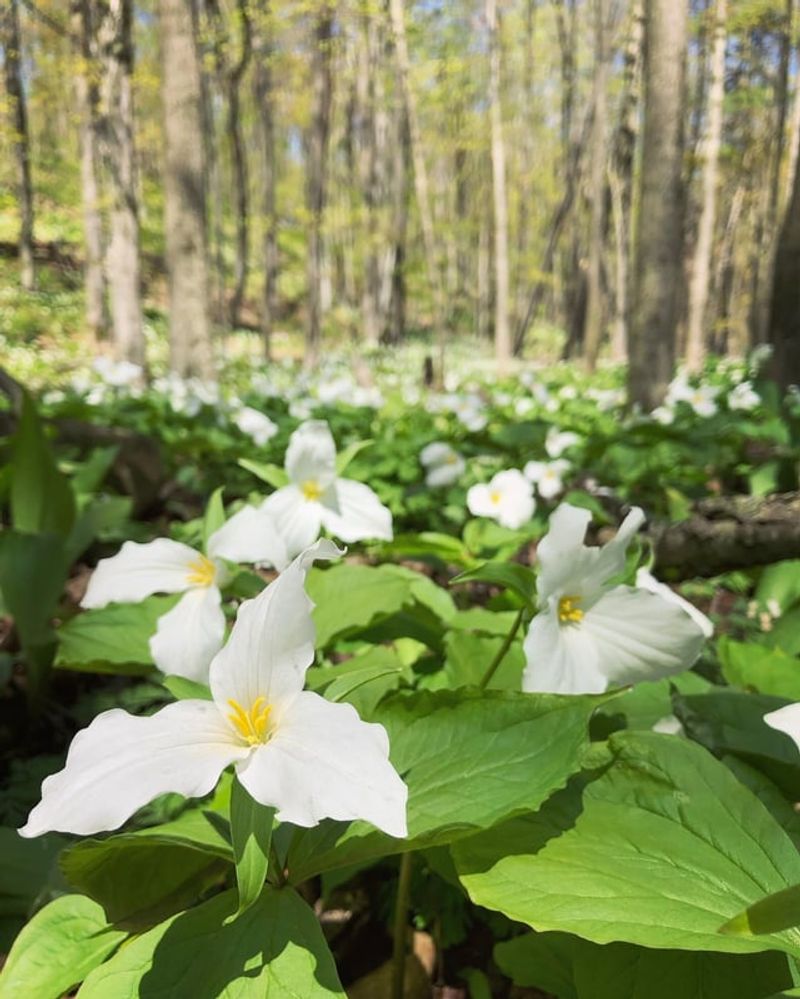
Trillium, with its three distinctive white petals, is a classic symbol of Michigan’s spring woodlands. This shade-loving perennial thrives under deciduous trees, offering charm and subtlety to garden spaces. It prefers rich, well-drained soils and is often found in forested areas. Trillium’s understated elegance and early spring bloom make it a beloved choice for native plant enthusiasts seeking to capture the essence of local flora.