 Complete Gardening
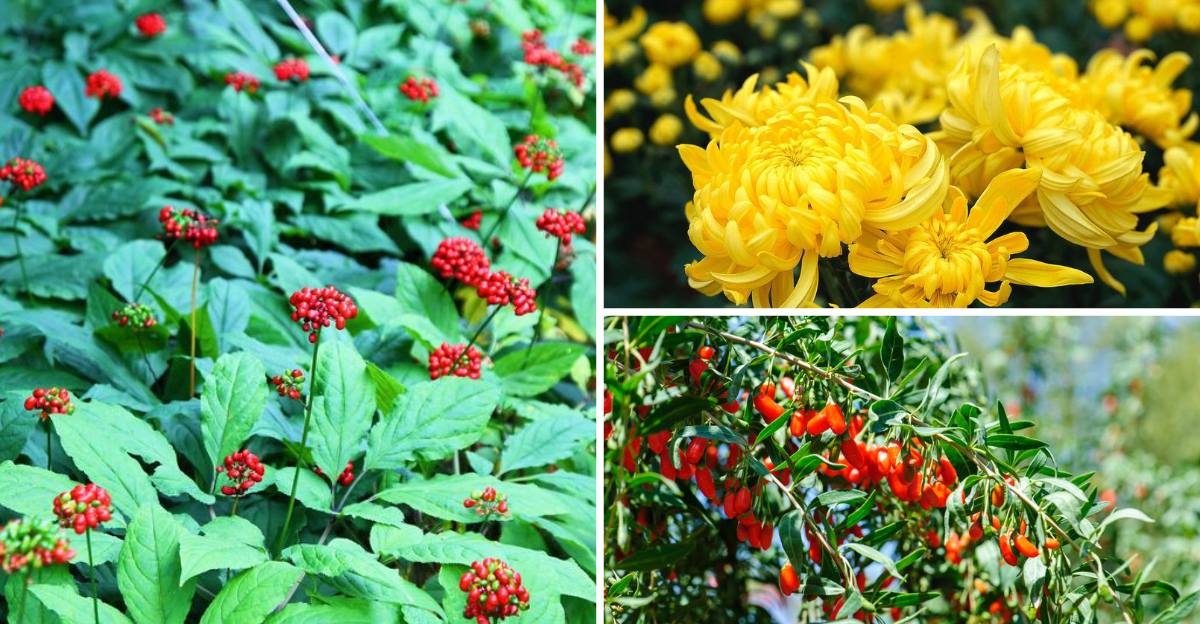
Discover the timeless wisdom of Traditional Chinese Medicine with this guide to cultivating your own herb garden. These ten healing plants, each with unique qualities and benefits, have been cherished for centuries. Whether you are a seasoned gardener or a beginner, these herbs offer natural remedies and soothing properties that enhance both body and mind.
Ginseng
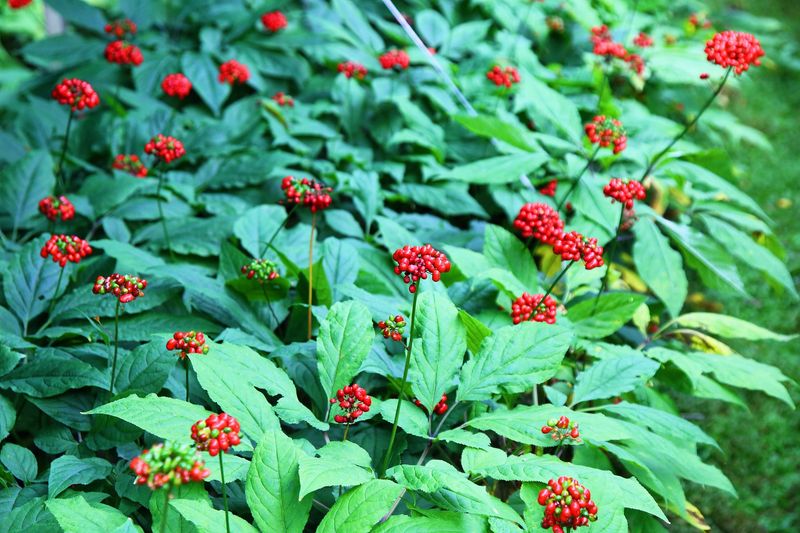
Renowned for its energizing properties, ginseng is a staple in traditional Chinese gardens. Its roots, resembling a human form, are said to invigorate and rejuvenate.
This potent herb is often used to boost vitality and support overall well-being. Ginseng’s history dates back thousands of years, treasured for its ability to enhance mental clarity.
Incorporate ginseng in your garden, and you’ll have a natural remedy to combat fatigue. Its presence adds not just health benefits, but also an aura of tranquility, making it a prized addition to any herb collection.
Goji Berry
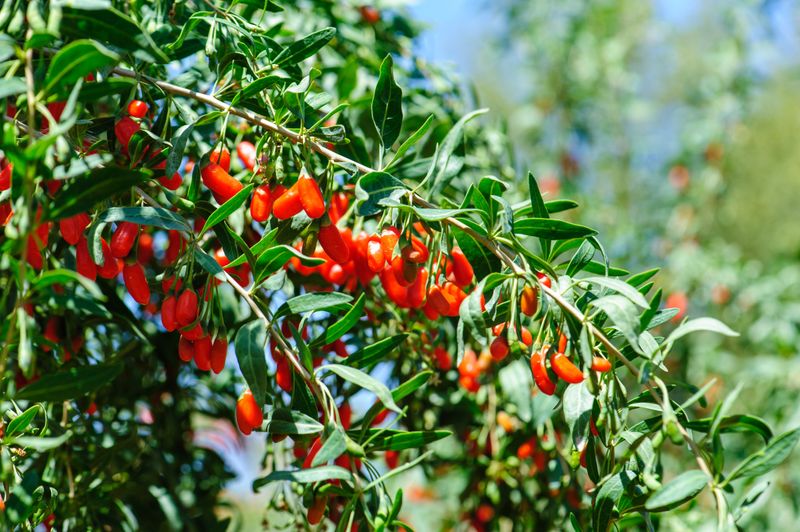
Goji berries, tiny red gems in Chinese herbal gardens, are praised for their antioxidant richness. These berries are believed to promote longevity and strengthen the immune system.
Often enjoyed as a tea or snack, they provide a sweet yet slightly tart flavor. Goji berries are not just nutritious; their vibrant color adds visual appeal to any garden.
Growing goji berries connects you to ancient wellness traditions, offering both beauty and health in one. A must-have for those seeking a balanced life enriched by natural remedies.
Chrysanthemum
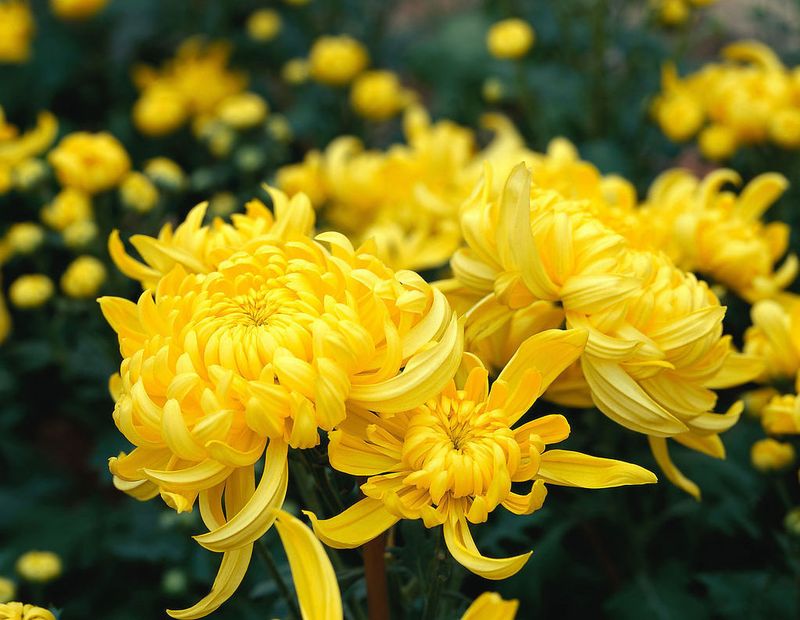
Chrysanthemums are more than ornamental; they hold a treasured spot in Chinese medicine for their calming effects. Known to ease tension and cool the body, they are often brewed into soothing teas.
These flowers symbolize longevity and rejuvenation, their rich history woven into Chinese culture and art.
Planting chrysanthemums in your garden offers a dual delight of beauty and therapeutic benefits. Their blossoms, a burst of color, invite peaceful reflection, making them a cherished part of any herbal sanctuary.
Licorice Root
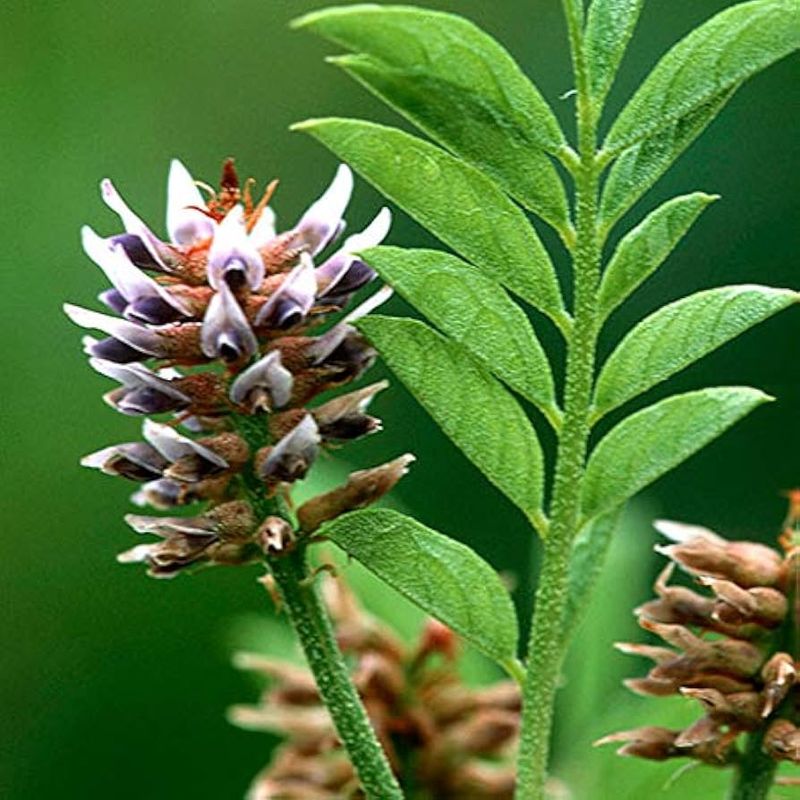
Licorice root, with its sweet flavor, is a versatile herb in Chinese medicine. Known for soothing sore throats and supporting respiratory health, it’s a natural sweetener with healing power.
This plant has been used for centuries, loved for its ability to harmonize other herbs. Licorice root’s adaptability makes it a garden favorite, blending therapeutic benefits with culinary uses.
Add this plant to your collection, and enjoy a perennial that’s as functional as it is flavorful, offering a touch of sweetness to your herbal endeavors.
Astragalus
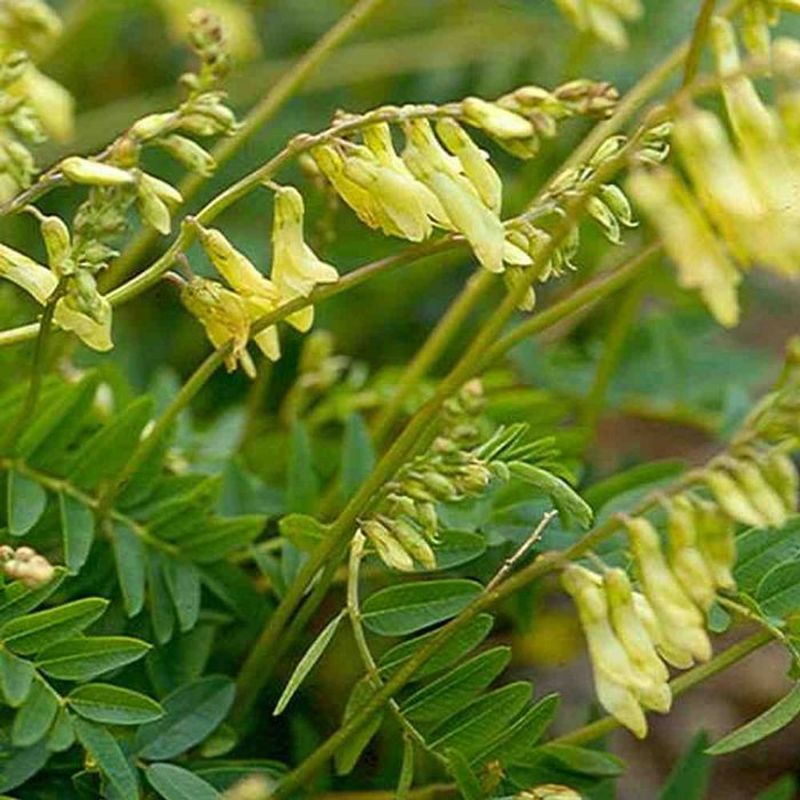
Astragalus, a symbol of strength, is cherished for its immune-boosting qualities. This herb, with its yellow flowers, is a staple in traditional Chinese gardens.
Astragalus is often used to enhance vitality and protect against seasonal colds. Its roots are valued for maintaining overall health and resilience.
Incorporating astragalus into your garden ensures a year-round supply of wellness. Its presence not only fortifies health but also enriches the garden with robust beauty, making it an essential plant for natural healing enthusiasts.
Dong Quai
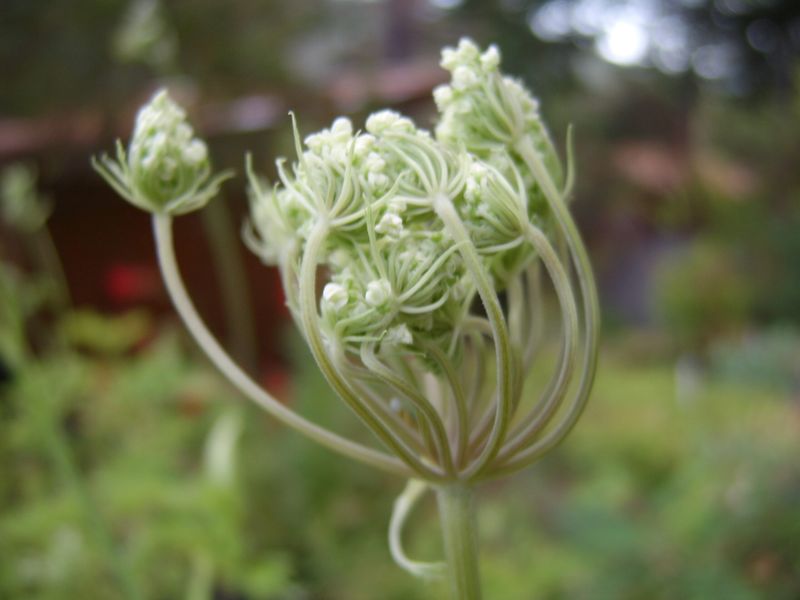
Dong Quai, often referred to as the “female ginseng,” is revered for balancing hormones and supporting women’s health. Its name speaks to its esteemed status in Chinese herbalism.
This herb is commonly used to alleviate menstrual discomfort and enhance circulation. Dong Quai’s elegant appearance adds grace to any herbal garden.
Incorporating Dong Quai offers both aesthetic appeal and wellness benefits, making it a beloved plant among those seeking natural health solutions. Its presence invites harmony and beauty into the garden space.
Schisandra
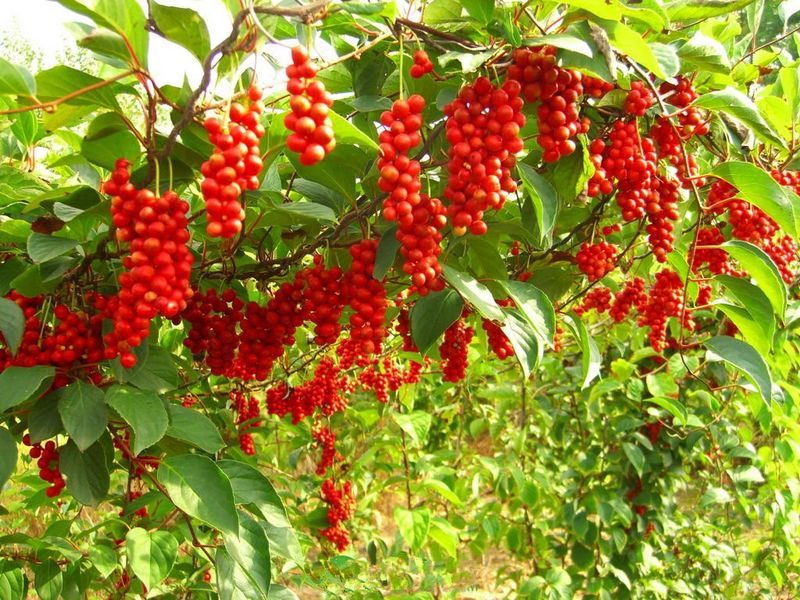
Schisandra, known as the “five-flavor berry,” is a powerhouse of wellness. Its unique taste profile includes sweet, sour, salty, bitter, and pungent flavors.
This versatile vine is renowned for enhancing energy, mental clarity, and endurance. Schisandra berries are often used in teas and tinctures, providing a flavorful addition to your wellness routine.
Cultivating schisandra adds dynamic beauty and health benefits to your garden. Its striking red berries create a visual spectacle, embodying the harmony of nature’s flavors and functions.
Chinese Yam
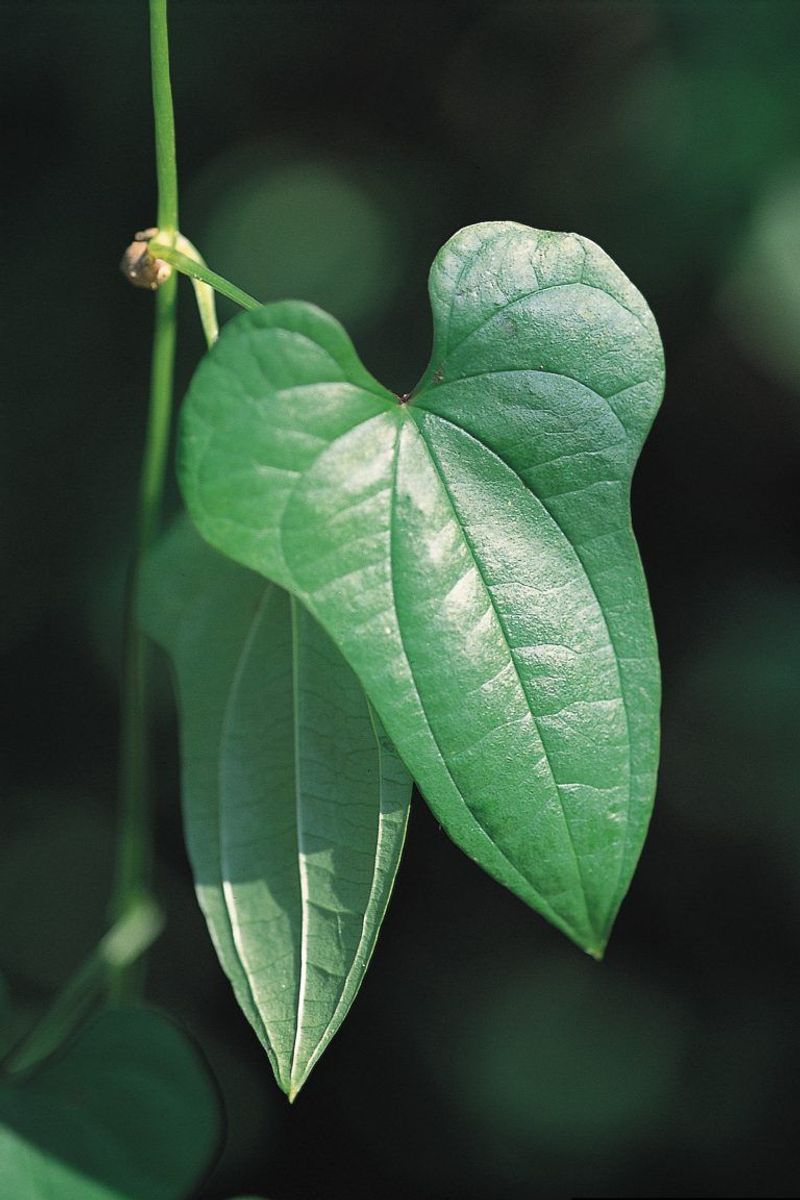
Chinese yam, with its heart-shaped leaves, is a staple in traditional gardens for its nourishing properties. It’s celebrated for supporting digestion and enhancing energy.
This versatile tuber can be used in both culinary and medicinal applications. Its mild flavor complements a variety of dishes while providing health benefits.
Growing Chinese yam enriches your garden with its lush foliage and nutritious roots, making it an invaluable asset for those committed to natural health practices. It embodies the balance of culinary delight and wellness.
Mint
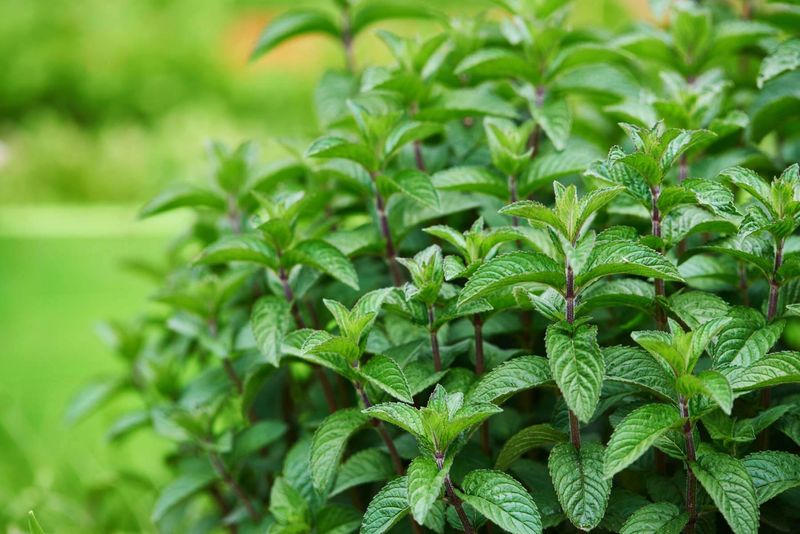
Mint, with its invigorating aroma, is a beloved herb worldwide, including in Chinese gardens. Known for soothing digestive woes and refreshing the palate, it’s a versatile addition.
Mint leaves are often infused in teas or used as garnishes, celebrated for their cool, crisp flavor. This plant’s ease of growth makes it a gardener’s favorite.
Introducing mint to your garden ensures a constant supply of freshness and flavor, enhancing both culinary and wellness pursuits. Its vibrant leaves add a touch of vitality to the herb collection.
Honeysuckle
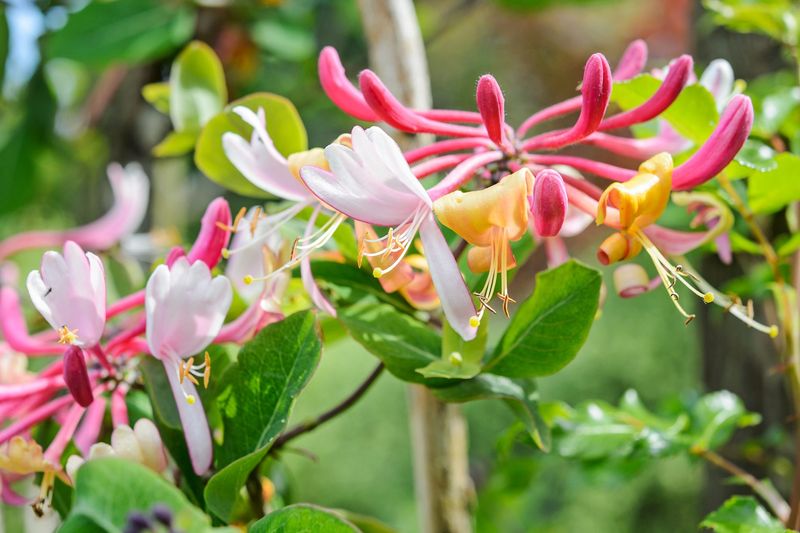
Honeysuckle, with its sweet fragrance, is not only beautiful but also healing. This vine is cherished for its ability to clear heat and toxins from the body.
Often used in teas and tinctures, honeysuckle provides a refreshing escape with its floral notes. Its blossoms invite pollinators, enriching the garden’s vitality.
Growing honeysuckle offers both aesthetic pleasure and medicinal benefits. Its cascading flowers create a visual delight, embodying the essence of harmony and wellness in a herbal garden.
Angelica Sinensis
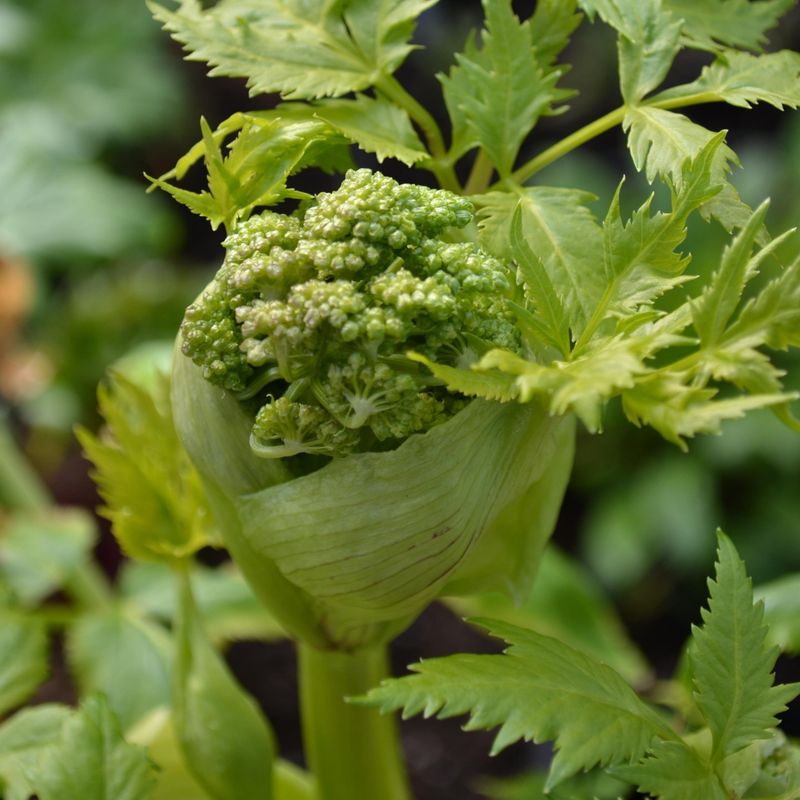
Angelica Sinensis, known as ‘female ginseng,’ is celebrated in traditional Chinese medicine for its benefits to women’s health. Its roots are often used to alleviate menstrual discomfort and enhance vitality.
The plant thrives in shaded areas, making it an ideal addition to gardens with partial sunlight. Angelica Sinensis also supports blood circulation, contributing to overall wellness.
Its gentle aroma and elegant structure make it both a functional and aesthetic choice for gardeners seeking balance in their herbal sanctuaries.
Rehmannia
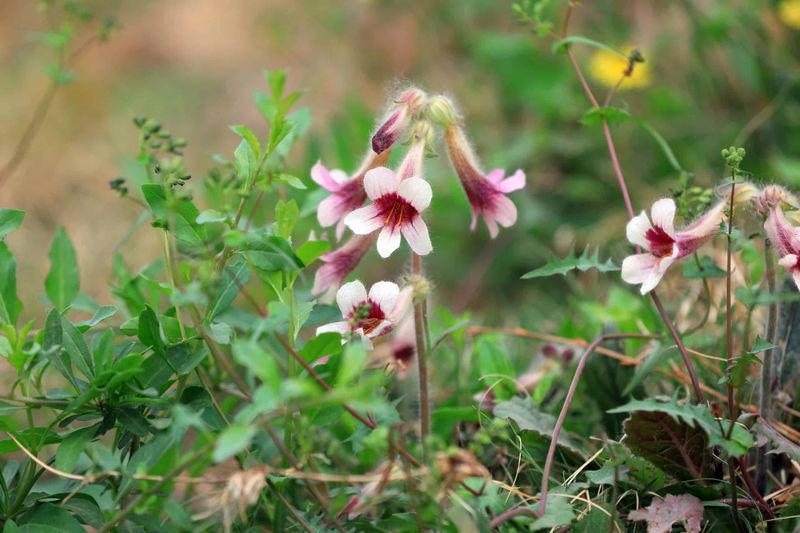
Rehmannia, often referred to as ‘the kidney’s best friend,’ plays a crucial role in supporting renal health. Its roots are used in decoctions that aim to nourish the kidneys and adrenal glands.
This herb is a staple in many traditional Chinese remedies, particularly for its restorative properties. Rehmannia’s resilience allows it to thrive in various climates, making it a reliable choice for diverse gardens.
The plant’s lush foliage adds a touch of vitality to the garden, symbolizing life and rejuvenation.
Baikal Skullcap
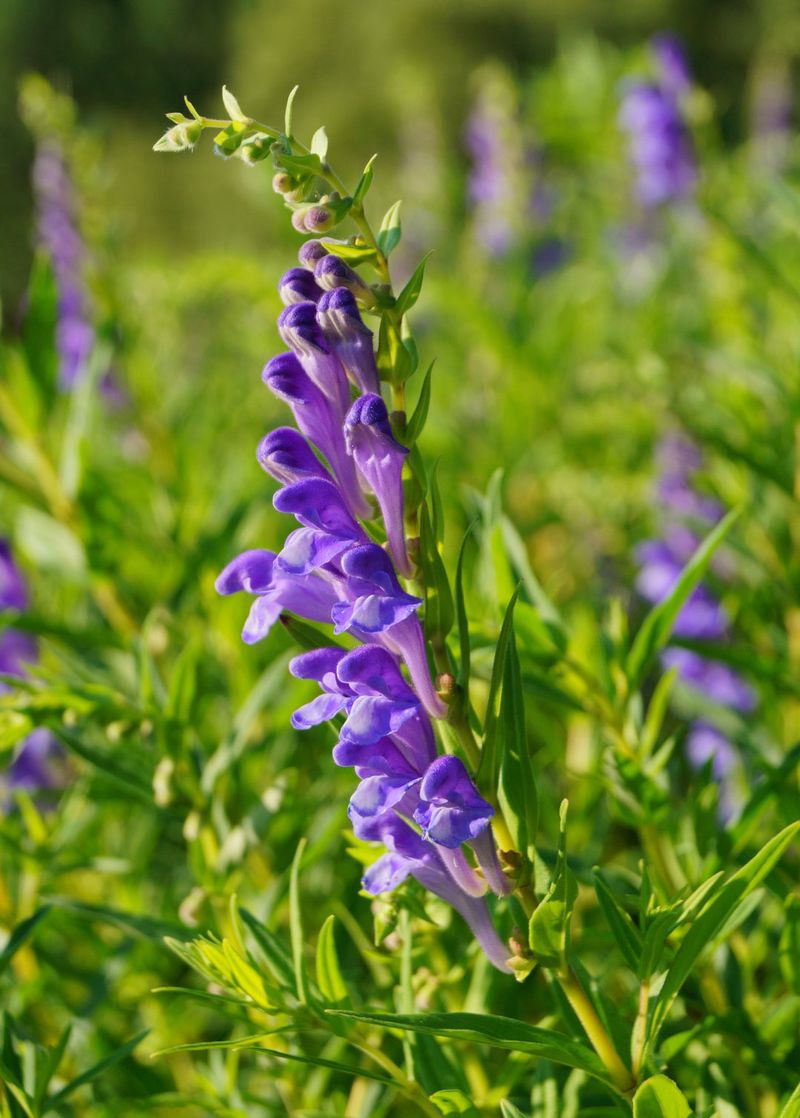
Baikal Skullcap is treasured for its detoxifying properties and ability to calm the mind. Its roots are widely used in Chinese herbal medicine to cleanse the liver and reduce inflammation.
This plant offers a burst of color with its vibrant purple blooms, adding visual interest to any garden. Baikal Skullcap is also considered helpful in managing anxiety, offering a natural path to mental peace.
Cultivating this plant means inviting tranquility and wellness into your garden space.
Huang Bai
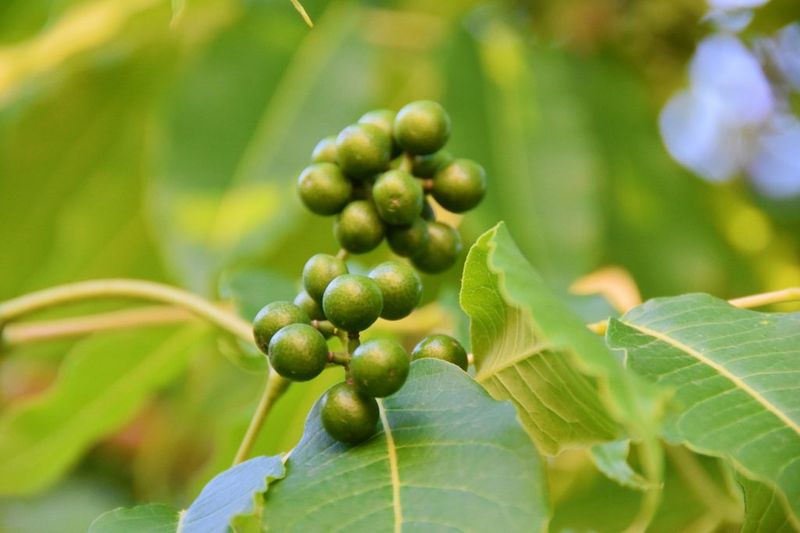
Huang Bai is an essential tree in traditional Chinese medicine, known for its potent anti-inflammatory and antimicrobial effects. The bark is often used to treat infections and reduce swelling.
Adding Huang Bai to your garden introduces a robust plant that symbolizes strength and healing. Its towering presence offers shade, creating a cool retreat during hot days.
A tree that not only heals but also beautifies its surroundings, Huang Bai is a testament to nature’s power to restore health and harmony.
White Peony Root
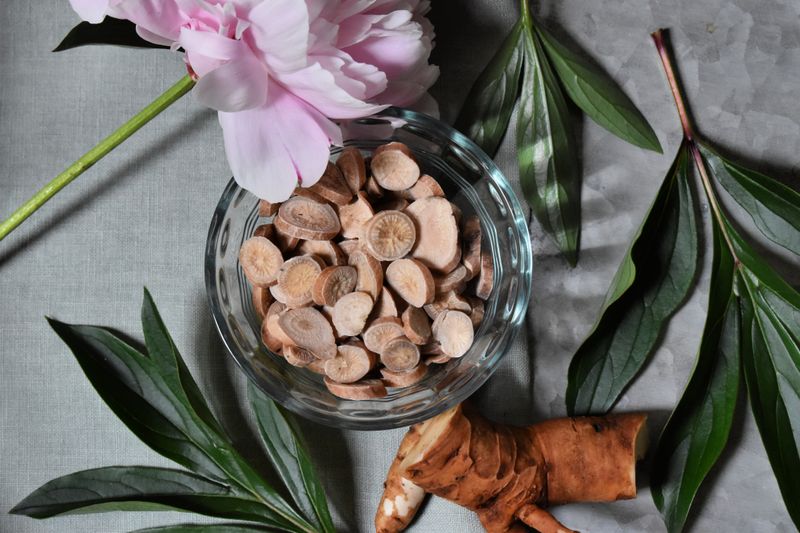
Known for its ability to harmonize the blood and nourish the liver, White Peony Root is a staple in many traditional Chinese formulas. It is particularly valued for treating liver ailments and balancing the body’s energies.
This plant’s gentle presence, with its soft white flowers, adds elegance to any herbal garden setting. White Peony Root is not just a healer but also a symbol of grace and beauty.
Its cultivation reflects a commitment to health and aesthetic harmony.
Siberian Ginseng
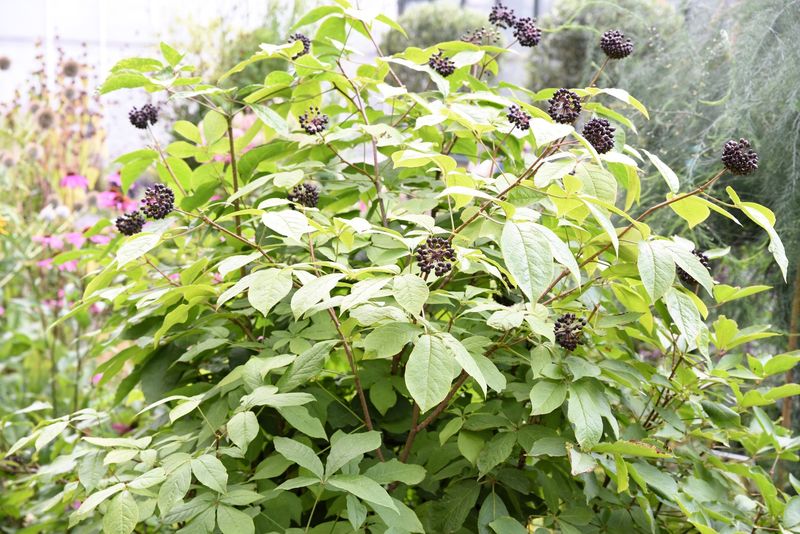
Siberian Ginseng, a robust adaptogen, is cherished for enhancing stamina and reducing fatigue. It is often used in formulas designed to boost the immune system and improve mental clarity.
This hardy plant can withstand harsh conditions, making it a versatile addition to herbal gardens. Siberian Ginseng’s resilience is mirrored in its medicinal uses, offering strength and vitality to those who cultivate it.
Its presence in a garden symbolizes endurance and the capacity to thrive against odds.
Dandelion
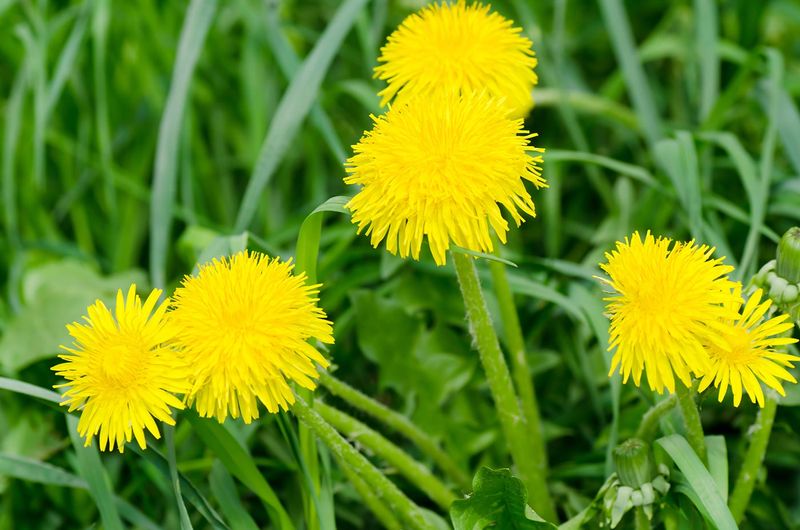
Though common, the Dandelion is revered in Chinese medicine for its powerful detoxifying abilities, particularly for liver health. Its roots and leaves are used to cleanse the body and support digestion.
The cheerful yellow flowers of the Dandelion bring a splash of color and optimism to any garden. This plant’s ability to thrive in diverse environments makes it a symbol of resilience and adaptation.
Cultivating Dandelion aligns with the principles of natural healing and sustainability.
Chinese Hawthorn
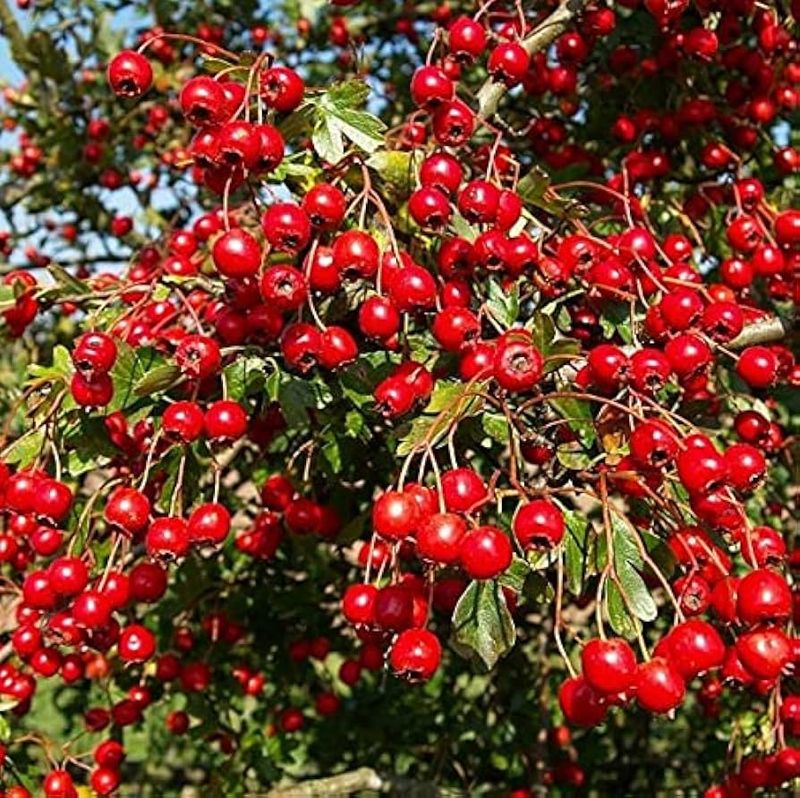
Chinese Hawthorn is highly valued for its role in promoting heart health and aiding digestion. The berries are often used in teas and tinctures to strengthen the cardiovascular system.
This tree’s vibrant red fruits add visual appeal and nutritional value to the garden. Chinese Hawthorn is also associated with longevity and vitality, making it a cherished addition to any herbal collection.
Its presence is a testament to the garden’s focus on holistic health.
Polygonum Multiflorum
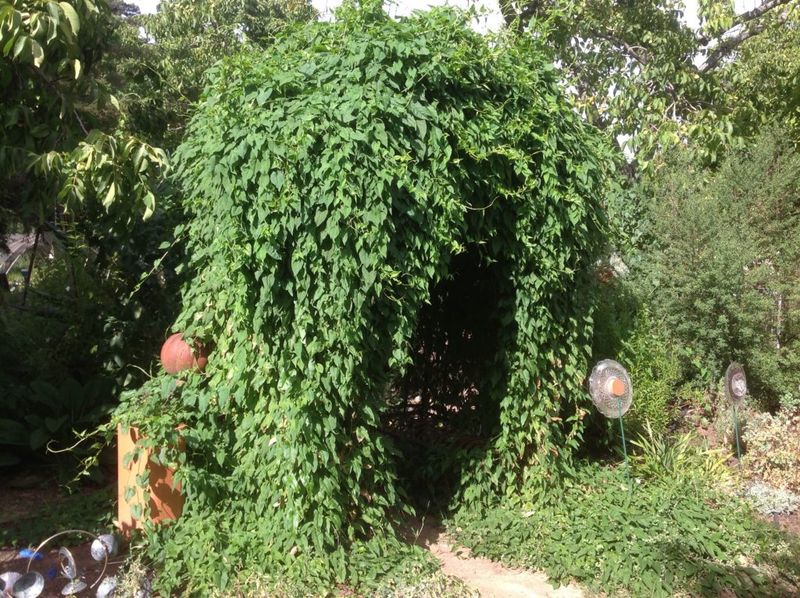
Polygonum Multiflorum, often called ‘he shou wu,’ is celebrated for its reputed ability to promote longevity and maintain youthful vitality. Its roots are a common ingredient in tonics aimed at energizing the body and nourishing the blood.
The plant’s cascading vines add an element of grace to any garden landscape, symbolizing life and continuity.
Including Polygonum Multiflorum in your garden reflects an appreciation for the timeless wisdom and restorative power of traditional Chinese medicine.