

Fall planting day feels hopeful, but a few missteps can leave you staring at an empty bed in spring. Squirrels may dig up fresh bulbs, and soggy soil can make bulbs go soft.
Planting depth matters, yet it will not fix both problems. Here is what to do for each one so your Southern bed has a better shot at blooming.
Depth cannot solve both digging and rot
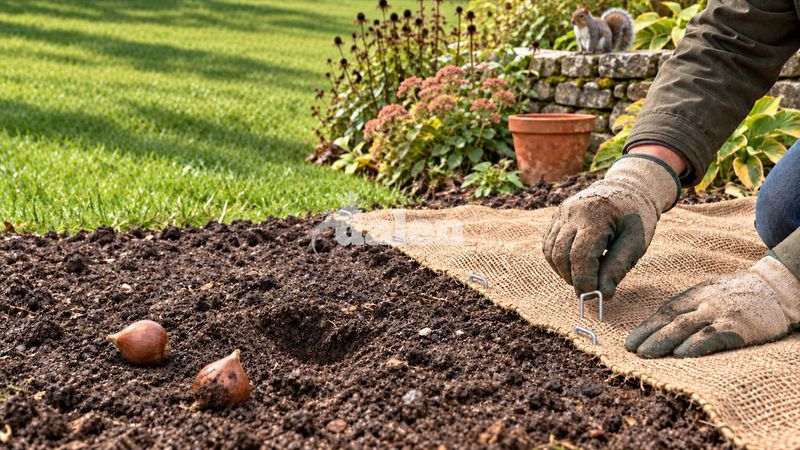
Here is the catch with bulb planting: depth helps with some problems, but not all of them. Setting bulbs at the recommended depth may make them harder for squirrels to reach, yet Iowa State Extension points to chicken wire or hardware cloth as the stronger protection.
Rot is a different story. It is mostly about drainage and too much moisture, and daffodil guidance stresses well-drained soil.
Digging deeper will not drain a soggy bed, and Arkansas Extension warns that deeper planting may do harm where drainage is questionable.
So think of three separate jobs. Follow the depth directions for your specific bulb, cover the bed with secured wire to deter squirrels, and pick a spot where water does not pool.
None of these guarantees blooms, but together they cover your bases.
How deep should tulips and daffodils go?
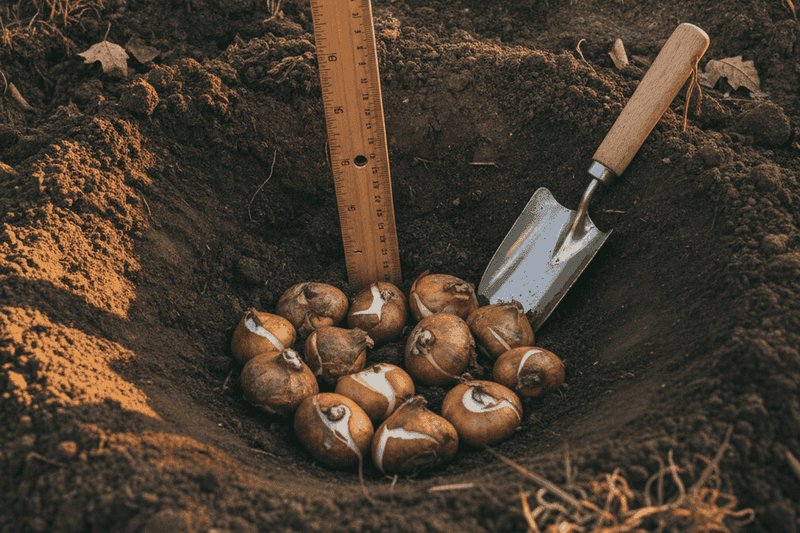
Many large bulbs, including lots of tulips and daffodils, are commonly planted about 6 to 8 inches deep. Iowa State Extension measures that depth from the base of the bulb, not the top.
Stick a ruler in the hole and check before you set the bulb down.
You may also hear rules of thumb like two or three times the bulb’s height. University of Illinois Extension and other sources use different reference measurements, such as height, diameter, or length.
That is why “three times deeper” is confusing, and why you should never simply dig three times deeper than you did last year.
Small bulbs go shallower, and species vary. Read the package or the species-specific instructions first.
If your soil drains slowly, remember that Arkansas Extension cautions against going deeper than recommended.
Use a barrier to deter squirrels
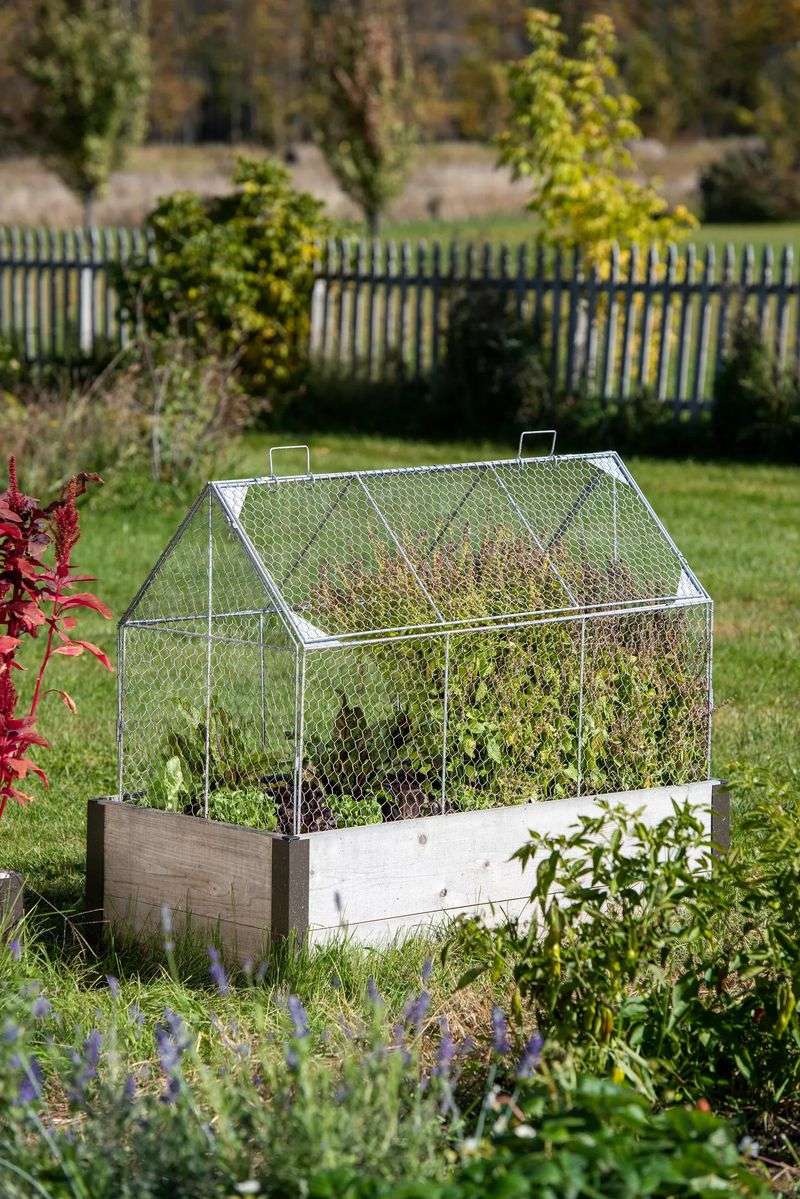
Squirrels have a knack for finding fresh soil. Planting at the right depth and firming the soil may make digging harder, but neither one is a dependable barrier on its own.
The stronger step is physical. Iowa State Extension recommends covering the bed with chicken wire or hardware cloth and securing it so animals cannot lift or shove it aside.
Pegs, landscape staples, or heavy stones along the edges can help hold it down.
Timing matters in spring too. Take the wire off promptly, before foliage starts to emerge, so the leaves are not tangled or damaged as they push up.
Wire may help deter squirrels, but it is not a guarantee, so keep an eye on the bed after rain or wind.
Reduce rot risk with good drainage
Walk your yard after a heavy rain and notice where puddles linger. Those spots are poor choices for bulbs.
Daffodil guidance from Iowa State Extension calls for well-drained soil, and avoiding areas that collect water is one of the best things you can do to lower rot risk.
A raised bed or a gently sloped border can help in heavy clay, which is common across parts of Texas and the Gulf Coast. Planting deeper will not correct waterlogged conditions, and Arkansas Extension warns it may be harmful where drainage is suspect.
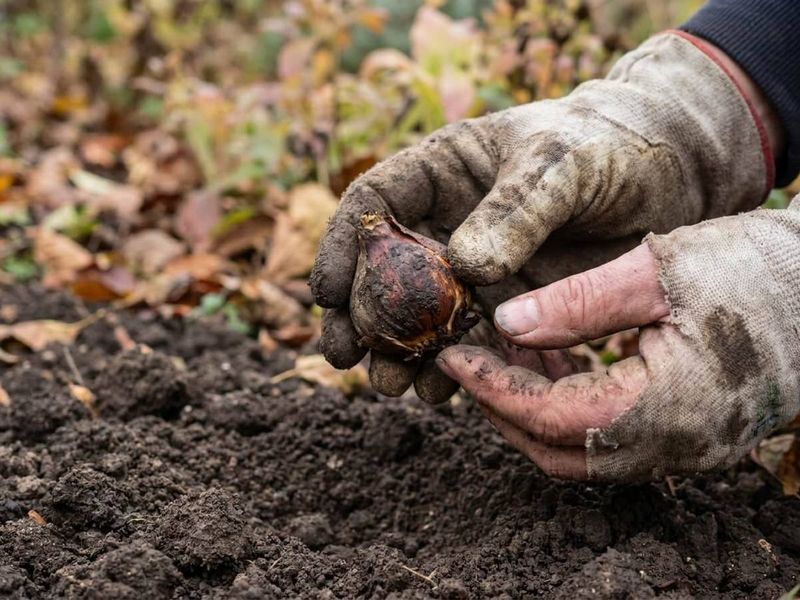
If you dig up a bulb that feels soft, looks discolored, or smells foul, rot may be the problem. These signs are clues, not a sure diagnosis, but they are a good reason to rethink the site’s drainage.
Water to settle the soil without saturating it
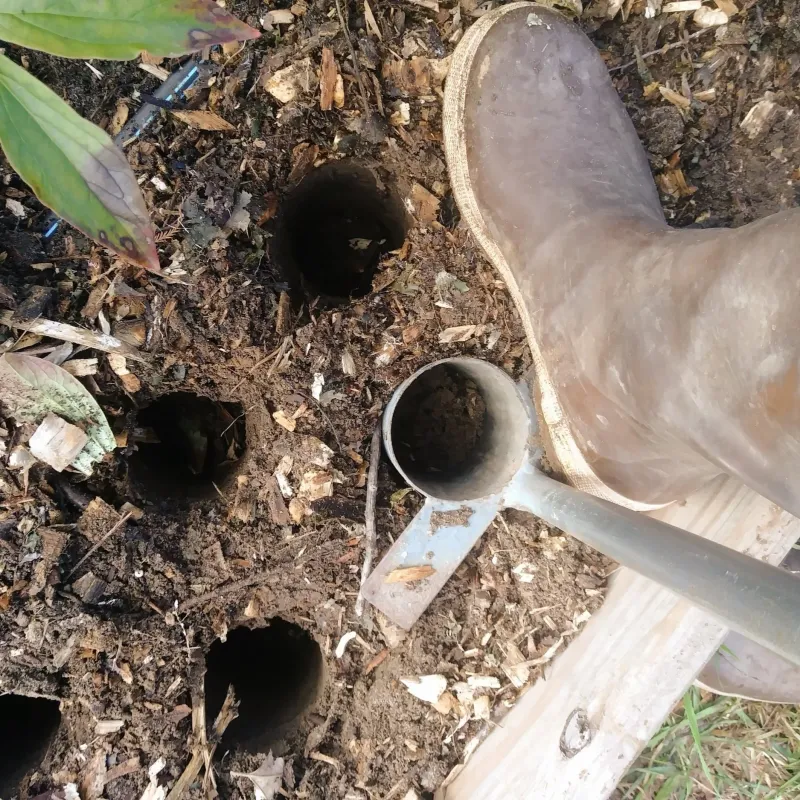
A simple planting sequence keeps things on track. Set the bulb pointy side up at the chosen depth, backfill the hole, and press the soil down firmly with your hands.
Then water to settle the soil, especially if it is dry. Iowa State Extension suggests this step to close air pockets around the bulb.
That one good watering is different from keeping the bed constantly wet. Spring bulbs generally need well-drained conditions, and daffodil advice from the same source points to avoiding excess moisture.
If fall rains arrive on schedule, you may not need to water again for a while. When in doubt, check the soil a few inches down before reaching for the hose.
Southern conditions change which bulbs may return
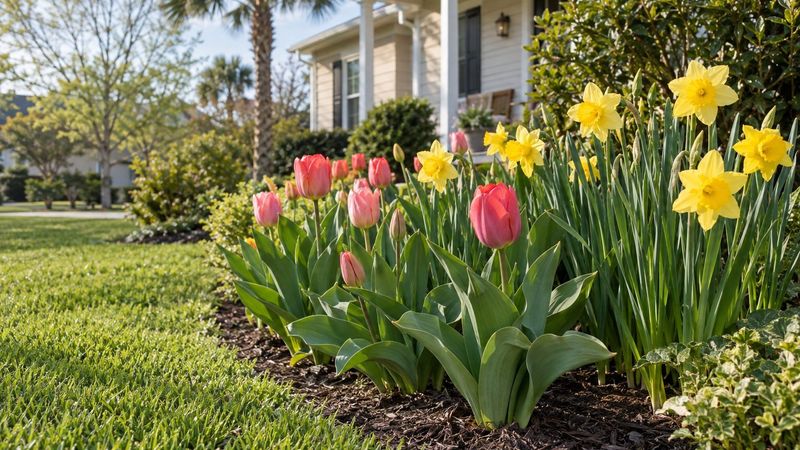
Warm winters change the game. UF/IFAS says Florida winters are generally too warm to give tulips the cool dormancy they need.
Pre-chilled bulbs can make a lovely display there, but it is typically a one-season show rather than a reliable reblooming plant.
Texas advice is more specific. Texas A&M’s Central Texas list names particular daffodil cultivars and species tulips, not every tulip across the South.
Depth advice varies too. Arkansas guidance suggests 10 inches for some Southern gardeners hoping for repeat tulip blooms.
Cornell’s top-planting trial tested only two tulip cultivars, using shallow soil preparation and 2 to 4 inches of mulch. Different goals and conditions, so treat each as its own approach.
Match each risk with its own response
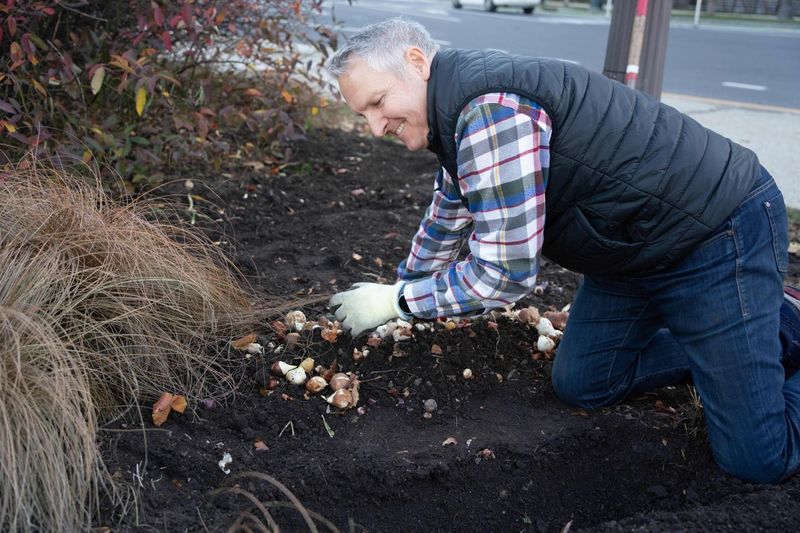
Think of bulb care as a short checklist, one action per risk. For depth, follow the directions for your bulb and measure from the base.
For squirrels, cover the bed with secured wire. For rot, choose well-drained soil and skip the extra water.
No single step promises blooms, but each one closes a different door. Spring will tell you how it went.