 Complete Gardening
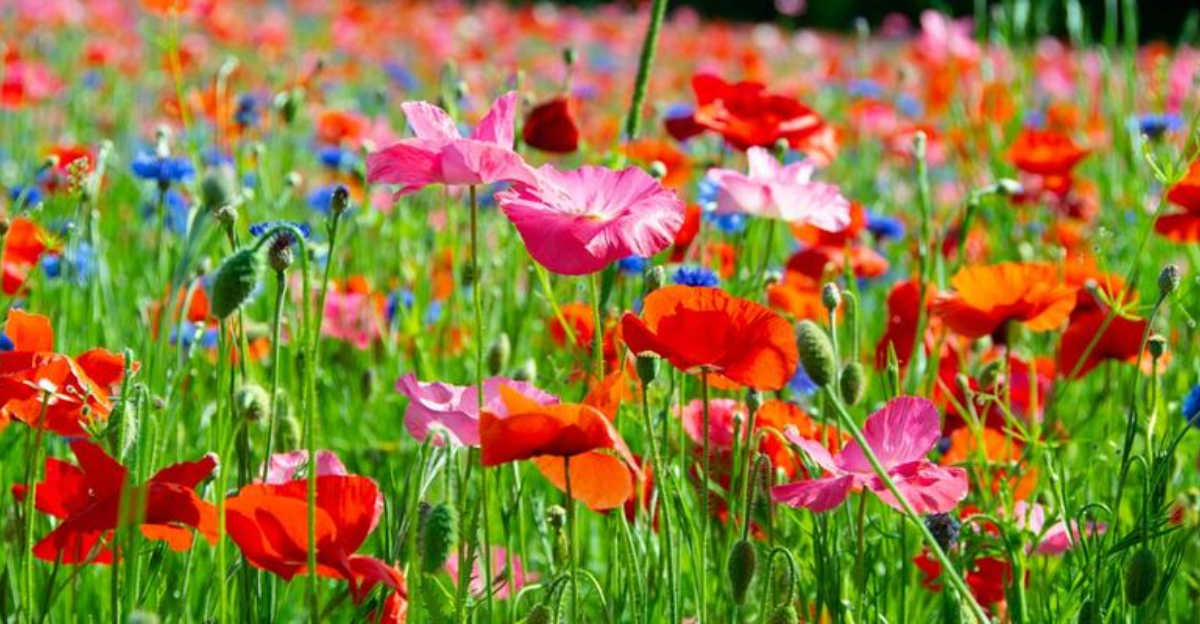
Creating a garden that looks like it was crafted by nature requires a delicate blend of perennials and wildflowers.
With careful selection and placement, your garden can become a vibrant, self-sustaining ecosystem filled with color, texture, and life.
Here are 11 essential facts to help you achieve a garden that feels both structured and free-spirited.
1. Understand the Strengths of Each
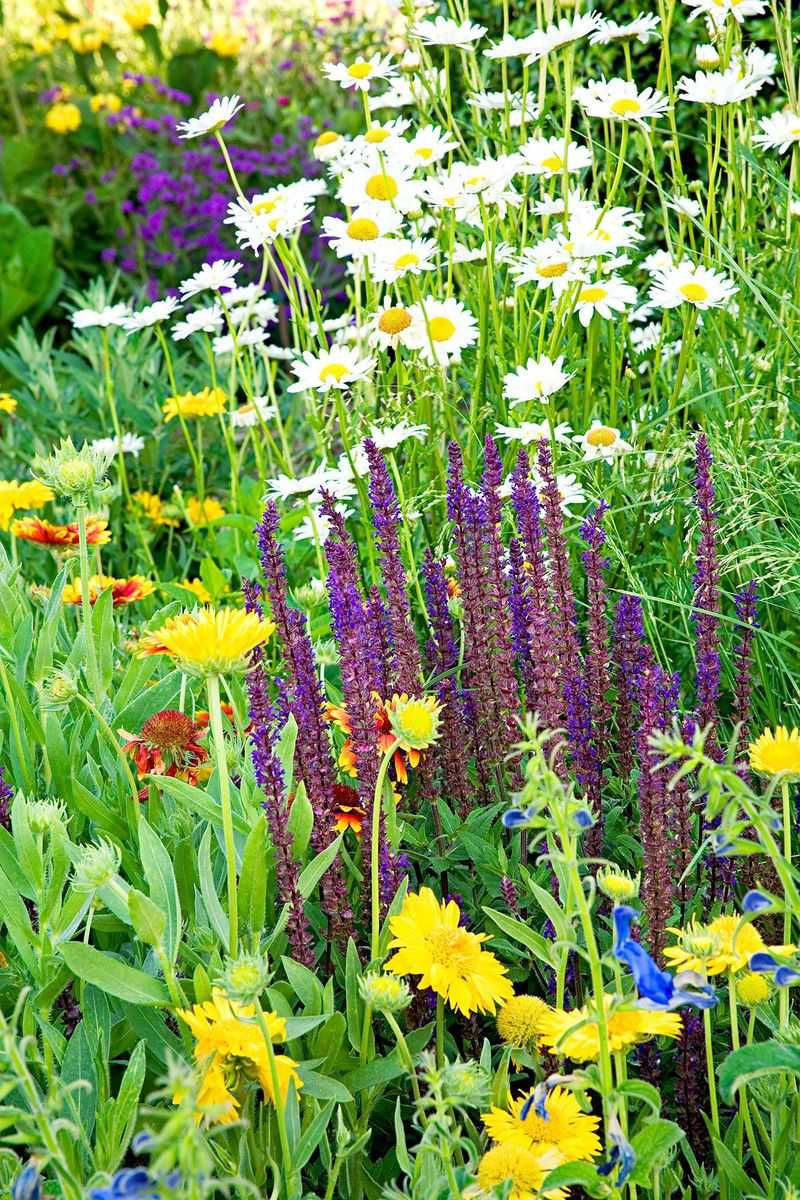
Perennials return year after year, offering structure and predictability to your garden. Their reliable persistence provides a stable foundation around which other plants can flourish. In contrast, wildflowers, often annuals or biennials, reseed themselves freely, introducing an element of surprise and movement. By blending these two plant types, you create a garden that boasts both solid grounding and a touch of unpredictability. The fusion of order and chaos gives your garden a dynamic, ever-changing appearance that mirrors natural landscapes.
2. Choose Plants That Thrive in Similar Conditions
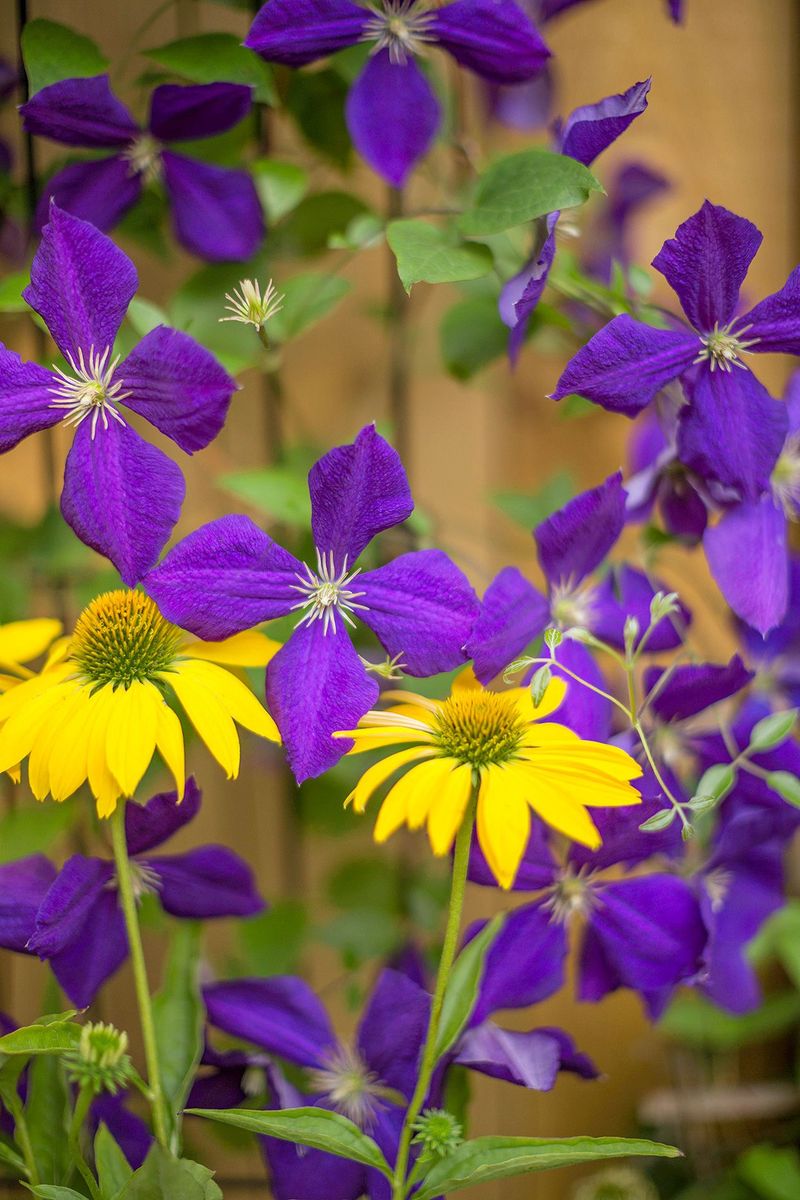
To ensure harmony in your garden, select wildflowers and perennials that share the same environmental preferences. This includes matching soil types such as well-draining, clay, or sandy soils. Ensure they have similar sunlight requirements—whether full sun or partial shade—and comparable water needs. This compatibility allows both perennials and wildflowers to thrive without constant care, creating a balanced and cohesive garden space. When plants coexist in mutual comfort, your garden becomes a seamless blend of diverse species.
3. Prioritize Native Wildflowers for Pollinators
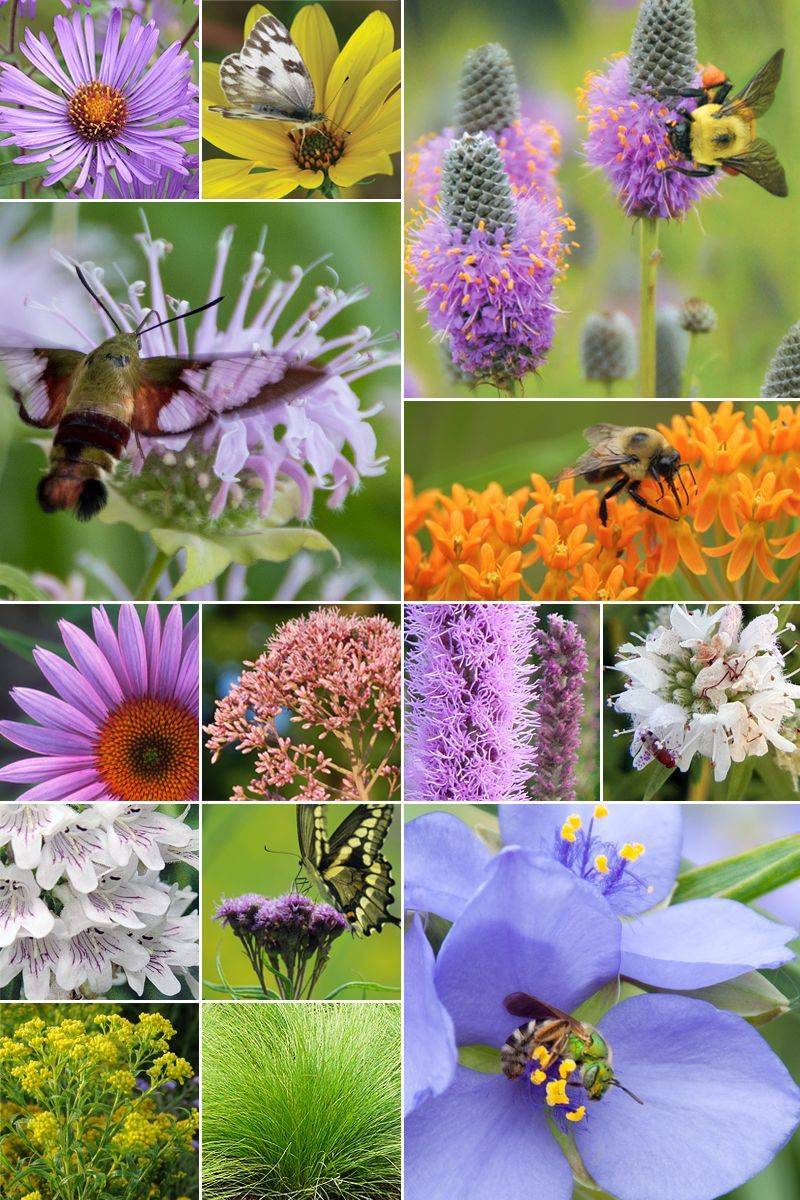
Native wildflowers like coneflowers, bee balm, goldenrod, and milkweed are not only beautiful but also vital for supporting pollinators. These plants attract butterflies, bees, and birds, enriching your garden with movement and life. They pair beautifully with sturdy perennials such as rudbeckia, salvia, and echinacea. Opting for native species also means choosing plants that are typically more disease-resistant and hardy, making them easier to maintain. The ecological benefits are profound, turning your garden into a haven for local wildlife.
4. Use Perennials as Anchors
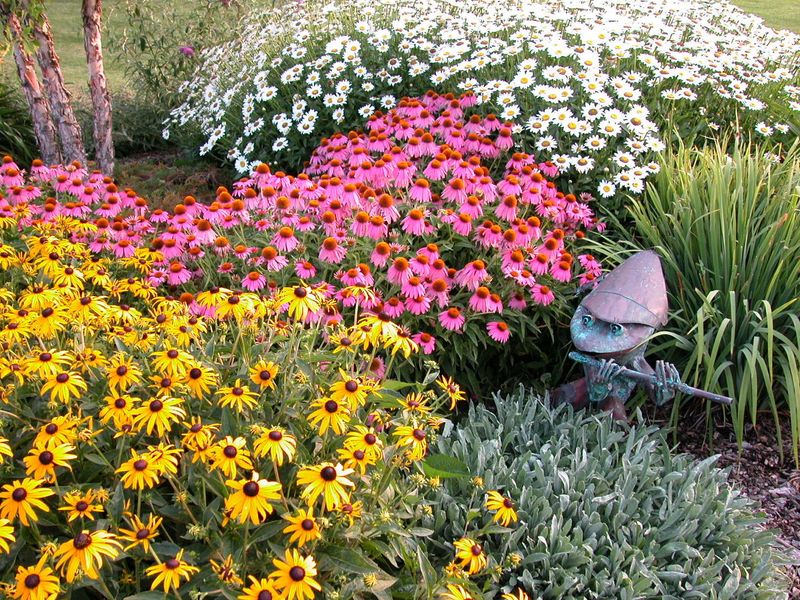
Hardy and reliable perennials such as sedum, shasta daisy, phlox, and hosta provide the backbone for a garden. These plants offer a sense of permanence and stability, allowing wildflowers to weave around them freely. The contrasting textures and growth habits add depth and dimension to the garden. In shaded areas, hostas can act as lush anchors, complementing the sun-loving varieties. This strategic planting creates a framework that gives structure while allowing for spontaneous bursts of wildflower color.
5. Let Wildflowers Fill the Gaps
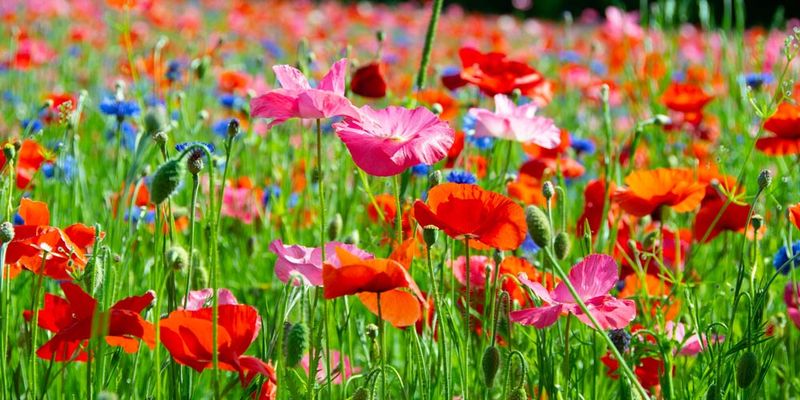
Wildflowers such as California poppies, black-eyed Susans, coreopsis, and bachelor’s buttons excel at filling in the gaps between perennials. Their ability to self-seed into open spaces softens the garden’s lines, creating a meadow-like effect. This informal, flowing arrangement evokes the beauty of a natural landscape, offering visual interest throughout the growing season. By allowing wildflowers to fill in, your garden can evolve over time, adapting its appearance with each new bloom cycle, much like nature itself.
6. Blend Colors and Bloom Times
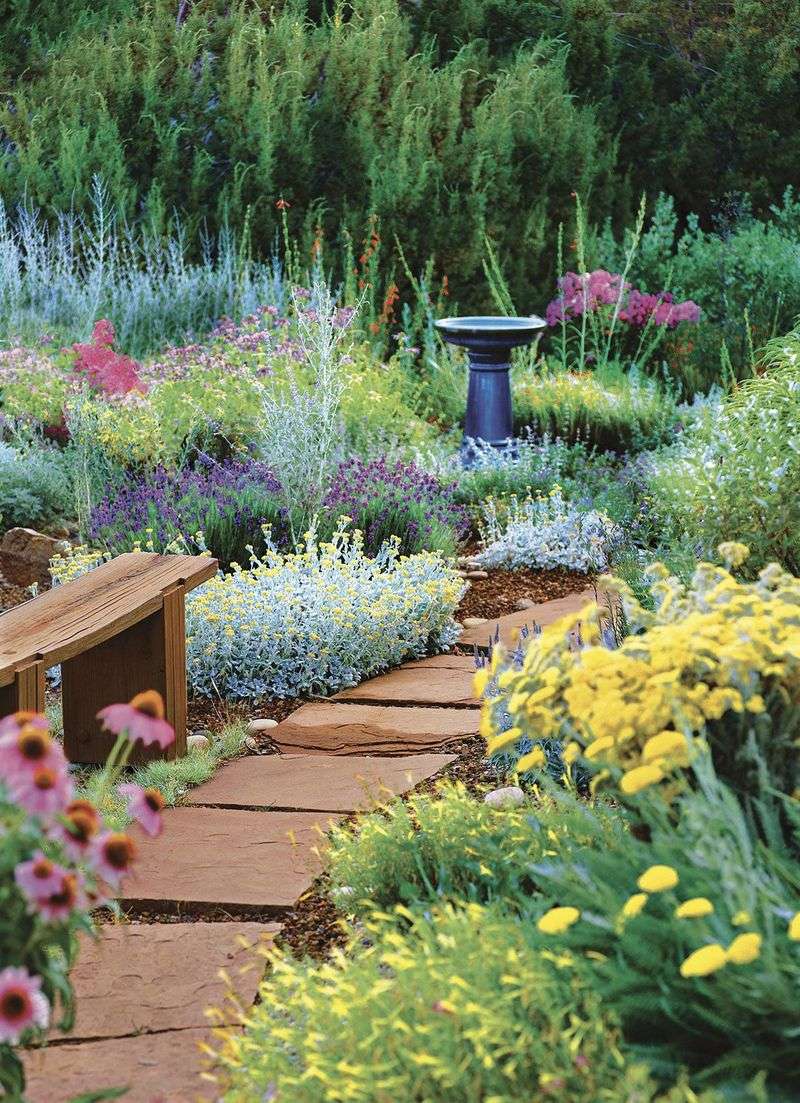
Creating a harmonious and vibrant garden involves blending colors and staggering bloom times. Mix early bloomers such as lupines and poppies with late-season stars like asters and Joe Pye weed. This way, there’s always something flowering throughout the season. Use cool colors like blues and purples to create calm zones, while warm hues like reds, oranges, and yellows add energy and impact. The result is a garden that evolves continuously, offering an ever-changing palette that delights the senses.
7. Allow for Natural Re-Seeding
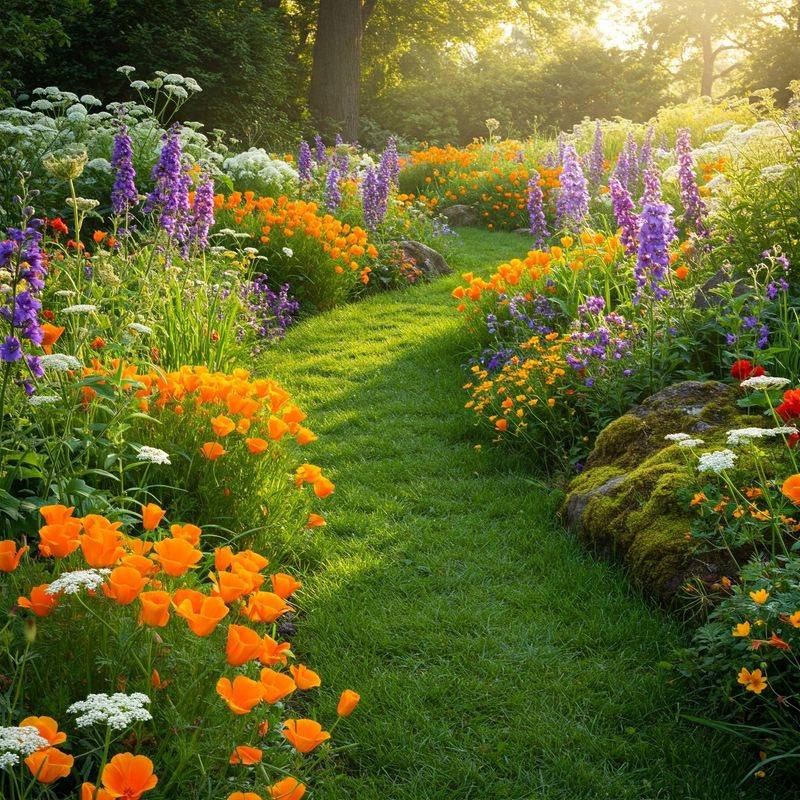
To achieve a garden that feels spontaneous and alive, refrain from deadheading all your wildflowers. Allowing some to go to seed ensures that they naturally reappear each year. This practice fosters an ever-evolving landscape, as new plants emerge in unexpected places each season. The resulting garden feels more organic and less contrived, echoing the unpredictable beauty of natural settings. It also reduces the need for replanting, as the garden becomes self-sustaining over time, thriving with minimal intervention.
8. Use Natural Borders and Soft Edges
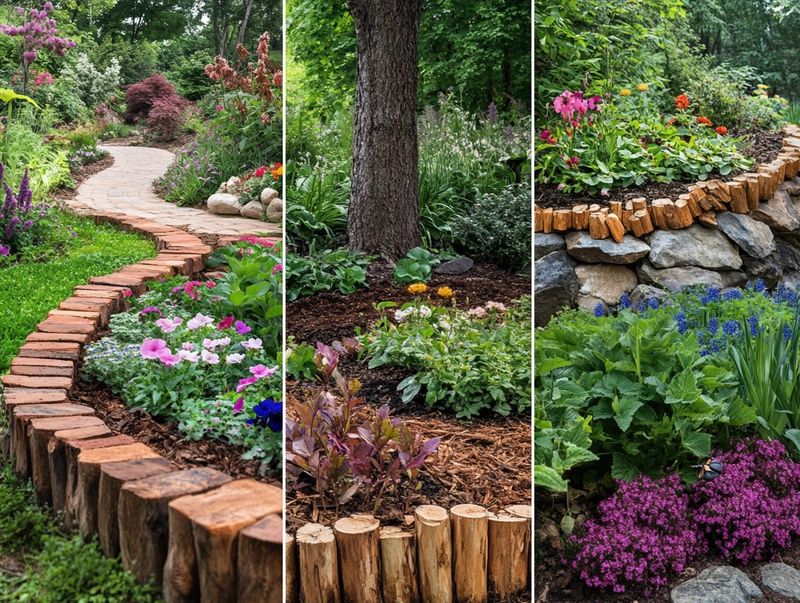
Avoid rigid edges in your garden design by defining beds with natural materials like logs, rocks, or driftwood. Enhance the organic feel by incorporating low-growing perennials such as creeping thyme or ajuga along the borders. This approach creates a seamless transition between garden beds and the surrounding landscape. The soft edges allow the garden to blend naturally into its environment, mimicking the flowing lines found in wild settings. Such design choices add to the garden’s allure, making it a cohesive part of the natural world.
9. Add Texture and Height Variations
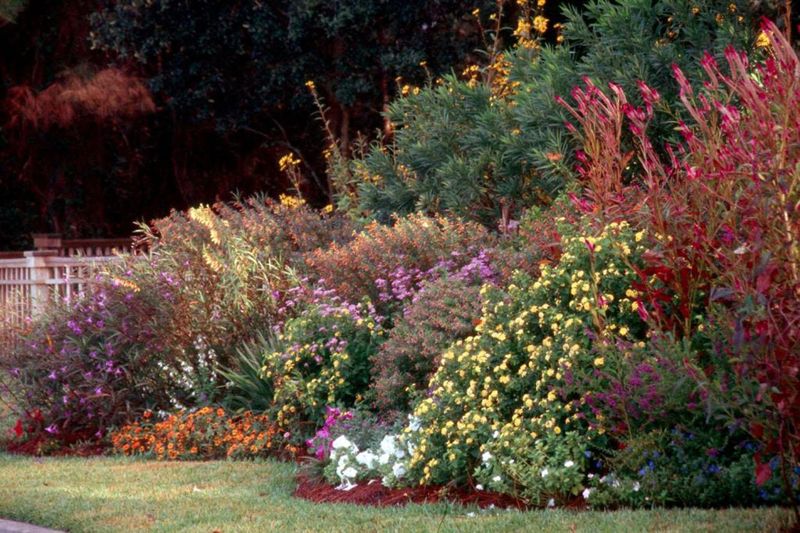
Incorporate a range of textures and heights to mimic the layering found in natural environments. Tall perennials like delphiniums or hollyhocks provide vertical interest, while medium and low-growing wildflowers fill in the gaps. Grasses such as little bluestem or switchgrass add movement and structure, enhancing the garden’s visual complexity. This diversity not only creates a more engaging and aesthetically pleasing garden but also mimics the natural stratification of plant communities, offering habitats for various wildlife.
10. Choose Low-Maintenance, Drought-Tolerant Options
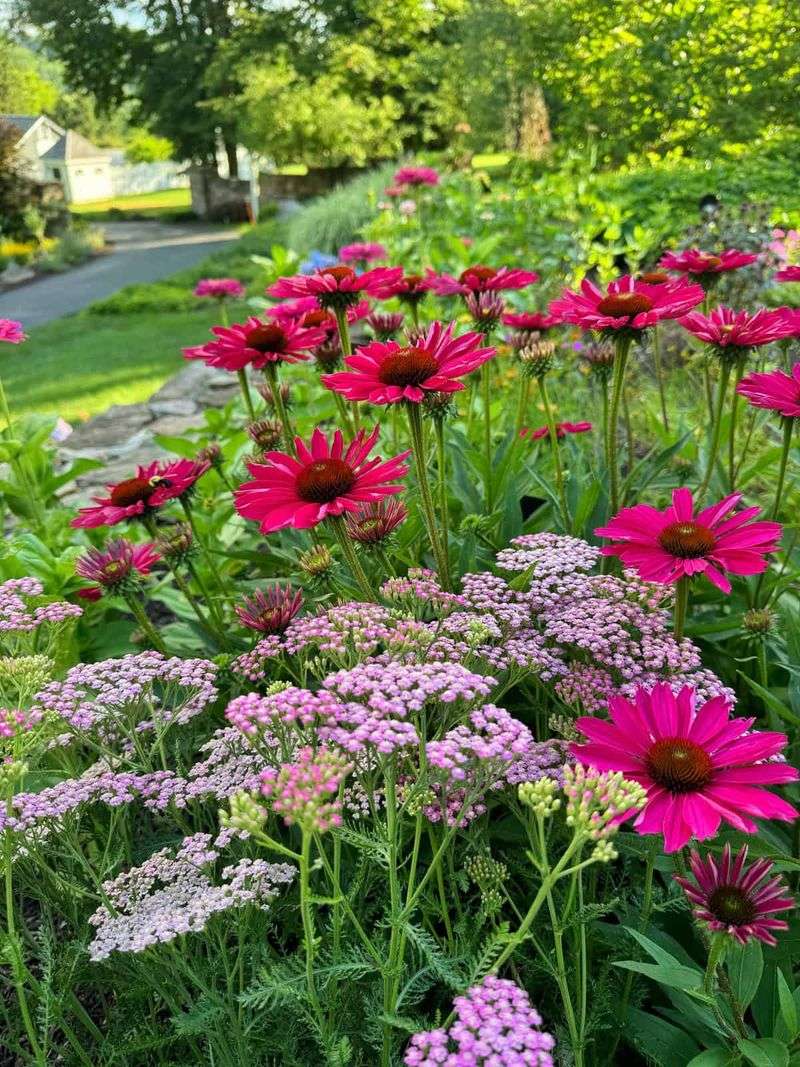
For gardeners seeking low-maintenance solutions, selecting drought-tolerant wildflowers like blanket flower, yarrow, and Mexican hat is key. These pair well with hardy perennials such as Russian sage and lavender, creating a garden that thrives with minimal watering. Ideal for dry regions, these plants are both resilient and visually appealing. Their presence reduces the need for constant care, allowing you to enjoy a beautiful garden without extensive upkeep. This approach also conserves water, making it an environmentally friendly choice.
11. Don’t Forget Wildlife Appeal
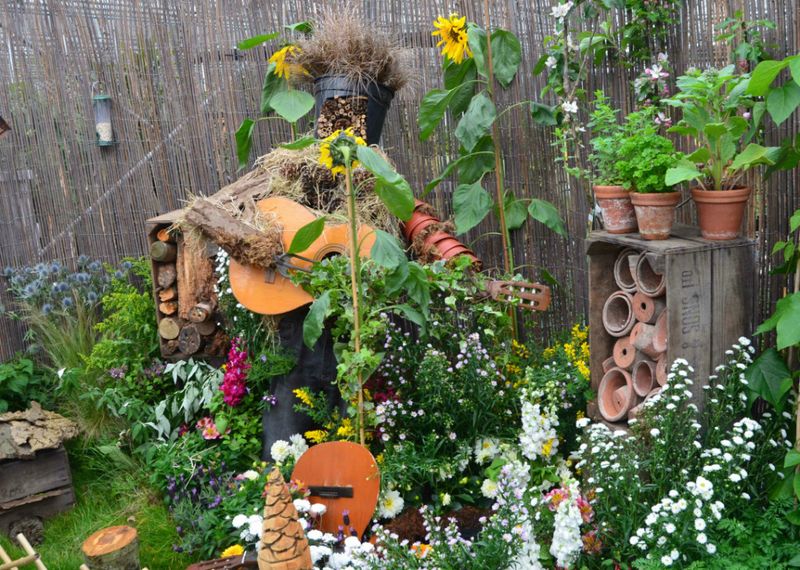
Transform your garden into a living ecosystem by incorporating plants that appeal to wildlife. Use seed heads, native grasses, and plants with berries or nectar to attract birds, bees, and butterflies. This not only adds dynamic movement and sound to your garden but also supports local biodiversity. The presence of wildlife enriches the garden experience, turning it into more than just a visual delight. By fostering an environment where flora and fauna coexist, your garden becomes a vibrant, self-sustaining ecosystem.