 Complete Gardening
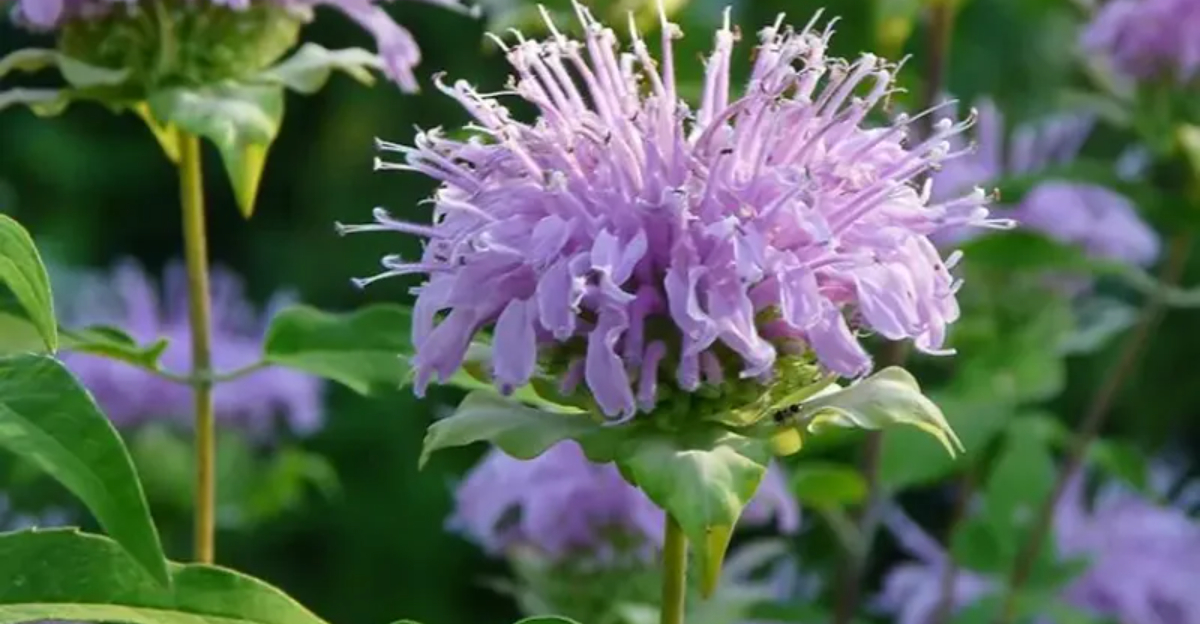
Transform your garden into a breathtaking oasis with these 12 prairie plants that offer natural beauty and resilience. Each plant boasts unique characteristics, from stunning blooms to essential ecological benefits.
Whether you’re a seasoned gardener or just starting, these selections require minimal maintenance while providing maximum impact.
Explore the wonders of native grasses and wildflowers that thrive in diverse conditions, attract wildlife, and offer seasonal interest. Embrace the charm of prairie plants and enjoy a garden that practically grows itself.
1. Little Bluestem (Schizachyrium scoparium)
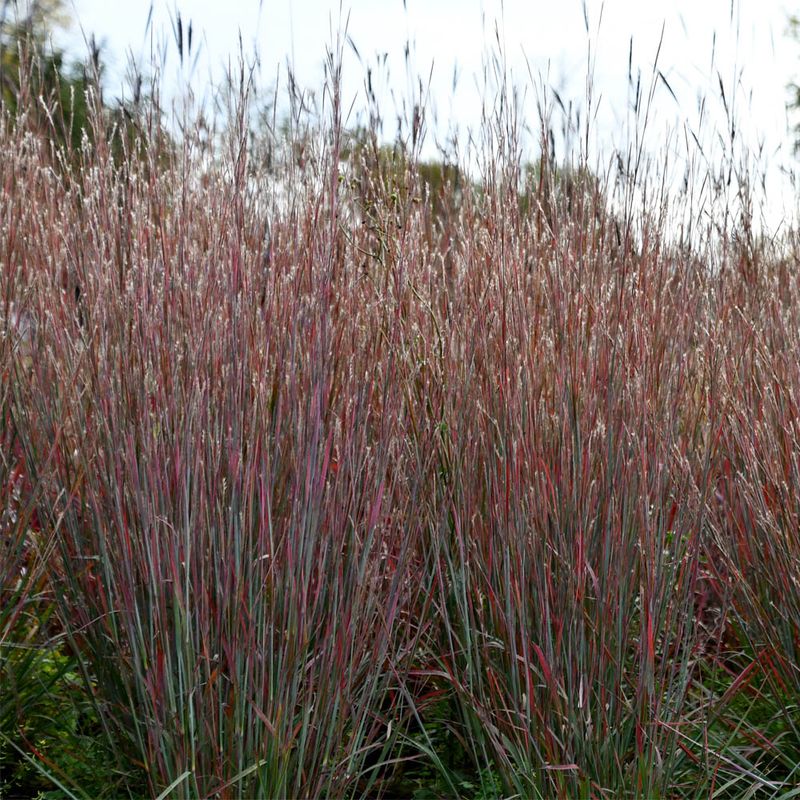
Ever admired a grass that changes with the seasons? Little Bluestem is your answer. In summer, it showcases striking blue-green blades, transforming to a coppery-red hue in fall. Not just a visual delight, this grass offers habitat and nesting material for birds. Its easy-going nature allows it to thrive in various soils, making it a gardener’s favorite. Little Bluestem’s resilience ensures it stands tall through harsh weather, offering a dynamic touch to your garden year-round. Truly, it’s a spectacle that brings the prairie to your backyard.
2. Purple Coneflower (Echinacea purpurea)
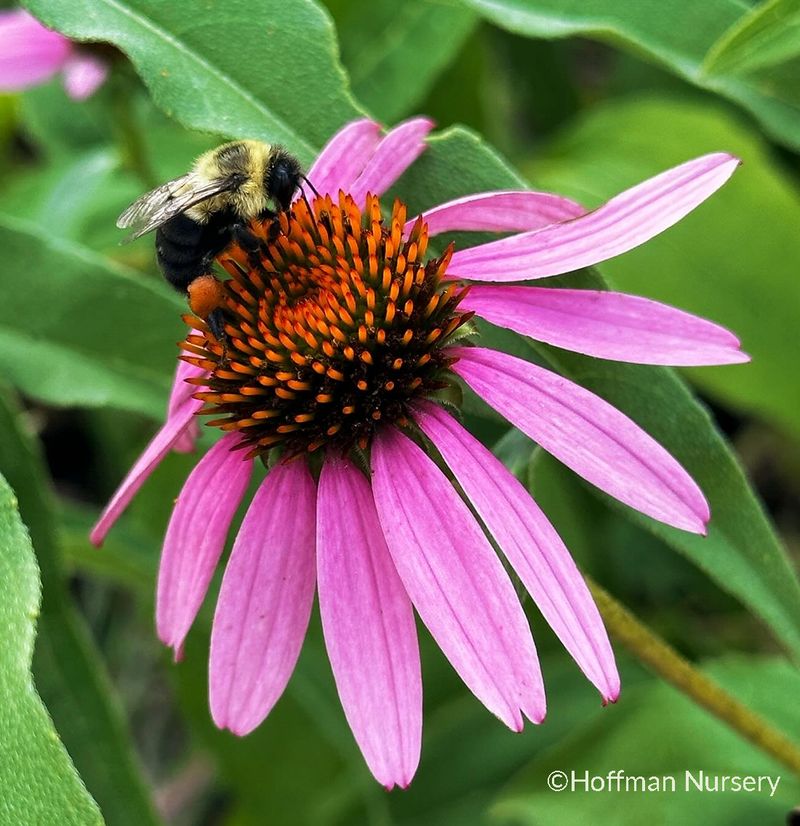
Looking for a flower that brings life to your garden? Purple Coneflower is the gem you need. Known for its sturdy purple petals, it enjoys a lengthy bloom time. This iconic prairie flower attracts a flurry of activity—bees, butterflies, and birds, especially goldfinches. It’s not just about beauty; Purple Coneflower is a strong performer in various garden settings. Its robustness ensures you enjoy vibrant displays with minimal fuss. Whether in a wildflower patch or a formal border, it shines. Let this perennial favorite transform your outdoor space.
3. Black-Eyed Susan (Rudbeckia hirta)
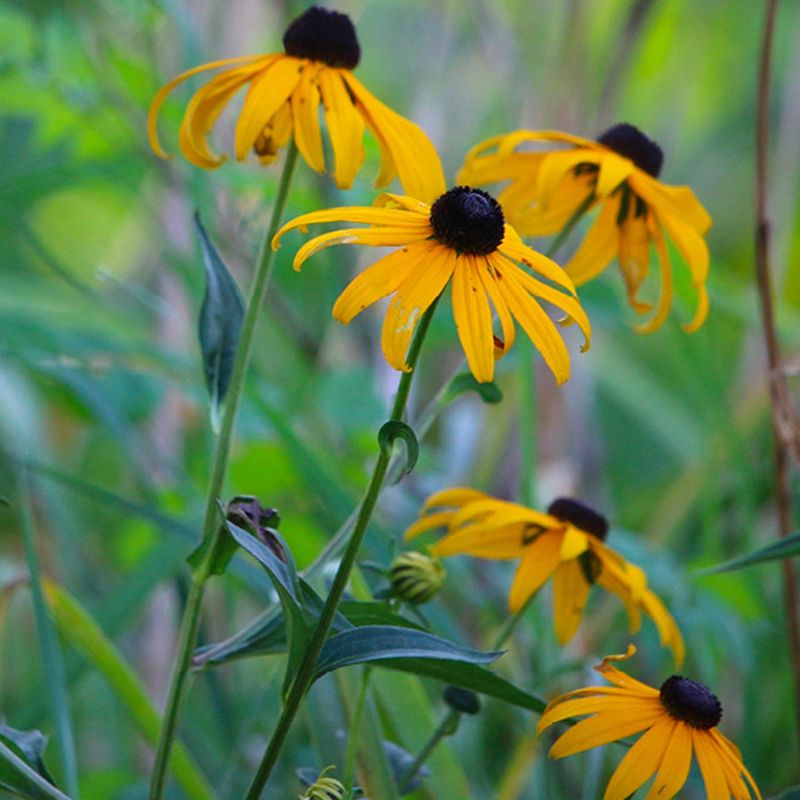
Imagine a garden filled with sunshine. Black-Eyed Susan brings that vision to life. With its bright, sunny blooms, this flower naturalizes effortlessly, offering months of vibrant color. Its cheerful presence makes excellent cut flowers, brightening any indoor space. Black-Eyed Susan’s adaptability to various conditions, including poor soil, ensures it thrives where others might struggle. This hardy plant is a steadfast garden companion, promising a burst of joy wherever planted. Whether in meadows or pots, it adds a touch of sunshine to any setting.
4. Switchgrass (Panicum virgatum)
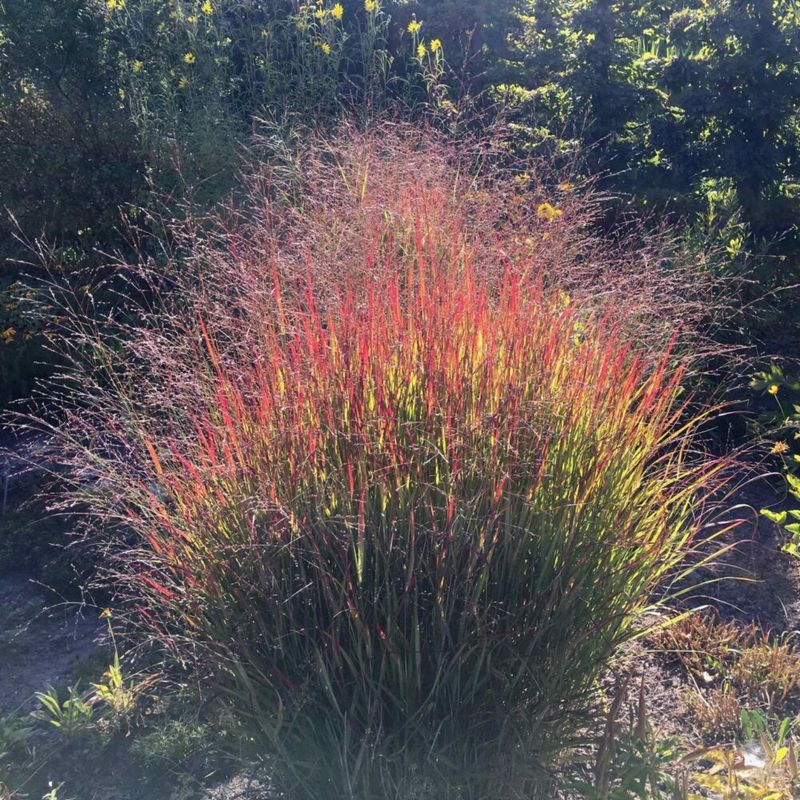
Is there a grass that dances in the wind? Switchgrass sways gracefully, adding movement to your garden. Known for its clump-forming habit, it becomes a beacon of beauty with stunning fall color. Switchgrass isn’t just about aesthetics; it’s a champion for erosion control and provides vital wildlife cover. Its tough nature allows it to thrive in diverse conditions, making it a must-have for any garden. With its ability to stand tall in harsh weather, Switchgrass ensures your garden remains vibrant and dynamic throughout the seasons.
5. Bee Balm (Monarda fistulosa)
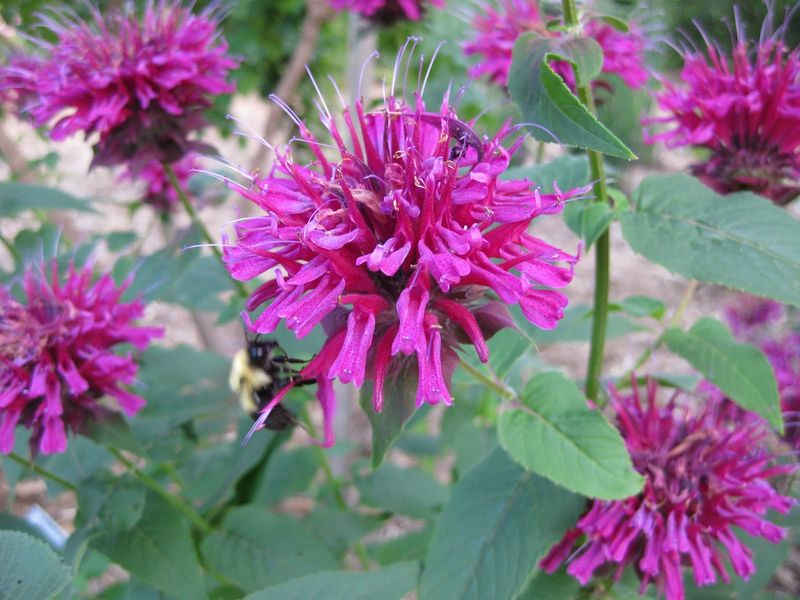
Ever stumbled upon a plant that feels like a fragrant revelation? Bee Balm offers just that. Its spiky purple-pink flowers are beloved by pollinators, creating a buzzing paradise in your garden. The foliage, with its slight mint scent, adds another sensory layer. Bee Balm’s resilience and fragrant leaves make it a gardener’s dream. Whether planted in borders or containers, its charm is undeniable. Beyond aesthetics, it offers medicinal uses, making it both beautiful and beneficial. Let Bee Balm’s vibrant blooms and fragrance transform your garden space.
6. Prairie Blazing Star (Liatris pycnostachya)
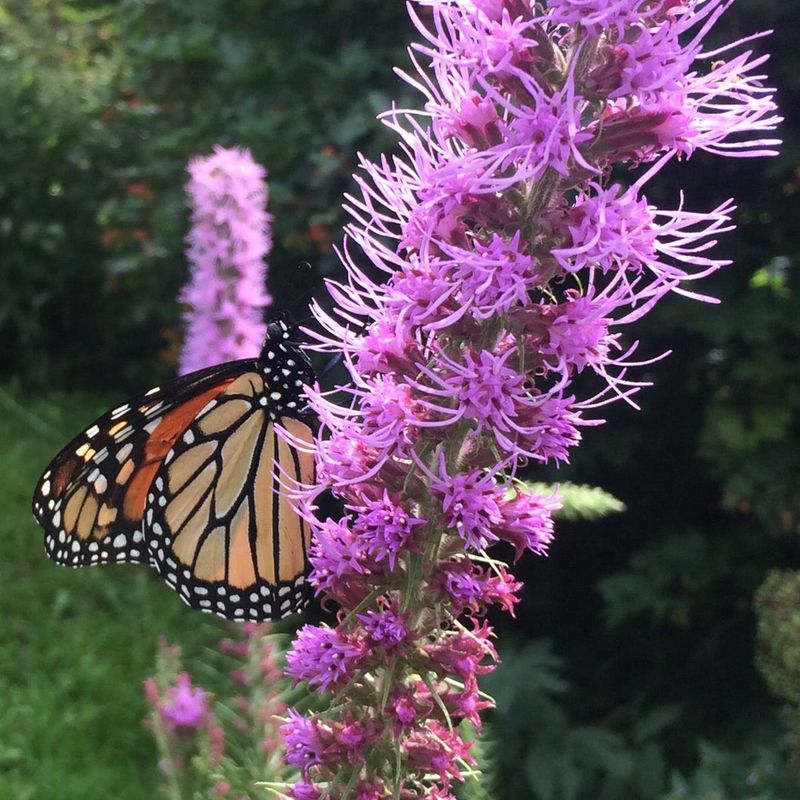
Looking for a plant that stands out? Prairie Blazing Star, with its tall purple spikes, demands attention. Blooming mid to late summer, it adds vertical interest to any garden. Butterflies, including monarchs and swallowtails, flock to this magnet, making it a hub of activity. Its robust nature ensures it thrives in various conditions, providing stunning displays with minimal care. Prairie Blazing Star offers more than beauty; it serves as a vital pollinator resource. Embrace its striking presence and let your garden flourish with color and life.
7. Coreopsis (Coreopsis lanceolata)
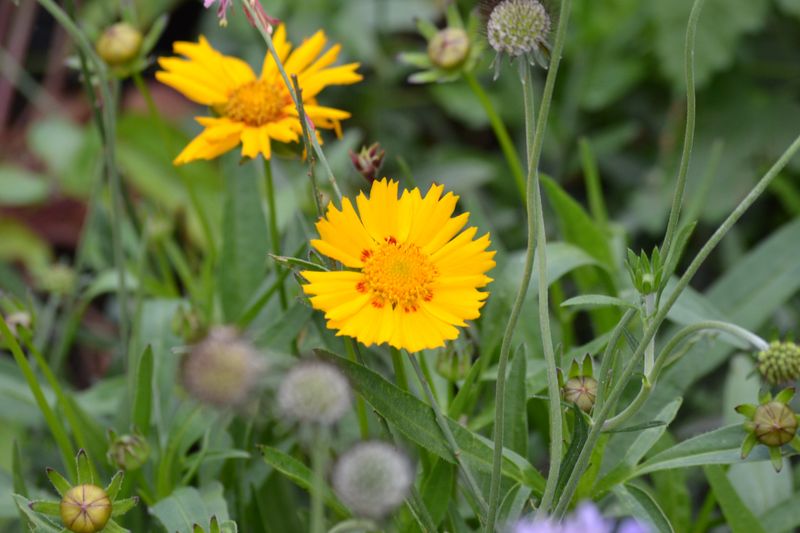
Want a touch of sunshine in your garden? Coreopsis delivers with its cheerful yellow blooms. Thriving even in poor soil, this plant is a testament to resilience. Its daisy-like flowers offer a long blooming period, ensuring your garden remains lively. Coreopsis’s ability to self-seed means it returns year after year, providing continuous joy. The vibrant color and easy-care nature make it a favorite among gardeners. Whether in borders or wildflower meadows, Coreopsis adds a sunny disposition to any landscape, illuminating your garden with warmth.
8. Butterfly Milkweed (Asclepias tuberosa)
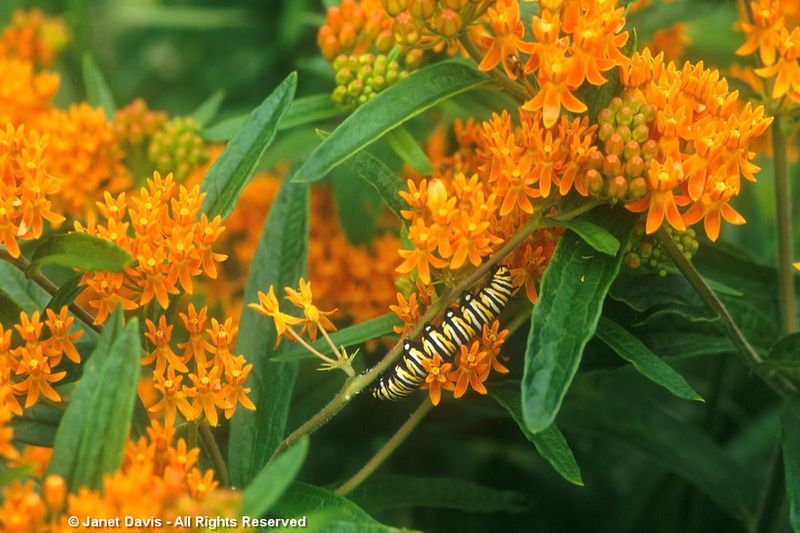
Ever seen a plant that serves as a monarch’s haven? Butterfly Milkweed is it. With bright orange flowers, it becomes a focal point in any garden, especially along prairie borders. Its low-growing nature complements various garden settings while providing essential habitat for monarch caterpillars. Butterfly Milkweed is more than a visual delight; it’s an ecological powerhouse. This plant’s ability to thrive in challenging conditions makes it a valuable addition to any garden. Let Butterfly Milkweed’s vibrant colors and ecological benefits enrich your landscape.
9. Indian Grass (Sorghastrum nutans)
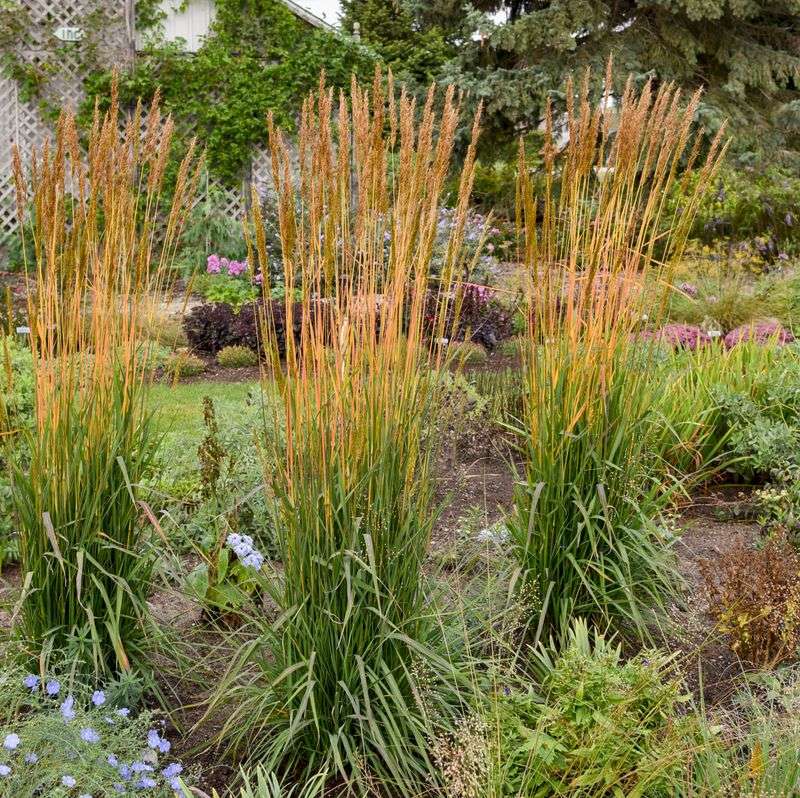
Ever wondered how to add elegance to your garden? Indian Grass offers the answer. With tall, graceful blades topped by golden fall plumes, it brings structure and motion. Indian Grass isn’t just about beauty; its resilience makes it a staple in late-season gardens. This grass provides essential habitat for wildlife, enhancing your garden’s ecological value. Its ability to thrive in diverse conditions ensures your garden remains captivating. Whether planted in mass or as a backdrop, Indian Grass adds a touch of sophistication to your landscape.
10. Prairie Smoke (Geum triflorum)
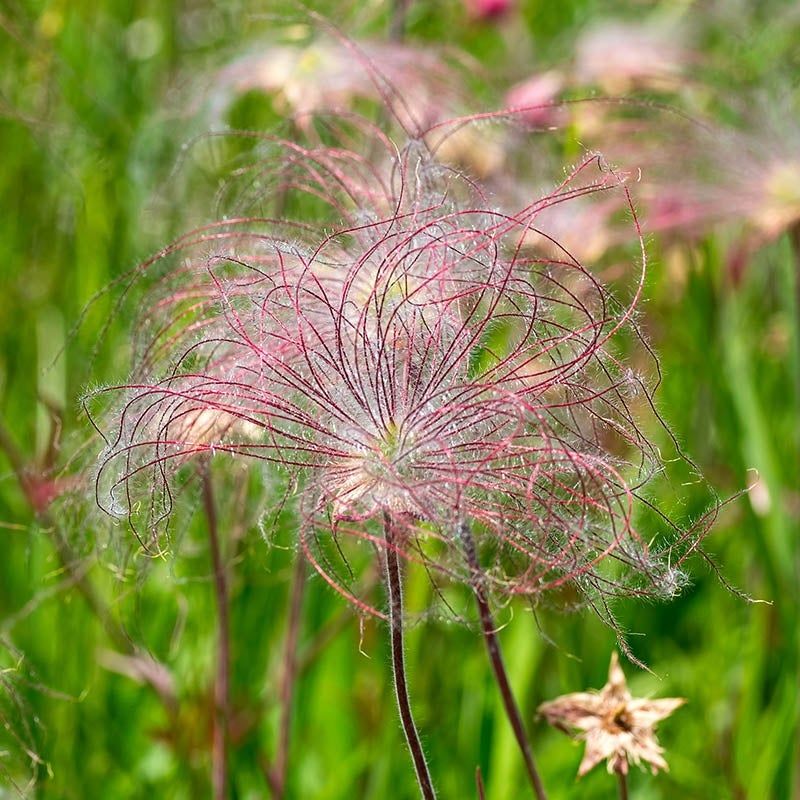
Looking for a plant that intrigues? Prairie Smoke captivates with its nodding flowers and subsequent wispy, smoke-like seed heads. This unique feature makes it a conversation starter in any garden. Prairie Smoke thrives in dry conditions, offering early spring interest. Its adaptability and distinctive appearance make it a gardener’s delight. Beyond aesthetics, it provides ecological benefits, supporting native pollinators. Whether in rock gardens or prairie settings, Prairie Smoke’s charm is undeniable. Embrace its quirky nature and let it add a touch of intrigue.
11. Wild Bergamot (Monarda fistulosa)
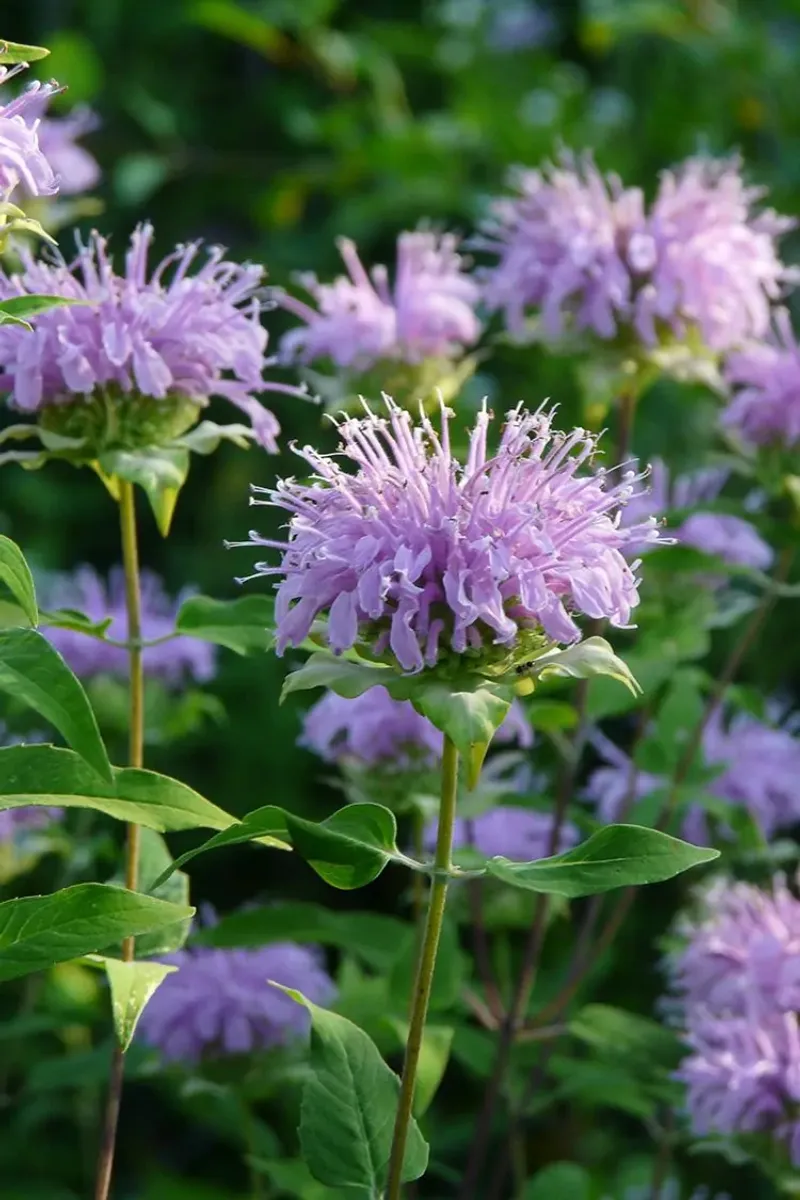
Ever witnessed a plant that attracts a crowd? Wild Bergamot does just that with its lavender blooms. Known for its resilience, it thrives in various conditions, adding beauty and fragrance to your garden. Pollinators love it, making it a bustling hub of activity. Wild Bergamot’s aromatic leaves have both culinary and medicinal uses, adding to its appeal. This plant’s ability to flourish with minimal care makes it a favorite among gardeners. Whether in herb gardens or as a border plant, it enhances your garden’s biodiversity and charm.
12. Big Bluestem (Andropogon gerardii)
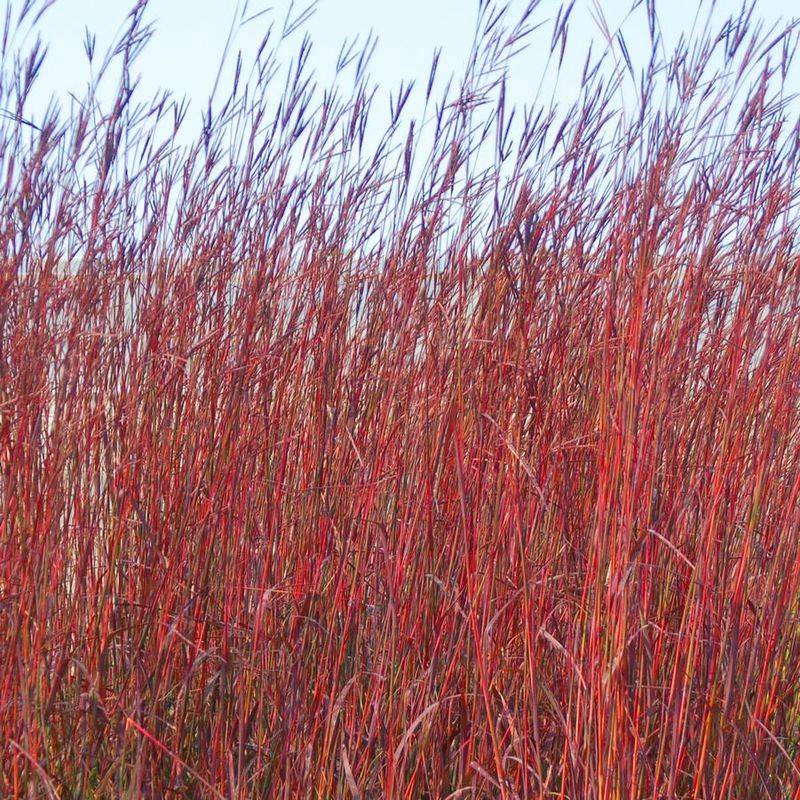
Ever heard of the ‘king of prairie grasses’? Big Bluestem earns this title with its commanding presence. Growing tall, it transforms from green to a stunning red-bronze in fall. Big Bluestem’s ability to support native insects and birds adds ecological value to any garden. Its resilience makes it a reliable choice for various landscapes, from prairies to home gardens. This grass’s dynamic appearance and adaptability ensure it remains a garden favorite. Let Big Bluestem’s towering stature and seasonal change enhance your garden’s depth and character.