 Complete Gardening
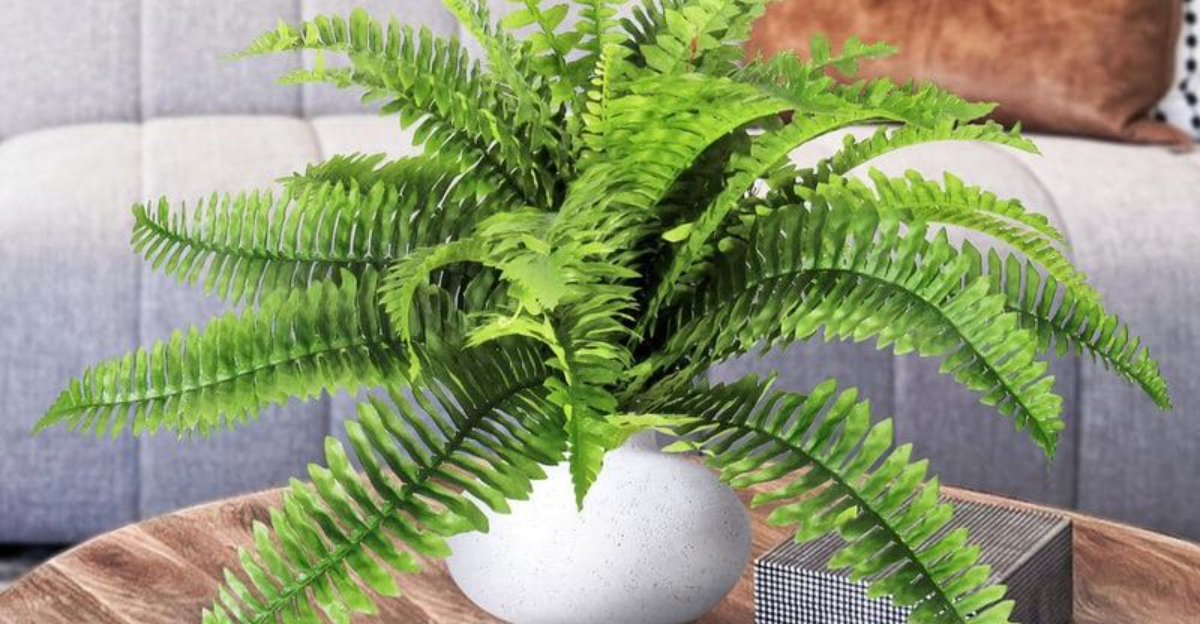
Indoor plants infuse any space with life and energy, but knowing their watering requirements is essential. While some species can endure occasional neglect, others demand regular hydration to avoid stress.
Below are 13 houseplants that thrive with consistent moisture. Keeping these plants well-watered prevents wilting and encourages lush, healthy growth.
Whether you’re a beginner or a seasoned green thumb, understanding their specific needs will help you cultivate a thriving indoor garden.
1. Banana Tree (Musa acuminata)
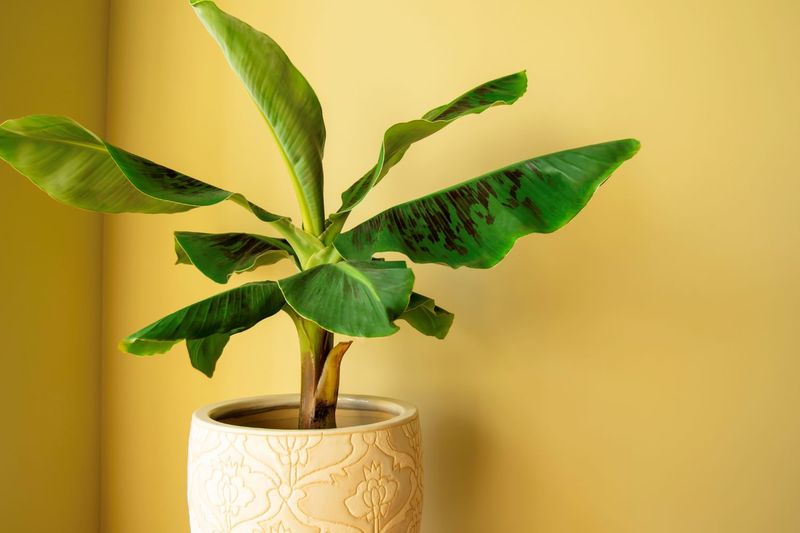
Want to add a tropical flair to your living space? The Banana Tree might be your new best friend! With its enormous, lush leaves, it’s like having a bit of the rainforest right in your home.
But beware—this plant is a thirsty fellow. Keep its soil consistently moist, and it will reward you with rapid growth.
Providing ample light and humidity can mimic the plant’s native habitat. It’s not just a feast for the eyes; it’s also a conversation starter. Even indoors, its presence feels like a holiday.
Remember, water regularly but avoid waterlogging. A fun fact? These aren’t trees at all but actually giant herbs!
2. Nerve Plant (Fittonia albivenis)
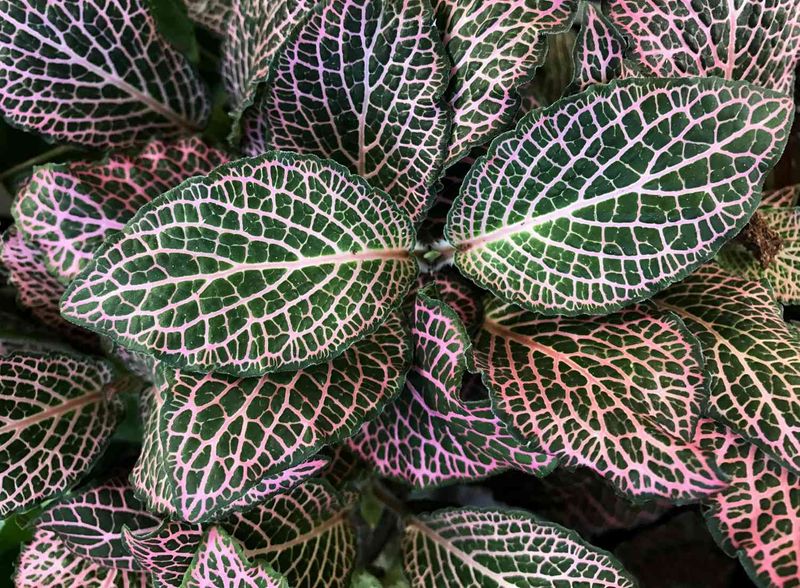
Known for its strikingly veined leaves, the Nerve Plant adds a splash of color to any room. With its delicate red or white veins running through the lush green, this plant is a true beauty. However, it’s notorious for its dramatic displays when thirsty.
If you see it drooping, don’t worry—it’s just asking for a drink. But be careful not to overwater. Keep the soil consistently moist, and it will perk right back up.
These plants thrive in humid environments, making them perfect for bathrooms or kitchens. Their compact size makes them ideal for small spaces.
3. Goldfish Plant (Columnea gloriosa)
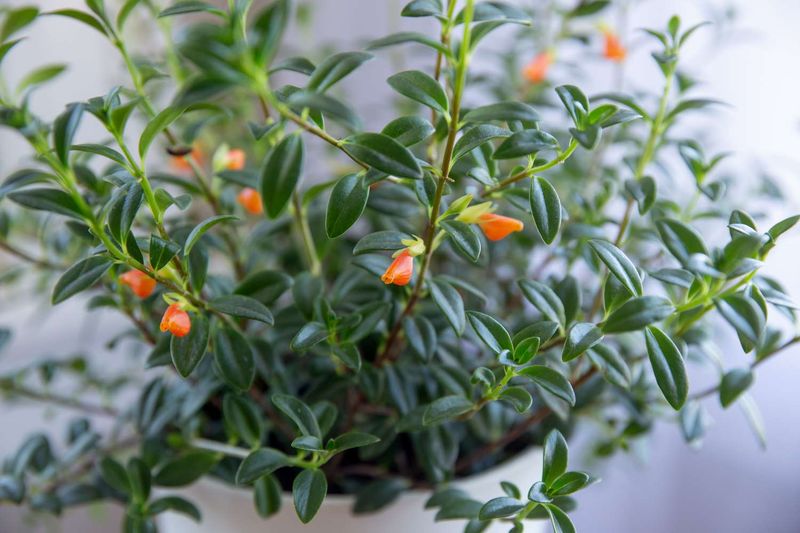
Add a splash of uniqueness with the Goldfish Plant. Its vibrant orange blooms resemble little goldfish swimming through the air. This quirky plant loves humidity and moist soil, so keep its environment steamy and consistently watered.
It’s a perfect plant to hang in a bathroom or kitchen where it can soak up the moisture. The cascading vines are not just visually appealing; they’re enchanting.
With a little care, this plant will thrive and reward you with its charming flowers. Interesting tidbit: native to Central and South America, it’s a true tropical gem!
4. Chinese Evergreen
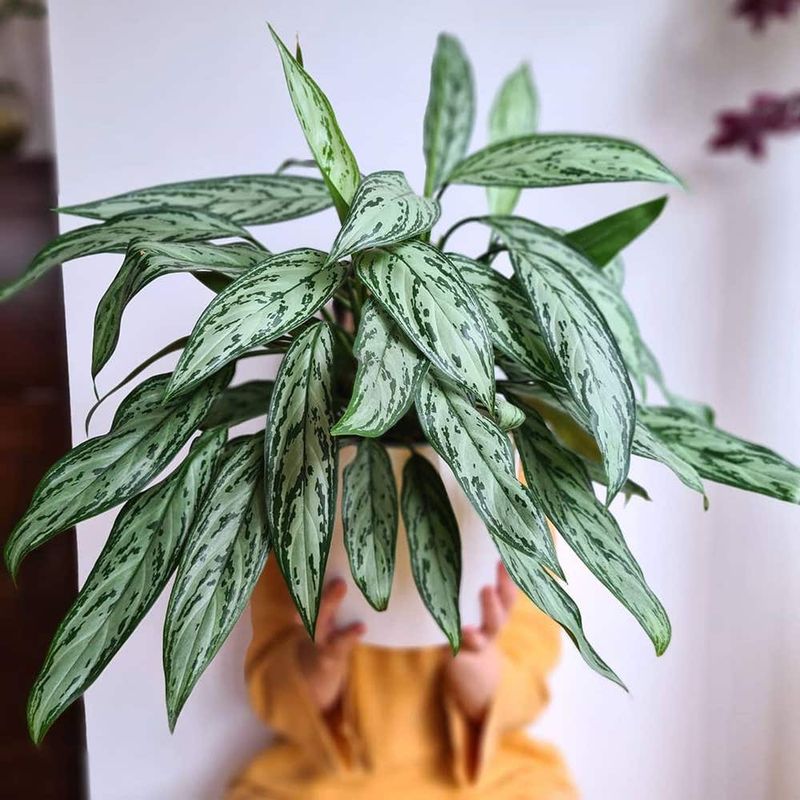
Chinese Evergreens are valued for their beautiful variegated leaves and adaptability to low-light conditions. They hail from the tropical forests of Asia, necessitating a humid environment and regular watering.
Ensure the soil remains consistently moist, but not soggy, to keep these plants healthy. They also benefit from a gentle wipe of the leaves to remove dust and promote photosynthesis.
Under-watering can result in browning tips and leaf drop, so monitor soil moisture closely. With proper care, Chinese Evergreens can flourish and enhance the beauty of your indoor space.
5. Calathea
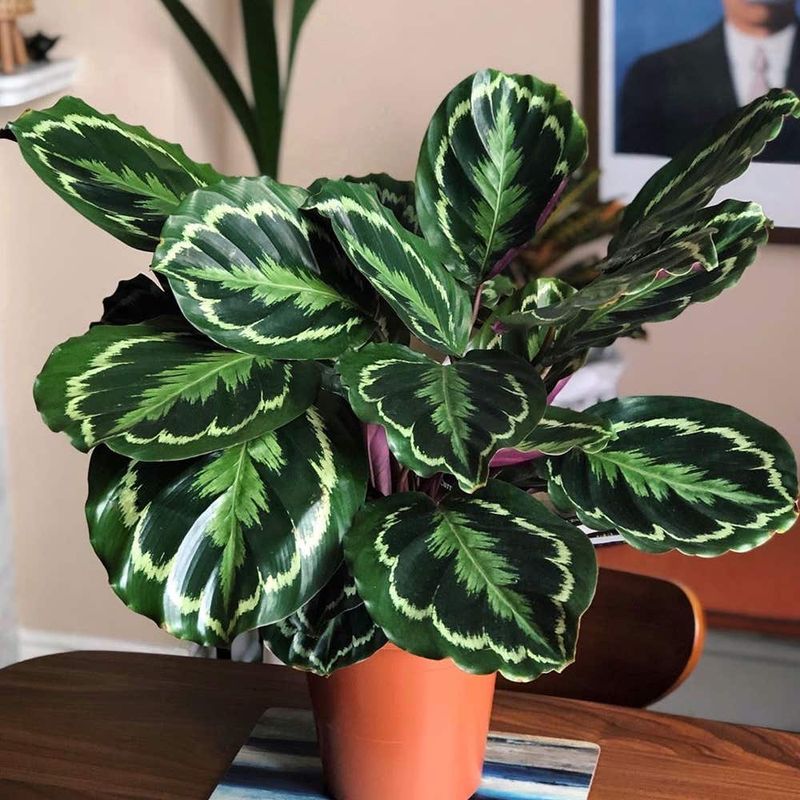
Calatheas are admired for their stunning foliage with intricate patterns and colors. Native to South America, they thrive in warm and humid conditions. These plants are sensitive to water quality, so it’s best to use distilled or rainwater.
Water them regularly to keep the soil slightly damp, but not waterlogged. Calatheas also enjoy frequent misting or a nearby humidifier to maintain the humidity they crave.
Allowing the soil to dry out can cause their leaves to curl and lose their vibrant patterns, making consistent watering essential for their care.
6. Baby’s Tears
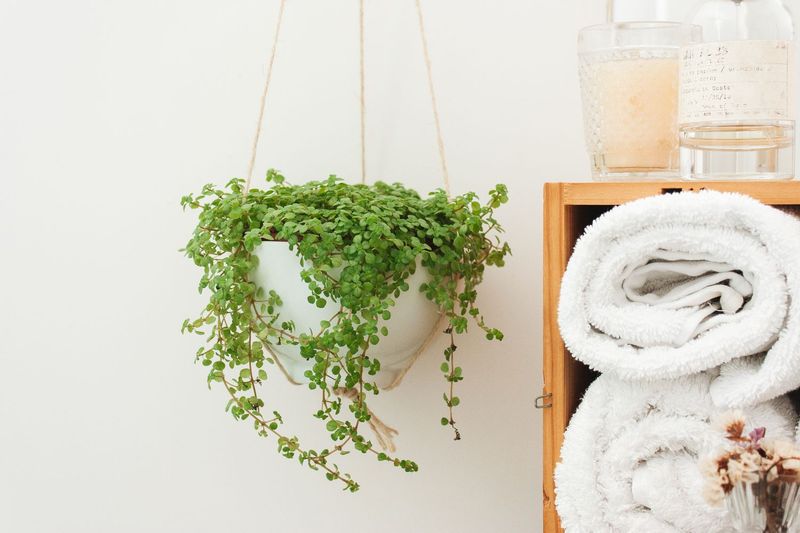
Baby’s Tears is a charming ground cover plant known for its tiny, lush green leaves that spill over pots. Originating from the Mediterranean, this plant loves moisture and high humidity.
Keep the soil consistently damp, never allowing it to dry out completely. Regular watering and misting will keep Baby’s Tears looking vibrant and healthy.
If neglected, they can quickly wilt and lose their appeal, so maintaining their moisture needs is crucial. With proper care, Baby’s Tears can create a soft and inviting greenery display in any indoor space.
7. Spider Plant
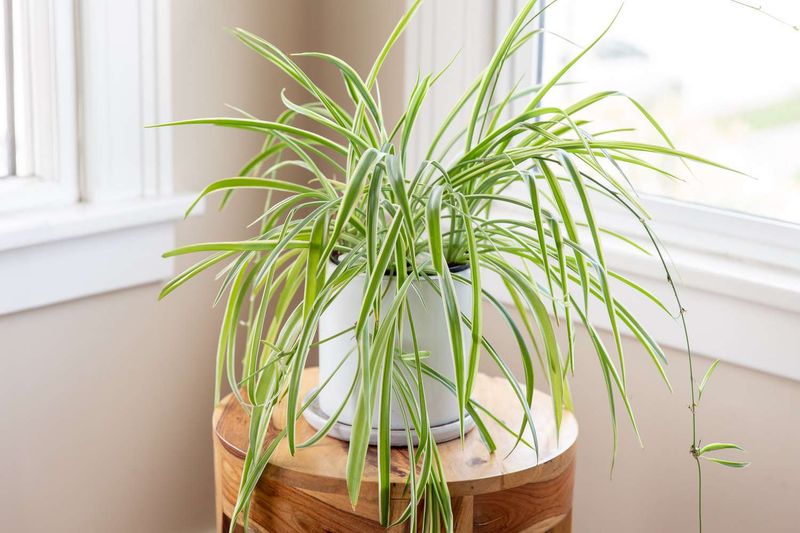
Spider Plants are known for their easy-going nature and spider-like offshoots. These hardy plants are perfect for beginners, but they still require regular watering.
Ensure the soil remains consistently moist, watering them once the top inch of soil feels dry. Spider Plants also appreciate occasional misting to mimic their native tropical conditions.
Under-watering can lead to brown tips and reduced growth, so monitor their soil dryness closely. With proper care, Spider Plants can thrive and adorn your home with their charming, cascading foliage.
8. Boston Fern
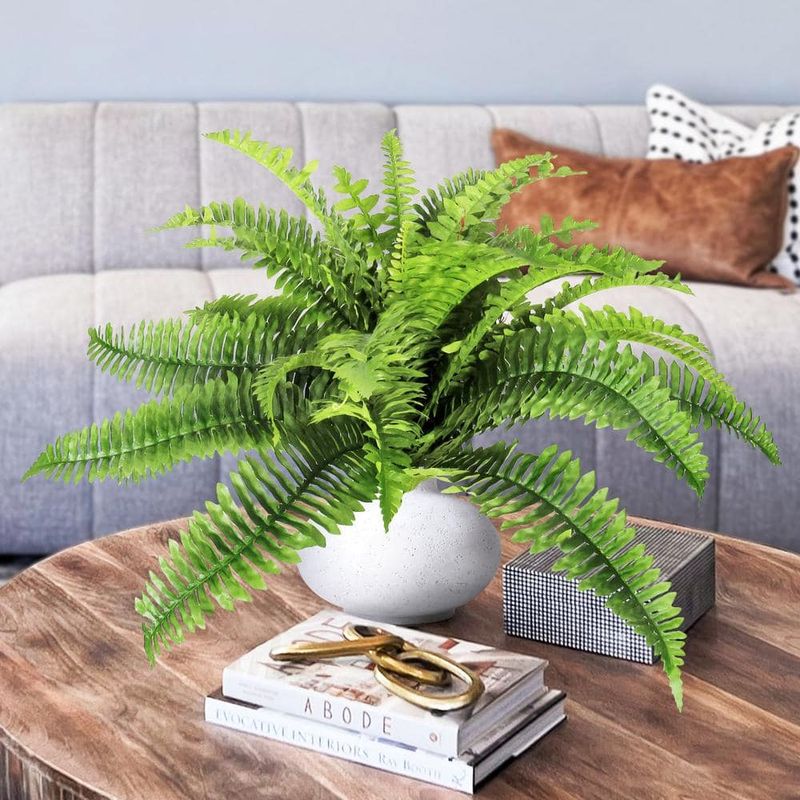
Boston Ferns are a classic choice for any plant lover. With their lush, arching fronds, they add a touch of elegance and drama to any room. However, they require a high level of humidity and consistent watering.
Keep their soil evenly moist, never allowing it to dry out completely. These ferns also benefit from regular misting, which helps to simulate their tropical origins.
Placing a tray of water nearby can help increase humidity levels. Neglecting their water needs can result in brown, crispy fronds, detracting from their natural beauty.
9. Umbrella Plant
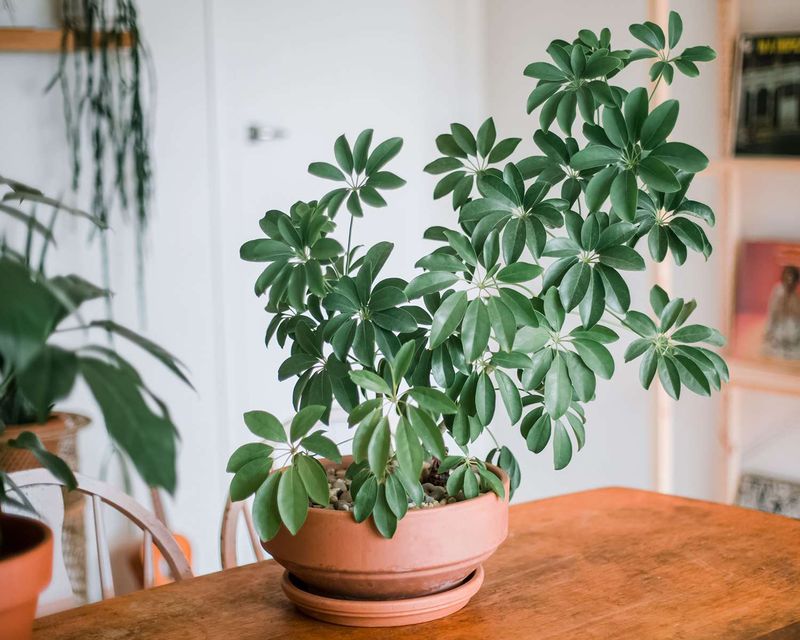
Umbrella Plants, with their distinctive, glossy leaflets, make an eye-catching addition to any indoor setting. Native to the tropical regions of Taiwan and Hainan Province, they require a generous amount of water.
Keep the soil consistently moist, watering deeply when the top inch begins to dry out. They also appreciate periodic misting to replicate their natural environment.
Failure to provide adequate moisture can lead to leaf drop and dullness, so attentive watering is essential. When cared for properly, Umbrella Plants can thrive and add a touch of tropical charm to your home.
10. Fiddle Leaf Fig
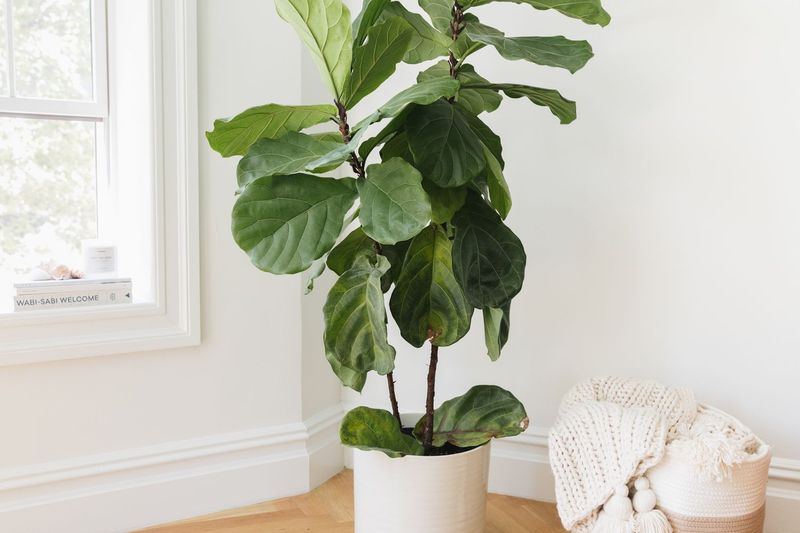
Fiddle Leaf Figs are prized for their large, glossy leaves and can make a bold statement in any space. Native to the rainforests of West Africa, these plants require ample water and humidity.
Keep their soil consistently moist, watering thoroughly once the top inch is dry. They benefit from occasional leaf wiping to remove dust and enhance their appearance.
Dry soil can lead to leaf drop and browning edges, so maintaining a regular watering routine is key. With the right care, Fiddle Leaf Figs can be a dramatic and thriving feature in your home.
11. Maidenhair Fern
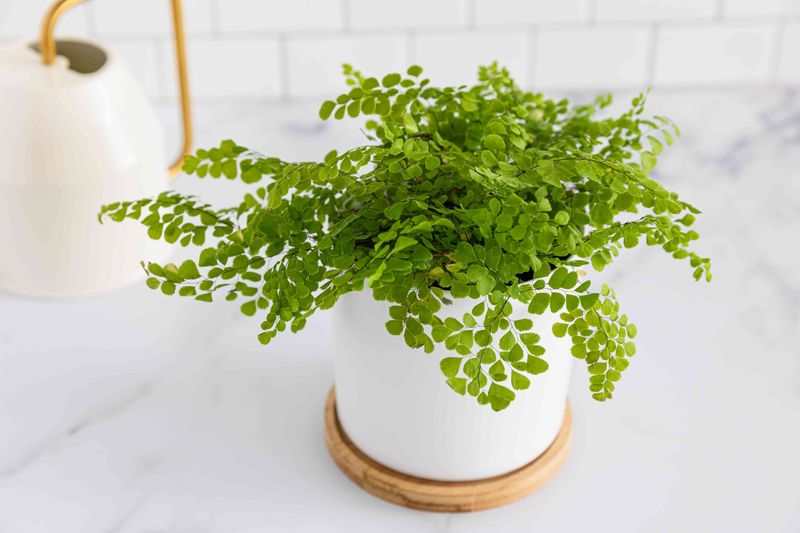
Maidenhair Ferns are renowned for their delicate, lacy fronds that can add a touch of elegance to any interior. They are sensitive to dry conditions, requiring consistent moisture and high humidity to thrive.
It’s crucial to keep their soil damp, watering them regularly to prevent the fronds from becoming brittle. Mist them frequently or use a pebble tray to maintain the necessary humidity levels.
These ferns do not tolerate neglect, and their fronds can quickly wilt if they are allowed to dry out, so attentive care is essential for their well-being.
12. Cast-Iron Plant
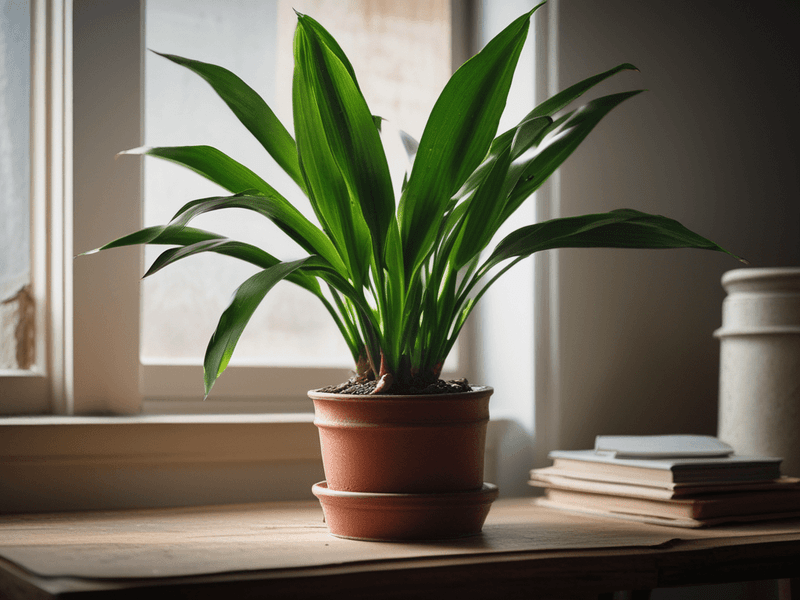
The Cast-Iron Plant is admired for its resilience and ability to thrive in low-light areas. Despite its tough nature, it still requires regular watering to maintain its lush appearance.
Water the plant thoroughly when the top inch of soil feels dry, ensuring the soil remains evenly moist. These plants are forgiving, but preventing the soil from drying out completely is vital.
Overly dry conditions can lead to leaf browning and reduced vigor, so a consistent watering schedule is beneficial. With minimal care, the Cast-Iron Plant can remain a steadfast and green addition to your home.
13. Peace Lily
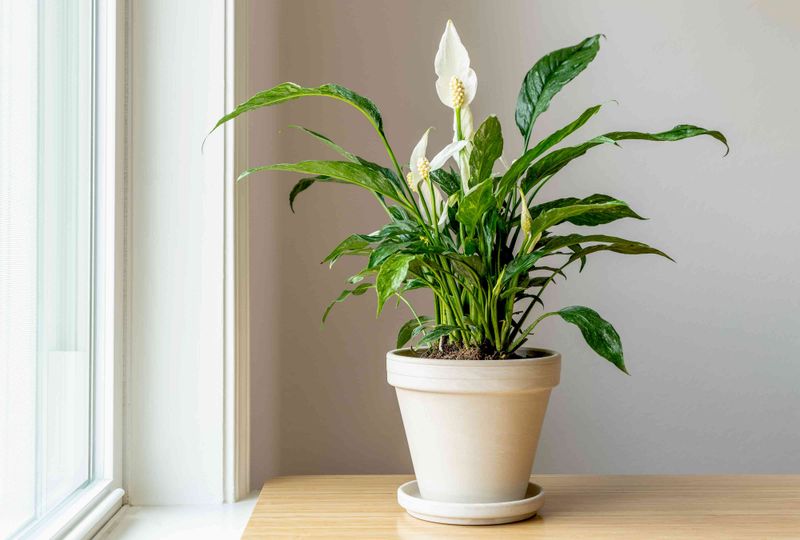
Peace Lilies are beloved for their elegant white flowers and lush green leaves. Known scientifically as Spathiphyllum, these tropical plants originate from the rainforests of Central and South America. They thrive in low-light environments but demand consistent moisture.
To keep your Peace Lily happy, water it once a week, ensuring the soil remains moderately damp. Misting the leaves also helps maintain humidity, mimicking their natural habitat.
Overly dry soil can lead to drooping leaves and stunted growth, so keep an eye on the soil moisture and adjust your watering schedule accordingly.