
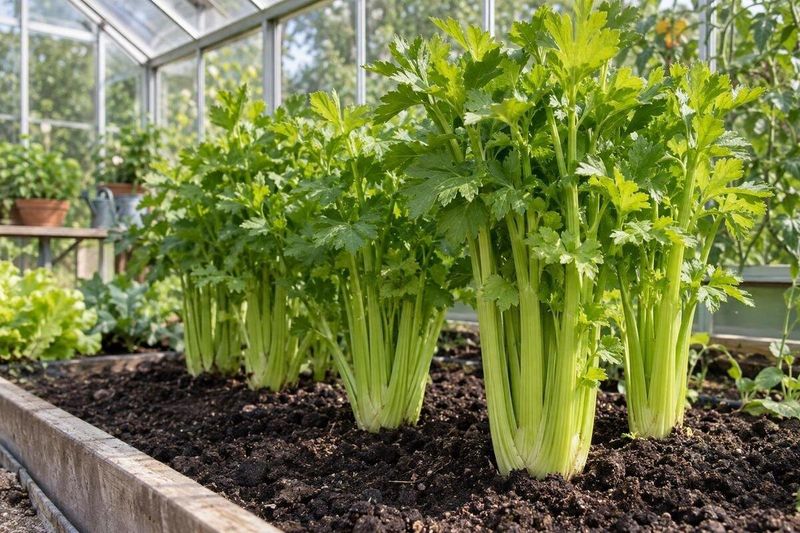
You cut into a celery stalk you have babied for months, and it is tough, stringy, or dry and spongy inside. That is a frustrating way to end a long season in a fall bed.
Water stress is one common reason celery quality slips, but it is not the only one. Here is how to tell the symptoms apart and keep moisture steady so your next stalks turn out crisp.
Stringy stalks and pithy interiors are not the same problem
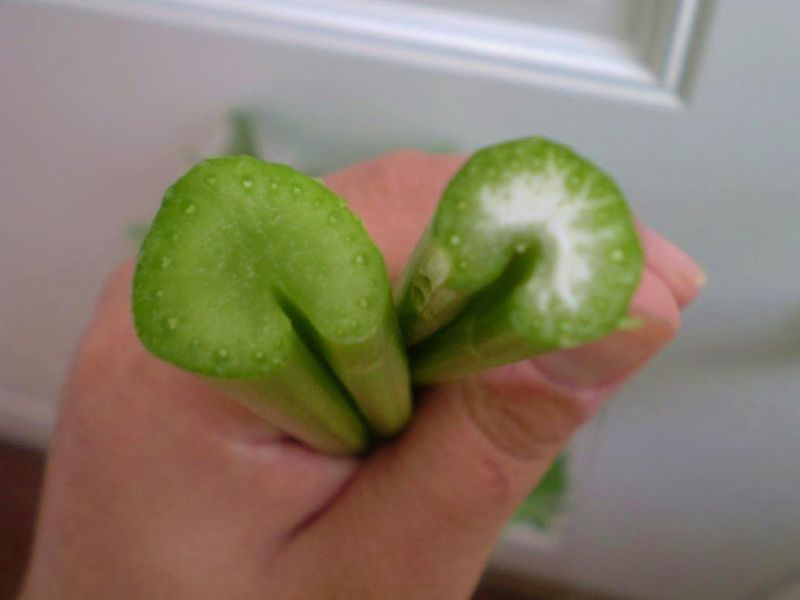
Gardeners often lump celery problems together, but two different symptoms show up at harvest. Stringiness means tough, fibrous strands that pull away when you bite or peel a stalk.
Utah State University Extension says water stress can make stalks stringy and strong-flavored, so dry spells are a fair suspect.
Pithiness is different. It is dry, white, spongy tissue inside the stalk, and some gardeners call it hollow.
Water stress can contribute to it, but UC Davis postharvest specialists list other factors too, including heat or cold stress, pre-bolting changes, root infections, and over-maturity.
That means a hollow-looking stalk does not prove your soil dried out. Think of the symptoms as clues, not verdicts.
Slice a few stalks, note whether you see strings, spongy centers, or both, and keep that in mind as you check the rest of your growing conditions.
Keep the celery root zone consistently moist
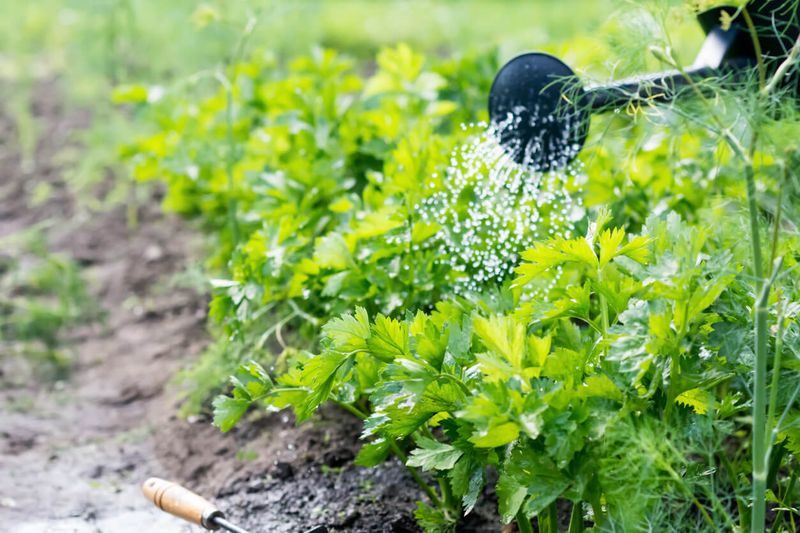
Celery has a small, shallow root system, so it cannot reach down for water the way deeper-rooted crops can. When the top few inches of soil dry out, the plant feels it quickly.
UC guidance on celery irrigation notes that celery is sensitive to even short-term water stress.
As a general reference, Utah State Extension recommends 1 to 2 inches of water per week from rain or irrigation, applied by soaking the soil thoroughly. Count rainfall toward that total.
A soggy week in Houston or Tampa may need no extra water at all.
Treat that number as a starting point, not a schedule. Sandy beds drain fast and may need more frequent watering, while heavier soil holds water longer.
Hot, windy days dry beds faster than cool, cloudy ones.
Check by pushing a finger a couple of inches into the soil. You want it consistently moist, not waterlogged.
Standing water starves roots of air and can invite root problems.
Use mulch to help conserve soil moisture
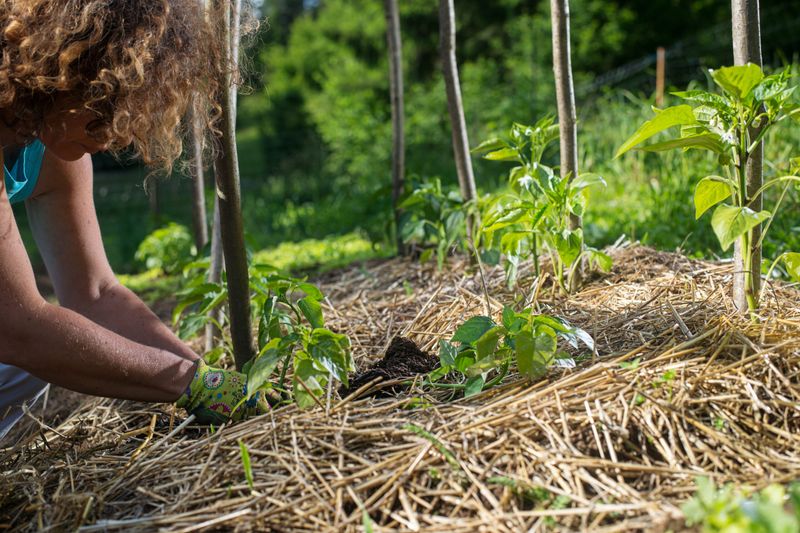
Between waterings, bare soil loses moisture to sun and wind. A layer of mulch can slow that loss and help keep conditions more even around the roots.
Utah State Extension specifically recommends mulch to retain moisture around celery.
Even moisture matters for a plant with shallow roots. Swings from soaked to bone dry are the pattern you want to soften.
Mulch acts like a buffer, so the bed may not dry out as sharply on a warm afternoon.
Still, mulch is only one piece of the plan. It does not water the plant for you, and it will not tell you what is happening below the surface.
Pull it back now and then and check the soil.
After a heavy rain, look for soil that stays wet for too long. After a dry stretch, look for soil that has dried deeper than expected.
Adjust your watering based on rainfall, soil type, and weather rather than assuming mulch has it covered.
Consider other causes of pithiness and stalk defects
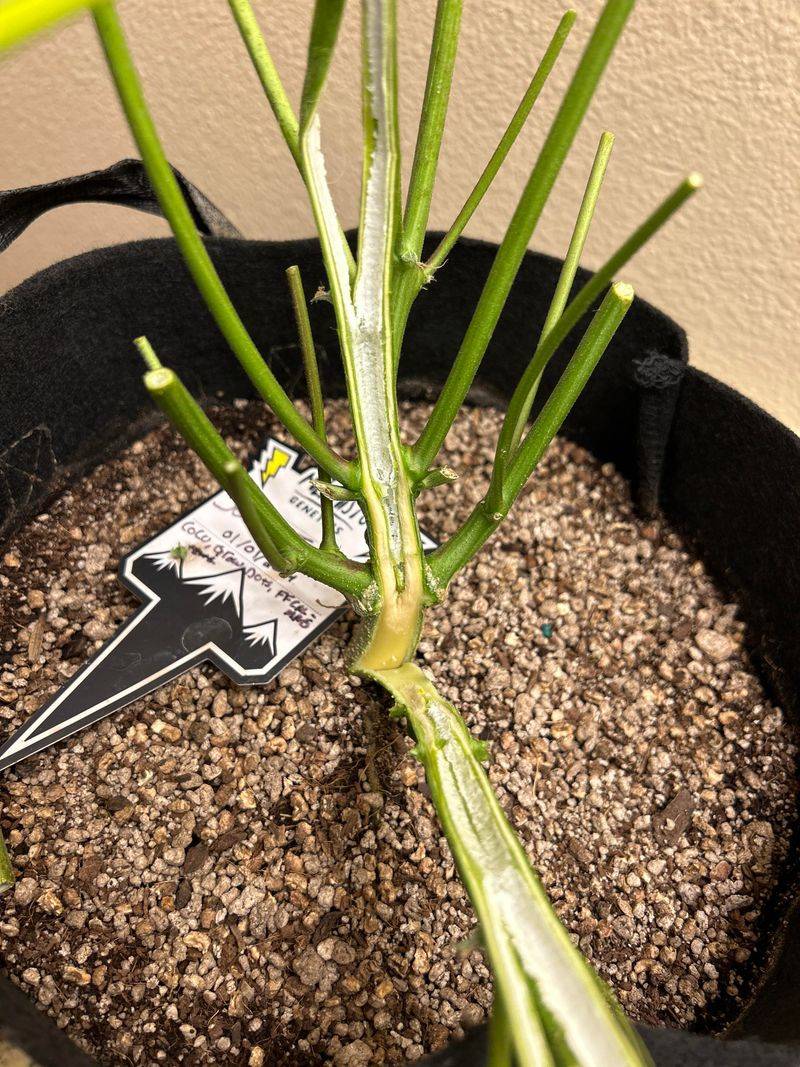
If your watering has been steady and stalks still turn spongy, look wider. UC Davis lists heat or cold stress, pre-bolting changes, root infections, and over-maturity as other factors tied to pithiness.
Some cultivars also naturally have hollow petioles, so check what variety you planted.
Weather plays a role as well. Utah State Extension notes that hot, dry weather can produce tough, stringy stalks, and celery left in the ground too long can turn pithy.
Do not mix pithiness up with other disorders. Blackheart shows as brown to black discoloration in the inner leaves and is linked to water stress and calcium-related problems.
Splits in the petioles are a separate symptom that can point to boron deficiency.
A hollow stalk alone does not tell you that calcium or boron is lacking, so skip those amendments on that clue alone. If you see blackheart or splitting, a soil test or your county extension office can help sort out the cause.
Treat fall planting dates as regional guidance
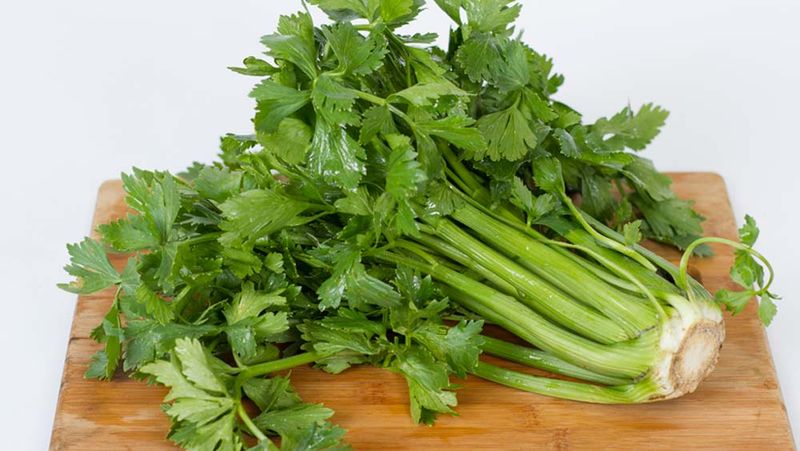
Fall celery timing is not the same across the South, so no single calendar fits Florida and Texas gardeners. UF/IFAS monthly planting guidance lists celery among fall transplant options in parts of Florida, but it flags it as transplant with care.
That caution fits what the university’s Florida vegetable gardening guide says. It describes celery as difficult in home gardens and needing three months or longer to mature.
A long season means more weeks when moisture and temperature swings can cause trouble.
Those recommendations apply to the Florida areas and conditions UF/IFAS covers. They should not be read as statewide advice, and they do not translate into Texas dates.
If you garden in Texas or elsewhere in the South, look up planting guidance for your own county or region. Your local extension office can tell you when cool-season transplants make sense where you live.
Use steady moisture as prevention, not a guaranteed cure
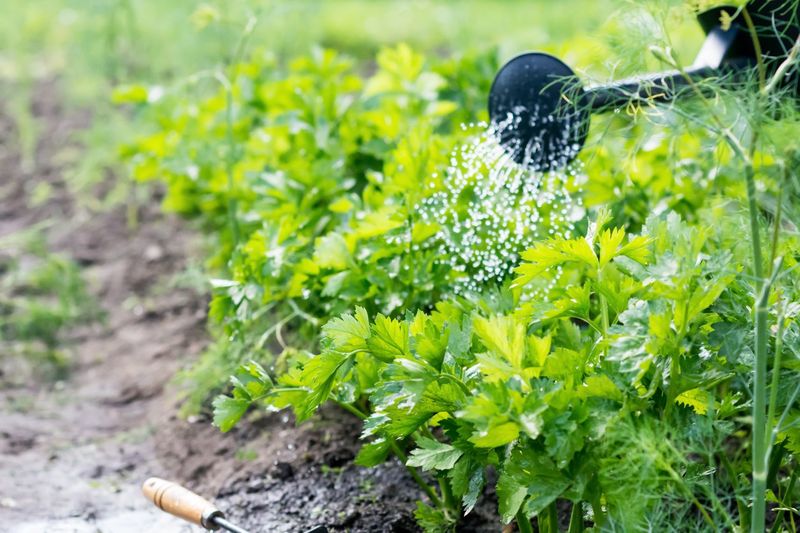
Think of watering as your best preventive habit. Keep the root zone consistently moist, let rainfall count toward the total, and adjust for soil and weather.
Utah State Extension’s 1 to 2 inches per week works as a rough guide, and mulch can help hold that moisture in.
These steps may help prevent water-stress-related quality problems like tough, stringy stalks. They will not rule out the other causes of pithiness that UC Davis describes, such as temperature stress, over-maturity, or cultivar traits.
They also cannot restore a stalk that is already stringy or spongy. Damage that has developed stays put.
The payoff comes from protecting the stalks still growing.
A simple routine helps: poke the soil, glance at the forecast, and water when the top couple of inches feel dry. Celery rewards the gardener who pays attention, because the crispest stalk usually grows in the bed that never gets a chance to dry out.