
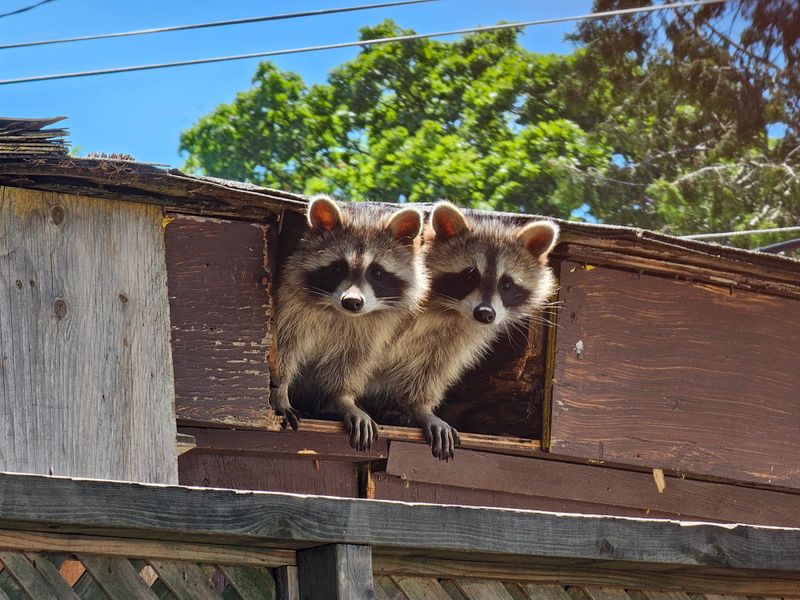
A masked visitor shows up on your patio camera at 11 p.m., then again the next night, and the night after that. Many Central Texas homeowners see this and wonder what it means.
A repeat raccoon is often a sign to look at what your yard offers, but it does not tell the whole story by itself. Here is how to check your yard calmly and make smart changes before your beds get torn up.
Repeat visits are a clue, not a diagnosis
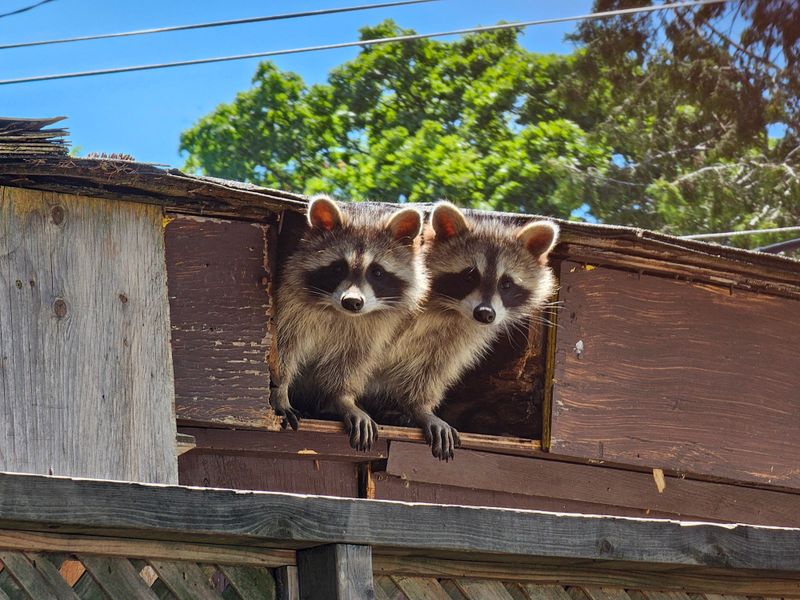
A raccoon that keeps coming back to your yard may be finding something dependable there. Texas Parks and Wildlife Department says raccoons can live near developed areas when food, water, and cover are available, and that their diet includes insects, fruit, fish, and human garbage.
So the odds are good that something in your yard is easy to use.
Still, a repeat visit is only a clue. It does not tell you which of those three things is the draw.
It also does not prove the raccoon is denning in your yard or close by. A raccoon could be passing through on a regular route, and a neighbor’s yard might be part of the same loop.
Timing matters here too. Raccoons are mostly nocturnal, so a visit after dark is normal behavior.
A nighttime appearance on its own is not a sign of illness or rabies.
Think of this article as a yard inspection rather than a wildlife diagnosis. You will check food first, then water and cover, then figure out what is actually damaging your beds or turf.
After that come building access and safety questions. Each step is small, and each one reduces what your yard offers without harming the animal.
Walk the yard at dusk with a notepad. Jot down anything a hungry animal could reach without much effort.
That list becomes your plan.
Food is the first place to look
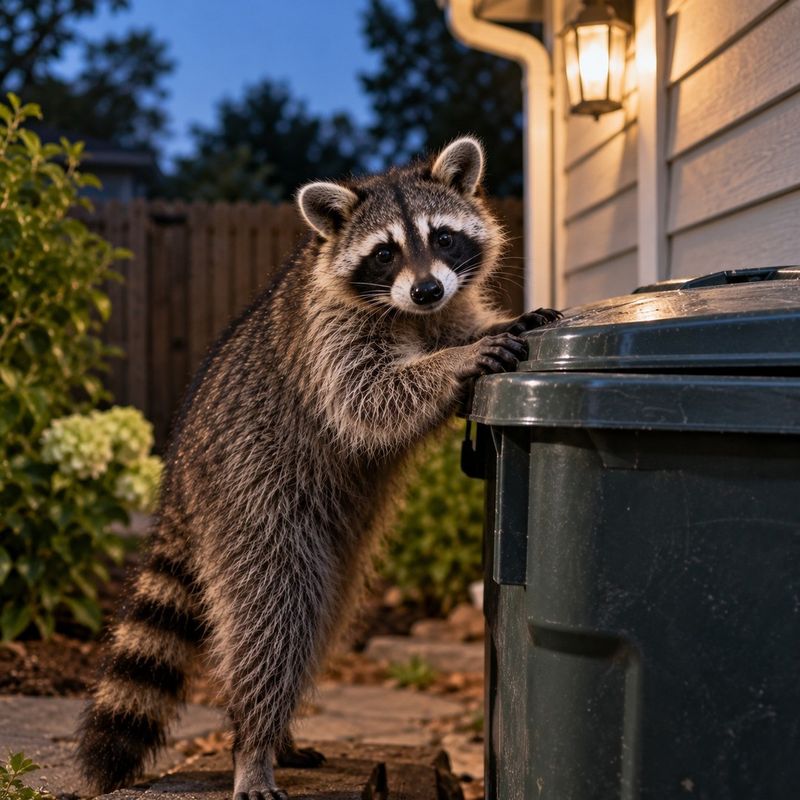
Easy meals are the most common thing to check first. Raccoons are not picky eaters, and TPWD notes their varied diet includes insects, fruit, fish, and human garbage.
That means almost any yard has something worth a look. You cannot know for sure which item is bringing one back, so treat each as a possibility.
Start with pet food. A bowl left on the porch overnight is an easy target, so bring it indoors before dark.
Next, look at garbage cans. Lids should fasten firmly, and a can that tips or has a loose lid deserves a fix, such as a strap or a spot in the garage until pickup day.
Then scan the ground. Fallen figs, peaches, persimmons, and pecans can pile up under trees, so pick them up on a regular schedule.
Spilled birdseed counts too. CDC guidance recommends preventing food access and removing bird feeders as ways to discourage raccoons around a home.
If you love your feeders, try sweeping up hulls each evening and bringing feeders in at night.
Finally, check the compost. An open pile with kitchen scraps is an invitation.
A closed bin with a tight lid, or a pile limited to yard waste, makes it much harder to reach.
You might change all of these and still see a visitor for a few nights, since the animal may need time to stop checking. Keep going, and move on to the next checks while you wait.
Water and cover are worth checking, too
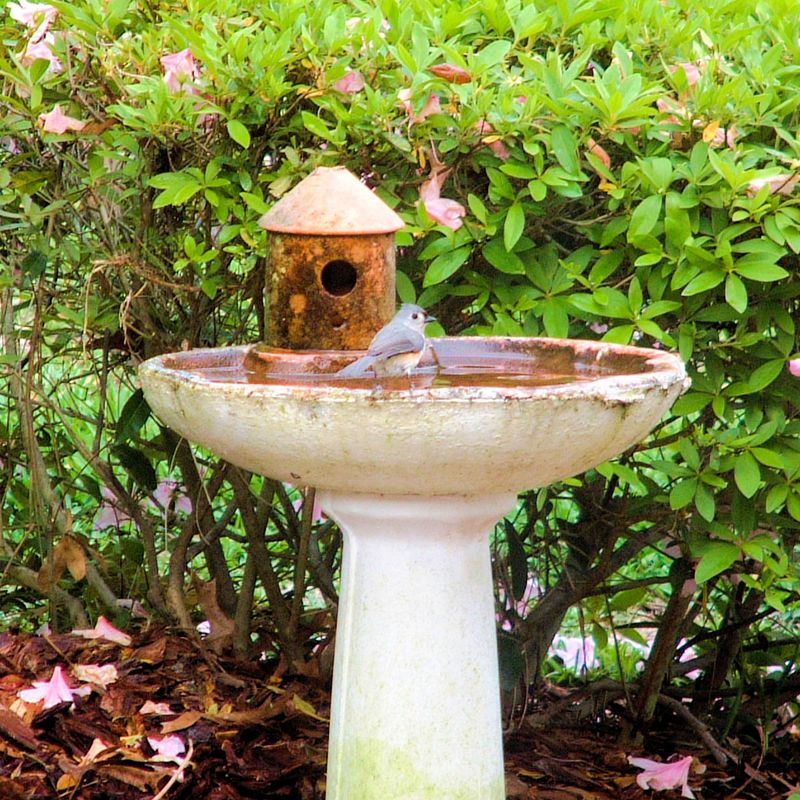
Hot Texas summers make water a big deal for every animal, and that includes raccoons. Take a slow lap around the yard and note where water sits within easy reach.
Pet bowls outside, a leaky spigot, saucers under pots, and a kiddie pool or low birdbath are all candidates.
CDC guidance suggests eliminating water sources and clearing brush as part of making a home less appealing to raccoons. Fixing a drip or emptying a saucer costs nothing.
You do not have to drain a pond or give up a birdbath you enjoy. Maybe just bring pet bowls in at night.
Cover is the other half. TPWD describes raccoon habitat as including adequate cover and water.
Look for brush piles, dense tangles along a fence, gaps under a deck or shed, and stacked materials. Those are places an animal could rest or hide.
Finding any of these does not prove it is what draws your raccoon. Many yards have all of them and never see a visitor.
Treat each as something to inspect and adjust where it makes sense.
Go for measured changes. Trim a brush pile that has grown out of hand, or tidy a pile of scrap lumber.
Keep the native shrubs, grasses, and trees that make your yard useful to birds and pollinators. The goal is to remove a few easy hiding spots, not strip the yard bare.
What does digging in a bed actually tell you?
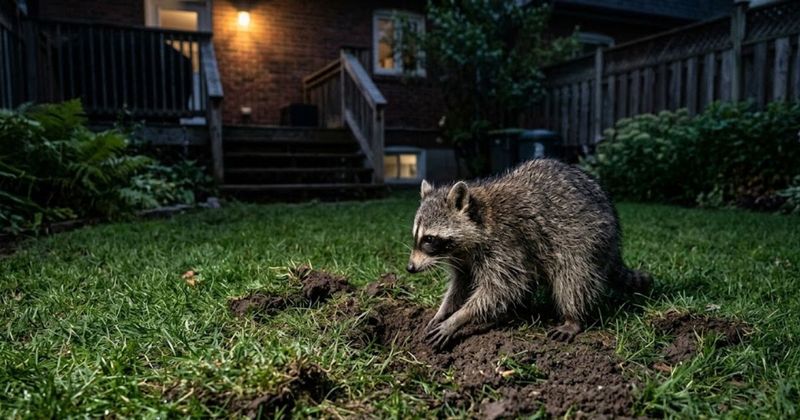
Torn-up turf and flipped mulch feel like a clear message, yet the damage can mislead. Raccoons and skunks may dig for grubs, worms, or other invertebrates.
Other animals can dig too, including armadillos and opossums, so the mess alone does not name the culprit.
Digging also does not prove grubs are in your lawn. An animal may be after earthworms or other insects, or it may be following its nose to something else.
Iowa State Extension covers raccoon and skunk lawn damage and notes that exclusion is often the most effective option.
Before reaching for a lawn treatment, confirm who is doing it. A trail camera pointed at the damaged spot is a simple way to learn.
Check the footage for a few nights. If you want to know about grubs, you can also peel back a small square of turf and look at the soil, rather than guessing.
Treating grubs that are not there wastes money and may harm helpful soil life. Even killing grubs is not a promised cure, because the animal may keep looking for other food.
For guidance on resolving wildlife conflicts, University of Georgia Extension is a helpful resource.
Once you know what you are dealing with, protect the damaged area. Exclusion might mean temporary fencing, netting, or mesh pinned over a newly seeded patch or fresh sod.
It can protect the spot, but it does not guarantee the raccoon stops visiting the yard.
Scare tactics are not a substitute for removing access
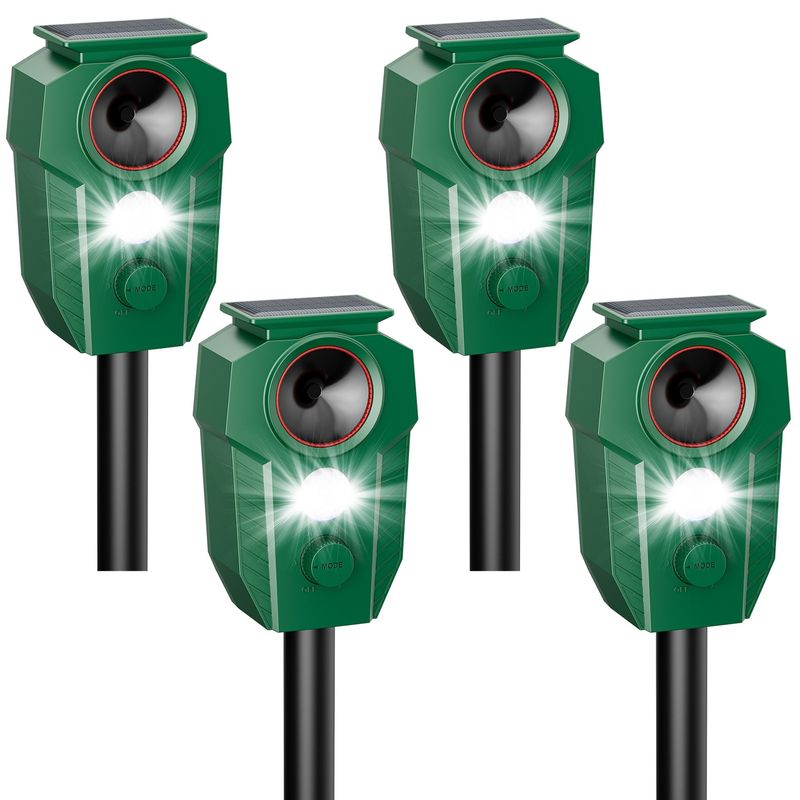
Flashing lights, a loud radio, and ultrasonic gadgets sound like an easy fix. In real yards, they tend to work for a short while at best.
University of California IPM says raccoons can habituate to lights, sounds, and other scare devices.
The same source reports that repellents and home remedies, such as mothballs, have not been effective for raccoons. Mothballs also carry their own risks for kids, pets, and soil, so skip them.
Homemade odor sprays fall into the same category. Nobody can promise they will keep a raccoon away.
Virginia Cooperative Extension also says repellents alone are unlikely to keep a problem raccoon away. If a device seems to work for a week, that may be luck or coincidence rather than a lasting result.
A better use of your time is going back to the earlier checks. Is food still reachable?
Is water or cover easy to use? Physical barriers, like a latching bin, mesh over a bed, or a closed gap under a shed, change what the animal can actually get.
A motion light is fine if you like having one for safety. Just do not count on it as your main plan, and no single product is a permanent answer.
Close building access only after animals are out
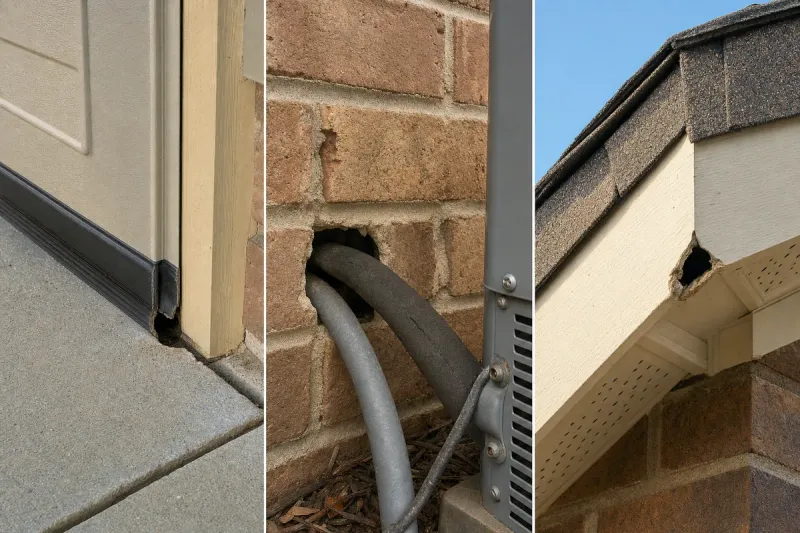
Garages, attics, crawl spaces, and sheds are a different concern from yard visits. A raccoon crossing your lawn is one thing, and one getting inside a structure is another.
Walk around the outside of the house in daylight and look for loose vents, torn screens, damaged soffits, gaps under doors, and open crawl space doors.
CDC guidance advises closing off access to attics and basements. That is sound advice for keeping animals out of living spaces.
The key step comes before any repair, though: make sure no animal is inside.
Virginia Cooperative Extension cautions that animals must be outside before permanent repairs are made. Never seal an occupied den or entry point.
An animal trapped inside can cause damage, and young ones could be left behind.
Signs such as noises, droppings, or a stale smell may mean something is using the space. If you suspect that, do not try to evict it yourself with improvised methods.
Call a qualified wildlife professional to assess the situation.
Once you are sure the space is empty, repair openings with sturdy materials rather than flimsy patches. Sturdy mesh and solid metal flashing hold up better than foam or cloth.
Keep people safe and check before seeking removal
Safety comes first. Keep your distance from raccoons, and never feed or handle one.
Wild animals that lose their fear of people often cause bigger problems for everyone, including the animal.
If someone is bitten or scratched, contact a health department promptly about possible rabies exposure. CDC guidance also advises keeping away from wildlife and calling animal control if an animal appears sick or injured.
Seeing one in the daytime is a reason for caution, not a diagnosis, so give it space and call for guidance.
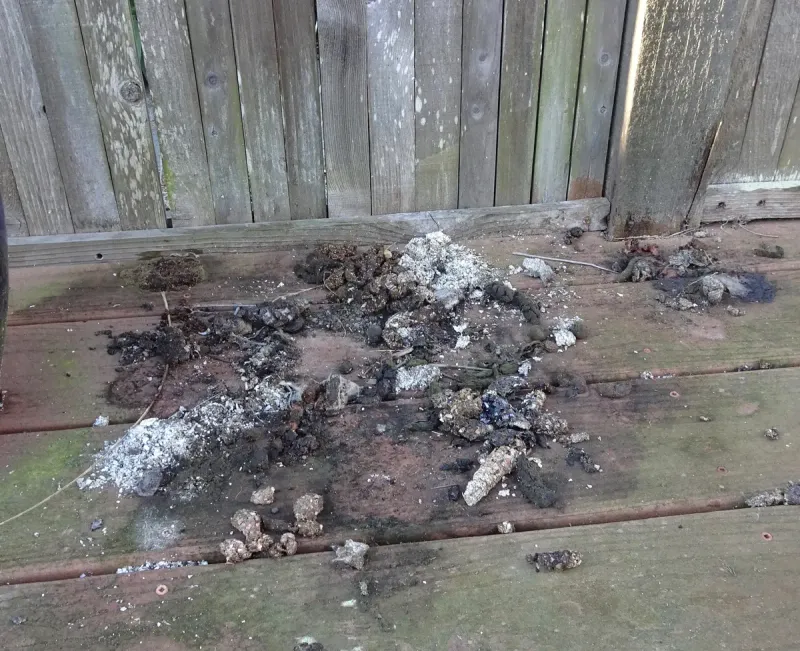
Droppings need care too. Raccoon feces can carry roundworm eggs.
According to CDC guidance, eggs in newly deposited feces take at least 2 to 4 weeks to become infective, but cleanup still calls for caution. Wear disposable gloves, avoid stirring up dust, and use an N95 respirator in confined spaces.
Do not handle droppings barehanded or sweep them casually. The CDC page gives specific steps for contaminated surfaces.
Removal questions come with rules. TPWD sets conditions for taking nuisance fur-bearing animals on a landowner’s property.
That is separate from rules on moving live animals. Texas DSHS says transporting live raccoons is generally prohibited, with limited authorized exceptions.
Because details matter, do not trap and relocate a raccoon yourself. Check current agency guidance or hire a qualified wildlife professional who knows Texas law.
Start with the simplest yard check
Begin with food, since that is the easiest thing to change. Pull pet bowls inside, latch the garbage, and clear fruit and seed.
Then look at water and cover, as TPWD lists both as part of raccoon habitat.
Next, confirm what is causing any damage before treating the lawn. Last, close openings to buildings only after you know animals are out, following CDC guidance on keeping raccoons out of attics and basements.
You never need to know exactly why the raccoon came, and no gadget is guaranteed. A raccoon is just reading your yard like a menu, so change what is on it.