 Complete Gardening

Vitamin A is essential for maintaining healthy vision, skin, and immune function. This nutrient can be found in both fruits and vegetables, each offering a unique flavor and nutritional profile. In this article, we’ll explore ten fruits and vegetables rich in Vitamin A, offering a variety of tastes and culinary uses.
1. Carrots

Carrots, with their delightful crunch and sweet taste, are a staple in many cuisines. Rich in beta-carotene, which the body converts into Vitamin A, they promote good vision and a healthy immune system.
Whether enjoyed raw, cooked, or juiced, carrots add a burst of color and nutrition to any meal. Their versatility makes them a beloved ingredient in salads, soups, and stir-fries.
Fun fact: Carrots were originally purple, and the orange variety we know today was developed in the Netherlands in the 17th century. This vibrant vegetable continues to be a favorite globally.
2. Sweet Potatoes

Sweet potatoes, with their creamy texture and sweet flavor, are a powerhouse of nutrition. High in beta-carotene, they provide an ample supply of Vitamin A, crucial for maintaining healthy skin and vision.
Baked, boiled, or mashed, sweet potatoes are a versatile side dish that complements both savory and sweet flavors. Their natural sweetness and vibrant color make them a favorite in holiday dishes.
Did you know? Sweet potatoes are not related to regular potatoes, and they belong to the morning glory family. This fascinating root vegetable is celebrated worldwide.
3. Spinach
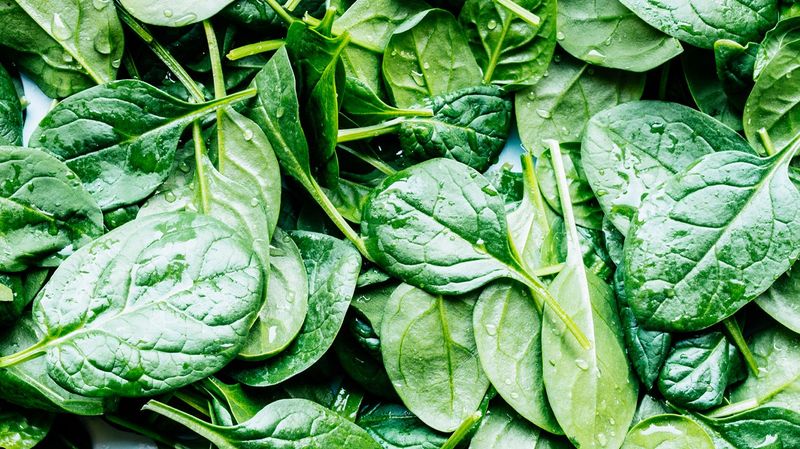
Spinach, a leafy green superhero, is packed with nutrients, including Vitamin A. Its high content of beta-carotene and lutein makes it excellent for eye health and boosting immunity.
Whether you enjoy it raw in salads or cooked in dishes like spinach pie, this versatile green adds a nutritious punch. Its mild flavor blends well with various ingredients, making it a kitchen staple.
Spinach has a rich history, being a favorite of ancient Persian and Chinese cuisines. Its ongoing popularity is a testament to its health benefits and culinary possibilities.
4. Kale
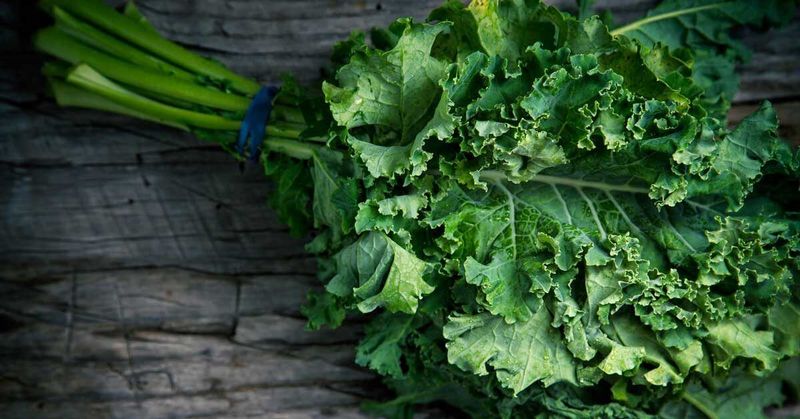
Kale, known for its robust flavor and nutritional prowess, is a top contender for Vitamin A-rich vegetables. Its leafy green goodness is packed with beta-carotene, supporting vision and skin health.
Incorporating kale into soups, smoothies, or salads brings a hearty and healthful element to meals. Its slightly bitter taste is often balanced with fruits or dressings.
Kale’s fame has grown in recent years, making it a beloved choice among health enthusiasts. From ancient Greece to modern kitchens, kale continues to reign as a superfood favorite.
5. Mangoes
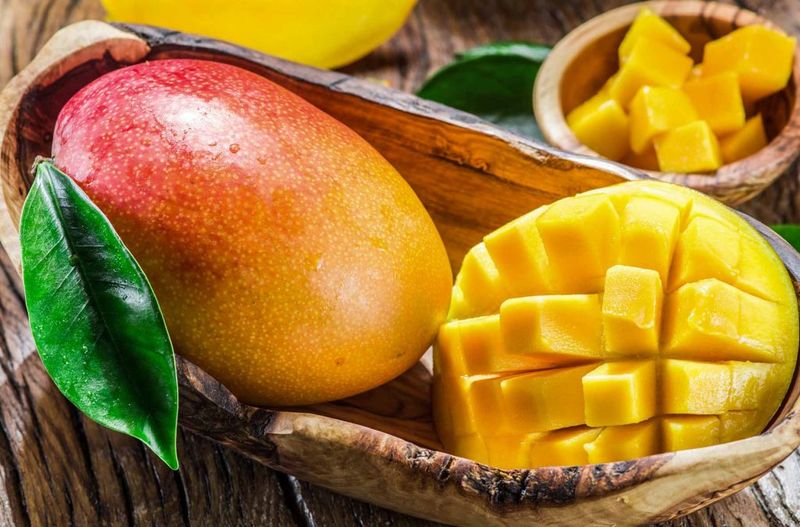
Mangoes, often called the “king of fruits,” are celebrated for their juicy sweetness and rich Vitamin A content. The beta-carotene in mangoes supports vision and skin health, making them a nutritious treat.
Enjoy mangoes fresh, dried, or as part of smoothies and desserts. Their tropical flavor adds a delightful twist to various dishes, from salsas to chutneys.
Mangoes have a storied history in South Asia, where they have been cultivated for thousands of years. This beloved fruit continues to be a symbol of summertime indulgence and nutritional richness.
6. Butternut Squash

Butternut squash, with its sweet, nutty flavor, offers a generous dose of Vitamin A. Its beta-carotene content supports healthy skin and vision, making it a nourishing choice for autumn meals.
Roasted, pureed, or added to soups and stews, butternut squash brings a comforting richness to dishes. Its smooth texture and natural sweetness make it a versatile ingredient.
This squash has been a favorite in Native American cuisine for centuries. Its enduring appeal lies in its ability to transform ordinary dishes into something truly special and nourishing.
7. Red Bell Peppers

Red bell peppers, with their crisp texture and sweet taste, are a vibrant source of Vitamin A. The beta-carotene and antioxidants in these peppers contribute to eye health and immune support.
Whether tossed in salads, stir-fried, or stuffed, red bell peppers add color and nutrition to meals. Their versatile nature makes them a favorite in various cuisines.
Interestingly, green bell peppers are simply unripe versions of their red counterparts. The ripening process increases their sweetness and nutritional value, making red bell peppers a nourishing choice.
8. Apricots

Apricots, with their sunny disposition and delightful sweetness, are a charming source of Vitamin A. High in beta-carotene, apricots support healthy vision and skin.
Enjoy fresh apricots as a snack, or use them in baking, preserves, and salads. Their tangy-sweet flavor adds a delightful note to various culinary creations.
Apricots have ancient roots in Armenia and China, where they have been cherished for their taste and nutritional benefits. Their continued popularity is a testament to their enduring appeal and healthful qualities.
9. Cantaloupe
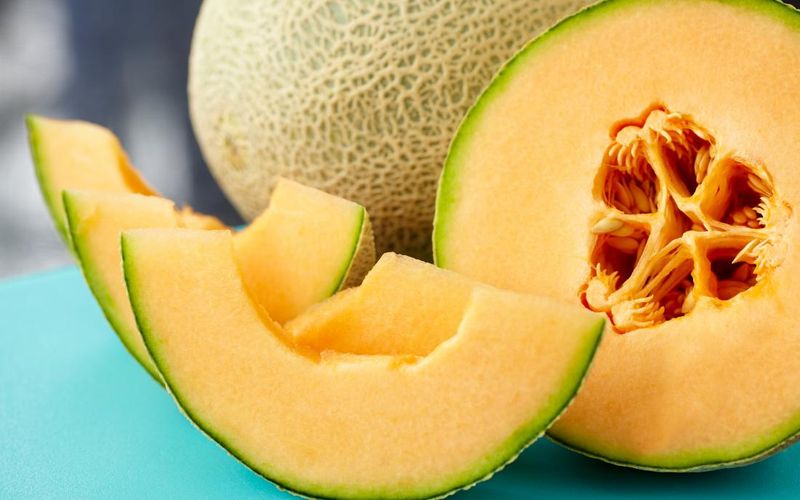
Cantaloupe, with its refreshing sweetness and juicy texture, offers a rich supply of Vitamin A. The beta-carotene in cantaloupe supports vision and overall health.
Sliced into wedges or blended into smoothies, cantaloupe is a refreshing choice for hot summer days. Its natural sweetness requires no added sugar, making it a guilt-free treat.
This melon has been enjoyed since ancient times, with origins in Persia and Africa. Today, cantaloupe continues to be a favorite for those seeking a tasty, nutritious option.
10. Papaya
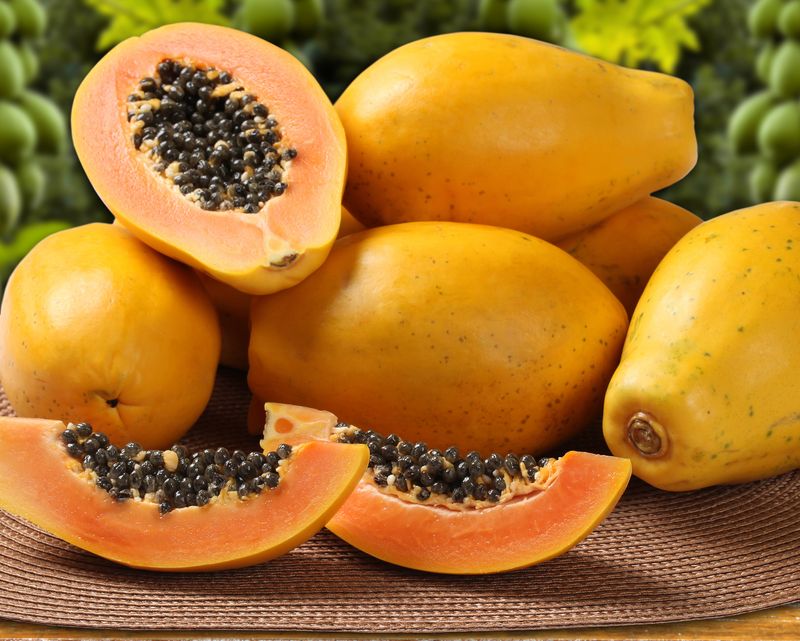
Papaya, with its tropical allure and sweet flavor, is a wonderful source of Vitamin A. The beta-carotene content in papaya promotes healthy skin and vision.
Enjoy papaya fresh, in fruit salads, or blended into refreshing smoothies. Its unique taste and texture make it a versatile addition to various dishes.
Did you know? Papaya was once called the “fruit of the angels” by explorer Christopher Columbus. Its exotic appeal and nutritional benefits continue to enchant fruit lovers around the world.
11. Pumpkin

Pumpkins aren’t just for Halloween decorations; they’re a powerhouse of nutrition. Their bright orange color is a hint of their high beta-carotene content, which the body converts into Vitamin A. Apart from being nutrient-dense, pumpkins offer versatility in the kitchen. You can use them in soups, pies, and even roasted as a savory side dish. Historically, Native Americans used pumpkins for both food and medicinal purposes. Next time you carve a pumpkin, remember its nutritional value and consider incorporating it into your meals.
12. Collard Greens
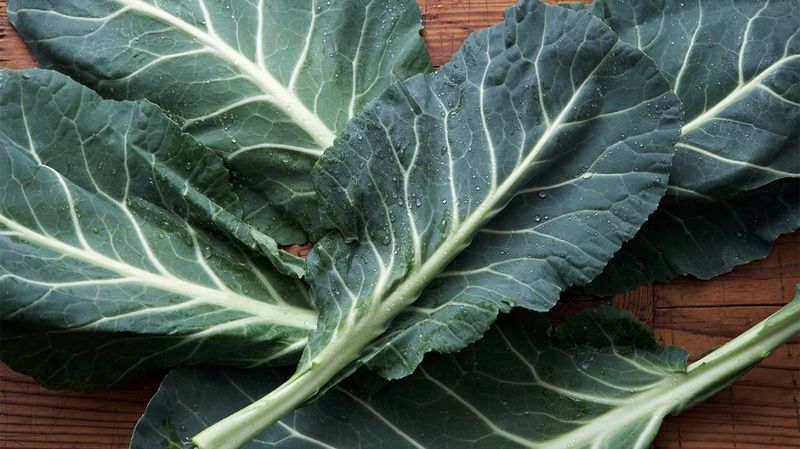
Collard greens boast a hearty, slightly bitter flavor that pairs well with savory dishes. Rich in Vitamin A, these greens are a staple in Southern cuisine, often cooked slowly to enhance their taste. Their robust leaves hold up well in stews and soups, making them a versatile addition to any meal. A fun fact: collard greens are part of the cabbage family and have been cultivated for thousands of years. Their nutrients support eye health and immune function. Don’t overlook these greens in your quest for a balanced diet.
13. Dandelion Greens

Dandelion greens, often considered weeds, are surprisingly nutritious. They pack a substantial amount of Vitamin A, supporting vision and skin health. These greens have a bold, peppery flavor, making them a unique addition to salads and sautés. Historically, dandelion greens have been used in traditional medicine for their diuretic properties. Their resilience in the wild speaks to their robust nature. Adding dandelion greens to your diet introduces a new taste and a host of health benefits.
14. Turnip Greens
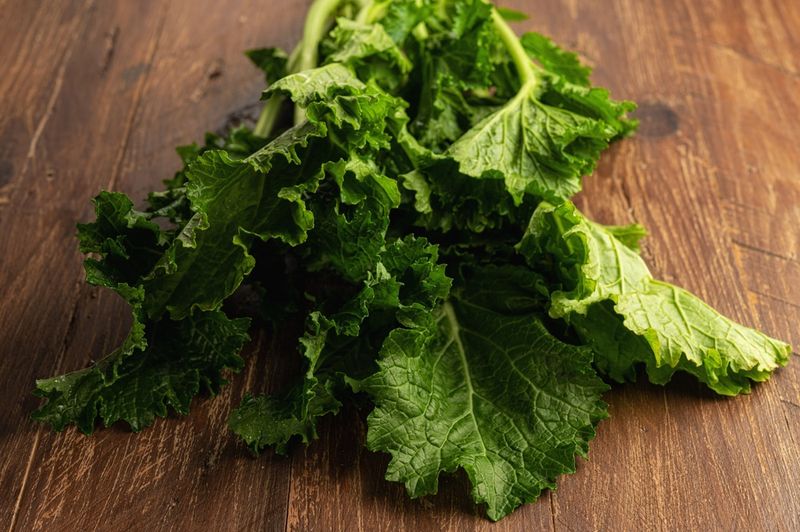
Turnip greens offer more than meets the eye. Rich in Vitamin A, they support vision and bolster the immune system. These leafy greens have a slightly spicy taste, complementing a variety of dishes. In many cultures, they’re sautéed with garlic or cooked slowly with ham. An interesting note: turnip greens have been a part of human diets since ancient times. Their vibrant leaves and nutritional profile make them an excellent addition to any health-conscious diet.
15. Watercress
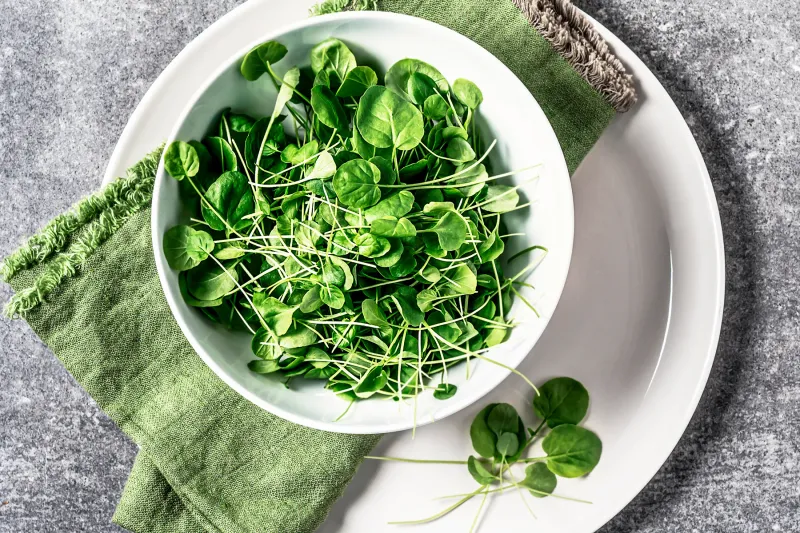
Watercress is more than just a garnish; it’s a nutritional powerhouse. This peppery green is packed with Vitamin A, supporting eye health and the immune system. Its crisp texture adds a refreshing element to salads and sandwiches. Historically, watercress was a staple food for Roman soldiers. Its easy growth in flowing water makes it a sustainable choice. Incorporating watercress into your meals not only enhances flavor but also boosts nutritional intake.