 Complete Gardening
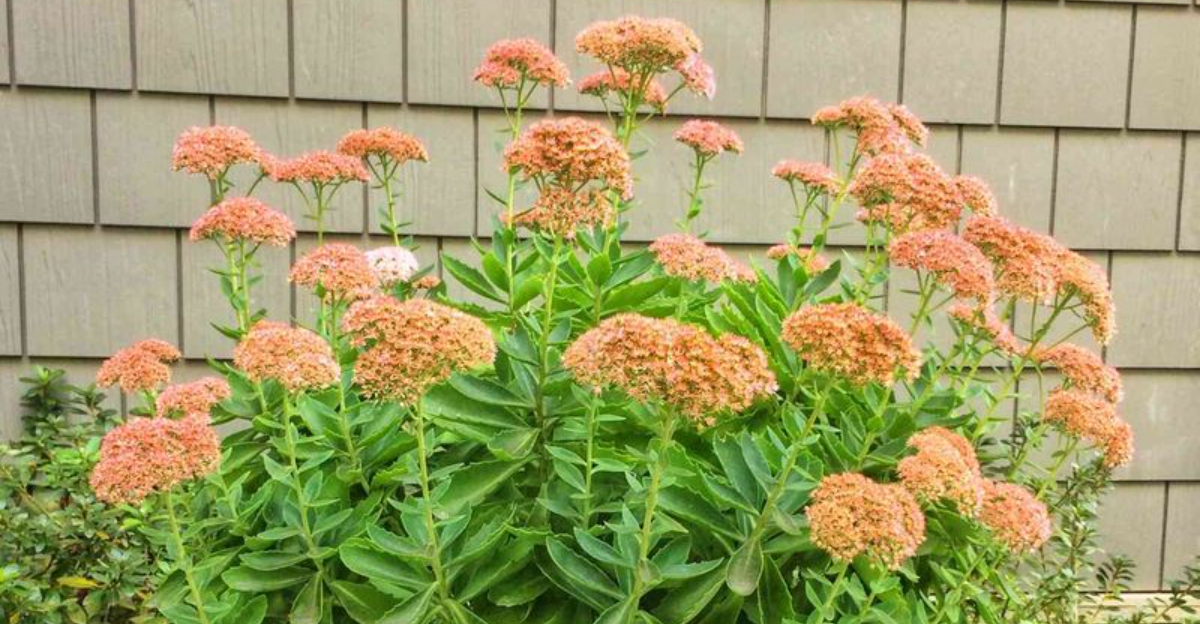
Georgia’s famous red clay soil can make many gardeners throw up their hands in frustration. Heavy, sticky, and slow to drain, this challenging soil type seems like a gardener’s nightmare. However, plenty of beautiful plants actually thrive in clay conditions, turning your Georgia garden into a stunning landscape. The secret is choosing the right plants that love what clay soil offers.
1. Black-Eyed Susan
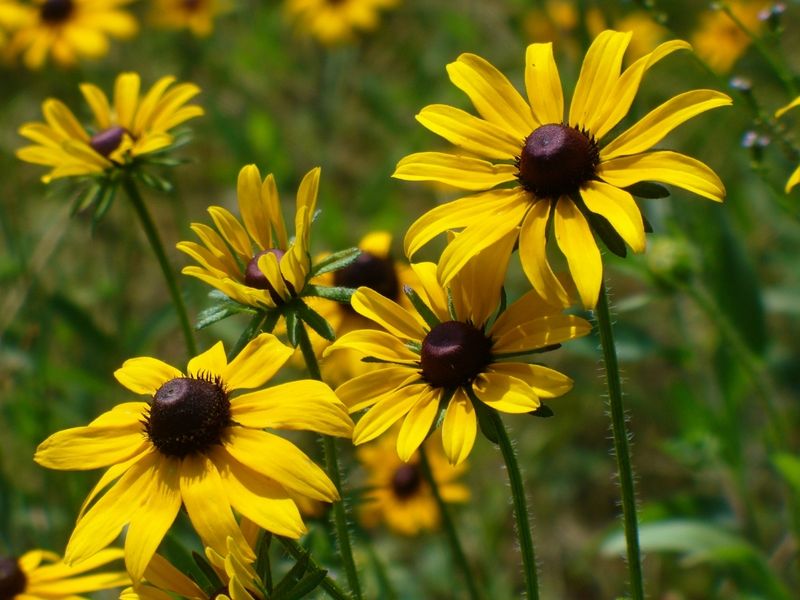
Bright yellow petals surrounding dark centers make Black-Eyed Susans the cheerful stars of any Georgia garden. These tough perennials laugh at clay soil conditions that would stress other flowers.
Clay’s moisture retention actually helps these beauties bloom longer during hot Georgia summers. Plant them in spring, and they’ll reward you with months of golden flowers that attract butterflies and bees to your yard.
2. Daylilies
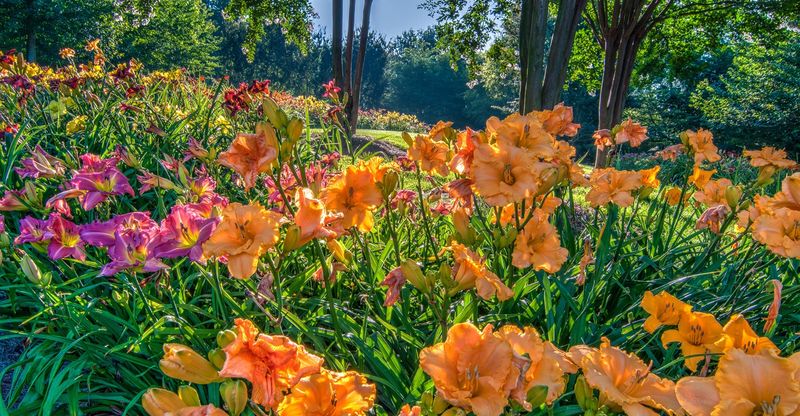
Despite their name, daylilies aren’t actually lilies, but they’re definitely day-brighteners in clay soil gardens. Each trumpet-shaped flower lasts just one day, but new buds keep the show going all season long.
Clay soil’s nutrient-rich nature feeds these hungry bloomers perfectly. Choose from orange, yellow, pink, or red varieties to create stunning color combinations that return bigger and better each year in your Georgia landscape.
3. Coneflowers (Echinacea)
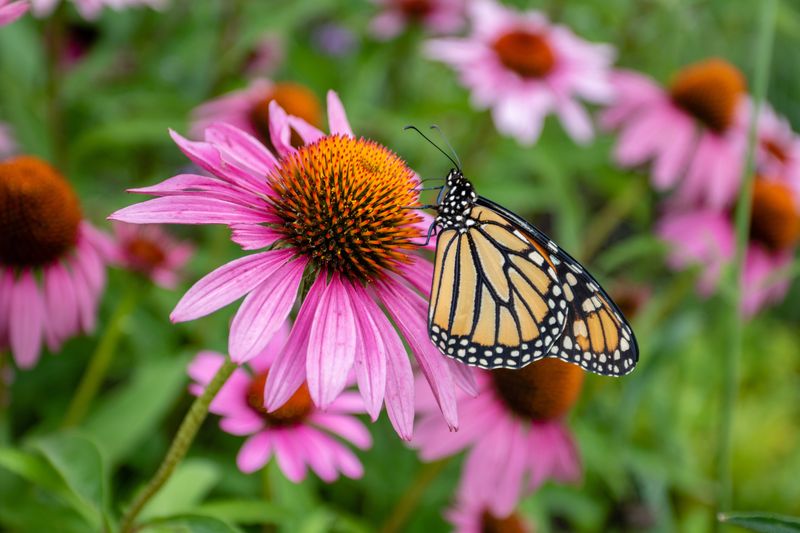
Purple coneflowers stand tall like garden soldiers, their spiky centers surrounded by drooping petals that butterflies absolutely adore. Clay soil’s slow drainage doesn’t bother these prairie natives one bit.
Once established, coneflowers become incredibly drought-tolerant while still appreciating clay’s moisture reserves during dry spells. Leave the seed heads standing in winter, and goldfinches will thank you with their cheerful presence as they feast on the seeds.
4. Hostas
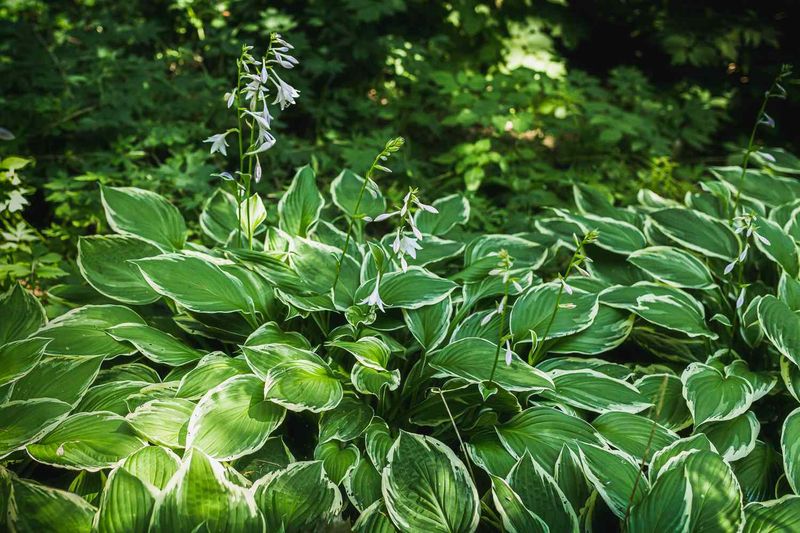
Shade-loving hostas turn clay soil into their personal paradise, spreading their broad leaves like green umbrellas in your garden’s darker corners. These reliable perennials come in dozens of varieties with different leaf colors and patterns.
Clay’s moisture retention keeps hosta leaves looking fresh and crisp even during Georgia’s humid summers. Plant them under trees or on the north side of buildings where other plants struggle to thrive.
5. Bee Balm
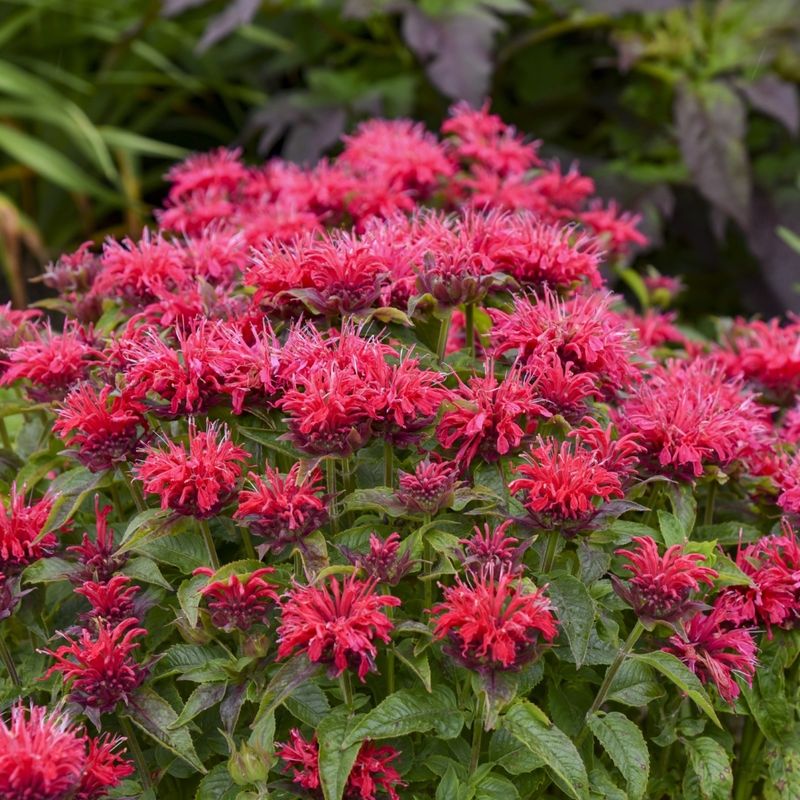
Wild and wonderful, bee balm brings a cottage garden feel to clay soil with its spiky, colorful flowers that look like fireworks frozen in time. Bees, butterflies, and hummingbirds flock to these fragrant blooms.
This native wildflower spreads naturally in clay conditions, creating larger patches each year. The leaves smell minty when crushed and can even be dried for herbal tea, making bee balm both beautiful and useful in your Georgia garden.
6. Astilbe
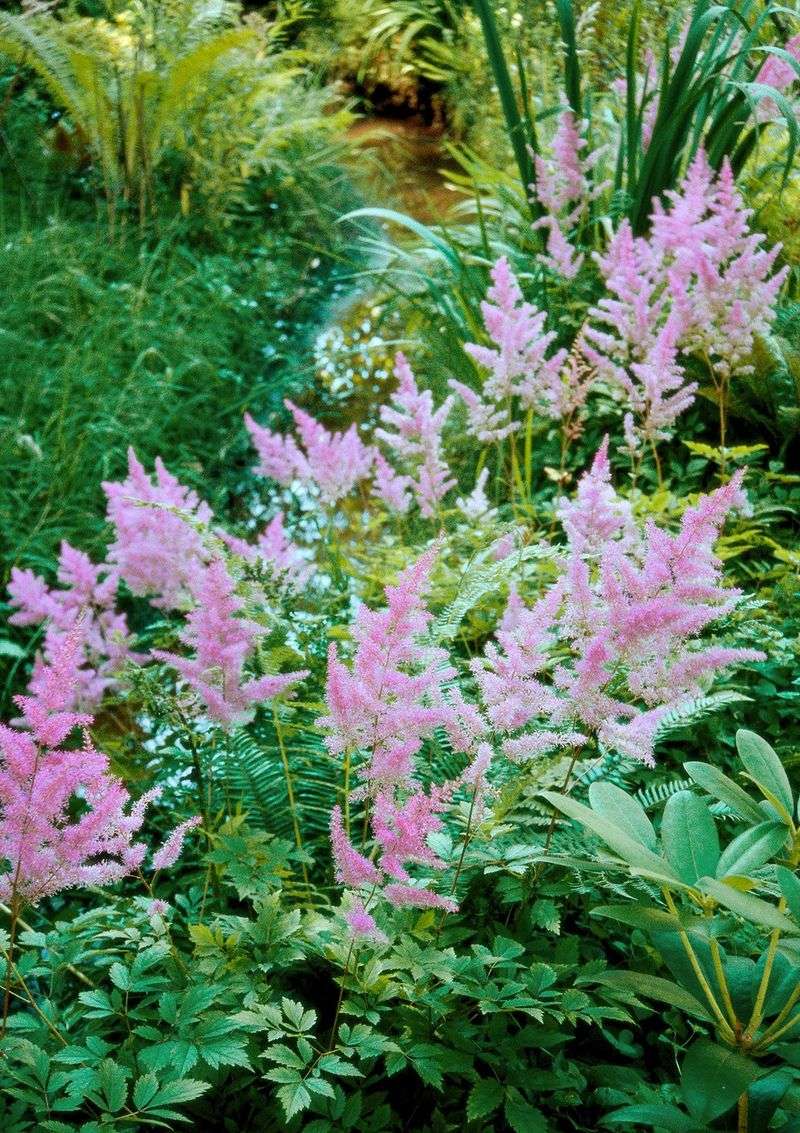
Feathery plumes of astilbe flowers dance above fern-like foliage, bringing elegance to shady clay soil areas where many plants fear to grow. These perennials prefer the consistent moisture that clay soil provides.
Pink, white, red, and purple varieties create a rainbow of soft colors in spring and early summer. Plant different varieties together for a stunning display that returns reliably each year, gradually forming larger, more impressive clumps in your Georgia shade garden.
7. Sedums
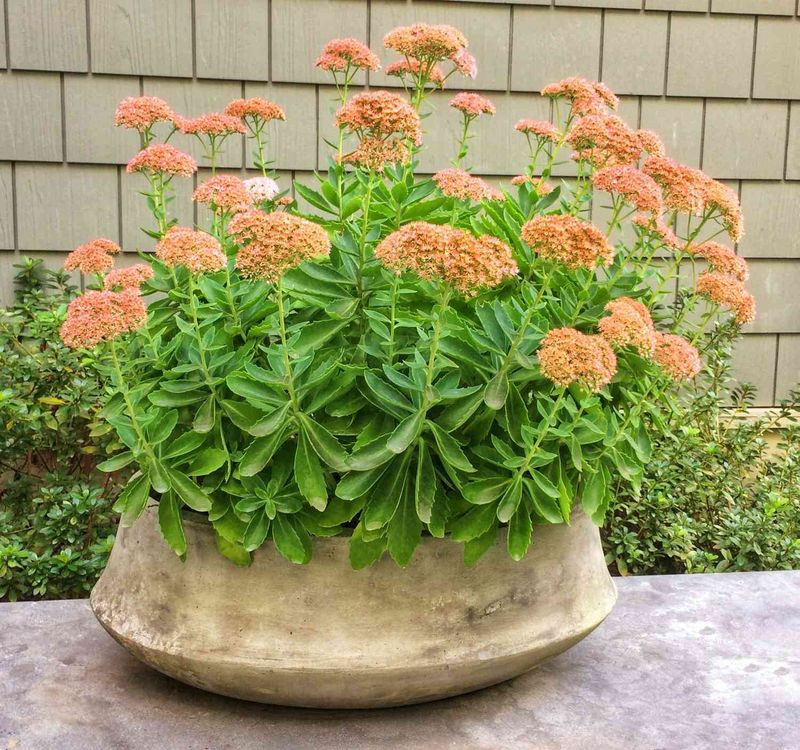
Chubby, succulent leaves store water like tiny reservoirs, making sedums surprisingly happy in clay soil that stays moist but not soggy. These low-maintenance plants come in creeping groundcover types and upright border varieties.
Fall-blooming sedums like ‘Autumn Joy’ create spectacular displays when most other flowers are fading. Their thick stems and fleshy leaves add interesting texture to clay soil gardens while requiring almost no care once established in your Georgia landscape.
8. Cardinal Flower
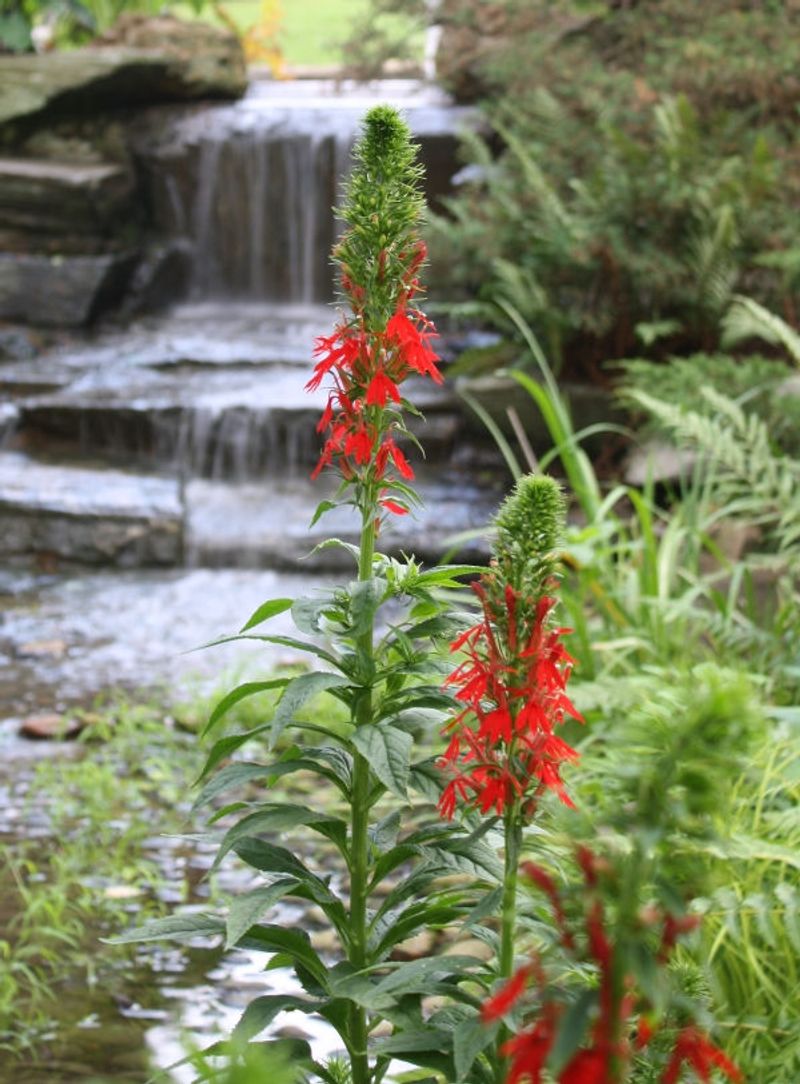
Brilliant red spikes of cardinal flowers glow like flames in moist clay soil areas, especially near water features or low-lying garden spots. Hummingbirds zoom in from across the yard when these natives bloom.
Clay’s water-holding ability mimics the naturally wet conditions where cardinal flowers grow wild along Georgia streams. Plant them in partial shade for best results, and watch as they self-seed to create natural-looking colonies of stunning red blooms.
9. Ferns
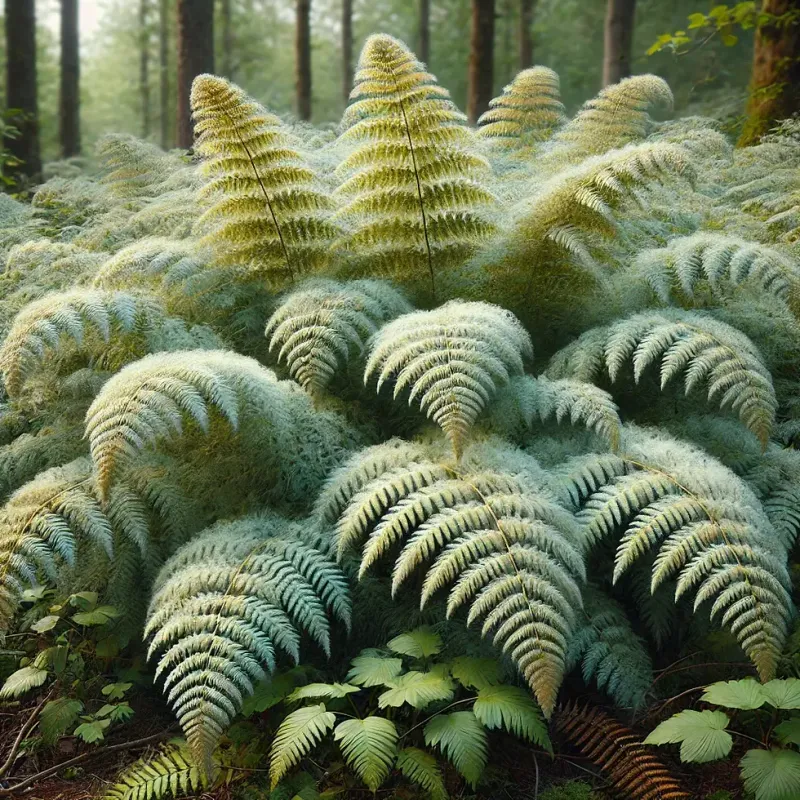
Graceful fronds unfurl like green scrolls in spring, turning clay soil shade gardens into peaceful woodland retreats. Native Georgia ferns like Christmas fern and royal fern thrive in heavy soil conditions.
Clay’s moisture retention keeps fern fronds looking lush and green throughout the growing season. These ancient plants add texture and movement to shady spots while requiring minimal maintenance once established in your clay soil garden.
10. Coral Bells
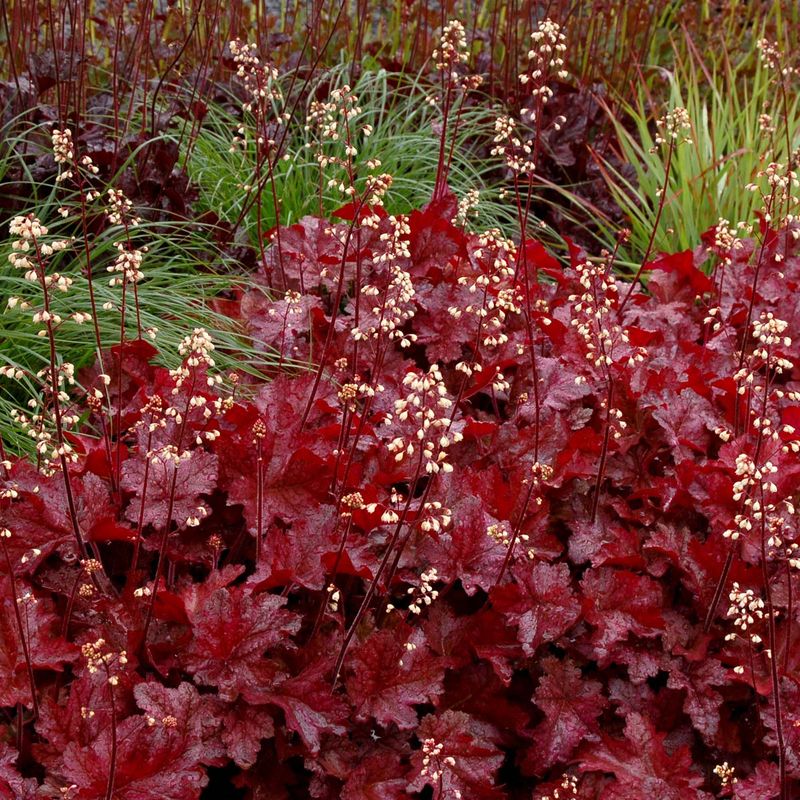
Ruffled leaves in colors from lime green to deep burgundy make coral bells the jewelry of the clay soil garden. Delicate flower spikes rise above the colorful foliage like tiny bells on stems.
These compact perennials handle clay’s challenges while providing year-round color through their stunning leaves. Mix different varieties together for a living tapestry that brightens shady spots and adds sophistication to any Georgia garden design scheme.
11. Japanese Painted Fern
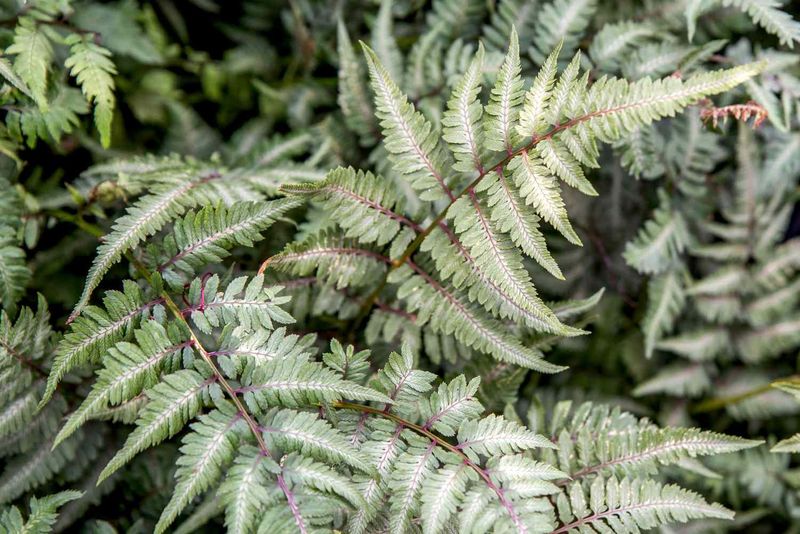
Silver, purple, and green leaves shimmer like watercolor paintings in shady clay soil gardens. This stunning fern brings an almost magical quality to areas where other plants struggle to add color.
Clay soil’s consistent moisture keeps these exotic-looking ferns happy and healthy throughout Georgia’s growing season. Pair them with hostas and coral bells for a sophisticated shade garden that looks professionally designed but thrives naturally in heavy soil conditions.
12. Swamp Sunflower
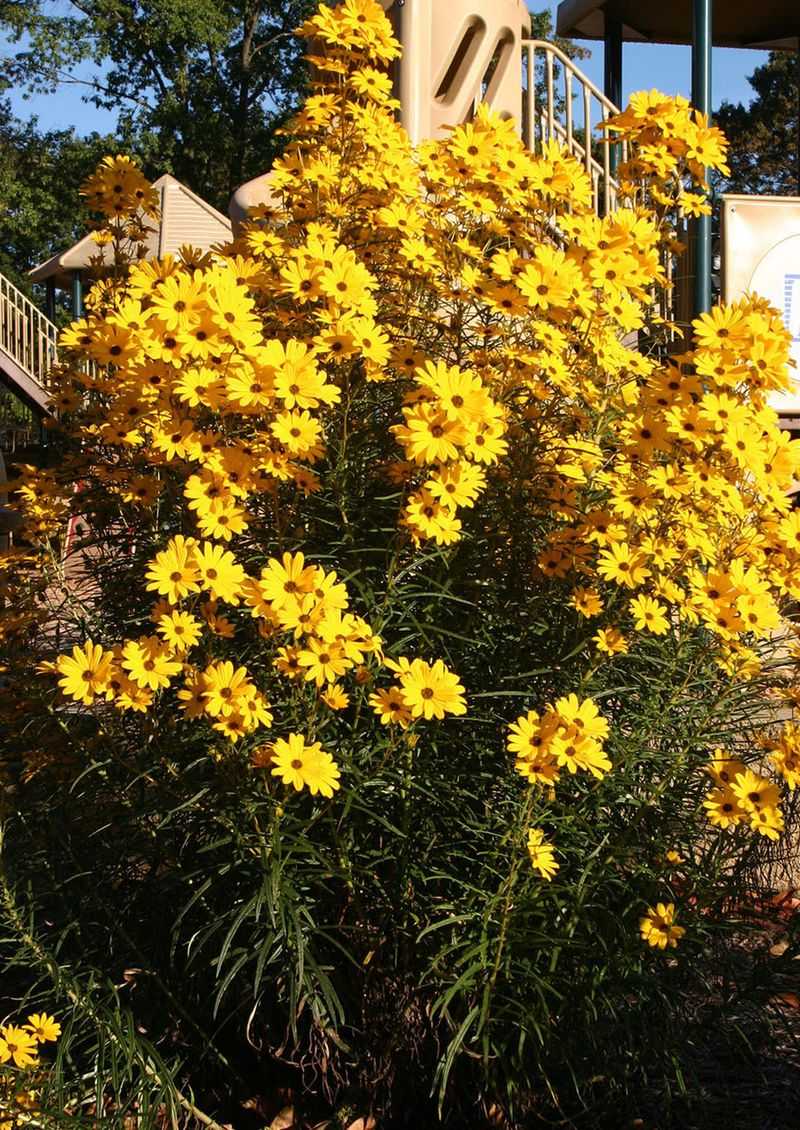
Tall and proud, swamp sunflowers turn clay soil’s moisture-holding ability into their superpower, growing into impressive stands of golden autumn blooms. These Georgia natives can reach eight feet tall when happy.
Unlike their garden sunflower cousins, swamp sunflowers produce masses of smaller blooms that create stunning fall displays. They spread naturally in clay conditions, forming large colonies that provide late-season nectar for migrating butterflies and seeds for hungry birds.
13. Wild Bergamot
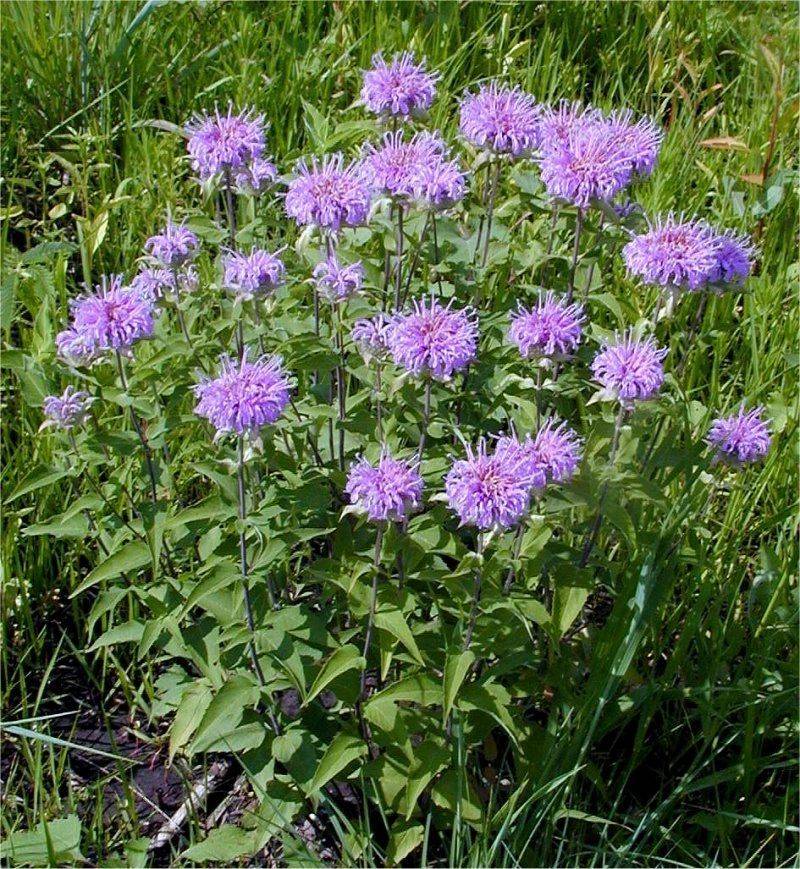
Lavender-pink flowers cluster atop sturdy stems, releasing a spicy fragrance that fills clay soil gardens with delightful scents. Wild bergamot’s square stems reveal its membership in the mint family.
This tough native wildflower spreads gradually in clay conditions, creating natural-looking drifts that attract bees and butterflies all summer long. The aromatic leaves can be dried for tea, and the flowers make excellent additions to wildflower bouquets from your Georgia garden.
14. Ironweed
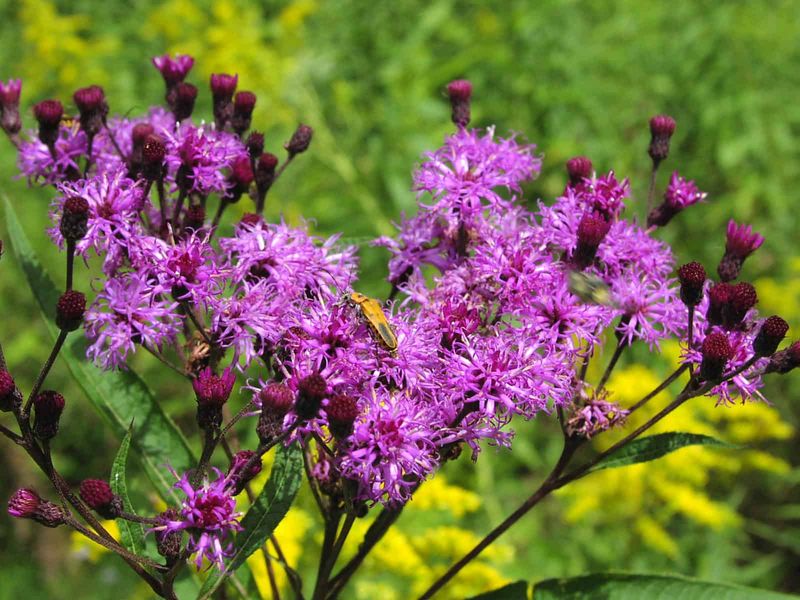
Purple flower clusters crown tall stems in late summer, earning ironweed its reputation as the royalty of clay soil wildflowers. These sturdy natives live up to their tough-sounding name by thriving where others fail.
Clay soil’s nutrient richness feeds these giants that can reach six feet tall when fully established. Monarchs and other butterflies depend on ironweed’s late-season nectar during their fall migrations, making this plant essential for Georgia’s pollinator-friendly gardens.