
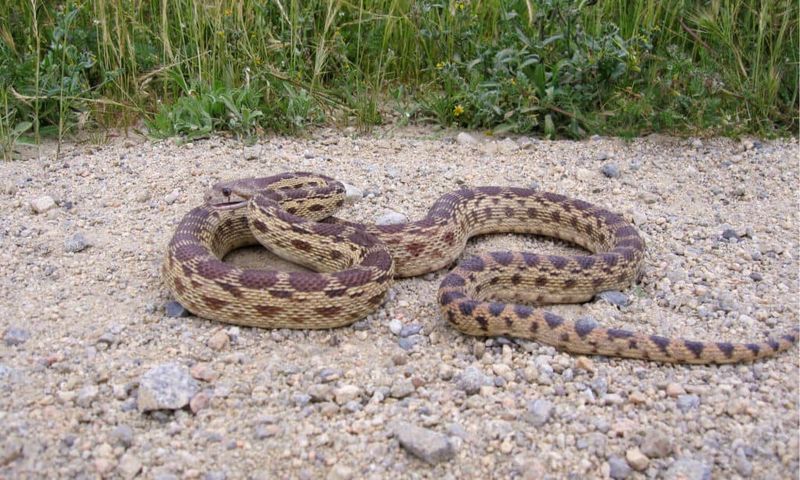
Most California homeowners who spot a large, patterned snake in the yard reach for a shovel before they reach for the facts. That snake is probably a gopher snake, a nonvenomous predator that belongs in the landscape and may occasionally eat the pocket gophers quietly destroying your roots and irrigation lines. Knowing the difference between the snake and the rodent, and understanding what each one actually does to your yard, can save you from eliminating a beneficial animal while missing the real problem underground.
The snake and the gopher are different backyard problems
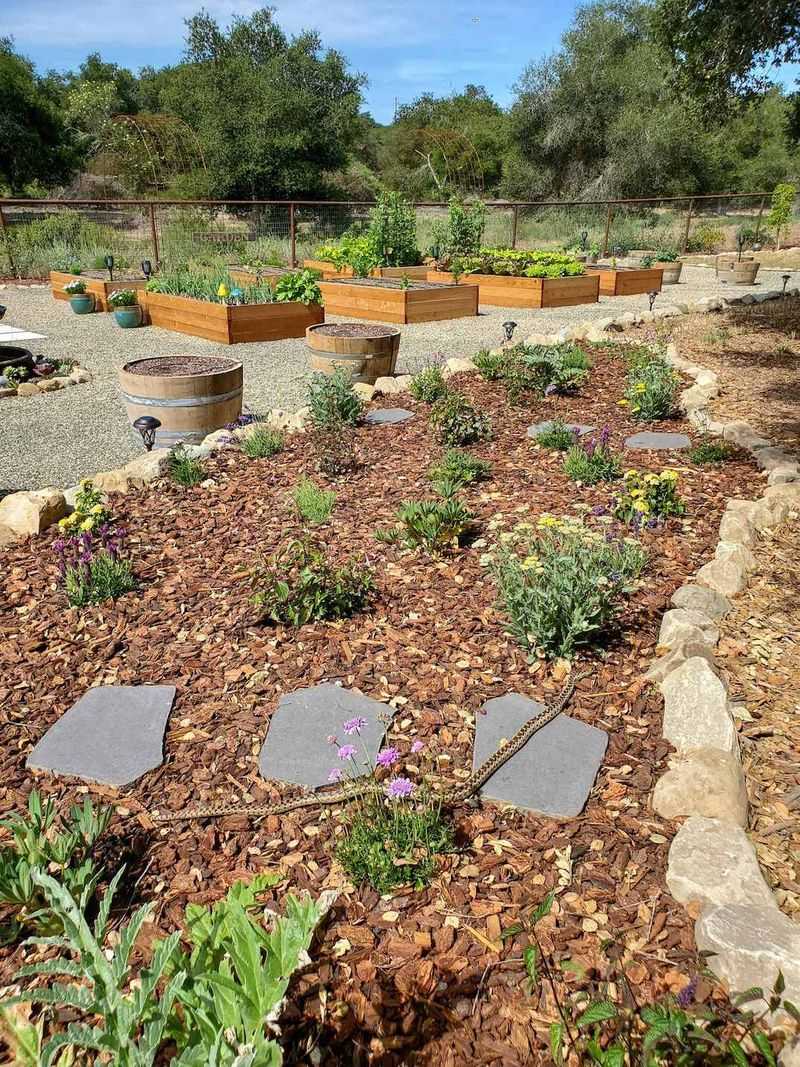
Two animals share a name in California yards, and mixing them up is the starting point for most of the confusion. The California gopher snake (Pituophis catenifer) is a nonvenomous reptile that can reach four to six feet in length. According to Animal Diversity Web, its diet includes rodents, birds, eggs, lizards, and other small prey, making it an opportunistic hunter rather than a specialist. The pocket gopher, by contrast, is a small, burrowing rodent in the genus Thomomys that rarely surfaces and causes damage entirely underground.
The pocket gopher is the animal doing real harm to California yards. UC IPM’s residential guidance describes how pocket gophers feed on roots, pull plants into their tunnels, girdle root crowns, chew through irrigation lines, divert surface water, and push up mounds that interfere with lawns and mowing equipment. A single active gopher can work through a planted bed or lawn section faster than most homeowners realize.
Seeing a gopher snake in the yard does not automatically mean pocket gophers are present, and it certainly does not mean the snake has already reduced a population. A snake may move through a yard because prey is available, because cover or basking sites are suitable, or simply because it is passing through its home range. The honest answer is that a sighting tells you a nonvenomous predator may be using the area. Verify any actual gopher problem separately through signs in the landscape, not through the presence of the snake.
The practical approach: give the snake space, then look for the evidence of gopher activity on its own terms.
Why a nonvenomous snake can look like a rattlesnake
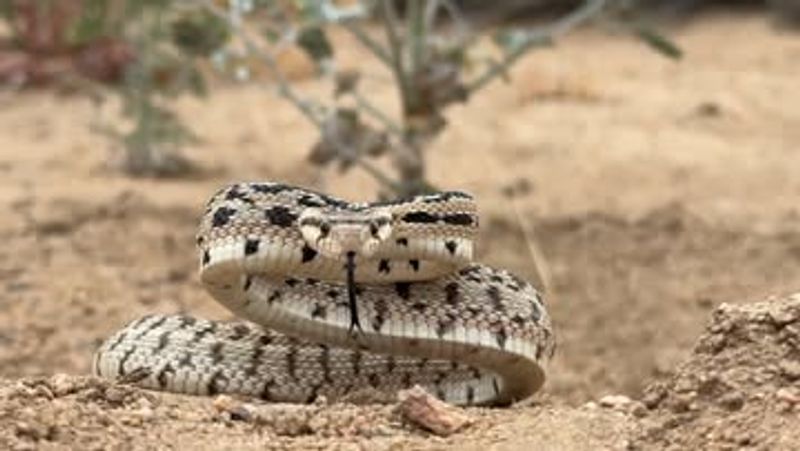
A gopher snake that feels threatened puts on a convincing show. California State Parks notes that gopher snakes can flatten their heads, hiss loudly, and vibrate their tails against dry leaves or loose soil, producing a buzzing sound that closely mimics a rattlesnake’s warning. The body pattern, which runs tan to brown with darker blotches along the back, adds to the resemblance at a glance, especially when the animal is partially hidden in leaf litter or dry grass.
That resemblance creates a genuine risk. Someone who mistakes a gopher snake for a rattlesnake may try to kill it, and someone who assumes a patterned snake is “definitely safe” because it lacks an obvious rattle may handle it when they should not. The California Department of Food and Agriculture’s vertebrate pest handbook specifically warns that rattles can break off and that young rattlesnakes begin with a small button that may not produce a recognizable sound. A missing rattle is not a safety guarantee.
Color, head shape, and pattern are equally unreliable identifiers in the field. Gopher snakes can momentarily flatten their heads into a triangular shape when threatened, which is one of the features people associate with venomous species. The National Park Service’s gopher snake profile points out that this defensive posture is a bluff, not evidence of venom. Even so, nonvenomous does not mean incapable of biting.
Any wild snake can bite when grabbed, cornered, or harassed, and a gopher snake bite, while not dangerous in the way a venomous bite is, is a real injury that warrants cleaning and monitoring. The only safe rule for an uncertain snake is to keep your distance.
What the gopher snake may actually do for your yard
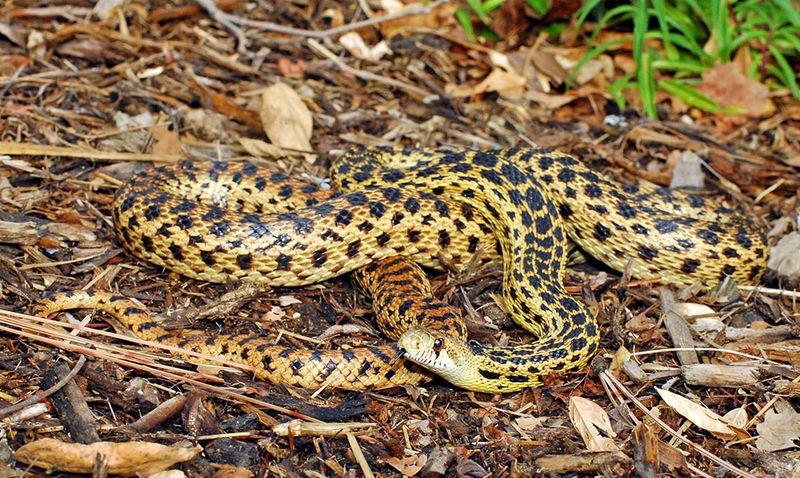
Gopher snakes eat what they can catch, and their menu is broader than the name suggests. Rodents make up a large share of their diet, and pocket gophers are a documented prey item. A snake that regularly hunts near a yard may remove individual gophers over time. That is a real benefit, and it is worth recognizing without inflating it into something it is not.
The boundary around that benefit matters. UC IPM’s agricultural pest management guidance states plainly that snakes, owls, and hawks generally do not control pocket gophers well enough to eliminate the need for other management methods. Pocket gophers can detect a predator approaching through a tunnel and seal the opening with a soil plug, effectively cutting off access. One snake working a yard, even a large and active one, is unlikely to outpace an established gopher population on its own.
The diet breadth also means the snake is not working exclusively on your gopher problem. Animal Diversity Web’s species account lists mice, rats, birds, bird eggs, lizards, insects, and other snakes among the gopher snake’s recorded prey. On any given day, a snake hunting through a California yard might catch a vole, a mouse, or a lizard rather than a pocket gopher. Treating the snake’s presence as proof that your gopher numbers are dropping is an assumption the evidence does not support.
The practical takeaway is straightforward. A gopher snake near your plants is a beneficial presence worth protecting, but it is not a pest-control service you can count on to stop root damage. Think of it as one small piece of a yard’s ecological balance, not a replacement for monitoring and targeted management when an actual infestation is confirmed.
Check for active gopher damage before choosing a treatment
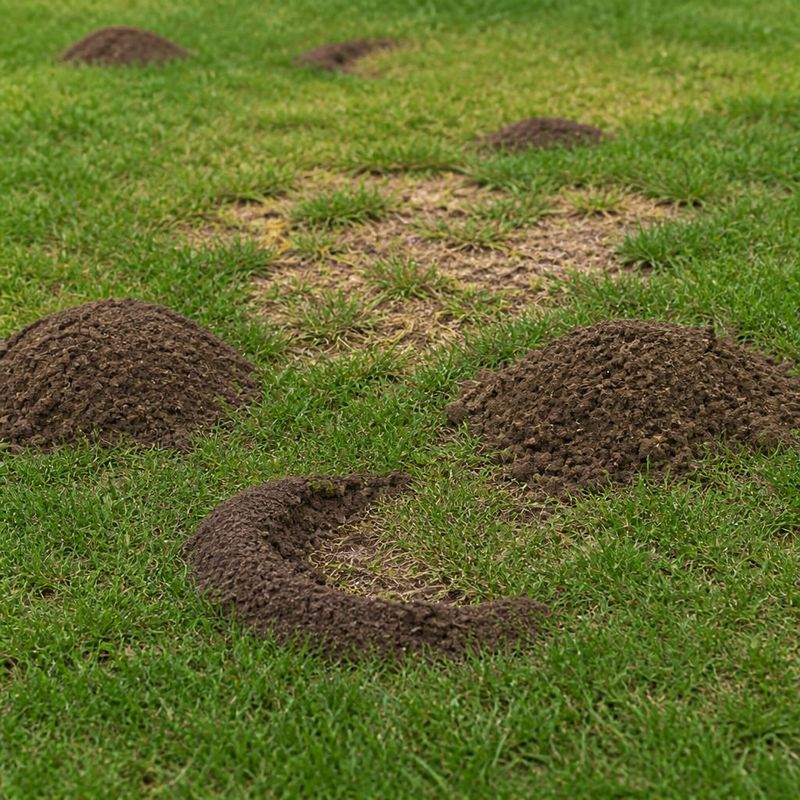
A snake sighting is not a diagnosis. Before spending money on traps, exclusion materials, or any other treatment, look for evidence of active pocket gopher digging in the landscape itself. The signs are distinct and hard to miss once you know what to look for.
Pocket gophers push fan-shaped or crescent-shaped mounds to the surface as they excavate. Fresh mounds are darker and moister than surrounding soil because the material comes from deeper underground. UC IPM’s monitoring recommendations suggest checking for new mound activity after irrigation, since wet soil is easier to move and gophers often push material to the surface in the hours following a watering cycle. Seeing new mounds appear after you run your drip system is a more reliable sign of active digging than anything the snake’s presence can tell you.
Beyond mounds, watch for plants that wilt without an obvious watering explanation, roots that disappear from below a plant that looked healthy the day before, or irrigation emitters that suddenly stop delivering water to one section of a line. UC IPM’s home and landscape guide describes gophers feeding on roots, pulling entire plants into tunnels, girdling woody root crowns, and chewing through plastic drip lines. Any of these symptoms in the same area as fresh mounds is strong evidence of an active animal.
Early detection keeps the problem manageable. A single gopher caught before it has established a large tunnel network is far easier to address than a colony that has been working through a raised bed or orchard for a season. Monitoring costs nothing and prevents the waste of treating a yard that does not actually have an active infestation.
Use trapping and exclusion for the problem the snake cannot solve
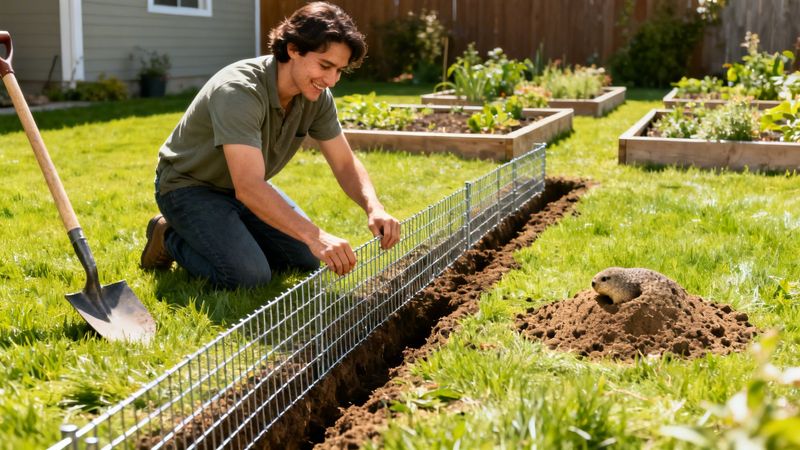
Once monitoring confirms active pocket gophers, two approaches have solid support from UC IPM for residential yards: trapping and underground exclusion. Neither requires pesticides, neither threatens the gopher snake working the same area, and both can be sized to the actual scope of the problem.
Trapping fits well for a small, localized infestation. Pincher-style and box traps are set inside the main tunnel, which you locate by probing the soil near a fresh mound. UC IPM’s residential pocket gopher guide recommends moving a trap set to a new location if no gopher is caught within one to two days, since an untouched set usually means the tunnel has been abandoned or blocked nearby. Traps set in areas where children, pets, or other animals could reach them must be covered, and they need to be checked frequently, at least once a day.
Leaving a trap unmonitored is both inhumane and counterproductive.
Underground exclusion protects high-value plants rather than removing the gopher. Hardware cloth or welded wire with a half-inch mesh can be installed at the bottom and sides of raised beds or around the root zones of trees and shrubs. The barrier needs to extend deep enough to block the gopher’s working depth, which is typically six to eighteen inches depending on soil type and plant size. Poor installation is a real risk here: a barrier placed too close to a root crown or installed without enough room for root expansion can restrict growth over time.
Plan the installation with the mature root spread of the plant in mind, not just its current size.
For an established lawn or large planting area, a combination of both methods often works better than either alone. Trap the active animals first to reduce pressure, then install exclusion around the most valuable plants to prevent re-entry from neighboring areas. Neither step is a permanent guarantee, since new gophers can move in from adjacent properties, but together they address the problem the snake cannot reliably solve on its own.
Avoid shortcuts that can poison the snake and other wildlife
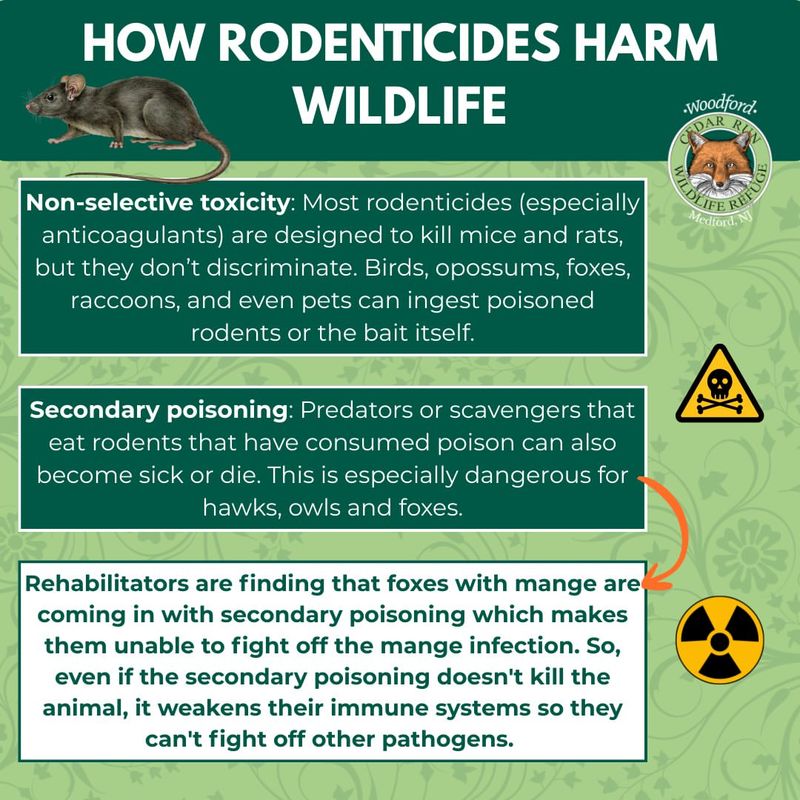
Poison bait is available for pocket gophers, and some homeowners reach for it first because it seems simpler than digging trenches or setting traps. The problem is that bait does not stay in the burrow system once an animal has been exposed to it. A gopher that consumes a lethal dose may die above ground or in a location accessible to other animals, and whatever toxicant is in its body goes with it.
A gopher snake that eats a poisoned gopher can be exposed to the same compound through secondary poisoning. The same risk applies to raptors, foxes, neighborhood cats, and dogs that find a dead or dying rodent. UC IPM’s home and landscape guide notes that rodenticides used for pocket gophers must be applied directly inside the burrow system in California residential settings. Above-ground baiting is illegal under California placement requirements and significantly increases the chance that nontarget animals, including children and pets, will encounter the product.
Even when bait is placed correctly inside a burrow, the secondary-poisoning pathway remains. A yard where a gopher snake is already doing some ecological work is precisely the kind of yard where rodenticide use can undercut the benefit you are trying to preserve. Trapping and exclusion do not carry that secondary exposure risk, which is one practical reason UC IPM presents them as the residential starting point rather than bait.
Flooding is sometimes suggested as a low-cost alternative, and it may occasionally force a gopher to move, but it is not a dependable solution. Normal landscape irrigation does not control gophers, and deliberate flooding to force movement is a poor fit for water-wise California yards already managing under drought conditions or local water restrictions. Targeted trapping remains the more reliable and resource-responsible choice.
Give the snake space and get professional help when needed
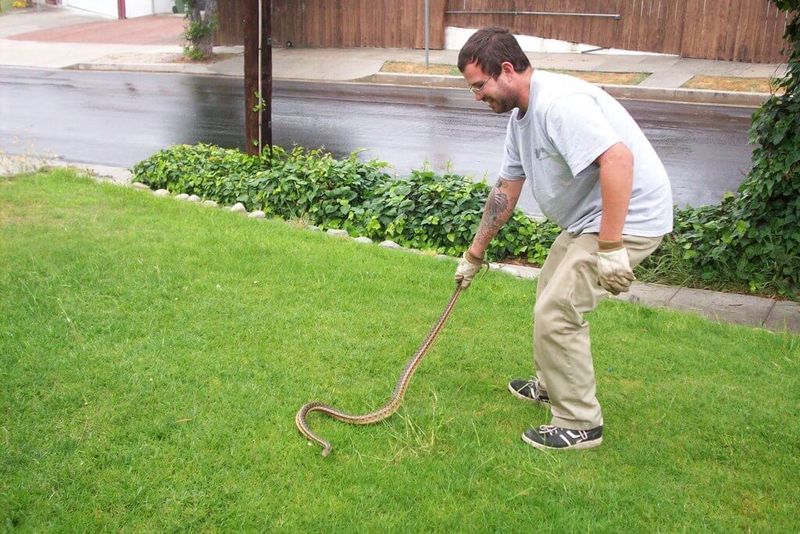
Finding a large snake near the back door or under a garden bench is startling, and the instinct to do something immediately is understandable. The most effective first response is also the simplest: step back, keep children and pets away, and give the animal room to move on its own. Gopher snakes are not territorial in the way that would make them linger in one spot indefinitely. Most of the time, removing the pressure of human presence is enough to let the snake leave on its own schedule.
CDC guidance on wildlife contact recommends against handling any wild snake, and that applies here regardless of how confident you feel about the identification. If the snake is in a location where it poses a genuine safety concern, such as inside a garage, near a child’s play area, or in a spot where it cannot leave without crossing a high-traffic zone, contact your local animal control agency or a qualified wildlife professional. They have the tools and experience to relocate the animal safely without injury to the snake or to the person handling it.
If a bite does occur, the response is the same whether the snake is venomous or not: seek urgent medical care promptly. CDC and NIOSH snakebite guidance is explicit that you should not cut the wound, attempt to suck out venom, apply ice, or use a tourniquet. These measures do not help and can cause additional harm. Get to a medical facility and let clinicians assess the bite.
On the question of California wildlife regulations, the answer depends on species, location, and specific circumstances. California Fish and Game Code governs the taking and possession of reptiles, and the applicable rules can shift. Rather than assuming that killing, capturing, or relocating a snake is automatically permitted or prohibited, check current regulations with the California Department of Fish and Wildlife or your local animal control office before taking any action beyond giving the animal space. The CDC’s wildlife guidance reinforces that professional removal is the appropriate path when an animal must be moved.
Tolerate the predator, manage the confirmed infestation
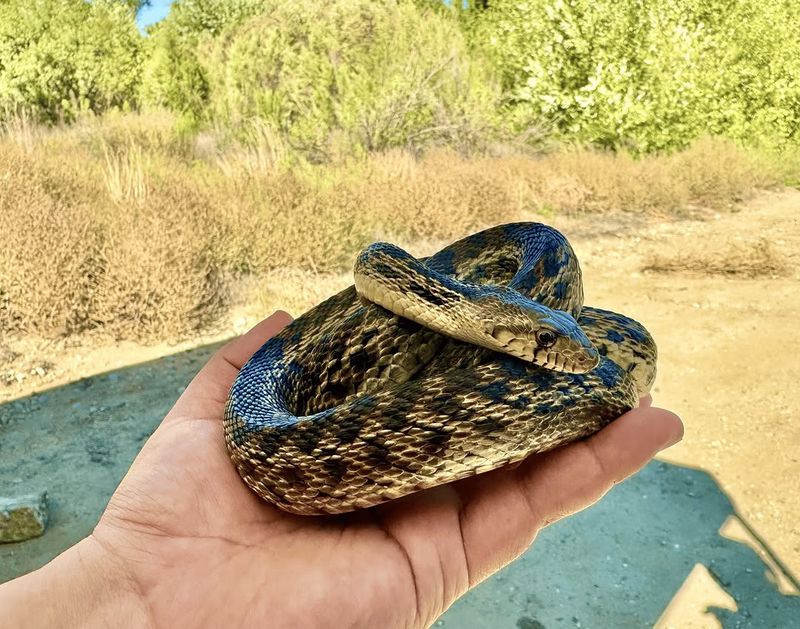
The practical decision rule that fits the actual evidence is this: a gopher snake in a California yard is worth protecting, but its presence does not confirm a gopher infestation, and it does not guarantee that any infestation present is being controlled. Those are two separate questions that require two separate answers.
For the snake, the response is to leave it alone when you can, keep people and pets back, and call for professional help if the location creates a genuine safety problem. Animal Diversity Web’s species account documents the gopher snake’s role as a rodent predator across California’s varied habitats, and that role is worth preserving even if it cannot substitute for targeted management of an established infestation.
For the gopher problem, the sequence matters. Look for fresh mounds, wilting plants, and damaged irrigation lines before choosing any treatment. When active digging is confirmed, start with trapping or underground exclusion as UC IPM recommends for residential settings. Skip the shortcuts that can poison wildlife or waste water that California yards cannot afford to spare.
A yard that supports a nonvenomous predator while managing its own pest problems through targeted, evidence-based methods is doing exactly what good stewardship looks like in practice. The snake is not a solution, but it is a sign that the yard is alive enough to attract one.