
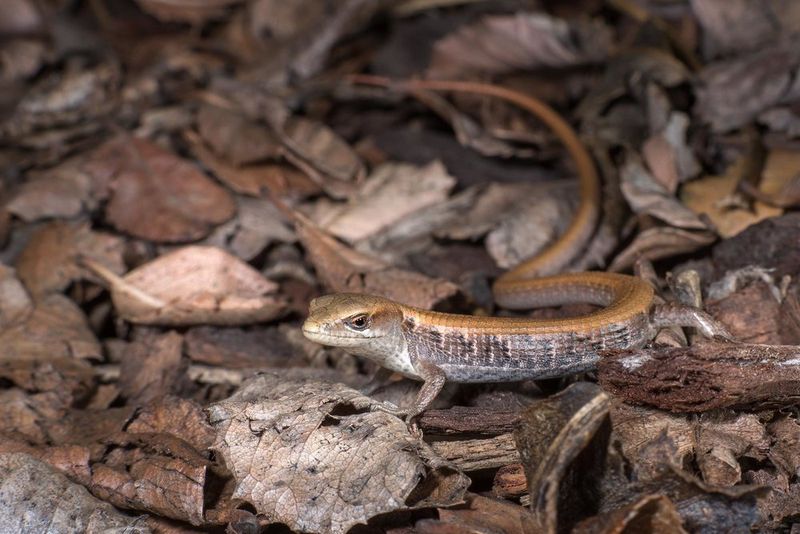
Moving a log in your California backyard and finding a cluster of small, oblong eggs underneath is one of those moments that stops you cold. Your first instinct might be to clear everything out, but that reflex could cost you one of the most useful neighbors a yard can have. Alligator lizards are widespread across California, and a woodpile can offer exactly the kind of sheltered cover they seek. Before you grab a shovel or a spray can, a few minutes of reading could change how you see that pile entirely.
Possible eggs under a woodpile do not tell the whole story
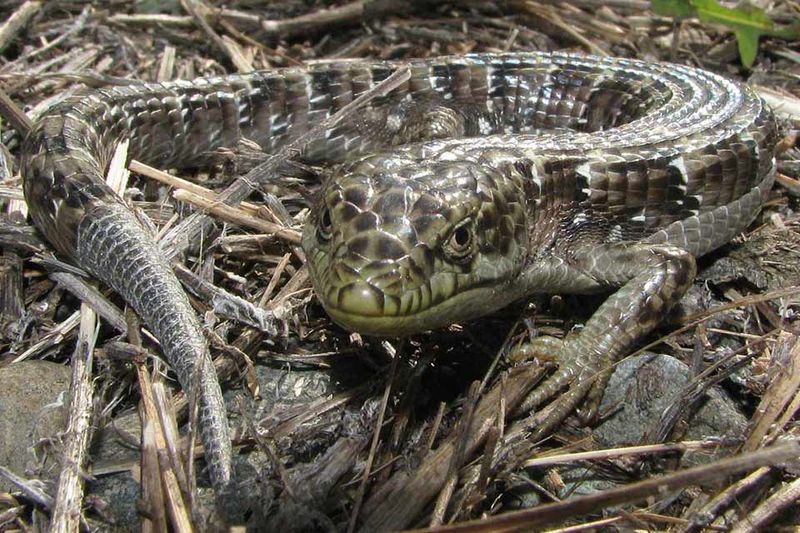
Finding eggs beneath a woodpile is genuinely surprising, and the temptation to assume you know exactly what laid them is understandable. The honest answer, though, is that location alone cannot confirm the species. A woodpile offers stacked wood, trapped warmth, and protection from wind and predators, which makes it a plausible type of sheltered cover, but that description fits several California reptiles, not just alligator lizards.
According to California Department of Fish and Wildlife life-history data on the southern alligator lizard, this species uses logs, surface debris, burrows, stable talus, and similar protected sites. A woodpile shares some of those qualities, so alligator lizards are a reasonable possibility. The same sources, however, do not specifically quantify woodpile nesting as a normal or preferred behavior, so calling the eggs a confirmed alligator-lizard clutch goes further than the evidence supports.
Identification matters for a practical reason. UC IPM’s California lizard guidance notes that the northern alligator lizard produces live young rather than eggs, while many other species, including the ubiquitous western fence lizard, do lay eggs. Without a clear look at the adult or a photograph reviewed by someone familiar with California reptiles, calling the clutch “possible reptile eggs” is more accurate than labeling it anything more specific.
The practical question the discovery actually raises is a simpler one: is the woodpile in a safe location, and can you reasonably avoid unnecessary disturbance while it stays there? If both answers are yes, restraint is usually the right first move. If the pile’s location raises fire-safety concerns, that question takes priority and gets its own discussion later in this article.
Use biology as a clue, not a diagnosis
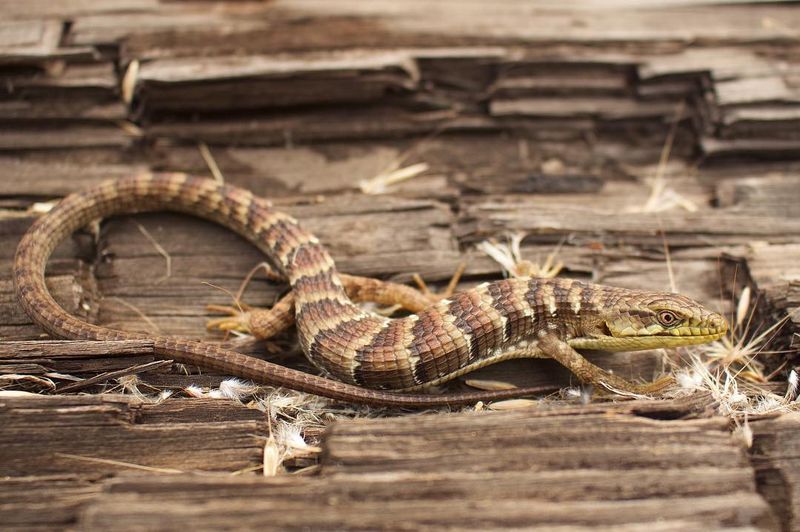
Knowing a little about southern alligator-lizard life history can help you interpret what you found without overreading it. These lizards are widespread across coastal, foothill, chaparral, woodland, and suburban areas throughout much of California, and they are active egg-layers, unlike their northern relatives.
National Park Service reporting on the southern alligator lizard describes clutches of roughly 5 to 20 eggs, commonly laid between May and July, with hatching occurring after approximately 11 weeks. Older California life-history data compiled by CDFW report a first clutch in Southern California appearing in early June, a clutch size of about 12 eggs, and the possibility of two or three clutches in a single season. Because these figures come from different geographic scopes and time periods, treat them as approximate reported ranges rather than fixed schedules that apply everywhere in the state.
One behavioral detail worth knowing: Channel Islands National Park research notes that females may share egg-laying sites. That means a homeowner could potentially find more eggs than a single clutch would explain, or notice more than one female visiting the same spot. Even so, shared use of a site does not prove the eggs belong to alligator lizards specifically.
Timing and appearance offer clues, not certainty. Southern alligator lizard eggs are leathery and oblong, but so are the eggs of other California species. The northern alligator lizard, identifiable by its more northern range and slightly different scale pattern, gives birth to live young, so any eggs found in the yard already narrow the list somewhat. Still, UC IPM’s lizard identification guidance reinforces that appearance, timing, and location together are not enough to make a confident species call without expert review.
Their ecological value is real but limited
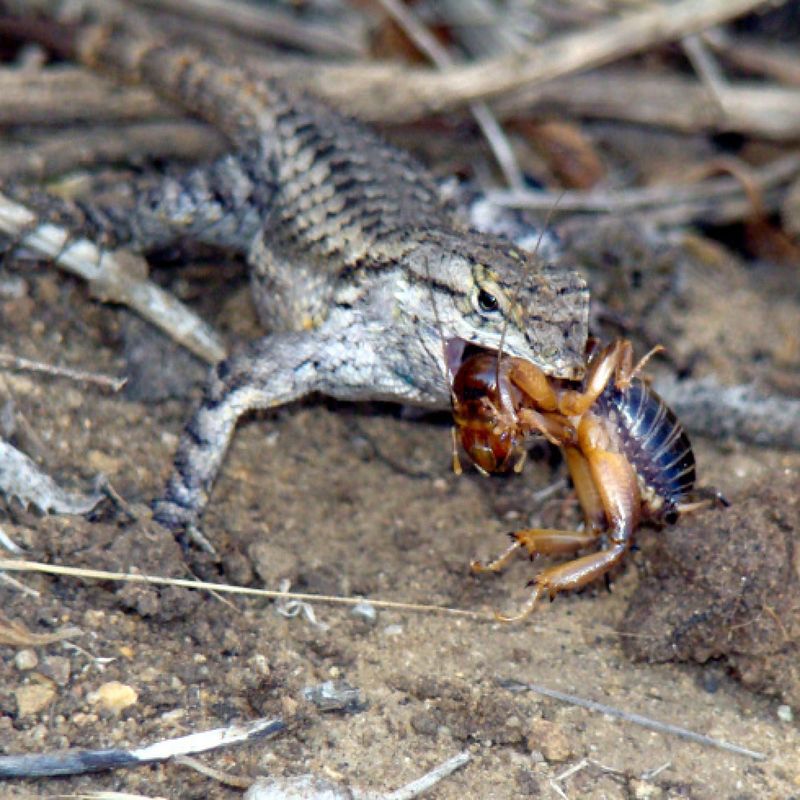
Alligator lizards have a genuine appetite for the kinds of creatures most California gardeners would rather not host. Documented prey includes beetles, grasshoppers, crickets, spiders, centipedes, sow bugs, and snails, a list that overlaps considerably with the arthropods that damage ornamental plants, compost piles, and vegetable beds.
UC IPM’s assessment of California garden lizards states that these animals generally cause no measurable damage to plants and may help control pest insects. That “may help” phrasing is deliberate and worth taking literally. The benefit is plausible and directionally positive, but no cited source translates the presence of one clutch into a measurable drop in aphid counts, slug numbers, or any other specific pest population in a homeowner’s yard.
Part of the reason for that caution is that alligator lizards are opportunistic, broad-spectrum predators. CDFW life-history records for the southern alligator lizard confirm that the diet extends beyond insects and arthropods to include other lizards and occasionally small vertebrates. They are not selective pest managers targeting only the species a homeowner would prefer to eliminate.
National Park Service documentation describes alligator lizards as important components of local food webs, eaten by hawks, kingsnakes, and other predators while themselves consuming a wide range of smaller animals. That web-level function is real ecological value, even if it does not translate into a guaranteed, predictable pest-control service for your specific garden beds.
Thinking of a resident alligator lizard as a contributor to your yard’s natural balance, rather than as a replacement for integrated pest management, puts the benefit in the right frame. Tolerating a suspected clutch is a reasonable choice for a homeowner who wants a yard with more biodiversity, even without a promise of a pest-free season in return.
Pause before disturbing a suspected clutch
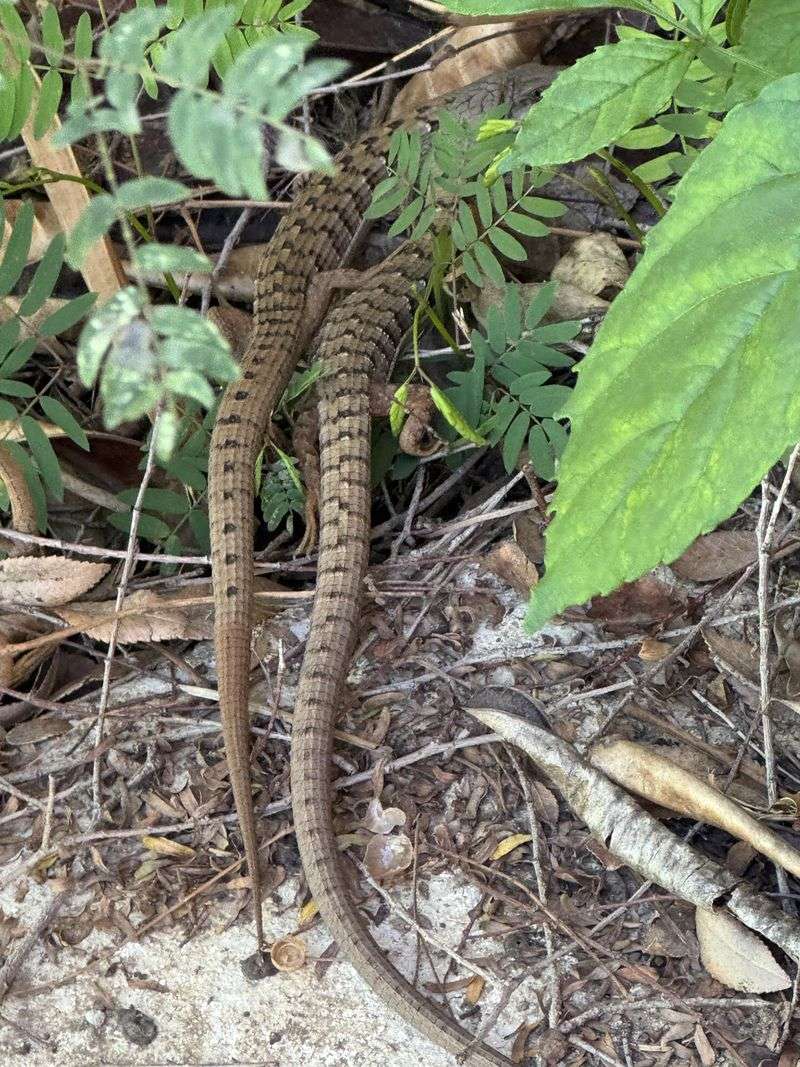
When a suspected egg clutch is sitting under a safely placed woodpile, the best immediate response is usually to do nothing beyond watching from a short distance. Pulling apart the stack, digging around visible eggs, or lifting individual logs to get a better look can displace the eggs from the protected microclimate the adult selected, and it can expose them to temperature swings and predators that the shelter was keeping out.
CDFW’s life-history account of the southern alligator lizard documents that eggs are placed in burrows, stable talus, and similarly protected sites, reflecting a clear preference for stable, enclosed conditions. Disrupting that stability is worth avoiding when no immediate hazard exists. That said, this is conservative wildlife guidance based on what is known about egg placement; the reviewed sources do not provide a controlled experiment measuring how many eggs are lost when a California homeowner moves a woodpile, so the recommendation to leave the clutch alone should be understood as a precautionary default rather than a guaranteed survival formula.
A common misconception worth correcting: alligator lizards are not known to guard their nests the way crocodilians do. Channel Islands National Park research documents shared egg-laying sites, but neither this source nor the CDFW account establishes that a female will remain near the nest continuously or defend it aggressively. If you see a lizard near the woodpile, her presence is worth noting but not cause for alarm on either side.
Avoid the impulse to turn or reposition individual eggs if you do happen to see them. No authoritative California source establishes a specific orientation rule for this species, but unnecessary handling introduces risks without a clear benefit. When there is no immediate safety reason to intervene, the wisest move is simply to give the pile a wide berth until hatching season passes.
Keep people, pets, and chemicals away
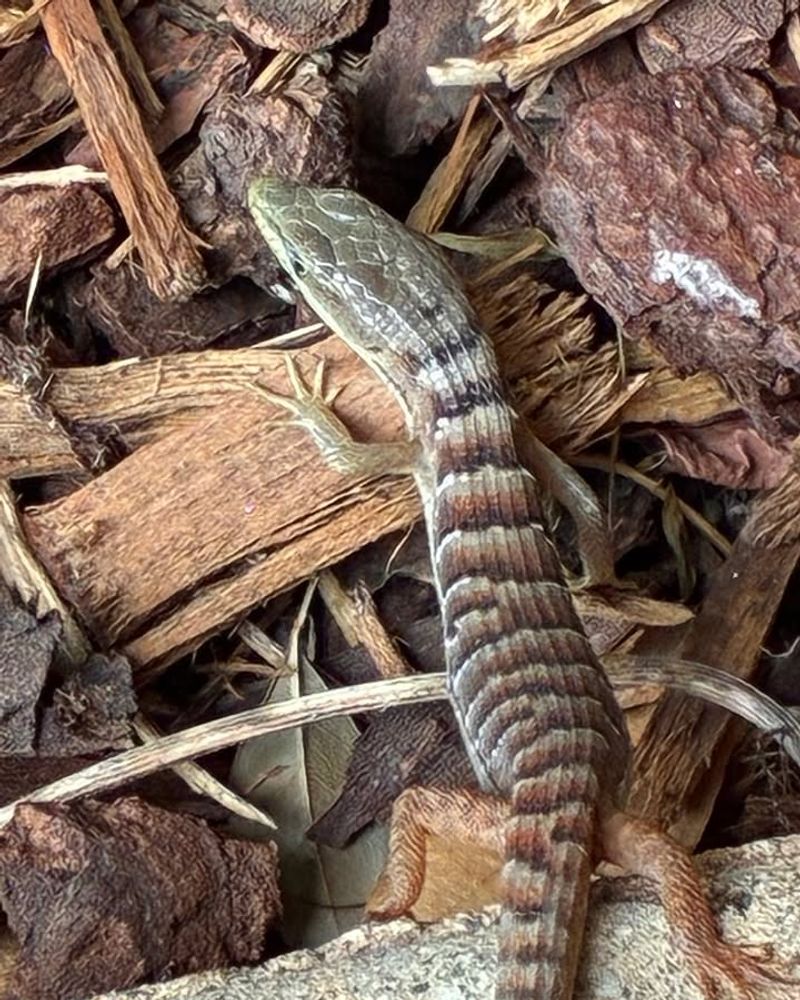
Alligator lizards are generally harmless to people and pets, but “harmless” has a limit. UC IPM’s California lizard guidance notes that alligator lizards can bite when they are roughly handled, and the bite, while not venomous, is firm enough to be unpleasant. Children are naturally curious about wildlife, and a lizard sitting still under a log looks like an easy catch. Redirecting that curiosity toward watching rather than grabbing is the right call, and the same advice applies to dogs and cats, which may stress or injure a lizard even without intending to.
On the chemical side, the guidance is equally clear. UC IPM states that no toxicants or repellents are currently registered in California specifically for killing or repelling lizards. Products marketed as general reptile repellents or broad-spectrum outdoor sprays are not the answer here, and applying them around a suspected nest introduces unnecessary risk to non-target wildlife and potentially to the soil and surrounding plants. Always check a product’s label and California registration status before applying anything in the yard, particularly near wildlife habitat.
Leaving the area around the woodpile chemically undisturbed also preserves the arthropod prey base that makes the location attractive to lizards in the first place. Spraying for insects in the immediate vicinity undermines the very food-web function that makes tolerating a lizard clutch worthwhile.
If a lizard finds its way inside the house, the UC IPM recommendation is gentle capture and release rather than killing it. A piece of cardboard and a container work well. Once it is back outside, check the exterior walls for gaps of roughly one-quarter inch or larger, since openings that size are large enough for a lizard to squeeze through. Sealing those entry points is a practical, lasting fix that does not require any product at all.
Fire rules can outweigh wildlife preferences
Wildlife-friendly intentions have a hard limit in California, and that limit is wildfire safety. No suspected lizard clutch, however ecologically interesting, justifies leaving a woodpile in a location that violates current defensible-space or woodpile-clearance requirements. Fire rules are not negotiable in the way that wildlife preferences can be.
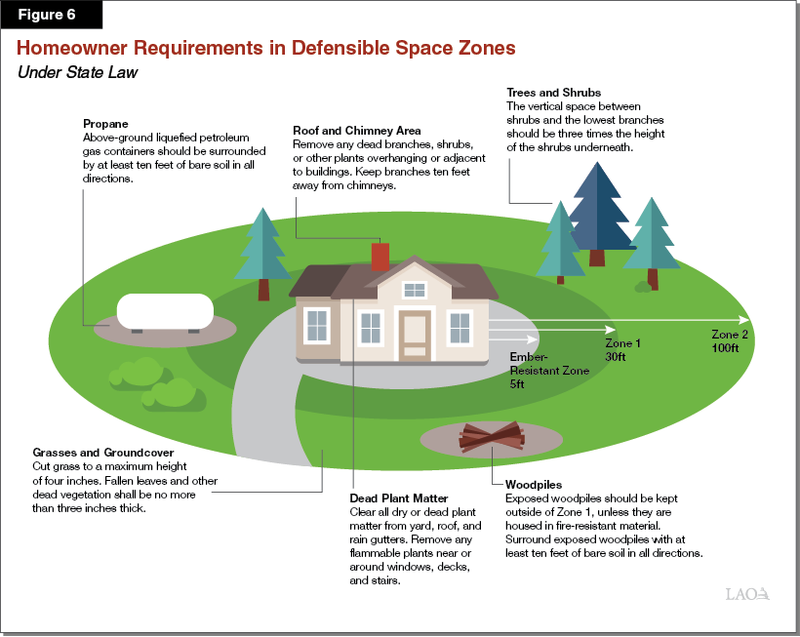
CAL FIRE’s defensible space program establishes two primary zones around a structure. Zone 1 covers the area from the home’s edge out to 30 feet, or to the property line if it is closer. Zone 2 extends from 30 to 100 feet. Within these zones, combustible materials must be managed according to specific requirements, and exposed woodpiles receive their own guidance: CAL FIRE recommends that exposed firewood and lumber stacks have 10 feet of clearance around them, cleared down to bare mineral soil, within the defensible-space area.
That clearance requirement applies around the woodpile itself. It is a separate consideration from the broader rule about keeping firewood away from the first five feet immediately adjacent to the home’s foundation and walls.
Local fire jurisdictions and homeowner insurance requirements can be stricter than the CAL FIRE baseline. Some communities in high fire-hazard severity zones require additional separation or prohibit certain storage configurations entirely. California Department of Insurance preparedness guidance encourages homeowners to review both state and local requirements, because an insurer may apply standards that go beyond the state minimum.
A woodpile positioned against the house, tucked under a deck, pressed against combustible fencing, or sitting in unmaintained vegetation is a fire hazard regardless of what is living inside it. If the pile’s current location fails any of these tests, moving it takes priority over protecting the suspected nest. The next section covers how to handle that situation responsibly.
Get case-specific help if the pile must move
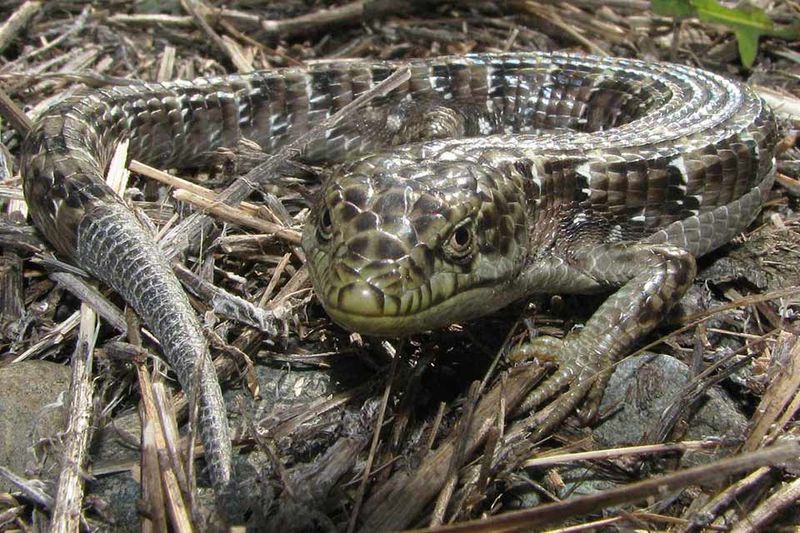
Sometimes moving the woodpile is not optional. A fire inspection, a renovation project, a structural hazard, or a location that simply fails the clearance requirements discussed above can all make relocation necessary. When that happens, the instinct to carefully pick up the eggs and carry them to a new spot is understandable but risky in ways that go beyond the physical handling itself.
California treats the eggs of native reptiles as wildlife subject to its regulatory framework. CDFW’s wildlife branch permitting information confirms that a regulatory context exists around the capture, possession, and translocation of native wildlife, including their eggs. This does not mean that every homeowner who accidentally uncovers a nest while complying with CAL FIRE’s defensible-space rules has automatically committed a violation, but it does mean that improvising an egg relocation without guidance is not a safe assumption. The permitting page establishes that the regulatory framework applies; what it does not do is spell out every scenario a homeowner might face, which is exactly why case-specific advice matters.
The right path when relocation is unavoidable is to stop, step back, and make a call before touching anything. A local wildlife rehabilitator familiar with California reptiles, a herpetologist, or your regional CDFW office can advise on what is appropriate for your specific situation. These contacts exist precisely because wildlife questions do not always have a one-size-fits-all answer.
Reaching out before acting also protects you. Documenting that you sought guidance and followed it is a reasonable precaution if questions arise later. Most CDFW regional offices are accustomed to calls from homeowners navigating exactly this kind of situation, and a brief conversation is almost always more productive than a well-intentioned guess.
Choose tolerance when the site is safe
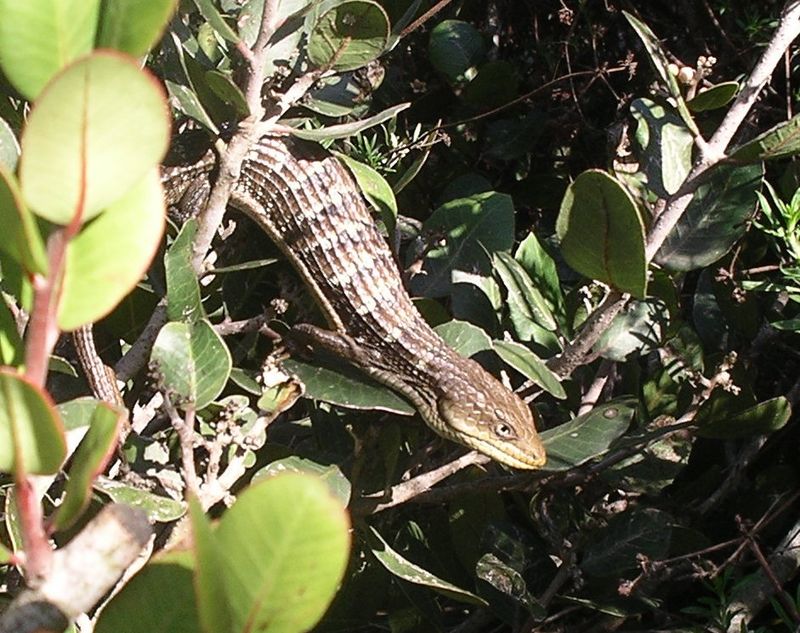
When a woodpile is correctly placed, away from the home’s immediate perimeter, surrounded by the required clearance, and free of combustible overgrowth, a suspected lizard clutch underneath it is not a crisis. The reasonable response is restraint: observe without assuming you know the species, avoid handling the eggs or the adults, skip the sprays and repellents, and let the season play out.
The decision path is straightforward. Confirm the pile meets current CAL FIRE defensible-space standards and any local requirements. If it does, leave the suspected clutch alone and keep children and pets from disturbing the area. Reject any product marketed to kill or repel lizards, since UC IPM confirms no such products are registered in California for this purpose.
If the pile must move for safety or construction reasons, contact a local wildlife professional or CDFW before handling the eggs.
What you gain by tolerating a resident population is modest but genuine. CDFW’s life-history data describe southern alligator lizards as active hunters of insects and other arthropods across a wide range of California habitats, and a yard that supports them is a yard with a functioning food web rather than a chemically simplified one. No single clutch guarantees a pest-free season, and the woodpile did not cause nesting so much as offer an opportunity that a passing lizard accepted.
A yard that makes room for that kind of opportunism, quietly and without drama, tends to be a healthier yard over time.