
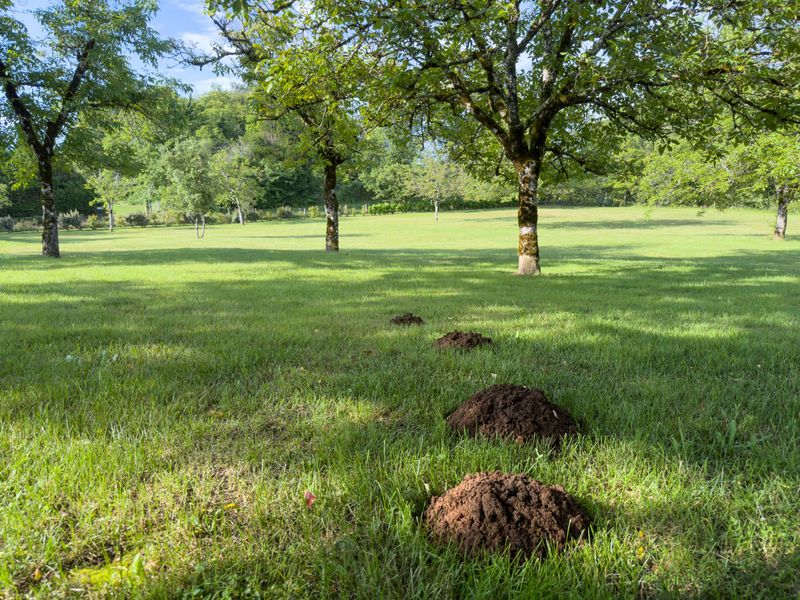
You step outside with your coffee and spot fresh holes scattered across the grass that were not there yesterday. In North Carolina, skunks, raccoons, moles, wasps, crayfish, and sometimes armadillos can all leave marks that look alike at first glance.
The shape of the damage, the soil around it, and the spot in your yard tell you far more than the calendar does. Reading those clues first can save you money and keep you from harming animals that may be doing little real damage.
The shape of the damage matters more than the season
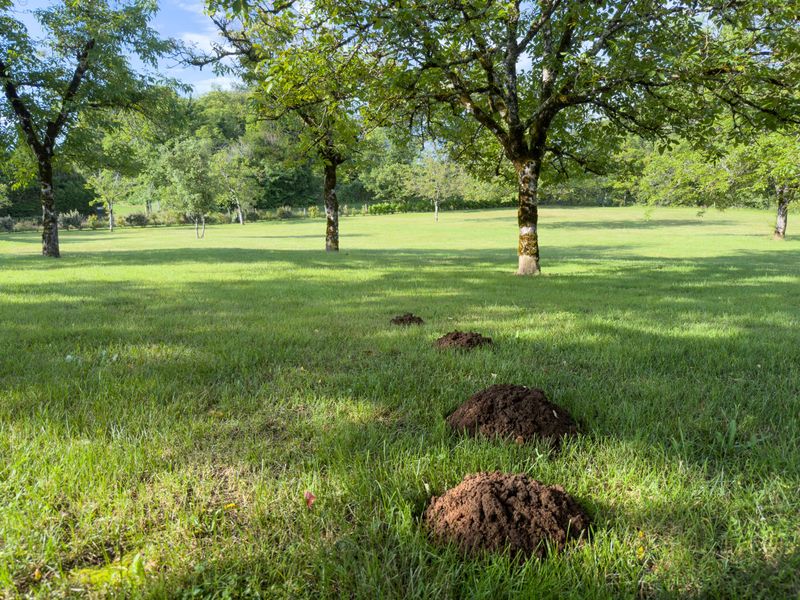
Before you guess at a culprit, grab a ruler and take a closer look. Note how wide and how deep each hole is, whether soil is piled beside it, and whether any sod has been lifted or flipped.
Also notice whether the lawn is wet or sits near a creek. NC Cooperative Extension suggests weighing season, location, size, and other features together, since a hole alone may not point to one animal.
Fall is a popular time for lawn digging, but the season is only one small piece of the puzzle. Several animals work in the dark, and some holes come from insects or burrowing creatures that have nothing to do with a midnight raid.
Waking up to a fresh hole tells you the activity happened recently. It does not tell you who did it.
That is why a quick walk around the yard pays off. Snap a photo of each hole with something familiar beside it for scale, and jot down where it sits.
A sunny, dry slope tells a different story than a soggy corner near a ditch. If the clues still leave you stuck, UGA Cooperative Extension points to motion-activated cameras as a way to clear up the picture.
The next sections compare the main suspects across the Piedmont, the mountains, and the coastal plain, so you can match what you see to the most likely maker.
Shallow holes and torn sod often point to nighttime foraging
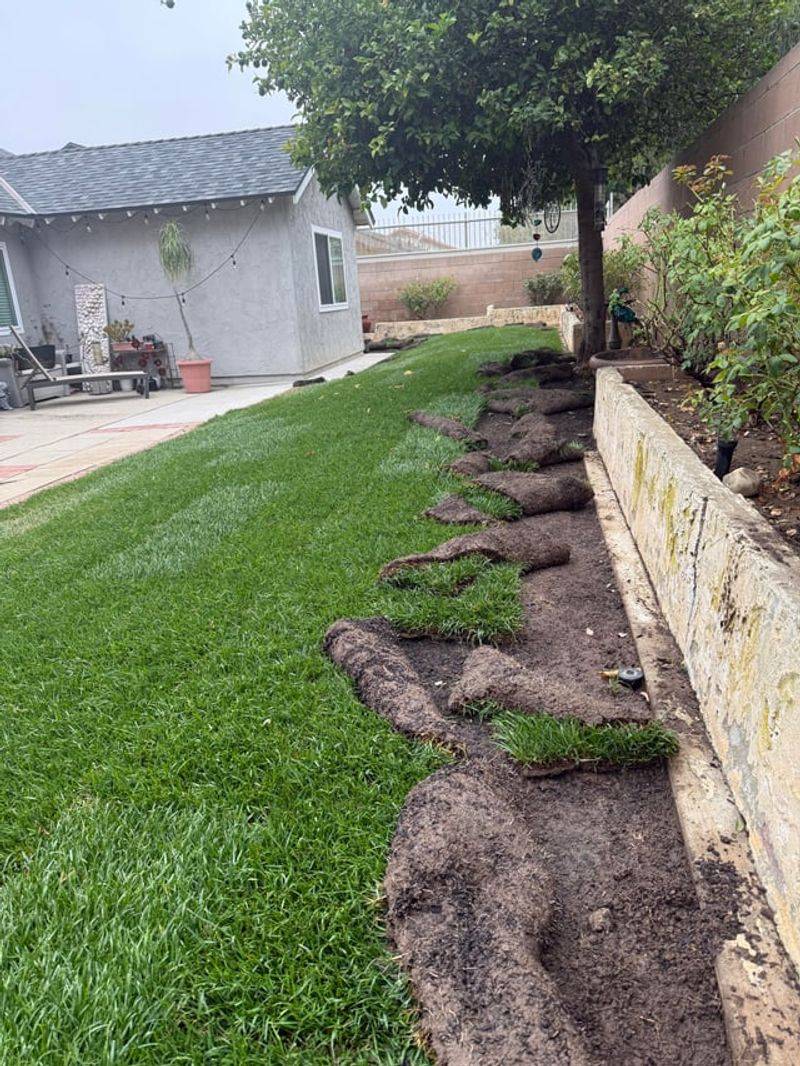
Small, shallow, cone-shaped holes spread across a lawn are consistent with skunks digging for grubs and other soil prey. NC Wildlife notes that skunks, along with raccoons and armadillos, may dig in lawns where grubs are present.
The pattern is a clue, not a signature.
Raccoons often work differently. Sections of sod that have been peeled back or flipped over like a rug suggest raccoon foraging, though that is not conclusive either.
Iowa State Extension says this kind of damage often shows up overnight in late summer and fall.
Even so, fall is only a plausible window, not a test. A neat row of cone holes in October could still be something else, and the same animals may dig at other times of year.
Check the shape, the size, and where the damage sits before settling on a name.
Also keep in mind that digging does not prove a lawn is full of grubs. These animals eat several kinds of prey, including earthworms and other insects.
As the Caldwell County Extension office advises, use several features together rather than leaning on one.
Repellents are not a dependable fix here. Scent products are typically not very effective, so cutting back on easy food and shelter around the yard is a steadier first move.
Raised surface ridges suggest moles, not isolated digging
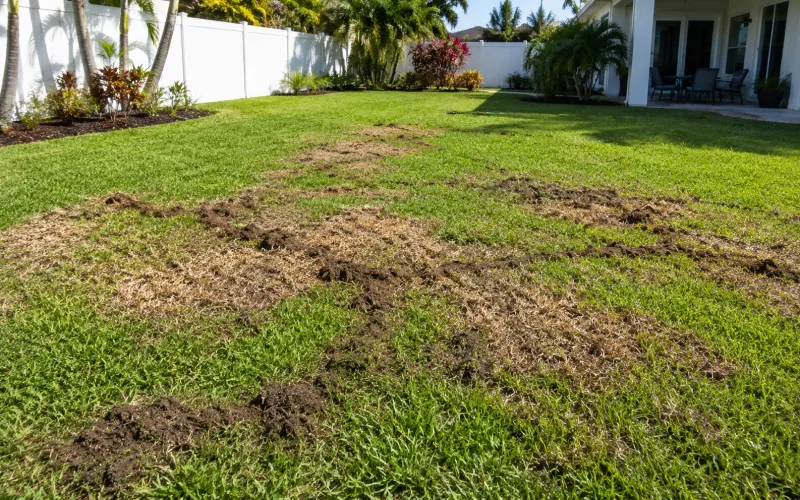
Walk the lawn and look for long, winding ridges that push up the turf instead of separate holes. Those raised, shallow lines are the classic mark of moles tunneling just under the surface.
Surface foragers like skunks leave individual pits, while a mole leaves a connected trail.
Moles often get blamed for eating roots, but that is not what they do. According to NC State Extension, they eat earthworms and insects, including grubs.
Their tunneling can still loosen soil and disturb plants as it passes through.
That difference changes how you read a damaged patch. If grass browns along a ridge, the roots may have been pushed apart by a tunnel rather than chewed.
Pressing the ridge down with your foot is a gentle way to see whether the tunnel gets rebuilt in a day or two, which hints at an active animal.
Avoid labeling every tunnel or hole a mole sign. Voles, for example, use surface runways, and a scatter of holes with no ridges points away from moles altogether.
Step back and look at the whole pattern across the yard before you decide.
A damp, loose, earthworm-rich lawn tends to attract more mole activity, so note whether the ridges follow irrigated areas or shaded beds.
A wasp mound and a mud chimney tell different stories
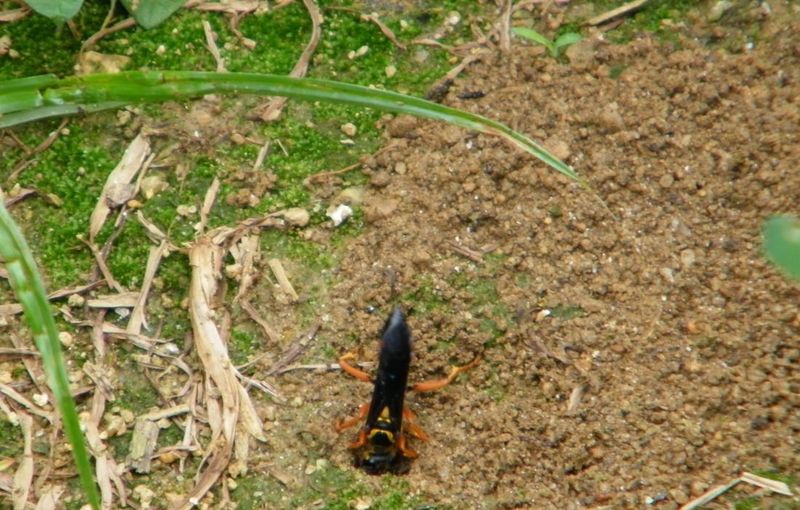
Two less common signs depend as much on setting as on shape. A small U-shaped soil mound around a hole in a sunny, well-drained spot, especially where large black-and-yellow wasps hover in summer, can indicate cicada killers.
NC State Extension describes them as solitary wasps that are generally beneficial and rarely sting unless provoked.
Timing matters here. Their nesting season runs mainly through mid- to late summer, so a hole that appears in fall does not by itself show active nesting.
It may be an old burrow or something else entirely.
Now picture a low, soggy corner of the yard, or a spot near a creek, with a tower of mud sitting at a hole. Those mud chimneys point toward burrowing crayfish.
NC State Extension says turf damage from crayfish is usually limited.
The location is the key clue. Crayfish signs follow wet ground and shallow water, not a particular season, so a chimney on a dry hilltop would be a surprise.
Pesticides are not recommended for crayfish, since they may move through wet soil and harm other organisms.
If a mound bothers you, the Caldwell County Extension office notes that crayfish hole clues can be told apart by their setting. Sunny and dry suggests wasps.
Wet and low suggests crayfish.
An armadillo is possible, but a hole is not proof
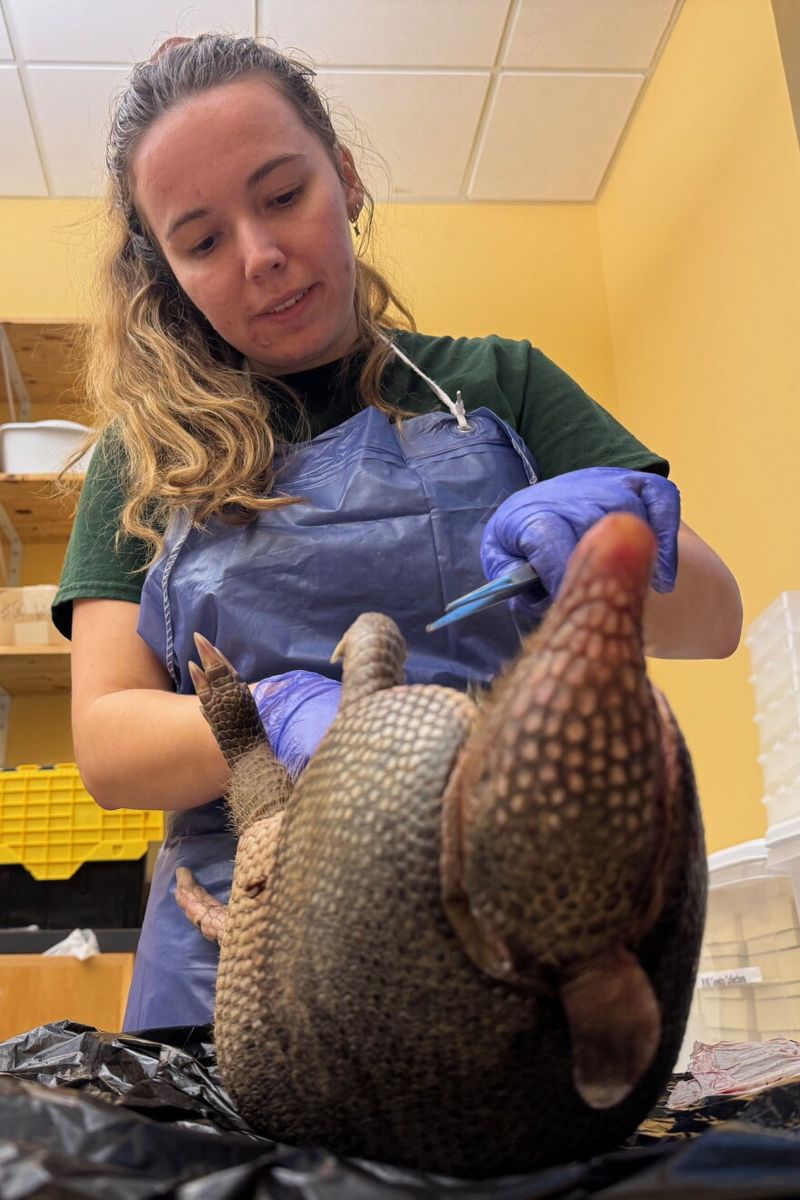
Armadillos have been moving into North Carolina, and they are a real possibility in some areas. They are not a default answer for every hole, though, and their numbers are uneven across the state.
A yard in one county may see them while a yard a few counties over never does.
NC Wildlife keeps a page on the nine-banded armadillo and asks residents to report sightings. It also links to newer range information, including a report on armadillo range expansion from 2007 to 2024.
Checking where sightings have been logged near you gives better context than guessing from a pit in the grass.
Here is the practical rule. If you actually see an armadillo, report it through NC Wildlife.
If all you have is a hole, treat the armadillo as one possible suspect and keep gathering clues.
That means a photo of the damage, a note of where you live, and, if the activity continues, a camera aimed at the spot. A sighting counts as evidence, and a hole does not.
Confirm the culprit before treating the lawn
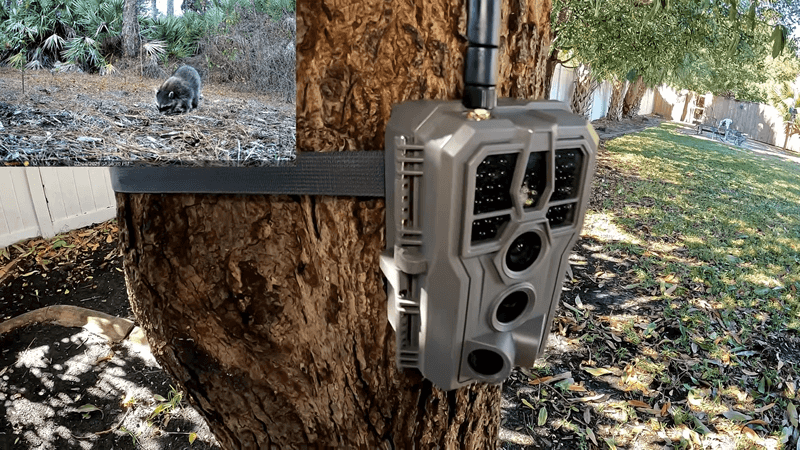
When the physical clues do not settle things, put a motion-activated wildlife camera on the damaged area. UGA Cooperative Extension recommends cameras when digging clues are ambiguous.
A camera is not a guarantee, but a few nights of footage can beat guesswork.
Identifying the animal is a separate job from finding out what is in the soil. Before reaching for an insecticide, check the lawn for grubs or have it assessed.
NC State Extension recommends sampling because grubs can be patchy across a yard.
Timing matters too. Treatment depends on the grub species and where they live, as laid out in NC State’s guide to white grubs in turf.
A product applied at the wrong stage may do little.
To sample, cut a few small squares of turf in different parts of the lawn, peel them back, and count any grubs you find in the soil beneath. Check the edges of the damage as well as healthy-looking grass.
Wildlife digging alone does not mean the lawn needs treatment. Skipping an unneeded spray protects your wallet and the beneficial insects living in your grass.
Match your response to the damage and the risk
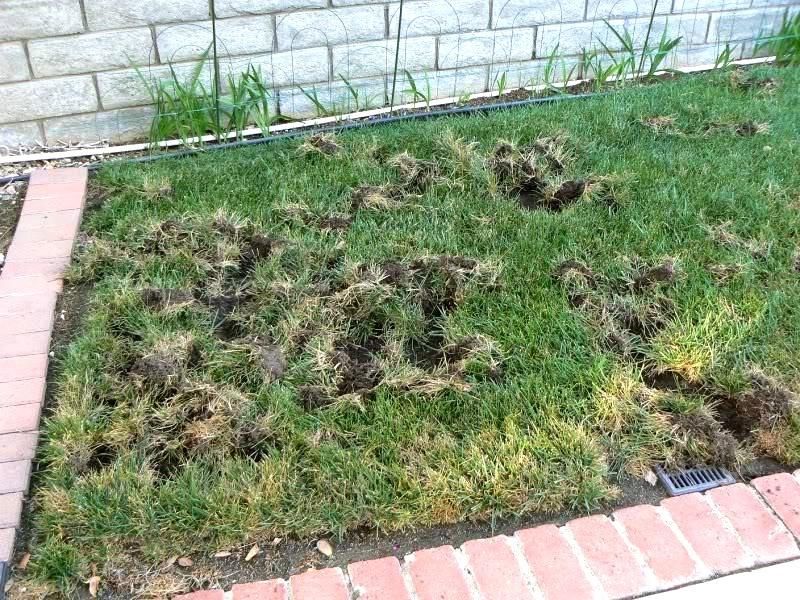
Some damage needs attention, and some only needs patience. Weigh how much turf is torn up and whether anyone, including pets, faces a real risk.
Cicada killers and crayfish are often best left alone when they are not causing a meaningful problem, as NC State Extension explains for the wasps. A crayfish mound that annoys you can simply be raked or hosed down.
Never handle wildlife, and never pour chemicals or gasoline into a hole. NC Wildlife advises against handling animals like skunks.
The NC State wildlife handbook offers similar cautions.
Trapping or relocating can also run into rules, so check before acting. For a confirmed problem, the NC Wildlife problem FAQs are a good start, and a licensed wildlife-control professional can step in when needed.
A hole is a question, not an answer, and the lawn will usually tell you more if you give it a few days.