 Complete Gardening
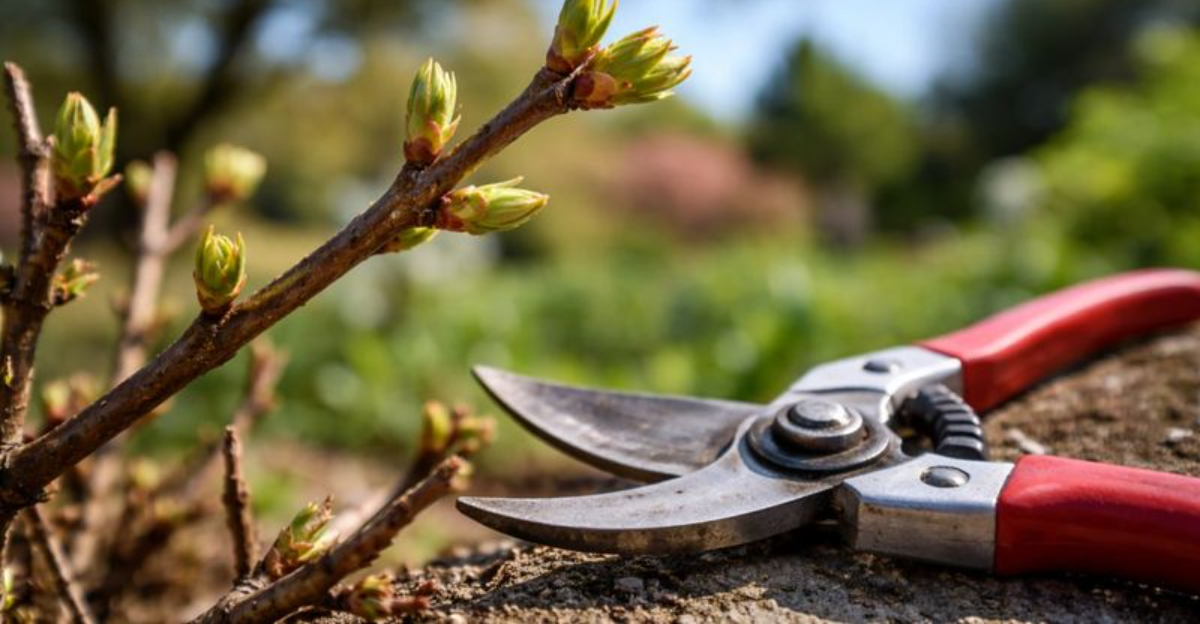
Early spring is one of the most important pruning windows in the gardening calendar. Done at the right time, pruning can encourage stronger growth, improve flowering, and keep plants healthy. But pruning the wrong plants too early can actually reduce blooms or stress the plant.
Knowing what to prune now – and what to leave alone – can make a big difference in how your garden performs throughout the year.
Plants That Benefit From Early Spring Pruning
These plants typically bloom on new growth, meaning pruning in early spring encourages fresh stems and more flowers later in the season.
1. Roses (Most Varieties)
Many roses benefit from early spring pruning once the risk of severe frost has passed.
Pruning helps:
- Remove winter-damaged stems
- Improve airflow
- Encourage stronger flowering shoots
Cut back dead or weak branches and shape the plant before new growth begins.
2. Summer-Flowering Shrubs
Shrubs that bloom in summer or late summer often produce flowers on new wood. Early spring pruning helps them grow fuller and bloom better.
Common examples include:
- Butterfly bush (Buddleja)
- Hydrangea paniculata
- Rose of Sharon
- Spirea (summer varieties)
Cutting them back now stimulates fresh, productive growth.
3. Ornamental Grasses
Many ornamental grasses should be trimmed in early spring before new shoots appear.
Cut them back to about 10 to 15 centimeters above the ground to remove old, dry foliage and allow new growth to emerge cleanly.
4. Fruit Trees
Late winter to early spring is often ideal for pruning many fruit trees like apples and pears.
Pruning helps:
- Improve air circulation
- Increase sunlight penetration
- Encourage better fruit production
Focus on removing crossing branches and shaping the tree structure.
Plants You Should Not Prune Yet
Some plants bloom on old wood, meaning their flower buds formed last year. If you prune them too early, you’ll accidentally remove the upcoming blooms.
These should be left alone until after they flower.
1. Lilacs
Lilacs set their flower buds the previous season. Pruning them in early spring can remove the blooms you’ve been waiting for.
Instead, prune lilacs right after flowering finishes.
2. Forsythia
Forsythia produces its bright yellow flowers on old wood. Early spring pruning will eliminate most of the blossoms.
Wait until the flowering display is over before trimming.
3. Azaleas and Rhododendrons
These popular spring shrubs also develop buds the year before.
Pruning too early means sacrificing their showy spring flowers.
4. Hydrangea macrophylla (Bigleaf Hydrangea)
Unlike some other hydrangeas, bigleaf varieties often bloom on old wood. Heavy pruning in early spring can remove the season’s flowers.
Only remove dead stems if necessary.
A Simple Rule to Remember
If a plant flowers in spring, it usually blooms on last year’s wood, so prune it after flowering.
If a plant flowers in summer, it often blooms on new growth, making early spring pruning safe.
A Little Timing Makes a Big Difference
Pruning at the right moment helps plants stay healthy, balanced, and productive. Taking a few minutes to identify which plants need attention – and which should be left alone – can reward you with stronger growth and better blooms throughout the season.
Sometimes the best gardening decision is knowing when not to prune.