 Complete Gardening
If spring always sneaks up before your garden is ready, this guide is your head start. By starting the right seeds indoors now, you will beat the frost, grow stronger transplants, and harvest weeks earlier.
You will save money, skip the sad store starts, and choose your favorite varieties. Let us set up your trays and dial in timing so you step into spring already ahead.
Tomatoes
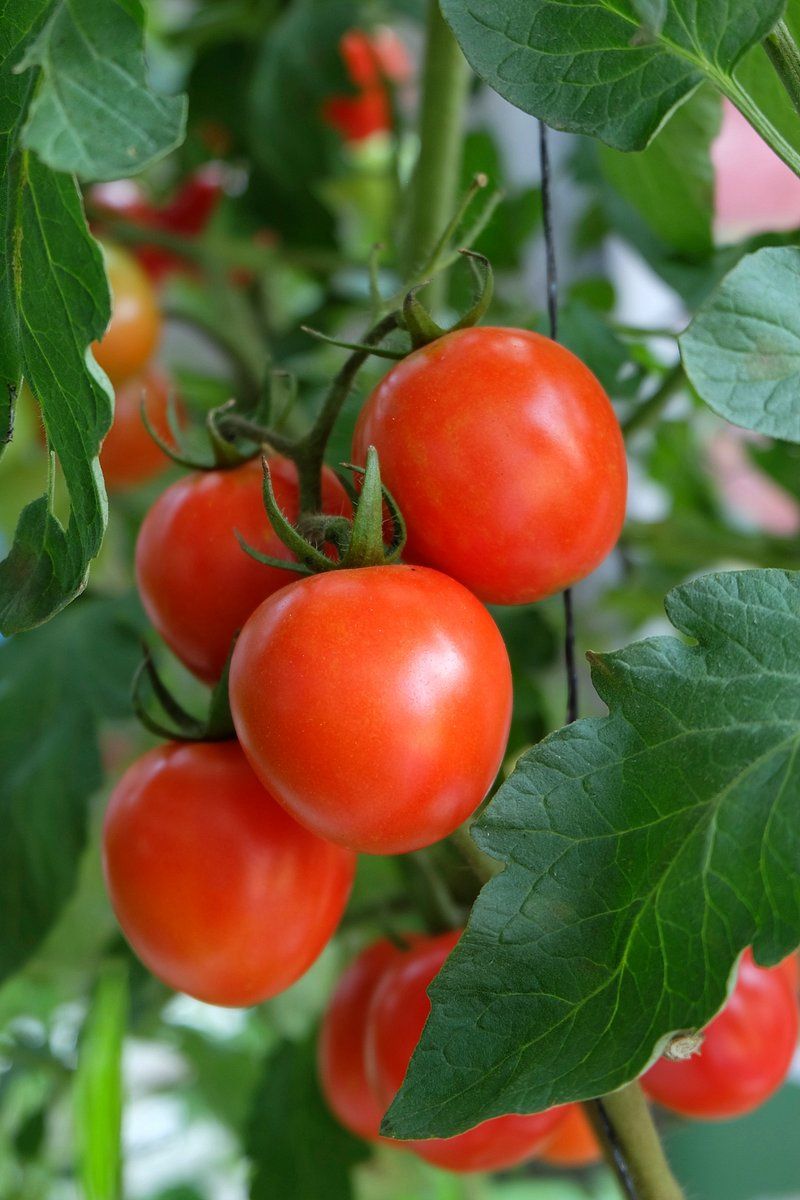
Tomatoes reward early starts with earlier, heavier harvests. Sow seeds 6 to 8 weeks before your last frost in a quality seed starting mix.
Keep them warm at 70 to 80 degrees for quick germination, and give strong light immediately to prevent leggy growth.
Bottom water to keep roots happy, and brush the tops gently or run a fan to encourage sturdy stems. Pot up once true leaves appear, burying stems deeply to spark extra root growth.
Choose compact determinates for small spaces or vigorous indeterminates if you can stake.
Before transplanting, harden off gradually and wait until nights hold above 50 degrees. You will taste summer sooner and avoid store shortages.
Fresh sauce and juicy slicers will be worth the patience.
Peppers
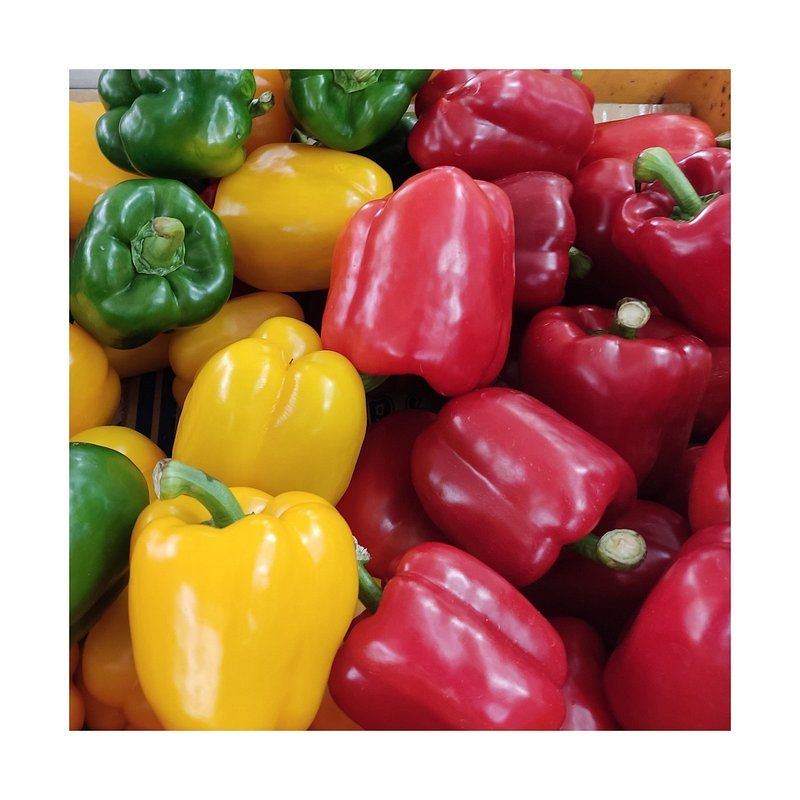
Peppers germinate slowly, so starting early pays off. Use a heat mat to maintain 80 to 85 degrees for sprouting, then provide strong light and slightly cooler temperatures.
Sow 8 to 10 weeks before last frost, keeping the mix evenly moist but never soggy.
Once seedlings have true leaves, pot up and feed lightly with a balanced fertilizer. Peppers love warmth, so wait to transplant until soil temperatures reach about 60 degrees.
Choose sweet bells for stuffing or hot chilies for salsa and sauces.
Harden off carefully to prevent shock and sunscald. With a head start, you will harvest colorful pods weeks earlier.
Expect sturdier plants, stronger yields, and more reliable ripening in short seasons.
Eggplant
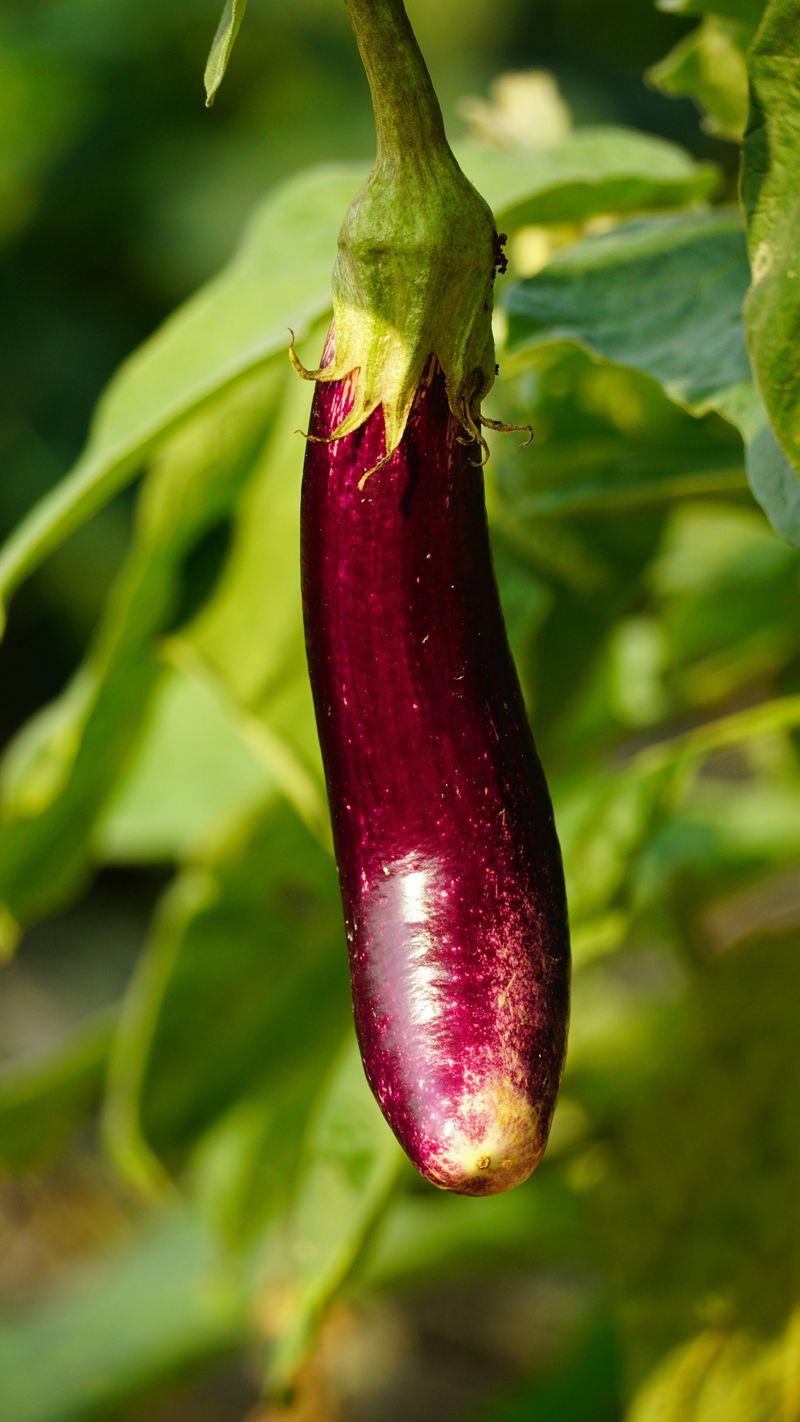
Eggplant thrives with warmth and time, so indoor starting is essential in cool climates. Sow 8 to 10 weeks before your last frost, using bottom heat for steady germination.
Provide bright light, and avoid overwatering to deter damping off.
Transplant to larger pots when roots fill the cells, handling gently to protect delicate stems. Feed moderately, and keep nighttime temperatures from dipping too low.
Select compact varieties for containers or Asian types for fast cooking and prolific harvests.
Harden off slowly and transplant once soil is reliably warm. You will get glossy fruits earlier and avoid sluggish midseason growth.
Grilled slices, smoky dips, and stir fries arrive right on schedule.
Broccoli
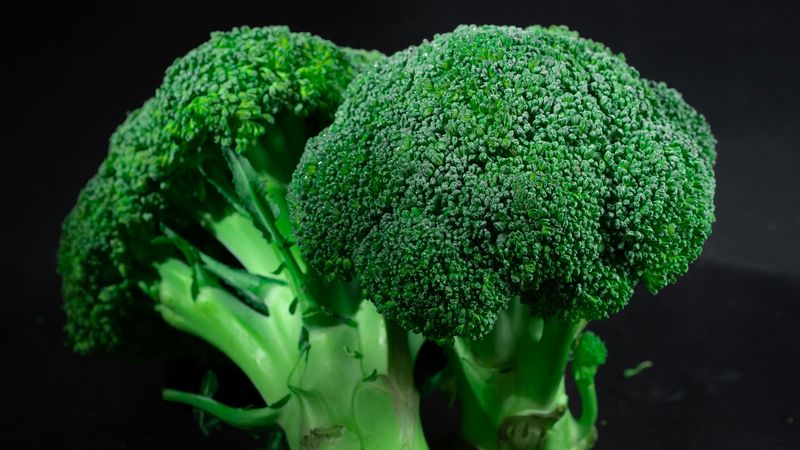
Broccoli appreciates a cool start and consistent light. Sow 6 to 8 weeks before planting out, aiming to transplant 2 to 4 weeks before your last frost.
Keep temperatures around 60 to 70 degrees to avoid legginess and buttoning.
Provide even moisture and a balanced organic feed once true leaves appear. Good airflow prevents disease, and bright light builds strong stems.
Choose early maturing varieties for spring harvests or sprouting types for many tender shoots.
Harden off and move outside while weather is still cool for tight heads. If days warm quickly, use shade cloth to delay bolting.
With an early indoor start, you will cut crisp, sweet crowns before heat arrives.
Cabbage
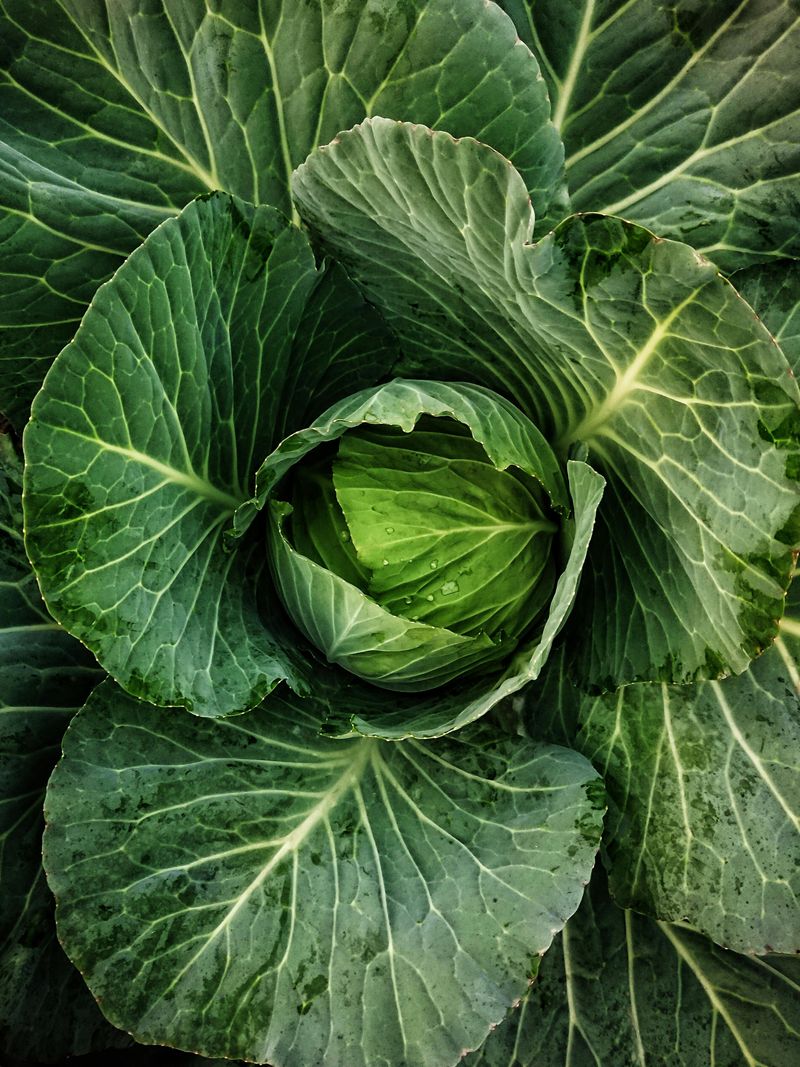
Cabbage transplants best when sturdy and compact. Start seeds 6 to 8 weeks before outdoor planting, then aim to set them out 2 to 3 weeks before last frost.
Keep temperatures on the cooler side and provide bright light to prevent stretching.
Water consistently and feed lightly to build dense, healthy starts. Choose storage types for fall or quick-heading varieties for early slaws.
Space generously in the garden so heads can size up without stress.
Harden off over a week, exposing seedlings to gentle breezes and dappled sun. Row cover protects from flea beetles and helps early growth.
With an indoor jump, you will harvest tight, sweet heads well before summer heat complicates things.
Cauliflower
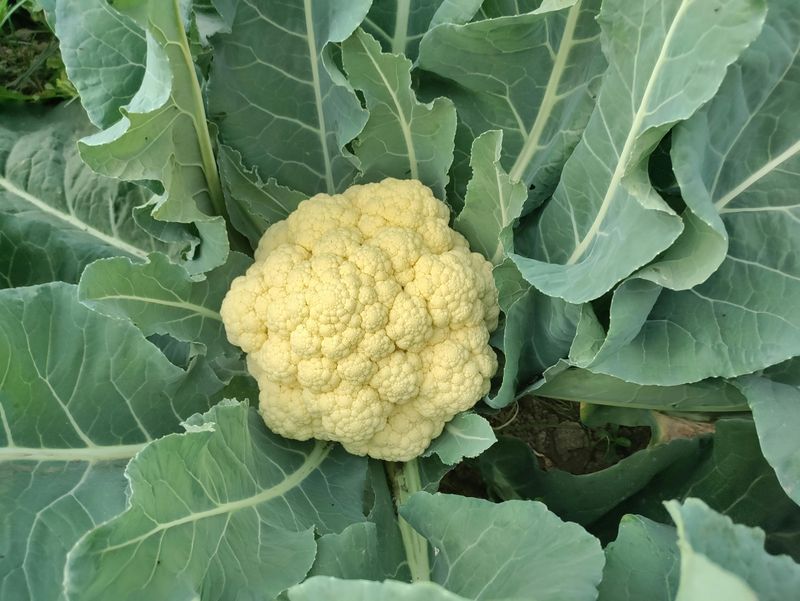
Cauliflower can be fussy, but a timely indoor start smooths the path. Sow 6 to 8 weeks before setting out, targeting cool weather for head formation.
Keep temperatures moderate and light abundant to avoid stretched stems.
Transplant when roots fill cells but before plants become rootbound. Feed lightly and avoid drought stress, which can cause buttoning.
Choose self-blanching varieties for stress reduction or colorful types like purple and cheddar for fun plates.
Harden off carefully, then plant into fertile, evenly moist soil. Consider row cover early to deter pests and steady growth.
With an indoor lead, you will catch the perfect temperature window and cut beautiful curds before heat waves arrive.
Brussels Sprouts
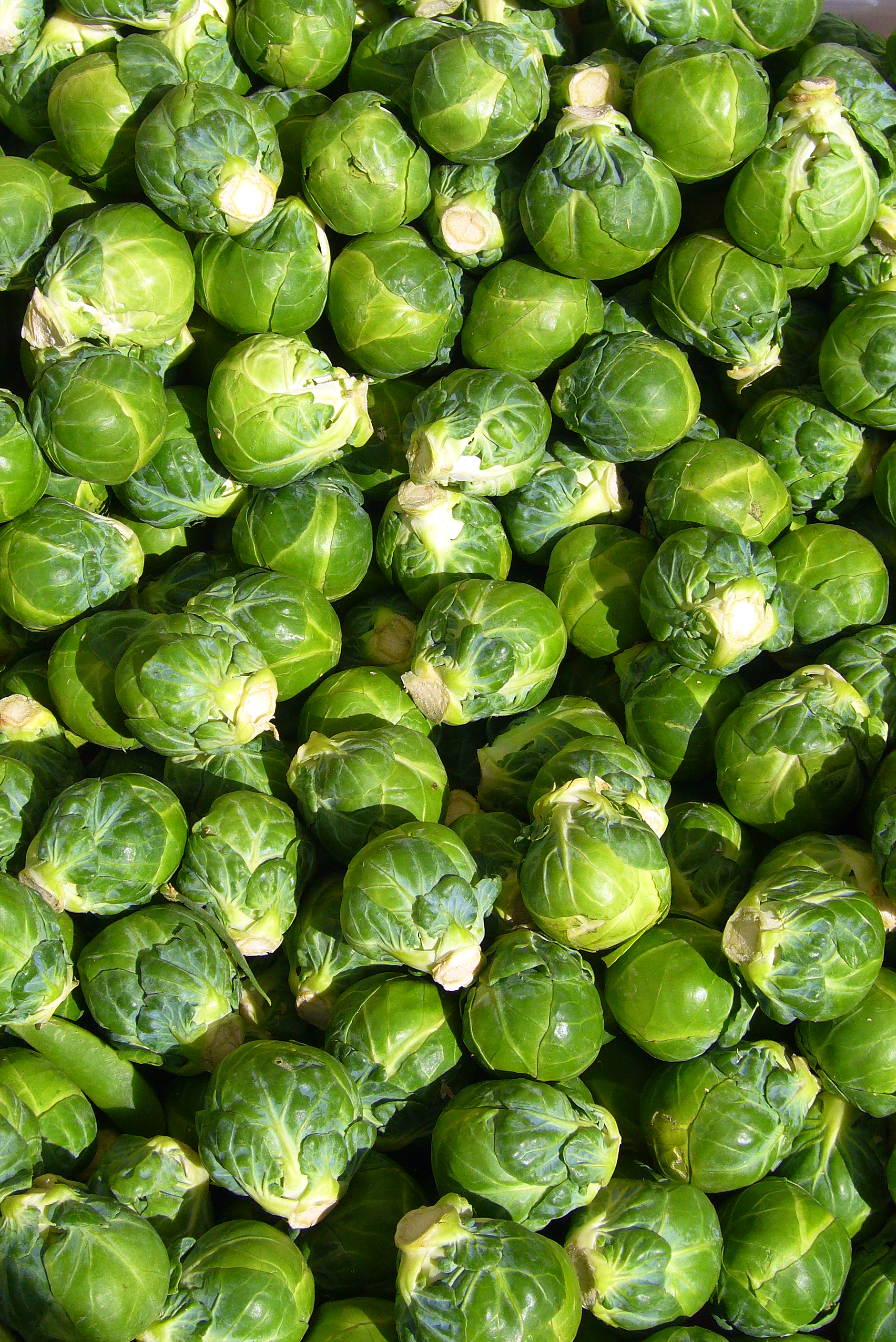
Brussels sprouts need a long season and benefit from an early, cool start. Sow indoors 6 to 8 weeks before planting out, then aim for early spring transplants.
Keep them under bright light and cooler temps to build stocky stems.
Pot up if roots crowd, and feed moderately for steady growth. Choose varieties timed for your first fall frost, since flavor sweetens after a chill.
Stake if windy conditions are common in your garden.
Harden off and space generously outdoors for good air movement. Consistent moisture prevents bitterness and tiny buttons.
With an early indoor schedule, you will enjoy tall, productive stalks loaded with sweet mini cabbages as autumn arrives.
Kale
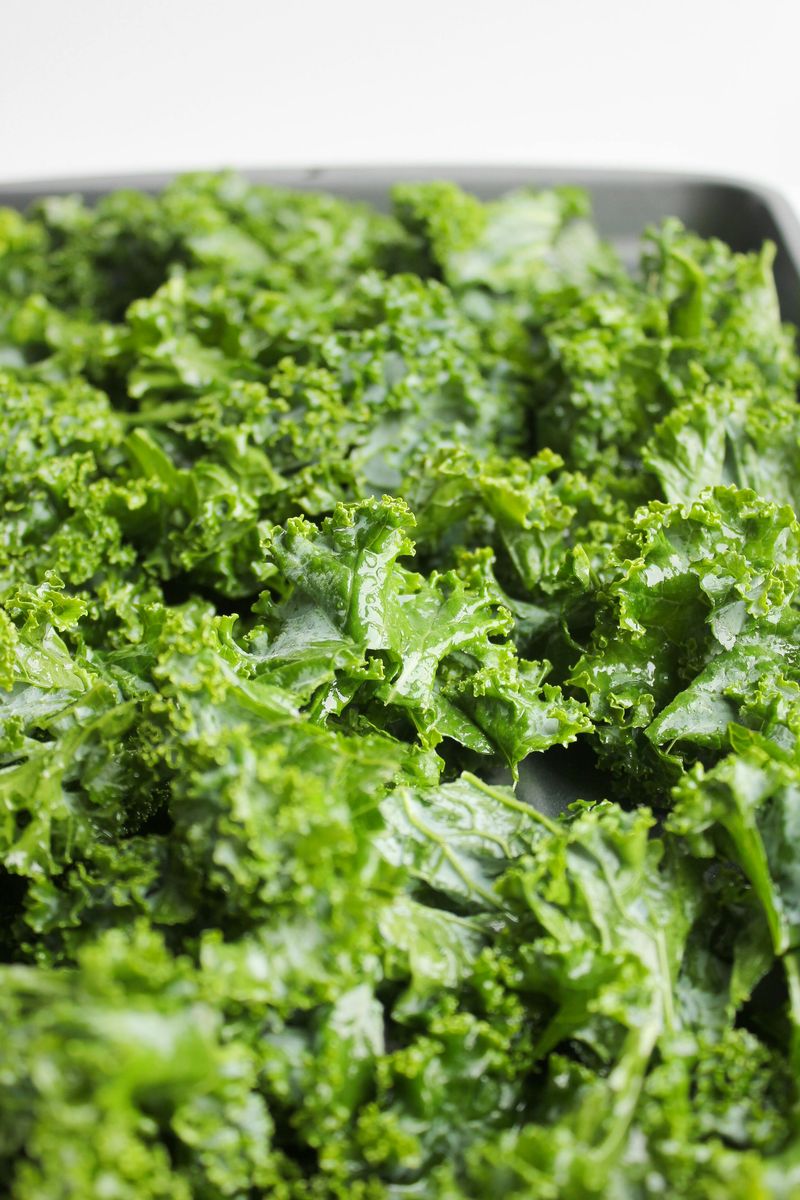
Kale is forgiving and fast, making it ideal for indoor starts. Sow 4 to 6 weeks before planting out, then move seedlings into the garden as soon as soil is workable.
Cool conditions and bright light produce sturdy, flavorful leaves early.
Choose curly, Lacinato, or red varieties for texture and color mixes. Keep moisture even and feed lightly to maintain steady growth.
A small fan encourages stocky stems and reduces disease.
Harden off over several days, then transplant with generous spacing. Row cover can speed growth and block flea beetles.
With a head start, you will pick baby leaves for salads quickly and harvest mature bunches long before summer heat arrives.
Lettuce
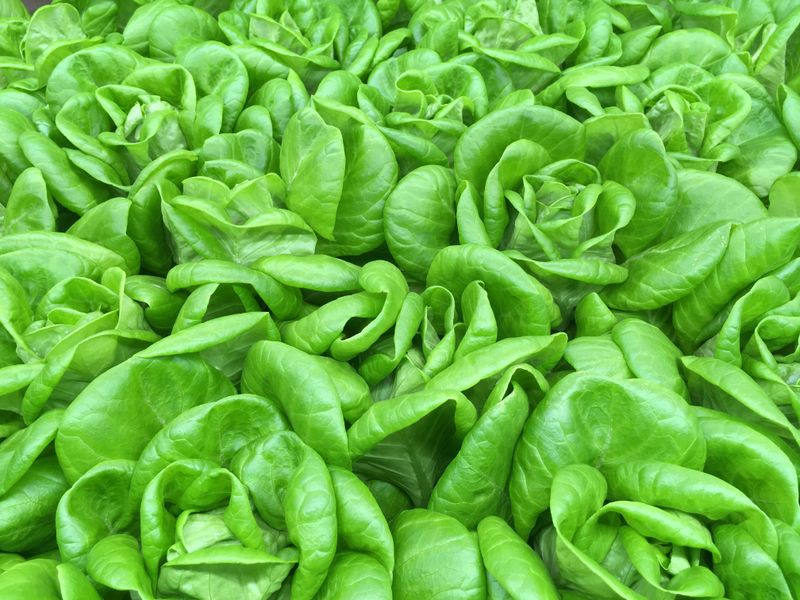
Lettuce loves cool light and consistent moisture. Start seeds 4 to 6 weeks before your last frost, then transplant out early for crisp spring salads.
Keep temperatures around 60 to 70 degrees and give bright light to prevent legginess.
Choose romaine, butterhead, or cut-and-come-again mixes for steady harvests. Bottom water to avoid damping off, and thin seedlings to prevent crowding.
A gentle feeding schedule keeps leaves tender and sweet.
Harden off gradually, then plant with afternoon shade or use row cover if heat spikes. Succession sow every two weeks for a constant bowl of greens.
Indoor starts let you skip the patchy germination outdoors and enjoy perfect heads sooner.
Spinach
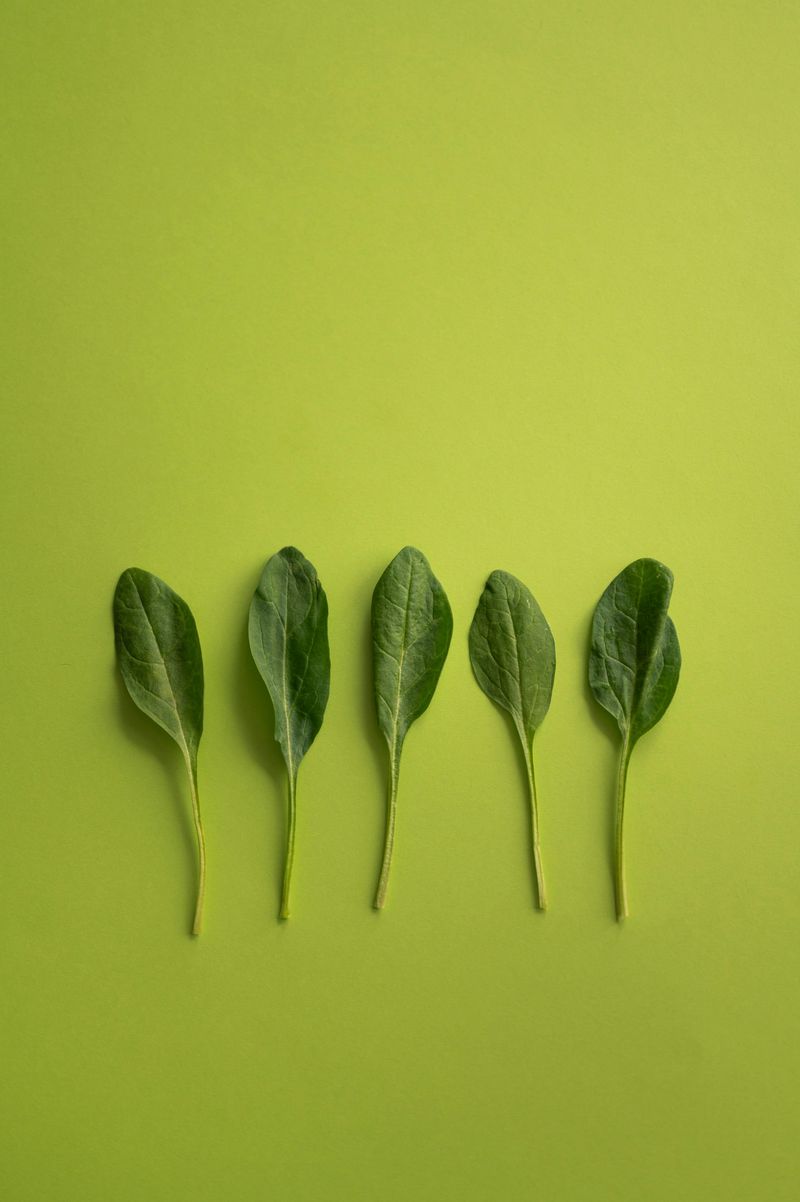
Spinach prefers cooler soil, but an indoor head start helps you beat warm weather. Sow 3 to 5 weeks before transplanting, using deep cells to accommodate strong taproots.
Keep conditions bright and cool to avoid bolting later.
Water consistently and avoid crowding to prevent mildew. Choose bolt resistant varieties for longer harvests as days lengthen.
Transplant carefully, disturbing roots as little as possible.
Harden off quickly and move plants outside while temperatures are mild. Provide light shade if a heat wave appears.
Starting indoors ensures reliable stands and earlier baby leaves for smoothies, omelets, and salads before spring warms up too much.
Swiss Chard
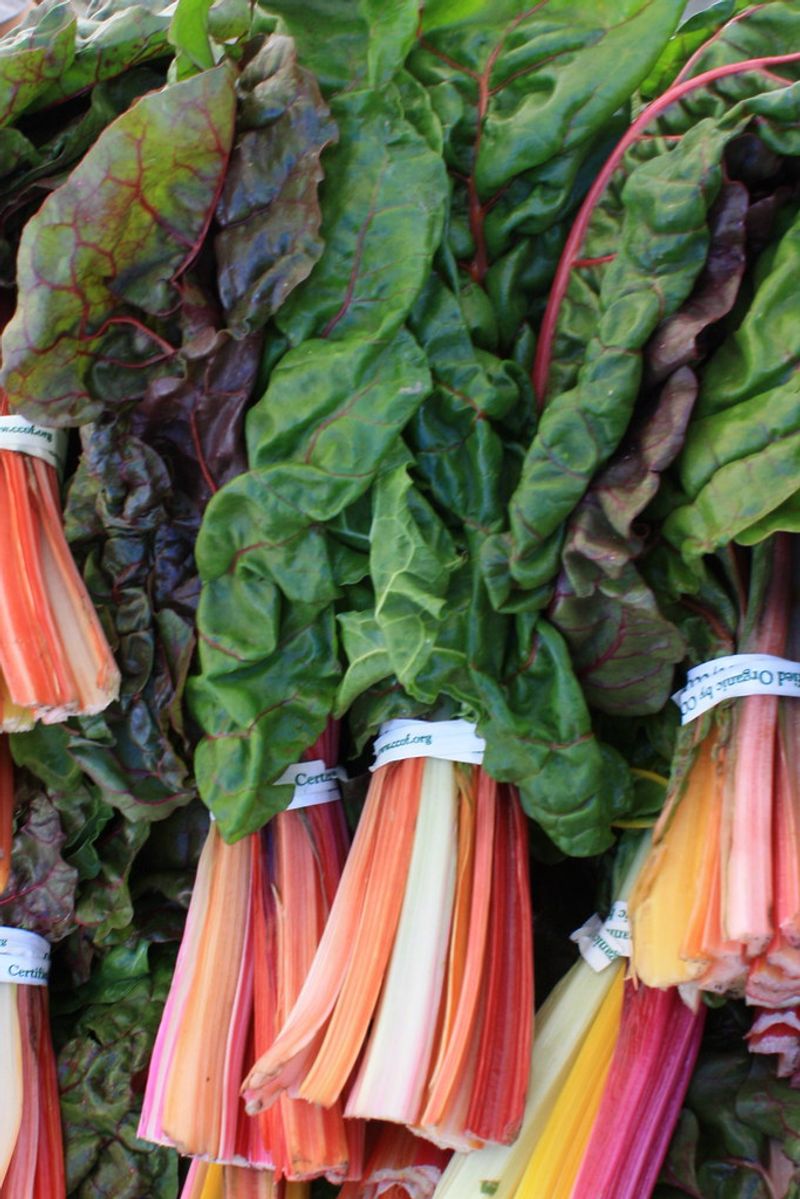
Swiss chard is resilient and gorgeous, making it perfect for early starts. Sow 4 to 6 weeks before last frost, soaking seeds briefly to speed germination.
Provide bright light and moderate temperatures for compact seedlings.
Thin to one plant per cell, and feed lightly to maintain color and vigor. Rainbow mixes offer stunning stems that brighten both beds and plates.
Chard handles cool weather but appreciates steady moisture and fertile soil.
Harden off and set out as soon as the ground can be worked. Harvest baby leaves early, then let plants mature for generous bunches all season.
Indoor starts give you robust, colorful transplants ready to anchor spring gardens.
Onions (Bulb)
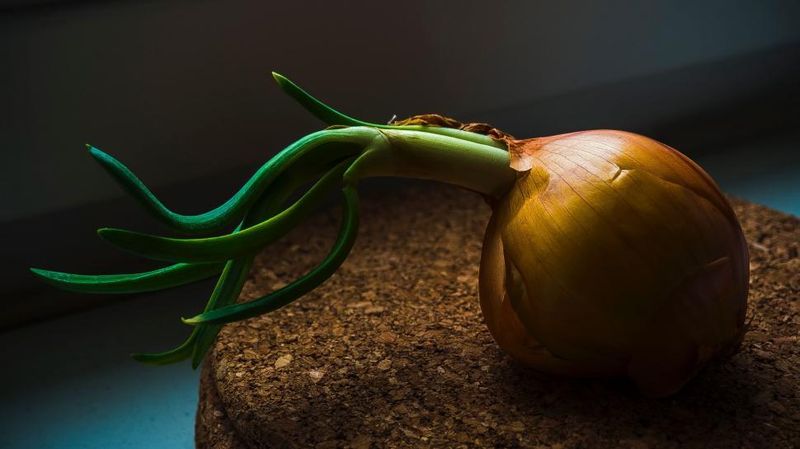
Starting onions from seed gives better storage and variety options than sets. Sow 8 to 10 weeks before planting out, trimming tops periodically to keep them stout.
Keep light strong and temperatures cool to moderate.
Choose long day, intermediate, or short day types based on your latitude. Bottom water and avoid letting roots dry completely.
When pencil thick, harden off and transplant into fertile, well drained soil.
Space appropriately for large bulbs and mulch to preserve moisture. With an indoor start, you will enjoy uniform stands and excellent keeping quality.
Sweet slicers, pungent storage types, and colorful reds can all begin under your lights today.
Leeks
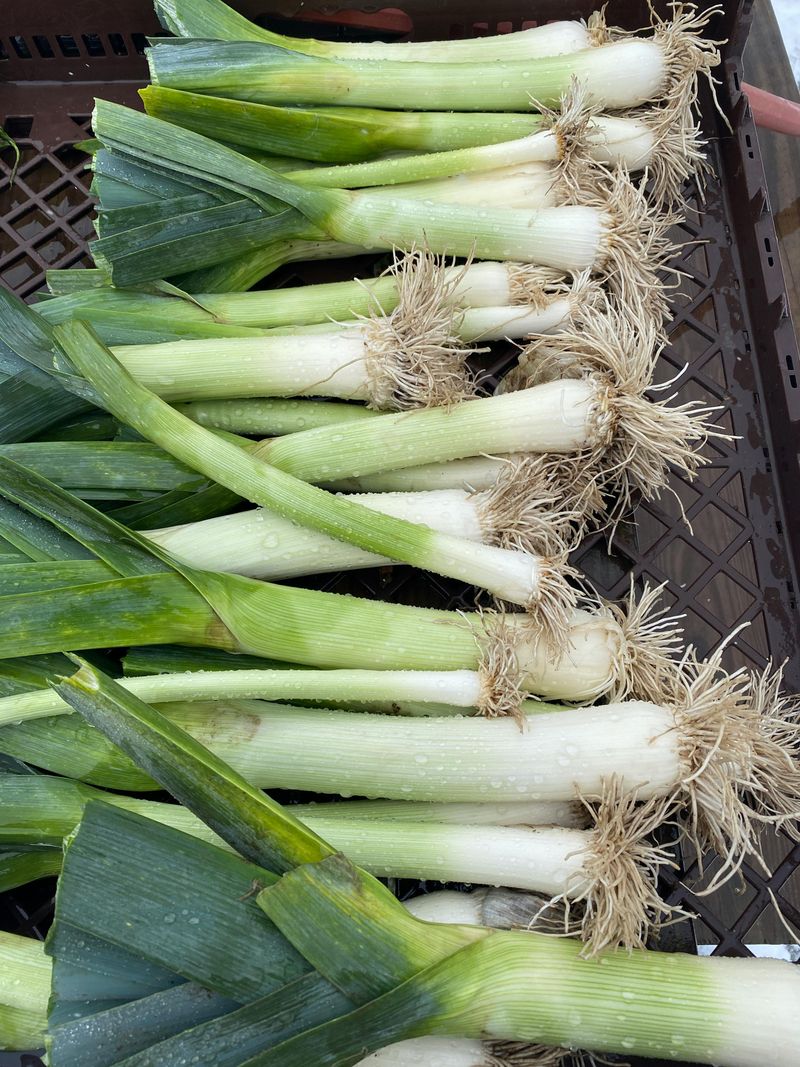
Leeks love a long runway, making indoor sowing smart. Start 8 to 10 weeks before transplanting, using deep containers or soil blocks.
Keep light bright and temperatures moderate for sturdy, pencil thick seedlings.
Trim tops periodically to encourage thicker shanks and easier handling. Harden off and transplant into trenches, gradually hilling soil to blanch the stems.
Choose hardy varieties if your season is short or winters are cool.
Consistent moisture and fertile soil produce tender, flavorful leeks. With an indoor head start, you will beat summer heat and extend the harvest window.
Soups, gratins, and roasts become richer when you grow your own from seed.
Celery
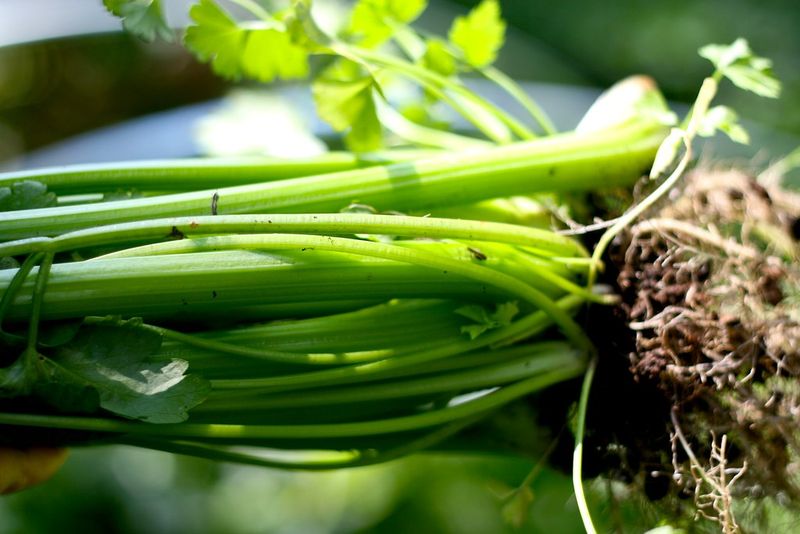
Celery seeds are tiny and slow, so patience and early sowing help. Start 10 to 12 weeks before last frost, pressing seeds onto the surface because they need light to germinate.
Maintain gentle bottom warmth and consistent moisture under a dome.
Once sprouted, give bright light and careful watering to avoid damping off. Prick out into cells when manageable, feeding lightly for steady growth.
Celery likes cool weather and constant moisture to prevent bitterness.
Harden off well and transplant into fertile, moisture retentive soil. Mulch heavily to keep roots cool.
With an early indoor start, you can grow crisp, fragrant stalks for soups, snacks, and crunchy salads without resorting to pricey store bunches.
Basil
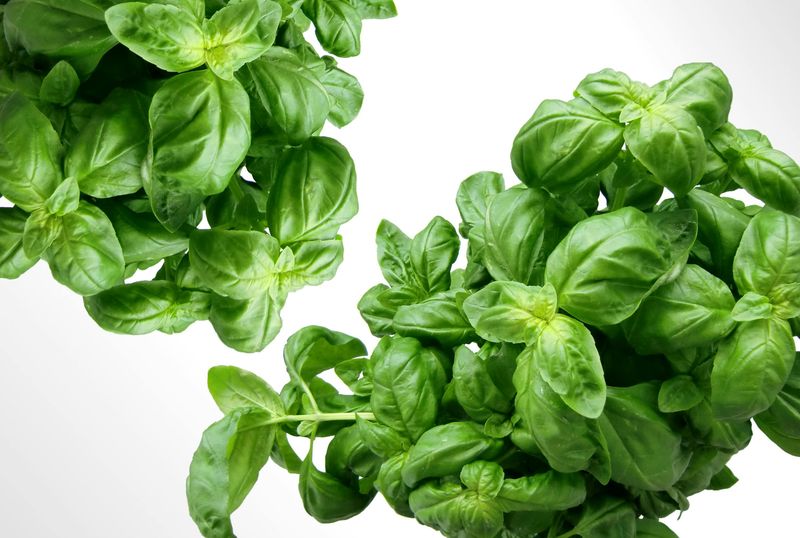
Basil grows fast indoors and loves warmth, making it perfect for an early start. Sow 4 to 6 weeks before last frost and keep temperatures above 70 degrees.
Provide bright light and pinch tips to encourage bushy growth.
Transplant outdoors only after nights are reliably warm. Choose Genovese for pesto, Thai for aromatic dishes, or purple types for dramatic salads.
Keep soil lightly moist and feed modestly to maintain lush leaves.
Harvest often to prevent flowering and to fuel more growth. With seedlings ready to go, you will have pesto on repeat the moment summer hits.
Fragrant windowsills now become fragrant garden borders later.
Parsley
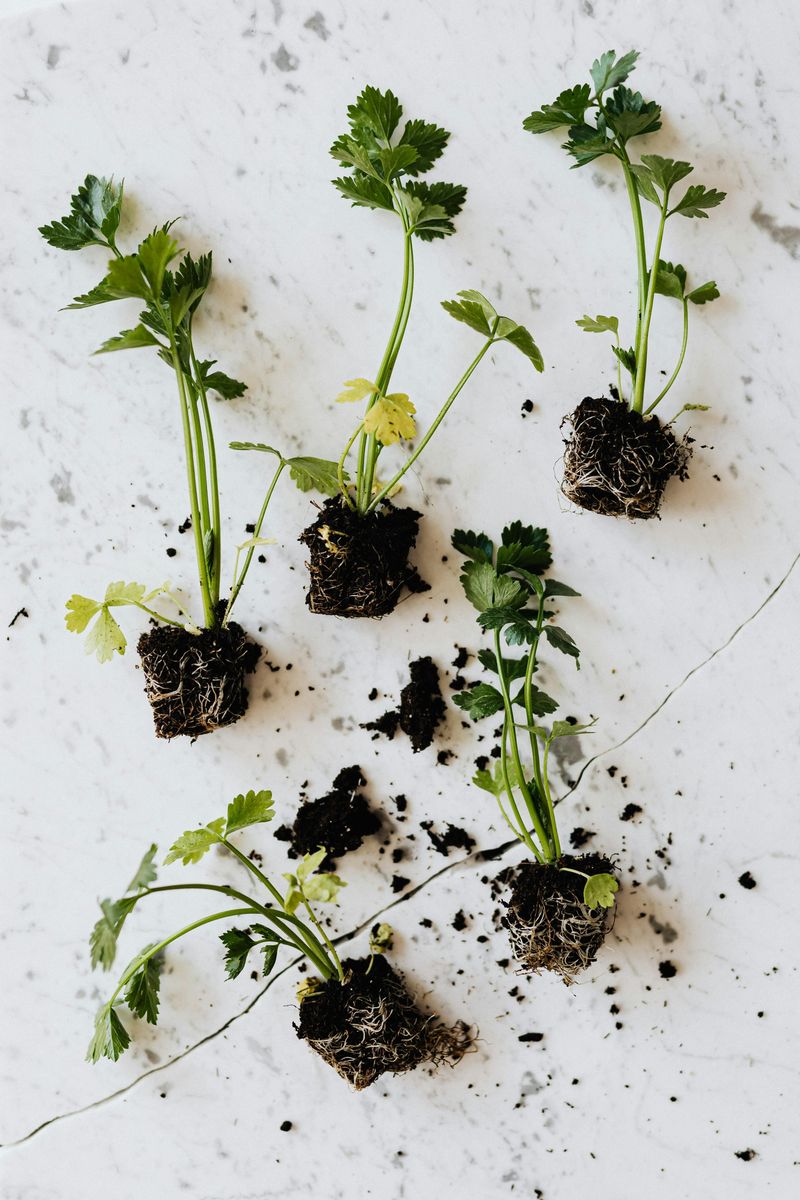
Parsley germinates slowly but rewards patience with robust plants. Soak seeds overnight, then sow 8 to 10 weeks before last frost.
Provide steady moisture and bright light to build compact, flavorful starts.
Choose flat leaf for cooking or curly for garnish and texture. Thin to one strong seedling per cell, and feed lightly once true leaves appear.
Parsley tolerates cool weather and can be planted out early.
Harden off and tuck seedlings along bed edges for easy snipping. With an indoor start, you will have a reliable supply that resists bolting better than quick direct sows.
Sauces, salads, and chimichurri will taste noticeably fresher.
Thyme
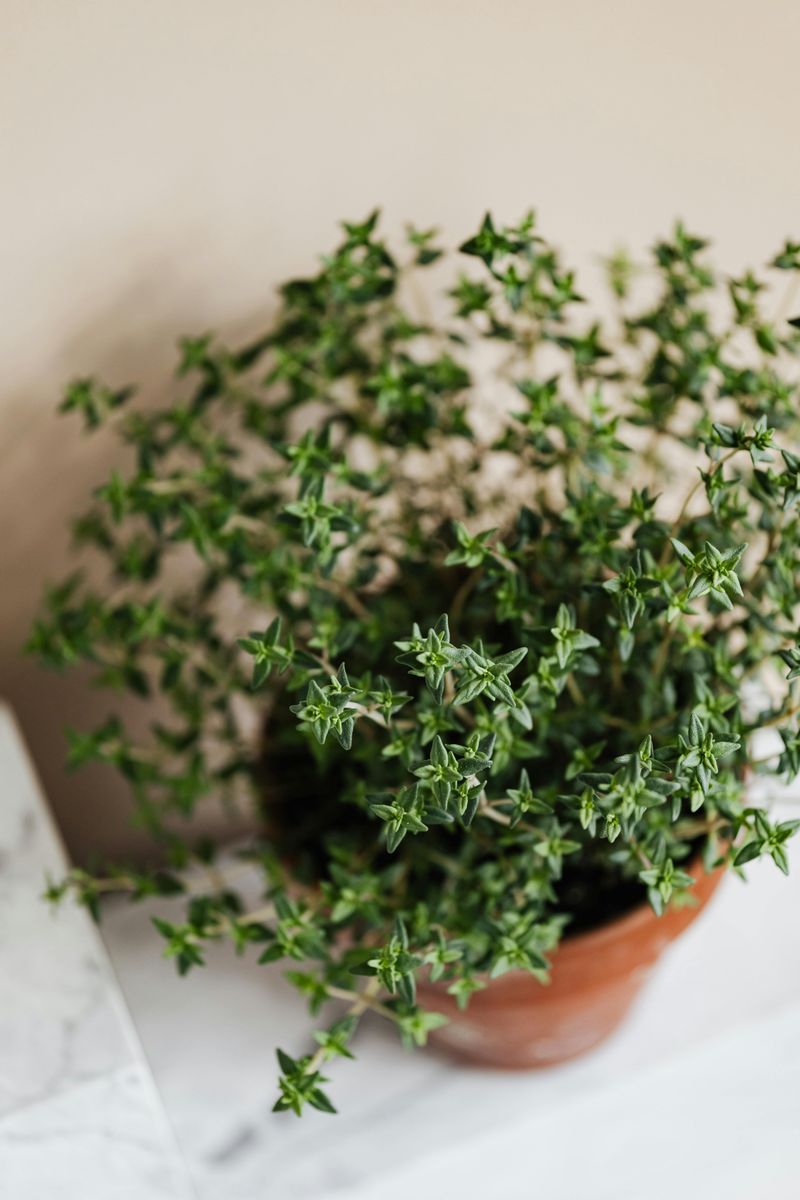
Thyme is tiny seeded and slow, so indoor starting helps build dense mats of flavor. Sow on the surface 8 to 10 weeks before last frost, pressing gently since light aids germination.
Keep humidity moderate and light bright for compact growth.
Once seedlings clump, tease small plugs into individual cells or small pots. Avoid overwatering and provide excellent airflow to prevent damping off.
Choose lemon thyme for citrus notes or common thyme for classic savory dishes.
Harden off and transplant to well drained spots or containers. With an early start, you will have fragrant sprigs ready to clip right as grilling season begins.
Small effort now delivers big flavor later.
Oregano
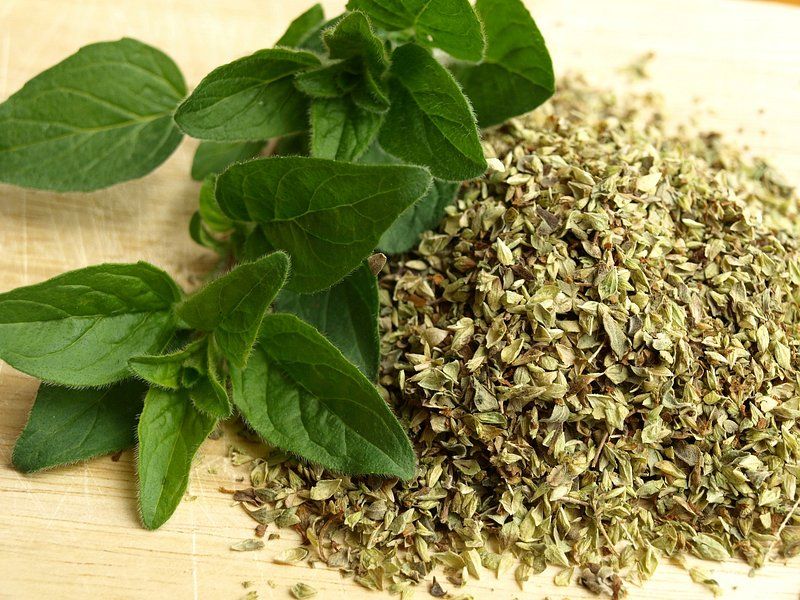
Oregano seeds are tiny and prefer light to germinate, so surface sow 8 to 10 weeks before last frost. Maintain gentle moisture and bright light to keep seedlings compact.
Thin gradually to avoid disturbing delicate roots.
Transplant small clumps into individual pots once growth quickens. Keep on the dry side between waterings for the best flavor concentration.
Greek oregano offers bold punch, while Italian types are mellower for sauces.
Harden off and move outside when nights warm. With indoor starts, you will have lush herbs to top pizzas and dressings right away.
The earlier you begin, the sooner your kitchen smells like summer markets.
Marigolds
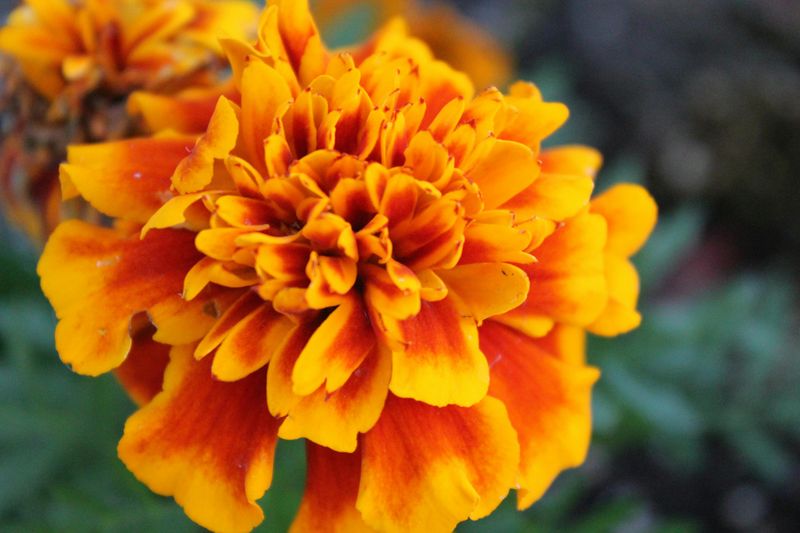
Marigolds are cheerful, fast, and great companions for vegetables. Start 4 to 6 weeks before last frost to have blooming transplants by early summer.
Provide bright light and moderate warmth for stout seedlings.
Thin to one plant per cell and pinch lightly to encourage branching. French types are compact for borders, while taller African marigolds make bold statements.
Their scent helps confuse pests among tomatoes and peppers.
Harden off and space generously so airflow remains good. Plant along bed edges and pathways for color and function.
Starting indoors ensures a carpet of flowers ready to roll as soon as soil warms.
Zinnias
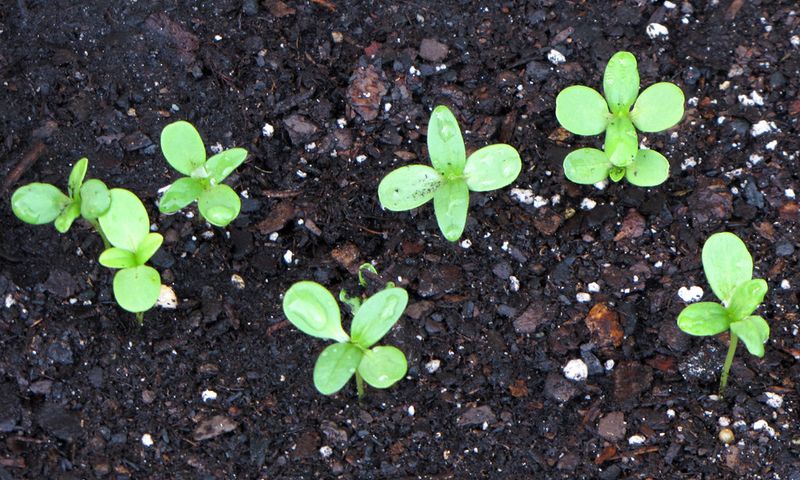
Zinnias thrive when they get a slight head start, but they dislike root disturbance. Sow 3 to 4 weeks before last frost in biodegradable pots for easy transplanting.
Provide strong light and avoid overwatering to prevent damping off.
Pinch once to encourage branching and more blooms. Choose cactus, dahlia, or profusion types depending on your style and space.
These cut flower workhorses will reward you with continuous color and frequent bouquets.
Harden off and plant after frost danger passes. Space well and harvest stems often to keep blooms coming.
Indoor starts mean earlier color and healthier plants that skip the cold snap drama.
Cosmos
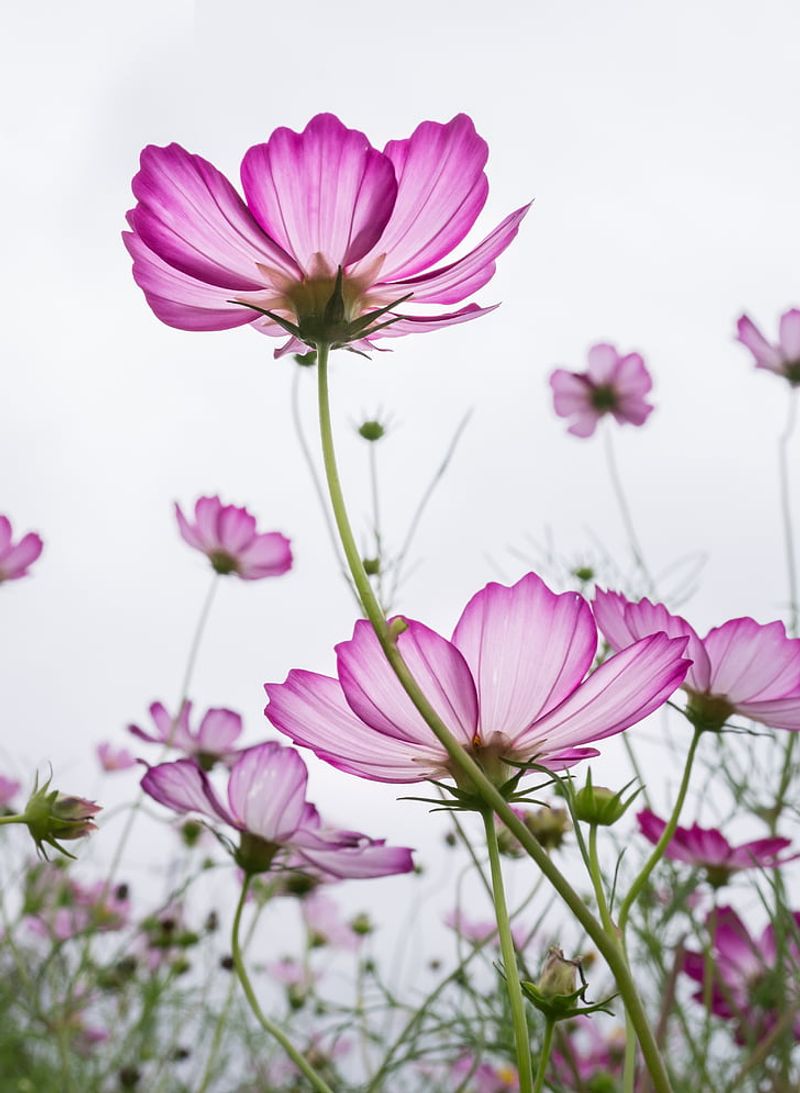
Cosmos are easygoing and generous bloomers, perfect for an indoor nudge. Start 4 weeks before last frost and provide bright light for compact growth.
Avoid rich soil and heavy feeding, which can reduce flowering.
Pinch young plants to encourage branching and more blossoms. Choose tall varieties for airy backdrops or shorter types for containers and borders.
Their feathery foliage pairs beautifully with vegetables and herbs.
Harden off and transplant after frost has truly passed. Cut flowers frequently to keep the show rolling.
With an early start, you will have pollinator friendly color swaying in the breeze just as spring settles in.
Calendula
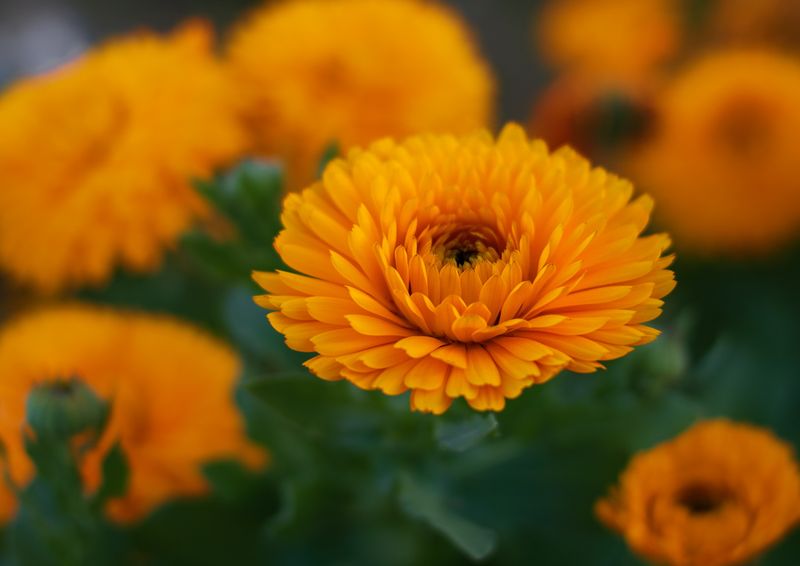
Calendula handles cool weather and rewards early sowing with long blooms. Start 4 to 6 weeks before last frost and keep conditions bright but slightly cool.
The seeds are easy to handle, making them great for beginners.
Transplant once roots fill cells, and do not overfeed. Petals are edible, adding color to salads and bakes.
Plants also serve as trap crops, drawing aphids away from tender veggies.
Harden off and tuck around beds to attract beneficial insects. Deadhead often for an endless display.
With an indoor start, you will have sunny, resilient flowers brightening your garden from the first warm days.
Petunias
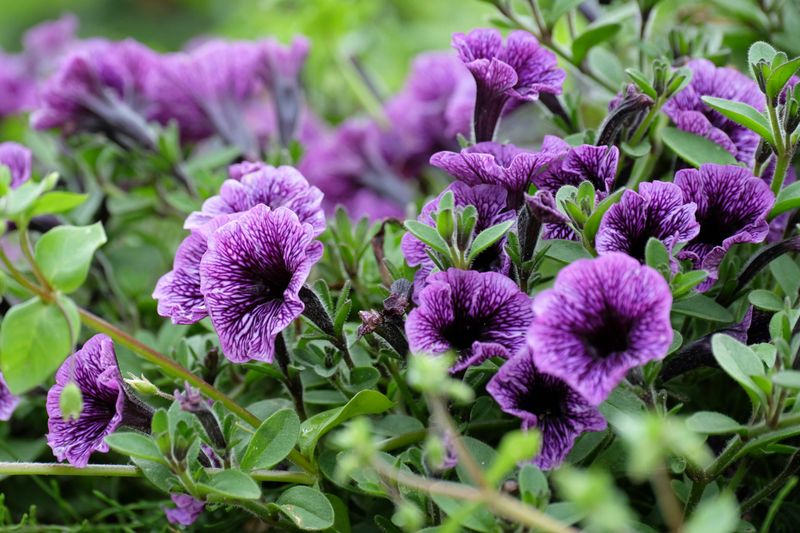
Petunias are tiny seeded and benefit from steady indoor care. Surface sow 10 to 12 weeks before last frost, since many varieties need light to germinate.
Maintain gentle moisture and use strong lighting to prevent stretching.
Thin carefully and transplant into small pots once growth steadies. Feed lightly to encourage branching and more flowers.
Wave types spill beautifully from baskets, while grandifloras offer big, dramatic blooms.
Harden off and set out after frost danger passes. With an early start, you will have full, cascading color right as patio season begins.
Your containers and borders will look designer made on a DIY budget.