
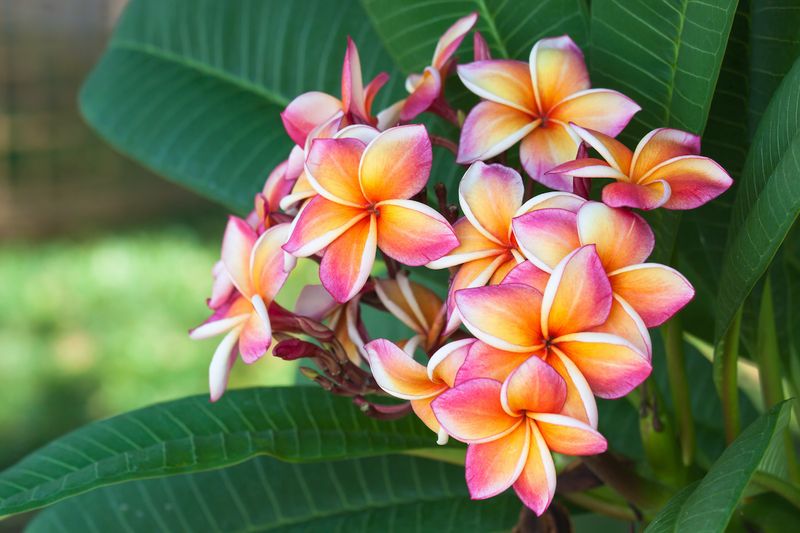
California plumeria owners spend all summer enjoying those waxy, fragrant blooms, but the decisions made in fall often determine whether the plant comes back strong or struggles through winter. The tricky part is knowing when to change your care routine, because acting too early or too late can both cause problems.
Getting the timing right comes down to watching the plant itself, not the calendar.
Dormancy, Not the Calendar, Tells You When to Change Course
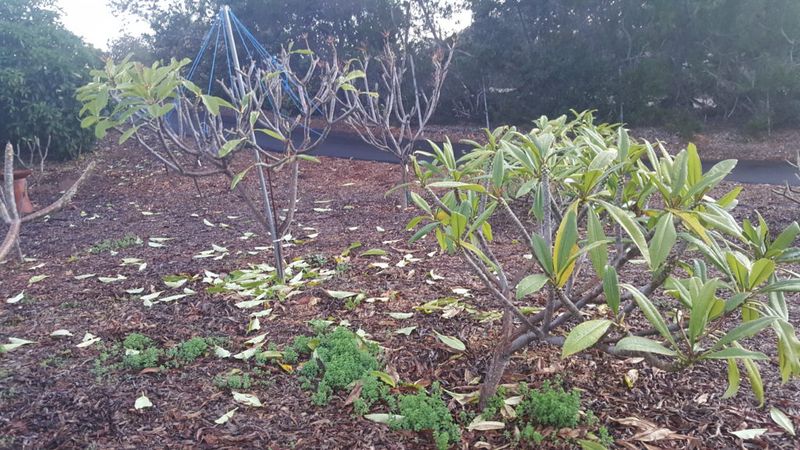
Autumn in California can feel deceptively mild, especially along the coast, where September and October still bring warm afternoons and little rain. That mild stretch tempts many plumeria owners to keep summer routines running well past their usefulness.
The shift your plant needs has less to do with a date on the calendar and more to do with what the plant itself is telling you.
Shortening days and declining light are among the primary signals that push many plumeria types toward seasonal dormancy. Research on Plumeria rubra published in New Phytologist found that declining insolation – the amount of sunlight reaching the plant – is closely associated with leaf shedding, and that irrigation alone does not break dormancy once the plant has entered that resting state.
Temperature matters too, but cooler nights are better understood as a warning to start preparing rather than a precise on/off switch for dormancy.
The observable cues worth watching include growth that has clearly slowed or stopped, leaves beginning to yellow at the tips or along the margins, and the absence of any new shoots or buds pushing from branch tips. For deciduous Plumeria rubra types, leaf drop will eventually follow.
UC Master Gardeners advise stopping water during winter dormancy and resuming only when spring growth appears, which means the watering change should follow confirmed dormancy, not the first chilly forecast.
Cooler nights are a useful heads-up to start paying close attention and get supplies ready. They are not, by themselves, authorization to shut off water to a plant that is still leafy and actively growing.
A plumeria in a hot inland valley microclimate may still be pushing growth well into October, while one on a shaded Northern California patio may show dormancy signs weeks earlier. Let the plant, not the weather report alone, make the call.
Leaf Drop Does Not Mean Every Plumeria Is Dormant
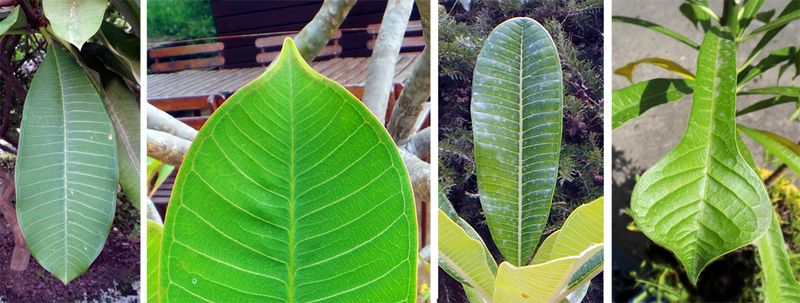
Bare branches on a plumeria can send a new owner into a panic, but leaf loss in many plumeria types is a completely normal part of the seasonal cycle. The key is knowing which type you have, because the right care response depends entirely on that distinction.
Most Plumeria rubra varieties are deciduous, meaning they shed their leaves as part of a natural dormancy period tied to shorter days and cooler temperatures. University of Wisconsin Extension notes that Plumeria obtusa, Plumeria pudica, and some hybrid types are evergreen or semi-evergreen, retaining foliage and continuing at least limited growth even through cooler months.
Treating an evergreen plumeria exactly like a leafless, dormant rubra – especially by cutting off all water and storing it in a dark spot – can do real harm to a plant that is still functioning.
For deciduous types, bare stems are not a crisis. UF/IFAS Gardening Solutions points out that dormant plumeria stems can remain green and continue limited photosynthesis even after leaves have fallen, so a bare plant is not a dead plant.
Firmness and green color in the stems are reassuring signs. Soft, mushy, or blackened stem tissue is the actual warning worth investigating.
The practical takeaway: judge watering by the plant’s activity and the condition of the soil, not by whether leaves are present or absent. A leafless rubra that has clearly entered dormancy calls for a different response than an evergreen obtusa that is simply growing more slowly.
Know your variety, check the stems, and let the plant’s behavior guide the decision rather than assuming that bare branches automatically mean the same thing for every plumeria in every California yard.
The Key Fall Move Is Stopping Routine Irrigation at Dormancy
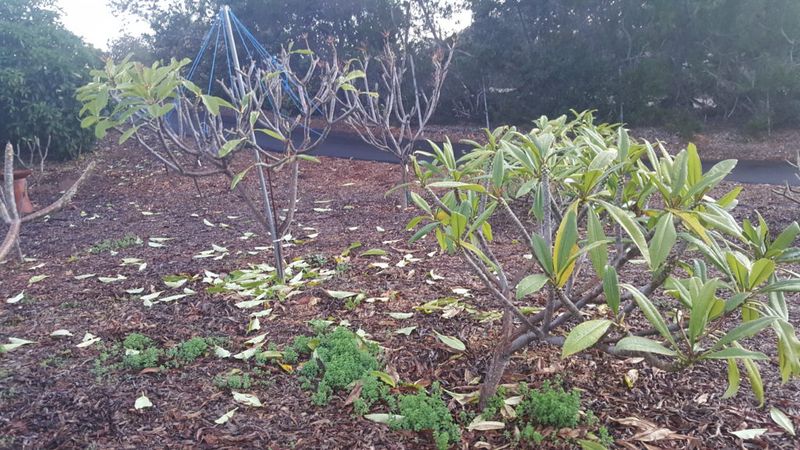
Here is the fall step that deserves the most attention: once a deciduous plumeria has clearly entered dormancy and dropped its leaves, stop routine irrigation. That single adjustment protects the root zone from the rot risk that cool, wet, inactive soil creates.
Roots that are sitting in moist ground with no active plant drawing up water are far more vulnerable to fungal problems than roots in a fast-draining, relatively dry mix.
UC Master Gardeners specifically advise stopping water during winter dormancy and resuming only when spring growth appears. That guidance applies to a plant that has actually gone dormant, not to one that is still leafy and actively growing.
While your plumeria is still putting out leaves and showing signs of active growth, continue deep, thorough watering and allow the soil to dry somewhat between sessions. Cutting water prematurely on a still-active plant stresses it unnecessarily, particularly in hot inland California climates where fall can stay warm for weeks.
Withholding routine irrigation after dormancy begins is not the same as intentionally dehydrating the plant. If a stored or sheltered plant shows unexpected active growth during winter, or if the soil becomes completely desiccated and the stems begin to wrinkle, a modest amount of water is appropriate.
The goal is avoiding accumulated moisture around inactive roots, not creating a drought emergency inside a pot.
Missouri Botanical Garden warns that wet conditions can cause root rot and emphasizes that plumeria must be grown in well-drained soil or a fast-draining container mix year-round. That need for drainage becomes especially critical during winter when California’s rainy season can deliver repeated moisture to a pot that the plant has no ability to use.
A container sitting outside in regular rain, with a dormant root system and no drainage protection, is exactly the scenario this fall move is designed to prevent.
Containers Need Shelter From Repeated Winter Rain
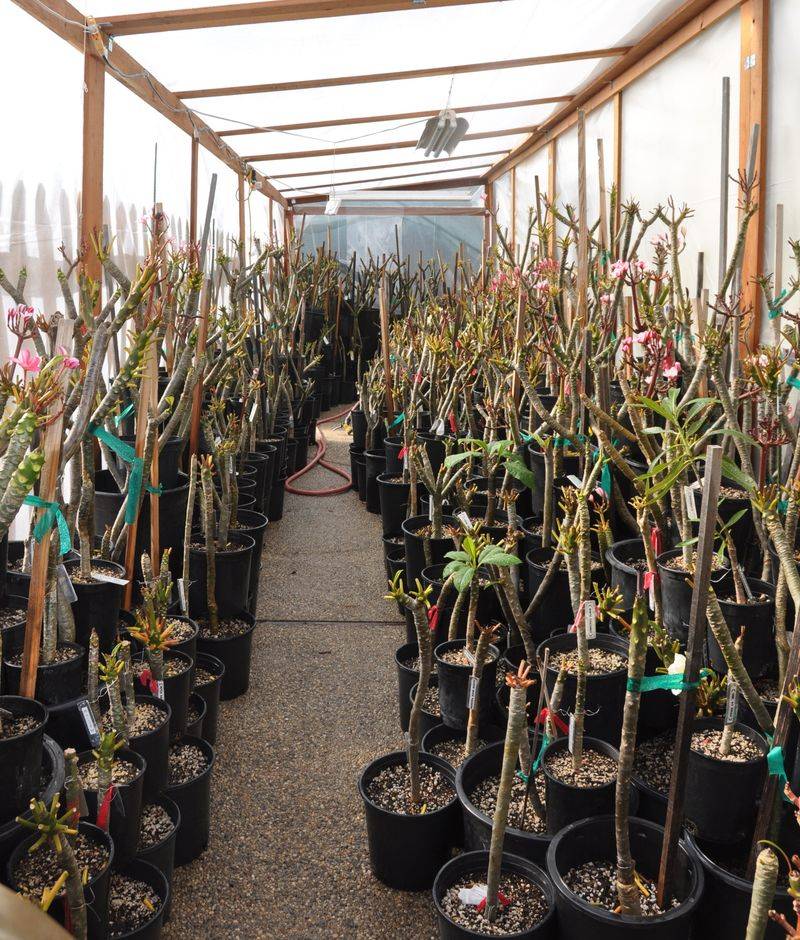
Moving a potted plumeria under a covered patio, an overhang, or into a garage during California’s rainy season is one of the most concrete actions a container grower can take. The goal is not necessarily to bring the plant indoors for the entire winter, but to block repeated rainfall from saturating a pot whose dormant roots cannot process that moisture.
Even a well-draining mix can become waterlogged if rain keeps hitting it week after week with no plant actively drinking.
Southern California Plumeria Society winter care guidance identifies excess water around dormant roots as a recurring problem during the rainy season. Their advice aligns with the broader principle: shelter the pot, keep drainage holes open and unobstructed, and never leave the container sitting in a saucer of standing water.
Elevating the pot on pot feet is an easy step that keeps the drainage hole clear and prevents the bottom of the container from wicking moisture back up into the mix.
Containers cool faster than in-ground soil during cold snaps, which makes them doubly vulnerable. The root zone inside a pot can drop to damaging temperatures much more quickly than roots insulated by surrounding earth.
Missouri Botanical Garden recommends keeping container plumerias in a spot where they receive good drainage and are not exposed to standing water, reinforcing that both moisture and cold are compounding threats for a potted plant.
For plumerias growing in the ground, the approach shifts. In-ground roots benefit from the thermal mass of surrounding soil, which buffers temperature swings better than a pot wall does.
The priority for in-ground plants is ensuring the planting site has genuinely good drainage, no tendency to collect standing water after rain, and soil that drains freely rather than sitting wet for days. Amending heavy clay soil or choosing a raised or sloped planting spot helps considerably.
Covering the root zone of an in-ground plant is generally not necessary; focusing on the soil’s natural drainage capacity and the site’s exposure to rain and runoff is the more useful approach.
Cold Protection Starts Before Frost, Not After Damage
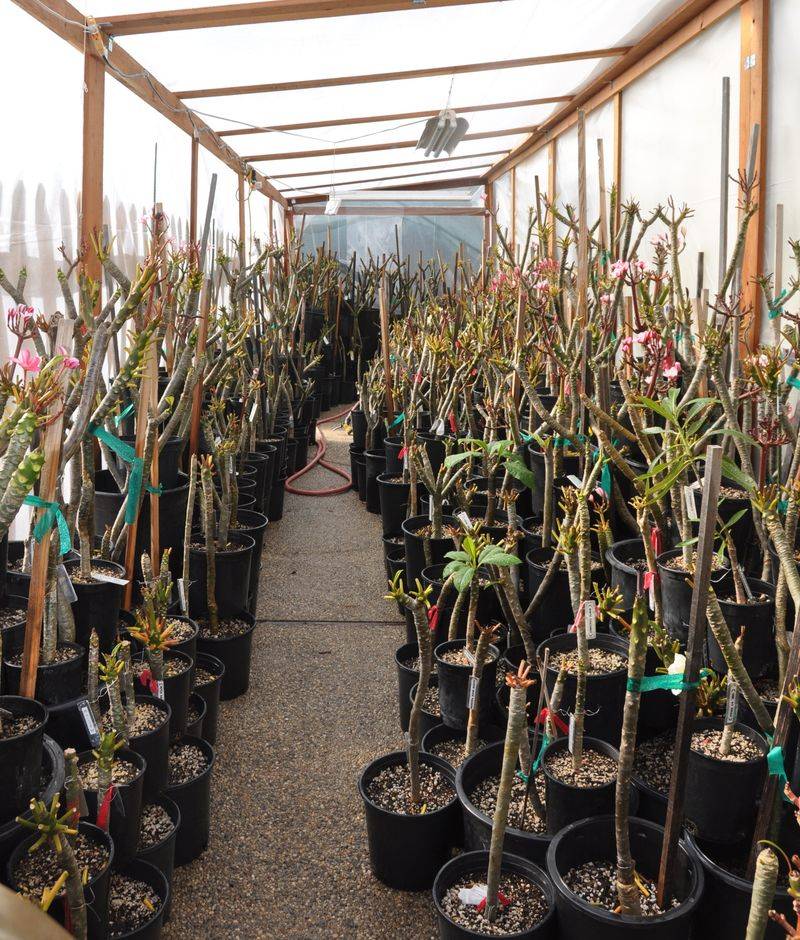
California’s microclimates create genuinely different frost risks within short distances of each other. A plumeria on a San Diego coastal patio may never face a hard freeze, while one in a Sacramento foothill yard or a high-desert inland valley can see nights that dip well below freezing.
Protecting your plant effectively means knowing which situation you are actually in, not applying a one-size rule built for a different climate zone.
Missouri Botanical Garden recommends moving container plumerias indoors when night temperatures fall below 40 degrees Fahrenheit and returning them outside only after frost danger has passed and nighttime temperatures consistently stay above 50 degrees. These are conservative protective thresholds for container growing, not biological absolutes.
Established plants in sheltered locations, with good acclimation and dry roots, may tolerate slightly lower readings without damage, while a wet-rooted plant in an exposed spot can suffer at higher temperatures.
UF/IFAS cold protection guidance notes that gradual cooling generally causes less injury than a sudden cold drop, and that container roots are especially vulnerable because they lack the insulating buffer of surrounding ground. That means a plant that has been slowly acclimating to cooler nights handles a cold snap better than one moved abruptly from a warm spot into freezing air.
When frost is forecast, frost cloth draped over the plant and secured to the ground provides meaningful protection by trapping ground heat. The cloth should reach all the way to the soil surface rather than stopping at the canopy.
Avoid improvised overhead sprinkler use as a freeze-protection method: UC IPM and other sources note that intermittent or poorly timed irrigation during a freeze can worsen damage, saturate soil, and add weight stress, rather than protecting the plant. Sheltering a container plant indoors or under a covered structure before the freeze arrives is a far simpler and more reliable approach for most California homeowners.
Finish the Fall Check Before You Cover or Store the Plant
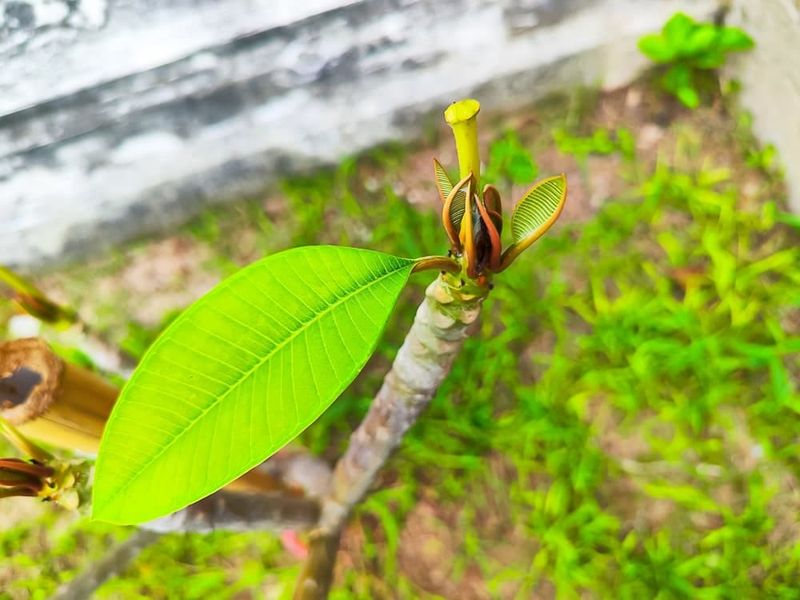
Before covering a plumeria for a frost night or moving a container plant to its winter spot, run through a short checklist. These tasks take less time than undoing the problems they prevent, and skipping them can turn a well-protected dormant plant into a pest-infested or diseased one by spring.
Stop fertilizing as soon as growth clearly slows. Missouri Botanical Garden recommends discontinuing fertilizer in late summer so that any new growth has time to harden before cold arrives.
Feeding a plant heading into dormancy pushes soft, vulnerable growth that cold air can damage easily. Heavy fall pruning carries similar risks, so hold off on any major cutting; if you do need to handle stems or remove damaged tissue, wear gloves because plumeria sap contains compounds that can irritate skin and eyes.
Inspect the plant carefully for sixspotted spider mites before bringing it indoors or placing it under a cover. UC IPM recommends checking for mites and treating any active infestation before the plant moves inside.
Warning signs include fine webbing between leaves or along stems, bronzing or stippling on leaf surfaces, and distorted or dropping leaves that are not explained by normal dormancy. A mite problem that goes indoors with the plant will thrive in warm, dry interior conditions and be much harder to manage by February.
If plumeria rust was present during the growing season, remove and dispose of fallen leaves rather than leaving them around the base of the plant. UF/IFAS Gardening Solutions recommends removing dead leaves in fall to reduce disease carryover, and UC Master Gardeners note that rust spores can spread through splashing rain or irrigation.
Finally, take a moment to look at the stems themselves. University of Wisconsin Extension confirms that green, leafless stems can remain alive and continue limited photosynthesis through dormancy.
A firm, green stem on a bare plant is a healthy plant resting, not a plant in trouble.
Spring Growth Is the Restart Signal
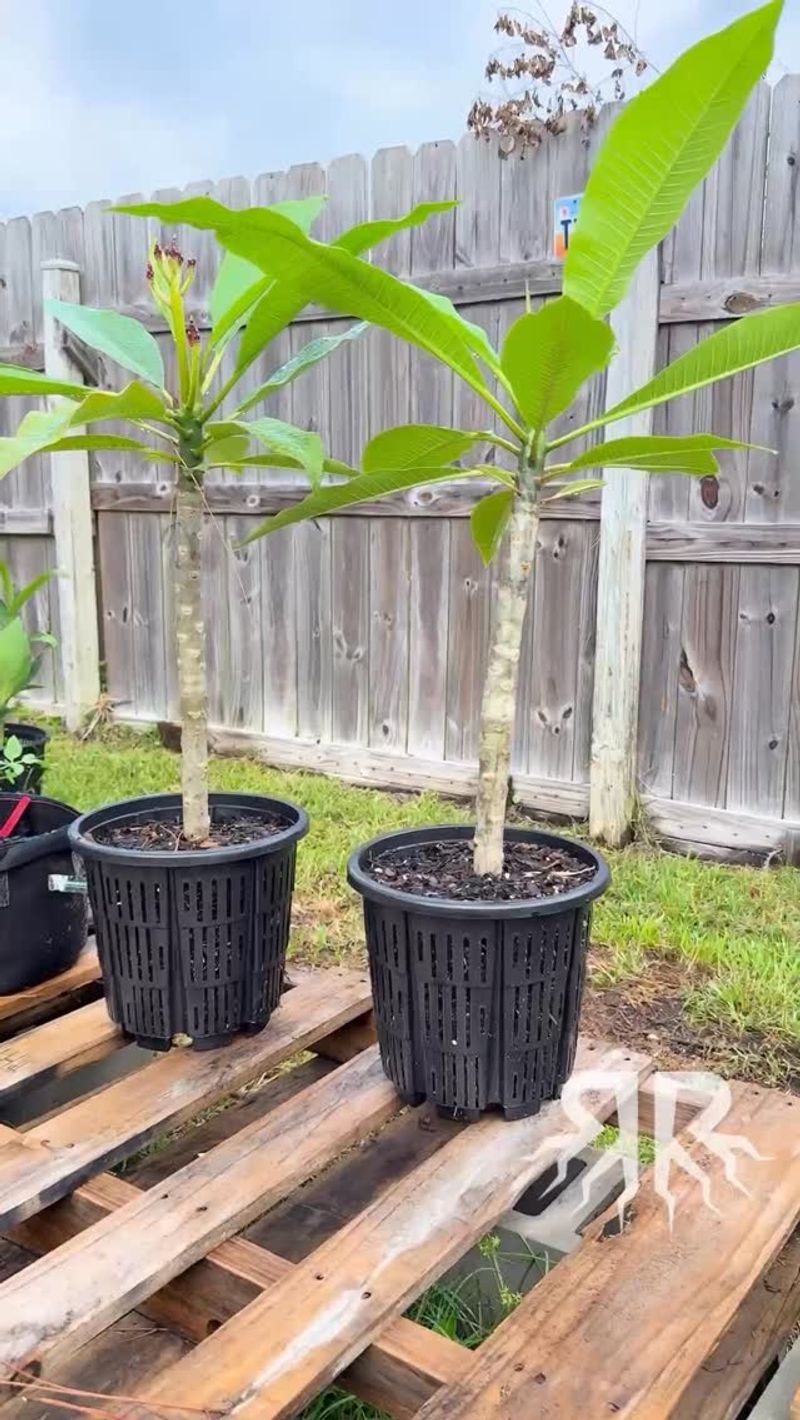
Returning to a normal care routine after winter requires the same behavior-based patience that guided the fall shutdown. A calendar date in March is not the right trigger.
The right trigger is visible new growth pushing from the branch tips of your plumeria.
UC Master Gardeners advise resuming watering only when spring growth appears, which means waiting for those small, swelling buds or unfurling leaves before reaching for the hose. Start with a modest amount of water, allow the soil to drain fully, and wait to see how the plant responds before returning to a full summer watering schedule.
A sudden return to heavy irrigation on roots that have been dry for months can stress the plant almost as much as leaving it dry too long.
A plant that is still green but showing no new buds or active growth is not yet signaling that it wants water. Missouri Botanical Garden guidance on plumeria care reinforces that feeding and regular watering should align with active growth periods, not with wishful thinking about the season.
Hold off on fertilizing until the plant is clearly growing and has produced some leaf area to make use of the nutrients.
Before moving a container plant back outdoors, confirm that nighttime temperatures are reliably staying above 50 degrees Fahrenheit and that frost risk has genuinely passed for your microclimate. Coastal yards in Southern California may reach that threshold weeks earlier than foothill or Northern California gardens.
Check your drainage setup again at this point too, because a pot that sat through winter may have compacted mix or a partially blocked drainage hole that needs attention before the long, warm season begins. Spring is the time to reassess, reset, and let the plant lead the way back to full growth.
The California Rule to Remember
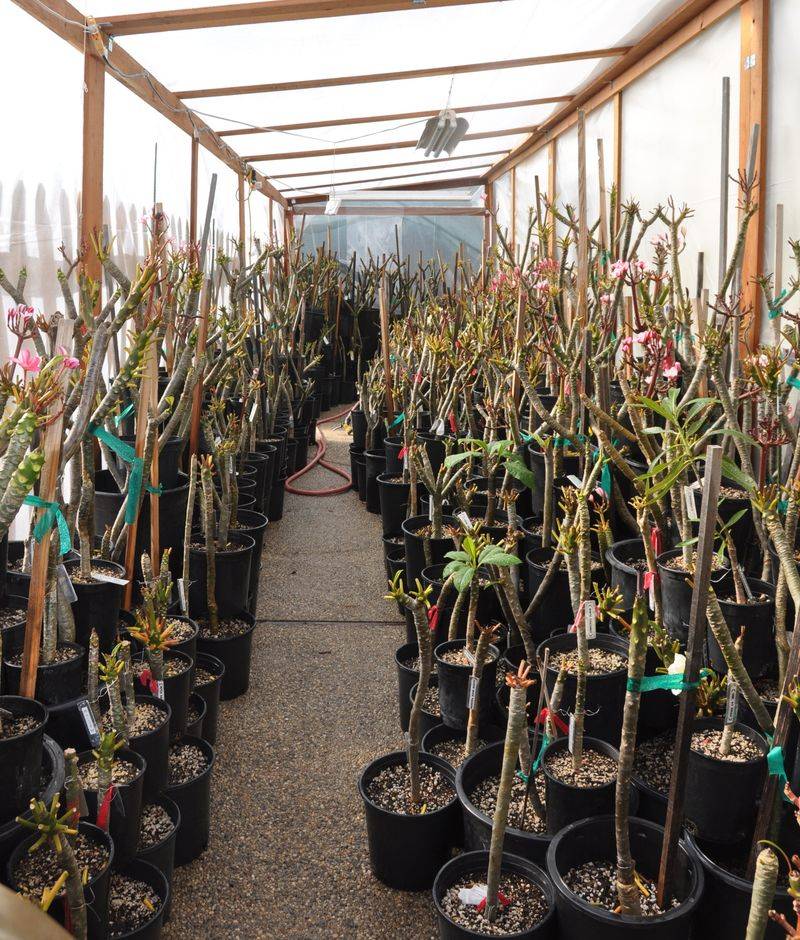
Plumeria care in California comes down to one clear sequence: watch the plant, confirm true dormancy, stop routine watering once a deciduous type is clearly resting, shelter containers from repeated winter rain, maintain solid drainage around in-ground plants, and protect against frost based on your specific microclimate and whether your plant lives in a pot or in the ground.
UC Master Gardeners ground this in straightforward plant-behavior logic: stop water at dormancy, restart at spring growth. Southern California Plumeria Society adds the container-specific reminder that excess moisture around dormant roots is a recurring winter problem worth actively preventing.
UF/IFAS cold protection guidance reinforces that containers are more exposed to rapid temperature swings than in-ground roots and deserve extra attention when freezing conditions approach.
The fall decision that matters most is not stopping water on the first cool night. A plant still in active growth needs appropriate moisture regardless of the date.
The adjustment that protects the plant through winter is preventing routine moisture from reaching dormant roots, whether that means moving a pot under a roof during rain or simply turning off the irrigation timer after the plant has gone quiet for the season.
California’s range of climates means there is no single answer that fits every yard, every plumeria type, or every fall. The plants that come back well each spring are usually the ones whose owners paid attention to what the plant was actually doing rather than following a fixed schedule.
That attentiveness is the real skill, and it carries through from the last warm day of summer to the first new bud of spring.