 Complete Gardening

Fertilizing your plants at the right time is crucial for their health and growth. Understanding what your plants need and when they need it can make all the difference in your gardening success. This guide reveals the secrets your plants wish you knew about the perfect timing for fertilizer application.
1. Spring Awakening
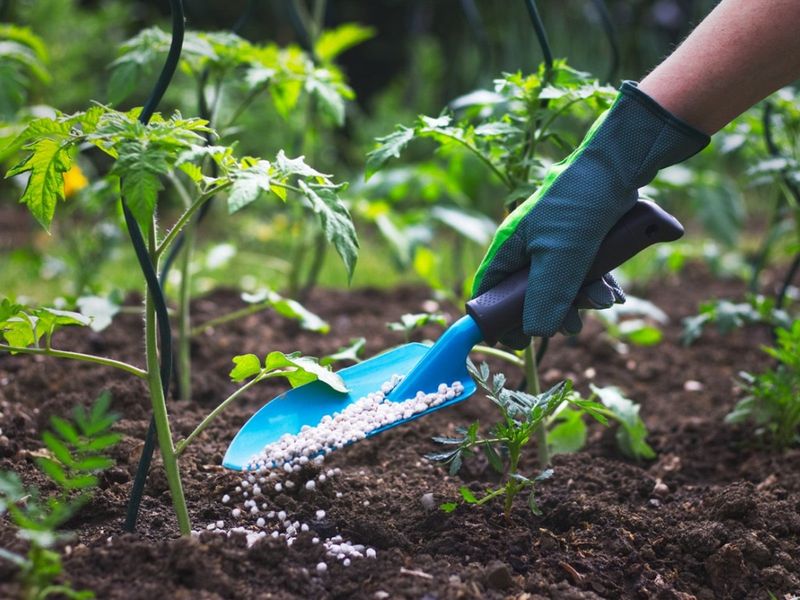
Spring is the season of awakening. As temperatures rise and daylight increases, plants start to come out of dormancy. This is the ideal time to begin fertilizing. But why spring? The soil warms up, and roots can easily absorb nutrients.
Applying fertilizer in early spring helps provide the nutrients plants need to kickstart their growth cycle. It’s a time of renewal and promise, where every leaf and bud reaches for the sun.
Remember to choose a balanced fertilizer to support your plants’ overall health as they emerge from winter slumber.
2. Summer Boost
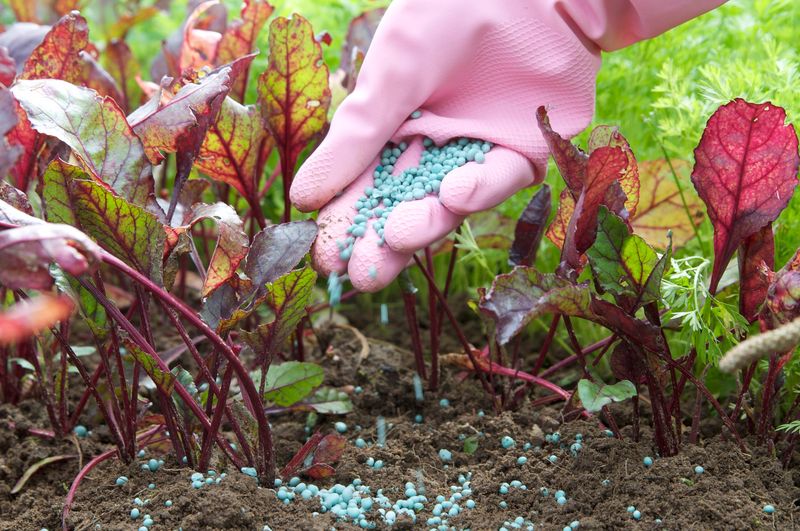
Summer is when gardens are in full swing. Plants grow vigorously and require an extra nutrient boost to sustain their lush foliage and blossoms.
In the heat of summer, watering and fertilizing go hand in hand. Fertilizer application during this time helps maintain their vibrancy.
However, be cautious not to over-fertilize as it can lead to nutrient burn. A slow-release formula can offer a steady nutrient supply without overwhelming the plants, allowing them to thrive through long sunny days.
3. Autumn Preparation
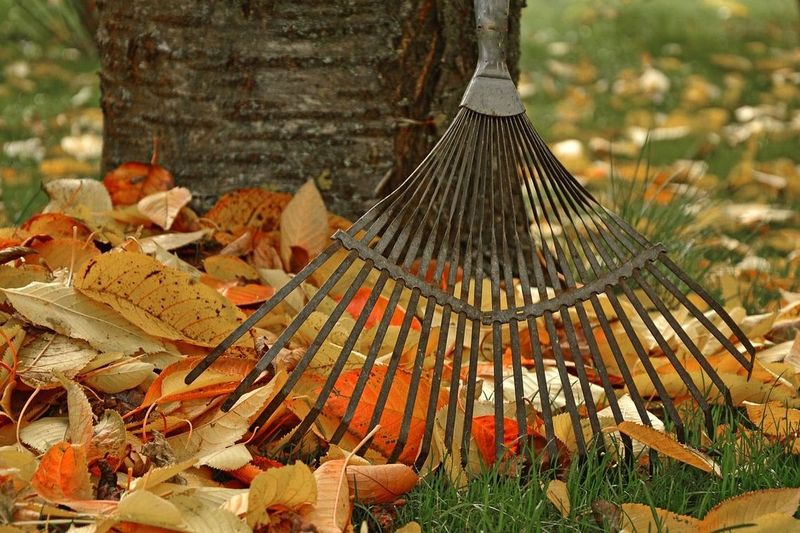
Autumn is often overlooked, yet it’s a critical time for fertilization. As plants wind down, they begin storing energy for the next season.
Introducing a slow-release fertilizer can help them build resilience. Nutrients applied in autumn strengthen root systems, enhancing plants’ ability to withstand winter stress.
Leaves might be falling, but beneath the surface, roots are hard at work. Understanding this transition ensures your garden is ready to face the colder months ahead, preparing plants for a strong return in spring.
4. Winter Care
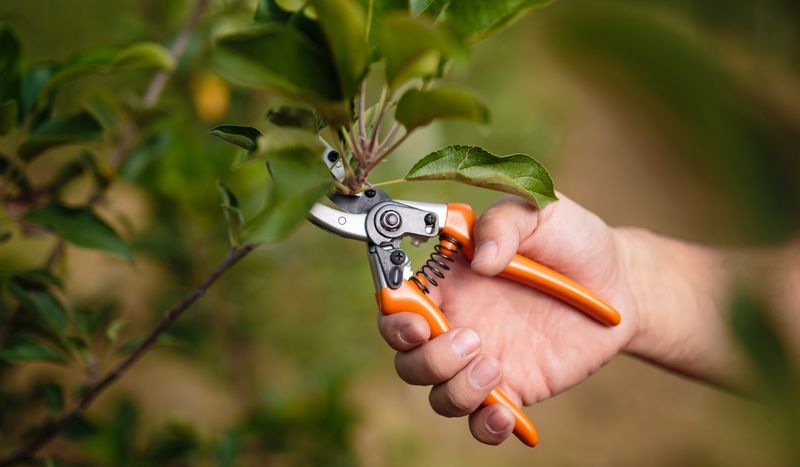
Winter is a time of rest for most plants, but that doesn’t mean they should be neglected. Though actively growing plants are rare, some evergreen species still require attention.
Fertilizing in winter is about preservation rather than growth. A gentle, balanced application can support evergreens’ needs without encouraging new growth that could be damaged by frost.
Reflect on what your garden requires in winter. It’s about subtlety, ensuring that dormant plants rest easy until spring arrives.
5. Timing and Frequency
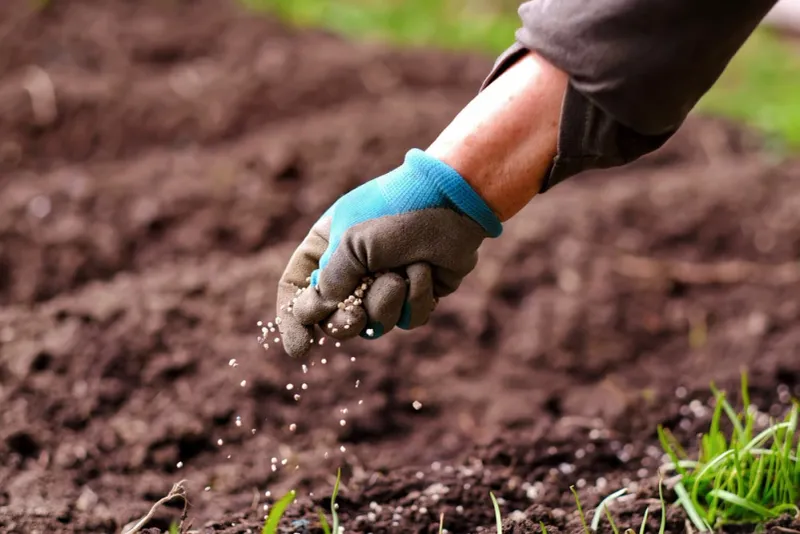
Ever wonder how often you should fertilize? Timing and frequency are as important as the fertilizer itself. Over-fertilizing can harm plants by saturating the soil with excessive nutrients.
A well-timed schedule, aligned with plant needs and seasonal changes, helps ensure that each application is beneficial.
Understanding your garden’s unique rhythm can transform your approach. It turns the task of fertilizing into a harmonious dance with nature, maximizing plant health and growth without unnecessary waste.
6. Morning Magic
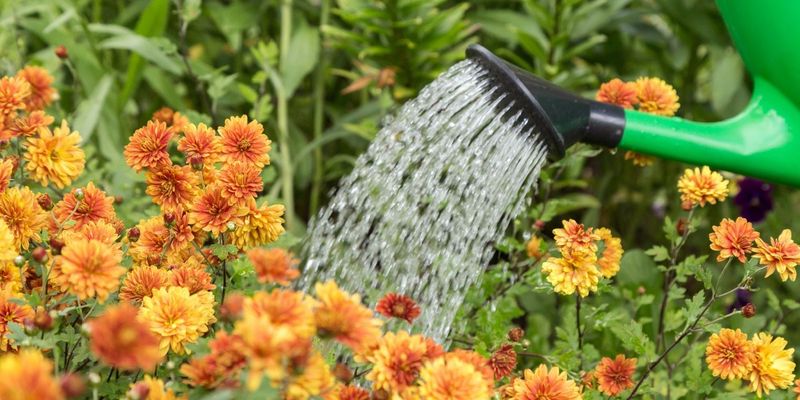
The morning sun not only energizes us but also invigorates plants. Early hours provide optimal conditions for nutrient absorption. As plants begin their daily photosynthesis, applying fertilizer can enhance efficiency.
Morning application allows dew to assist in dissolving granules, making nutrients more accessible. This timing ensures that any excess dries up, reducing the risk of fungal issues.
Gardeners often find that this morning ritual leads to lush, vibrant growth. By aligning your fertilization schedule with the sunrise, you can mimic nature’s rhythms, offering your plants the perfect start to their day.
7. Nighttime Nourishment

While mornings are practical, some gardeners swear by nocturnal feeding. Evening fertilization allows plants to absorb nutrients overnight.
As temperatures drop, plant metabolism slows, but nutrient uptake continues, providing a steady supply of nourishment. This can be especially beneficial in hot climates where evaporation is a concern.
By choosing the calm of night, you might find a relaxed pace, both for you and your plants. This technique can lead to strong, resilient plants, basking in their moonlit feast.
8. Rainy Day Remedy
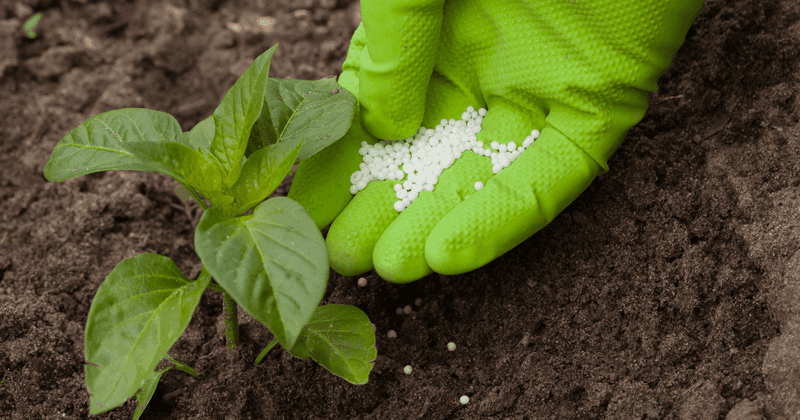
Rain is nature’s way of nurturing, and it partners perfectly with fertilization. Applying fertilizer before a gentle rain can ensure it gets absorbed deeply into the soil.
Rainwater helps dissolve and transport nutrients to root zones, maximizing their reach. This natural irrigation method can prevent runoff and conserve water.
Gardeners who work with weather find their plants more robust and resilient. Embracing the rain as an ally can turn a dreary day into a gardener’s delight, enriching the soil in harmony with nature.
9. Cloud Cover Consideration
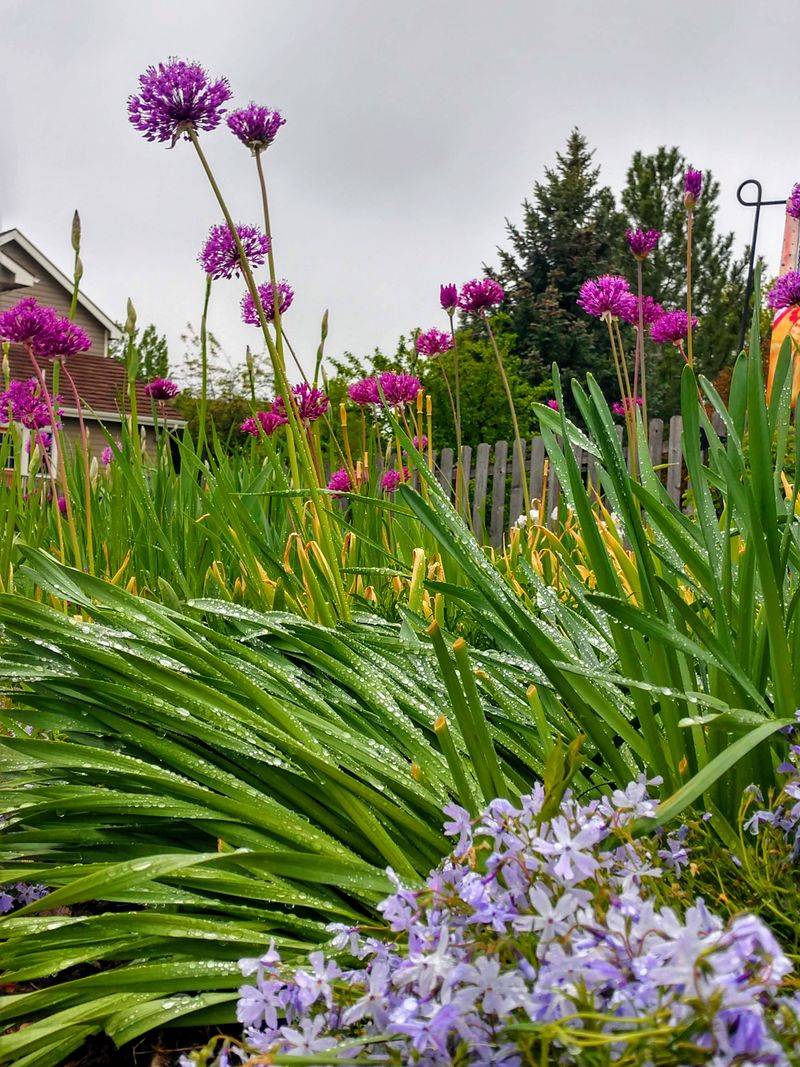
Cloudy days offer a gentle environment for fertilizer application. Without harsh sunlight, the risk of leaf scorch is minimized. This condition is ideal for foliar feeding methods.
Plants tend to open their stomata, improving nutrient uptake when the sun is not blazing. This makes cloudy days particularly effective for quick nutrient delivery.
By working with these overcast moments, your plants can enjoy a delicate balance of light and nourishment. Gardening in the soft light can be a refreshing change, promoting healthier plant growth.
10. Midday Mastery
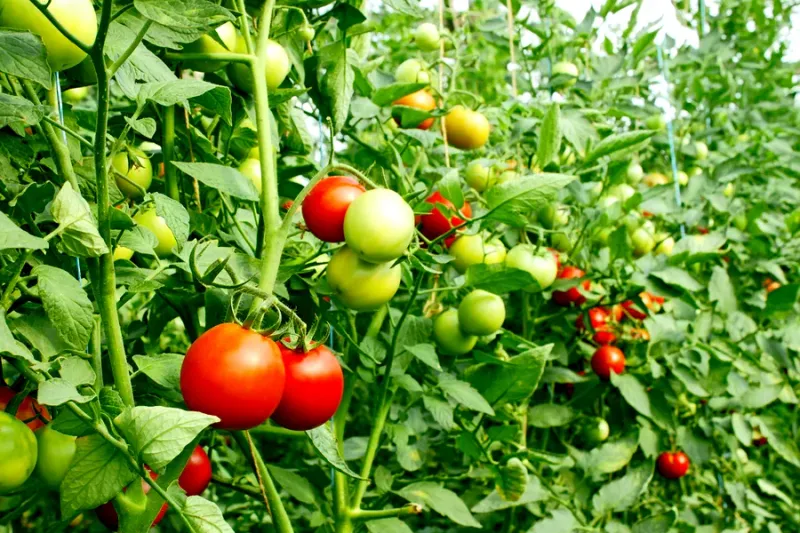
Midday fertilizing might not be intuitive, but for some plants, it’s effective. Certain species thrive on intense light and benefit from midday feeding.
During this time, photosynthesis is at its peak, enabling rapid nutrient processing. However, care must be taken to avoid leaf burn by watering the soil directly.
For sun-loving plants, midday can be the perfect time to boost growth spurts. This unconventional timing requires boldness and precision but can lead to spectacular results for the daring gardener.
11. Full Moon Fertility

The lunar cycle has guided farmers for centuries. Fertilizing during a full moon is believed to synchronize with the gravitational forces affecting water in plants and soil.
This traditional method suggests that plants absorb nutrients more efficiently during this phase. The ethereal glow of a full moon provides a serene backdrop for thoughtful gardening.
Gardeners who follow the moon’s phases often feel a deeper connection to their plants and environment. This celestial approach may add a touch of magic to your gardening routine, enhancing growth.
12. Windy Day Wisdom
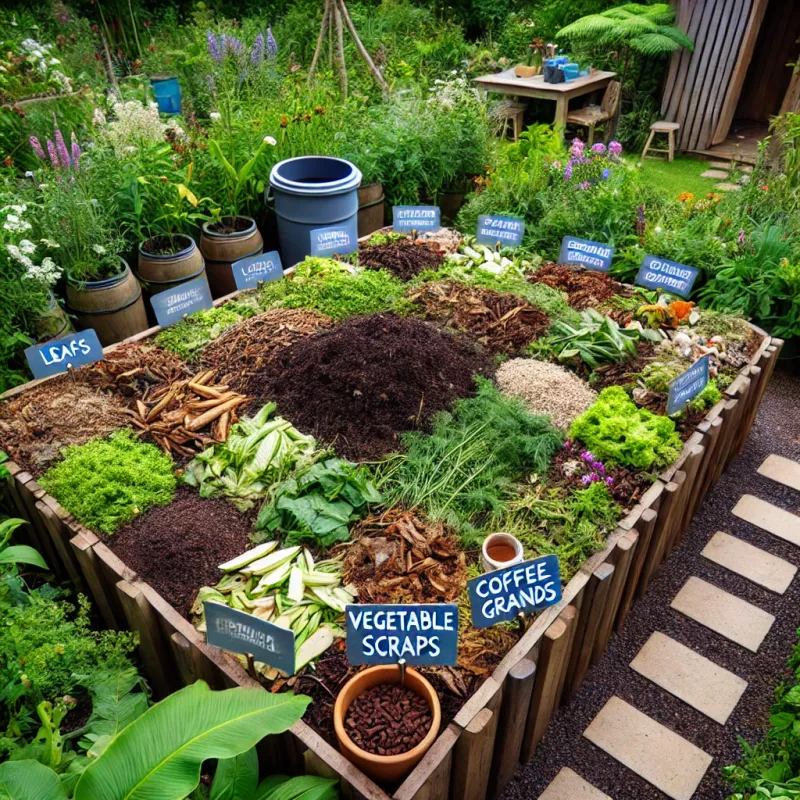
Windy days aren’t typically associated with fertilizing, but they offer unique advantages. Wind helps disperse fertilizer evenly, especially in large gardens.
Care must be taken to avoid windy days that are too strong, which may lead to uneven distribution. Instead, gentle breezes can aid in the even spread of nutrients across your garden.
Adapting to the wind’s influence can teach gardeners to work with nature’s unpredictable side, achieving an even, nourished garden landscape that dances in the breeze.
13. Drought Delay

During drought, thoughtful timing is vital. Fertilizing during extreme dryness can harm plants, as they may struggle to process nutrients without moisture.
It’s often best to delay feeding until after a substantial rainfall or irrigation session. This ensures that nutrients are well-absorbed and utilized effectively by the plants.
By respecting these dry spells, gardeners can prevent stress and promote healthier growth. Patience and foresight during drought conditions can save plants from unnecessary harm and maximize their growth potential.
14. Early Spring Surprise
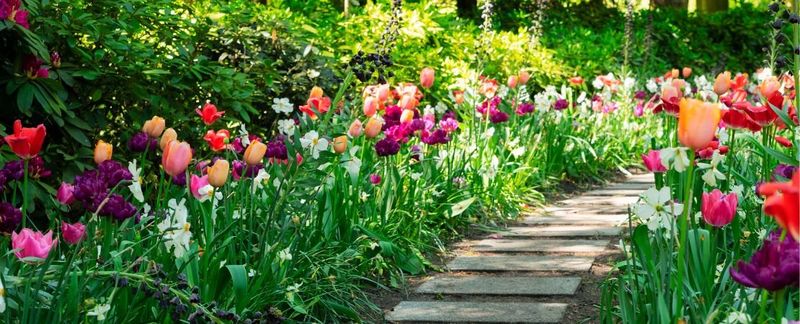
Early spring is a time of renewal, and a surprise application of fertilizer can kickstart growth. As plants emerge from dormancy, they crave nutrients to support budding leaves and flowers.
This timing can give your garden an energetic start, setting the stage for a bountiful season. The cool air and warming soil create an ideal environment for nutrient absorption.
Gardeners who embrace this early start often see vigorous growth and lush blooms. Offering a head start with early spring feeding can transform your garden into a vibrant sanctuary.
15. Late Autumn Advantage
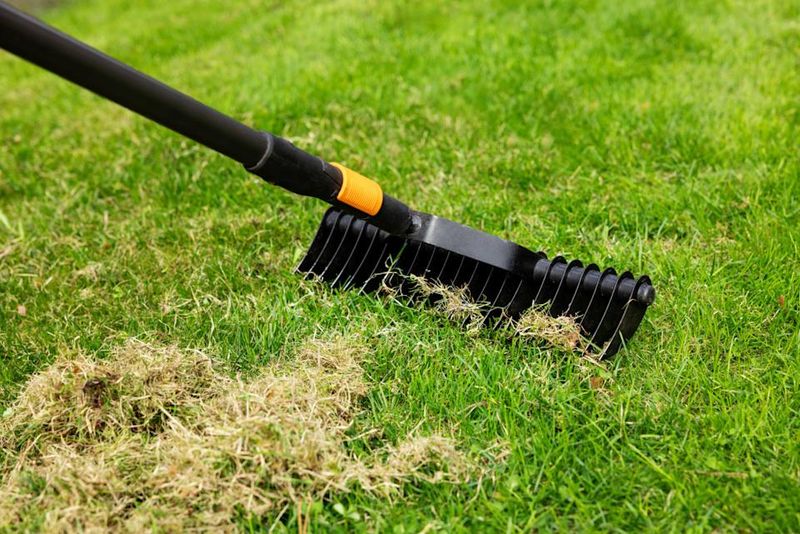
Late autumn is not just about winding down. It’s a strategic time for a final fertilizer boost, preparing plants for the winter ahead.
As temperatures drop, applying a slow-release fertilizer can strengthen root systems, ensuring plants are ready for the cold months. This practice can lead to improved resilience and health.
Gardeners who capitalize on this timing often notice stronger plants come spring. The late autumn advantage can be a key to healthy overwintering, making it an essential part of your gardening calendar.