
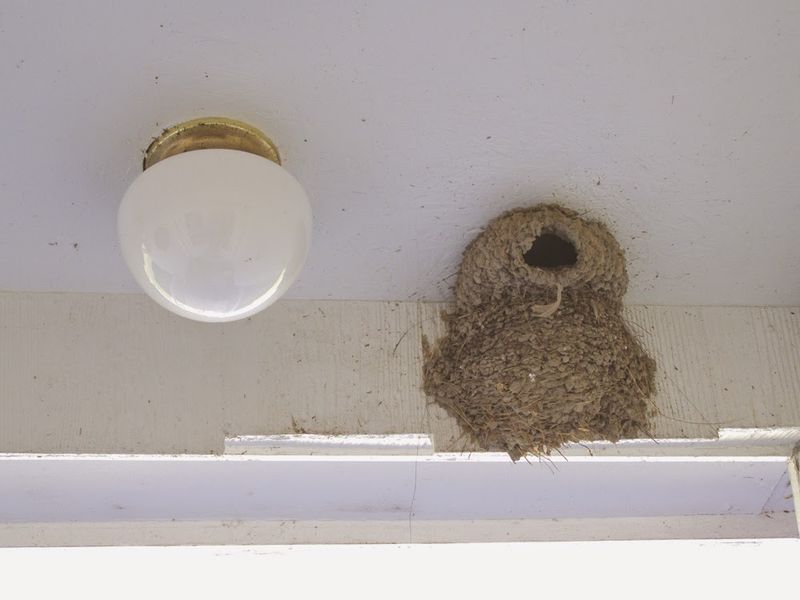
You water your porch fern one morning and a small brown bird flies out of it. Tucked inside is a messy ball of grass and leaves.
A Carolina wren has picked your planter as a home. Here is what that really tells you, and how to keep the birds and the plant going.
A planter nest shows the wren found usable shelter
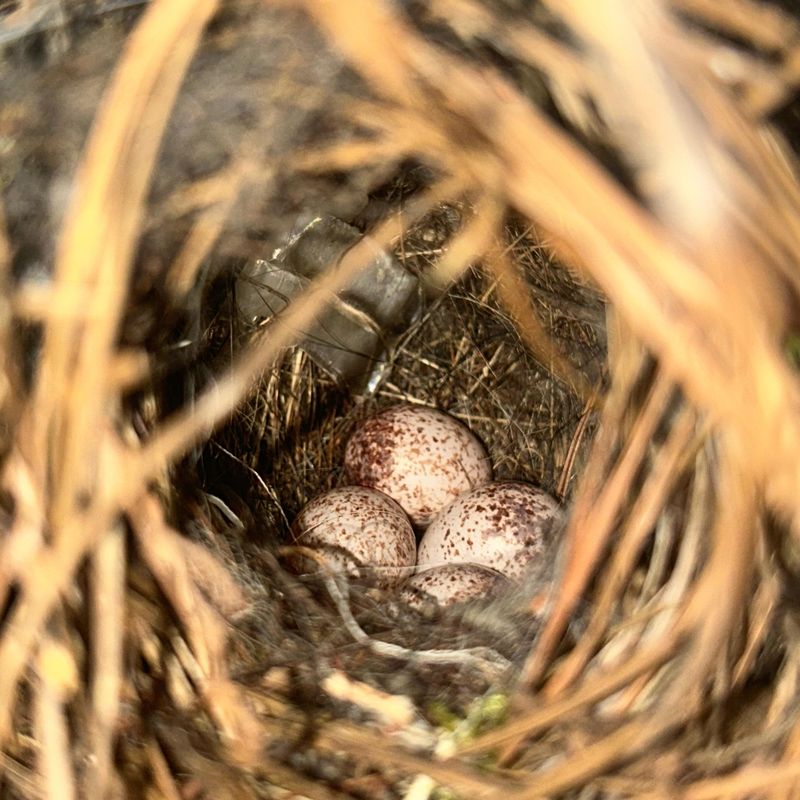
Carolina wrens are common around Florida homes, and they are not picky about where they set up. UF/IFAS Extension notes that they use hanging flower baskets and old flowerpots, along with other tucked-away spots around houses.
A porch planter gives them a roof overhead, a sturdy base, and a hiding place.
So the plain answer is this: the wren found a sheltered spot it can use. That is the whole message of the nest.
Your fern or geranium did not necessarily call the bird in, and the planter just happened to fit.
It is tempting to read more into it. A single nest does not show that your whole yard is especially healthy, rich in wildlife, or free of pesticides.
Wrens nest in suburban yards, sheds, mailboxes, and boots, so a planter by the front door fits their habits.
The same goes for pests. Wrens eat mostly insects and other invertebrates, which sounds like a gardening bonus.
But the guidance does not say how many garden pests a nesting pair actually removes, so it is best to enjoy the birds without counting on pest control.
What you can count on is a chance to help. A few small changes to how you use the porch can make a real difference for the family living there, and the next sections walk through them one at a time.
A built nest does not confirm that eggs are inside
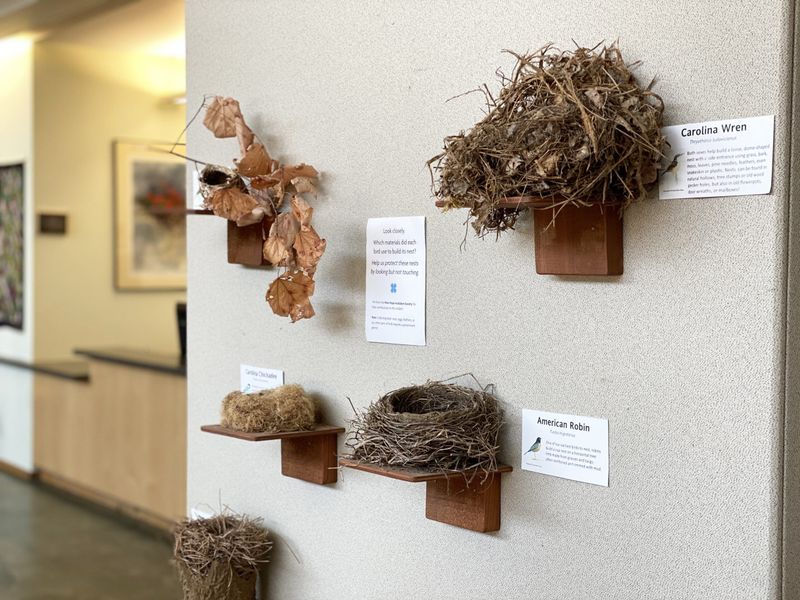
Carolina wren nests are bulky and domed, built from grass, leaves, and similar material, with an opening on the side. From the front, it can look like a small pile of yard debris stuffed into the pot.
That side door is the clue that a bird, not the wind, did the work.
Seeing a nest go up does not mean eggs are inside. According to UF/IFAS, pairs may build several practice nests before choosing one.
Your planter might be the winner, or it might be one of a few trial runs.
Because you cannot tell from a glance, treat any new nest with care. Watch from a window or a few steps back, and notice whether the adults keep returning, especially with food in their beills.
Frequent trips in and out are a good sign that something is happening inside.
Skip the urge to peek into the opening or lift the nest to check. Close inspections add stress and do not tell you much.
Patient watching from a distance gives you better answers.
Give an occupied nest space and keep it in place
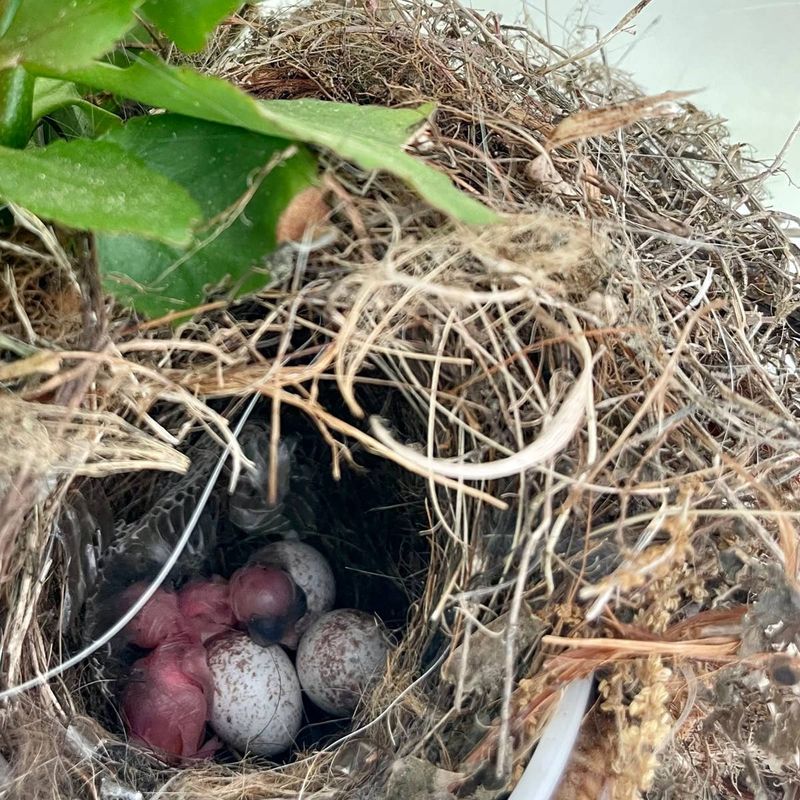
Once a nest is occupied, the best move is to leave the planter exactly where it is. Cornell NestWatch says active nests should not be moved, and that includes shifting one just a few feet.
Parents may not find it again, and eggs or chicks can be harmed in the move.
Instead, change your routine a little. If you have a back door or garage entrance, use it for a few weeks so the front porch stays quieter.
Fewer people walking past means fewer startled adults flying off the nest.
Keep handling to a minimum, and skip close checks. You do not need to lift the planter, tilt it, or look inside to know the family is there.
Short glances from a distance are plenty.
There is a difference between adjusting your habits and relocating the nest for convenience. Hanging a sign on the door for deliveries, moving a chair, or pausing a porch painting job are all easy fixes.
Moving the planter is the one thing that can undo the whole effort.
If the traffic cannot be avoided, a calm and steady pace helps. Wrens around Florida homes often get used to ordinary household sounds.
Water the roots without wetting the nest
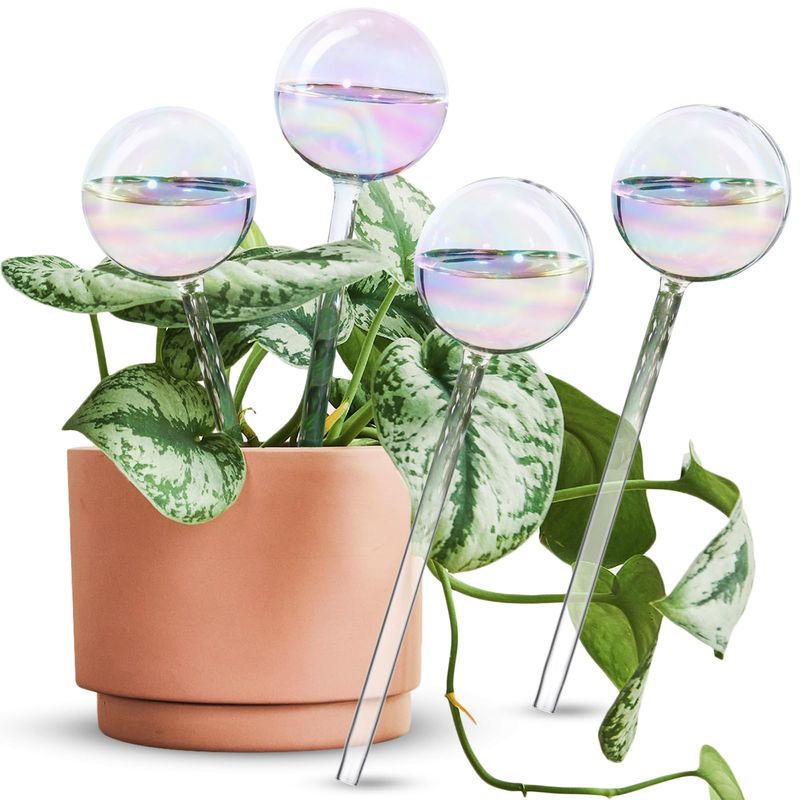
Your plant still needs a drink, and that is where this gets tricky. Cornell NestWatch generally advises against watering a planter that holds an active nest, because water can cool the eggs and dampen the nest material.
A root-directed tool can help. A watering globe or watering spike pushes into the soil and releases water below the surface, away from the nest.
Place it on the side of the pot farthest from the nest, and be gentle so you do not disturb the birds.
In Florida’s heat and sandy conditions, planters can dry out fast, so check the soil with your finger rather than guessing. Choose a spot a bit away from the nest when you do this.
If the plant is a thirsty one, a globe may need refilling more often.
Keep expectations realistic. This approach lowers the risk to the nest, but it does not guarantee that the plant will thrive.
Some leaves may droop or yellow while the family is in residence, and that is an acceptable trade for a few weeks.
Skip fertilizing, pruning, or repotting for now, too. Those jobs can wait until the nest is no longer needed.
Keep pesticides and cats away from the nesting area

Wrens raise their families on bugs. UF/IFAS notes that insects and other invertebrates are a primary food source, and it recommends restricting pesticide use around nesting birds.
Sprays near the porch can reduce the food supply and expose the birds to chemicals.
If you usually treat the porch or nearby beds, pause while the nest is active. Pick off pests by hand, or wait.
A gentle rinse of leaves away from the nest is a better choice than a spray.
Cats are the other concern. UF/IFAS says chicks are vulnerable to predation and advises keeping pet cats indoors.
A cat near a low porch planter is a real risk, especially when the young start to leave.
If your cat loves the porch, give it a different window view for a few weeks. Neighborhood cats are harder to manage, but you can block easy access spots where possible.
None of this promises a certain number of chicks will survive, and it will not make the garden pest-free. It simply removes two hazards you can control, which gives the family a better chance.
Fledging is a milestone, not a fixed end date
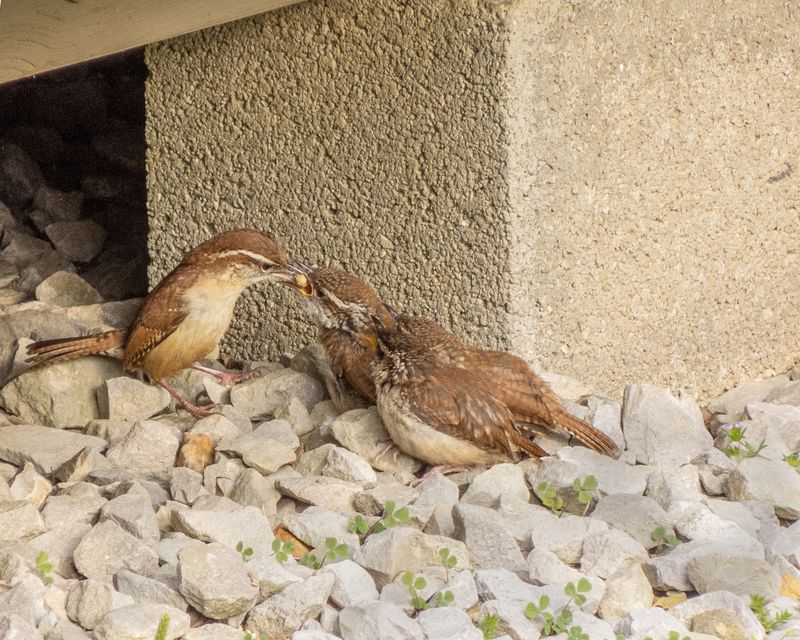
Planning helps, as long as you treat the numbers as estimates. UF/IFAS gives an incubation period of 12 to 16 days, and says chicks usually leave the nest at 12 to 14 days old.
That puts egg-laying to departure at about 30 days, a planning guide rather than a countdown.
The empty planter is not the finish line. Parents typically keep feeding fledglings for about two more weeks, so a chick that has hopped out is still depending on the adults.
You may hear scolding chatter and see short flights around the porch during this stretch.
Florida adds another wrinkle. Carolina wrens here can breed from March through August and may raise multiple broods.
That does not mean this pair will come back to your planter, but it is a reason not to assume the season is over the moment the nest looks vacant.
A simple calendar note can help. Mark the day you first see adults carrying nesting material or food, add about a month, and then add a couple of weeks of buffer.
Adjust as you watch.
The goal is patience, not precision. Birds do not follow a schedule, and your observations are a better guide than any date.
What should you do if a young bird is on the ground?
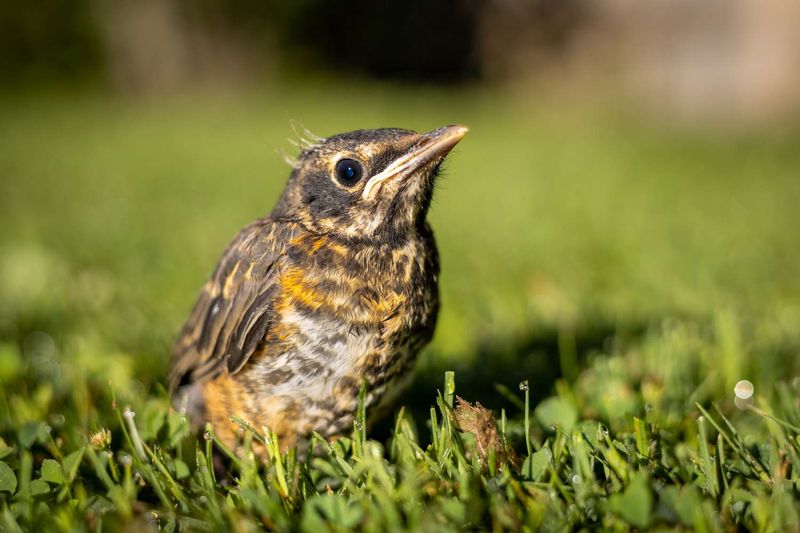
Finding a young bird on the porch floor or in the grass can feel like an emergency. Often it is not.
A fully feathered young bird on the ground after leaving the nest can be a normal fledgling learning to move around.
The first step is to back away and watch. Tufts Wildlife Clinic advises watching from a distance for signs of parental care.
Adults may come and go with food, so give them time and space to do it.
Keep pets and people away during that watch. Staying indoors, with a view from a window, is a good way to keep the area calm.
Call a licensed wildlife rehabilitator if the bird is injured, or if the parents are definitely not returning. Signs of injury include a drooping wing, visible wounds, or being unable to stay upright.
Tufts also notes that birds do not abandon young simply because a person touched them. Even so, there is little reason to handle a healthy fledgling.
Leaving it alone is usually the kindest choice, and a rehabilitator can guide you if you are unsure.
Wait before resetting the porch
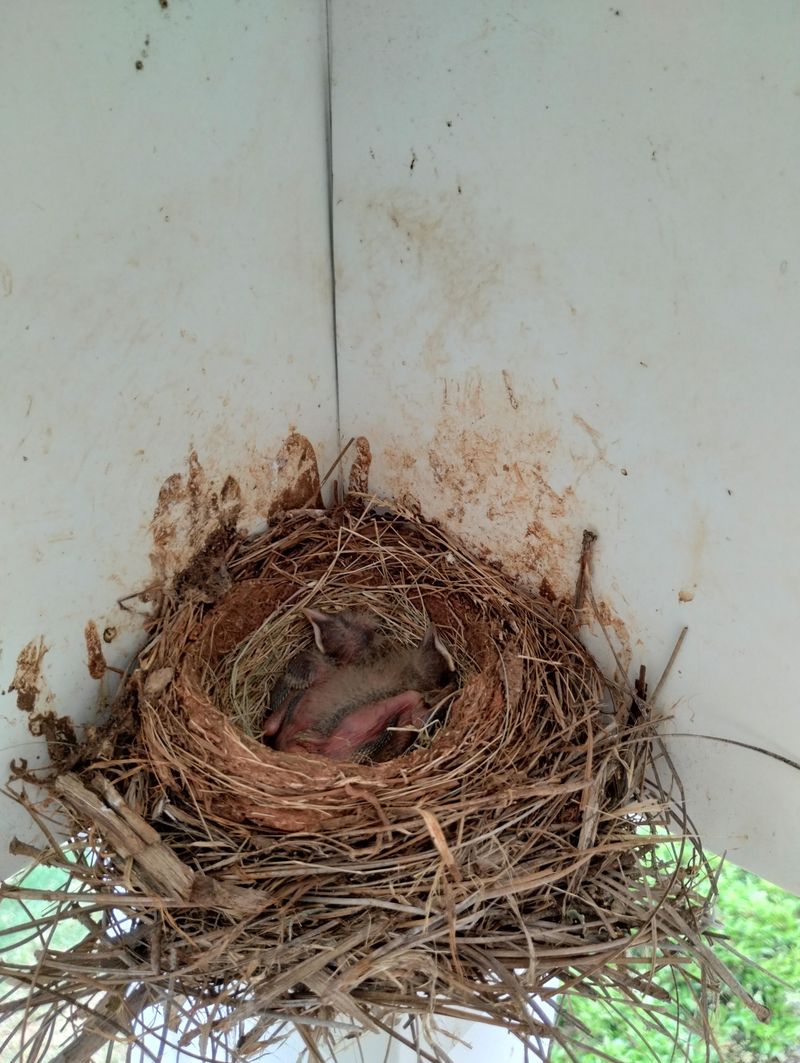
Resetting the porch can wait until the young no longer depend on the nest. An empty nest and a first flight do not prove the family is done, since parents keep feeding fledglings for a while.
Hold off on repotting, pruning, and tidying until you have seen no activity for some time.
Federal wording adds some background. The January 2025 Fish and Wildlife Service memo defines an in-use nest as one with viable eggs or nestlings.
It says the nest stays in use until the young have fledged and are no longer dependent on it. Nests still being built before eggs are laid are treated as inactive under the Migratory Bird Treaty Act.
That is a narrow distinction, not a blanket rule for every situation. Other federal, state, or local rules may apply, and possessing or moving a nest can raise separate issues.
The agency’s bird nest page is a good place to start if you have questions.
If a nest creates a real health or safety concern, contact the agency for guidance instead of acting on your own. For most porches, though, there is no such problem, only a patient wait.
A few weeks of a slightly messy planter is a small price for a front-row seat to wren family life.