
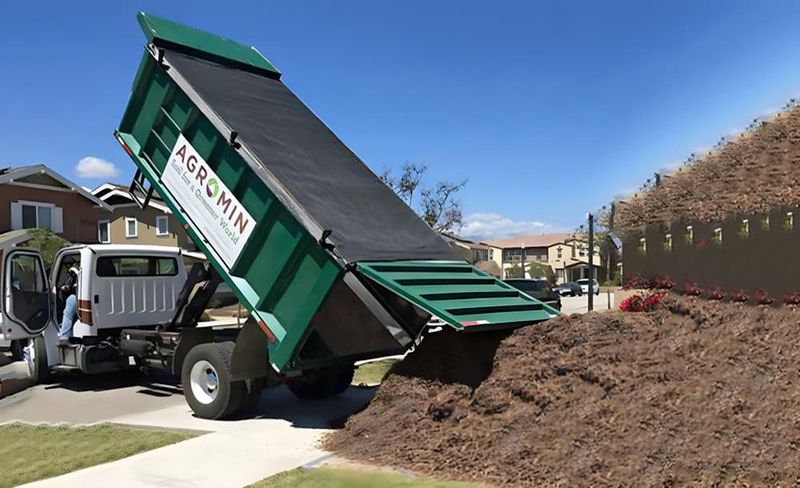
California law now pushes cities to turn food scraps and yard trimmings into compost instead of trash. That means a lot of free mulch and compost is piling up near you, and most homeowners never claim any.
A few inches of mulch can cut water loss, smother weeds, and feed the soil life that bees and birds depend on. Here is where to find it, and how to bring some home before your neighbors do.
1. City Compost Giveaway Days
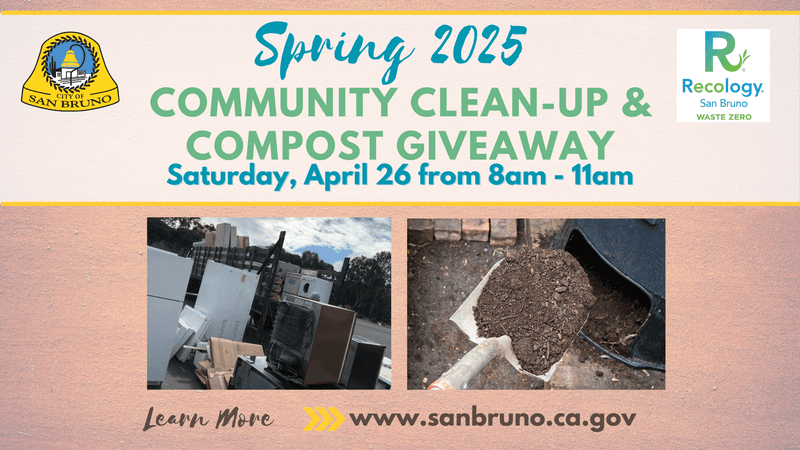
Picture a Saturday morning parking lot with a mountain of dark compost and a line of pickup trucks. Many California cities host giveaway days like this, especially in spring and fall.
Because of state law SB 1383, cities must buy back or hand out compost made from local green waste. Giveaway events are one easy way they meet that goal, so supply can be generous.
Check your city public works or sanitation page, and sign up for its newsletter. Bring your own shovel, buckets, and a tarp, since many events are self-load only and may limit how much each household takes.
2. Municipal Mulch Yards
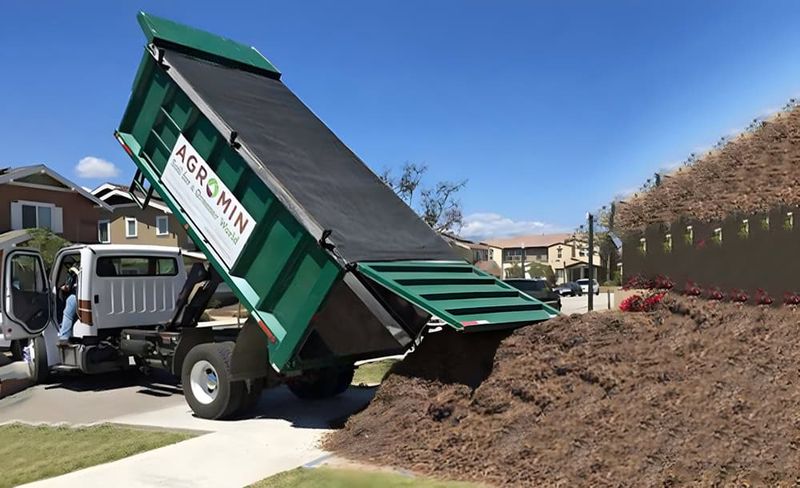
Some cities skip the event and just leave the pile out. Places like San Diego, San Jose, and parts of Los Angeles County have run self-serve mulch sites for residents, though rules change often.
Hours, proof of residency, and load limits vary, so call ahead. A driver license or utility bill usually does the trick.
Coarse wood chip mulch is the star here. Spread it two to four inches deep under shrubs and trees, keeping it a few inches away from trunks to help prevent rot.
3. Your Trash Hauler
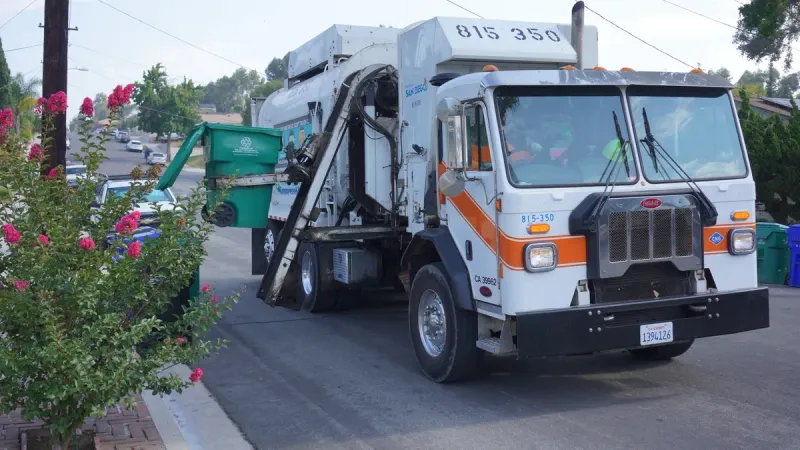
Here is a source few people think about: the company that empties your green bin. Waste haulers such as Republic Services, Waste Management, and Recology often partner with cities on compost programs.
Some offer free bagged compost at their transfer stations. Others hand it out at community events or with new organics bins.
Look at your bill or the hauler website for a compost or organics page. A quick phone call can save you a trip to the garden center.
4. ChipDrop and Local Tree Crews
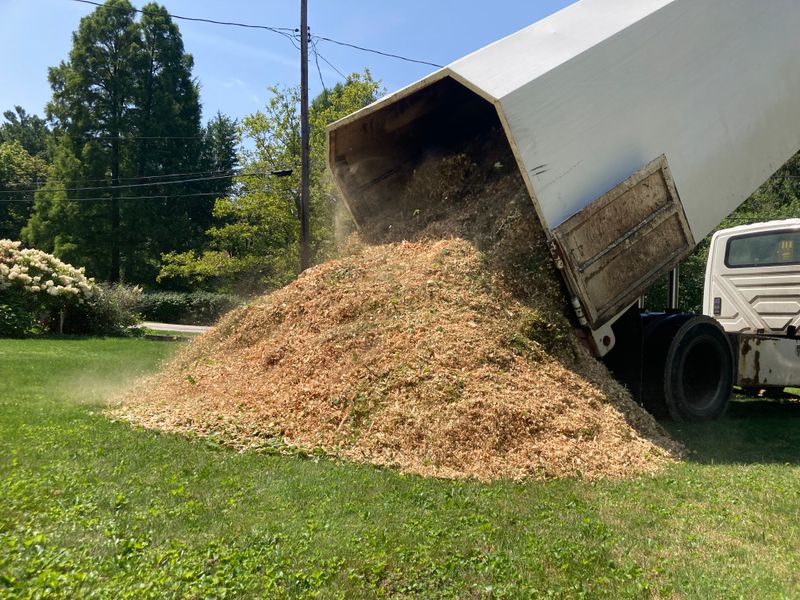
Tree trimmers pay to dump chips. You can save them that fee by taking the load yourself.
ChipDrop is a free app that connects homeowners with arborists working nearby. You can also flag down a crew trimming on your street and ask, since many are happy to unload.
Be ready for a big pile, often 10 to 20 cubic yards. Fresh chips work best as path or bed-top mulch, and you may want to avoid chips from diseased trees or invasive plants if the crew can tell you.
5. Water District Programs
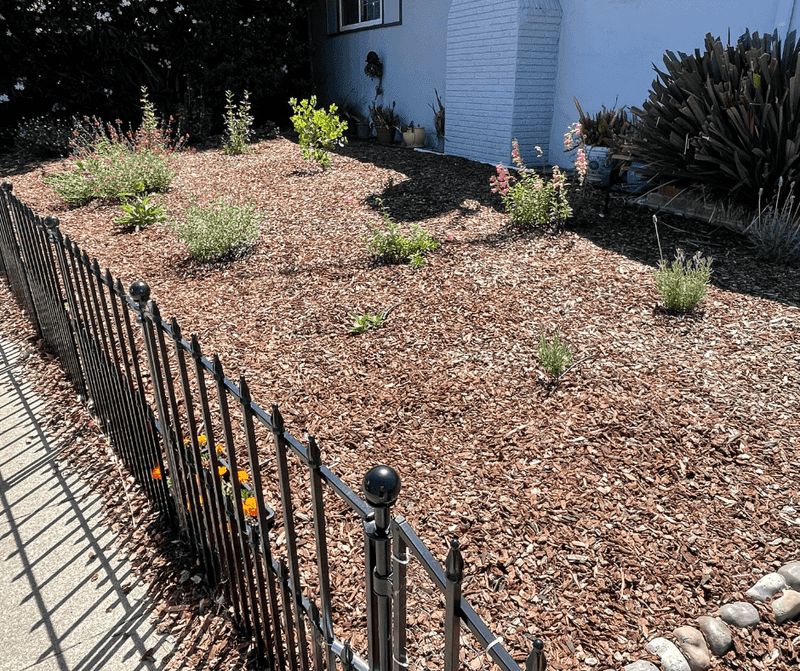
Water agencies know mulch saves water, so some of them help you get it. Districts tied to lawn replacement or turf rebate programs may require mulch and sometimes offer it free or cheap.
Groups under the Metropolitan Water District, Santa Clara Valley Water, and East Bay MUD have offered mulch, workshops, or rebates at different times. Programs come and go, so check current offers.
Pairing free mulch with a turf rebate can make a native, wildlife-friendly yard much cheaper to build.
6. Community Gardens and Master Gardeners
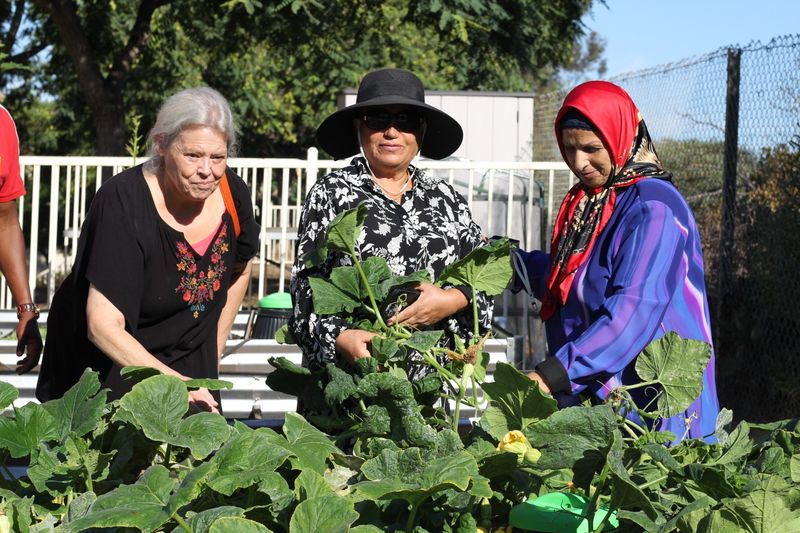
Friendly people with dirty hands are a great resource. Community gardens and UC Master Gardener groups often run compost bins and sometimes share extra.
Even if they cannot give you a load, they may host free composting classes. Some counties also sell or give compost bins at a discount through these programs.
Volunteering a few hours can earn you finished compost and a lot of local know-how about your climate zone.
7. Coffee Shops and Stables
Your morning latte stop might be sitting on garden gold. Many coffee shops will bag spent grounds if you ask, and Starbucks has long promoted a Grounds for Your Garden habit.
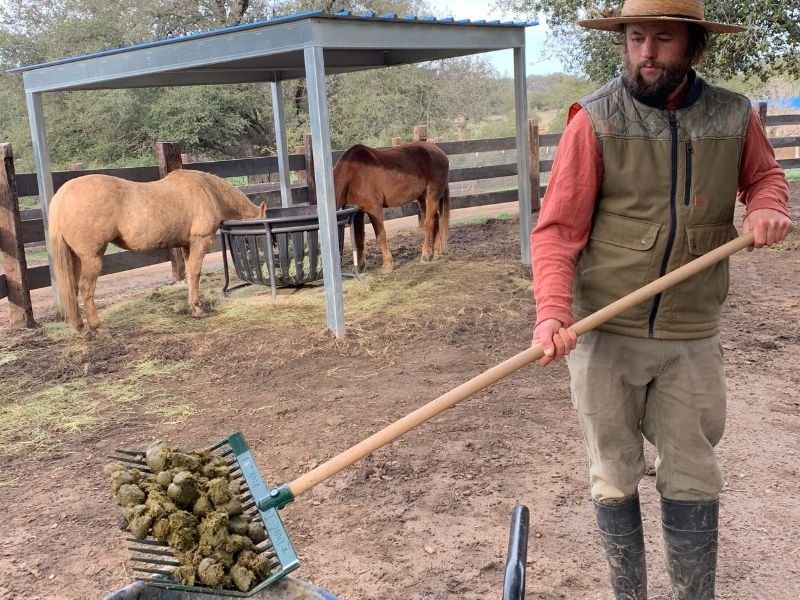
Horse stables are another classic source of free material. Aged manure can be mixed into compost piles, but fresh manure may burn plants and carry weed seeds.
Treat both as compost ingredients, not finished mulch. Mix them with dry leaves and let the pile work for a few months.
8. How to Claim and Use It Safely
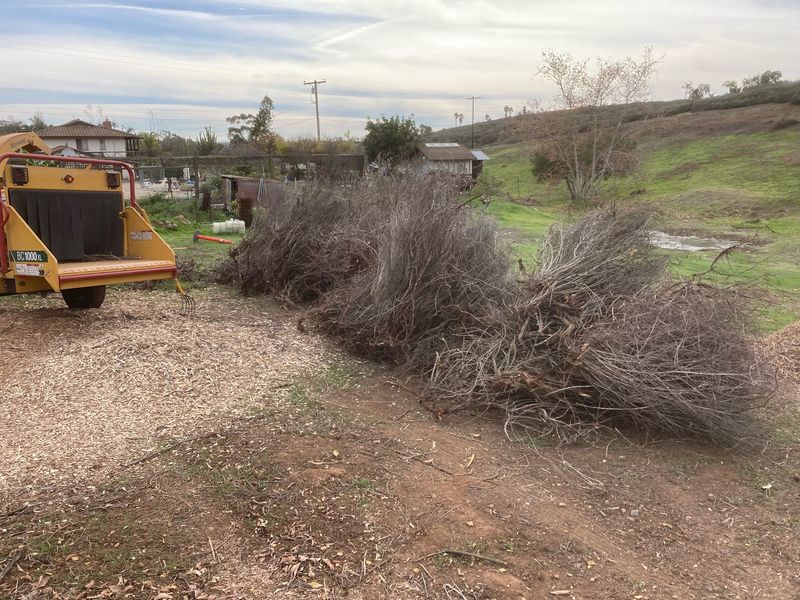
A little prep makes pickup painless. Bring gloves, a dust mask, sturdy buckets or a tarp, and confirm hours and residency rules before you go.
Free compost quality can vary, so skip loads that smell sour or show lots of plastic. Some municipal compost may contain bits of trash, and screening it can help.
Fire safety matters in California. Keep wood mulch out of the first five feet around your home, using gravel or bare soil there instead, and save chips for beds farther out where they can shade soil and feed the insects that birds eat.