
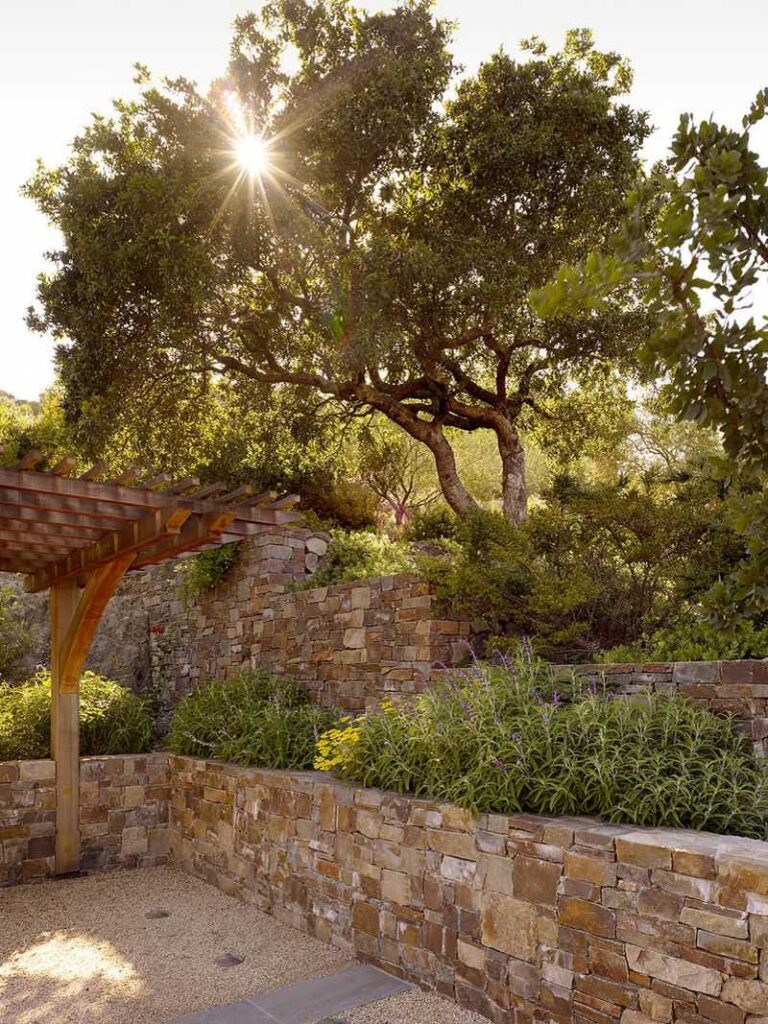
Planting a native shrub in October feels very different from planting it in July. The soil is cooler, the days are shorter, and rain may be on the way.
For California yards, that gentler season can give young plants months to settle in before the long dry summer. Here is how to use it well, and what it can and cannot do for you.
The cool season gives many natives time to establish
Picture a new plant in July: hot sun, dry soil, and roots that have barely left the pot. Now picture the same plant in November, with cool air and damp ground.
That second setting is the advantage of cool-season planting for many California natives.
In our Mediterranean climate, winters bring most of the rain and summers are long and dry. UC Cooperative Extension guidance says fall planting promotes root development and can help plants get through dry summers with minimal irrigation.
Cooler temperatures mean less stress on leaves, and the plant does not have to fight heat while its roots are still small.
UC ANR also suggests planting from October through late winter, so roots have time to grow before hot weather arrives. Think of it as a favorable window for getting established, not a magic trick.
The headline idea of deeper roots from planting before winter rains needs a fair correction. Nobody can promise that a fall-planted shrub will root deeper than one planted at another time.
What you can count on is more time, milder weather, and a better chance that the plant will be ready for summer.
That head start may trim how much you water later, but it will not erase watering. Species, soil, weather, and your care all shape the result.
The next sections walk through timing, plant choice, installation, and aftercare so you can make the most of the season.
Choose a planting time that fits local conditions
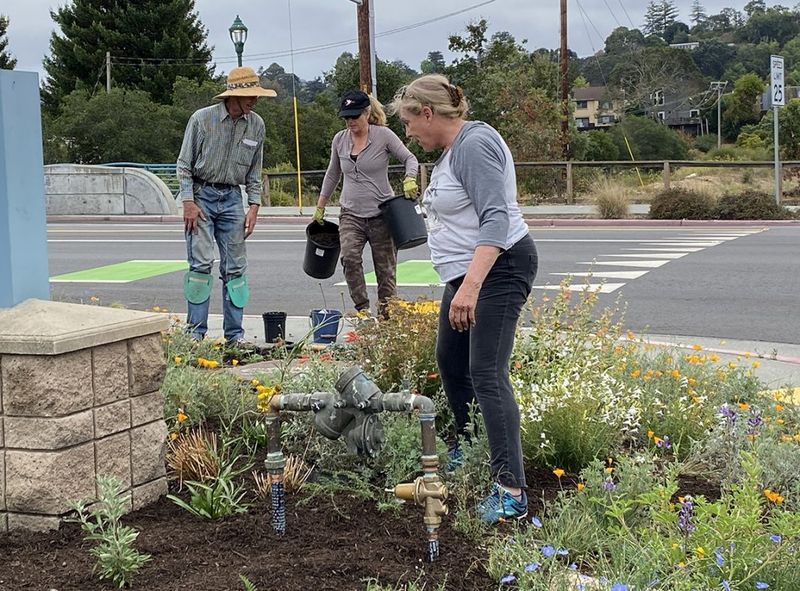
A good rule of thumb is to plant from fall through late winter. Winter or early spring can still work for many species, so a busy October does not mean the season is lost.
The first big storm is not a deadline. UC fall planting guidance points to the cool, rainy season as a whole, and local weather decides the details.
A coastal yard, an inland valley lot, and a foothill slope will each behave a little differently.
Rain can be late or scant. When that happens, newly planted root balls may need a drink from you, because UC guidance on landscaping with natives notes that rainfall alone may not supply enough moisture while plants settle in.
Too much rain is a problem too. If the ground is very soggy after a storm, wait.
UC ANR recommends letting waterlogged soil dry out before planting.
A simple test is to squeeze a handful of soil from the planting spot. If it drips or forms a slick ball, give it a few days.
If it crumbles easily and feels moist, you are in good shape. Keep an eye on the forecast, and treat a dry spell in January the way you would treat a dry spell in May.
Match plants to your yard and fire zone
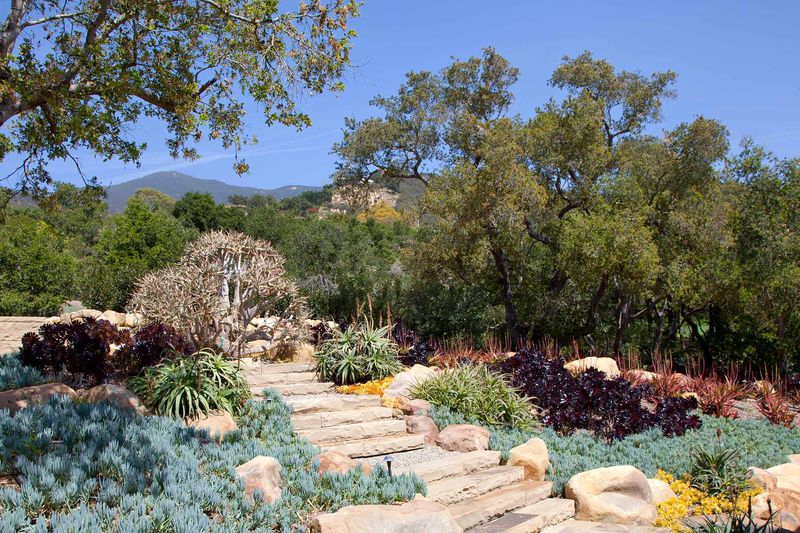
“California native” is a big label. It covers coastal sages, desert shrubs, and streamside trees, and they do not all want the same conditions.
A plant from a foggy coastal bluff may struggle in a hot inland yard.
Start by studying your own space: local climate, hours of sun, soil type, and how well water drains. UC Cooperative Extension stresses choosing species that suit the site.
The California Native Plant Society offers help for starting a native garden and matching plants to place.
Some natives come from wetter habitats and need summer irrigation to look their best. Check the plant tag or ask a local native nursery before you buy, so you are not surprised in August.
Fire adds another layer. Native does not mean fire-safe.
If you live in a fire-prone area, CAL FIRE defensible space guidance calls for keeping the first five feet around structures ember-resistant. That means hardscape such as gravel or pavers, and no combustible bark or mulch in that zone.
Beyond that zone, spacing and plant choice still matter. Check with your local fire agency or city for requirements, since rules vary by community.
A good plan puts the tough, low-fuel plantings closest to the house and saves the fuller native plantings for areas farther out.
Give the root ball a sound start
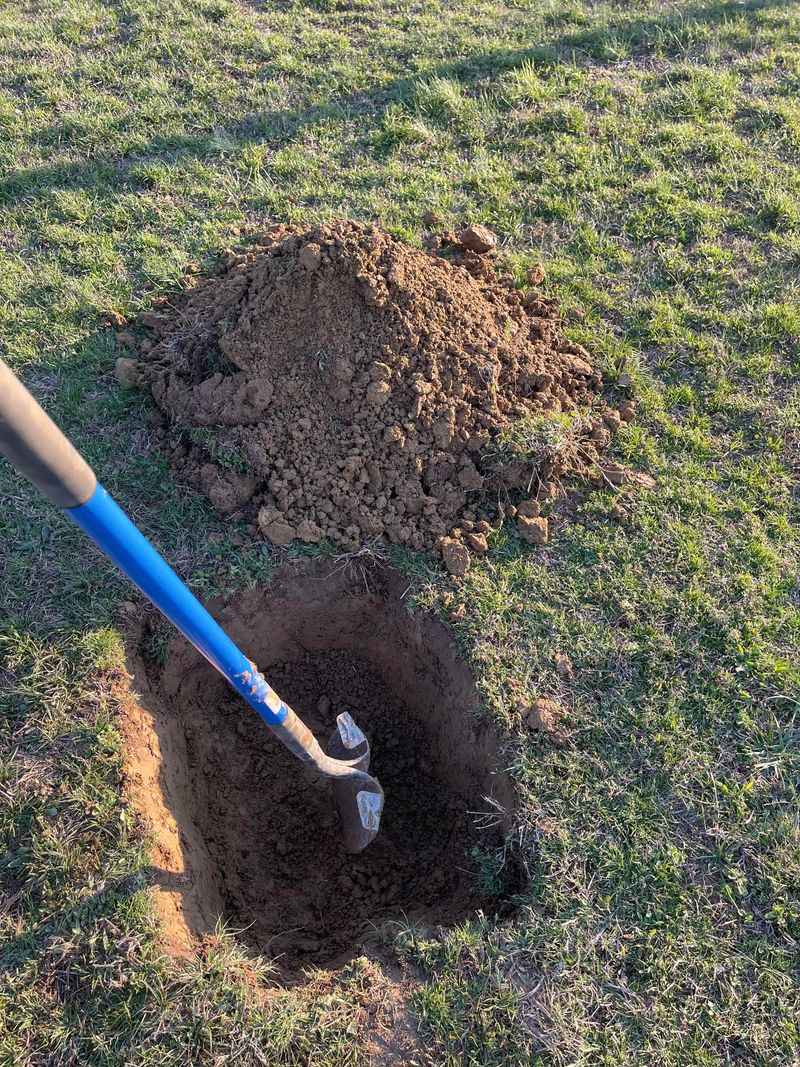
Planting day goes best when you set the plant up before it ever meets the hole. Soak the root ball thoroughly so it is moist all the way through.
A dry root ball can shed water later, and the roots never get the drink you intended.
Next, dig a hole about twice as wide as the pot and the same depth, as UC ANR advises for potted natives. The wide hole loosens the soil where new roots will travel, while the matching depth keeps the plant from sinking.
Set the crown, where the stem meets the roots, slightly above the surrounding grade. Backfill with the soil you dug out and firm it gently.
Then check the slope around the plant so water drains away rather than pooling at the crown, since standing water there can lead to rot.
Drainage is the thing to watch most. UC Cooperative Extension notes that many natives dislike wet feet.
If your soil is heavy clay, planting on a slight rise can help.
If a storm has left the ground sodden, postpone the job. Working wet soil can compact it, and planting into mud sets roots up for trouble.
A week of patience costs little. Once the plant is in, leave the schedule of follow-up watering for the aftercare stage.
Separate root-growing advice from the planting-time claim
Two ideas often get tangled together: when you plant and how you water. They are not the same lesson, and mixing them up leads to wrong expectations.
Here is what is well supported. UC guidance on fall planting says plants put down roots over the cool months of winter and spring.
And UC advice says deep, infrequent watering encourages deeper roots, because moisture soaks farther down and draws roots with it.
Here is what no one has shown: that planting in fall alone gives deeper roots than the same plant put in at another time. The sources reviewed describe a good window for growth, not a side-by-side root comparison.
So treat them as separate tools. Planting in the cool season gives roots time.
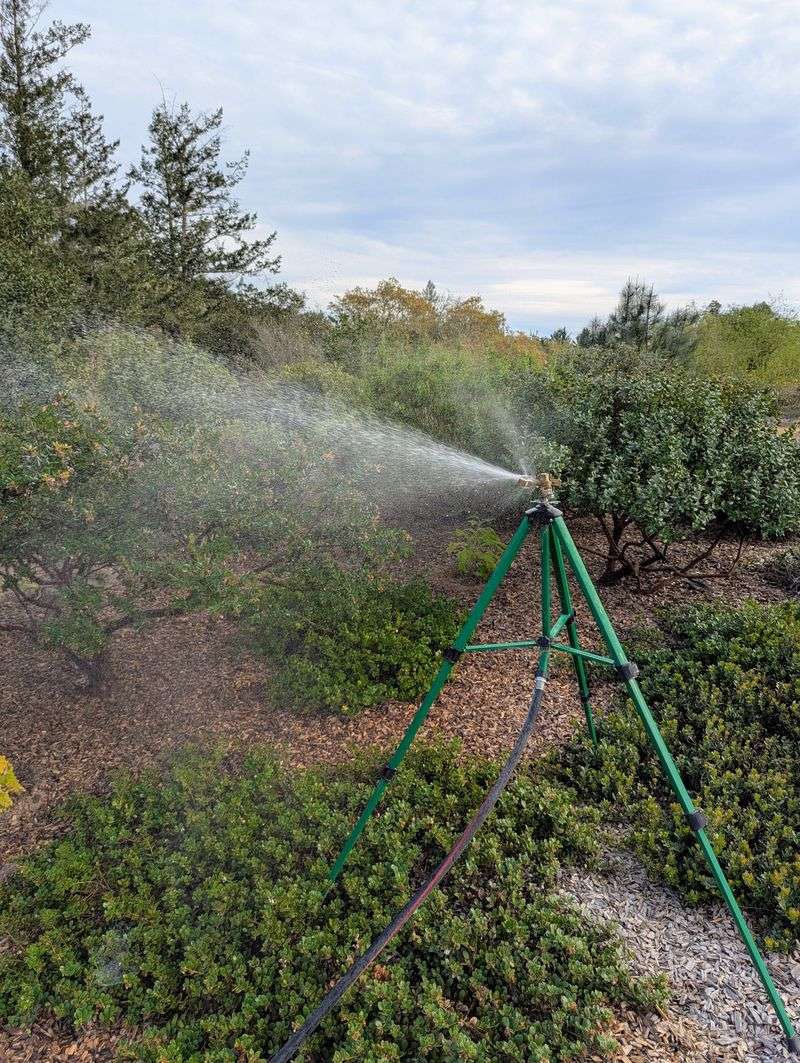
Watering deeply and less often gives roots a reason to go down. You can do the second no matter when you plant.
A practical example: when you water, run a slow trickle so moisture reaches well beyond the root ball, then let the top of the soil dry before the next round. Details on timing in the first year appear in UC’s native landscaping guide.
Neither habit promises you can skip summer care.
Monitor moisture as plants establish
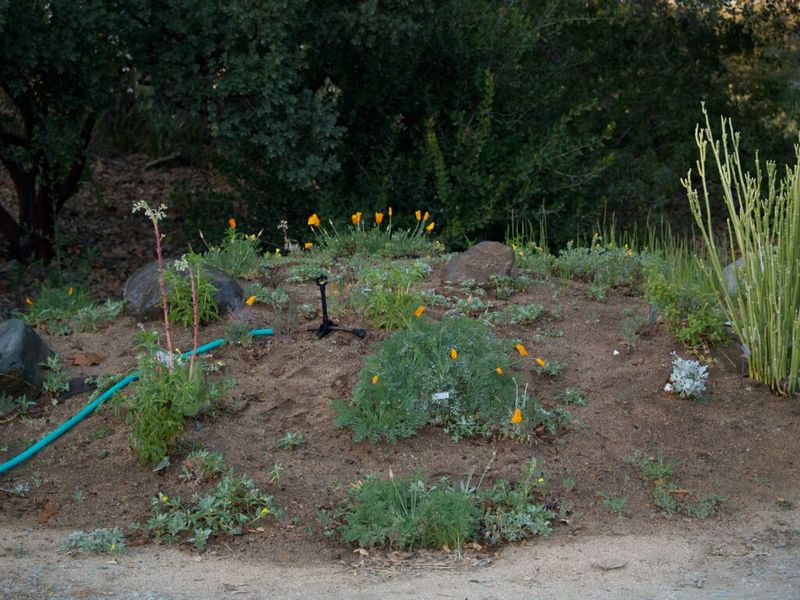
After planting, your best tool is a finger. Push it into the soil beside the root ball and feel for moisture.
If the surrounding soil is dry, it is time to water. If it is damp, wait.
Do not assume rain has done the job. During a dry winter spell, newly planted natives still need supplemental water, since the small root ball can dry out even when the weather feels cool.
UC ANR’s drought Q&A explains that landscape plants need a steady moisture supply for about a year or more after planting.
Schedules vary by source. UC Master Gardeners of San Luis Obispo County note that natives may need irrigation for the first year or two.
The common thread is to keep soil moist during establishment without letting it turn soggy.
Needs also shift with species, site, soil, and weather. A sandy hillside dries faster than a clay flat, and a plant from a wetter habitat may want water all summer.
UC’s first-year native plant tips offer a handy checklist to keep nearby.
As roots spread into the surrounding soil, you can stretch the time between waterings and watch how each plant responds. Wilting that does not recover by evening is a clue to give a deeper soak.
Fall and winter planting is a head start, not a pass on summer irrigation.