
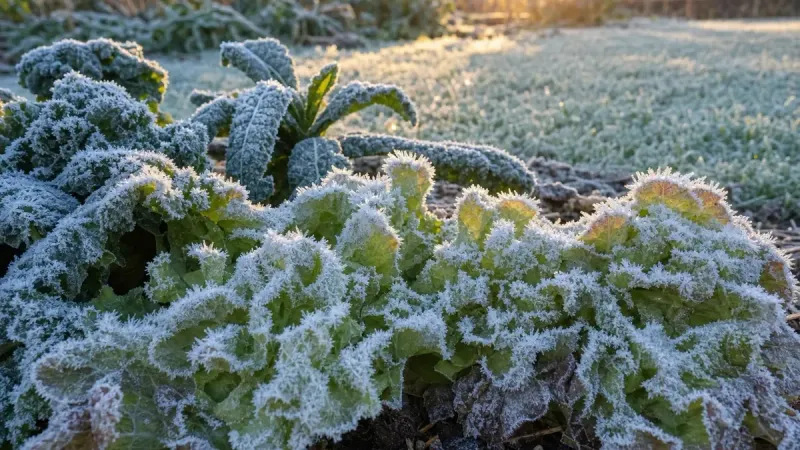
You walk out after a frosty night and find your lettuce looking glassy, floppy, or soggy. It is easy to blame one thing, but the real story has a couple of parts.
Freezing can hurt the plants in the garden, and picking leaves while they are still frozen can make them limp as they warm up. Knowing the difference helps you decide what to pick, what to leave, and what to toss.
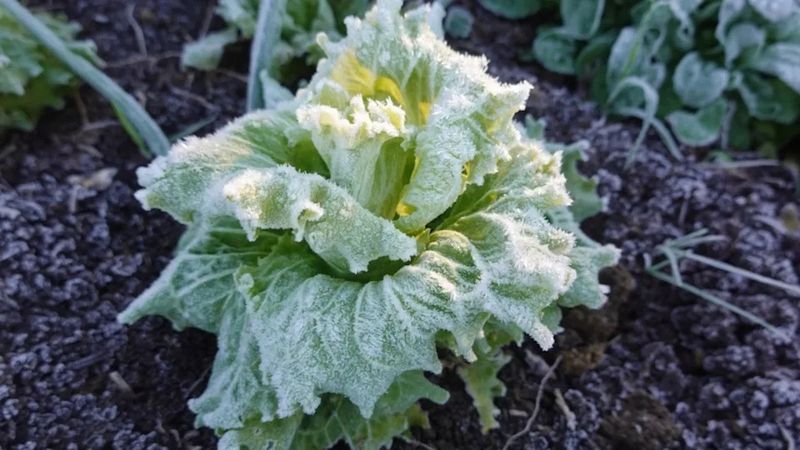
A freeze can leave lettuce translucent and water-soaked
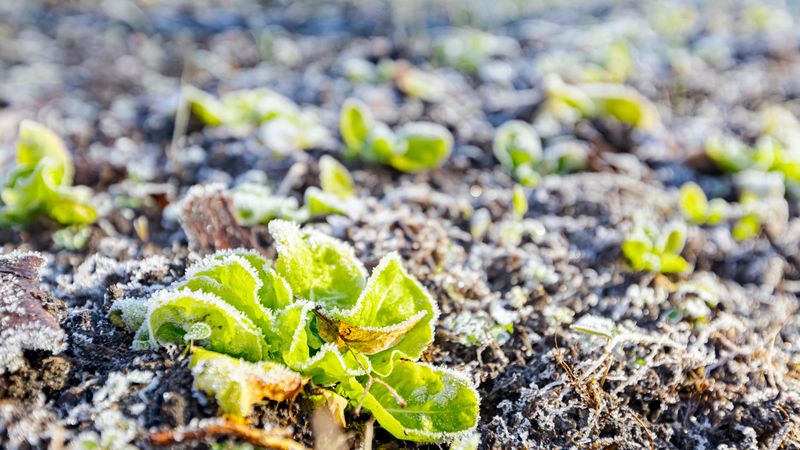
Lettuce leaves are mostly water, so a hard freeze can injure them right where they grow. UC Davis postharvest researchers describe freezing injury in lettuce as translucent or water-soaked areas that turn slimy after thawing.
That means the glassy look you see on a cold morning can be real damage, not just a harvest mistake. LSU AgCenter also lists symptoms of freeze and cold damage in vegetables, which can help you compare what you are seeing.
Keep in mind what these signs tell you. Translucent, soggy, or slimy leaves point to freeze injury and the decay that can follow.
They do not tell you that a specific germ is present. Check the outer leaves first, since they are often hit hardest, and look for firm green leaves deeper in the head.
Picking frozen leaves is not the only possible cause
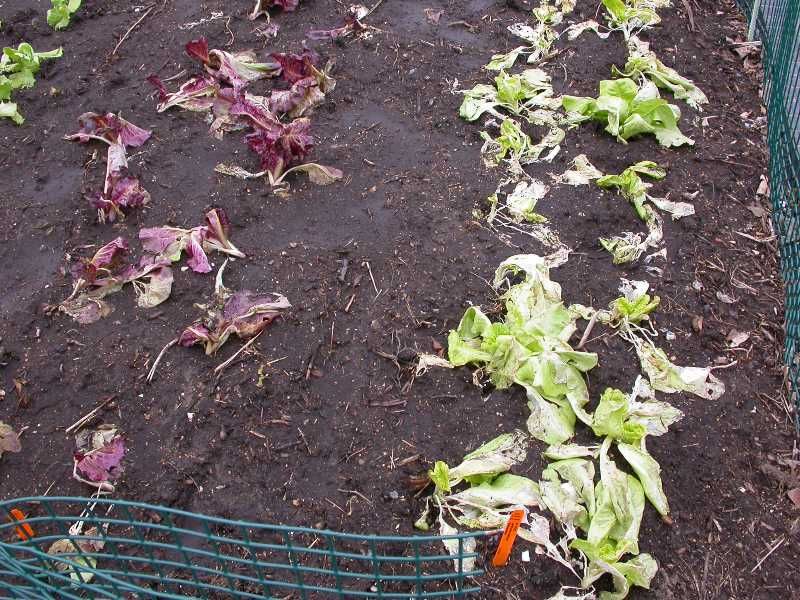
Two different things can leave you with mushy lettuce, and they can happen in the same bed. Freezing can injure the plants while they stand in the garden.
Separately, leaves picked while they are still frozen can go limp as they thaw in your basket or kitchen.
Iowa State Extension supports the harvest side of this: leaves picked below freezing can turn limp after thawing. So harvest timing matters, but it is not the full explanation.
Here is a quick clue. If leaves are glassy and soft while still on the plant, freeze injury is likely already there.
If they looked fine on the plant but drooped after you carried them inside, frozen picking may be the culprit. UC Davis documents freeze injury in the field too, so both explanations deserve a look.
Wait for the leaves to thaw, not for a set hour
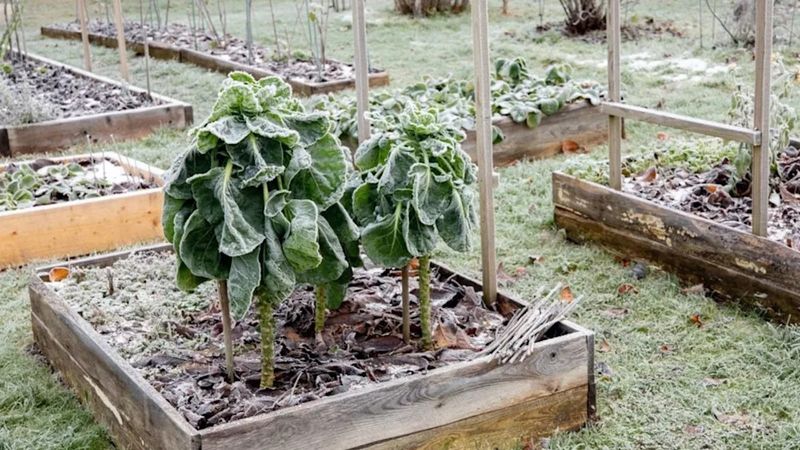
Before you pick, walk the row and touch a leaf or two. If they feel stiff, crunchy with ice, or cold and brittle, give them more time.
Once they are soft again, flexible, and green, they are ready to be judged for harvest.
Iowa State guidance says leafy greens can be picked after light freezes if they stay healthy, and that waiting until they thaw, often around midmorning on crisp fall days, can give good-quality leaves. Its low tunnel advice says much the same, typically late morning after a freezing night.
Treat midmorning as a rule of thumb. A shaded bed or a cold, cloudy day may thaw later, while a sunny spot may thaw earlier.
The leaves tell you more than the clock does.
Waiting protects leaves that are still sound. It does not repair tissue that the freeze already damaged, so pick the healthy ones and leave the glassy ones behind.
Cold tolerance varies with the lettuce and the exposure
There is no single freezing number that works for every lettuce patch. Plants that have been gradually exposed to cooler weather, called hardened plants, may handle a light freeze.
Repeated or long stretches below freezing can cause serious injury or even crop loss.
Variety and garden setting matter too. NC State Extension notes that cold tolerance depends on conditions, and its guidance does not point to one temperature that fits all varieties.
Florida gardeners have a narrower picture to work from. UF/IFAS says lettuce is damaged by freezing temperatures, that leaf types generally grow well in Florida, and that crisphead types suit only the coolest months.
That guidance is for Florida, so do not assume it matches a Texas or Carolina garden.
A practical move is to watch your own beds. Note which varieties looked glassy after a given night, and keep a cover handy for the next cold snap.
Handle sound leaves gently and refrigerate them promptly
Once you have picked healthy leaves, treat them like the delicate things they are. Lettuce bruises easily, and UC Davis notes that physical damage can speed deterioration.
Use a shallow basket, avoid piling leaves deep, and skip squeezing them into a bag.
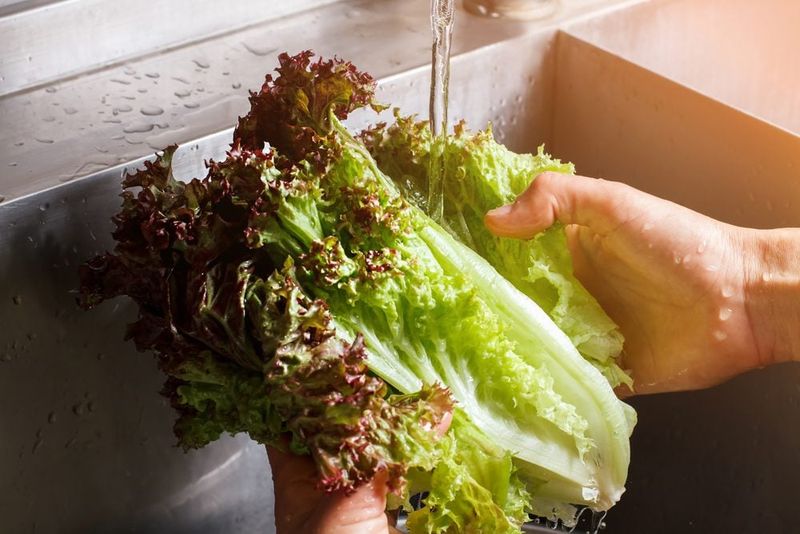
Get them cold soon after cutting. FDA guidance recommends keeping perishable produce like lettuce in a clean refrigerator at 40°F or below, and rinsing produce under running water before eating.
Rinsing is a normal step for good leaves, but it is not a rescue. Washing may reduce bacteria without eliminating it, and it does nothing to fix slimy tissue.
If a leaf looks rotten, throw it away. Slick, mushy, or visibly decayed lettuce does not become safe after a rinse.
Use thawing as a harvest check, not a cure
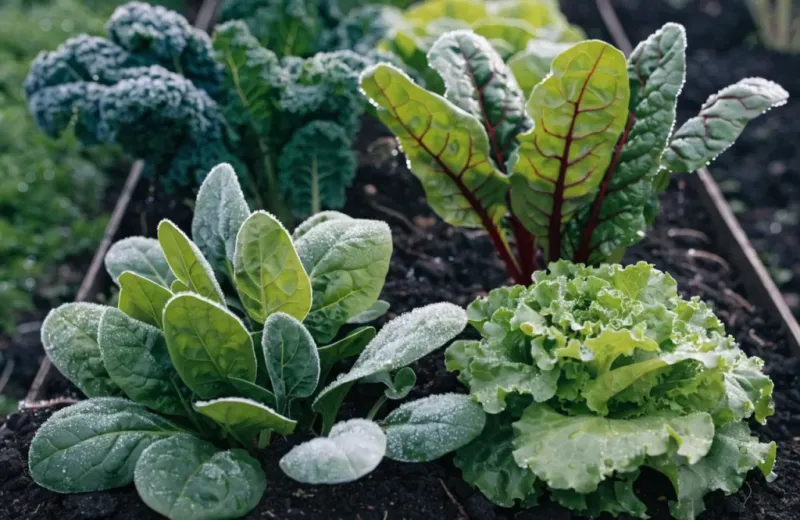
Here is the simple rule: let the leaves thaw, pick the ones that are still firm and green, and discard anything that looks rotten. Iowa State backs waiting for a thaw as a way to get good-quality leaves.
Thawing is a check, not a fix. Tissue that UC Davis describes as freeze-injured will not recover, and FDA advises throwing out produce that looks rotten.
Patience can save the leaves that made it through the night. The frost decides the rest.