 Complete Gardening
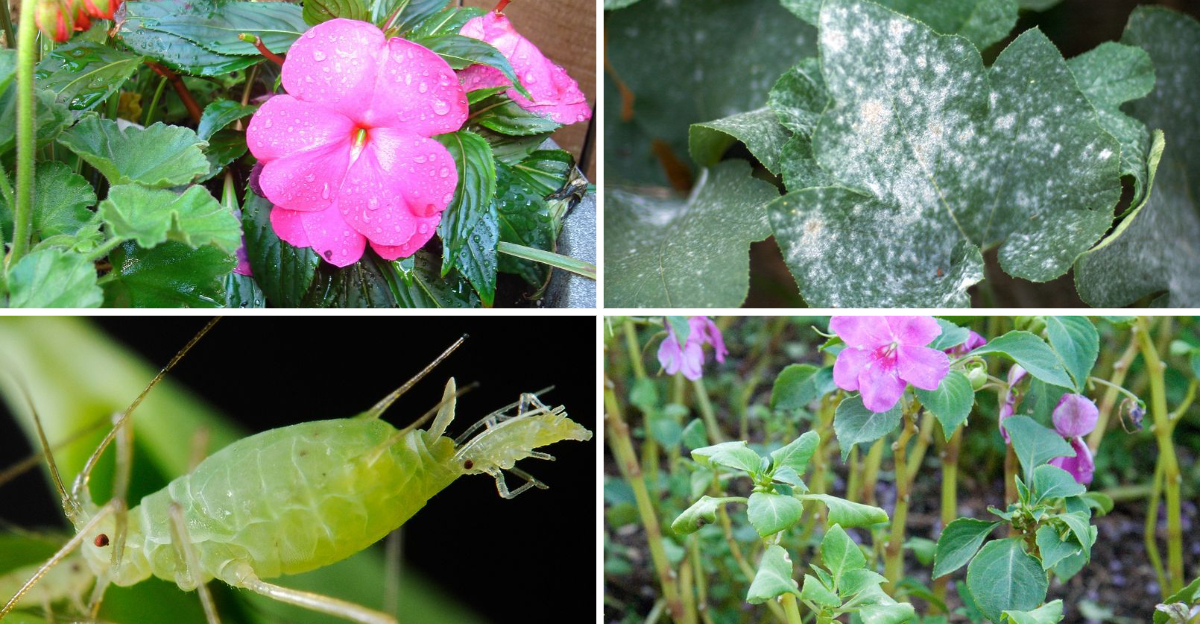
Impatiens, known for their vibrant blooms and lush foliage, are a favorite among gardeners. However, these charming plants can sometimes struggle, leaving gardeners puzzled. Understanding the reasons behind their decline can help you revive them and restore their beauty.
Overwatering
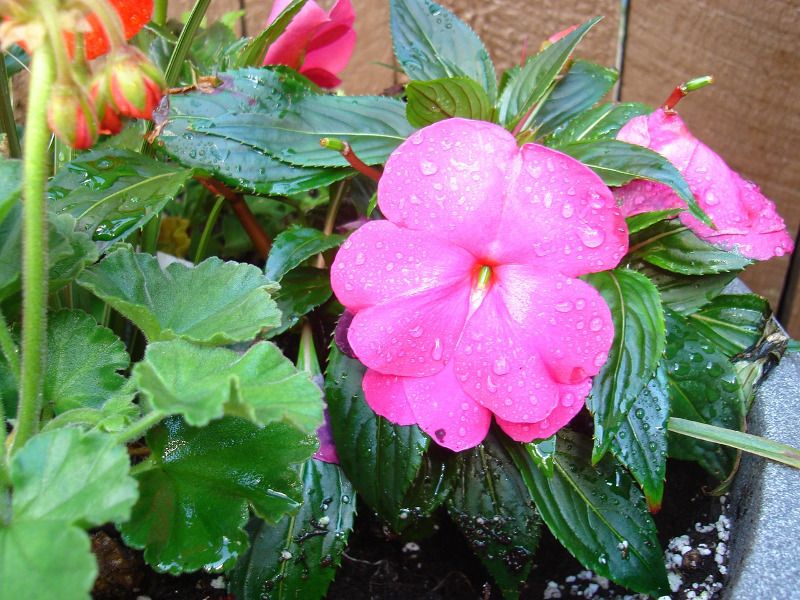
Have you ever noticed your impatiens looking droopy and yellow? Overwatering might be the culprit. These plants prefer moist but not soggy soil, and excessive water can suffocate roots.
It’s essential to check the soil moisture regularly. Stick your finger an inch into the soil. If it feels moist, skip watering for a few days. Adjusting your watering habits can save your plants.
Consider improving drainage by adding organic matter to the soil. This will help maintain the right moisture level, ensuring your impatiens thrive once more.
Fungal Diseases
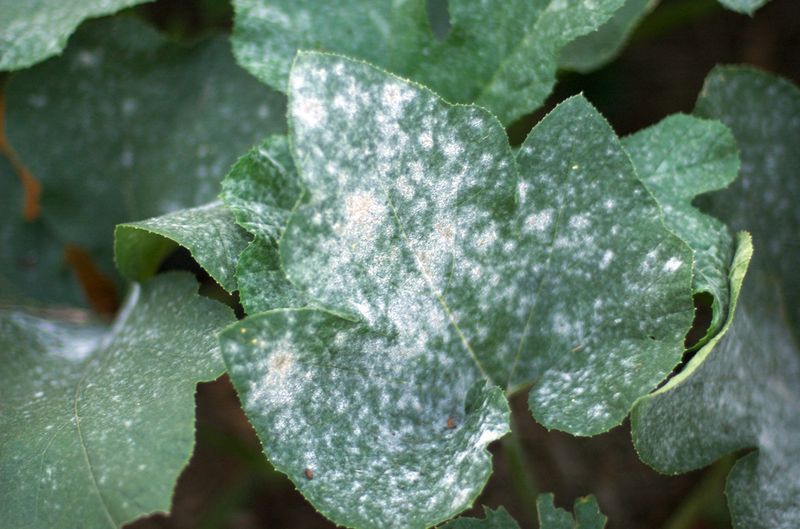
“Why are my impatiens covered in white spots?” you might wonder. Fungal diseases like powdery mildew can wreak havoc on these delicate plants. The fungus thrives in humid conditions, spreading rapidly across leaves.
To combat this, ensure good air circulation around your plants. Space them appropriately, avoiding overcrowding. Removing infected leaves can also prevent the spread of disease.
Try using a fungicide as a preventive measure. Regular application can protect your impatiens from future fungal attacks.
Pest Infestation
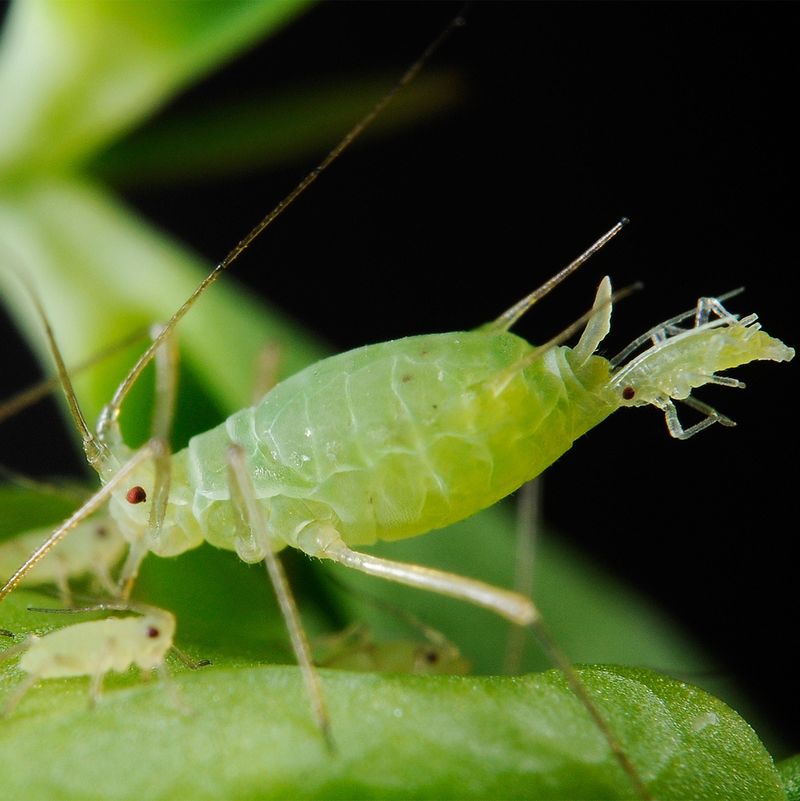
Imagine finding tiny insects crawling on your impatiens. Aphids and spider mites love feasting on the tender leaves, leaving them damaged and wilting.
Spotting these pests early is crucial. Check the undersides of leaves frequently, as this is where they often hide. Insecticidal soap is a safe option to control pests without harming beneficial insects.
Encourage natural predators like ladybugs into your garden. They can help keep pest populations in check, ensuring your impatiens grow healthily.
Nutrient Deficiency
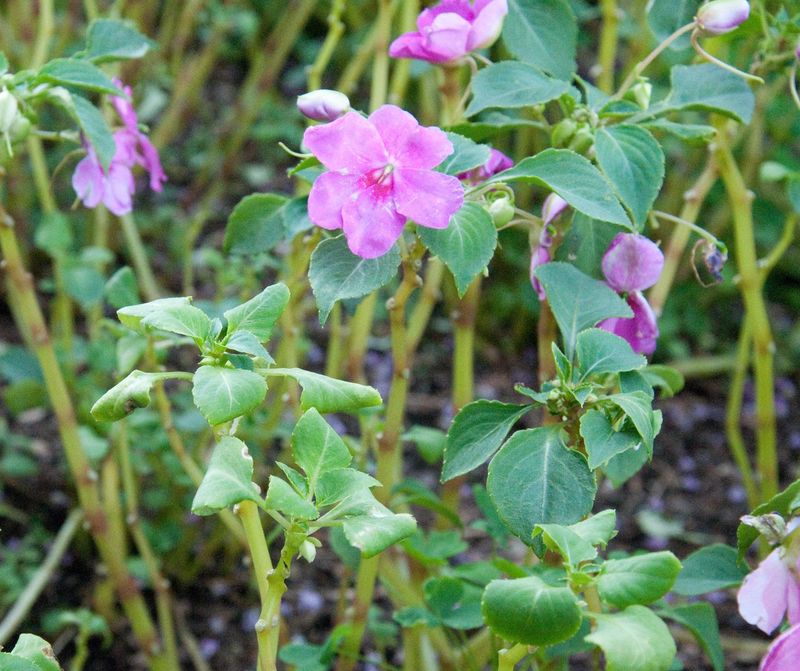
Ever seen impatiens with pale, discolored leaves? A nutrient deficiency might be the cause. Impatiens require balanced nutrition to maintain their vibrant colors and lush growth.
Consider conducting a soil test to determine nutrient levels. This will guide you in choosing the right fertilizer. Look for a balanced fertilizer rich in nitrogen, phosphorus, and potassium.
Regular feeding, especially during the growing season, can replenish nutrients and restore plant vigor. Your impatiens will thank you with a burst of color!
Improper Light Conditions
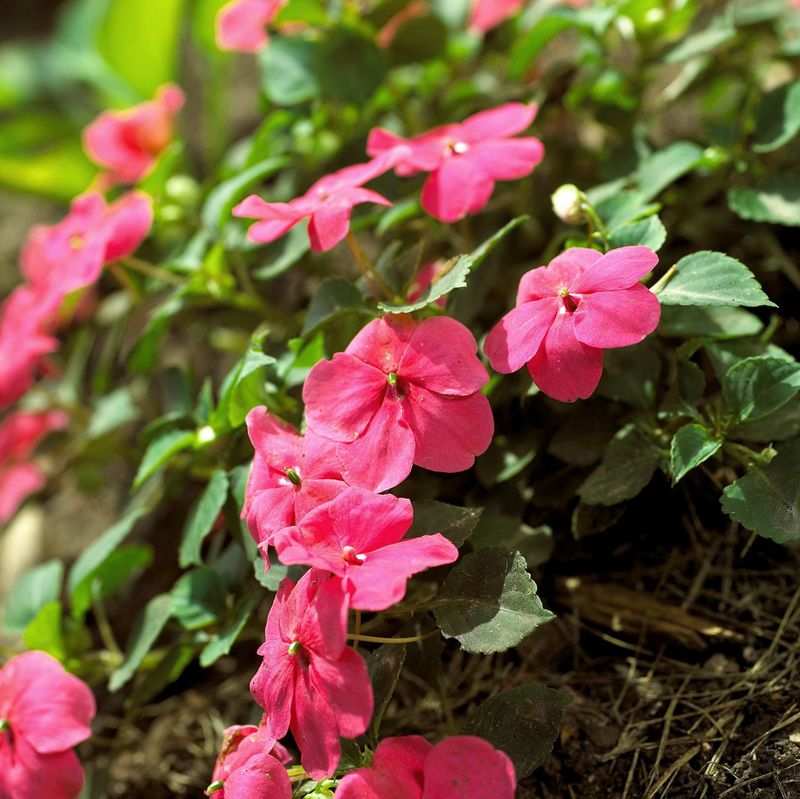
Have you placed your impatiens in a shady corner, hoping they’ll brighten it up? While they can tolerate shade, they still need some sunlight to flourish.
Monitor the amount of light your plants receive. If they appear leggy or have fewer blooms, they might need more sun. Relocating them to a spot with filtered sunlight can make a difference.
Remember, too much direct sunlight can scorch leaves. Finding the right balance ensures your impatiens bloom beautifully.
Soil Compaction

Imagine walking on a path, only to find it densely packed. Soil compaction in your garden can have a similar impact on impatiens. Compacted soil restricts root growth and impairs water drainage. This environment makes it tough for impatiens to flourish. To resolve this, regularly aerate your soil to improve its texture. Consider adding organic matter like compost, which enhances soil structure. A tiller or simple garden fork can be handy tools for this task. Remember, a more breathable soil environment allows your impatiens to thrive and absorb nutrients effectively.
Temperature Fluctuations
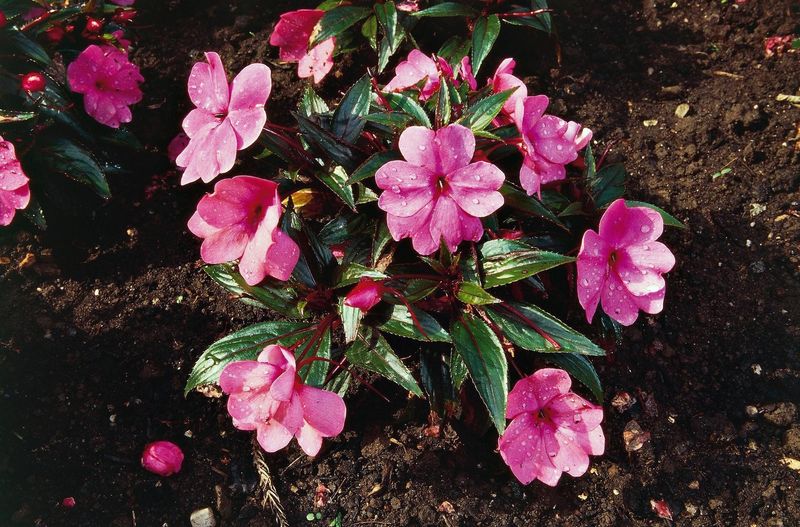
Impatience doesn’t suit impatiens. They are sensitive to sudden temperature changes. If your garden experiences abrupt shifts from hot to cold, it could stress these delicate flowers. Planting them after the last frost and ensuring some shade during the peak summer can mitigate this stress. Covering them during unexpected cold snaps may also help. Maintaining a stable environment nurtures healthier plants. These flowers prefer consistency in their surroundings, mirroring their need for stable care. Give your impatiens the climate they crave, and they’ll reward you with vibrant blooms.
pH Imbalance
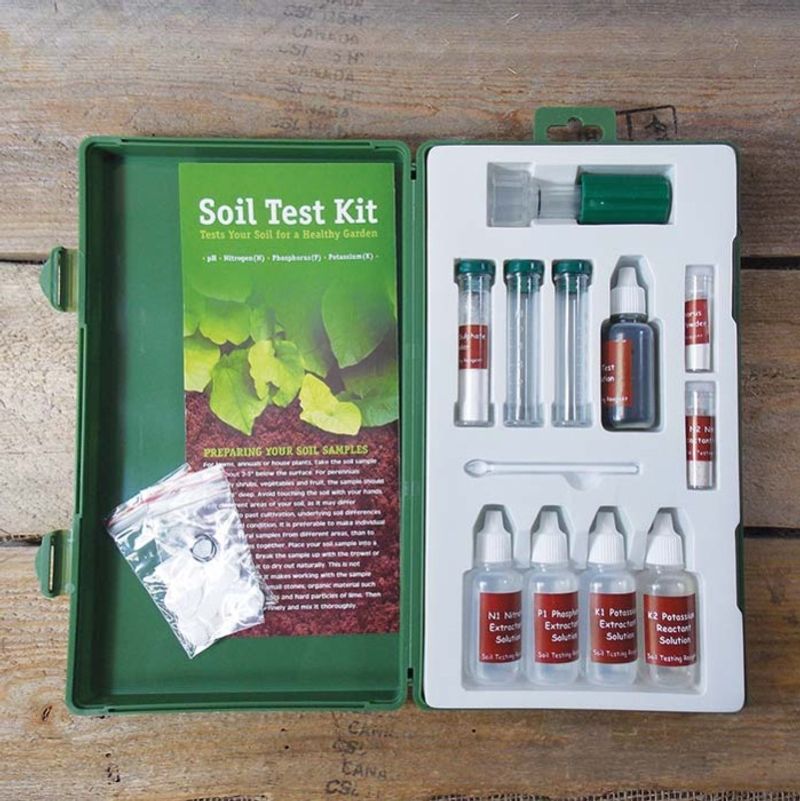
Your garden’s secret could be in its pH levels. Impatiens prefer slightly acidic soil. A pH imbalance can hinder their ability to absorb essential nutrients. Testing your soil’s pH can reveal hidden issues impacting growth. If your soil is too alkaline, consider adding sulfur to lower the pH. Conversely, if it’s too acidic, limestone might be needed. Adjusting the pH can significantly improve plant health. Remember, maintaining an optimal pH level can be the secret to healthier, more vibrant impatiens. Begin by testing and adjusting as necessary.
Transplant Shock
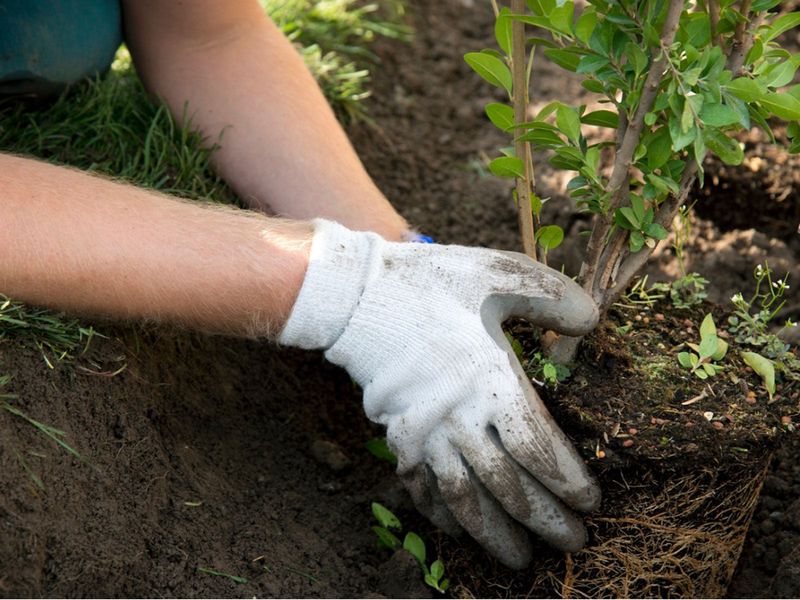
Ever felt out of place in a new environment? Newly transplanted impatiens might experience the same. Transplant shock occurs when the plant struggles to adjust to new conditions. To minimize this, transplant impatiens during cooler parts of the day and ensure they are well-watered. Avoid disturbing the roots excessively. Gradual adaptation to sunlight can ease their transition. This careful handling helps impatiens establish themselves quicker in your garden, reducing the shock of relocation. With patience and care, your flowers will settle into their new homes beautifully.
Humidity Levels
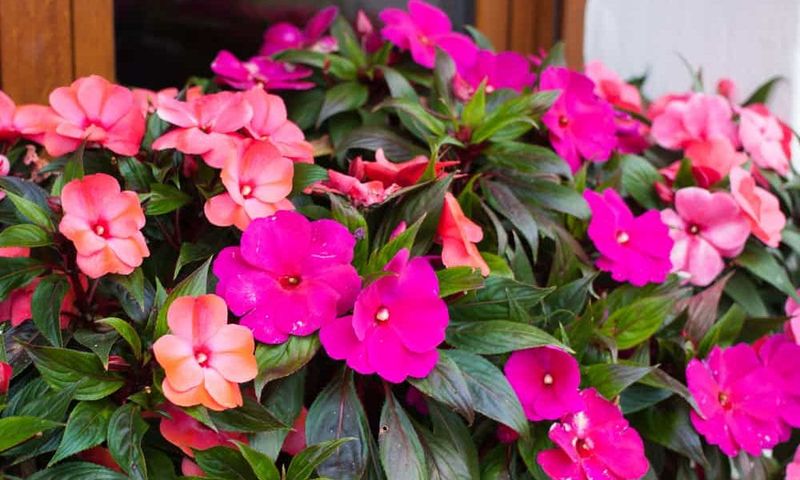
Impatiens love moisture, but not just in the soil. They thrive in humid environments. If your garden air is too dry, it might be impacting your plants. To increase humidity, consider misting your impatiens regularly or placing a shallow water tray nearby. Humidity encourages healthier growth and vibrant flowers. It’s all about recreating their natural habitat. In dry climates, a little extra effort to maintain moisture in the air can make a big difference. Embracing humidity will have your impatiens blooming with joy.
Poor Air Circulation
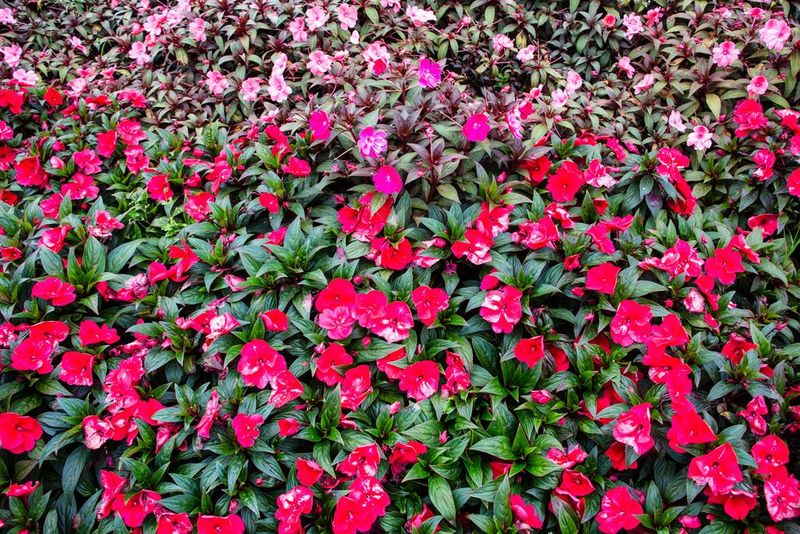
Think of it like a crowded room. Poor air circulation in densely planted areas can suffocate impatiens. Without adequate airflow, plants become susceptible to various ailments. Thinning your plant arrangements can significantly enhance air circulation. Space out impatiens to allow the breeze to gently pass through. Good air movement helps reduce moisture buildup on leaves, lowering disease risk. Give your impatiens room to breathe, and they’ll grow stronger and healthier. It’s a small adjustment that leads to big improvements in plant vitality.
Water Quality
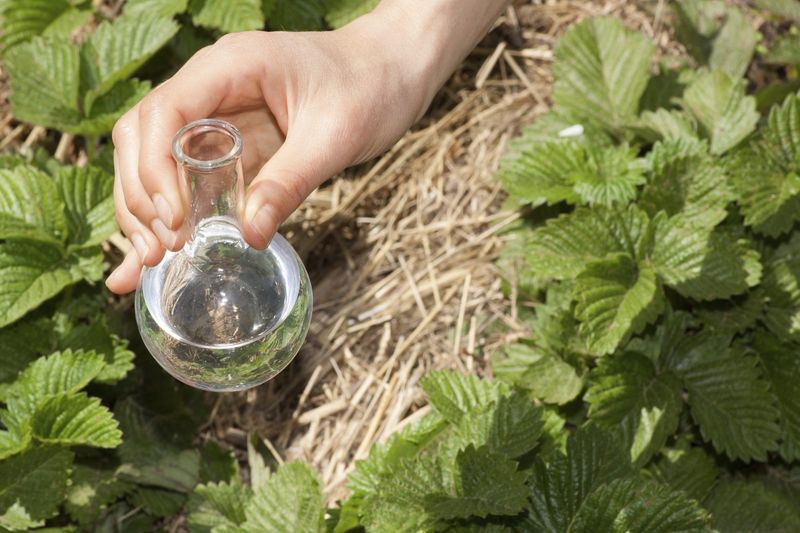
Water is more than just a thirst quencher for impatiens. Its quality can be crucial. Hard water with high mineral content can lead to nutrient imbalances. Testing your water quality can reveal if this is affecting your plants. Consider switching to rainwater or filtered water for better results. Clean water ensures optimal nutrient uptake and promotes vigorous growth. By providing your impatiens with the best water quality, you’re supporting their overall health. It’s a straightforward step that contributes to their flourishing beauty.
Inadequate Pot Size
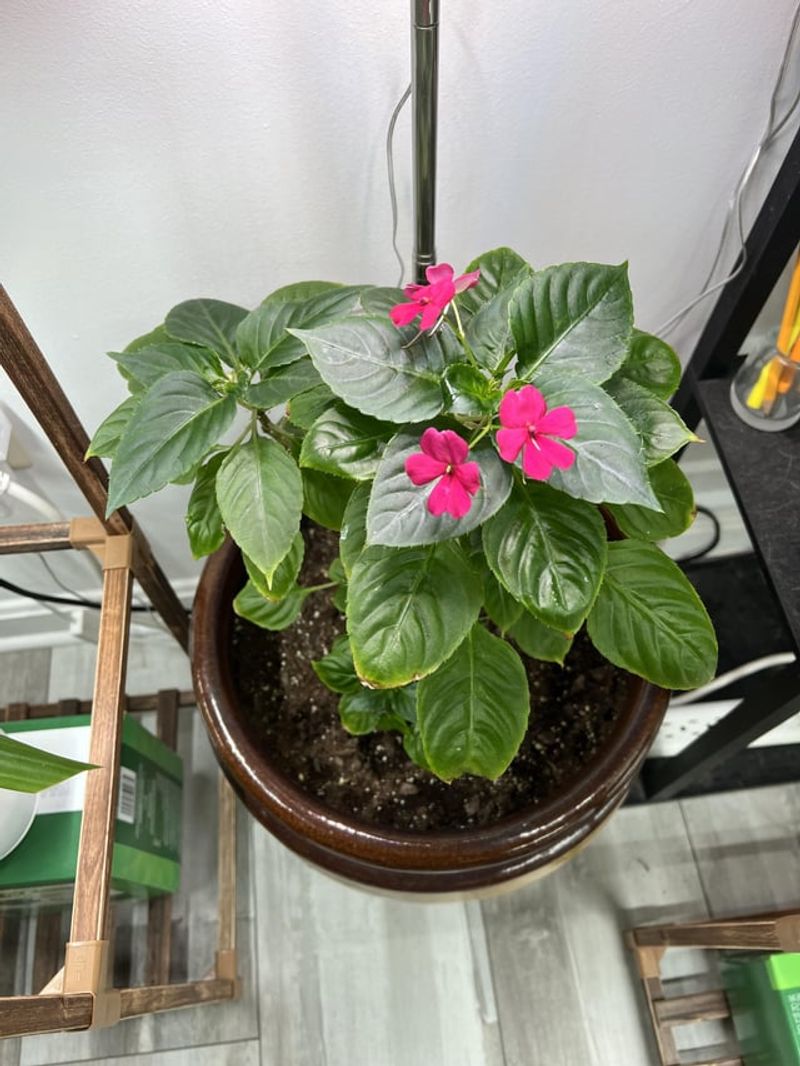
Imagine squeezing into a tiny space—uncomfortable, right? Impatiens can feel cramped in small pots, restricting their root growth. Choose pots that allow room for expansion to promote healthier plants. When roots outgrow their containers, they struggle to access nutrients and water. Repotting them into larger containers ensures better growth conditions. Providing ample space within pots can make a noticeable difference. It’s about giving your impatiens the room they need to stretch and thrive. This small change can lead to big, beautiful blooms.
Excessive Pruning
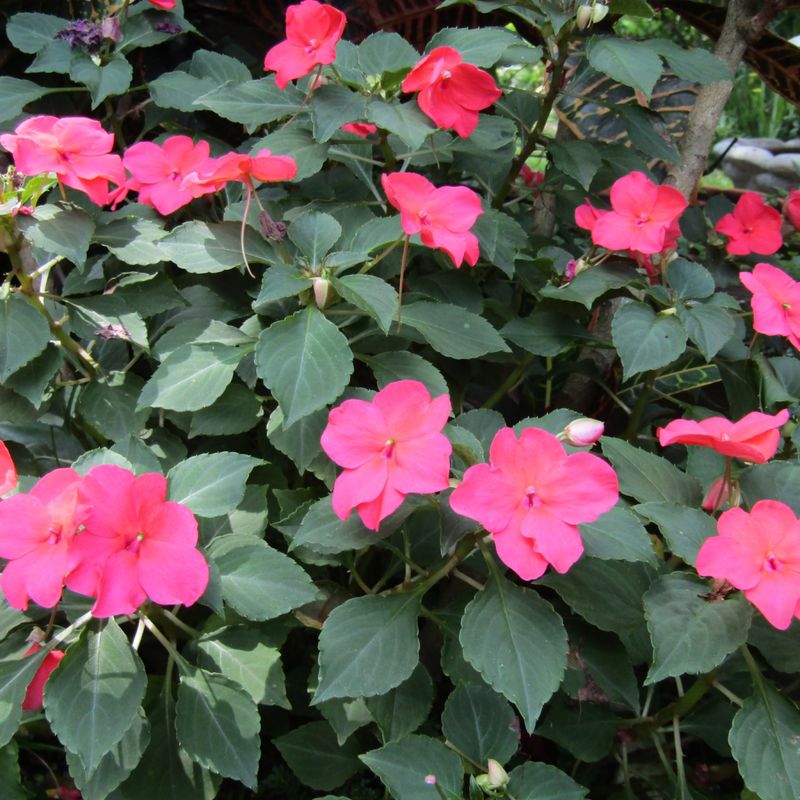
Less isn’t always more when it comes to pruning impatiens. Over-pruning can stunt their growth, depriving them of leaves necessary for photosynthesis. The key is balance. Prune only to remove dead or damaged parts, encouraging healthy growth. Avoid cutting them back too harshly. A gentle trim fosters a bushier appearance without sacrificing blooms. Understanding the right amount of pruning keeps your impatiens lush and thriving. Remember, moderation is key in maintaining their natural beauty. Let your impatiens shine with the right care and precision.
Overcrowding

Picture a bustling city where space is limited. Overcrowding in your garden can similarly hinder impatiens. Competing for nutrients and sunlight, these plants need breathing room. Spacing them adequately promotes better air circulation and reduces competition. This simple step can lead to healthier and more vibrant flowers. By giving each plant enough room, you encourage robust growth and blooming. Overcrowding, while visually appealing, can be detrimental. Remember, a little space goes a long way in nurturing your impatiens’ full potential.