
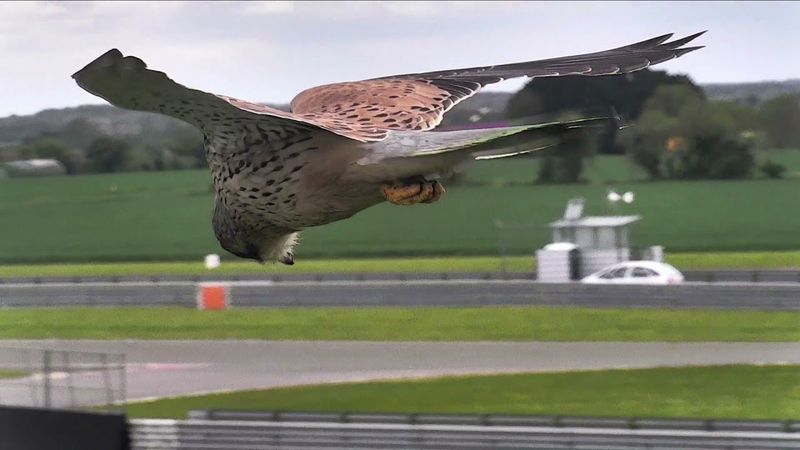
A small falcon hanging in the air over your yard is a thrilling sight, and it makes many gardeners wonder if help has arrived for their chewed-up tulip beds. Kestrels may hunt voles, but a hover alone does not tell you what the bird is after or whether it has anything to do with your bulbs.
Knowing what the bird can and cannot do helps you protect your plants and the wildlife that visits your yard. Here is how to sort out the facts and act in ways that are safe for raptors.
A hover may indicate hunting, but not the target
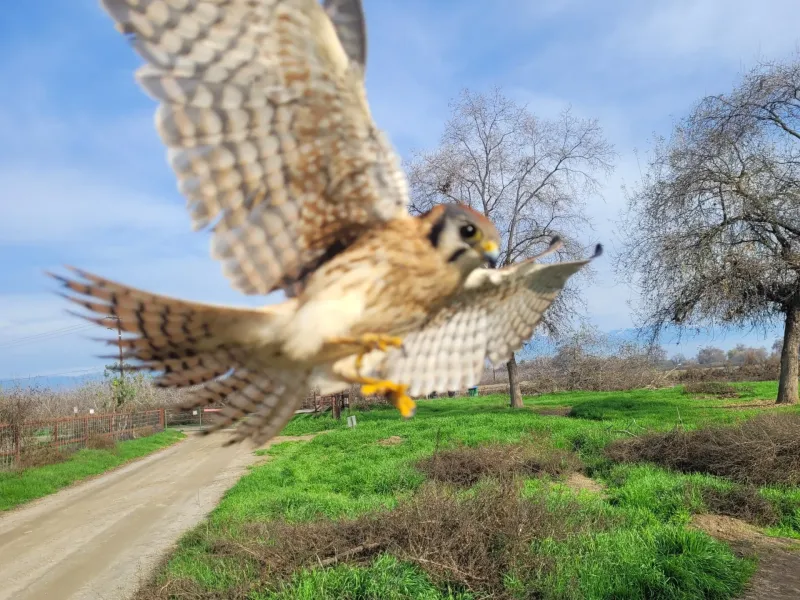
Picture a kestrel holding nearly still in the air, wings fluttering and tail fanned. That behavior is consistent with hunting over open ground, and it is one of the reasons the bird is so easy to spot.
Still, a hover does not prove the bird is hunting at that moment, and it certainly does not reveal what it is watching.
Kestrels also hunt from perches. As Penn State Extension habitat guidance explains, they favor open areas for hunting and may use trees or other elevated spots to scan for prey.
So a kestrel on a utility wire and a kestrel hovering over a lawn could both be searching for a meal.
What they are searching for varies. A small UC California winter pilot found kestrels eating a mix of prey types, not just rodents.
A bird over your yard might be after a grasshopper, a lizard, or a vole.
That makes the kestrel a possible garden ally, not a bird that has singled out the voles in your bulb bed. Enjoy the show, and keep the next steps in mind.
California’s winter study found a varied kestrel diet
Researchers at UC took a close look at what wintering kestrels eat in Yolo County. In this UC ANR pilot study, they sampled 10 kestrels and detected a varied diet that included insects, birds, mammals, and reptiles or amphibians.
Mammals on that menu make it reasonable to say kestrels may eat voles. But ten birds in one county is a small sample, and the work focused on farm settings.
It does not show that a kestrel over a backyard is going after bulb-eating voles, and it does not show that kestrels control vole damage.
Think of it as a hint, not a guarantee. A bird that eats many kinds of prey is not likely to focus on one garden bed.
Presence also varies. According to Cornell Lab range information, kestrels are year-round residents in some places and migrants in others.
A coastal neighborhood, a Central Valley subdivision, and a foothill lot may see very different numbers of kestrels, and some yards may not see one at all this winter.
Look for vole evidence before blaming missing bulbs
Bulbs vanish for several reasons. Gophers, rats, squirrels, rot, and poor drainage can all leave a hole where a daffodil used to be.
A missing bulb by itself does not name the culprit.
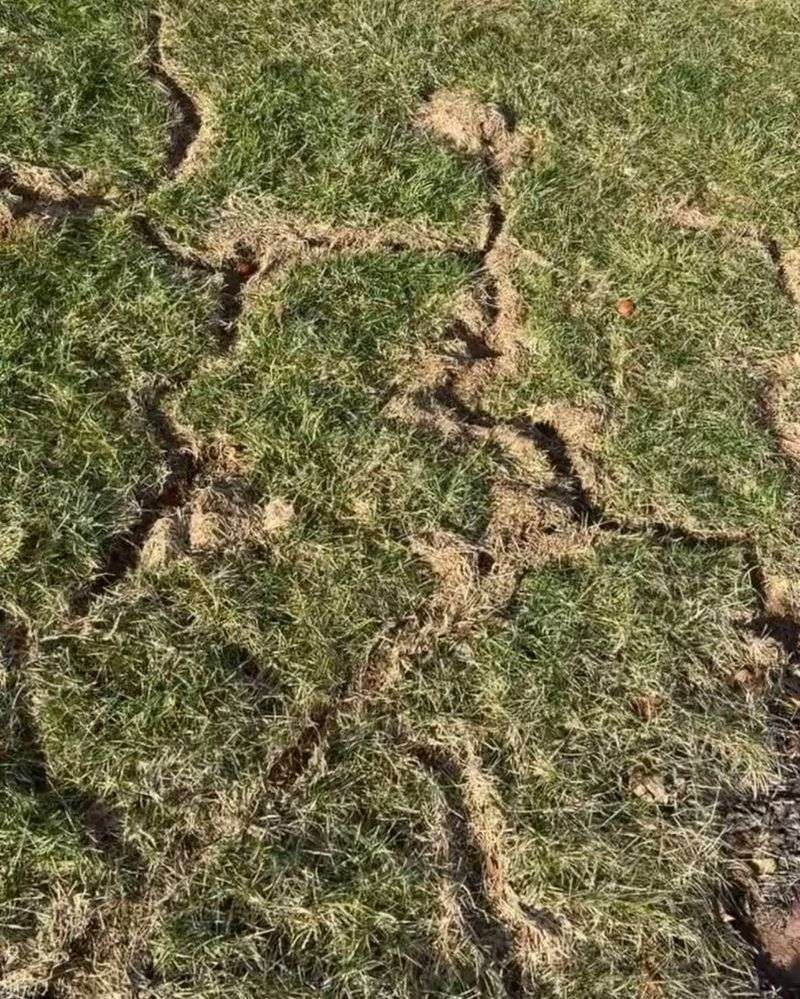
Before choosing any control, go look. UC IPM’s vole guidance says voles eat bulbs and other plants, and it points to clear signs: runways, burrows, droppings, and feeding damage.
Runways are narrow, well-worn paths through grass or under mulch and dense groundcover. Burrow openings are small, often hidden by plants.
Droppings may show up along those paths, and gnaw marks or chewed bulbs near them add to the case.
Walk the affected bed slowly, pull back mulch, and part thick groundcover. If you find several of these signs, voles are a strong suspect.
If you find none, hold off on traps or other measures and think about other causes. Taking ten minutes to check can save you from treating the wrong problem.
Kestrels may eat voles but cannot be your control plan
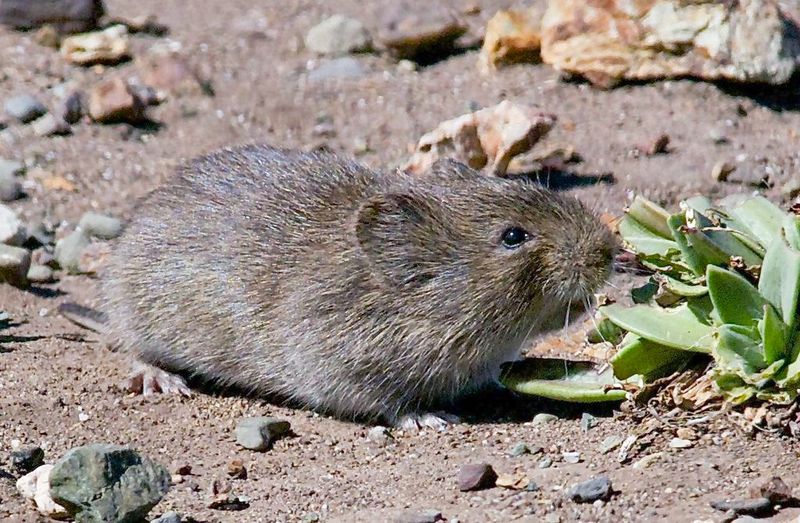
A bird that eats small mammals is a welcome neighbor. Even so, hoping it will protect a flower bed is a gamble.
UC IPM states that predators eat voles but generally cannot keep populations below damaging levels in home gardens.
The reason is simple math. Voles breed quickly and hide under cover, while a single kestrel has a big territory and eats many kinds of food.
The UC pilot study described earlier found a varied diet, which fits that picture. Your yard is one small stop on its rounds.
So think of a kestrel sighting as a possible bonus. If you have confirmed vole signs, the damage is still yours to manage with direct steps at the spot where voles are active.
UC IPM points to habitat changes, exclusion, and trapping as more direct tools.
An example helps. Say a kestrel visits your yard twice a week, yet the crocus bed keeps getting thinner and fresh runways keep appearing.
The bird is not failing; it just was never a complete answer.
Balance open hunting space, perches, and vole cover
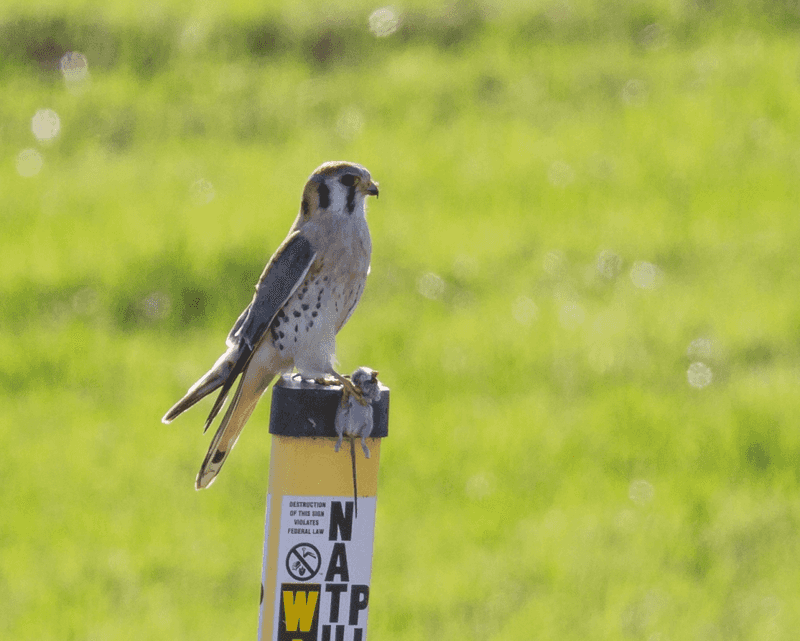
Kestrels and voles want different things from a yard. Kestrels hunt over open ground and may use elevated perches such as trees or poles to watch for prey, as the Penn State guidance notes.
Voles prefer cover.
UC IPM says dense vegetation, weeds, and heavy mulch can shelter them. That means a yard can offer a clear view for a hunting bird and still need tidying near bulbs.
If you already have a sturdy tree, post, or snag that a kestrel might use, keeping it where it is safe and practical is a reasonable choice. No one can promise it will attract or keep a bird, so treat it as a low-cost option, not a plan.
Skip the all-or-nothing approach. You do not need to clear every plant, and you do not need to save every shrub.
Instead, trim weeds and thin heavy mulch near the beds where you found vole signs, and keep a few open stretches of lawn or low planting where a bird could see the ground.
In a hillside yard, that might mean thinning ground cover near the bulb terrace while leaving fire-safe spacing in place. Match changes to the spots where voles are active.
Target vole habitat and handle rodenticides cautiously
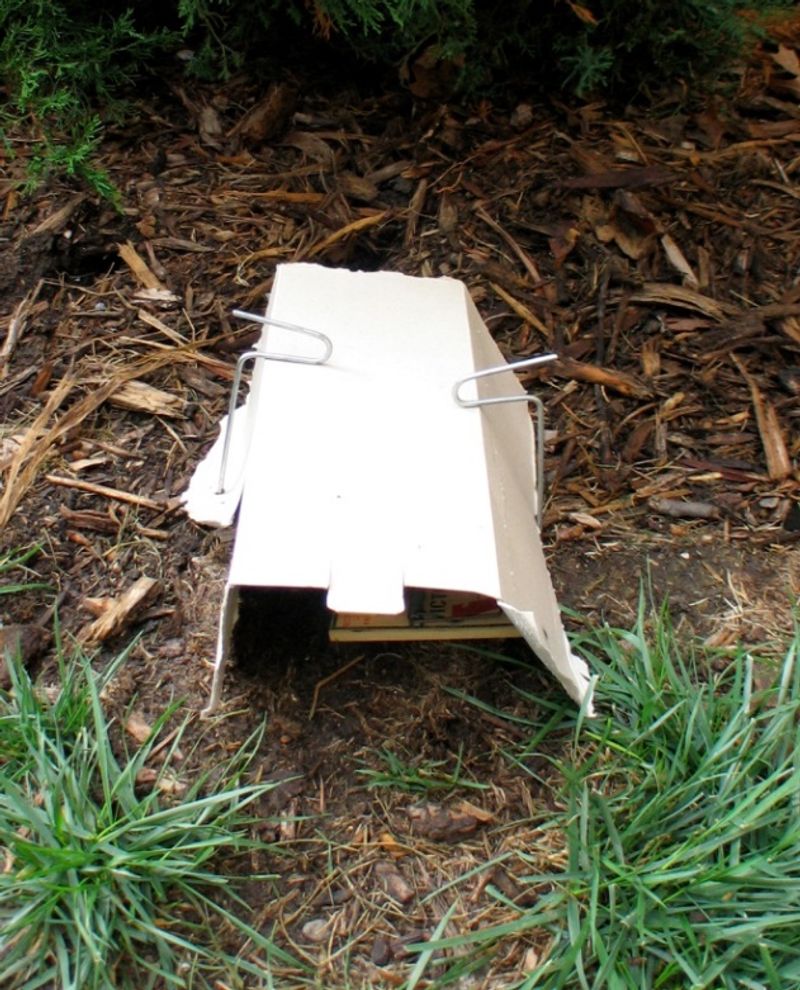
Once you have confirmed voles, start with habitat. UC IPM recommends reducing dense vegetation, weeds, and heavy mulch where voles are active, since those spots give them cover.
For a small garden with low or localized numbers, snap traps can help. Place them across runways and cover them to reduce risks to nontarget animals.
Keep children and pets away from them.
Poison is a different story. Rodents that eat bait can pass it up the food chain.
California Fish and Wildlife monitoring has found widespread second-generation anticoagulant exposure in raptors generally, and a controlled study of brodifacoum in kestrels found toxic effects.
Those findings describe general risk. They do not mean the kestrel in your yard has been poisoned.
California’s rules depend on the active ingredient and the use, and they include exemptions. Read California DPR’s questions and answers on second-generation rodenticides and its continuous evaluation update, then check the current label on any product before you buy or use it.
Not every rodenticide is banned, and not every product is off limits to homeowners, but the details matter. When in doubt, choose habitat changes and covered traps first.
Treat a kestrel as a bonus, not a bulb safeguard
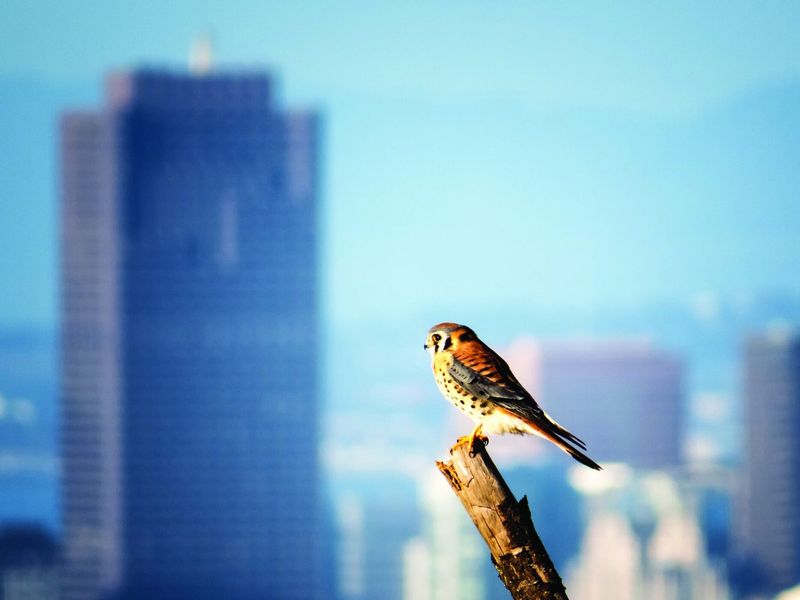
Welcome the kestrel, but do not assume you know what it is hunting. Check your beds for vole signs, then use targeted steps such as those in UC IPM’s vole guide.
Leave the bird alone. The Migratory Bird Treaty Act prohibits taking protected migratory birds without authorization.
A kestrel makes a fine garden guest, just a poor stand-in for a trap and a tidy bed.