 Complete Gardening
In the world of landscaping, change is constant. Every year, new trends emerge, replacing the old favorites that once dominated gardens and outdoor spaces. This summer, a new wave of shrubs is capturing the attention of landscapers and garden enthusiasts alike. These 15 summer shrubs offer not only aesthetic appeal but also unique characteristics that set them apart. From vibrant colors to drought-resistant features, these shrubs are redefining what it means to create a summer garden. Here’s why these shrubs are stealing the spotlight and why landscapers are moving away from traditional choices.
1. Hydrangea Paniculata
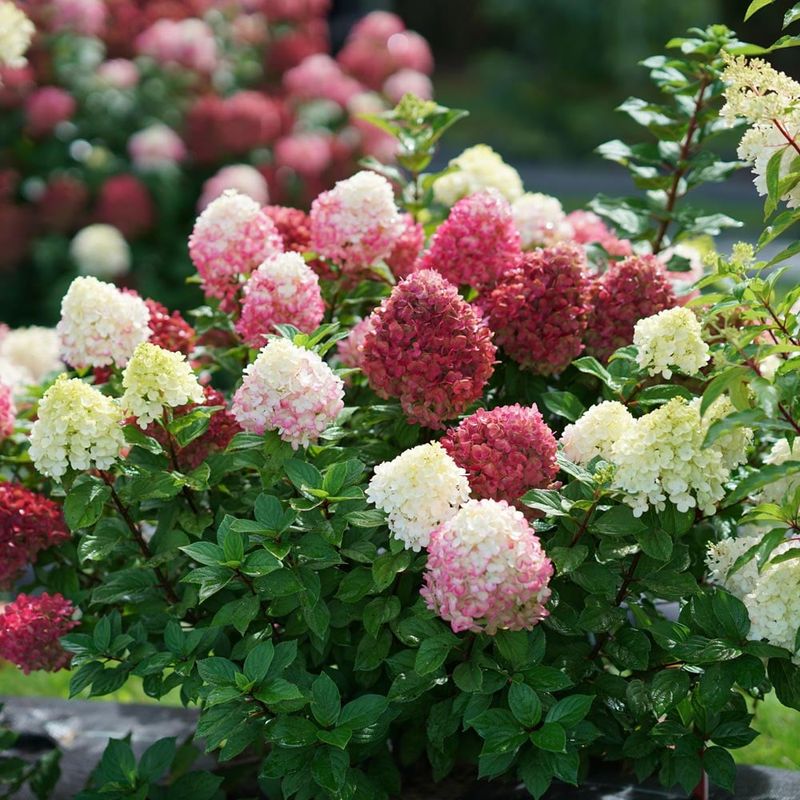
The Hydrangea Paniculata, often called the ‘Pee Gee hydrangea,’ is turning heads this summer. Its large, conical clusters of flowers start off white and gracefully transition to soft pink hues. This dynamic color change adds a stunning visual element to any garden. Easy to care for, this shrub thrives in a range of soil types. Known for its resilience, it can endure harsher climates, making it a favorite among landscapers. The Paniculata’s ability to attract pollinators while offering a seasonal spectacle makes it an irresistible addition to contemporary gardens.
2. Rosa Rugosa
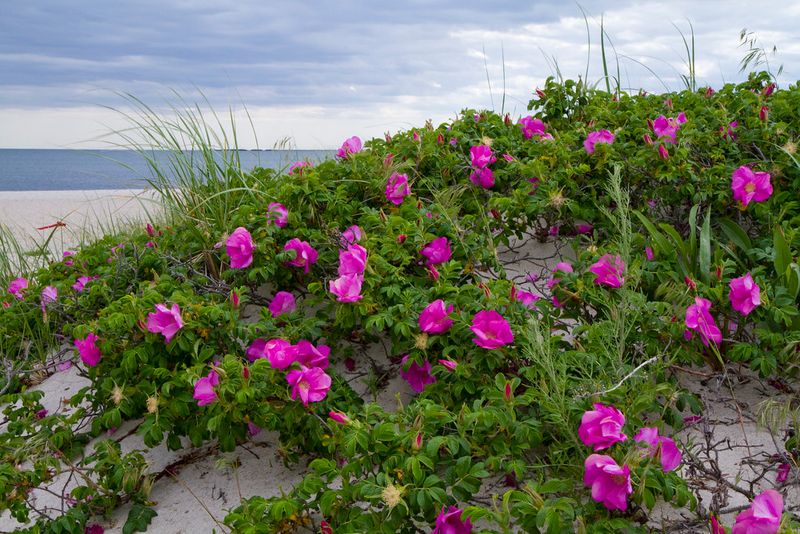
Rosa Rugosa is a tough yet beautiful shrub that landscapers are loving for seaside gardens. Its vibrant pink blossoms contrast beautifully with its thick, leathery leaves. Known for its salt tolerance, this shrub thrives in coastal areas where others might falter. Beyond its beauty and resilience, Rosa Rugosa produces fragrant flowers that transform into scarlet rose hips, providing seasonal interest. Its capacity to stabilize sandy soil makes it a practical choice for erosion control, too. These features combine to offer a delightful, hardy option for coastal landscapes.
3. Lavandula Angustifolia
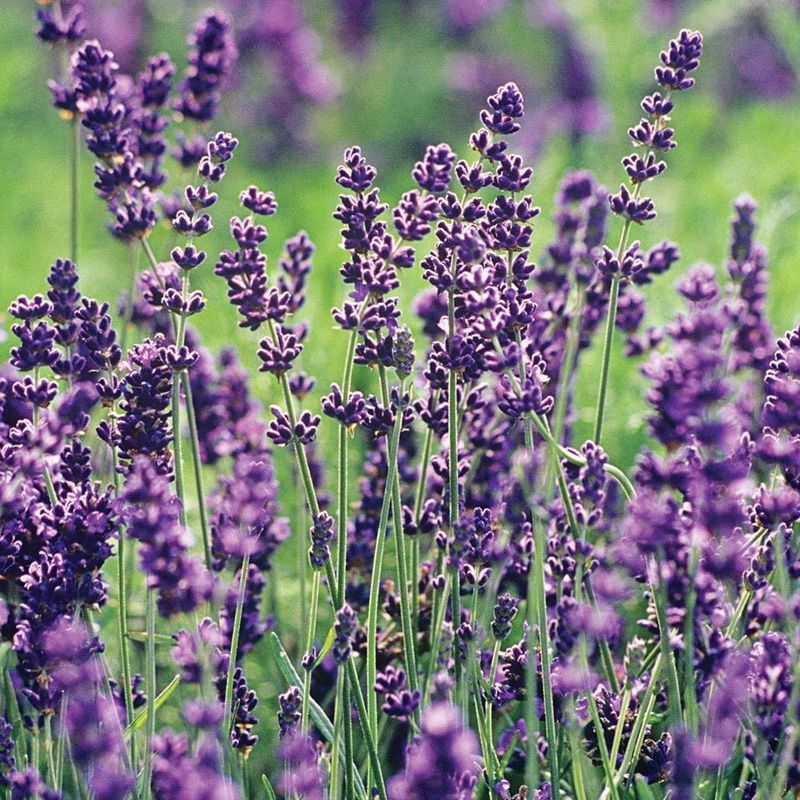
Lavandula Angustifolia, or English Lavender, is more than just a pretty face. This aromatic shrub brings a soothing presence to gardens with its purple blooms and relaxing scent. Revered for its drought tolerance, it’s an ideal choice for eco-conscious landscapers. Lavender’s appeal goes beyond aesthetics; its fragrance is known to repel pests and attract beneficial insects like bees and butterflies. The versatility of this plant is showcased in its use in culinary delights and essential oils. Lavender’s calming aura and practical benefits are reshaping summer gardens.
4. Buddleja Davidii
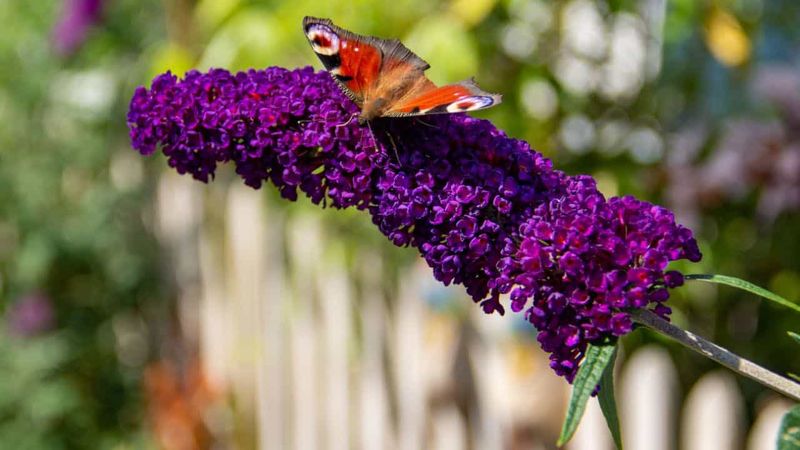
Buddleja Davidii, affectionately known as the Butterfly Bush, is garnering attention for its ability to draw wildlife. Its beautiful, fragrant flowers in shades of purple, pink, and white attract butterflies and hummingbirds, making it a lively addition to any garden. This shrub thrives in well-drained soil and is adaptable to various climates. Its rapid growth and ability to withstand pruning make it a practical choice for creating hedges or privacy screens. The Buddleja’s vibrant blooms and wildlife appeal are redefining garden dynamics this summer.
5. Physocarpus Opulifolius
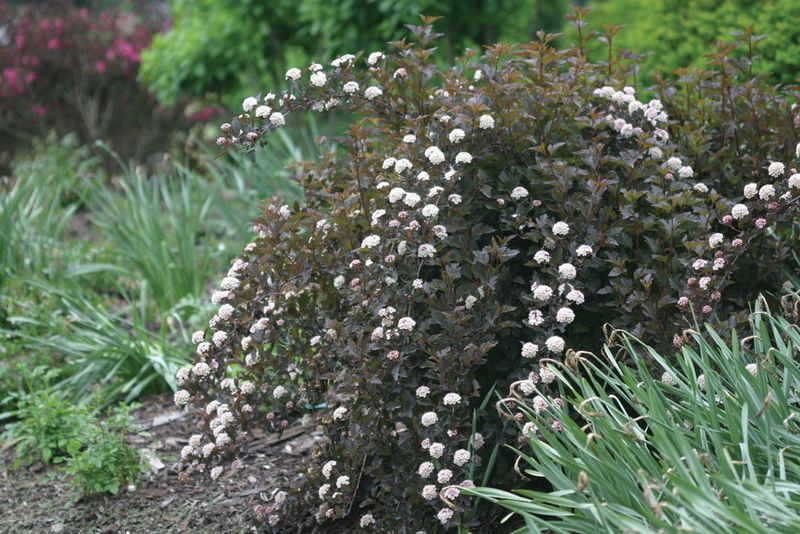
Physocarpus Opulifolius, commonly called Ninebark, offers year-round interest with its peeling bark and colorful foliage. This shrub’s adaptability to various soil conditions and resistance to pests and diseases make it a landscaper’s favorite. Its foliage ranges from green to deep burgundy, providing a striking contrast when planted alongside other greenery. In summer, its white or pinkish flowers add an extra layer of charm. As a native plant, it supports local wildlife, enhancing biodiversity in gardens. Ninebark’s unique features are captivating landscapers this season.
6. Spiraea Japonica
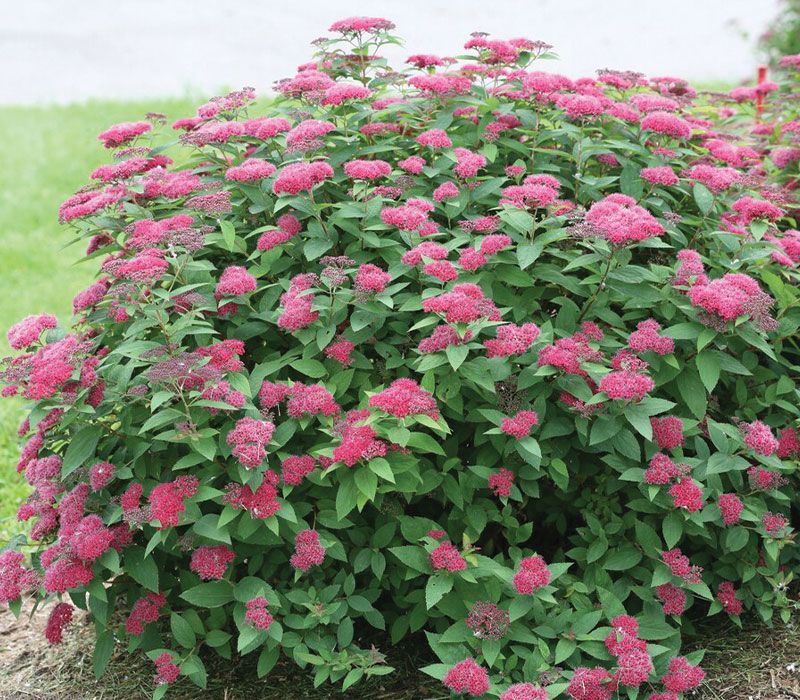
Spiraea Japonica is a versatile shrub that’s gaining popularity for its vibrant summer displays. Known for its clusters of tiny pink flowers, it creates a colorful addition to any landscape. This hardy shrub is easy to grow and requires minimal maintenance. Its ability to adapt to various soil types and conditions makes it an attractive choice for diverse garden settings. The Spiraea’s long blooming period ensures sustained visual interest throughout the summer months. Its charming presence and ease of care are winning over gardeners and landscapers alike.
7. Hypericum Calycinum
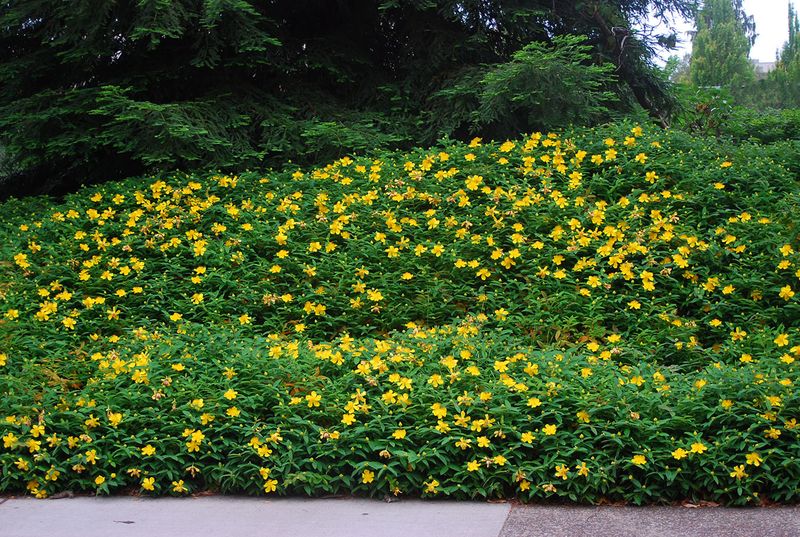
Hypericum Calycinum, or St. John’s Wort, is captivating landscapers with its bright yellow flowers and robust nature. This ground-cover shrub is perfect for shaded areas where other plants struggle to thrive. Its low-maintenance and fast-spreading characteristics make it an ideal choice for covering large areas. Known for its medicinal properties, St. John’s Wort adds both aesthetic and functional value to gardens. The golden blooms of Hypericum create a cheerful, sunny effect, bringing light to the shadiest corners of landscapes. Its practicality and beauty are hard to resist.
8. Caryopteris X Clandonensis
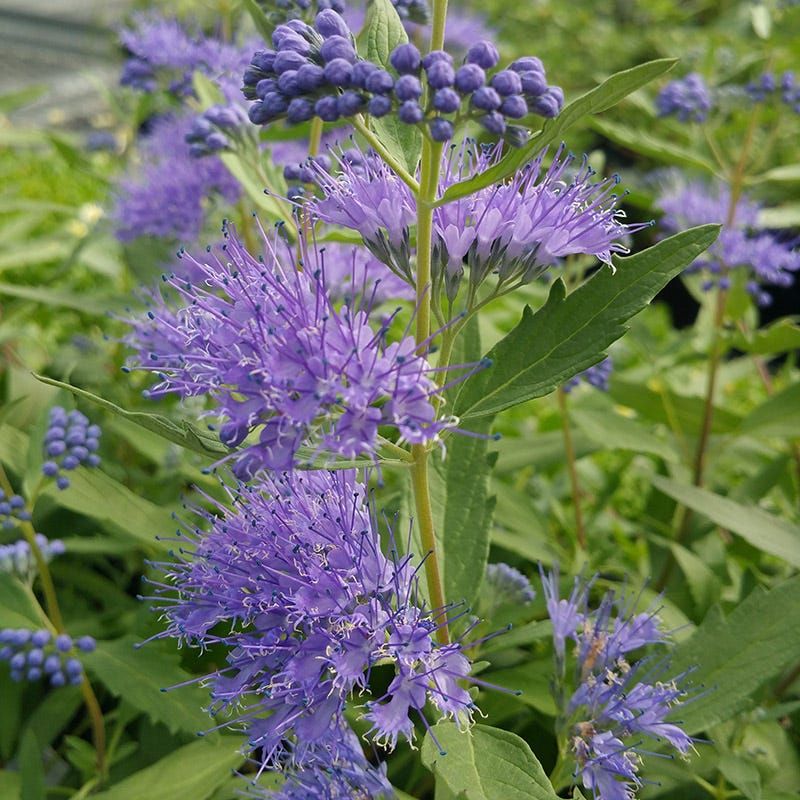
Caryopteris X Clandonensis, known as Bluebeard, is a standout for its striking blue flowers and silver-green leaves. This late summer bloomer adds a splash of color when many other shrubs have faded. Gardeners appreciate its ability to attract pollinators, enhancing the ecological health of gardens. The Bluebeard’s drought tolerance and compact size make it suitable for small spaces and urban gardens. Its unique color and form create a distinctive focal point in landscapes, offering both aesthetic appeal and environmental benefits to modern gardens.
9. Viburnum Plicatum
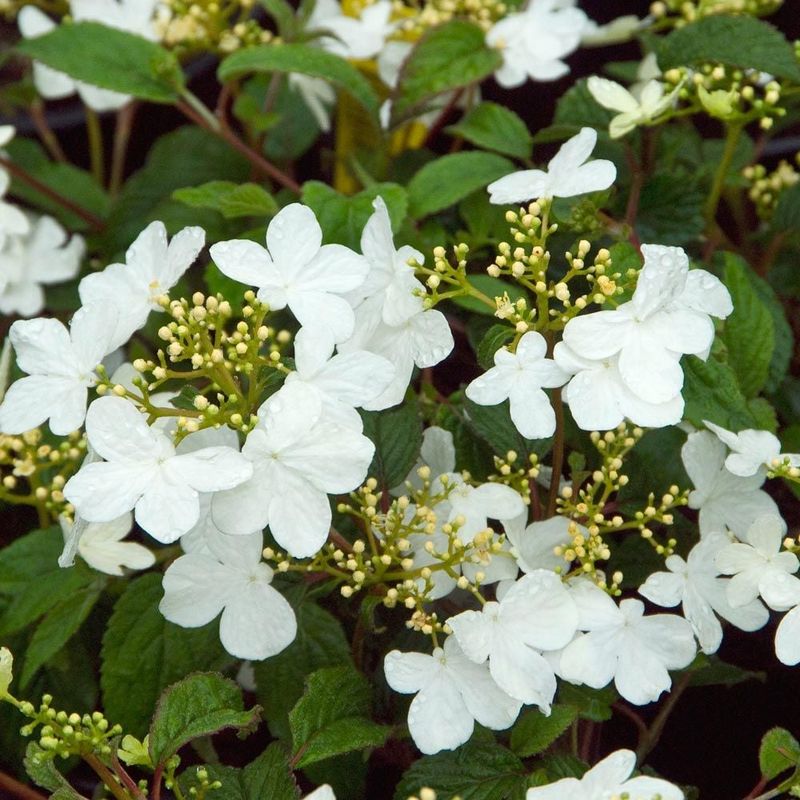
Viburnum Plicatum, often called the Japanese Snowball, is turning heads with its horizontal branching and layered blooms. The white, snowball-like flowers give a dramatic and elegant appearance to gardens. This shrub is favored for its adaptability to various soil types and its resistance to pests. The autumn brings an added bonus of vibrant red foliage, extending its visual appeal beyond summer. As a wildlife-friendly plant, it offers food and shelter to birds, enriching garden ecosystems. Viburnum Plicatum’s architectural beauty is making waves among landscapers this year.
10. Callicarpa Americana
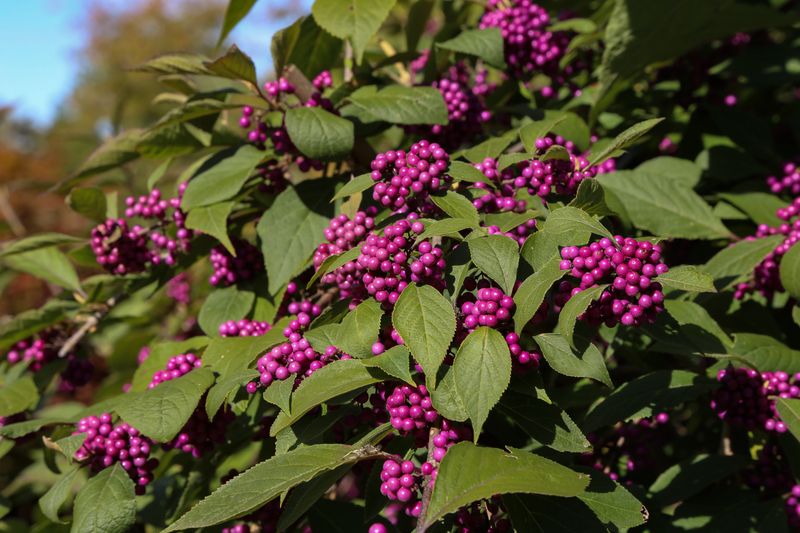
Callicarpa Americana, or American Beautyberry, is a shrub that stands out with its vivid purple berries. These striking berries appear in late summer and provide a burst of color that lasts into autumn. The Beautyberry is a low-maintenance plant, thriving in a variety of soils and conditions. Its berries are not only decorative but also serve as a food source for birds. The shrub’s ability to attract wildlife while maintaining a stunning aesthetic makes it a unique choice for modern gardens. Beautyberry’s charm is undeniable in today’s landscapes.
11. Cornus Alba
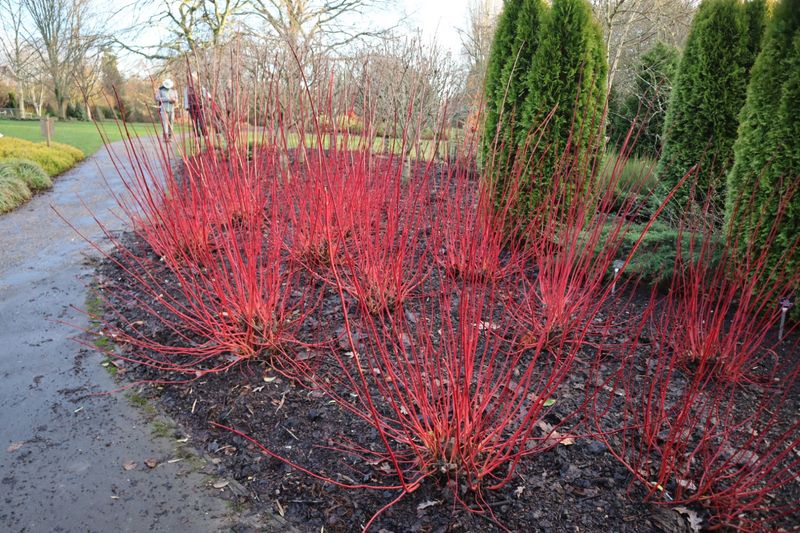
Cornus Alba, or Red Twig Dogwood, draws attention with its bright red stems that add winter interest. However, come summer, its lush green foliage and clusters of creamy white flowers steal the show. This shrub is favored for its versatility and ability to thrive in wet conditions. It’s often used in rain gardens and along water features due to its moisture-loving nature. In autumn, its leaves turn a beautiful shade of red, offering seasonal diversity. Cornus Alba’s striking appearance and adaptability are captivating the landscaping world.
12. Salvia Nemorosa
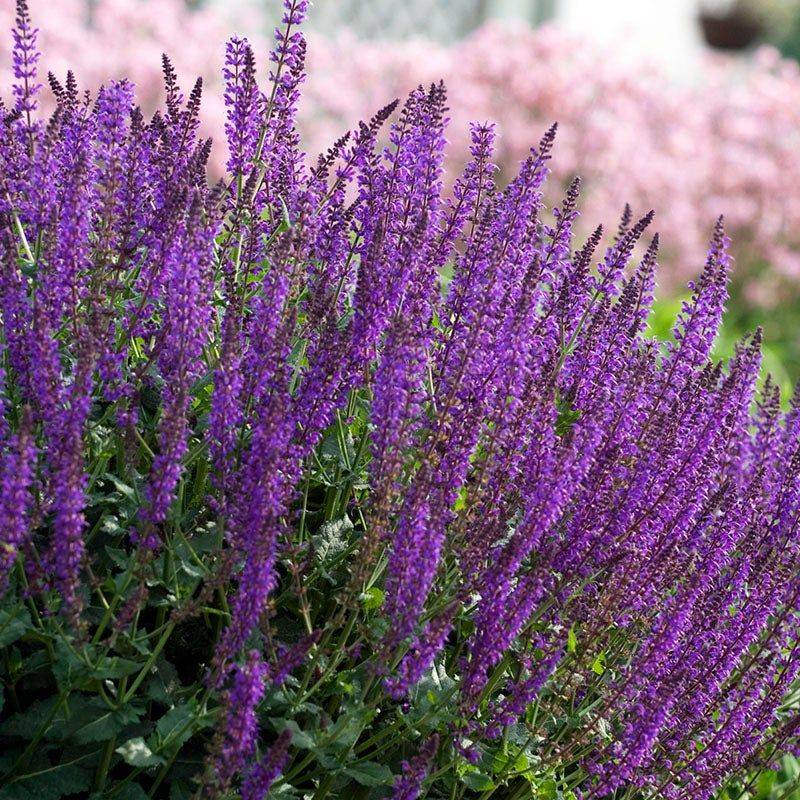
Salvia Nemorosa, commonly known as Woodland Sage, is celebrated for its spikes of purple flowers that transform gardens into a spectacle of color. This perennial shrub is easy to grow, needing minimal care once established. Known for its drought tolerance, Salvia is an eco-friendly choice for sustainable gardens. Its flowers attract bees and butterflies, promoting biodiversity. The continuous blooming cycle ensures a vibrant display throughout the summer. Salvia Nemorosa’s combination of beauty, simplicity, and environmental benefits are making it a favorite among modern landscapers.
13. Escallonia
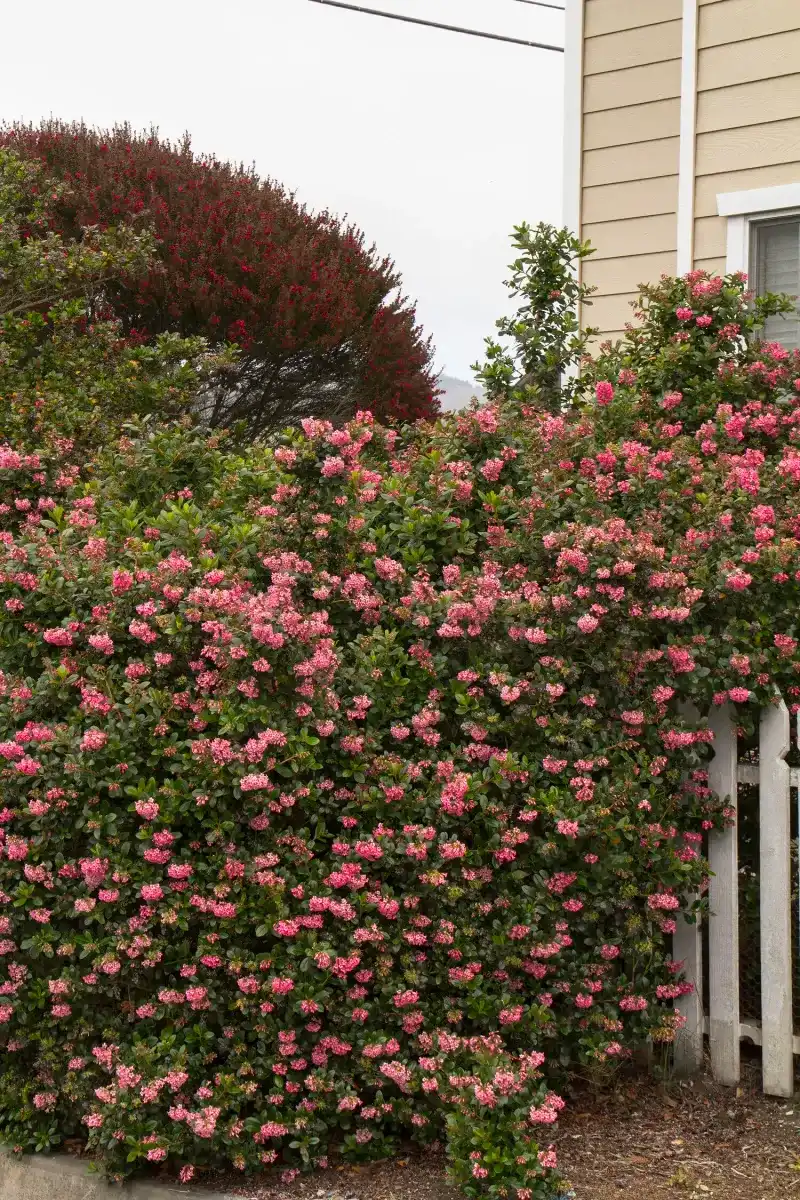
Escallonia is gaining recognition for its glossy leaves and clusters of pink flowers that add a tropical feel to gardens. This evergreen shrub is perfect for coastal areas due to its tolerance of salt and wind. Easy to care for, it can be shaped into hedges or left to grow naturally, offering versatility in landscaping. Its flowers attract pollinators, enhancing the ecological value of gardens. The combination of beauty and hardiness makes Escallonia a sought-after plant for both residential and commercial landscapes.
14. Fothergilla Major
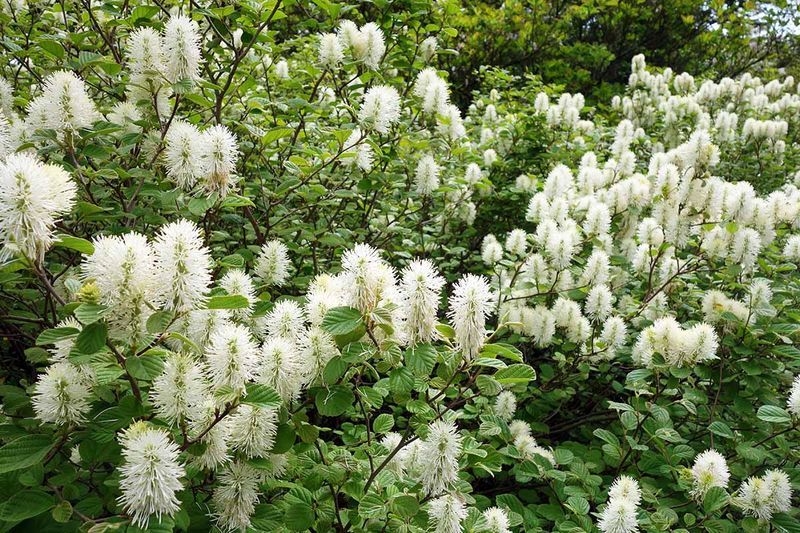
Fothergilla Major, known for its bottlebrush-like flowers, is captivating gardeners with its fragrant spring blooms and dramatic fall foliage. This deciduous shrub thrives in full sun to partial shade and is appreciated for its ability to adapt to different soil types. The flowers’ sweet scent attracts pollinators, while its fall foliage offers a vibrant display of red, orange, and yellow hues. Fothergilla’s aesthetic appeal and versatility make it an excellent choice for diverse garden settings. Its seasonal surprises are enchanting landscapers this year.
15. Potentilla Fruticosa
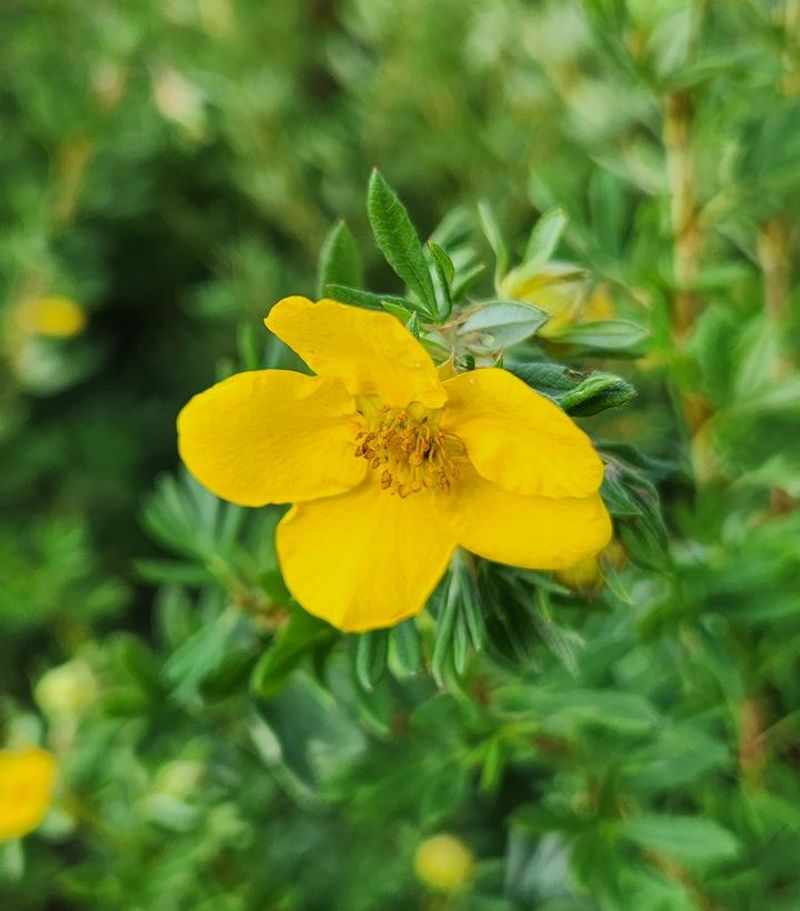
Potentilla Fruticosa, or Shrubby Cinquefoil, is gaining popularity for its cheerful yellow blooms that appear from early summer to fall. This hardy shrub is well-loved for its ability to thrive in poor soil conditions and its resistance to pests and diseases. Its long blooming period provides continuous color, enhancing garden aesthetics. The Potentilla’s low-maintenance nature and adaptability make it a practical choice for both novice and experienced gardeners. With its vibrant flowers and resilience, Potentilla Fruticosa is a standout in the evolving landscape scene.