
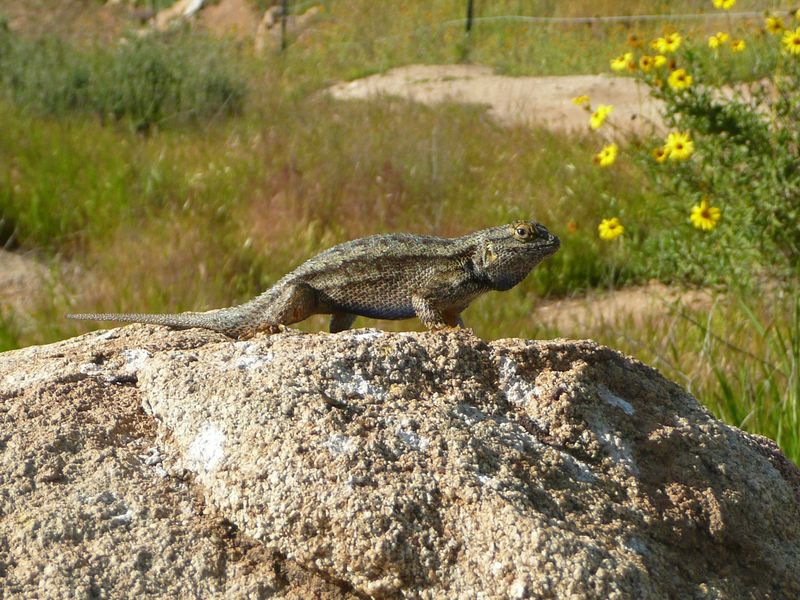
You step outside on a chilly fall morning and spot a small lizard perched on a sunny wall, barely moving. It looks like it is waiting for something, but what is it really doing?
In California, a few simple facts explain this sight and tell you how to treat the lizard. Knowing them helps you protect a small neighbor that may also help your garden.
A sunny wall can serve as a basking perch
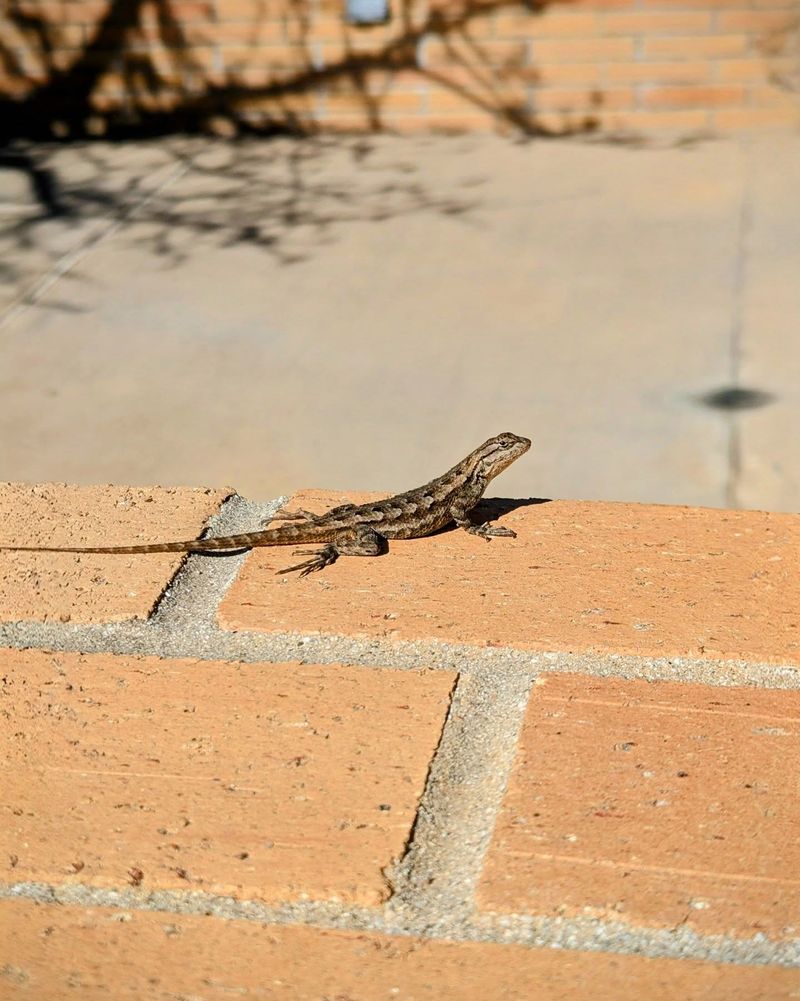
Cold-blooded animals rely on outside heat to get moving, so a lizard on a sunny wall on a cool morning is most likely warming itself. That is the simplest explanation, and it fits what biologists have recorded.
The California Department of Fish and Wildlife life-history account lists building walls among the common basking and perching sites for the western fence lizard.
The western fence lizard is a common California example, but you cannot assume that is the species on your wall. California has several lizards that look alike at a quick glance.
If you want to know which one you have, a clear photo and a regional field guide will help more than guessing.
Research on the western fence lizard also shows these animals keep their bodies within a fairly narrow temperature range when active. A study of preferred body temperature in the species helps explain why a lizard would seek out a warm, sunny spot after a cold night.
Notice the careful wording here. A sunny wall is a documented place for basking, but that does not mean every wall is warmer than the air around it.
Nor does stored wall heat necessarily explain your particular lizard. What the sighting supports is modest: a lizard is using a sunny perch to warm up.
It does not tell you what the animal will do next.
So if you see one holding still in the morning light, you are most likely watching a lizard doing what lizards do to get their day started.
November sightings vary across California
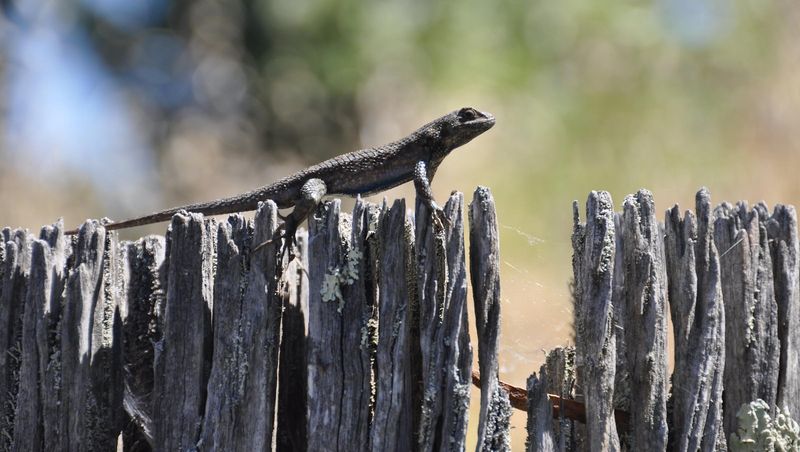
A lizard in November is possible, but it is not a promise. California stretches from foggy coast to high desert to snowy mountains, and lizard activity changes along with the conditions in each place.
UC IPM gives April through October as the active period for the western fence lizard, noting that it frequents rocks, trees, fences, and buildings in that time. You can read more in the UC IPM guide to lizards.
That range is a general description, not a hard cutoff.
The California Department of Fish and Wildlife account adds detail. It says the length of the activity season varies geographically, and that fall and winter inactivity occurs in most localities.
In other words, some places go quiet earlier, and some stay active longer, especially on mild days.
For a homeowner, this means a lizard on your wall in mid-November is not strange, but you should not expect to see one every morning. A warm, sunny stretch in San Diego may bring lizards out when a cold snap in the Sierra foothills keeps them hidden.
Elevation, local weather, and species all play a part.
If you want to know what is normal in your yard, a simple habit works well. Jot down the date, the weather, and whether you saw a lizard.
After a season or two, you will have a clear picture of how your own corner of California behaves.
Does basking mean a lizard is fueling up for brumation?
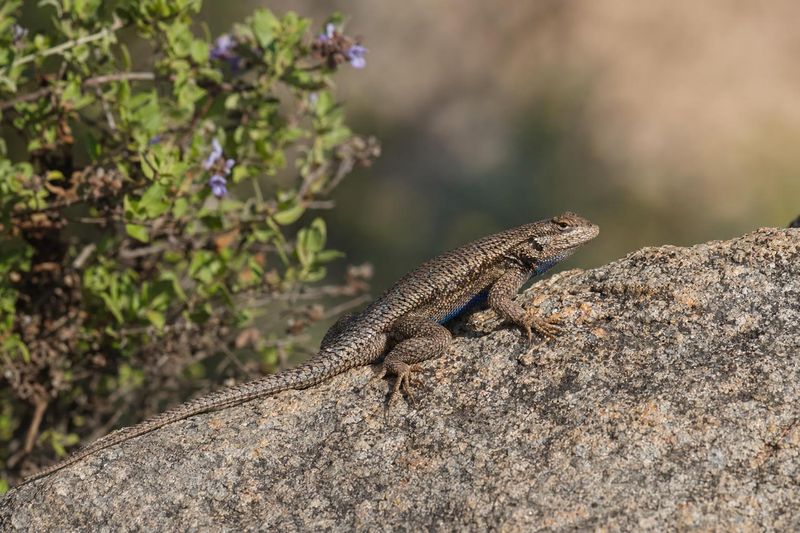
It is a tempting story: the lizard soaks up sun, hunts hard, and stocks up for winter. A basking lizard simply does not show that.
Watching one sit on a wall tells you it is warming up, and nothing more about its plans.
What is documented is more limited. The western fence lizard eats invertebrates, uses wall-like perches, and becomes inactive in fall and winter in most localities, according to the state wildlife agency account.
None of that proves a lizard in November is eating extra or getting ready for dormancy.
Body-temperature research points in a different direction. The PubMed record on preferred body temperature describes how the species regulates its warmth.
Basking fits neatly into that picture, and no hunting story is needed to explain it.
Brumation, the reptile version of winter slowdown, also is not a fixed event. It does not start on a set date or at one temperature for every lizard in California.
Location and species matter.
The same goes for any sense that lizards on a wall are gathering. The sources describe perches in use, not social meetups.
Reports of groups sheltering for winter exist, but they do not show that lizards on a wall are doing the same.
A fair way to put it: the lizard is warming up on a sunny wall, and we do not know its motive beyond that.
Lizards may eat garden pests, but they are not a pest-control plan
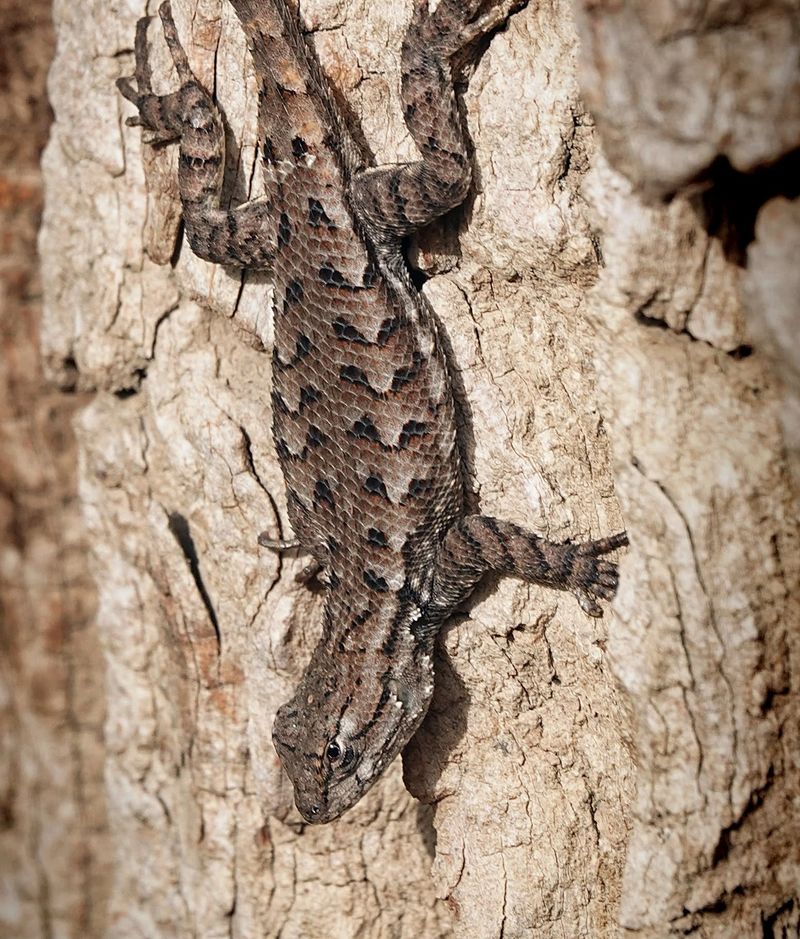
Gardeners have good reason to like lizards. According to the UC IPM lizard page, common California lizards eat terrestrial invertebrates such as beetles, ants, wasps, aphids, grasshoppers, and spiders.
Some of those are plant pests, so lizards may benefit gardens.
UC IPM also says lizards cause no measurable damage to garden plants. That is a real plus, since many garden visitors cannot make the same claim.
Still, keep your expectations realistic. The guidance says lizards may help, but it does not measure how many pests they remove.
A few lizards will not clear an aphid outbreak or rescue a tomato patch from a heavy infestation. Spiders are also on the menu, and many gardeners like having those around too.
It also helps to keep two ideas apart. A lizard eats insects, which is well documented.
A lizard sitting on a wall in the morning is warming up, which is the most likely explanation for that moment. You cannot tell from the wall sighting that it is about to patrol your beds.
The practical payoff is simple. Keep lizard-friendly spots in your yard, like rock piles, sunny walls, and plants with some cover, and treat whatever pest control they provide as a bonus.
If a pest problem is hurting your plants, you will need a plan that does not depend on them.
Leave an outdoor lizard undisturbed
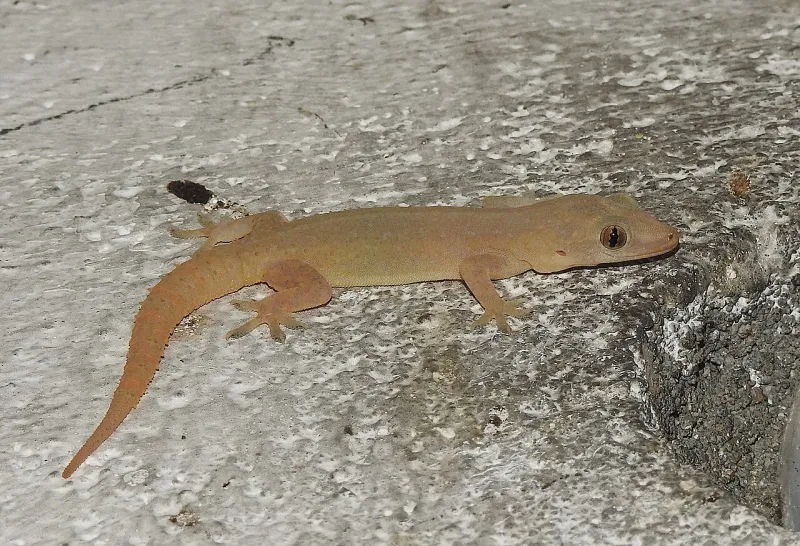
When you spot a lizard outside, the kindest move is also the easiest one: let it be. It is already in a good spot, and you do not need to move it.
Chasing or grabbing one can do harm.
UC IPM notes that pursuit or rough handling can prompt a lizard to drop its tail, and that lizards may bite if handled roughly. Losing a tail costs the animal energy and can leave it more exposed.
A bite is usually minor, but it is a good reason to keep your hands to yourself. The details are in the UC IPM lizard guidance.
If pets or kids are around, a quick word helps. Show them how to watch from a few feet away.
Cats can be a particular problem for lizards, so keeping them indoors or supervised near sunny walls gives lizards a better chance.
A lizard inside the house is a different case. UC IPM describes a gentle method: place a container over the lizard, slide a piece of cardboard underneath, and carry it outside to release.
Move slowly, and do not grab it with your hands.
Once released, put it somewhere sheltered near where you found the house entry, such as a shrub base or woodpile edge. There is no need to carry outdoor lizards anywhere else.
A lizard in the yard is already where it belongs.
Target a garden pest instead of spraying broadly
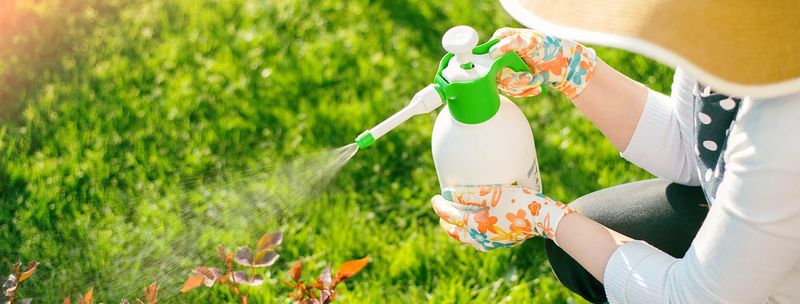
If pests are chewing up your plants, start by figuring out exactly what they are. Different insects need different responses, and guessing often leads to wasted effort.
A close look at the leaves, a photo, or a call to a local UC Master Gardener program can help you name the culprit.
Once you know the pest, choose a control aimed at it. UC IPM explains in its guide to understanding pesticides that pesticides can affect beneficial insects and other nontarget organisms, and that the product label governs where and how it can be used.
Reading the label first is the safest habit you can build.
Broad spraying can hit pollinators, predatory insects, and spiders along with the pest. Those are the same helpers many California gardeners are trying to protect.
A targeted approach, such as a spot treatment or a method matched to a single pest, keeps that damage small.
Lizards fit into this picture as a possible bonus. As noted in the UC IPM lizard page, they may eat pest insects, but that is no substitute for managing a real problem.
Fish and Wildlife describes wall perching as ordinary lizard behavior.
So the next time one sits on your wall on a cool morning, enjoy it. It is probably just warming up, and your garden plan can stand on its own.