 Complete Gardening
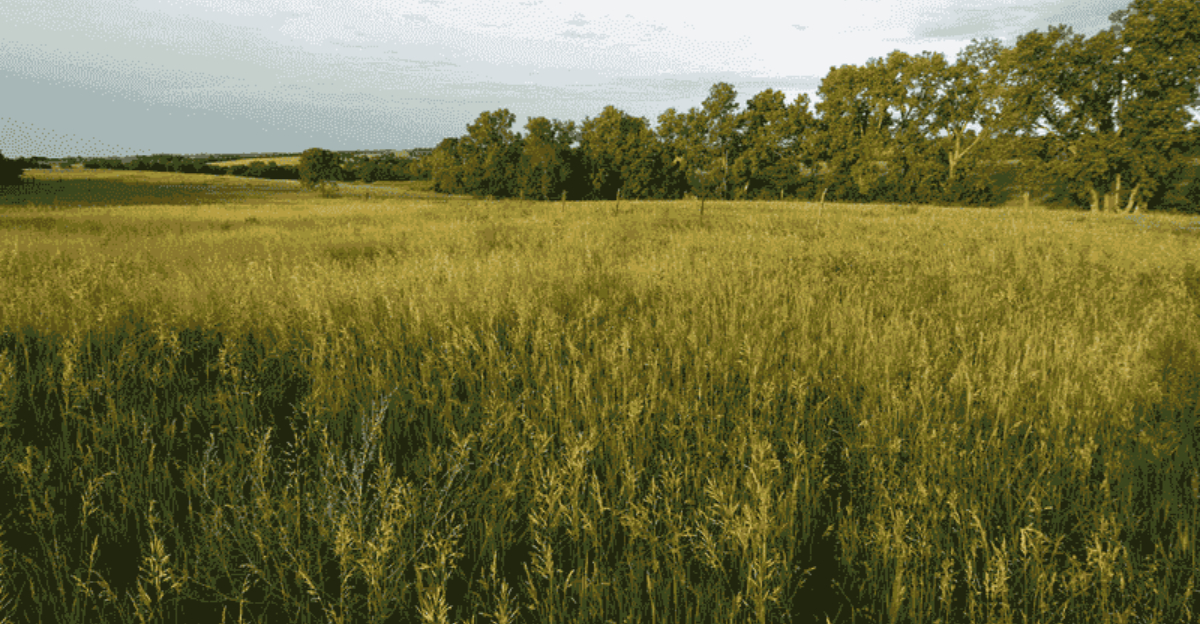
Kansas homeowners often struggle with maintaining lush lawns and beautiful landscapes in our challenging prairie climate. Native grasses offer an amazing solution that works with nature instead of against it. These hardy plants have thrived in Kansas for thousands of years, making them the smart choice for creating stunning yards that practically take care of themselves.
1. Drought Tolerance That Actually Works
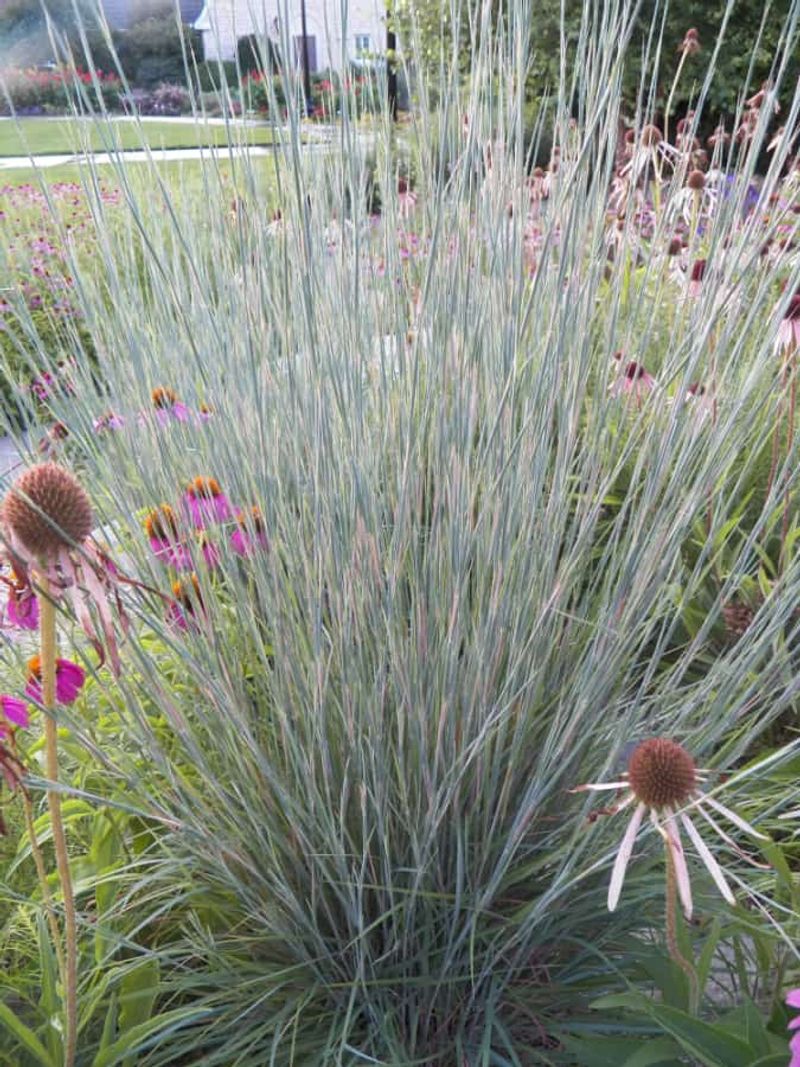
Picture this: your neighbors are watering their lawns twice daily during a summer drought, while your native grass yard stays green and healthy. Buffalo grass and blue grama can survive on just 12-15 inches of rainfall per year.
Their deep root systems reach down 6-8 feet, accessing water that shallow-rooted traditional grasses never find. Once established, these grasses rarely need supplemental watering, even during Kansas’s notorious dry spells.
Your water bill will thank you, and you’ll have more time for fun activities instead of dragging sprinklers around the yard all summer long.
2. Deep Roots Create Soil Superpowers
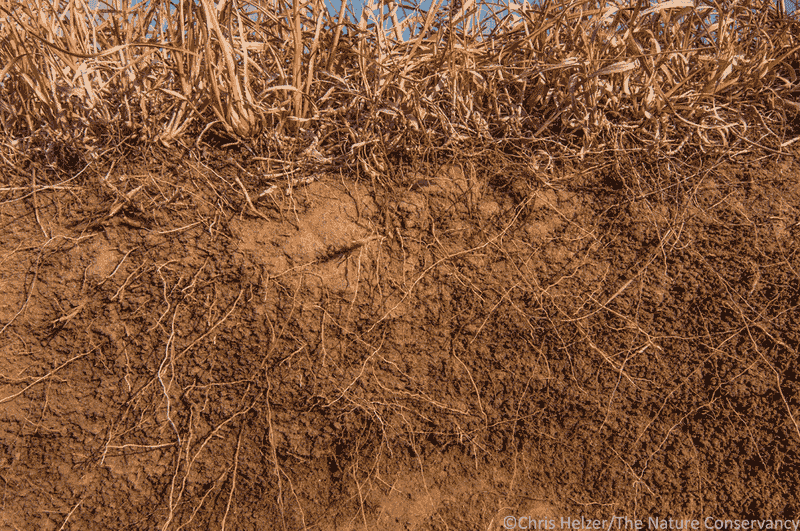
Native prairie grasses are like underground superheroes with root systems that can extend 15 feet deep. Big bluestem and switchgrass create an incredible network beneath your yard that regular grass simply cannot match.
These extensive roots prevent soil erosion during heavy Kansas storms and improve soil structure over time. They break up compacted clay soil and add organic matter as older roots decompose naturally.
Your yard becomes more stable and fertile each year, creating the perfect foundation for other native plants while reducing the need for expensive soil amendments and fertilizers.
3. Wildlife Magnet for Backyard Adventures
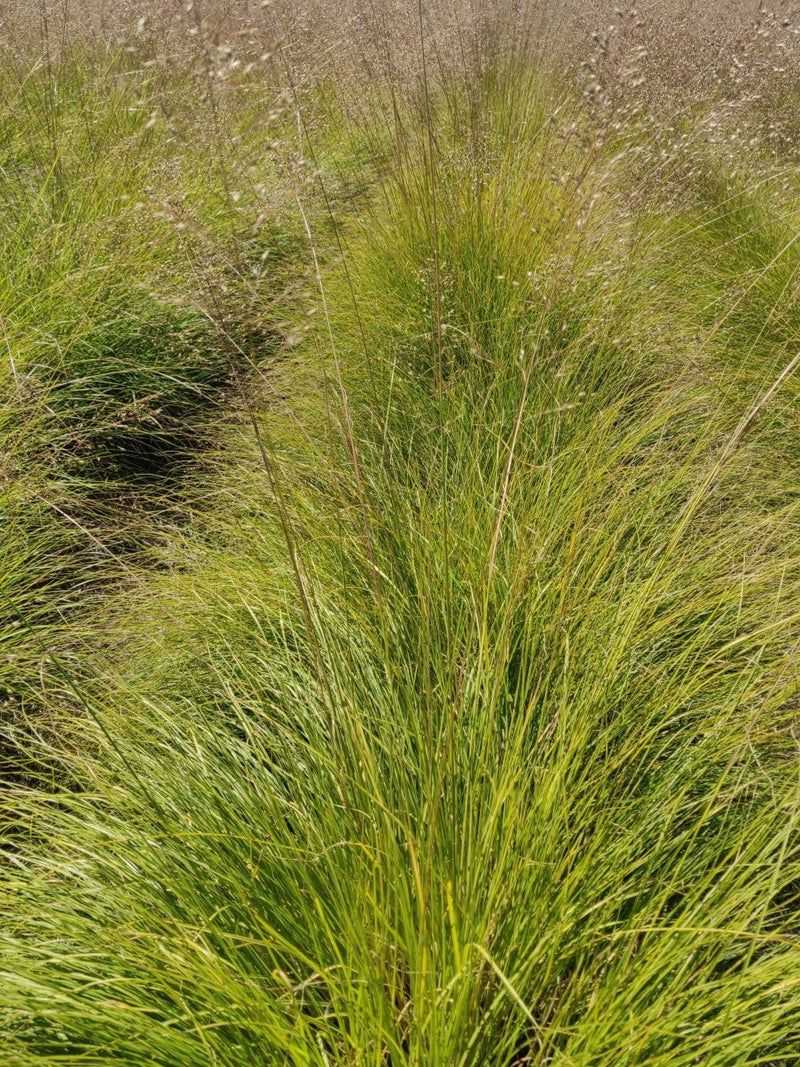
Transform your yard into a wildlife watching paradise with native grasses that attract dozens of bird species, butterflies, and beneficial insects. Little bluestem provides seeds for quail and sparrows throughout winter months.
Native grass areas become natural habitats where kids can observe grasshoppers, beetles, and colorful butterflies up close. Many grasses offer nesting materials and shelter for small creatures.
You’ll discover the joy of watching goldfinches feast on grass seeds and seeing your first monarch butterfly emerge from its chrysalis hidden among the stems of your very own prairie patch.
4. Four Seasons of Natural Beauty
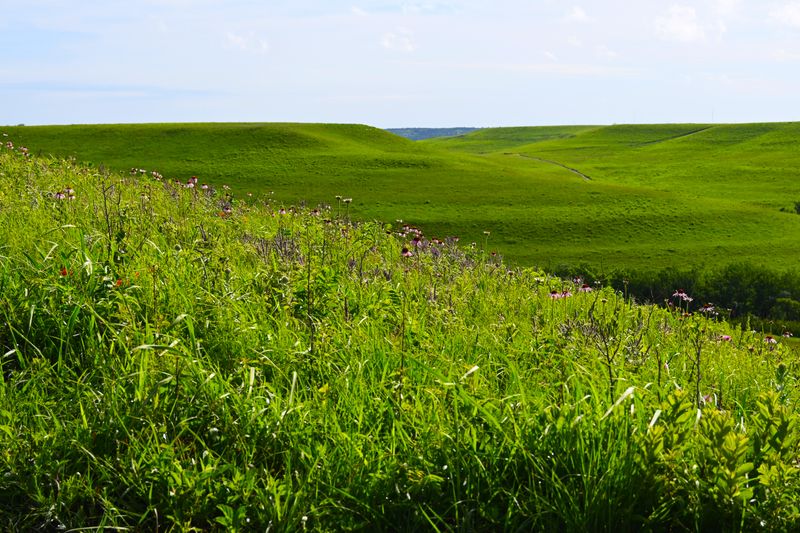
Native grasses put on an incredible year-round show that changes with each season. Spring brings fresh green shoots, while summer showcases graceful seed heads dancing in prairie breezes.
Fall transforms your landscape into a masterpiece of golden, bronze, and burgundy colors that rival any New England forest. Winter reveals architectural beauty as ornamental grasses stand tall against snow and ice.
Indian grass glows like copper in autumn light, while prairie dropseed creates delicate clouds of tiny flowers. Your neighbors will ask about your secret to such stunning natural beauty that never looks the same twice.
5. Low Maintenance Means More Free Time
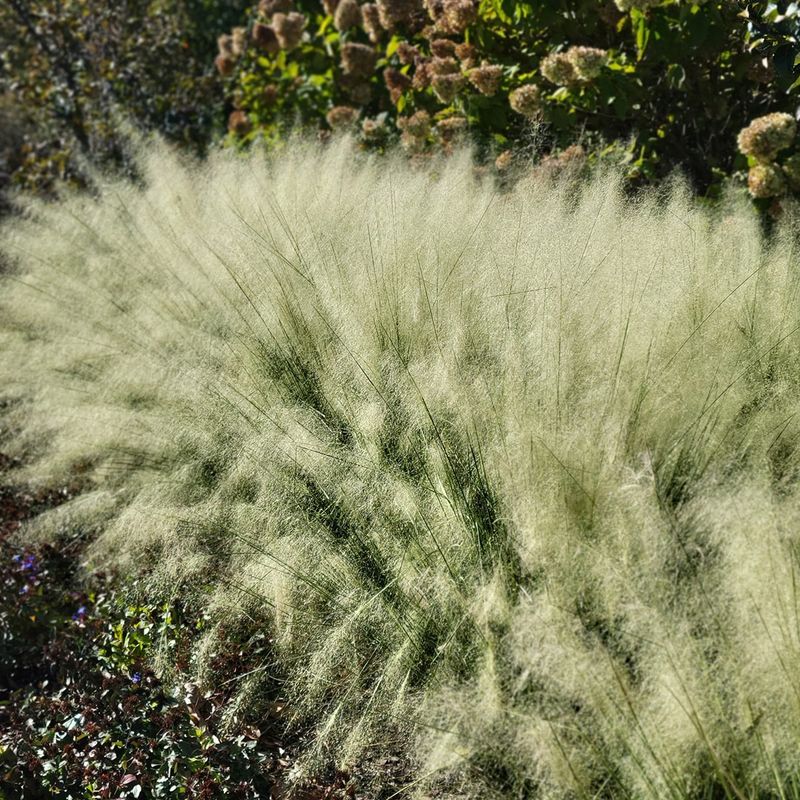
Forget weekly mowing marathons and constant fertilizing schedules. Native grasses need cutting just once per year, typically in late winter or early spring before new growth begins.
No pesticides, herbicides, or expensive fertilizers are required since these plants evolved to thrive in Kansas conditions without human intervention. They naturally resist local pests and diseases.
Spend your weekends hiking, fishing, or enjoying family time instead of being enslaved by lawn care equipment. Your grass will look better than ever with minimal effort, giving you the beautiful yard you want without the endless work you don’t.
6. Climate Champions Fighting Global Warming
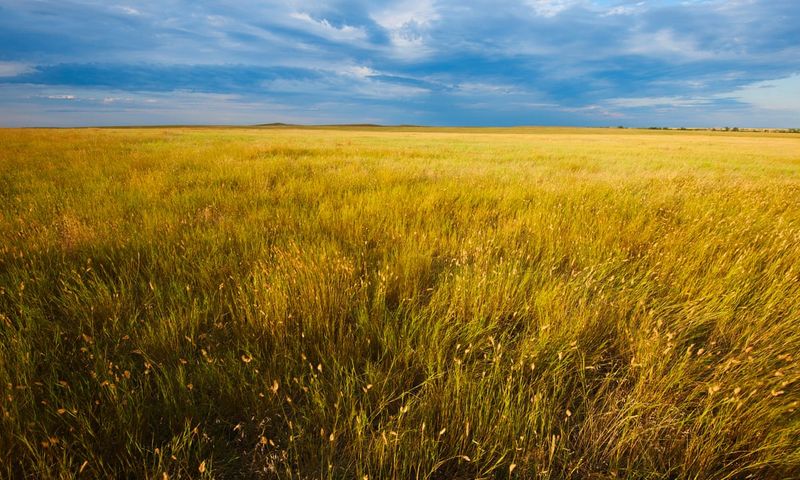
Native grasses are carbon storage champions that help combat climate change right in your own backyard. Their massive root systems trap and store carbon dioxide deep underground for decades.
Prairie grasses can sequester up to 1.5 tons of carbon per acre annually, making your yard an active participant in environmental protection. They also produce oxygen while requiring zero fossil fuels for maintenance.
By choosing native grasses, you’re making a real difference for future generations while creating a landscape that gets more beautiful and environmentally beneficial every year. Your grandchildren will thank you for this simple yet powerful choice.
7. Budget-Friendly Beauty That Pays You Back
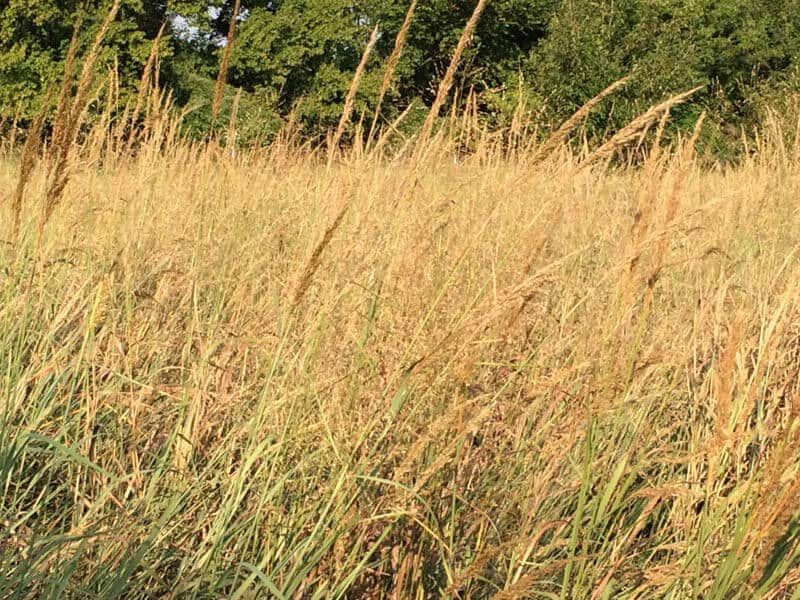
Initial native grass establishment costs quickly pay for themselves through eliminated water bills, fertilizer purchases, and equipment maintenance. Many varieties can be grown from inexpensive seed packets.
Local conservation districts often provide native grass seeds at reduced prices or even free through environmental programs. Once established, these grasses spread naturally, expanding your beautiful landscape at no additional cost.
Compare spending hundreds annually on lawn chemicals and water bills to the one-time investment in native grasses that actually save money every year. Smart homeowners are discovering this budget-friendly path to landscape perfection that gets better with age.
8. Perfect Match for Kansas Weather Extremes
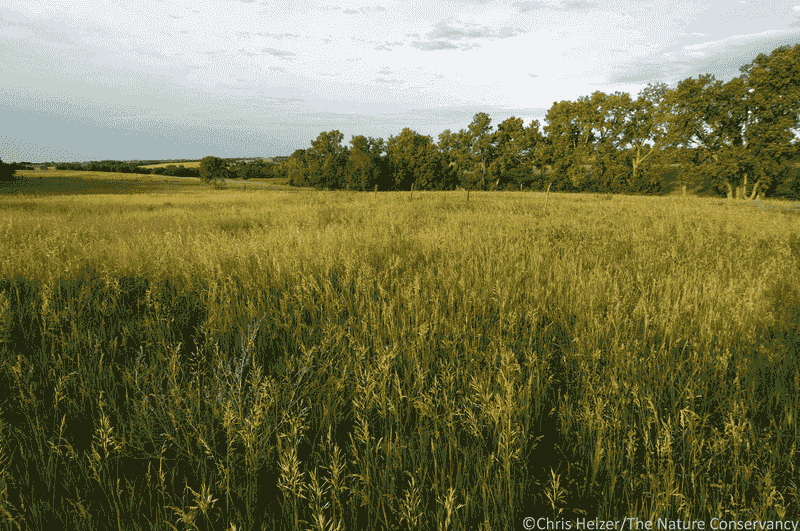
Kansas weather can be brutal, with scorching summers, bitter winters, tornadoes, hailstorms, and everything in between. Native grasses have survived and thrived through thousands of years of these exact conditions.
Sideoats grama and western wheatgrass handle temperature swings from -20°F to 110°F without missing a beat. They bend but don’t break during severe storms that destroy other landscape plants.
While your neighbors replant damaged lawns after each weather disaster, your native grasses bounce back naturally. They’re already adapted to Kansas’s wild weather patterns, making them the most reliable landscaping choice for our unpredictable climate.