
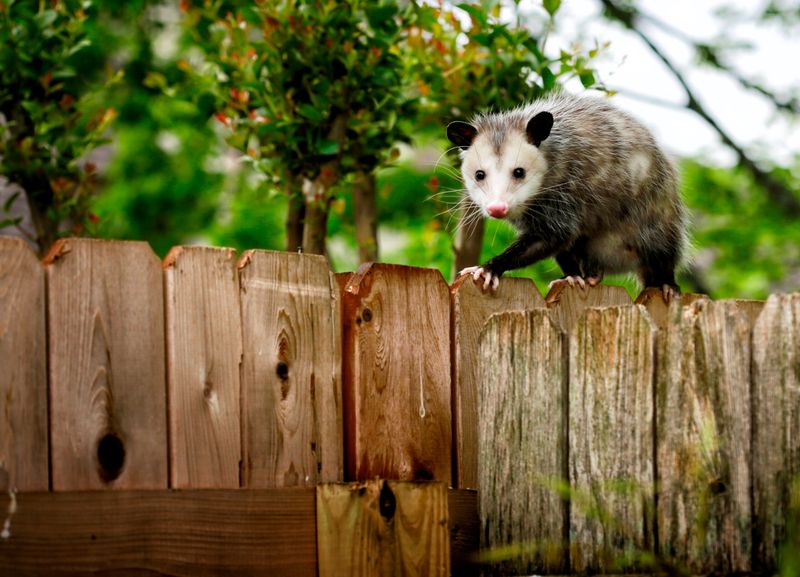
A shadow waddles across the patio again, and you wonder why this animal keeps stopping by. Opossums are common across North Carolina, and many people believe they gobble up ticks.
The real story is more mixed, and it changes what you should do in your yard. Here is what repeat visits can tell you, what they cannot, and how to protect your family and the wildlife around you.
A repeat visit is not a tick survey
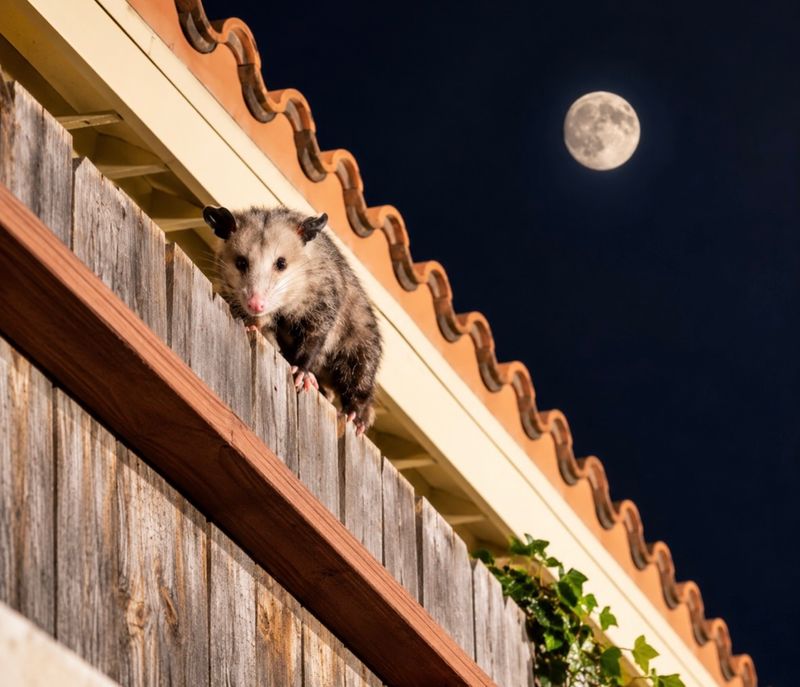
Seeing the same opossum more than once tells you one thing: the animal is using your yard. It does not tell you how many ticks live there, and it does not show what the animal ate while it was visiting.
According to the North Carolina Wildlife Resources Commission, opossums are secretive and usually active at night. They eat a wide mix of foods, including insects, worms, snails, slugs, fruit, other plants, small animals, and carrion.
Garbage is on the menu too when it is within reach.
With a menu that broad, a single sighting cannot point to one cause. The animal could be after fallen fruit, a snail-filled flower bed, an open trash can, or a dry spot to rest.
You simply cannot read its mind from the patio window.
So here is the corrected answer to the popular question. A repeat visitor may mean your yard offers easy food or shelter.
It does not mean your yard is full of ticks, and it is not a promise of tick control.
That is good news in a way. You do not need to panic about your yard because of one nighttime visitor, and you do not need to count on that visitor to do pest control for you.
Instead, you can look at what the yard offers and handle tick safety on its own track, which the later sections cover.
The tick-eater reputation outruns the evidence
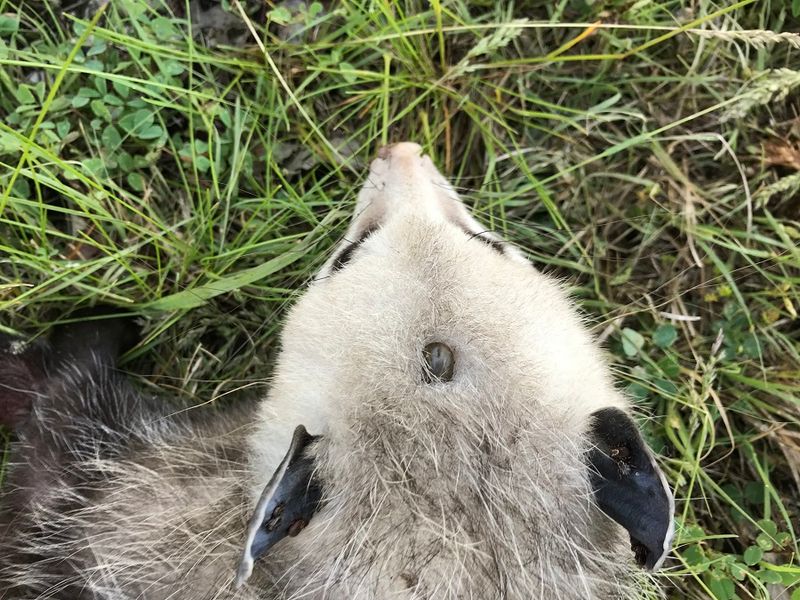
The tick-eater story has a real starting point. A 2009 study reported that most larval blacklegged ticks placed on opossums did not survive feeding.
The researchers guessed that grooming might explain where the ticks went. That was an inference from an experiment, not a direct look at wild opossums eating ticks.
Popular summaries stretched that finding into big numbers, such as thousands of ticks per week or 95 percent of ticks removed. Those figures are not real-world results for opossums roaming a backyard.
A later team went looking in the wild. A 2021 study examined 32 wild opossums from central Illinois and found no ticks or tick parts in their stomachs.
The team also reviewed 23 diet studies, and none reported tick consumption.
Keep the limits in mind. The Illinois work was not done in North Carolina, and it does not prove an opossum can never swallow a tick while grooming.
It simply gives no reason to treat opossums as dependable tick control.
The bigger question, whether opossums lower tick numbers or Lyme disease risk in a yard, is still open. A review of wildlife hosts and tick-borne disease says evidence that opossums broadly reduce Lyme risk is lacking.
Ticks, hosts, and disease interact in complicated ways, so no single animal gets the credit.
Opossums still belong in the neighborhood. They just should not be your plan for keeping ticks away from your family.
What might keep an opossum coming back?
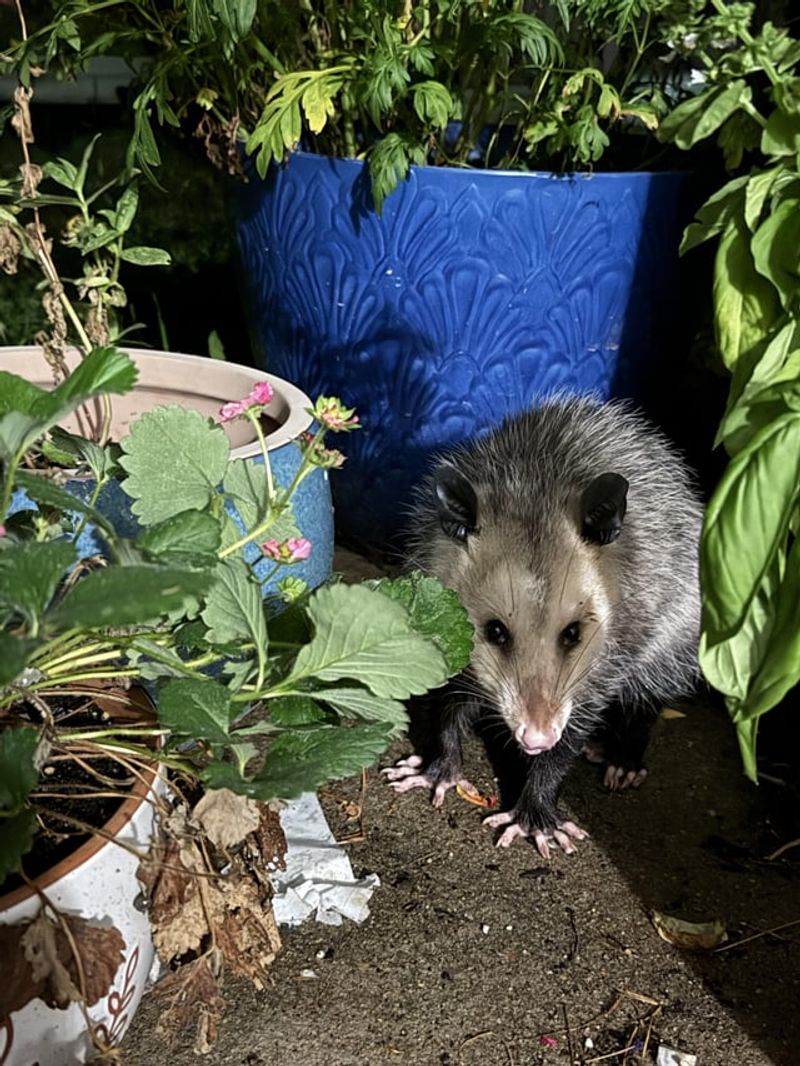
Think of your yard from an opossum’s point of view. Food and cover are the two big draws for most wildlife, and an opossum is not picky about either.
The NCWRC’s species profile lists insects, worms, snails, slugs, fruit, vegetation, small animals, and carrion. In a typical Piedmont or coastal plain yard, that could mean fallen figs or persimmons, slugs under pots, or a dead animal along the road edge.
Human-provided food adds to the list. The NCWRC’s guidance on feeding wildlife responsibly warns that food left out can create conflicts and attract other animals as well.
Open garbage, a bowl of pet food on the porch, and loose livestock feed are the usual suspects.
Shelter may also play a part. Spaces under decks, sheds, and woodpiles, or dense brush, can offer a quiet place to rest during the day.
All of these are possibilities, not a diagnosis. You cannot tell why one particular animal returns just by watching it cross the lawn.
A practical way to sort it out is to walk the yard at dusk with fresh eyes. Look for easy meals, open containers, and cozy gaps, and note which ones you can change.
That list leads right into the next steps.
Secure easy food instead of putting more out
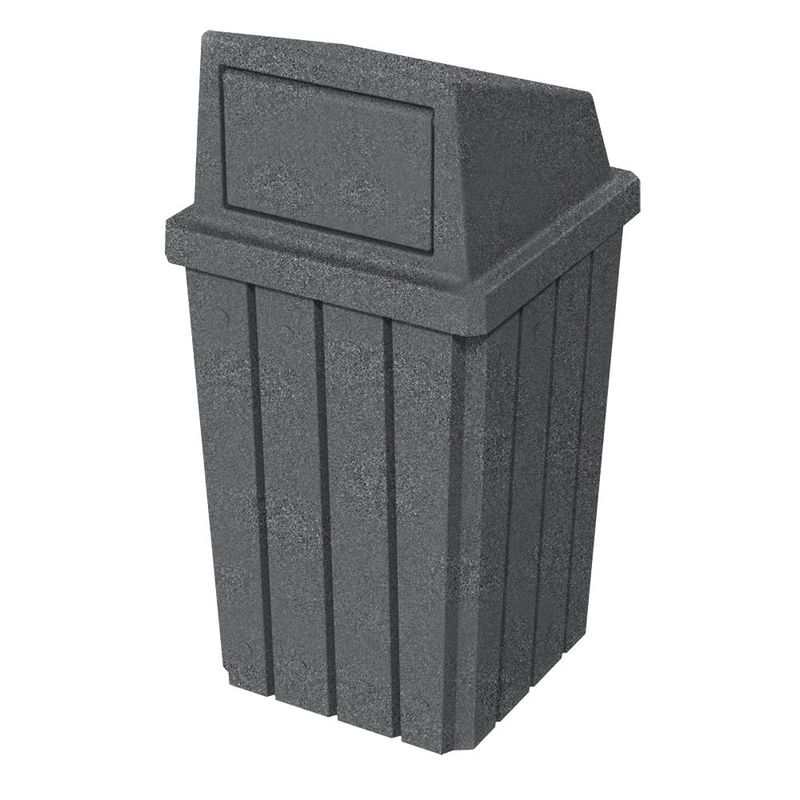
The simplest fix is also the most effective: take away the easy meals. Start with garbage.
The NCWRC advises keeping trash in sturdy, tightly covered containers, and says that blocking access to garbage can prompt a regularly visiting opossum to move on.
A lid that merely sits on top may not be enough. Look for a snug fit, add a strap or latch if lids get knocked off, and keep bins in a garage or shed until pickup morning when you can.
Pets come next. The wildlife agency’s feeding guidance recommends feeding pets indoors.
If your dog or cat eats outside, pick up the bowl as soon as the meal is done and bring in any leftovers.
If you keep chickens or other livestock, store feed in sealed containers that animals cannot open. Spilled grain draws many visitors besides opossums.
Do not put out food to keep opossums around. Feeding wildlife can create conflicts, attract other animals, and add to disease and other risks.
If you want to support wildlife, think about natural food and shelter instead. Native plants such as persimmon, serviceberry, and native grasses can provide fruit, insects, and cover in a way that does not teach animals to expect handouts from your back door.
Reduce tick exposure with yard care and personal checks

Tick safety works best when it stands apart from any animal in the yard. The CDC’s tick prevention guidance focuses on changing the landscape and on checking yourself.
Begin with the yard. Remove leaf litter, clear tall grass and brush near the house and along lawn edges, and mow regularly.
Ticks like shade and moisture, so open, trimmed areas are less inviting.
Next, consider a barrier. The CDC suggests a 3-foot strip of wood chips or gravel between the lawn and wooded areas.
In many North Carolina yards that border pine or hardwood woods, that strip is an easy weekend project.
Fall is a good time for the leaf work. As leaves drop across the mountains, Piedmont, and coastal plain, raking them out of play areas and away from the house edge helps keep the yard tidy.
Tick season does not end when the weather cools, so keep up the habits.
Then protect people and pets. Check everyone for ticks after outdoor time, including time spent in your own backyard.
Use EPA-registered repellents as directed on the label.
What about pesticides? The CDC says yard pesticides may reduce ticks in treated areas, but they should not be relied on alone to prevent infection.
Pair any treatment with the steps above and with regular tick checks.
Give wildlife space, even after a daytime sighting
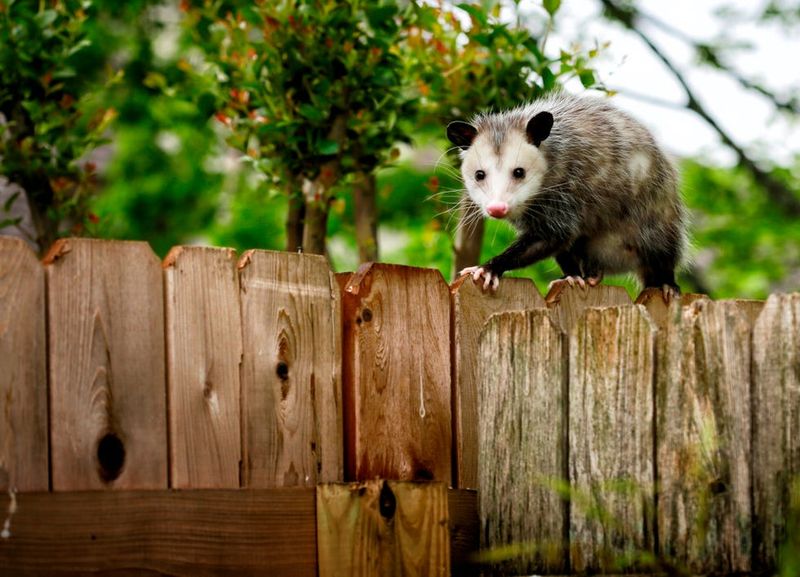
If you spot an opossum, the rule is simple: do not handle it. Wild animals bite and scratch when scared, and an opossum that is left alone will usually wander off by itself.
Rabies is a common worry. The NCWRC’s rabies page explains that opossums are highly resistant to rabies, but they are not immune.
All mammals can contract the disease, so a wide berth is smart.
What about seeing one in the daytime? On its own, that is not necessarily cause for concern.
An opossum may be out in daylight because it is hungry, moving between spots, or disturbed from its resting place.
Other clues matter more. The NCWRC notes that an animal that stays exposed for a long time or walks in tight circles may warrant a call to a rehabilitator.
In that case, keep children and pets indoors and watch from a distance. Then contact your local authorities or a licensed wildlife rehabilitator, as appropriate, and let them decide the next step.
Do not try to feed it, move it, or trap it yourself. Calm distance is safest for you, your pets, and the animal.
Treat the visit as a prompt to check, not a verdict
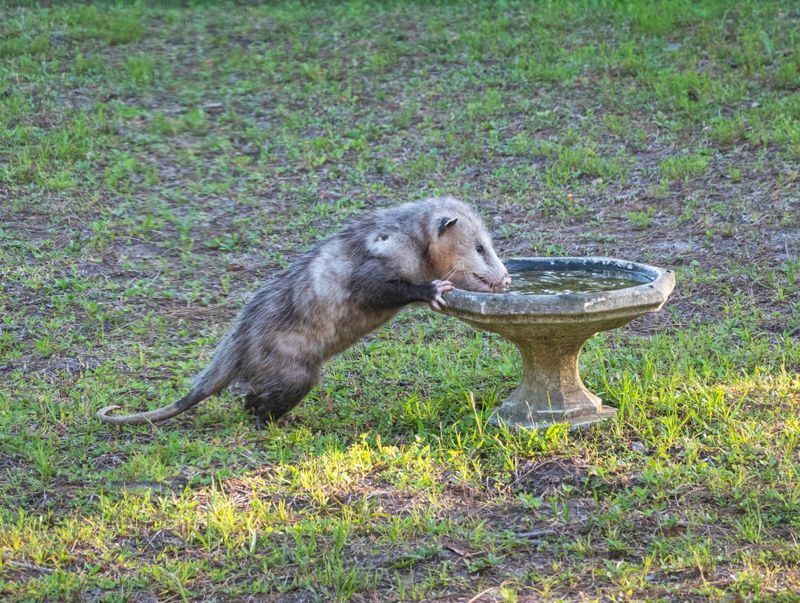
A returning opossum is a cue to look around, not a measure of your tick risk. Lock down garbage, pet food, and feed using the NCWRC feeding guidance, and keep your distance from the animal as the NCWRC species page suggests.
Then follow the CDC’s tick steps no matter who visits after dark.
The opossum is a neighbor, not a pest controller, and your own habits do the real work.