
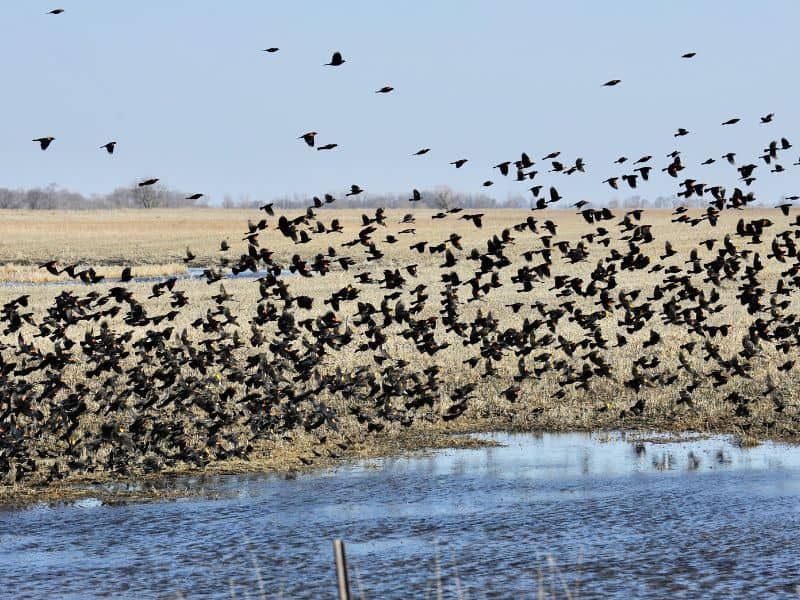
Maybe you looked out the window one November morning and saw a bunch of small birds working through your shrubs and grass. Some may live in your area all year, while others may have come south for the winter.
Their behavior can tell you something useful about food and shelter nearby. Here is how to read the clues without jumping to conclusions.
Why November can bring different birds together
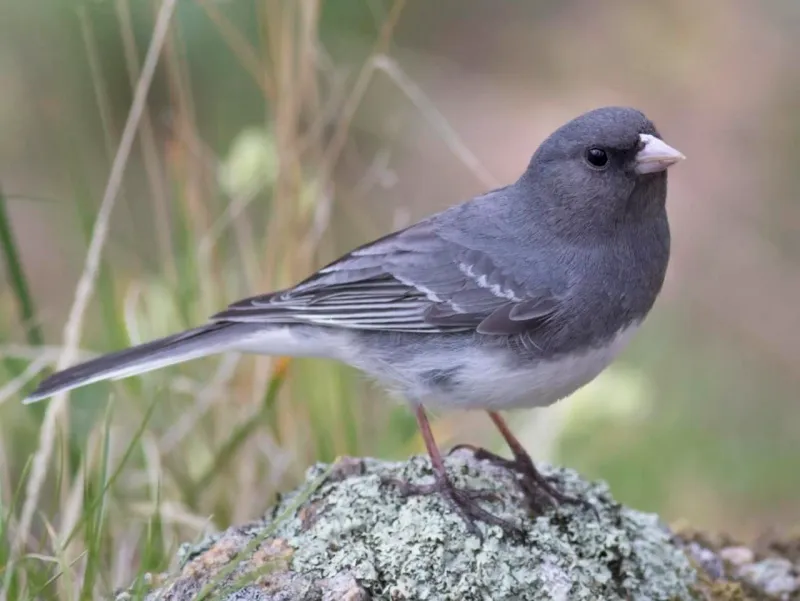
Fall is a busy time for bird movement, and November is a good month to notice it. NC State Extension notes that sparrows, kinglets, and juncos begin arriving in the state in October and November.
That makes this a plausible time to spot winter visitors you did not see in summer.
Still, a crowd of birds does not always mean new arrivals. North Carolina’s fall bird community includes year-round residents, such as chickadees and cardinals, along with short-distance migrants that nest farther north and spend the winter here.
NC State’s guide to managing backyards for birds describes how many of these birds turn to fruits and seeds in fall and winter.
Some birds may also be migrants still passing through, stopping for a day or two before moving on. Others may simply be local birds following a patch of food.
Any one gathering could include a mix of these groups.
Timing and species also vary across the state. The mountains, Piedmont, and coastal plain do not all see the same birds on the same dates, so your yard may look different from a friend’s a few counties away.
The North Carolina Wildlife Resources Commission is a good place to start for finding out which birds to expect where you live. Treat November as a time to watch closely, not as a date when every yard suddenly fills up.
What counts as a mixed flock?
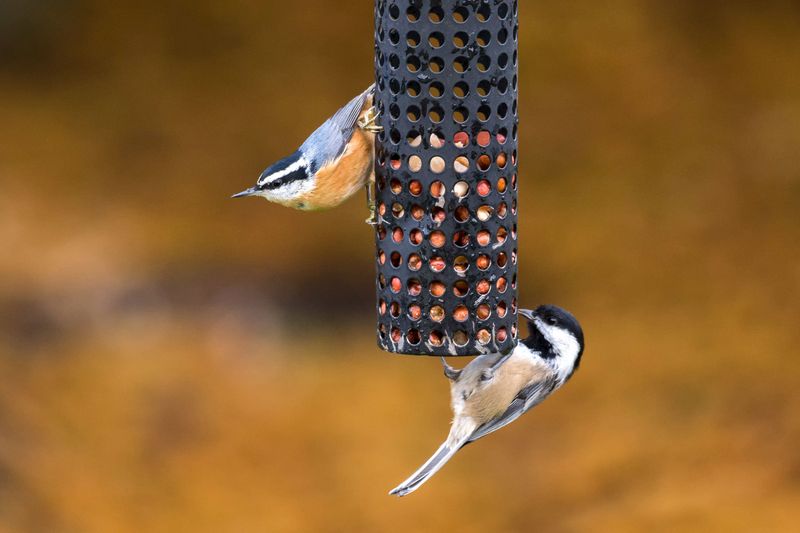
A mixed flock is a group of different bird species traveling or feeding together. A big crowd of one kind of bird at a feeder or a fruiting tree is something else.
That is just one species gathered at a food source, and it should not be called a mixed flock.
A well-studied example comes from the southeastern United States. Peer-reviewed research on mixed-species parid flocks looks at winter foraging groups led by Carolina chickadees and tufted titmice, often joined by birds like white-breasted nuthatches.
These flocks form in early fall and stay together through winter.
Flocking can help in a couple of ways. More eyes may spot predators sooner, and moving as a group can make it easier to find food.
These are documented possibilities, not a guaranteed explanation for every group you see.
So if you spot chickadees, titmice, and a nuthatch moving through your trees together, you are likely seeing a mixed flock. If thirty goldfinches crowd one thistle feeder, that is a single-species gathering.
Telling the two apart makes it easier to guess what the birds are doing in your yard.
A flock can reveal a resource, not rate a yard
Grab a cup of coffee and watch for ten minutes. What are the birds actually doing?
They may be eating berries, picking through seedheads, scratching in leaf litter and grass, or hopping through foliage for insects.
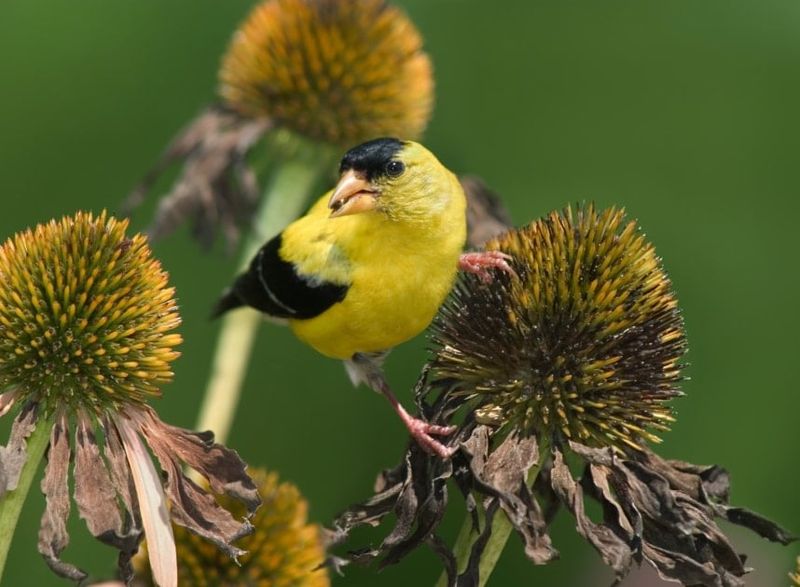
Each behavior hints at something your yard offers. Birds stripping fruit from a shrub point to a berry source, while birds working a dried coneflower point to seeds.
NC State Extension explains that many birds rely on fruits and seeds left on plants or on the ground in fall and winter, so those are good things to look for.
Jot down what you see, where you see it, and what time of day. A simple note like “juncos on the ground under the bird feeder, 8 a.m.” can be more useful than a bird count.
Resist the urge to turn this into a score. A flock tells you birds found something useful, not that your yard is healthy or full of variety.
A temporary food patch can draw passing birds that never return, and you cannot say for sure why a group showed up. Think of your notes as a clue about one resource, not a grade for the whole property.
Late-season fruit and seeds remain available

Many plants hold onto food long after summer ends. Fruits stay on branches, and seeds linger on stems or drop to the ground, where winter birds can find them.
That steady supply is one reason fall and winter foraging looks so busy.
NC State Extension’s native plant guide lists periods of fruit availability for several useful natives. Yaupon and possumhaw are listed from September to January.
American holly and eastern redcedar run from September to February, and winterberry from August to December.
Those dates are a rough guide, not a promise. Fruit timing shifts with the weather and your part of the state, and a plant on this list will not draw a flock on a set schedule.
Birds may also ignore a crop one year and strip it the next.
If you want to add plants, choose ones that match your region, soil, and light. A holly that thrives in a coastal plain yard may struggle in a shady mountain lot.
Also keep in mind that some fruiting species, including hollies and winterberry, need both male and female plants for pollination, so check before you buy.
Stick with natives. NC State notes that some nonnative plants that attract birds can also become invasive, and they are best avoided.
For more on how birds use fruits and seeds through the colder months, see NC State’s backyard bird habitat publication.
Evergreen cover matters as leaves fall
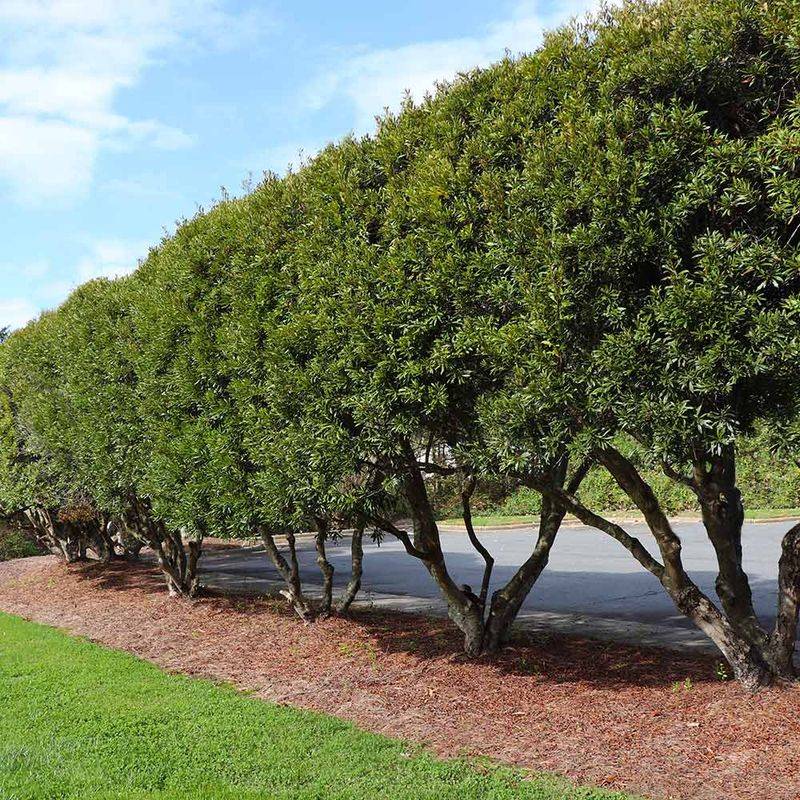
Once the maples and oaks drop their leaves, a yard can feel wide open to a small bird. Evergreens fill that gap by giving birds a place to duck out of the wind and out of sight.
A bird that feels covered can spend more time feeding and resting.
NC State Extension suggests native pines, American holly, yaupon, wax myrtle, and eastern redcedar for winter cover. It also recommends placing that cover near feeding and watering areas, so birds can dart to shelter and then return.
A practical example: a single wax myrtle near a bird bath may give a chickadee a quick hiding spot, while a row of pines along a property line can break the wind. Even a small cluster of evergreens can do some of this work.
Keep expectations realistic. Cover alone will not pull in a flock, and birds will use it only if food and water are also close by.
Think of evergreens as one piece of the setup, working alongside seed, fruit, and a clean water source.
As with fruiting plants, match the choice to your yard. Look at how much sun, space, and moisture you have before planting, and pick the native that fits.
Leave some seed-bearing plants standing
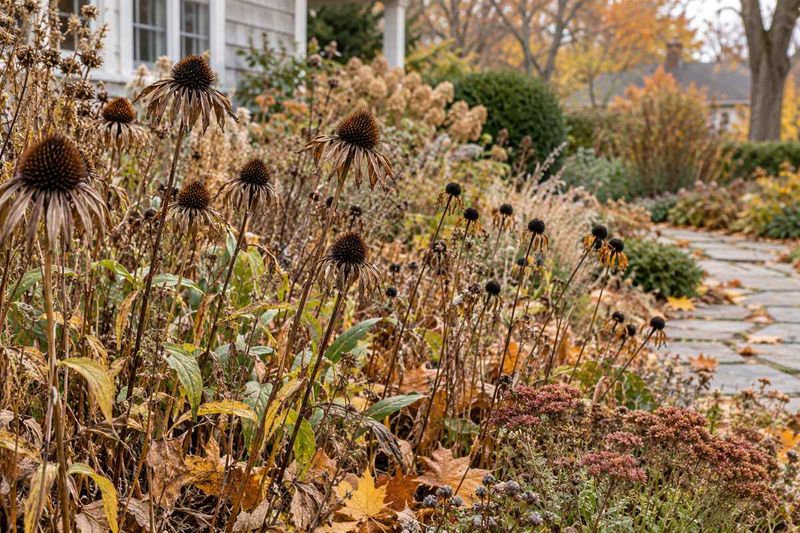
If you only have time for one thing this weekend, put the clippers away. Leaving some seedheads and stems in place means food stays available through winter, and it takes less work than a full cleanup.
NC State Extension recommends leaving part of the yard unmanicured and offering a variety of food plants. You do not have to give up the whole lawn.
A back corner, a fence line, or one flower bed can be enough.
Good candidates include dried coneflowers, black-eyed Susans, and native grasses. Many of these are covered in NC State’s native plant guide, which can help you pick ones suited to your region.
Varied plants matter because different birds eat different things. Some prefer small seeds on stems, while others go for fruit or pick through litter on the ground.
A mix gives more birds something to use.
These steps make resources available, and that is all. They do not guarantee birds will return or that any particular species will show up.
Still, an untidy patch costs almost nothing, and it gives winter birds more to work with.
Use feeders carefully and keep them clean
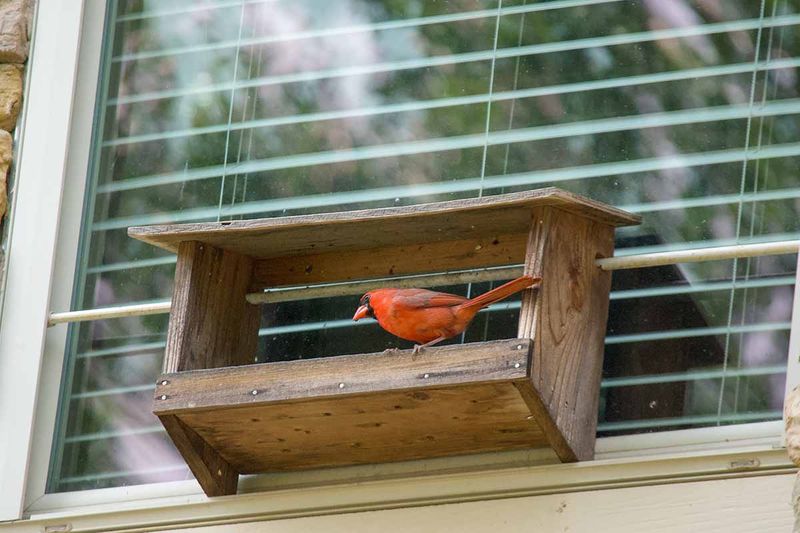
Feeders can be a handy extra, but they work best as a supplement to natural food. They also do not stop birds from migrating.
Audubon explains that migration timing is set by the species, not by whether a feeder is full.
If you use one, NC State Extension advises placing it near cover but not inside shrubbery, where cats can stalk birds. It also recommends cleaning feeders every two to three weeks.
Cleaning matters because feeders gather birds close together. The U.S.
Fish and Wildlife Service says that crowding can raise the risk of diseases such as salmonella, E. coli, and mycoplasma, even though feeder-visiting species are not commonly infected with avian influenza. Feeders are not risk-free, so do not treat them that way.
Windows are another hazard. Reflective glass can fool birds, and FWS information on glass collisions covers why strikes happen.
Decals, screens, or other window treatments can help reduce the risk.
If you find a sick or dead bird, do not pick it up. Report bird mortalities to the North Carolina Wildlife Resources Commission, and wash your feeders while you wait for guidance.
Treat the flock as a useful clue
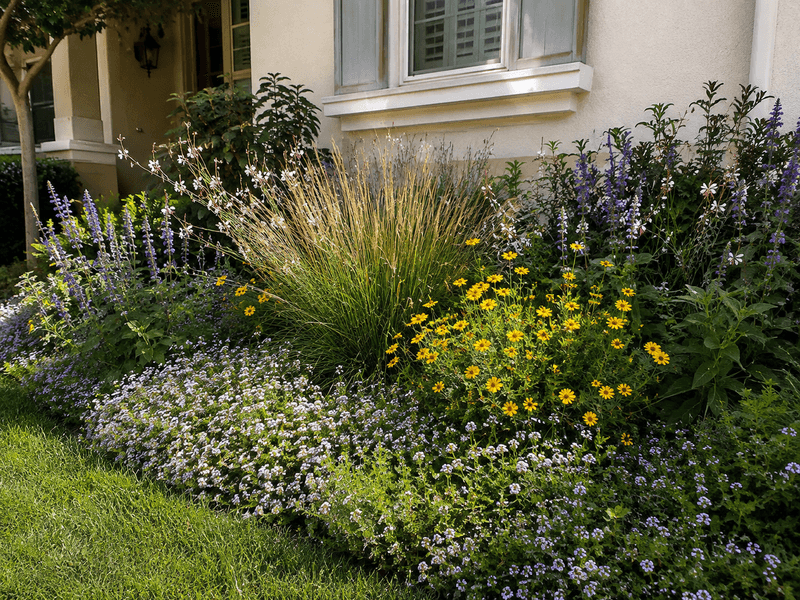
A November gathering of birds may reflect seasonal movement, nearby food, or a bit of shelter. It cannot tell you how healthy your whole yard is, and it is no promise they will be back next week.
Use what you saw to pick one realistic step, such as keeping seedheads standing, as NC State suggests, or planting a native evergreen. A flock is a good question, and your yard gets to supply the next answer.