
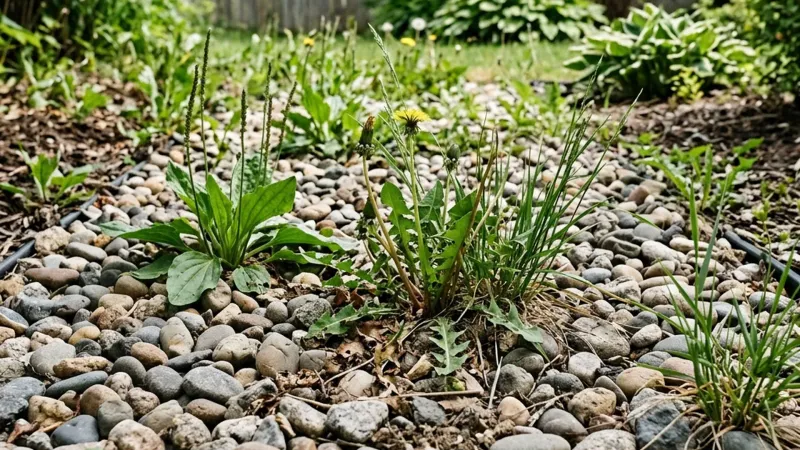
Gravel paths and rock-mulched beds are supposed to make yard maintenance easier, but for many California homeowners, the weeds just keep coming back no matter how often they pull or spray. The frustrating truth is that gravel suppresses weeds without permanently sealing the ground, and recurring weeds usually signal one or more unresolved problems rather than a single hidden flaw.
Understanding where each weed actually started is the key to choosing a fix that lasts.
Gravel suppresses weeds; it does not seal the ground
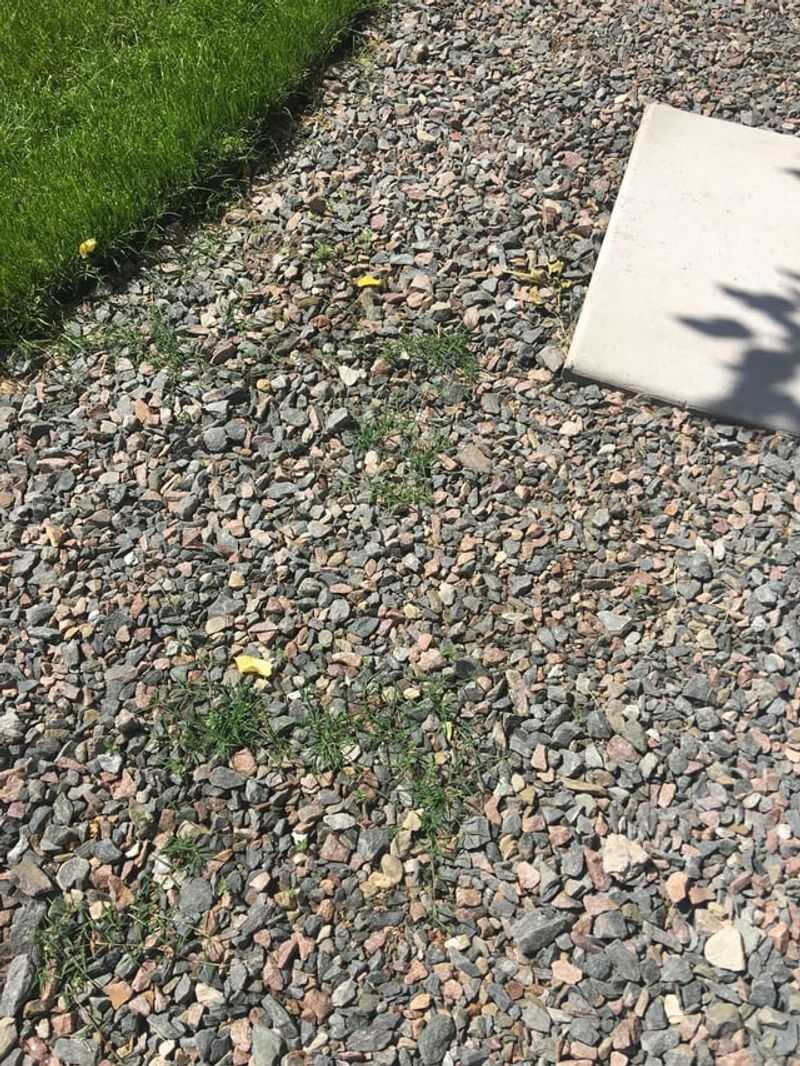
Rock mulch has a real reputation for being low-maintenance, and that reputation is mostly earned. Gravel and crushed stone are stable, inorganic materials that do not break down the way bark chips do, which means they stay in place and block a fair amount of sunlight from reaching the soil below.
But UC IPM’s guidance on weed management in landscapes is direct on this point: gravel is difficult to keep weed-free. It suppresses weeds; it does not exclude them permanently.
Weeds return to gravel for several distinct reasons. Some grow up from perennial roots or underground structures left in the soil before the rock went down.
Others sprout from seeds already present in the native soil or in imported fill, compost, or the gravel itself. Still others arrive after installation, carried by wind, birds, runoff, or equipment, and germinate in the thin layer of dust, sediment, and organic debris that slowly collects on top of the rock.
Gravel does not attract weeds in any biological sense. The rock is not calling them in.
What happens is that a porous, open surface with occasional moisture and accumulated fine material creates conditions where transported seeds can take hold, especially along edges, near irrigation heads, and in low spots where debris collects. Recurring weeds are usually a sign of incomplete site preparation, continuing seed entry, or favorable germination conditions above the barrier rather than a flaw in the idea of using gravel itself.
The practical takeaway is that the remedy depends on where each weed began. A homeowner dealing with bindweed pushing up through the rock needs a different approach than one finding annual grasses sprouting in a thin layer of windblown soil on top of the fabric.
Diagnosing the source first saves time, effort, and money on fixes that address the wrong problem.
Where the weeds started determines what will work
Before pulling a single weed or buying a product, spend a few minutes figuring out where that plant actually came from. The answer changes everything about what you should do next.
There are four main origin scenarios in a gravel landscape, and most recurring weed problems trace back to one or more of them.
The first scenario involves perennial weeds left beneath the gravel. Bermuda grass, field bindweed, yellow nutsedge, and oxalis all store energy in underground structures, including rhizomes, tubers, stolons, and deep taproots.
When gravel goes down over an area that was not thoroughly cleared, those underground parts survive and send new growth upward. These weeds are the hardest to control after the fact because the rock makes it difficult to reach the root system without disturbing the whole installation.
The second scenario is seeds already present in the soil or in imported materials. Native soil carries a seed bank built up over years.
Brought-in fill dirt, compost, or topsoil may carry additional seeds from wherever it was sourced. UC IPM’s nursery pest management guidance notes that weed seeds can arrive in soil, containers, and growing media, making source quality an important consideration before any installation.
The third scenario is seeds arriving after installation. Wind carries seeds from neighboring properties, roadsides, and open spaces, and California’s varied landscapes mean the seed pressure differs considerably between a coastal lot surrounded by gardens and an inland-valley property bordering open grassland.
Runoff, birds, and equipment can also deposit seeds directly onto gravel surfaces.
The fourth scenario is weeds rooting in material that accumulates above the barrier. Cal-IPC’s weed-free aggregate resources highlight that fine soil, dust, and organic debris can settle between rocks over time, creating a thin but viable germination layer entirely above the fabric.
Weeds in this layer are not coming through the barrier at all; they are growing on top of it.
Identifying which scenario fits your yard is the diagnostic step that makes every other action more effective.
The lasting fix begins beneath the gravel
Renovating a weed-prone gravel area without addressing what is under the rock is like painting over a water stain without fixing the leak. The preparation phase, done before any fabric or aggregate goes back down, is where long-term weed control is either won or lost.
Start by removing established perennial weeds as completely as possible. Dig out the root ball, rhizomes, and any tubers you can reach.
Annual weeds are generally easier to manage than perennials, but both benefit from thorough clearing. UC IPM’s preplant weed control guidance recommends clearing existing vegetation before any new installation, with particular attention to persistent perennial species that will regrow from fragments.
After clearing, a stale-seedbed sequence can reduce the seed bank before you install anything permanent. Water the prepared soil to encourage dormant seeds to sprout, then remove those seedlings with shallow scraping or cultivation once they emerge.
UC IPM’s pest notes on weed management recommend repeating this irrigation-and-removal cycle two or three times where practical. Keep cultivation shallow, generally less than one inch, because deeper digging brings buried seeds to the surface and adds to the problem rather than reducing it.
Soil solarization is a useful option for suitable California locations, particularly during hot inland summers. Moisten the soil, lay clear plastic tightly against the surface, and maintain it for approximately four to six weeks during the hottest, sunniest period.
UC IPM’s solarization guidance identifies June through August as the strongest window for inland California, while coastal effectiveness depends more on local weather and fog patterns.
Solarization can reduce many weed seeds and shallow-rooted seedlings, but it should not be treated as a guarantee. Deeply rooted perennials such as nutsedge and some bindweeds may survive or recover, and results vary by soil moisture, plastic fit, wind exposure, and the presence of shade.
Think of it as a helpful head start, not a reset button, and plan follow-up steps accordingly.
A landscape fabric system fails at its weak points
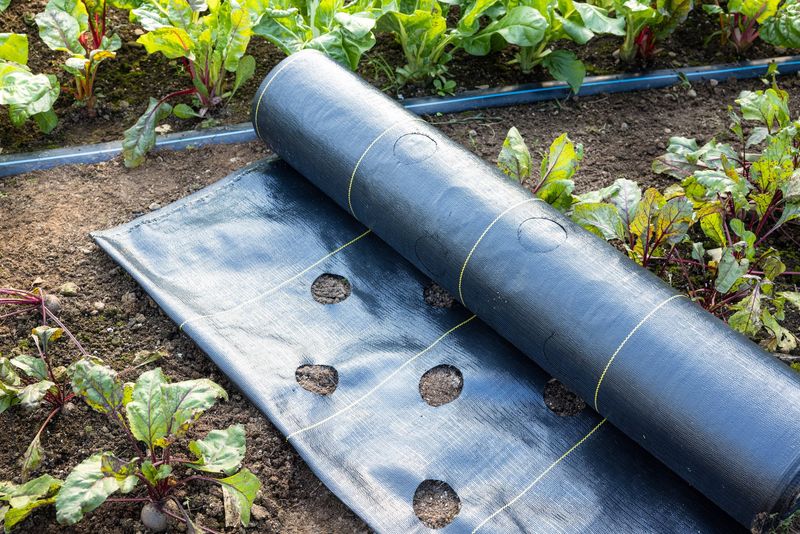
Landscape fabric can genuinely improve weed control under gravel, but only when the installation supports it. Fabric is not a passive layer you unroll and forget.
Every gap, thin spot, exposed edge, and careless planting opening is a potential entry point for weeds, and those weak points are where most fabric-based systems break down over time.
A good installation starts with a clean, reasonably smooth base. Rocks, clods, and debris left under the fabric create pressure points that wear through over time, and any perennial weed material left in the soil will find its way to a seam or edge.
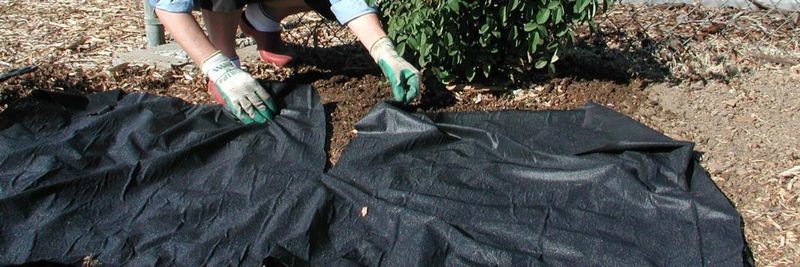
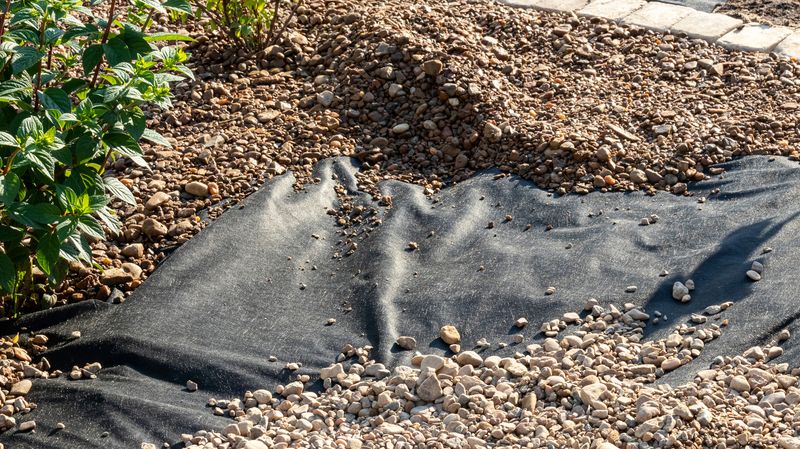
UC IPM’s landscape weed management guidance recommends overlapping fabric seams and pinning them firmly, and covering the fabric with enough rock to protect it from ultraviolet degradation, roughly one inch being a practical minimum for UV protection.
Planting openings deserve extra attention. A cut made too large, a hole left open after a plant dies, or a gap where fabric edges curl back from a border all give weeds a foothold.
Yellow nutsedge is a documented example of a weed that can penetrate many geotextiles, and thicker fabric performs better against it than thin grades. Edges along walls, driveways, and path borders are similarly vulnerable because foot traffic, settling, and erosion can expose the fabric over time.
Weeds that appear to grow through intact fabric are often actually rooting in accumulated soil or debris on top of the fabric, not pushing through it from below. That distinction matters because the fix is different: clearing surface debris rather than replacing the fabric.
Fabric works best in relatively permanent settings, including established shrub beds, gravel paths, and rock-mulched areas where replanting is infrequent. UC IPM cautions that it becomes inconvenient where beds are turned over regularly or where spreading groundcovers need to root as they grow.
Plant roots can also grow into the fabric over time, making future removal difficult. Matching the material to the site’s realistic long-term use is as important as the installation itself.
New seeds keep arriving after installation
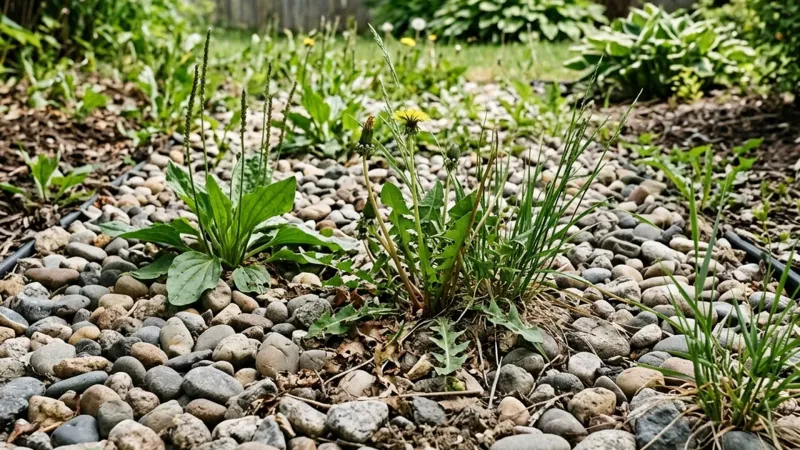
A carefully prepared and well-installed gravel system can still develop weeds because the installation date is not the end of seed entry. Seeds keep arriving from outside the yard, and some arrive in materials the homeowner brings in after the project is finished.
Wind is the most consistent source. California’s varied landscapes mean that seed pressure differs considerably by location.
A coastal yard surrounded by established gardens faces different weed arrivals than an inland-valley property near open annual grassland, a hillside lot adjacent to chaparral, or a desert-edge garden where windblown annuals are prolific after wet winters. Runoff can carry seeds from upslope neighbors, and birds deposit seeds as they perch or forage in gravel areas.
Equipment moved between sites can carry soil and seed on wheels, blades, and boots.
Contaminated materials are a less obvious but real source. Compost, potting soil, and container plants purchased from various suppliers can carry weed seeds, and the quality of incoming aggregate matters as well.
Cal-IPC’s weed-free aggregate program documents that invasive plant seeds can be present in gravel at quarries and transported to new sites, making supplier sourcing relevant when installing large areas or working near natural habitat, restoration areas, or wildland-urban interface zones.
Practical steps include inspecting incoming soil, compost, and plants before they enter the yard, obtaining materials from reputable sources, and asking aggregate suppliers about their weed-free sourcing or handling practices for larger projects. UC IPM recommends sourcing soil from reputable suppliers as part of overall landscape weed management.
None of this eliminates windborne seed, but reducing contaminated inputs lowers the overall seed pressure the system has to handle.
Water and accumulated debris create a second planting surface
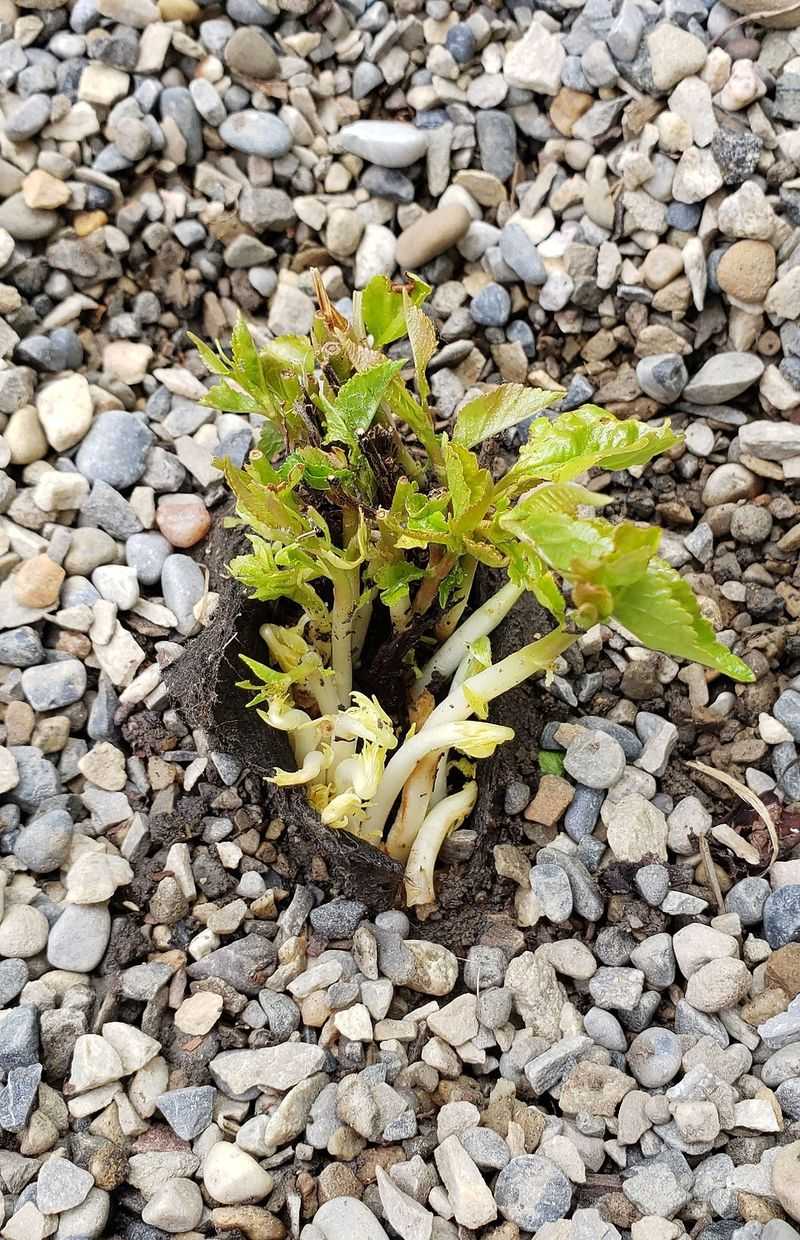
Even a well-installed fabric-and-gravel system can develop weeds years later without any obvious failure in the barrier. The culprit is usually a thin layer of dust, sediment, decomposed leaves, and fine organic matter that accumulates on top of the rock over time.
That layer acts as a second planting surface, completely above the fabric, and seeds that land in it find enough moisture and nutrition to germinate.
Irrigation habits accelerate the problem. Broad-area sprinklers that wet large sections of gravel, leaking drip emitters, and overspray from heads aimed at nearby plants all supply the moisture that turns an otherwise dry, inhospitable surface into a place where seedlings can survive their first critical weeks.
UC IPM notes that broad-area sprinkler irrigation in landscaped areas can encourage weeds in spaces between plants, and drip irrigation is generally more targeted for permanent plantings.
Low spots, shaded corners, and areas near downspouts or drainage outlets collect debris faster than open, sunny sections of gravel. These microclimates tend to produce the most persistent weed problems because moisture lingers longer and organic matter breaks down into a usable growing medium.
UC IPM’s landscape design and water quality guidance addresses how drainage and irrigation design affect plant and weed establishment across the yard.
Correcting the underlying water and debris issue is more effective than repeatedly weeding the same spot. Adjust irrigation so heads do not spray across bare gravel, fix leaks promptly, redirect drainage away from gravel edges, and rake out accumulated leaf litter and sediment periodically where it is practical to do so without disturbing the barrier beneath.
Keeping the surface as dry and debris-free as the site allows reduces the number of weed cycles you have to manage each season.
Early, low-disturbance maintenance keeps escapes from multiplying
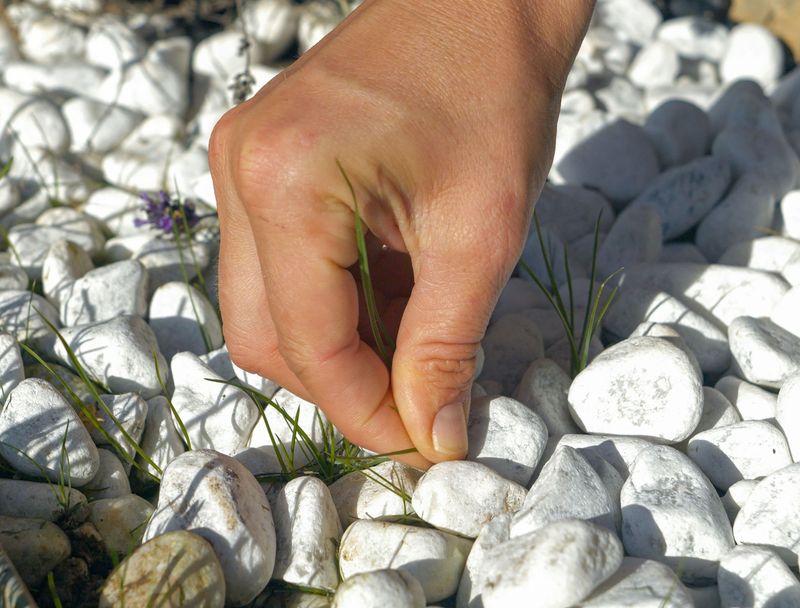
Maintenance is where the long-term outcome is decided. A gravel bed that was well-prepared and carefully installed will still produce some weeds, and how quickly and carefully those weeds are removed determines whether the problem stays manageable or compounds into a full renovation.
Removing weeds while they are young is the single most effective habit. Young plants have not yet produced seed, their roots are shallower and easier to extract fully, and they have not had time to rebuild underground energy reserves.
UC Master Gardeners of Alameda County note that early removal before seed set is critical for annual weeds like filaree, which can produce and scatter seed quickly once conditions are right. The same principle applies across most weed species in California landscapes.
For perennial weeds, early removal is still important, but the goal shifts to extracting as much of the underground structure as possible. Use a narrow hand tool to loosen the soil around the root without broadly disturbing the surrounding area.
Cal-IPC’s land manager best management practices recommend minimizing ground disturbance because exposed bare soil creates habitat for the next round of weed germination. After pulling, replace displaced rocks and check whether the fabric beneath is intact.
Herbicides have a role in some situations, but they require care. Preemergence products work by preventing seeds from germinating and have no effect on established weeds.
Postemergence products target existing plants but may not reach underground structures in perennial species, requiring repeat applications. UC IPM’s herbicide guidance emphasizes matching the product to the target weed and the labeled site.
Nonselective products can injure desirable plants through drift or root uptake, and UC IPM’s phytotoxicity guidance documents how herbicide misuse can damage nearby ornamentals and move in runoff.
Use the label as the legal and practical guide for every application, and treat chemical control as one tool within a broader physical and cultural routine rather than a replacement for it.
A cleaner gravel bed is a managed system, not a one-time project
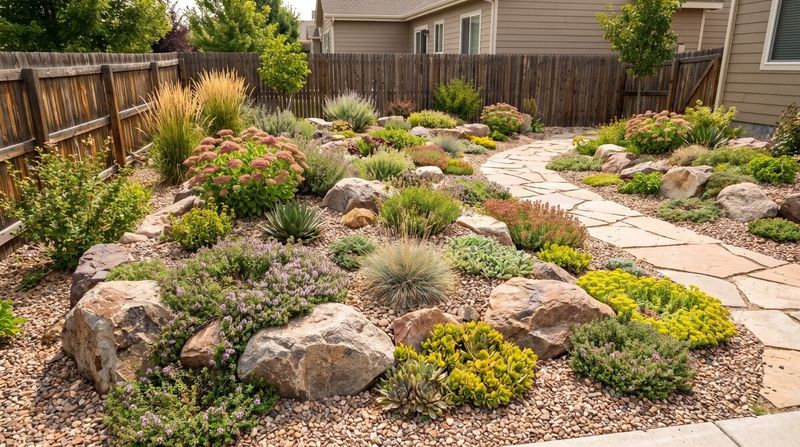
Putting gravel down is a starting point, not a finish line. The yards that stay cleanest are the ones where the homeowner treats the gravel bed as an ongoing system rather than a completed project.
That shift in thinking changes what gets attention and when.
A practical action sequence runs like this: identify the weed and where it is rooted, clear any perennial growth before it rebuilds underground reserves, reduce exposed seed sources by correcting irrigation overspray and removing accumulated debris, install or repair the fabric barrier at gaps and edges, inspect incoming soil and plant materials before they enter the yard, and remove new weeds early before they flower or spread. UC IPM’s integrated weed management approach combines physical, cultural, and targeted chemical controls in exactly this sequence, and it remains the most reliable framework for California homeowners managing gravel landscapes across coastal, inland, and drier sites.
The realistic outcome of following these steps is a meaningful reduction in recurring weed pressure and the time spent managing it, not a weed-free surface that requires no attention. Gravel landscapes in California can look clean and function well with far less effort than a lawn, but they do ask for regular, early intervention.
A weed caught at two inches tall takes ten seconds to remove; the same plant at flowering stage takes ten minutes and leaves behind a seed bank that will keep you busy for another season.