 Complete Gardening
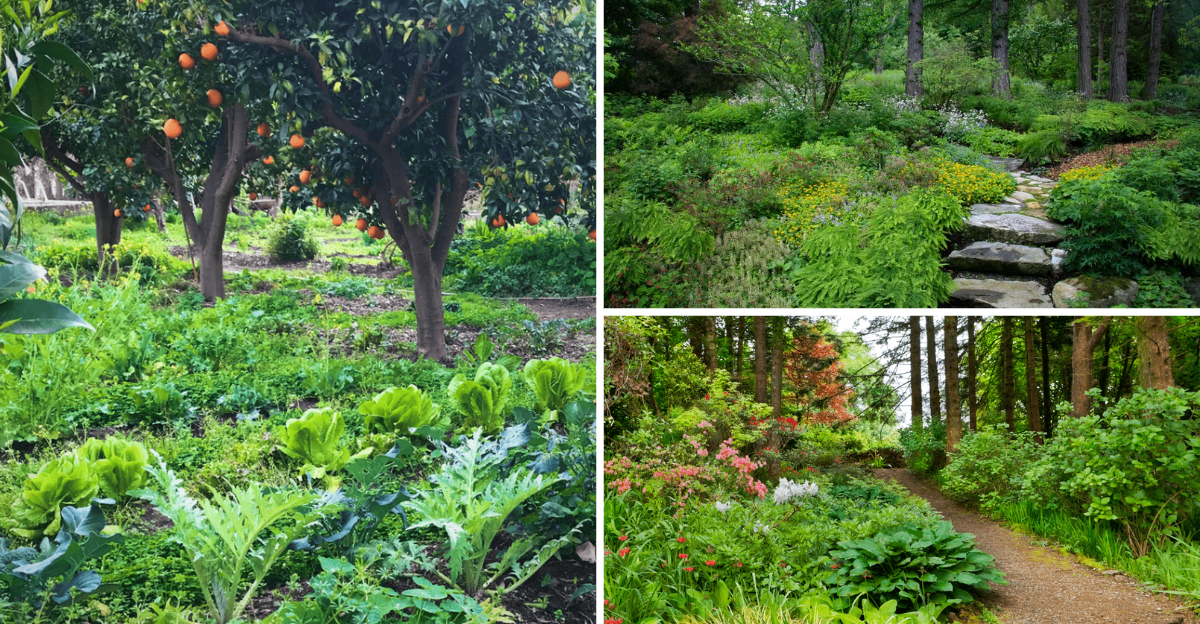
Forest gardening is an innovative way to transform your backyard into a sustainable ecosystem that mimics the dynamics of a natural forest. This approach not only enhances biodiversity but also provides a bounty of fruits, nuts, and vegetables, all while requiring minimal maintenance compared to conventional gardens. By harnessing the principles of permaculture, forest gardening offers a resilient and productive system that works in harmony with nature. Whether you’re an experienced gardener or just starting out, this method can revolutionize the way you grow food and connect with the environment.
Bountiful Harvest
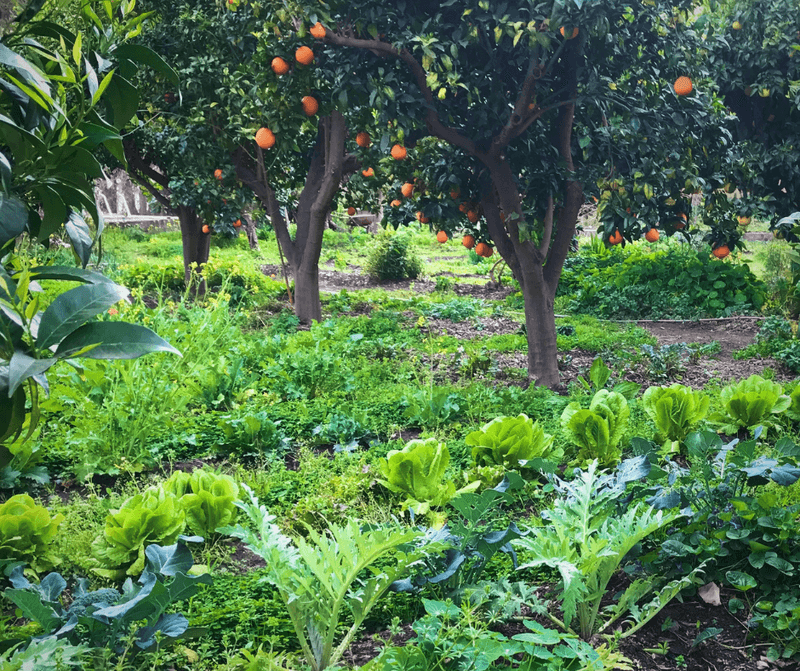
Imagine stepping into your backyard and picking fresh fruits and vegetables from your own forest garden. The diversity of plants in a forest garden ensures a continuous harvest throughout the seasons. From juicy berries in the summer to hearty nuts in the fall, there’s always something to enjoy.
The layered approach of a forest garden mimics a natural ecosystem, providing a self-sustaining food source. Not only does this reduce the need for grocery shopping, but it also allows you to enjoy organic produce. By embracing this method, you can turn your backyard into a bountiful paradise.
Eco-Friendly Design
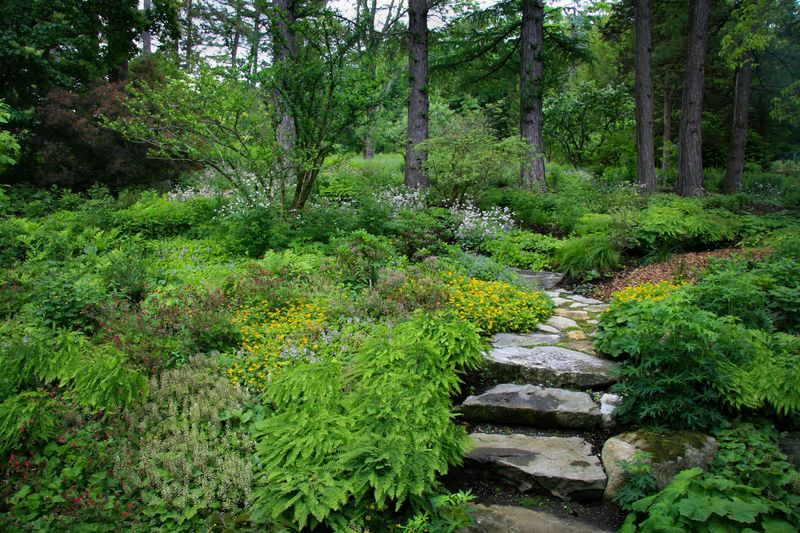
Forest gardening is a step towards an eco-friendly lifestyle. By using native plants and sustainable practices, you create a habitat that supports local wildlife. This not only enhances biodiversity but also reduces your carbon footprint.
The design of a forest garden incorporates elements that conserve water and soil, such as rainwater catchment and composting. These techniques ensure that your garden remains healthy and productive with minimal environmental impact. As a result, you contribute positively to the planet while enjoying the beauty of nature in your backyard.
Low Maintenance
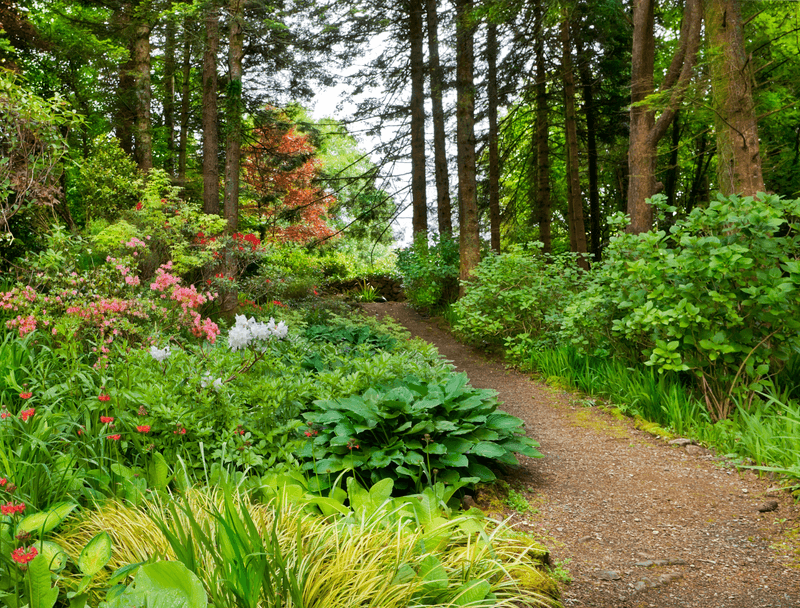
With its self-sustaining ecosystem, a forest garden requires less maintenance than traditional gardens. The natural layering of plants suppresses weeds, reducing the need for regular weeding.
Companion planting and organic pest control methods mean fewer chemicals and interventions are necessary. This allows you to spend less time tending to your garden and more time enjoying it. Imagine relaxing in your garden, surrounded by thriving plants, without the stress of constant upkeep. It’s a perfect solution for those seeking a beautiful yet effortless gardening experience.
Educational Experience
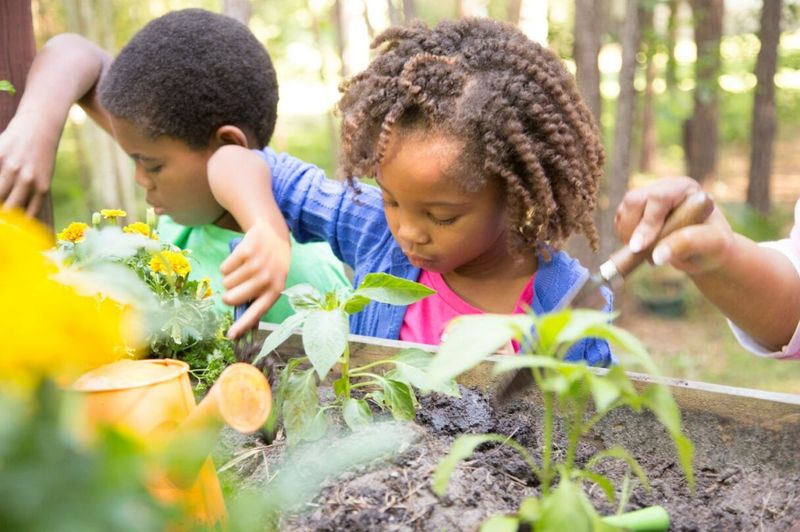
Forest gardening offers an enriching educational experience for all ages. For children, it’s a live classroom where they can learn about plant growth, ecosystems, and sustainability.
Adults too can deepen their understanding of permaculture and ecological balance. This hands-on learning approach fosters a greater appreciation for nature and encourages sustainable living practices. It’s not just about growing food; it’s about growing knowledge and respect for the environment. Your backyard can become a center for learning and discovery, inspiring future generations to care for our planet.
Aesthetic Appeal
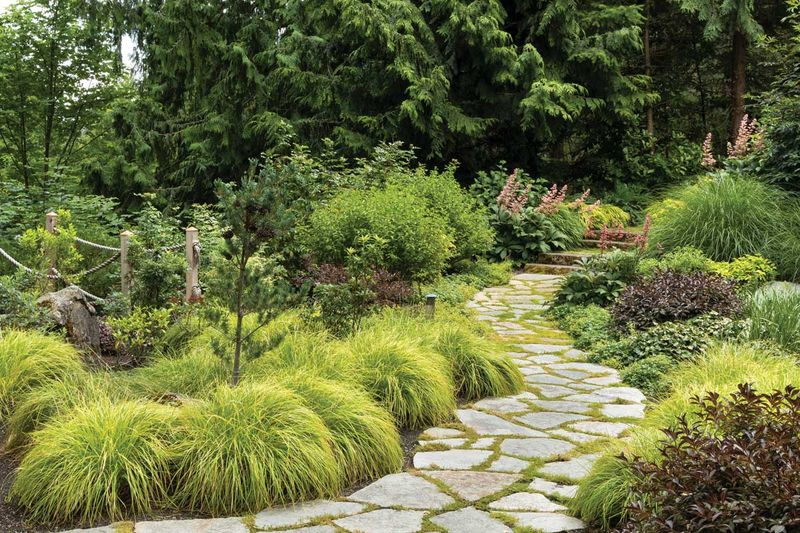
A forest garden isn’t just functional; it’s a feast for the eyes. The natural beauty of diverse plants, flowers, and textures creates a visually stunning environment. With winding paths and artistic elements, your garden becomes a personal sanctuary.
This aesthetic appeal enhances the overall atmosphere of your home, providing a peaceful retreat from the everyday hustle. Whether you’re enjoying a quiet moment alone or hosting a gathering, the charm and tranquility of your forest garden will leave a lasting impression. It’s a testament to the harmony that can be achieved between design and nature.
Biodiversity Boost
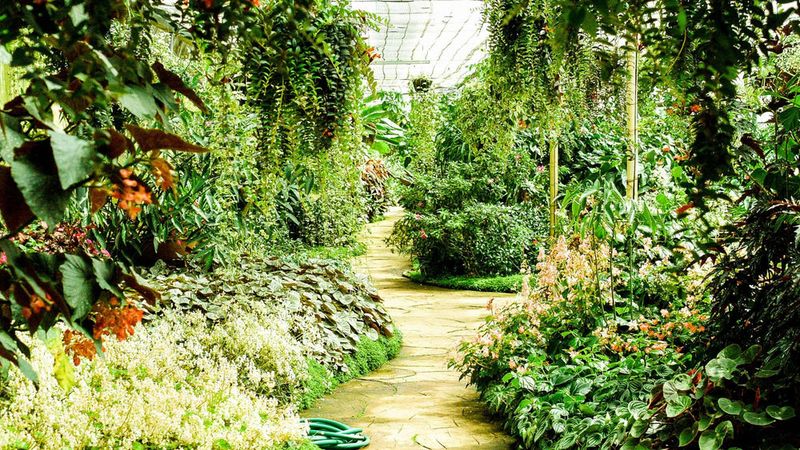
Imagine a backyard bursting with life, where plants and animals thrive in harmony. Forest gardening mimics natural ecosystems, fostering a rich diversity of species. By cultivating various plants, such as native trees, shrubs, and flowers, you create habitats for pollinators and wildlife.
This diverse ecosystem not only supports birds and insects but also enhances your garden’s resilience to pests and diseases. With each plant playing a unique role, your backyard becomes a vibrant tapestry of life.
Did you know? Forest gardens can host up to 30 different plant species in a small area.
Resilient Ecosystem
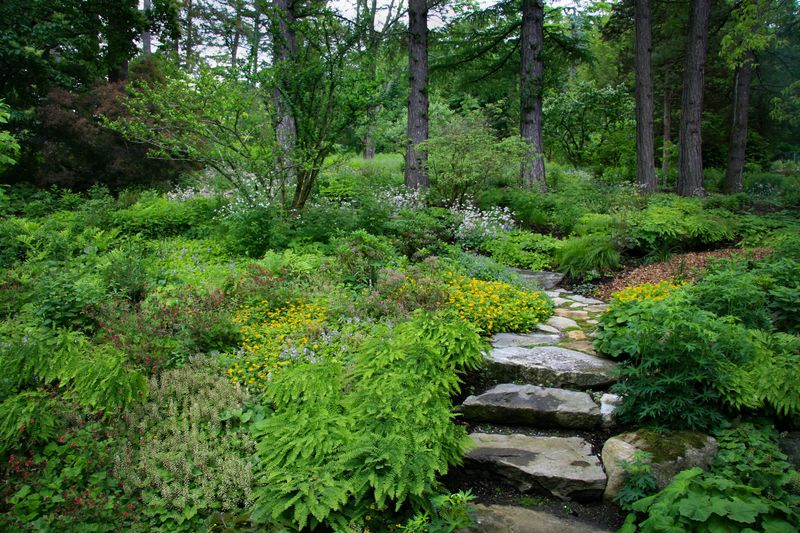
A resilient ecosystem is key to a sustainable garden. Forest gardening replicates the natural layers of a forest, providing stability and protection. This method ensures that your garden can withstand extreme weather conditions and recover quickly from disturbances.
The interconnection between plants and soil microbes strengthens the garden’s ability to adapt and flourish. This resilience is crucial in the face of climate change.
By adopting forest gardening, you’re not just planting trees; you’re creating a self-sustaining ecosystem that can endure the test of time.
Soil Health Improvement
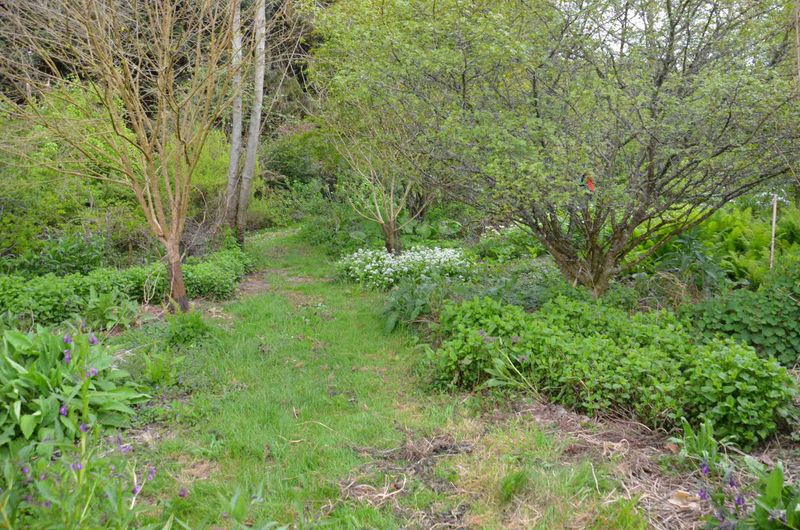
Healthy soil is the foundation of a thriving garden. In forest gardening, diverse plant roots and organic matter contribute to improved soil structure and fertility. This natural approach eliminates the need for chemical fertilizers and promotes nutrient-rich earth.
Earthworms and microorganisms work together to break down organic material, enhancing soil health. This process ensures that your plants receive the essential nutrients they need to grow.
With forest gardening, you’re not just planting for today; you’re nurturing the soil for future generations.
Habitat Creation
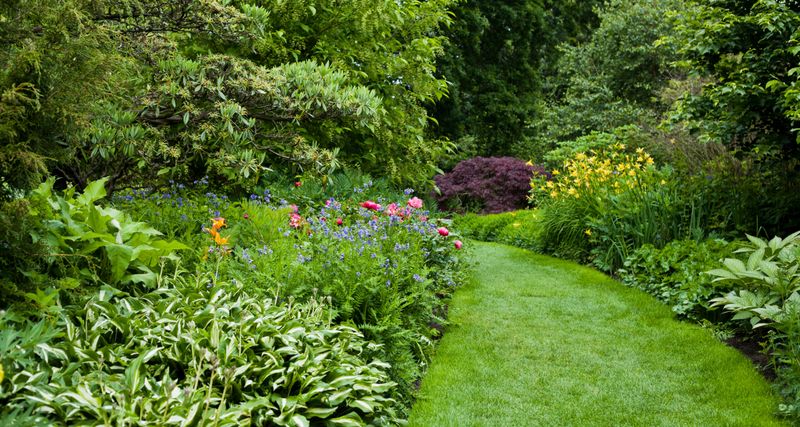
Forest gardening transforms your backyard into a sanctuary for wildlife. By planting a variety of species, you create niches and habitats for birds, insects, and small mammals. This welcoming environment supports biodiversity and encourages the return of native species.
The addition of features like ponds and birdhouses enhances habitat diversity, offering shelter and resources. Your backyard becomes a refuge where nature can thrive, right outside your door.
Did you know? Forest gardens can attract up to 50% more bird species compared to traditional lawns.
Efficient Water Use
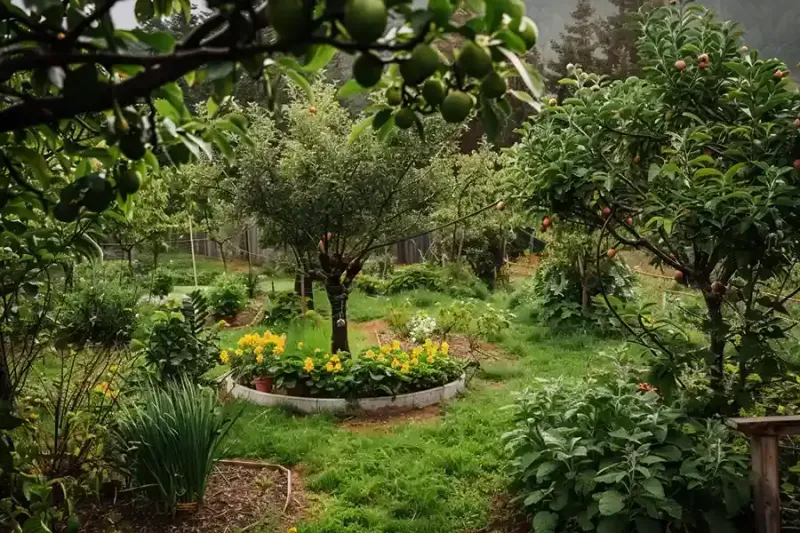
Water scarcity is a growing concern, and forest gardening offers a solution. By mimicking natural ecosystems, these gardens utilize water efficiently. Plant layers and mulch reduce evaporation, while deep-rooted plants access underground moisture.
Rainwater collection systems further enhance water conservation, ensuring that your garden remains lush without wastage. This method not only conserves water but also reduces your utility bills.
By embracing forest gardening, you’re contributing to a sustainable future with smarter water use in your own backyard.
Seasonal Interest
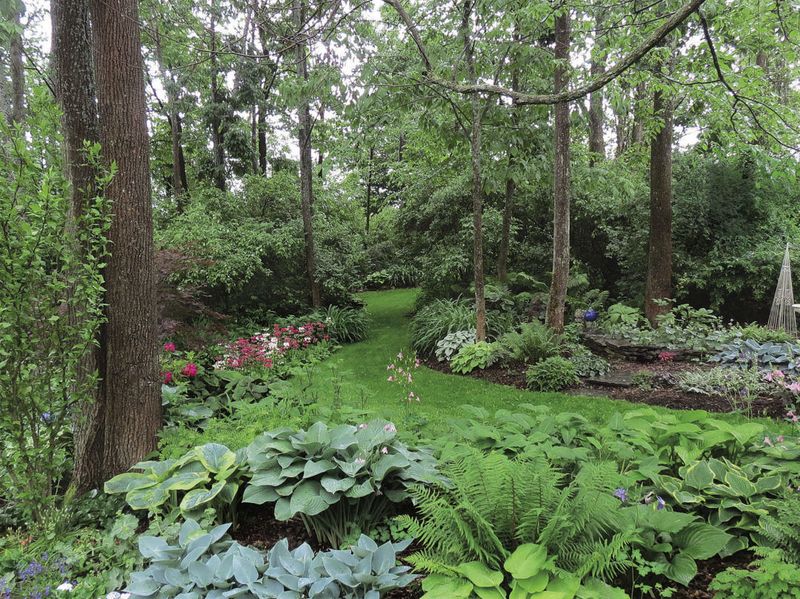
Why settle for a garden that looks the same year-round when you can have seasonal interest? Forest gardening offers a dynamic landscape that evolves with the seasons. From vibrant spring blooms to lush summer foliage and striking autumn colors, there’s always something new to enjoy.
By selecting a variety of plants with different blooming periods, your garden becomes a living canvas, reflecting nature’s cycles. This ever-changing beauty keeps your outdoor space engaging and alive.
Enjoy the natural spectacle that a forest garden brings to your backyard all year long.
Carbon Sequestration
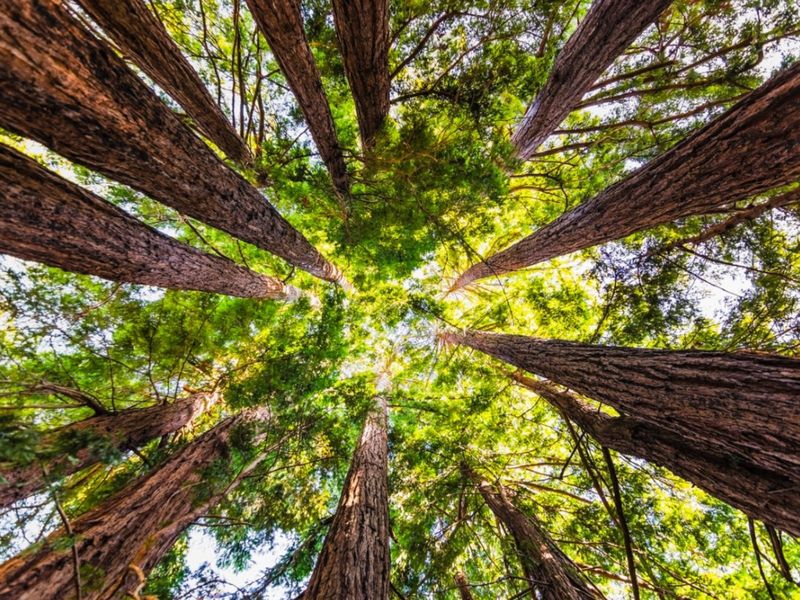
Forest gardening plays a significant role in combating climate change through carbon sequestration. Trees and plants absorb carbon dioxide from the atmosphere and store it in their biomass and the soil.
This natural process helps reduce the carbon footprint and mitigate global warming. By planting a diverse range of species, your garden becomes a carbon sink, actively contributing to a healthier planet.
Did you know? A mature tree can absorb about 48 pounds of carbon dioxide each year. Your forest garden could be part of the climate solution.
Edible Plants Variety
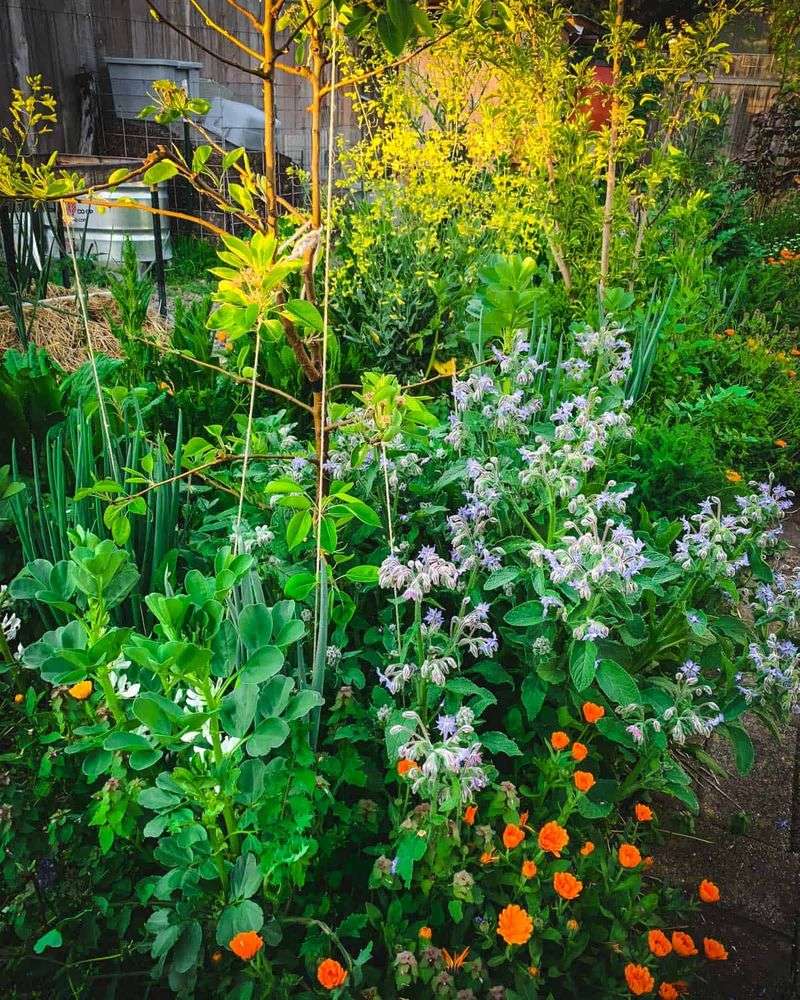
Imagine stepping into your backyard to harvest fresh fruits, nuts, and herbs. Forest gardening offers a bounty of edible plants, contributing to food security and self-sufficiency. By growing diverse species, you ensure a continuous supply of produce throughout the year.
This sustainable approach reduces dependence on store-bought goods and supports a healthy diet. With careful planning, you can enjoy a variety of flavors and nutrients directly from your garden.
Transform your backyard into a delicious haven of homegrown goodness with the edible diversity of forest gardening.
Pollinator Paradise
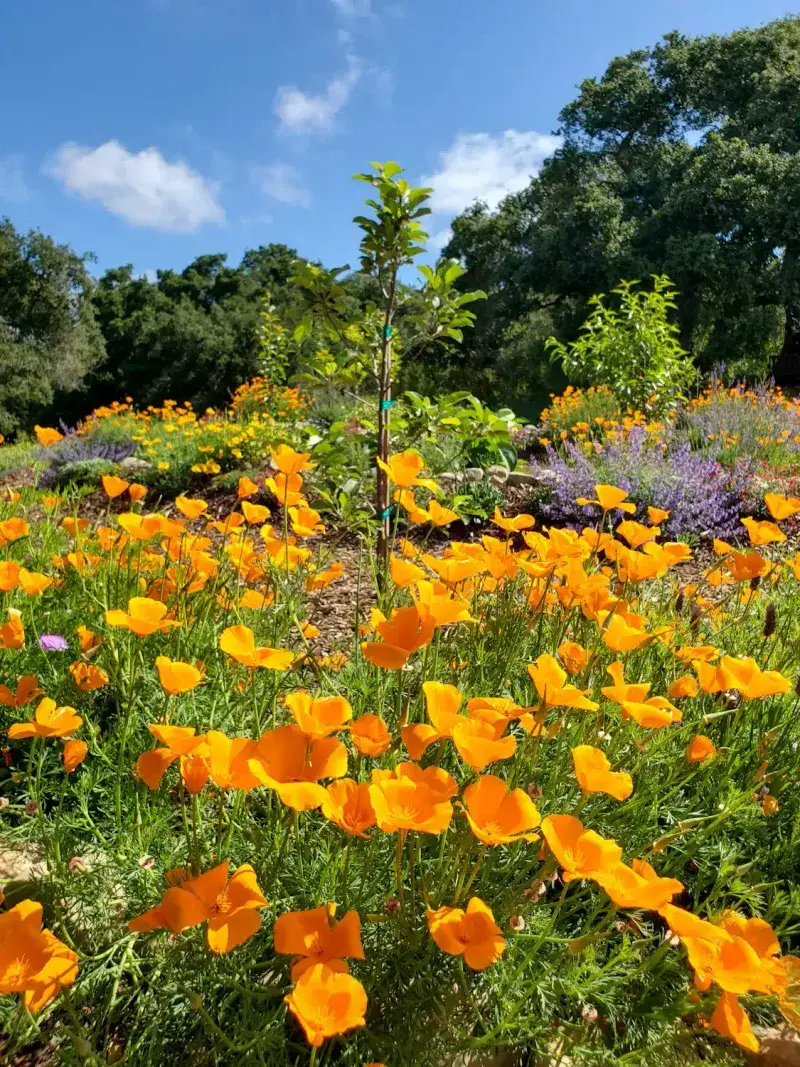
Pollinators are vital for a healthy ecosystem, and forest gardening provides them with a paradise. By planting diverse flowers and shrubs, you offer food and habitat for bees, butterflies, and hummingbirds.
These pollinators play a crucial role in plant reproduction and ensuring bountiful harvests. Your garden becomes a lively symphony of buzzing and fluttering, supporting biodiversity and ecological balance.
Did you know? Bees contribute to the pollination of about 70% of the world’s flowering plants. Your forest garden can be a haven for these essential creatures.
Natural Pest Control
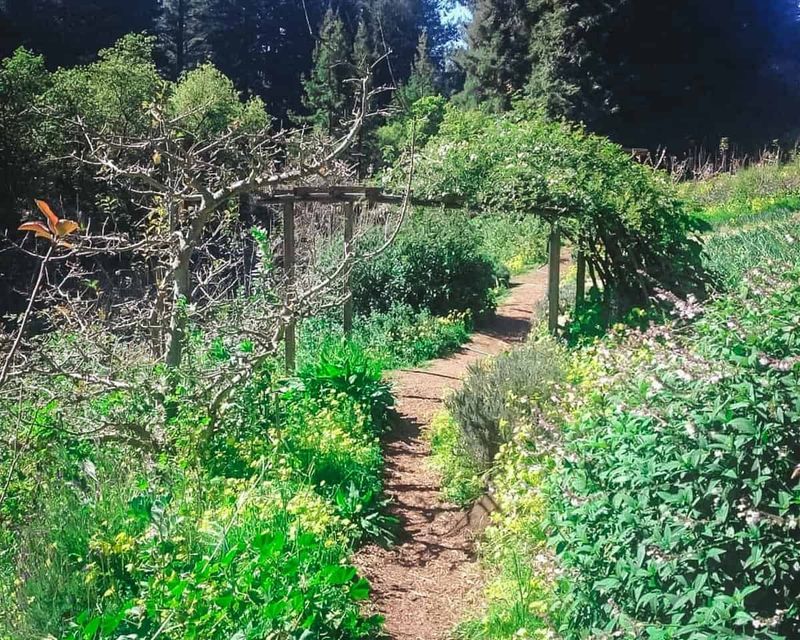
In forest gardening, nature takes the lead in pest control. By fostering a balanced ecosystem, you encourage beneficial insects like ladybugs and beetles to manage pest populations naturally.
This approach reduces the need for chemical pesticides, promoting a healthier environment. The diversity of plants and insects works together to maintain harmony and protect your garden from unwanted intruders.
Harness the power of nature’s pest control squad and enjoy a thriving, chemical-free garden. Your backyard becomes a testament to the power of ecological balance.
Community Engagement
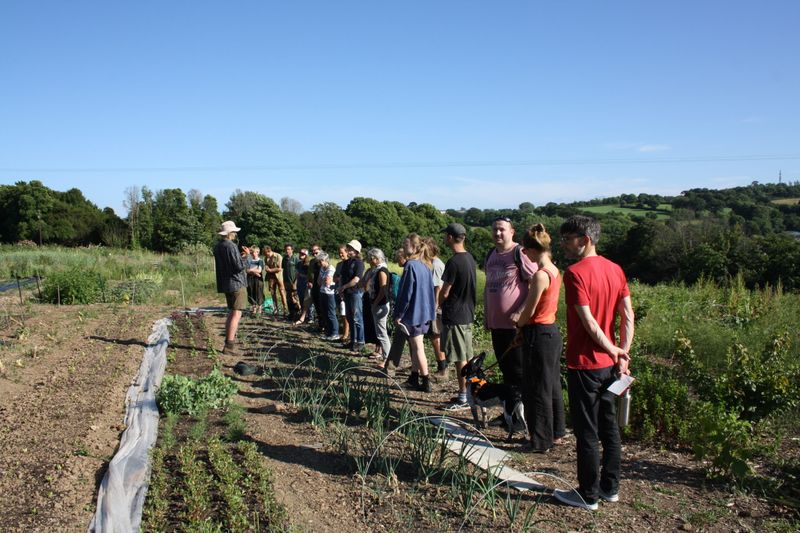
Forest gardening can be a catalyst for community engagement. By opening your garden to neighbors and friends, you foster a sense of community and shared learning.
Workshops and garden tours can inspire others to adopt sustainable practices, turning your backyard into a hub of environmental education. This communal interaction enriches social ties and spreads awareness about the benefits of forest gardening.
Did you know? Community gardens increase neighborhood pride and cohesion. Transform your backyard into a place of unity and environmental stewardship.
Mental Well-being

A forest garden is not just about plants; it’s a sanctuary for mental well-being. Surrounded by greenery, the tranquil environment provides a space for relaxation and mindfulness.
The natural beauty of the garden invites meditation and stress relief, improving your overall mental health. Studies show that spending time in nature reduces anxiety and boosts mood.
Create a personal retreat in your backyard, where the healing power of nature rejuvenates your mind and spirit. Forest gardening offers not just a feast for the eyes, but nourishment for the soul.
Cultural Heritage Connection
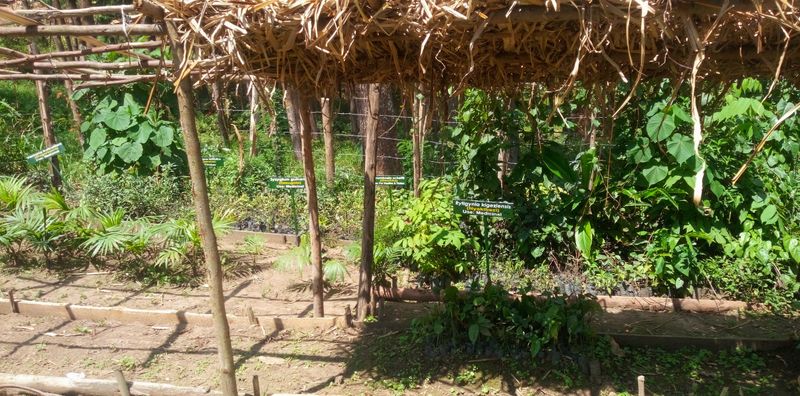
Forest gardening connects us to cultural heritage by preserving traditional plant species and practices. By cultivating plants with historical significance, you honor cultural wisdom and biodiversity.
Elders can share stories about the traditional uses of plants, enriching the cultural tapestry of your community. This connection fosters a deeper appreciation for heritage and the environment.
Did you know? Many indigenous communities have practiced forest gardening for centuries, passing down knowledge through generations. Embrace this cultural legacy in your backyard.