 Complete Gardening
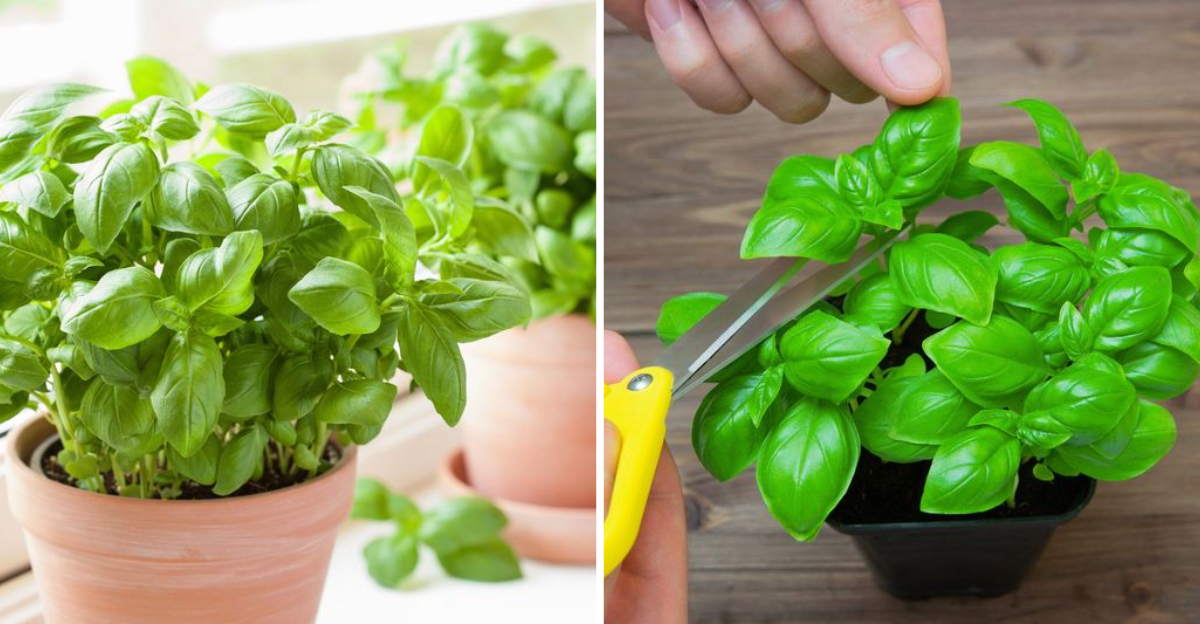
Basil, a fragrant herb cherished by cooks and gardeners alike, often faces the unfortunate fate of wilting or dying. Understanding the root causes of this can transform your gardening experience. By addressing specific problems, you can revive your basil and maintain its lush green vitality. From watering habits to pest control, these insights will guide you to becoming a basil-growing expert.
Overwatering Issues
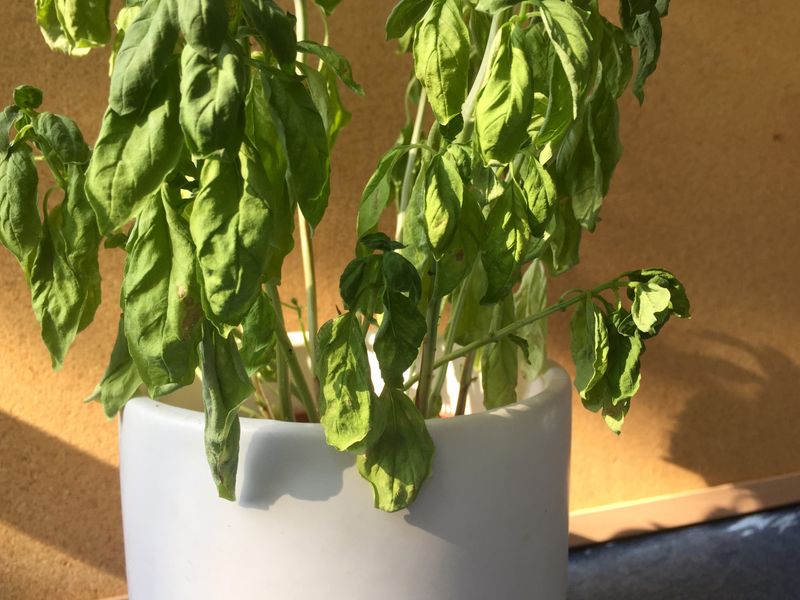
Have you ever noticed your basil leaves turning yellow? Overwatering is often the culprit. Basil enjoys well-draining soil, but too much water can suffocate its roots.
Imagine wearing a raincoat on a sunny day; the discomfort mirrors what your basil feels when overwatered. Adjusting your watering schedule and ensuring proper drainage can save your plant.
Did you know? Roots need air as much as they need water. Next time, check if the top soil feels dry before watering again. This simple habit can make a significant difference.
Lack of Sunlight
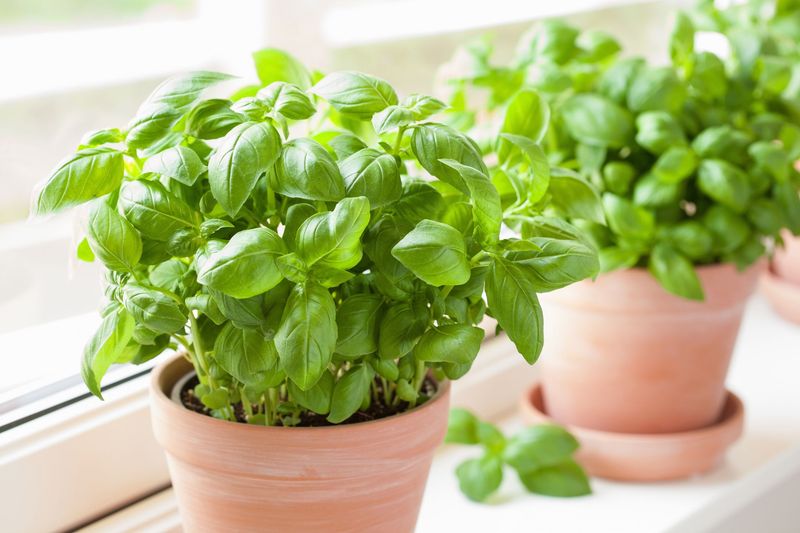
Bright light fuels basil’s growth, but insufficient sunlight can lead to leggy, weak plants. Basil thrives in sunlight, needing about six to eight hours daily.
Think of sunlight as basil’s morning coffee—it helps it thrive and stay robust. If indoors, position basil near a sunny window or consider supplemental grow lights.
Fun fact: Basil, originally from tropical regions, adores sunlight. Moving your basil to a sunnier spot might just be the lifeline it needs. Watch how it perks up with just a little more sun exposure.
Poor Soil Quality
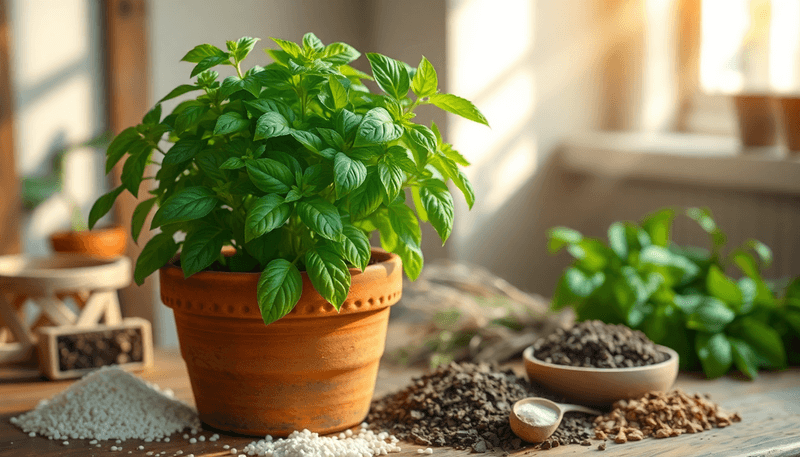
Does your basil appear unhealthy despite your efforts? The soil might be to blame. Basil craves nutrient-rich, well-aerated soil for optimal growth.
Imagine trying to run a race while wearing heavy boots—that’s how your basil feels in compact soil. Improving soil quality with organic matter can rejuvenate its growth.
Interesting tidbit: Basil’s deep roots appreciate breathing space. Consider mixing sand or perlite to enhance drainage and air circulation. Watch as your basil transforms into a vibrant, flourishing plant.
Pest Infestation
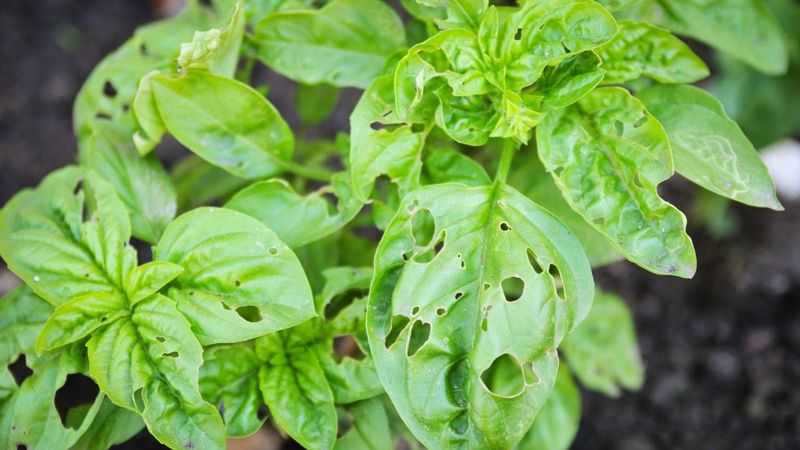
Are tiny holes appearing on your basil leaves? Pesky insects like aphids or spider mites could be the reason. These pests feast on your plant, leaving it weak and stressed.
Think of them as uninvited dinner guests, causing chaos. Regular inspection and gentle washing can keep these critters at bay.
A quirky fact: Ladybugs are natural predators of aphids. Introducing them to your garden can create a balanced ecosystem. By managing pests, you’ll see your basil return to its thriving state, ready to flavor your dishes.
Incorrect Pruning
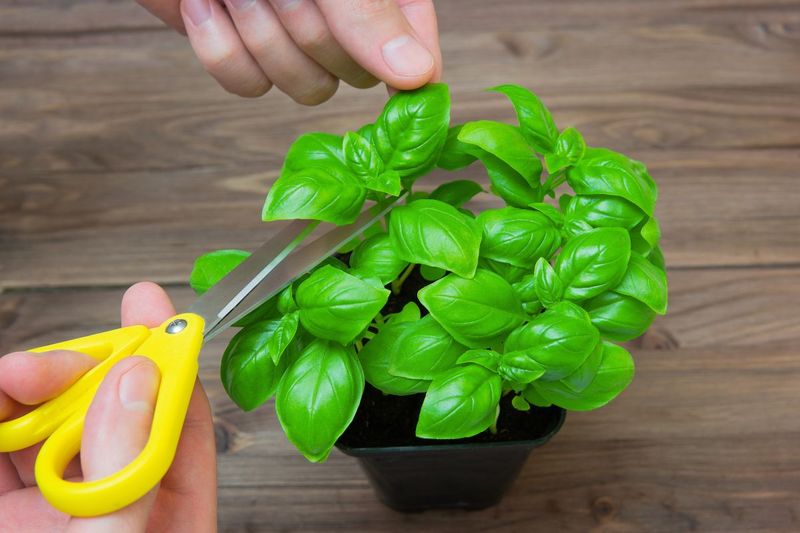
Pruning can boost basil’s health, but incorrect techniques may harm it. If your basil isn’t bushing out, improper pruning might be at fault.
Envision pruning as giving your basil a haircut—when done right, it grows back thicker and healthier. Focus on snipping just above a node to encourage bushier growth.
Did you know? Pruning not only shapes your basil but also prevents flowering, keeping the leaves flavorful. Mastering this skill ensures a continuous harvest of aromatic basil, perfect for culinary delights.
Temperature Extremes
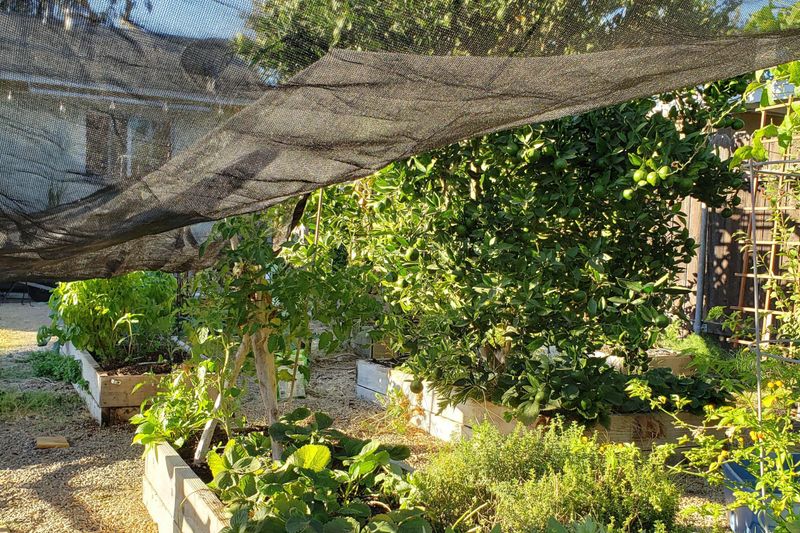
Extreme temperatures can stress basil, causing leaves to wilt or discolor. Basil prefers mild weather, thriving best between 70°F and 90°F.
Consider temperature as basil’s comfort zone—extreme cold or heat can be detrimental. Protecting your plants with shade during heatwaves or bringing them indoors when chilly can prevent damage.
Intriguing fact: Basil’s sensitivity to temperature reflects its tropical origins. Keeping an eye on the weather forecast can help you maintain ideal conditions, ensuring your basil remains vibrant and healthy.
Nutrient Deficiency
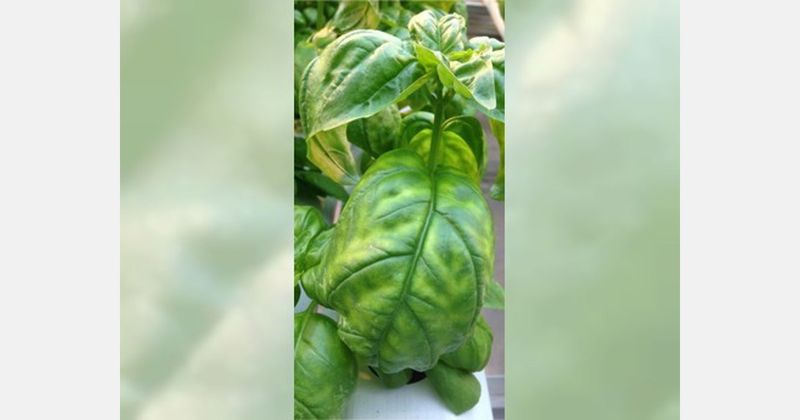
Basil’s health can plummet if deprived of essential nutrients. Signs like pale leaves might indicate a deficiency in nitrogen or magnesium.
Think of nutrients as basil’s daily vitamins, crucial for its vitality. A balanced fertilizer can replenish what’s lacking, reviving its lush green appearance.
An insightful bit: Basil’s nutrient needs change with growth. Regularly assessing soil nutrition and adjusting fertilization ensures it continues to thrive. By addressing deficiencies, you transform your basil into a robust, aromatic herb, ready to enhance any dish.
Incorrect Pot Size
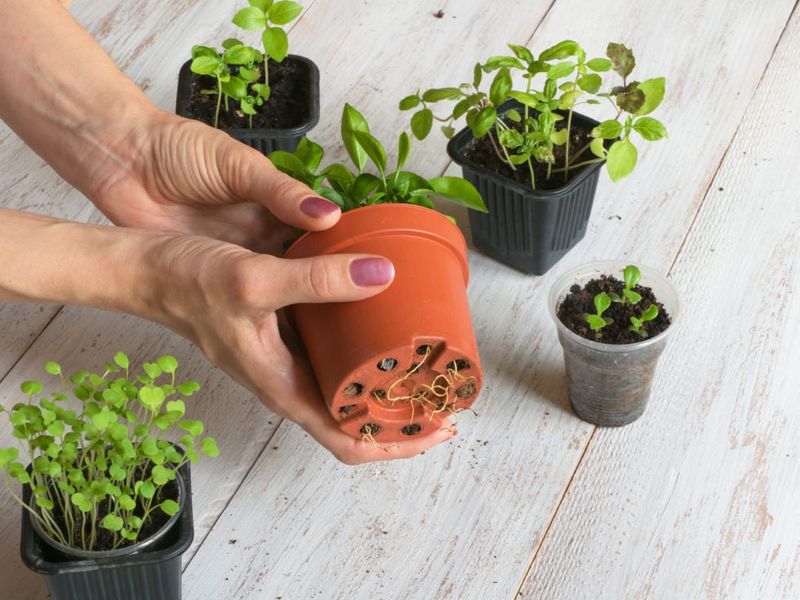
Your basil might be suffocating in that oversized pot. A pot that’s too large can retain excessive moisture, drowning the roots. By choosing the right pot size, you allow the roots to breathe more freely.
Consider starting with a smaller pot and gradually repotting as the basil grows. This provides better drainage and prevents root rot. A pot with adequate drainage holes is essential to prevent water accumulation.
Did you know? Basil’s roots prefer a snug fit to feel secure. Selecting the correct pot size can make all the difference in the plant’s vitality.
Improper Watering Schedule
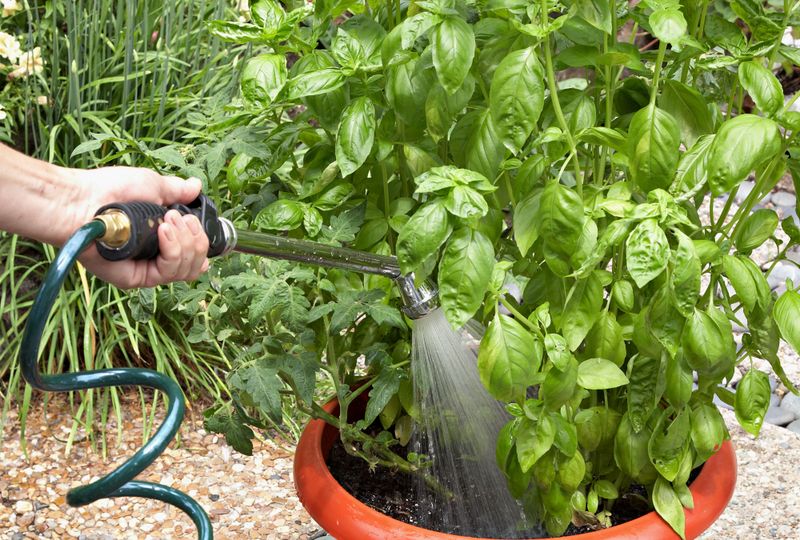
Timing is everything when it comes to watering basil. Watering in the evening might seem convenient, but it can lead to fungal growth.
Water your basil in the morning, allowing the sun to gently dry the leaves. This practice not only prevents disease but also supports vigorous growth. A morning watering routine helps the plant utilize moisture efficiently throughout the day.
Fun fact: Basil’s Mediterranean origins make it resilient to dry spells, but it still craves consistent morning hydration to thrive.
Inadequate Air Circulation
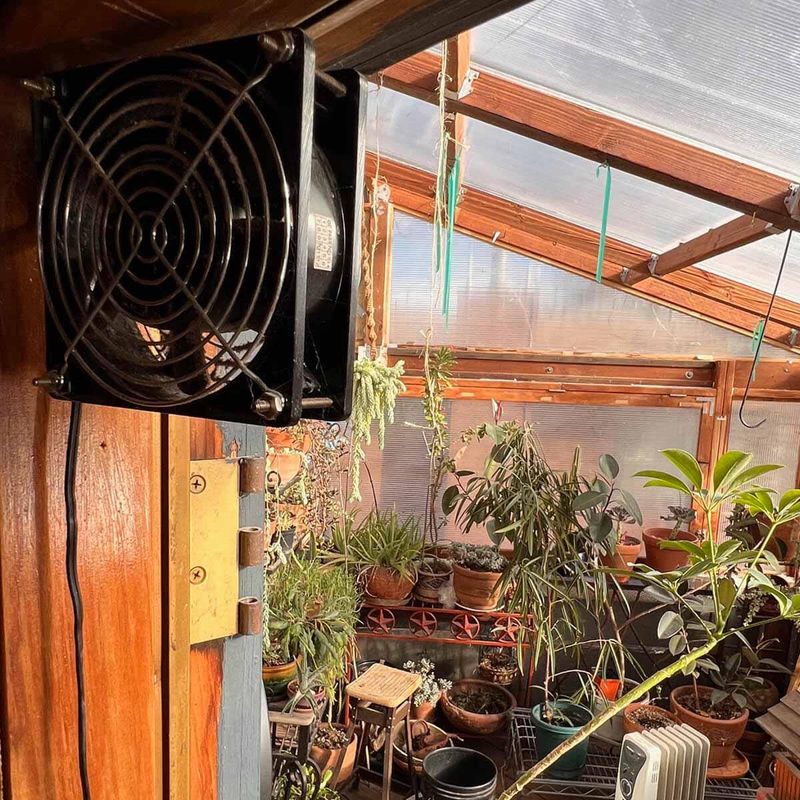
Stale air might be your basil’s secret enemy. Without adequate air flow, basil becomes prone to mildew and other diseases.
Placing your basil near a window or using a small fan can improve air circulation. This simple step can help deter fungal infections and promote a robust plant structure. Basil enjoys a gentle breeze, akin to its native habitat.
A quirky tip: Basil loves a breeze but dislikes drafts. Keep the air moving softly, and your basil will thank you with lush, green leaves.
Exposure to Harmful Chemicals
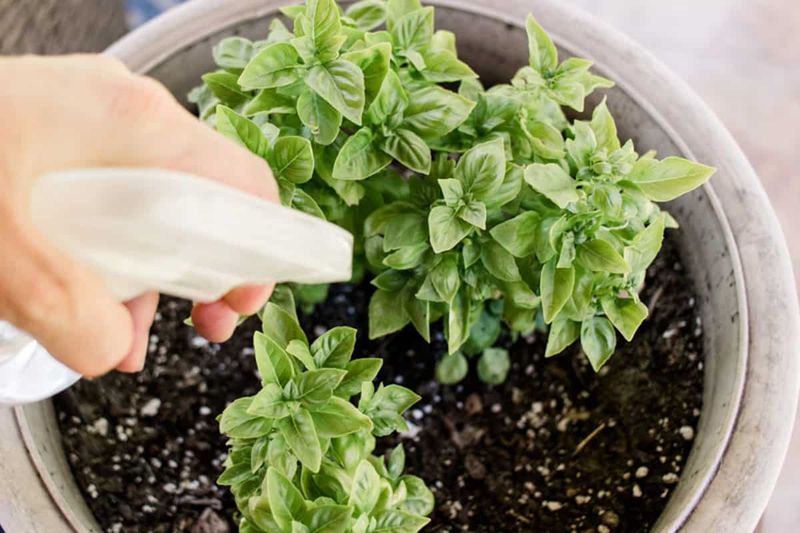
Sometimes, the products meant to protect can harm. Chemical sprays, even when used sparingly, might be detrimental to your basil.
Organic solutions and natural pest repellents are safer alternatives. These not only protect the plant but also ensure its leaves remain safe for culinary uses. Always check labels for compatibility with edible plants.
Fun historical tidbit: In ancient times, basil was considered a protective herb. Today, it still thrives best when shielded from harmful chemicals.
Companion Planting Conflicts
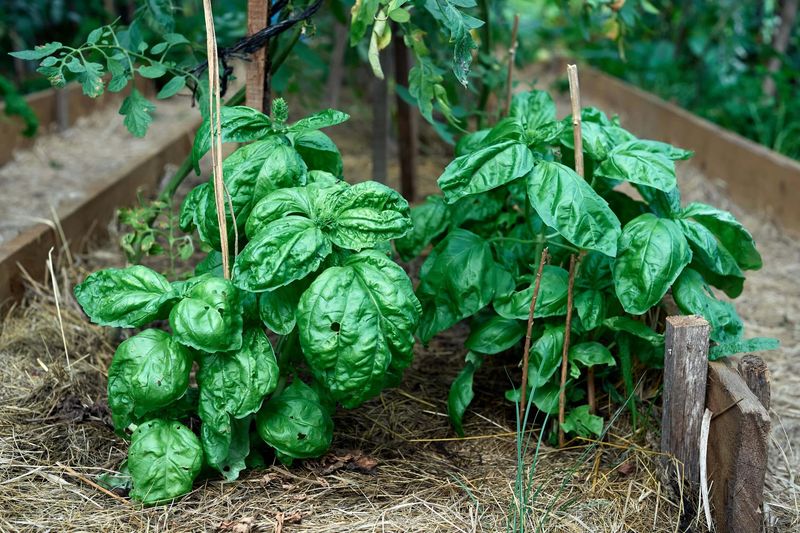
Not all plants are friendly neighbors. Basil’s vigor can be compromised by certain companions.
While herbs like parsley make good companions, others might compete for nutrients. Understanding plant relationships can enhance your basil’s growth. Ensure your basil is paired with compatible plants to foster a harmonious garden environment.
Interesting fact: Historical gardeners believed basil’s growth was amplified by the presence of tomatoes, a relationship still cherished by modern gardeners.
Improper Harvesting Technique
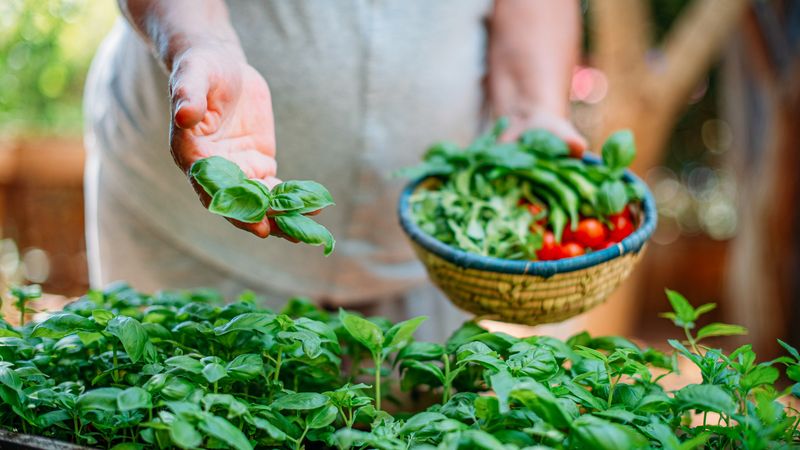
Harvesting basil might seem straightforward, but improper techniques can stress the plant.
Pinching off leaves at the stem encourages bushier growth. Avoid tearing leaves as it can damage the plant. Regular harvesting promotes healthy development and deters flowering, which can alter the plant’s flavor.
Quirky history: Ancient Greek legends spoke of basil as a symbol of hatred, yet its correct harvesting can transform it into a thriving, lovable herb.
Excessive Heat or Cold Drafts
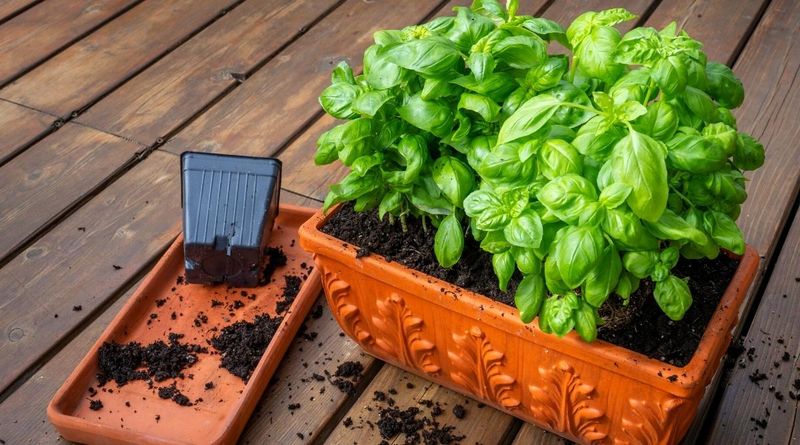
Basil thrives in warmth but is sensitive to extremes. Direct exposure to midday sun can scorch its tender leaves.
Providing partial shade during peak sun hours can prevent wilting. Similarly, avoid placing basil in areas prone to cold drafts. A balanced environment ensures your basil remains vibrant and resilient.
Fun fact: Despite its love for warmth, basil originated in cooler mountainous regions of Asia, adapting over centuries to various climates.
Inconsistent Fertilization Routine
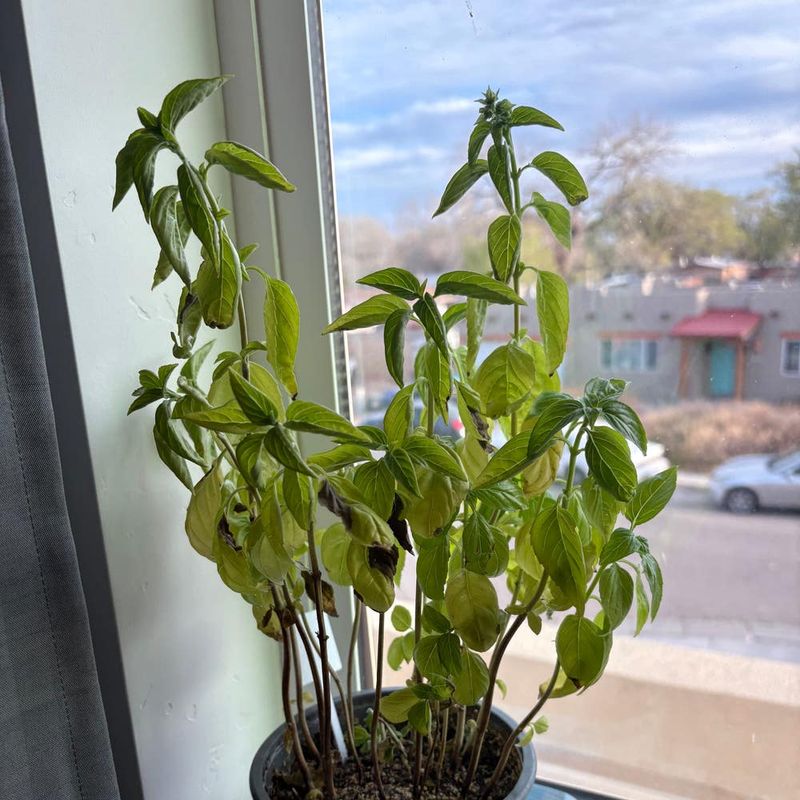
Fertilization is a double-edged sword for basil. Inconsistency can lead to nutrient imbalances.
Adhering to a regular fertilization schedule with balanced nutrients supports continuous growth. Organic fertilizers often provide a more gentle nutrient release. Consistency is key; sporadic feeding can lead to spindly growth.
Quirky insight: Basil’s preference for moderation extends beyond watering. Even in its ancestral roots, balance was the mantra of its cultivation.
Transplant Shock
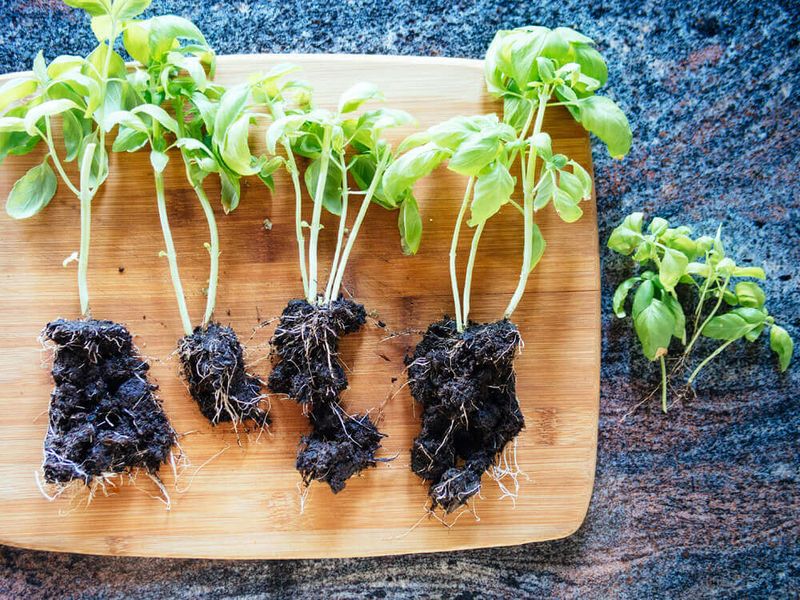
The excitement of repotting can sometimes result in transplant shock, stalling your basil’s growth.
Gently handling roots and maintaining a similar environment minimizes stress. Gradual exposure to new conditions helps basil adjust more comfortably. Transplanting in cooler weather or evening can further reduce shock.
Did you know? Basil’s adaptability has seen it travel across continents, yet it appreciates a gentle touch during moves, reminiscent of its journey through diverse lands.