
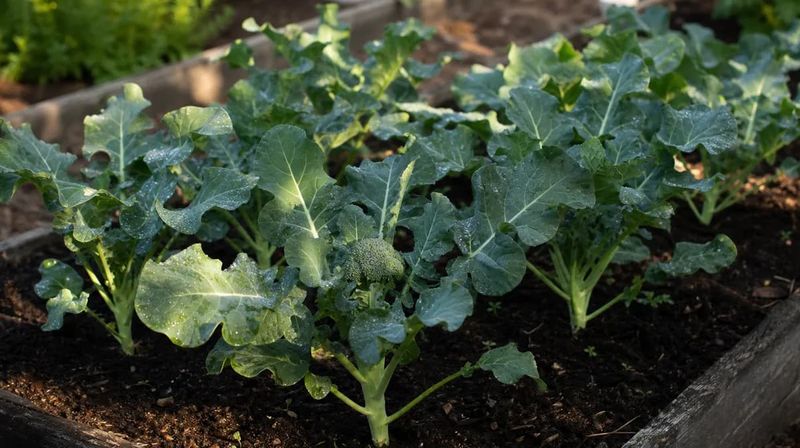
You check your fall broccoli and find a head the size of a golf ball, or one that has already loosened into yellow blooms. It is frustrating after weeks of care.
The cause is not always obvious, but a few clues can help you sort out what happened. Here is how to read the signs, harvest what you can, and plan a better crop next time.
Is it buttoning or simply a small head?
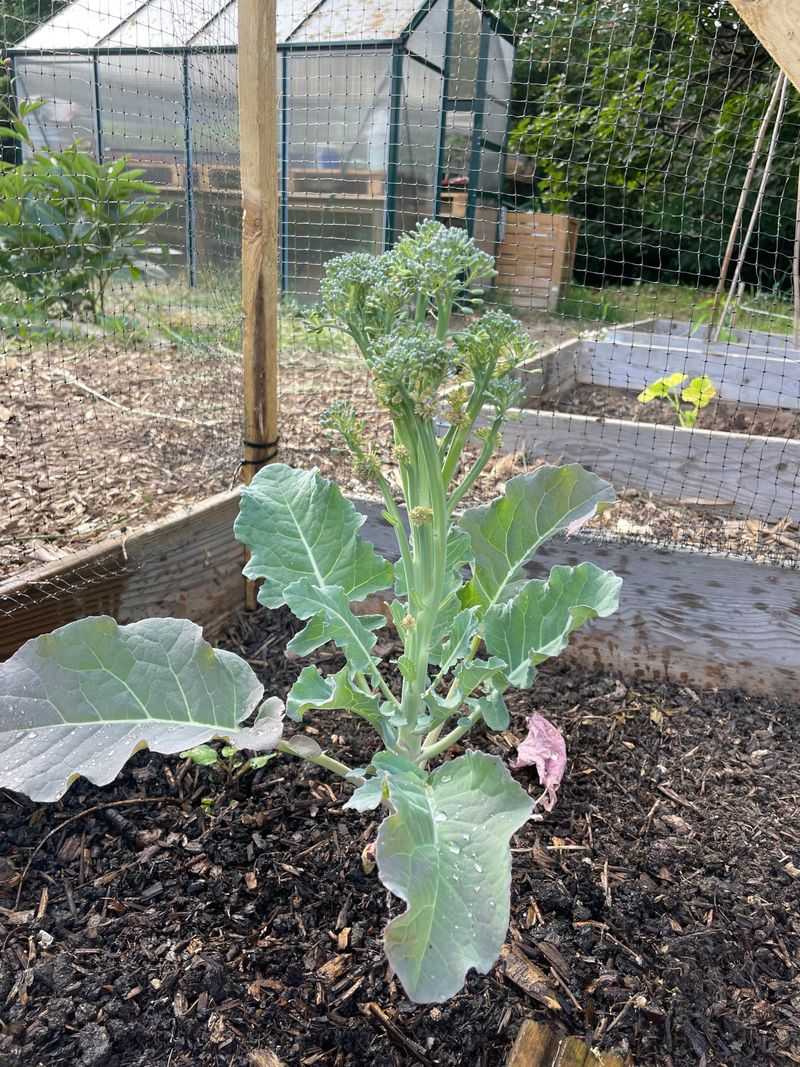
Buttoning happens when a young plant forms a small head before it has grown enough leaves and roots to support it. The result is a tiny head, often called a button, sitting on a plant that is still small.
Oklahoma State Extension describes this problem and the stresses that can set it off.
A small head alone does not prove buttoning. Varieties differ in head size, and growing conditions change how big a head gets, so a modest crown on a healthy, leafy plant may be perfectly normal.
Look at the whole plant, not just the crown.
Check how many leaves the plant has and how sturdy the stem looks. A tiny head on a stunted plant fits buttoning.
If that head later loosens or a flower stalk starts to stretch, the plant may have moved on to premature flowering, which is bolting. The two are related but not the same thing, and neither one tells you the cause by itself.
For more on head size and variety, see Clemson guidance.
Fall stress can come from heat, cold, or interrupted growth
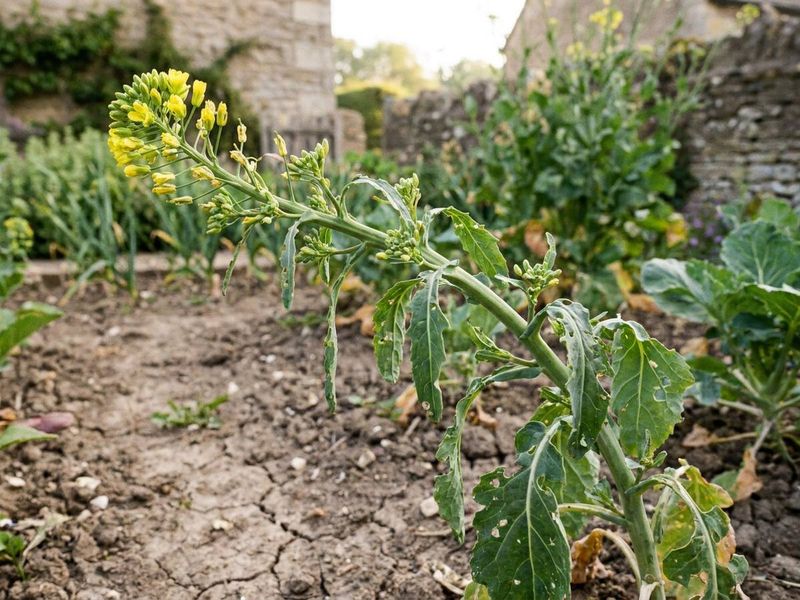
Fall in the South does not always mean cool weather. Lingering heat can lower head quality, and Alabama Extension reports that temperatures above 85°F during head formation can hurt it.
Florida guidance also warns that rising temperatures can trigger flowering.
A cool snap can cause trouble too. Clemson Extension notes that a prolonged cool period can lead to bolting, and varieties differ in how they react.
Oklahoma State flags young plants that sit below about 50°F for several days. Treat those numbers as guidance, not hard cutoffs.
Other stresses add up. Dry soil, a stalled transplant, or poor nutrition can all check growth.
Plant stage, how long the stress lasted, and the variety all affect risk, so tiny heads or yellow flowers cannot point to one culprit. Think back over the last several weeks of weather, watering, and planting date to see which factors may have overlapped.
Harvest while the buds are tight
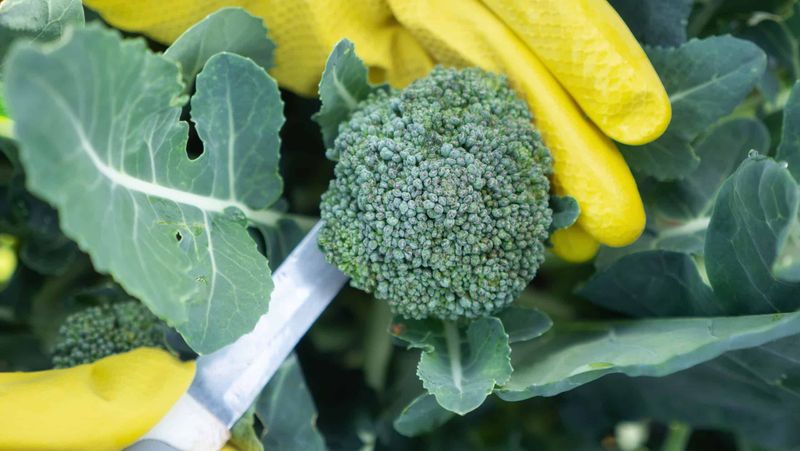
Cut a usable head while the buds are still tight, even if it is smaller than you hoped. Waiting for a buttoned head to bulk up rarely pays off, and the buds may open in the meantime.
Broccoli is best harvested before the flowers open, as noted in the Iowa State harvest guide.
If yellow flowers have already opened, you can still eat the broccoli. North Carolina Extension says heads that are yellowing or opening are still edible, though they may not taste as good.
Trim off the blooms and taste a small piece before cooking a full batch.
After cutting the main head, you can leave a healthy plant in place to see whether it produces side shoots. Some varieties do, as UF/IFAS notes, but there is no guarantee, and side shoots will not necessarily make up for a buttoned main head.
Keep the remaining plants growing steadily

Plants that have not yet formed heads still have a chance to avoid another growth check. Aim for steady growth rather than fast growth.
Even soil moisture during establishment and head development helps, since Oklahoma State warns that moisture stress can slow plants down.
Mulch can help hold moisture in the soil. Water when the top inch or so feels dry, and avoid soaking the bed so heavily that roots sit in mud.
Before adding fertilizer, test your soil or follow your local Extension office’s advice. Clemson recommends soil testing to learn what the bed actually needs.
Extra fertilizer is not a quick fix, and it will not necessarily enlarge a head that has already buttoned. Think of steady care as protection for the plants still developing, not a rescue for the ones that are not.
Healthy transplants and local timing lower the risk next season
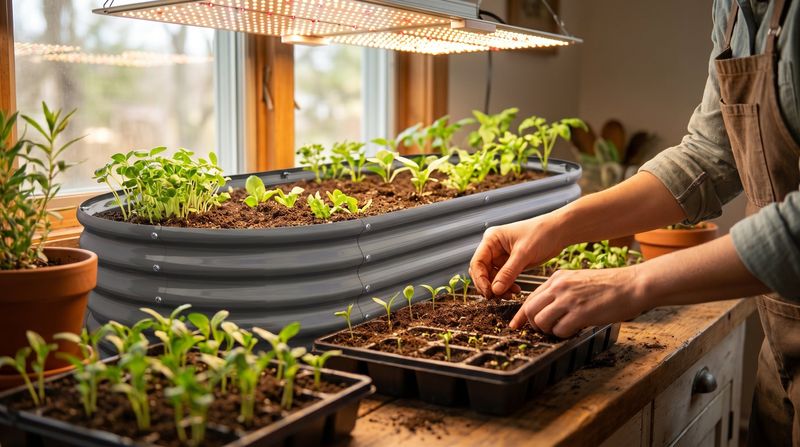
Next season, start with compact, healthy transplants. Old, overgrown seedlings and roots that were stressed at planting can set a plant up for early small heads.
Pick transplants with sturdy stems and fresh leaves, and handle roots gently. Oklahoma State guidance covers transplant care and varieties.
Timing matters, and it differs across the South. Texas A&M AgriLife lists fall broccoli dates that vary by region of the state.
Florida works the same way. UF/IFAS gives different windows for north and central Florida than for south Florida.
Use your own county Extension calendar and choose a variety suited to your area. Good timing lowers the odds of trouble, but it cannot prevent every case.
Let the frost forecast guide the last harvest
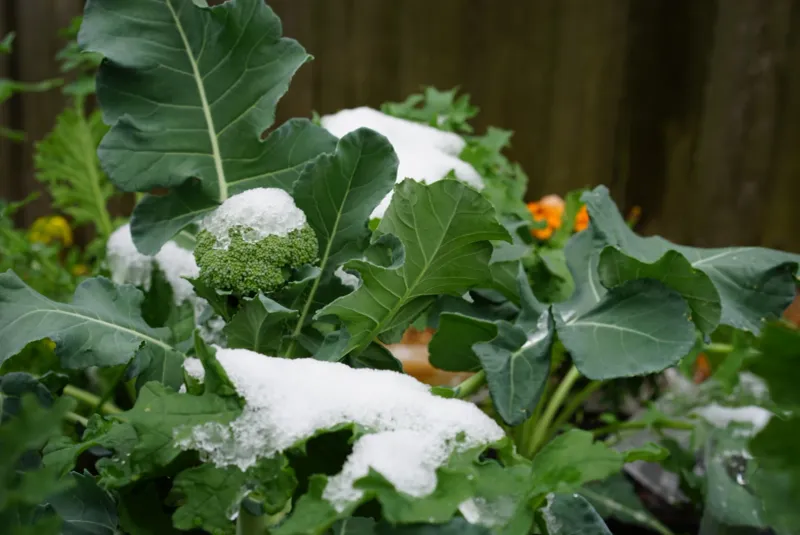
Broccoli handles cool weather better than most garden crops. North Carolina Extension says plants usually tolerate temperatures down to about 26°F, but heavy frost can damage heads.
Texas A&M also classifies broccoli as frost-tolerant.
Tolerant does not mean guaranteed. A plant may come through a freeze while its head is harmed, and no temperature promises survival for every plant.
When a hard frost is in the forecast, walk the rows and cut any head with tight buds. Do not wait for cold weather or a change in care to improve a small head, because that rarely works and open flowers will only lower the quality.
A modest harvest in the kitchen beats a perfect one lost to the weather.