
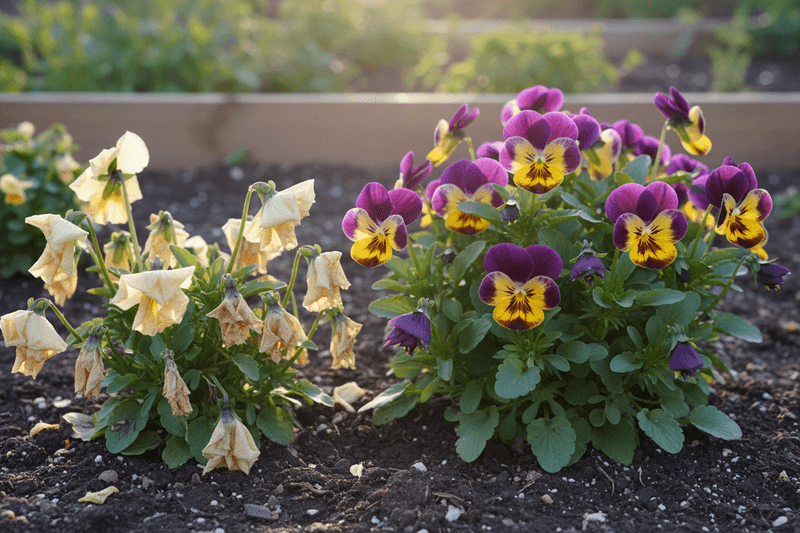
You planted pansies for cheerful fall color, and now they are sprawling across the pot or bed like they lost their balance. It is a frustrating sight, especially when the plants looked so tidy at the store.
The good news is that floppy pansies leave clues, and you can read them. A few simple checks and a careful trim can help you steer the plants toward better growth.
Floppy stems do not reveal a single cause
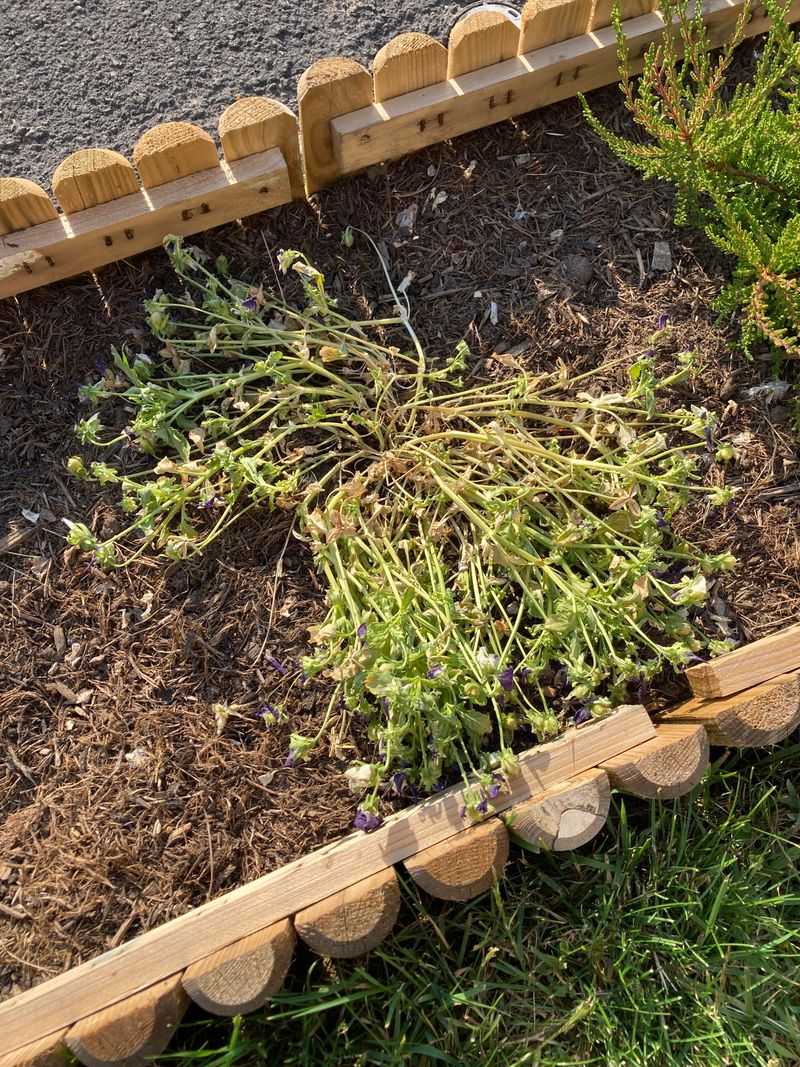
Floppy growth is a symptom, not a diagnosis. Two plants can look equally sprawled for very different reasons, so a quick inspection beats guessing at a cure.
According to UF/IFAS Gardening Solutions, pansies can develop elongated stems when they get too little light or are planted while it is still hot. The same source also tells gardeners to check whether purchased transplants are already leggy or overgrown.
That last point matters. If the plant came home with long, stretched stems, your care may not be the problem at all.
Some pansy varieties also have a naturally spreading habit, so a relaxed, trailing shape can simply be how that type grows.
Start by looking at the plant itself. Are the stems long with wide gaps between leaves?
Did the nursery tray look crowded? Think back to the day you bought it, then consider where it sits now.
Those answers will point you toward the right fix instead of a random one.
Low light and lingering warmth can encourage stretching
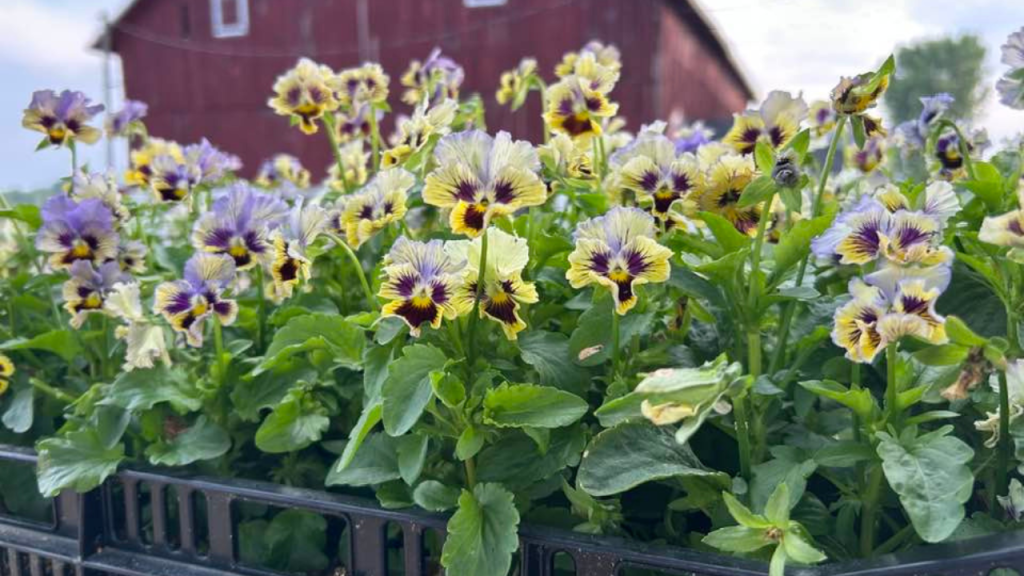
Plants stretch toward light, so a spot that is too dim often produces tall, weak stems. Iowa State Extension names both warm temperatures and inadequate light as causes of lanky pansies.
Timing plays a part too. Pansies planted while weather is still warm may stretch and bloom poorly.
UF/IFAS lists nighttime air temperatures below 65°F as favorable, and UGA Extension uses that same kind of temperature as a planting signal for Georgia.
Treat 65°F as a handy regional hint, not a pass-or-fail line. Warm nights suggest it may still be a bit early, but they do not prove that heat alone flattened your plants.
A cool night will not guarantee compact growth either.
Try keeping a simple log of overnight lows for a week and compare it to how much light your pansies get. Together, those two notes tell you far more than either one alone.
Check light exposure against local heat
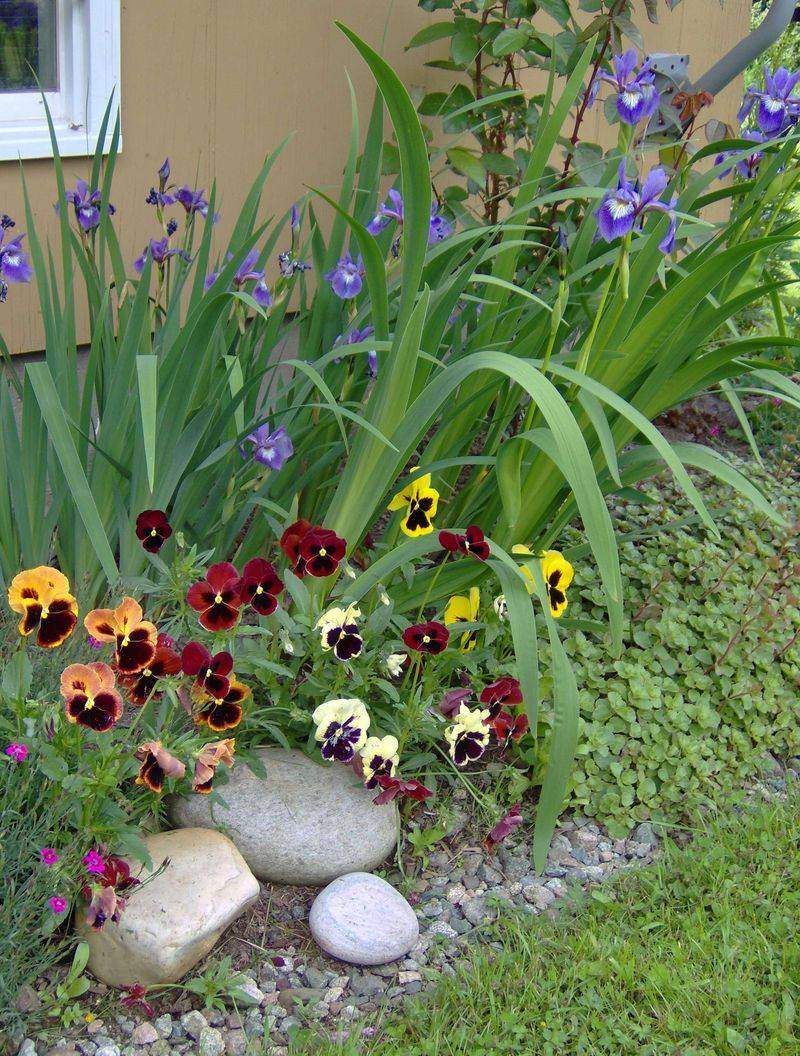
Spend a day watching your pansies. Note when sun hits them, when shade arrives, and whether the spot bakes in the afternoon.
A quick sketch of the bed or patio can make the pattern easy to see.
Brighter exposure helps in cool weather. Clemson Extension recommends strong filtered light for pansies and full sun in cool weather when possible.
Heavy shade, on the other hand, can leave them spindly.
Southern heat changes the answer. UF/IFAS notes that pansies in Florida need some shade to stay healthy, and Central Florida container trials recommend protection from intense summer heat.
So full afternoon sun is not the right call for every yard. In a warm October, a bit of afternoon shade may protect the plants, while a dim, covered corner probably needs more light.
Match the exposure to your local weather, and adjust again as the season cools.
Trim established lanky growth to encourage branching
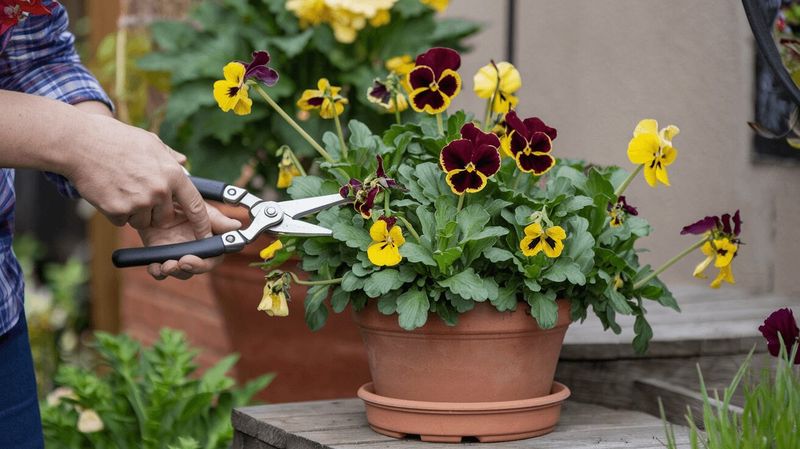
Once a pansy is established and has grown lanky, a trim can help. UF/IFAS says periodic trimming of lanky branches can encourage branching and help control growth, and its pansy guide backs this as a regular habit.
For a reference point, Clemson suggests cutting plants back by about one-third to stimulate new growth. Treat that as a starting guide, not a rule.
A plant with only a few long stems may need less, and a very sprawling one may tell you where to cut.
Use clean snips and cut just above a set of leaves. Removing spent flowers while you are there keeps the plant tidy.
Be realistic about the payoff. Trimming supports branching, but the guidance does not promise a quick transformation, and it does not prove that pinching every tip works.
If light or heat is still wrong, new stems may stretch again. Trim, fix the conditions, and give the plant a couple of weeks to respond.
Move a pot easily, but reassess a bed before replanting

Container pansies are the easy case. Slide the pot to a brighter, suitable spot and you change the light without disturbing the roots.
Pick the new location by the same heat and light check you already did.
Beds take more thought. Before digging anything up, look at the proposed site for light and heat at different times of day.
Moving a plant to a spot with the same problem only adds stress.
If you do transplant, water thoroughly afterward, as UGA Extension recommends after planting.
Timing varies a lot across the South. UF/IFAS lists October through December planting for Florida zones 8 to 11, with later months in zones 9 to 11.
Those dates are for Florida, and Georgia has its own calendar. A gardener in Texas should not copy either one, so go by local temperatures and your location.
Moving a plant will not fix a site that is too shady or too hot, so pair any move with the other adjustments.
Keep soil well drained while you assess the plant
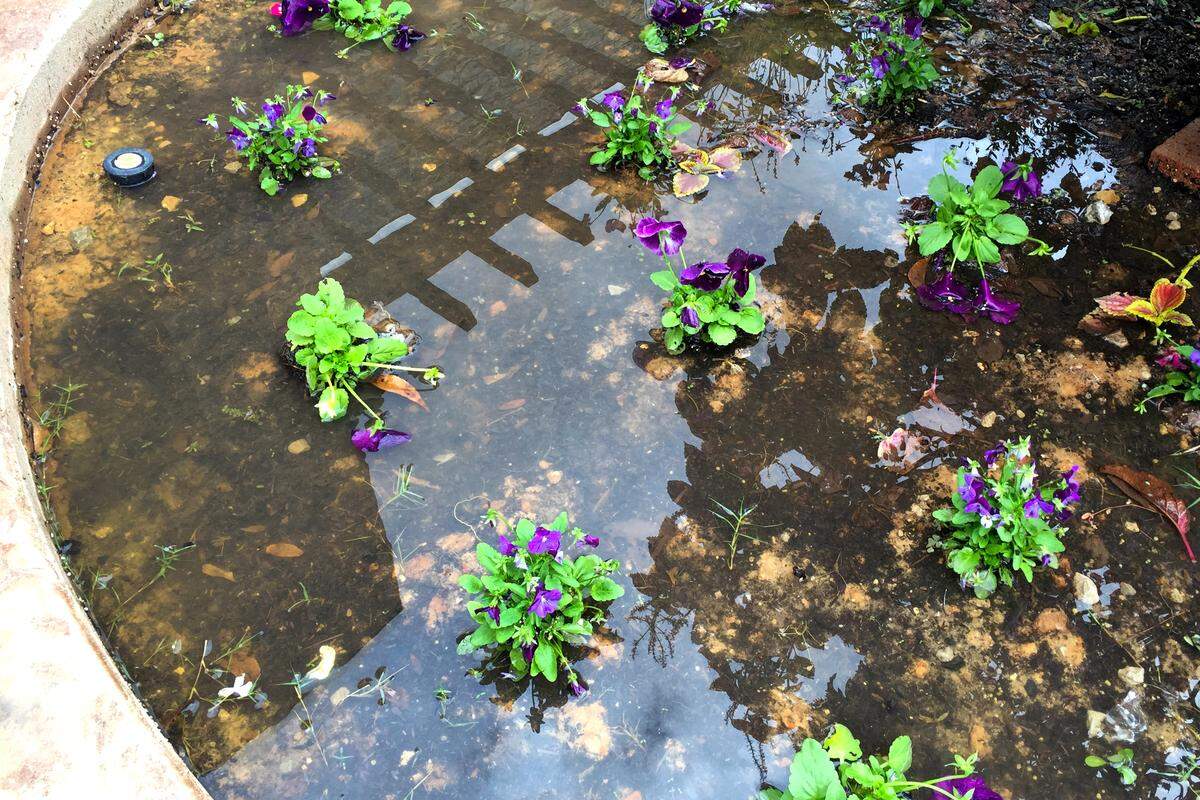
Watering is not the main reason pansies get leggy, but soggy soil can make a struggling plant worse. Use a well-drained mix or bed and let the soil dry a bit between waterings.
Check with a finger an inch or two down before you reach for the hose.
Warm, wet weather raises the risk of problems. UF/IFAS associates those conditions with crown and root rots, and recommends letting soil dry between waterings.
That means floppiness is not always the whole story. If leaves yellow, stems turn mushy, or the plant keeps declining after you fix the light, look wider.
Check the crown, the roots, drainage, and other possible stresses rather than blaming legginess alone.
A realistic plan goes in order. Assess light and heat, adjust the site where it makes sense, trim established lanky stems, and keep the soil from staying soggy.
Bushiness may take a few weeks, and some plants will never fully tighten up.
Pansies reward patience more than panic.