
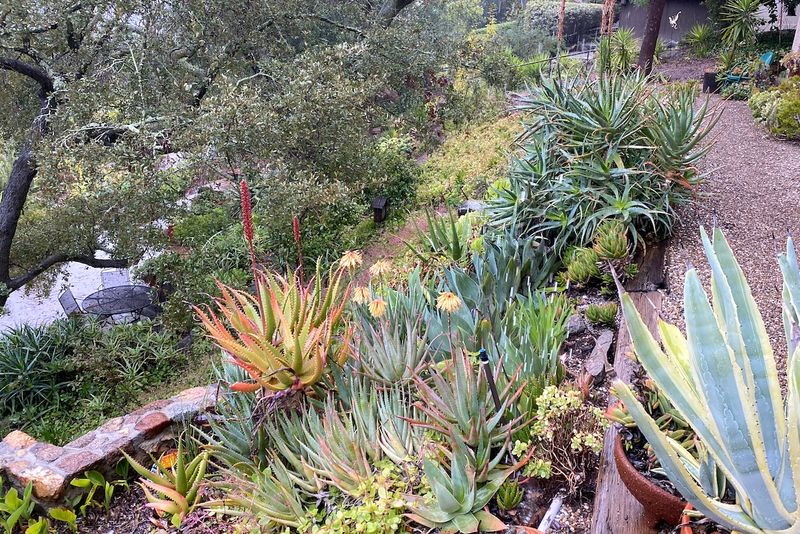
Succulents are famous for surviving drought, so it feels strange when a few rainy days leave them limp and soft. A single storm does not doom every plant, but soggy soil that lingers can cause real trouble.
Freezing weather after rain can also leave leaves mushy. Here is how to read the warning signs and what to do while California’s rainy season is underway.
Wet roots—not rain alone—create the risk
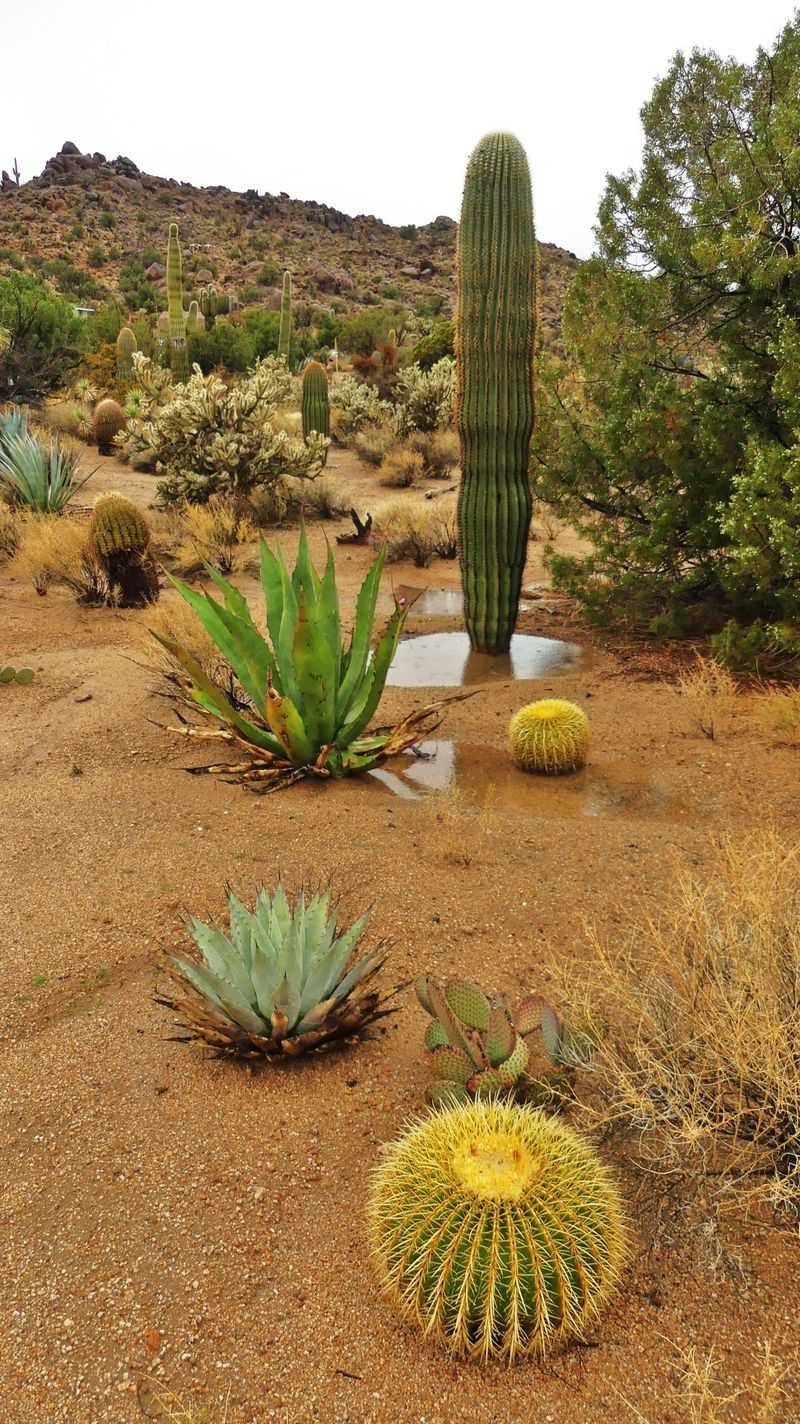
Succulents store water in their leaves and stems, which is why they handle dry spells so well. Drought-tolerant does not mean rain-proof, though.
UC Master Gardener guidance on succulents notes that many of these plants struggle when their roots stay wet.
Roots need oxygen, not just water. When soil stays waterlogged, the air pockets between soil particles fill up, and Colorado State University Extension explains that poorly drained soil can limit the oxygen available to roots.
Roots that cannot get enough air can be damaged, and the plant above ground may start to look soft or collapsed.
So the storm itself is rarely the whole story. The real trouble usually comes from where the water goes afterward.
A pot with a blocked or missing drainage hole, a saucer that holds standing water, or a low spot in a garden bed can keep roots soaked for days.
That is why two plants of the same kind can react very differently to the same rain. One sits on a slope in gritty soil and shrugs it off.
The other sits in a heavy bed where water lingers. A storm may simply reveal a drainage weakness that was already there, and plenty of succulents come through wet weather just fine.
Mushiness can have more than one cause
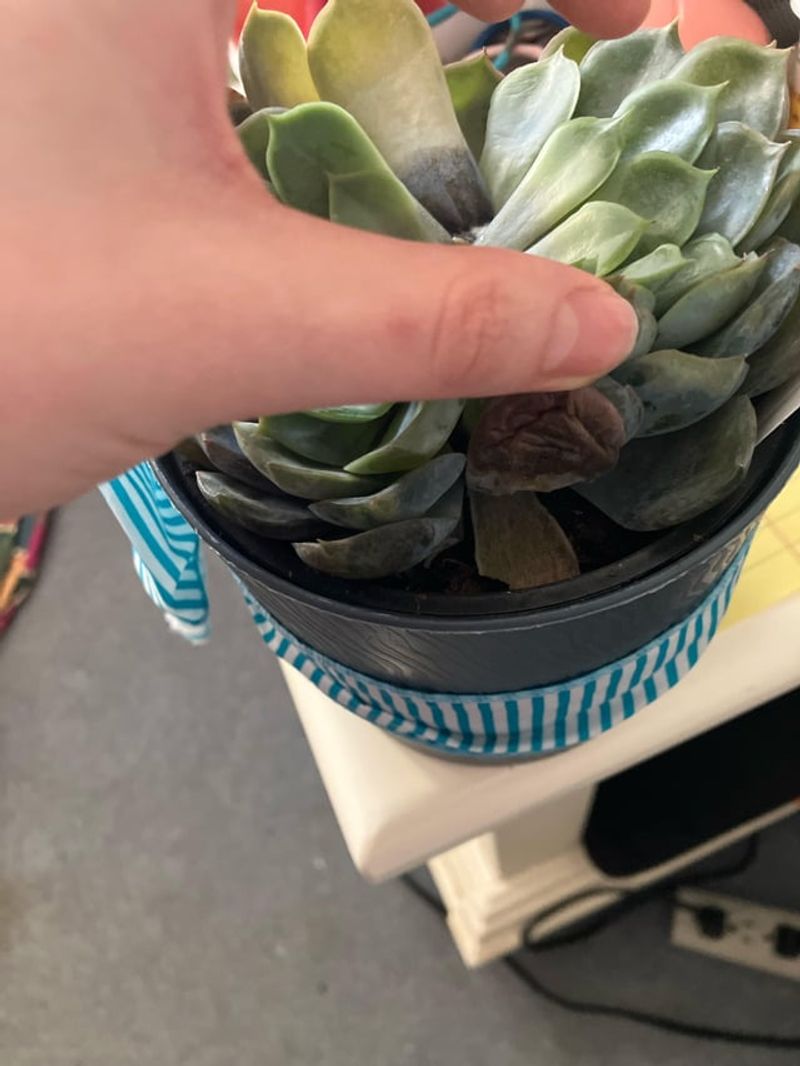
Soft leaves or stems are a warning sign, not a diagnosis. Wet-soil damage and cold damage can look alike, and sometimes they overlap.
Treat mushiness as a clue that calls for a little detective work.
Start with the soil. If it is still soggy days after the rain, excess moisture is a strong suspect.
Iowa State Extension notes that soft, mushy leaves or stems can point to too much water.
Next, look at the roots when that is practical, which mostly means potted plants. Brown or black, mushy roots suggest the plant sat too wet.
Healthy roots are usually firmer and lighter in color. Even so, appearance alone cannot tell you the exact cause, and University of Florida researchers point out that overwatering and disease can be hard to tell apart without testing.
Also think about temperature. UC Master Gardeners in Alameda County warn that a freeze after a hard rain can turn succulent tissue mushy.
If frost followed the storm and the soil is not especially wet, cold injury may be part of the picture.
Pause watering and help excess water escape
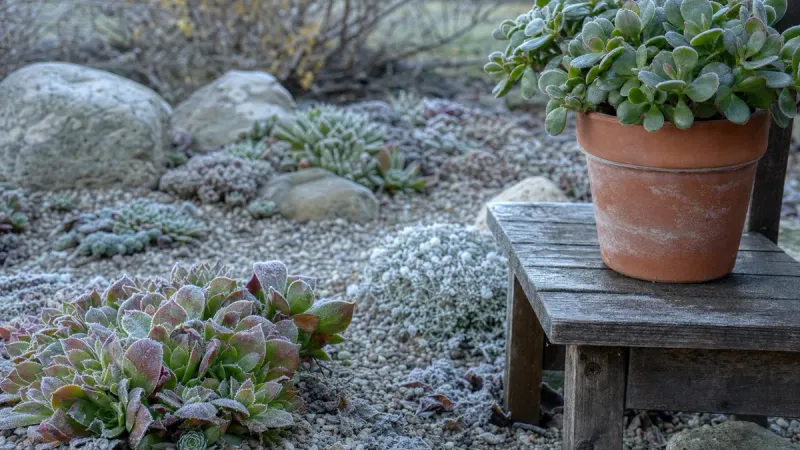
Once the clouds roll in, the easiest move is to put the hose away. Hold off on supplemental watering until the soil is nearly dry.
Rain has already done the job, and UC Master Gardeners of San Mateo and San Francisco Counties describe succulents as plants that prefer to dry out between drinks.
Then walk your pots. Poke a finger or a pencil into each drainage hole to clear any blockage from roots or compacted soil.
Empty saucers so the pot is not sitting in a puddle. Lift pots onto pot feet, bricks, or a rack so water can escape freely.
Check the soil a few days later by pushing a finger a couple of inches down. If it still feels damp, keep waiting.
UC guidance supports using pots with drainage holes and keeping watering modest in cool, wet months.
When a long stretch of rain is forecast, move portable pots under an eave, a patio cover, or a similar sheltered spot. Leave air moving around them, though.
A tightly enclosed corner can trap humidity and keep plants damp. Alameda County Master Gardeners suggest keeping succulents on the dry side through winter.
Give container plants a clear drainage route
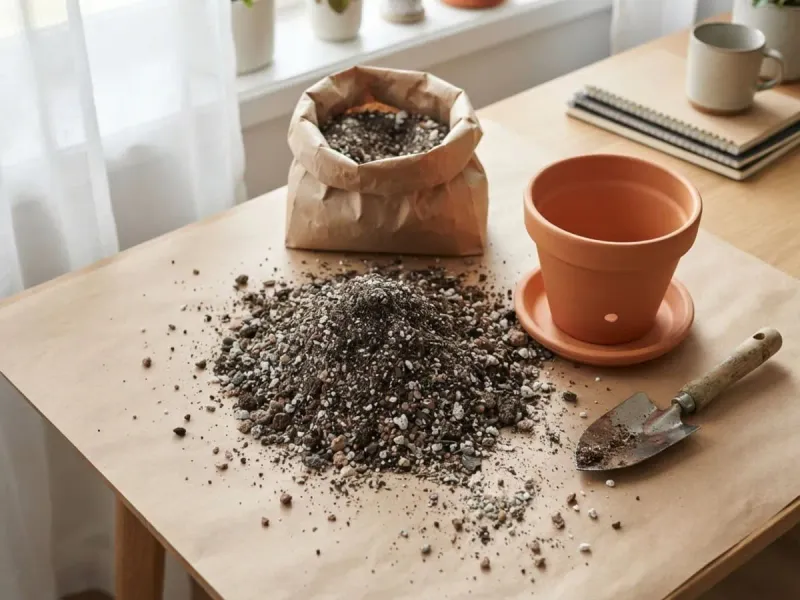
Pots give you plenty of control, which makes them the easiest place to prevent repeat soggy spells. The basics are a container with at least one drainage hole and a well-draining mix made for cacti and succulents.
Water should be able to run out the bottom soon after it goes in.
Both UC Master Gardeners in San Mateo and San Francisco and the Orange County program stress sharp drainage as the foundation of succulent care. Check the hole now and then, because roots can creep into it and slow the flow.
Here is a popular myth to skip: a layer of gravel at the bottom of the pot. It sounds helpful, but UC Marin Master Gardeners say it can make drainage worse.
Water tends to hang up in the soil just above the gravel layer, which keeps roots wetter, not drier.
Gravel still has a place on top of the soil. A thin top dressing of small stones can tidy the look of a pot and keep leaves off damp soil.
It simply is not a drainage fix, so put your effort into the pot and the mix instead.
Help water move away from garden beds
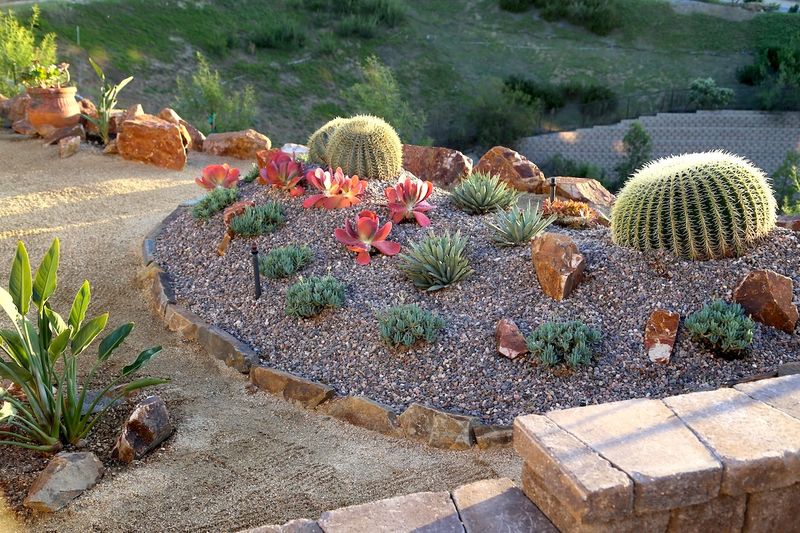
Succulents planted in the ground need a different approach, since you cannot lift or tip a whole bed. Soil type matters most.
Compacted or clay-heavy ground lets water move through slowly, so it can stay saturated long after the rain stops. Not every California yard has this problem, and a sandy or gravelly slope may drain beautifully.
A simple test can tell you where you stand. Dig a hole about a foot deep, fill it with water, and see how long it takes to drain.
If water is still standing many hours later, the spot may be too slow for succulents that dislike wet feet. Penn State Extension notes that poorly drained soil can set the stage for root problems, and that excess moisture can harm roots even without a specific pathogen.
Where drainage is weak, UC guidance suggests mounding or sloping the planting area so water runs away from the plants. A low mound of coarse, well-draining soil can lift crowns above puddles.
A gentle grade can send runoff toward a path or a swale.
Watch your own yard during the next storm. Puddles that linger near roots tell you more than any general rule can.
Take a cutting only as a cautious option
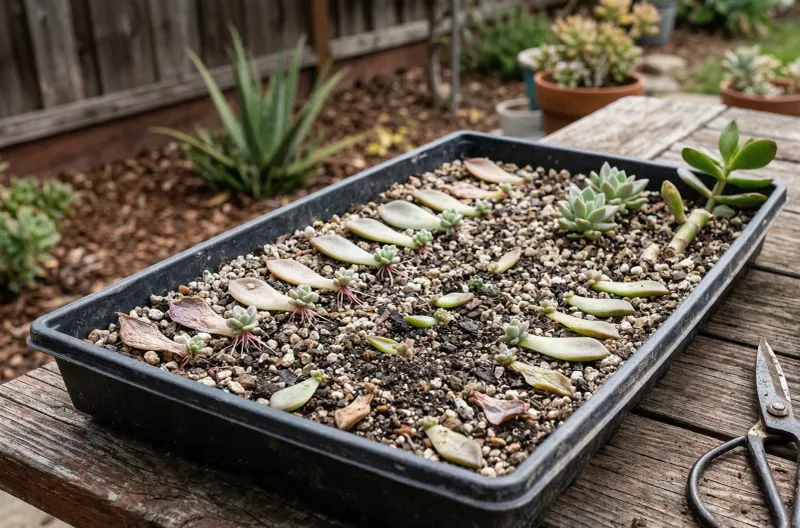
Sometimes the base of a plant is soft but the top still looks plump and firm. A cutting is one way to try to keep part of it.
It is an option, not a cure, and nobody can promise that a damaged plant will recover.
If you go ahead, start with clean, sharp tools so you make a neat cut and avoid spreading problems. Cut into healthy-looking tissue above the mushy area.
Then follow the basics from UC Marin Master Gardeners: let the cut end dry and form a callus before planting.
Once it has calloused, set the cutting in dry or barely damp, well-draining mix. Keep it out of soggy conditions, since extra moisture is what caused trouble in the first place.
Wait to water until roots have had time to form.
Results vary. Some cuttings root within weeks, and others fade away.
Keep the original plant in place if any firm tissue remains, and give it dry soil and time before you decide.
Match wet-season care to the plant and place
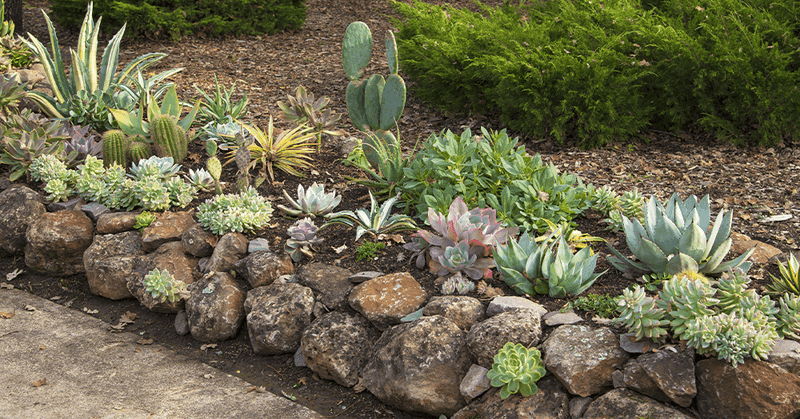
Succulents are a huge, varied group, so one winter routine will not fit them all. UC Master Gardeners separate warm-weather growers, which often dislike wet winter conditions, from cool-weather growers, whose main growth can happen in autumn and spring.
A plant that sulks in a soggy January may be a different type from one that is actively growing then.
Your own spot shapes the plan too. A coastal patio, an inland valley bed, and a foothill slope all see different temperatures and rain.
Think about sun exposure, roof overhangs, soil type, pot design, and how cold your yard gets at night. Alameda County Master Gardeners remind growers that frost after rain is a particular concern.
As broad background, the state reports that about 75 percent of California’s yearly precipitation falls from November through March, according to the Office of Environmental Health Hazard Assessment. Rainfall still varies by place and year, so your first big storm might come early, late, or barely at all.
Keep notes for a season: which spots stay wet, which plants sulk, and when frost shows up. Your yard will teach you faster than any rule of thumb.