 Complete Gardening
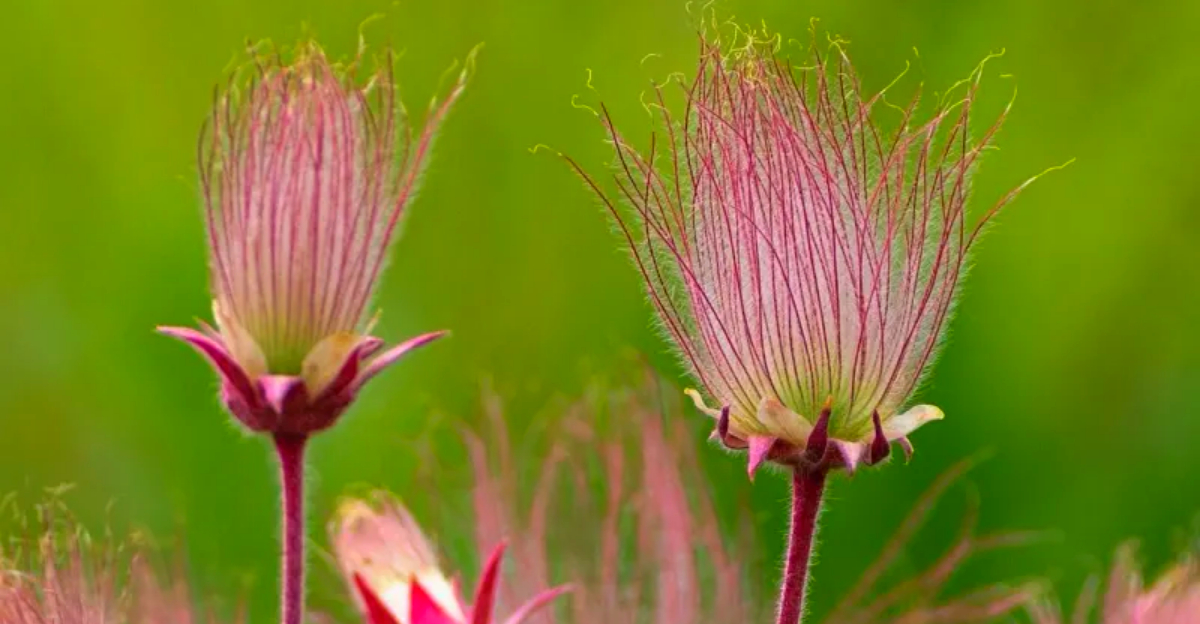
The prairies of Kansas are a vibrant tapestry of color, teeming with an array of wildflowers that paint the landscape in vivid hues. These resilient plants thrive in the state’s unique climate, offering a rich visual feast and supporting diverse ecosystems. Discover ten of the most stunning wildflowers that grace this region with their unique beauty.
1. Purple Coneflower
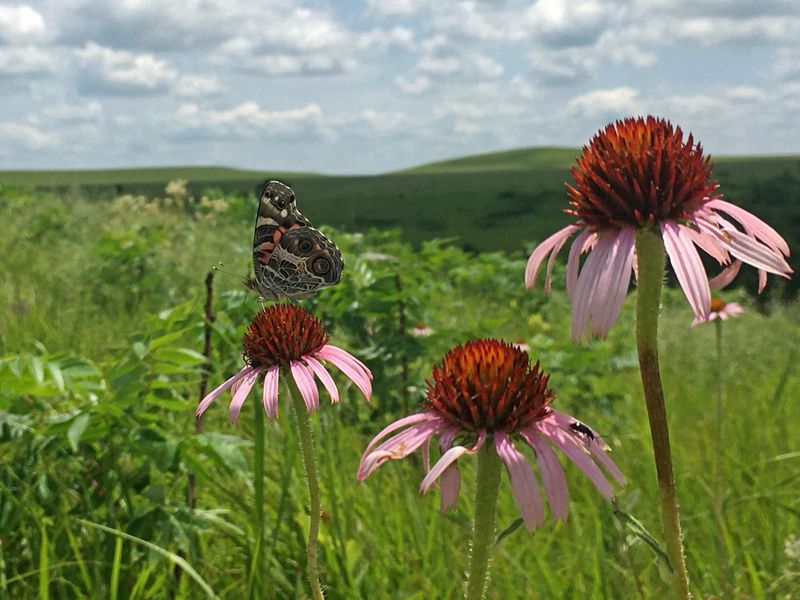
Known for its striking appearance, the purple coneflower stands tall in Kansas prairies. With its daisy-like petals surrounding a prominent cone, it captivates with a timeless charm.
These flowers are not just beautiful; they play a crucial role in supporting pollinators. Bees and butterflies flock to them, drawn by their rich nectar.
Historically, Indigenous peoples valued the purple coneflower for its medicinal properties. Even today, it symbolizes resilience and healing.
2. Prairie Blazing Star
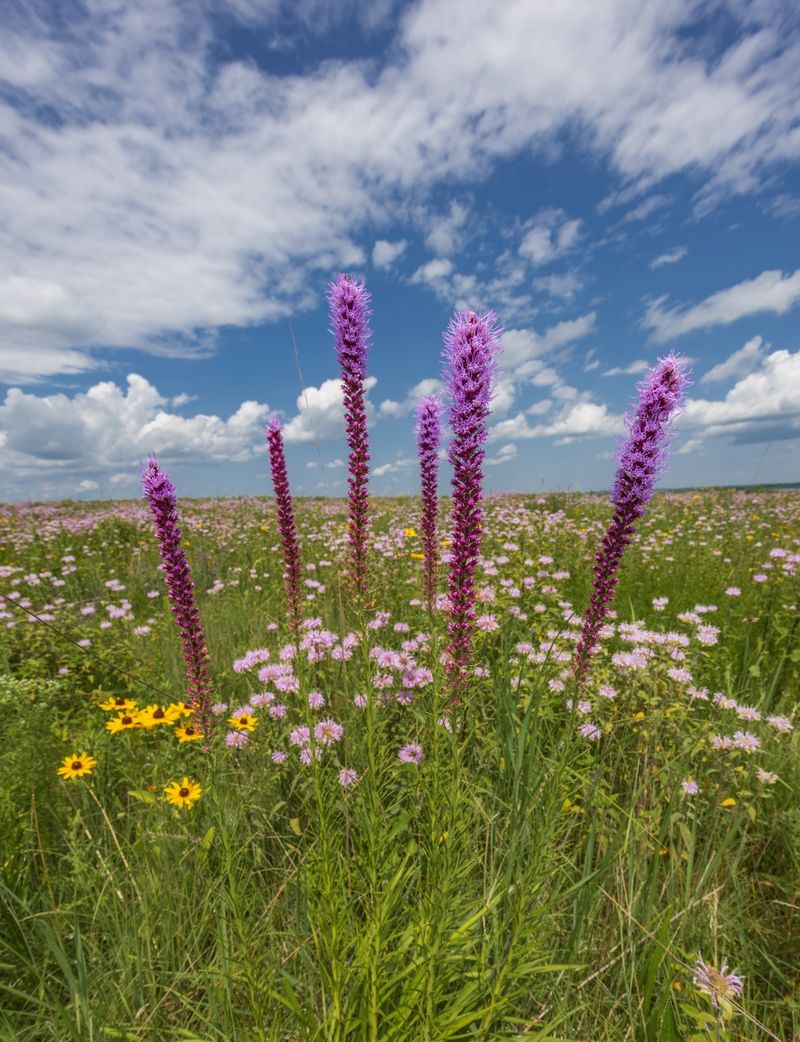
With an unapologetic flair, the prairie blazing star commands attention. Its tall stalks, adorned with spiky purple blossoms, can be spotted from afar.
This wildflower thrives in open spaces, basking in the sunlight and adding vertical interest to the prairie landscape. Their presence is a beacon for a variety of wildlife.
The prairie blazing star’s ability to attract butterflies and bees is legendary, making it a keystone species in pollinator gardens.
3. Black-eyed Susan
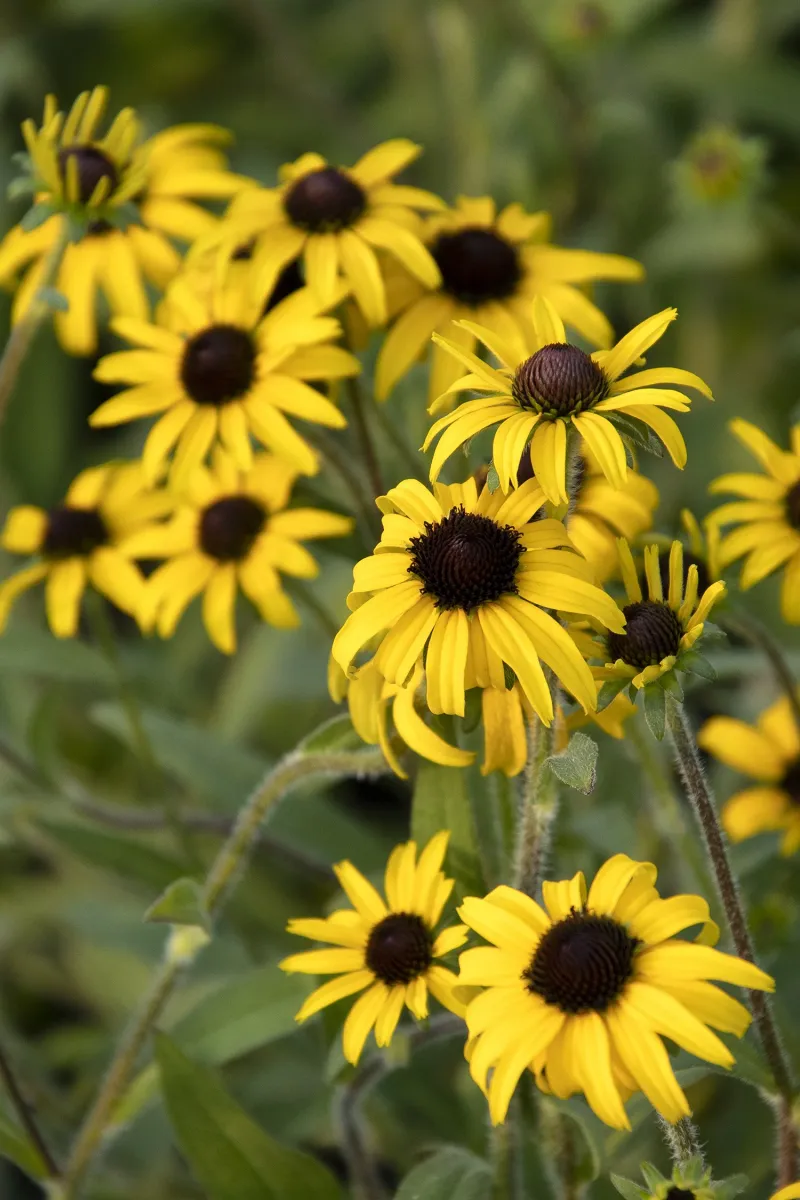
Cheerful and bright, black-eyed Susans are like sunbeams scattered across the prairie. Their golden petals encircle a dark center, creating a vivid contrast.
These adaptable flowers flourish in various conditions, bringing warmth and life wherever they grow. They are a favorite among gardeners for their easy maintenance.
Black-eyed Susans are more than just pretty faces; they are essential for pollinators, providing sustenance throughout the summer.
4. Wild Indigo
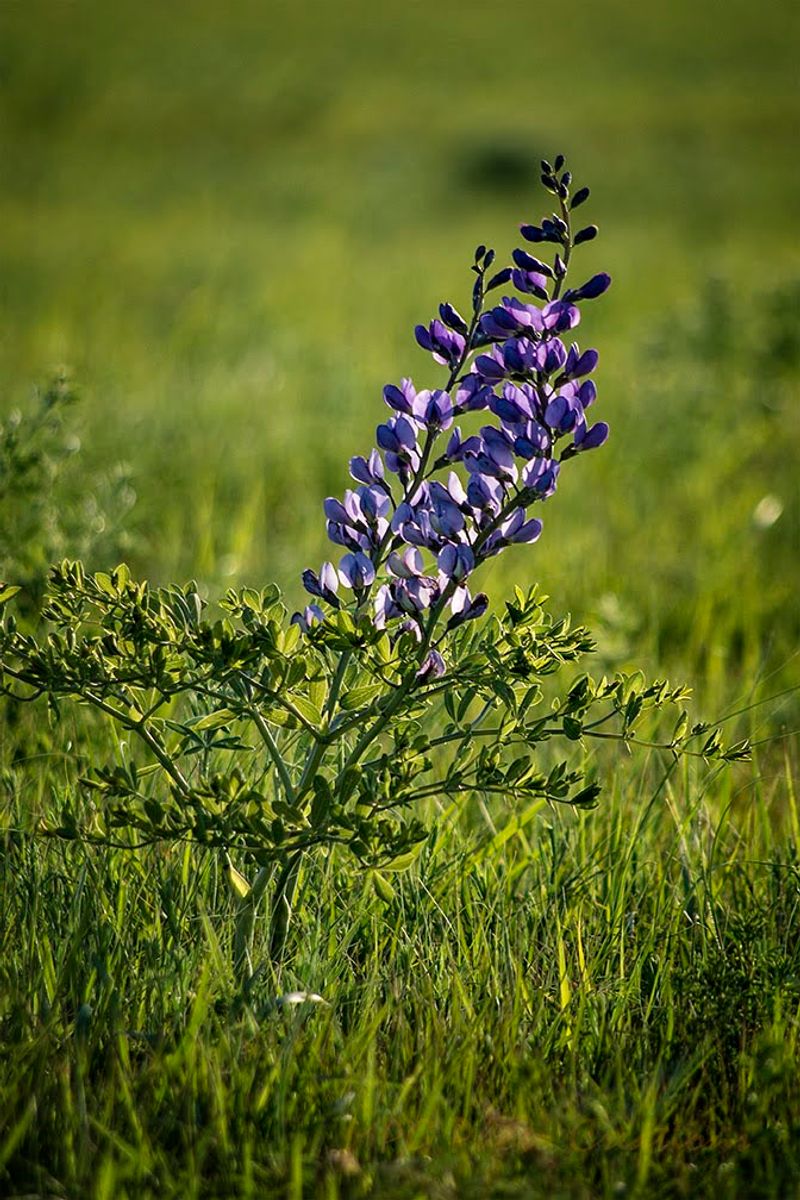
Wild indigo’s subtle elegance adds a touch of sophistication to the prairie. Its bluish-purple flowers and lush foliage create a soothing visual symphony.
This perennial not only enhances aesthetics but also improves soil quality with its nitrogen-fixing properties. Its presence enriches the land for future growth.
Historically used by Native Americans for dye and medicine, wild indigo continues to weave itself into the fabric of the prairie’s natural history.
5. Butterfly Milkweed
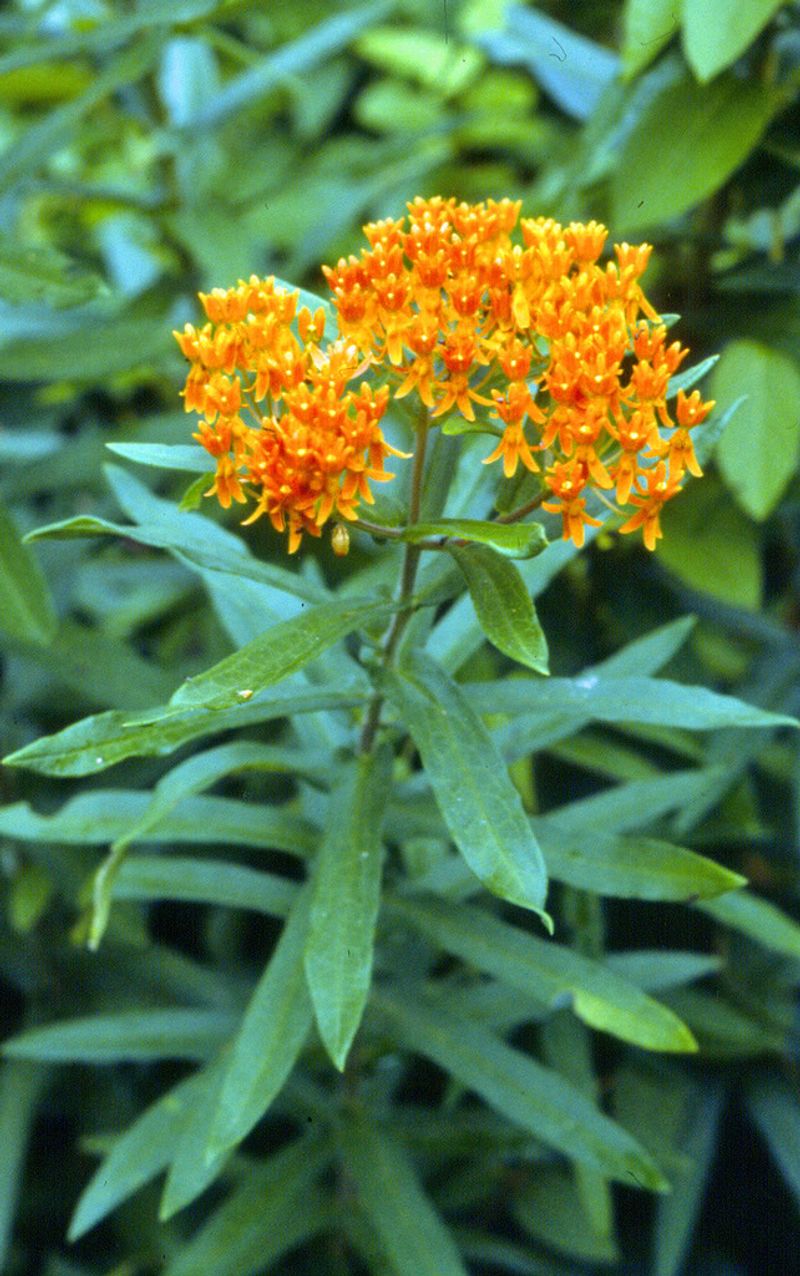
Butterfly milkweed does not shy away from attention. Its bright orange blossoms are a magnet for butterflies, earning its name and reputation.
Beyond its striking appearance, this plant is vital for the survival of monarch butterflies. It provides both a habitat and a food source for these iconic insects.
With its bold color and ecological significance, butterfly milkweed stands as a symbol of the intricate relationships within prairie ecosystems.
6. Prairie Phlox
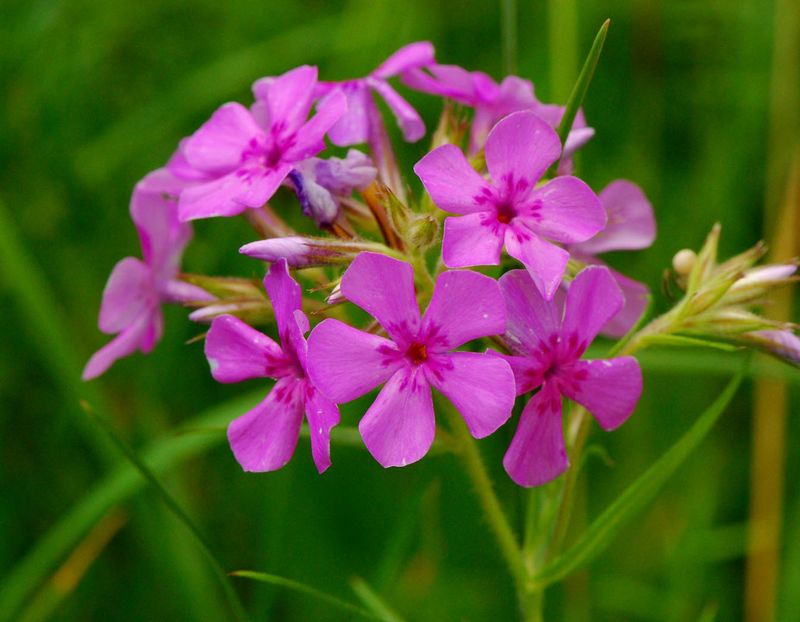
Delicate yet abundant, prairie phlox creates a carpet of pink and white across the Kansas plains. Its soft colors blend seamlessly with the natural landscape.
This perennial’s sweet fragrance is an added delight, drawing in pollinators and humans alike. It thrives in open, sunny environments and brings a gentle beauty.
Prairie phlox’s ability to flourish in challenging conditions makes it a symbol of grace under pressure, a true prairie survivor.
7. Maximilian Sunflower
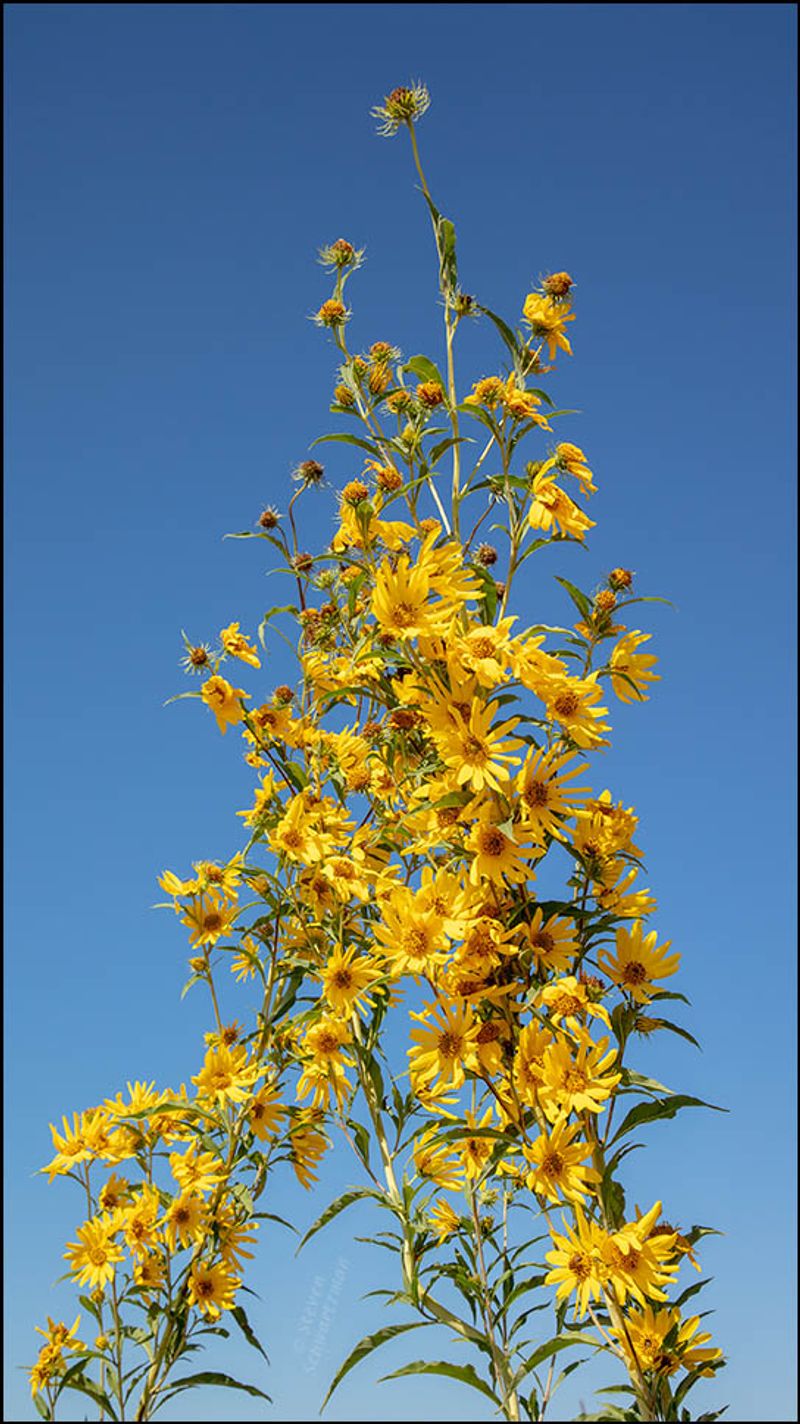
Maximilian sunflowers stand tall, their bright yellow blooms reaching for the sky. These perennials dominate the prairie with their sunny disposition.
They provide crucial food and shelter for many wildlife species, playing a key role in the prairie ecosystem. Their towering presence adds structure to the landscape.
Named after the German explorer Prince Maximilian, these sunflowers have a rich history of exploration and discovery in North America.
8. Prairie Smoke
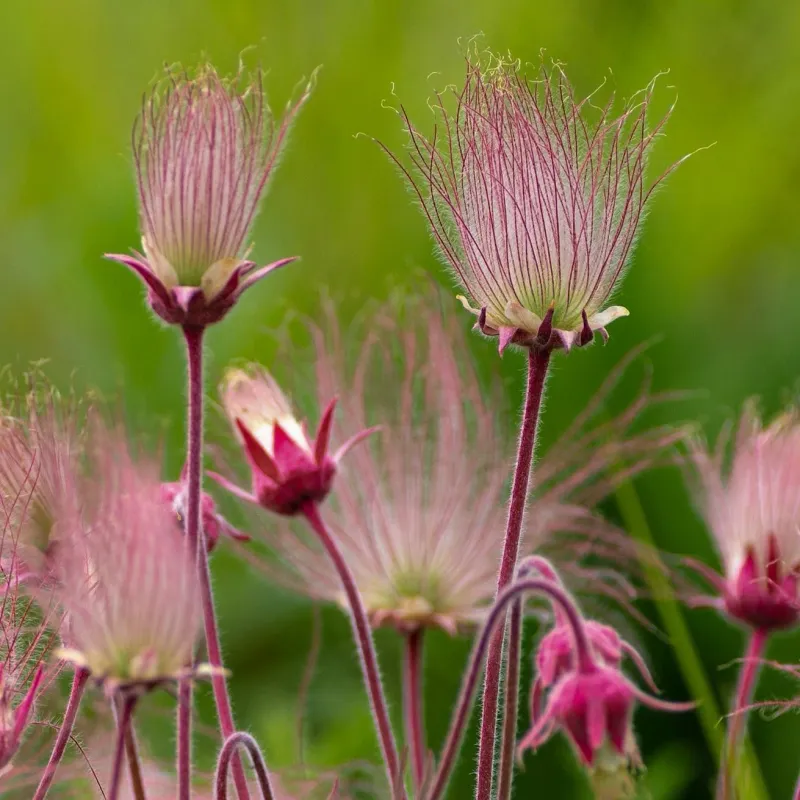
Prairie smoke captivates with its ethereal beauty. Its feathery pink seed heads give it the appearance of smoke wafting across the ground.
This plant’s unique form adds texture and interest, making it a favorite among those who appreciate subtle, understated beauty. It thrives in well-drained, sunny locations.
Prairie smoke is often celebrated for its early bloom, heralding the start of the prairie’s vibrant display of springtime wildflowers.
9. Wild Rose
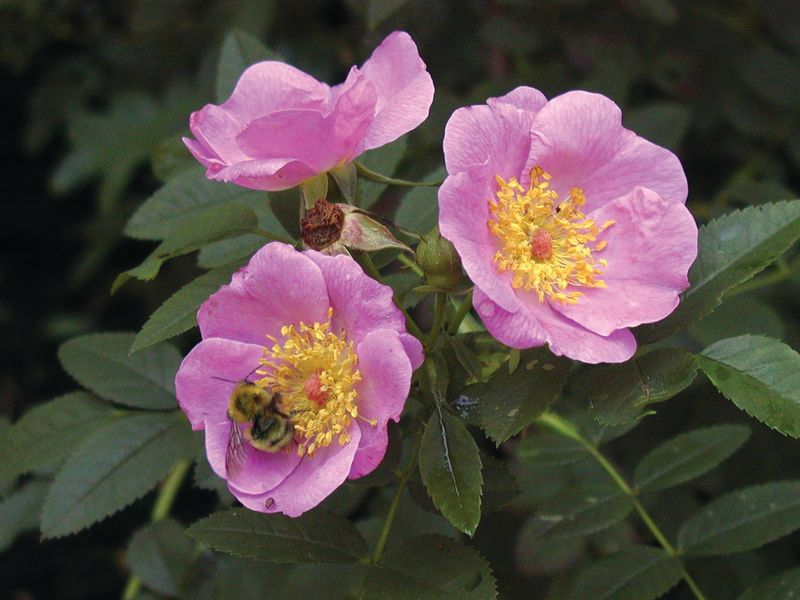
The wild rose brings a touch of romance to the prairie. Its pink blossoms and rich green leaves create a picturesque scene, reminiscent of a classic love story.
More than just a pretty flower, the wild rose provides food and habitat for various species, including birds and insects. Its thorns offer protection, a symbol of beauty paired with resilience.
Long associated with love and admiration, the wild rose is a timeless emblem of the prairie’s enduring charm.
10. Compass Plant
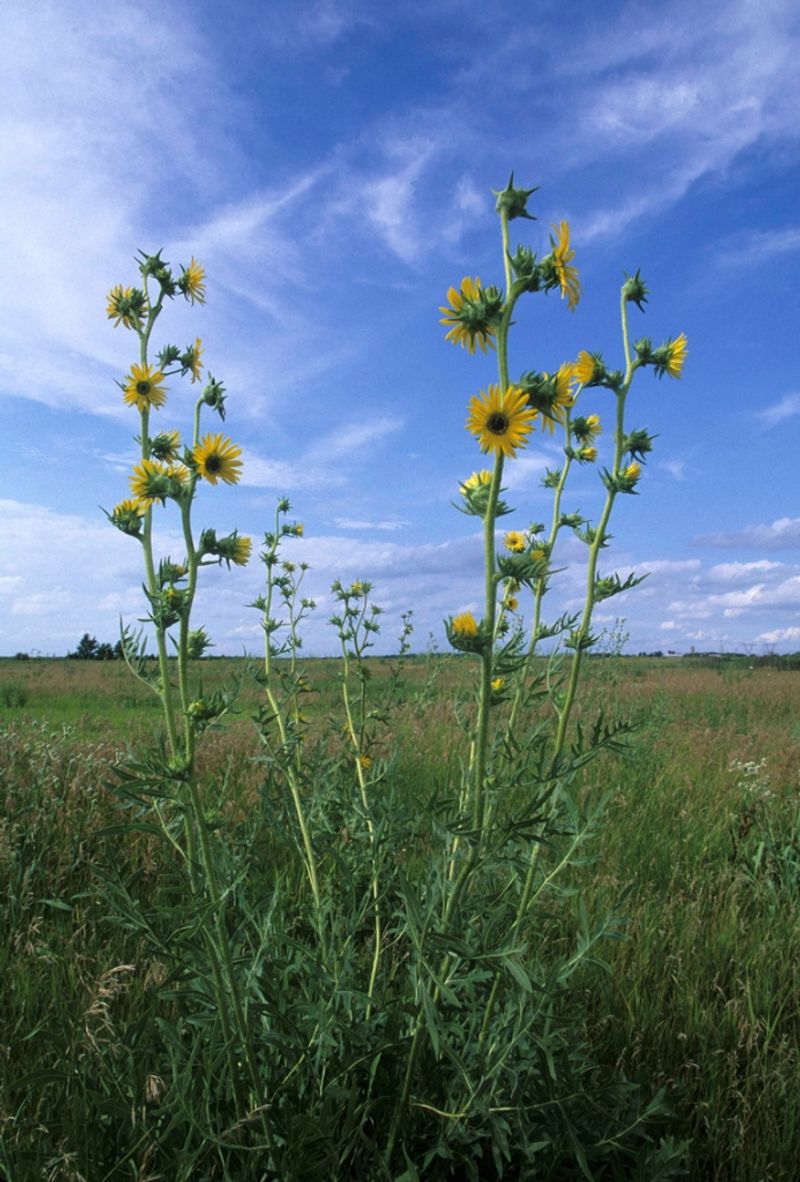
The compass plant is a natural marvel, its leaves orienting north-south to minimize sun exposure. This unique trait makes it a fascinating study in adaptation.
Standing tall with yellow flowers, it serves as a navigational aid for both people and animals. Its towering presence is an iconic feature of the prairie landscape.
The compass plant’s resilience in the face of harsh weather exemplifies the enduring spirit of the Kansas prairies.