
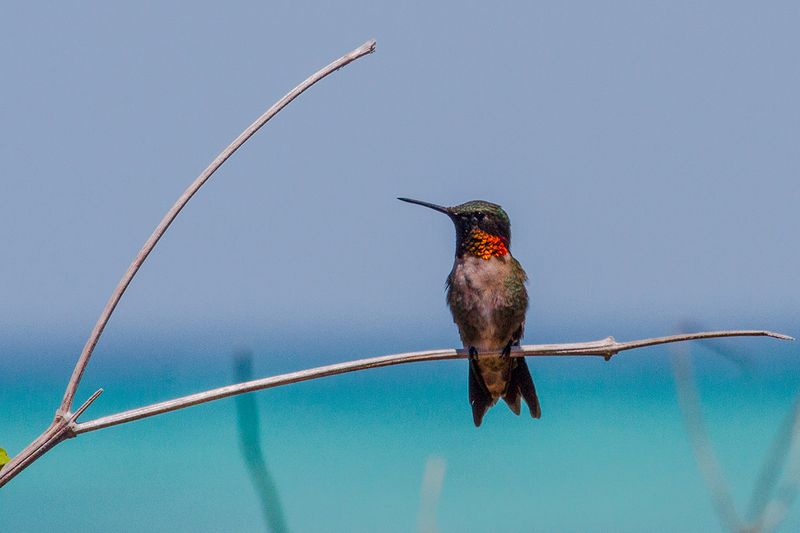
A tiny hummingbird zipping through a Florida yard in January is a real treat, but it does not happen everywhere. Which birds show up, and which flowers are open for them, depends on where you live.
A planted corner with flowers, shrubs, and insects can give visitors more to use. Here is how to build one for your part of Florida, and how a clean feeder fits in.
Which hummingbirds may winter in Florida?
Ruby-throated hummingbirds are Florida’s most common hummingbird, according to UF/IFAS. Most of them spend winter farther south, though some stay in South Florida.
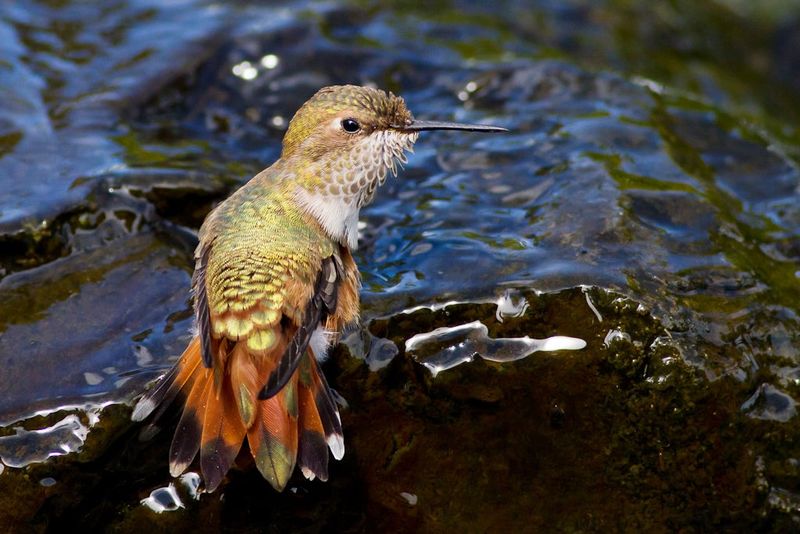
Rufous and black-chinned hummingbirds are occasional winter visitors, so seeing one is a bonus rather than a routine event.
Where you garden changes the odds. Project FeederWatch notes that winter ruby-throated sightings are rare outside extreme South Florida.
A winter hummingbird in the Panhandle or north Florida may well be a rufous or another western species instead.
So keep your expectations realistic. A yard in Miami-Dade has different chances than one in Tallahassee, and no planting can promise a visit.
What you can do is make your space more useful if a bird does pass through.
Think of it as preparing the table and the shelter in case a guest arrives. If you spot a hummingbird in December or January, note the date and place, because winter reports help show how these birds move around the state.
A planted corner complements a feeder
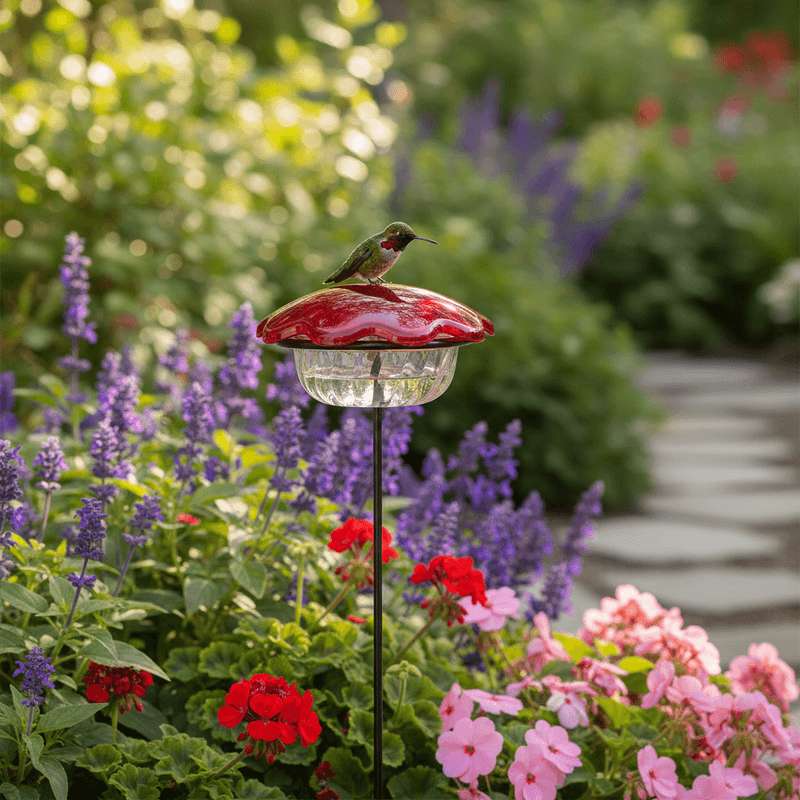
The idea that winter hummingbirds skip feeders for a scruffy corner is not backed up. A broad community-science study, Meehan and colleagues in 2020, found that hummingbird sightings at homes were linked to both feeder presence and a wider variety of nectar-producing plants.
That study only observed yards. It was not specific to Florida, and it cannot show that plants or feeders caused more visits.
It also did not pit one against the other, so it does not tell us which one birds prefer.
The practical lesson is simpler. Flowers and feeders can work side by side.
Audubon’s feeding guidance treats feeders as extra food, and native flowering plants as valuable in their own right.
If you already keep a feeder, adding plants gives birds more options and gives you more to watch. If you only grow plants, a feeder is an optional extra.
Either way, you are offering choices instead of betting on one.
A planted corner also has benefits beyond hummingbirds. It can feed bees, butterflies, and other wildlife, which makes it a worthwhile yard feature on its own.
Combine nectar, cover, and insect life
Hummingbirds live mostly on nectar, but they also eat insects. That means a good yard offers more than flowers.
UF/IFAS hummingbird garden advice recommends nectar-producing flowers, and notes that shrubs and larger plants give birds places to perch and rest.
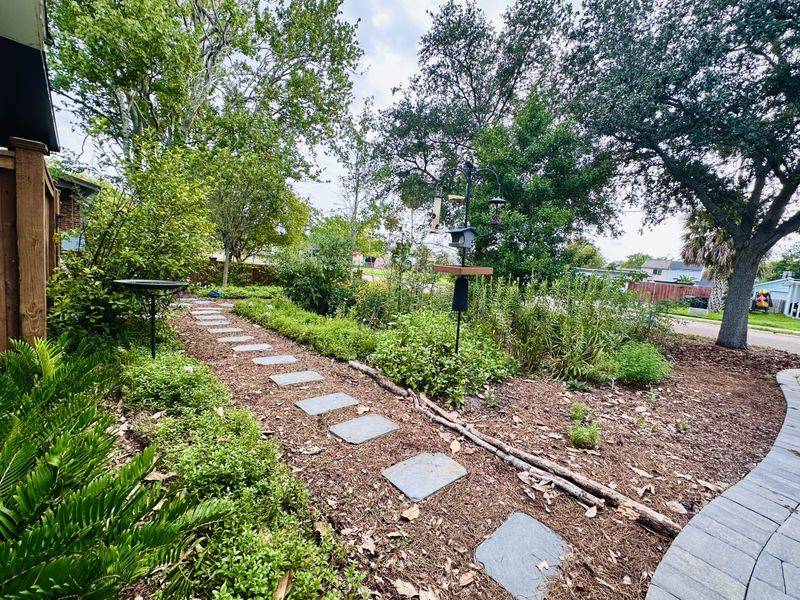
Try building in layers. Put low bloomers in front, shrubs in the middle, and a taller plant or small tree behind.
This gives you nectar, shelter, and perches in a small footprint.
Insects need a little room, too. UF/IFAS bird-friendly plant guidance points out that native plants can offer shelter and support insects.
Skipping pesticides in that corner helps keep those insects around.
A less-manicured corner is a handy spot to try this, since you can let plants fill in and keep a bit of leaf litter. It is a practical design choice, not a special structure that hummingbirds are known to prefer.
In sandy Florida soil, pick plants suited to drainage and heat, water them while they establish, and then leave them mostly alone. Low upkeep makes this corner easy to maintain through the seasons.
Winter nectar depends on your part of Florida
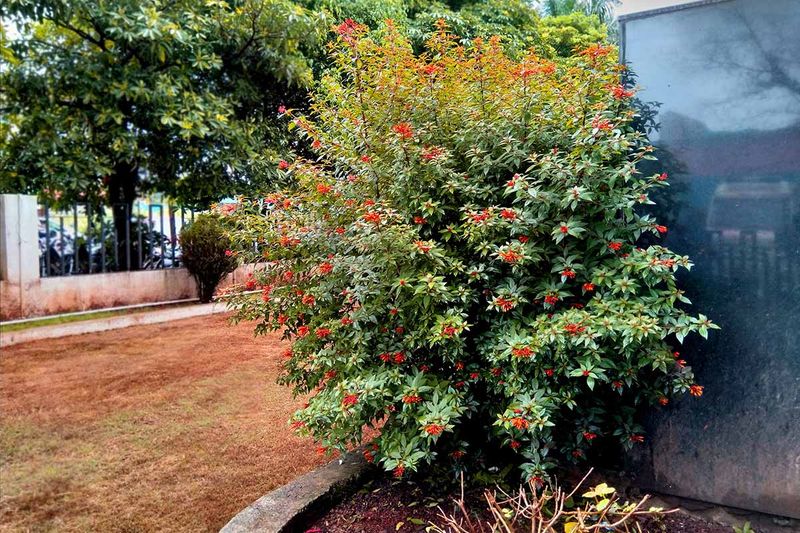
A plant being native does not mean it blooms in winter. Firebush shows why.
UF/IFAS says this native shrub attracts hummingbirds and blooms from late spring until first frost.
In milder South Florida, where frost is rare, firebush may keep flowering into winter. Farther north, a freeze can kill the top growth, so the shrub dies back and offers no flowers.
It is not a dependable winter bloomer statewide.
Other natives have similar limits. Coral honeysuckle blooms in spring through summer, according to UF/IFAS.
Coral bean flowers mainly in early spring, and sometimes in fall.
Neither should be counted on for winter nectar. If you plant coral bean for spring color, remember that its seeds are poisonous, so keep them away from children and pets.
Before buying, check the bloom window for your region and compare it to your first-frost date. A plant that flowers in April will not help in January, no matter how well it suits your soil.
Firespike offers winter flowers, but it is not native
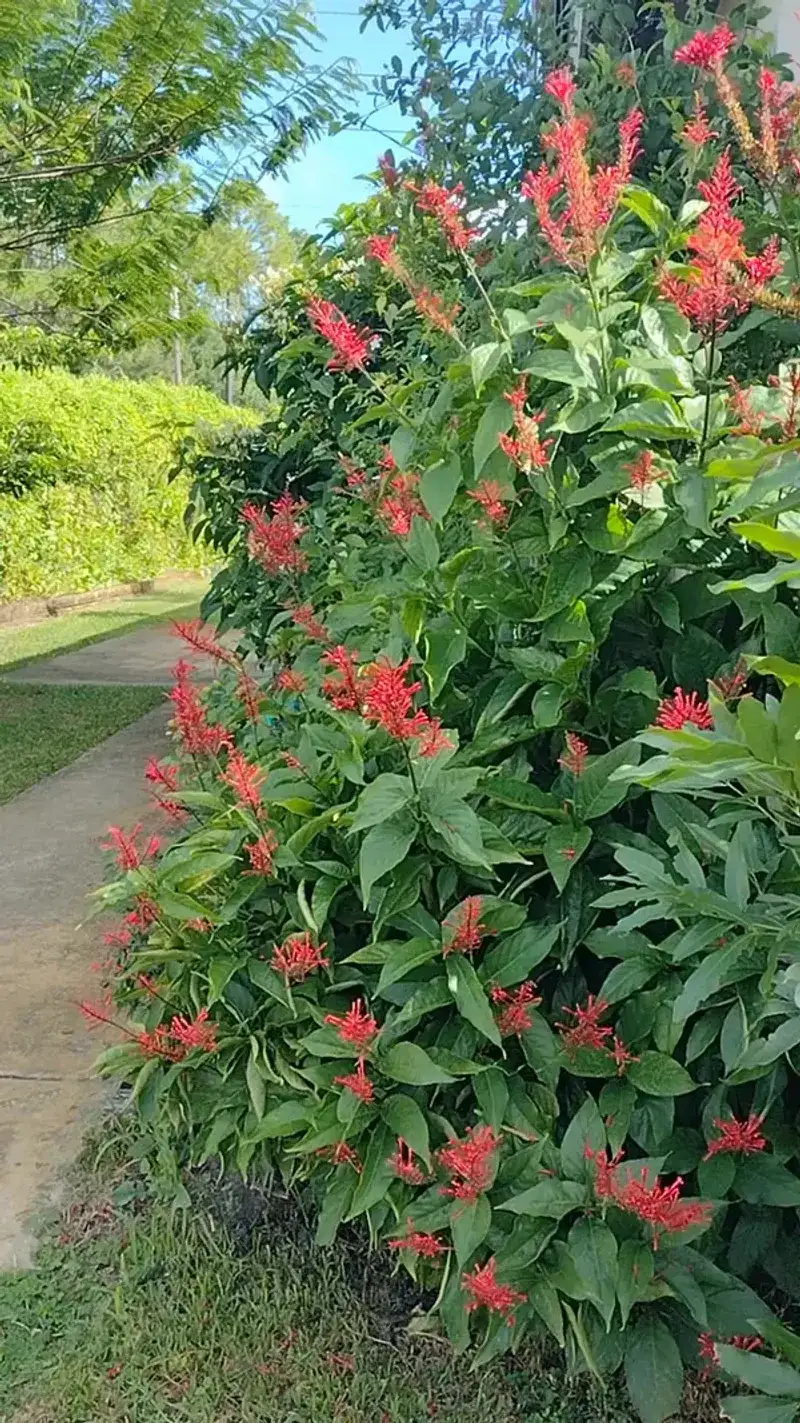
If you want flowers in the cooler months, firespike is one option. Keep it separate from your native plant list, because it is not a Florida native.
UF/IFAS Extension identifies it as originating in Central America.
According to UF/IFAS Gardening Solutions, firespike blooms year-round in South Florida. In North and Central Florida, it flowers in fall and winter.
Its red flower spikes attract hummingbirds.
That timing fills a gap that many natives leave. A gardener in Central Florida could tuck it among spring and summer natives so the bed has something in bloom as days shorten.
Labeling matters here. Mixing it into a plan for native habitat can mislead readers about what is in their yard.
Treat it as an add-on for winter color, and make sure your site and region suit it before planting.
Keep feeders clean and use a safe solution
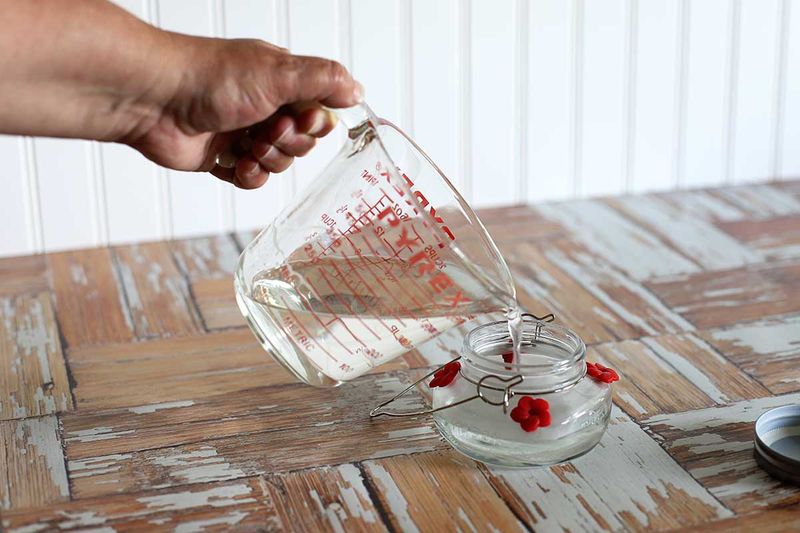
If you keep a feeder, treat it as a supplement to flowers. UF/IFAS recommends mixing one part white granulated sugar with four parts water.
Leave out red dye, honey, and sugar substitutes. None of them belong in a hummingbird feeder, and the nectar does not need color to attract birds.
Cleaning matters just as much as the recipe. Sugar water spoils quickly in warm weather.
In hot conditions, Audubon advises emptying and cleaning feeders daily or every other day.
Florida’s long warm stretches mean you will often be on that schedule, even in winter in the southern half of the state. A cooler day in north Florida may stretch the interval a little, but check the feeder often and never leave old nectar sitting.
Use a bottle brush and hot water to scrub the ports and base, rinse well, and refill with fresh solution. Make small batches so you are not tempted to reuse old nectar.
Build around what blooms now
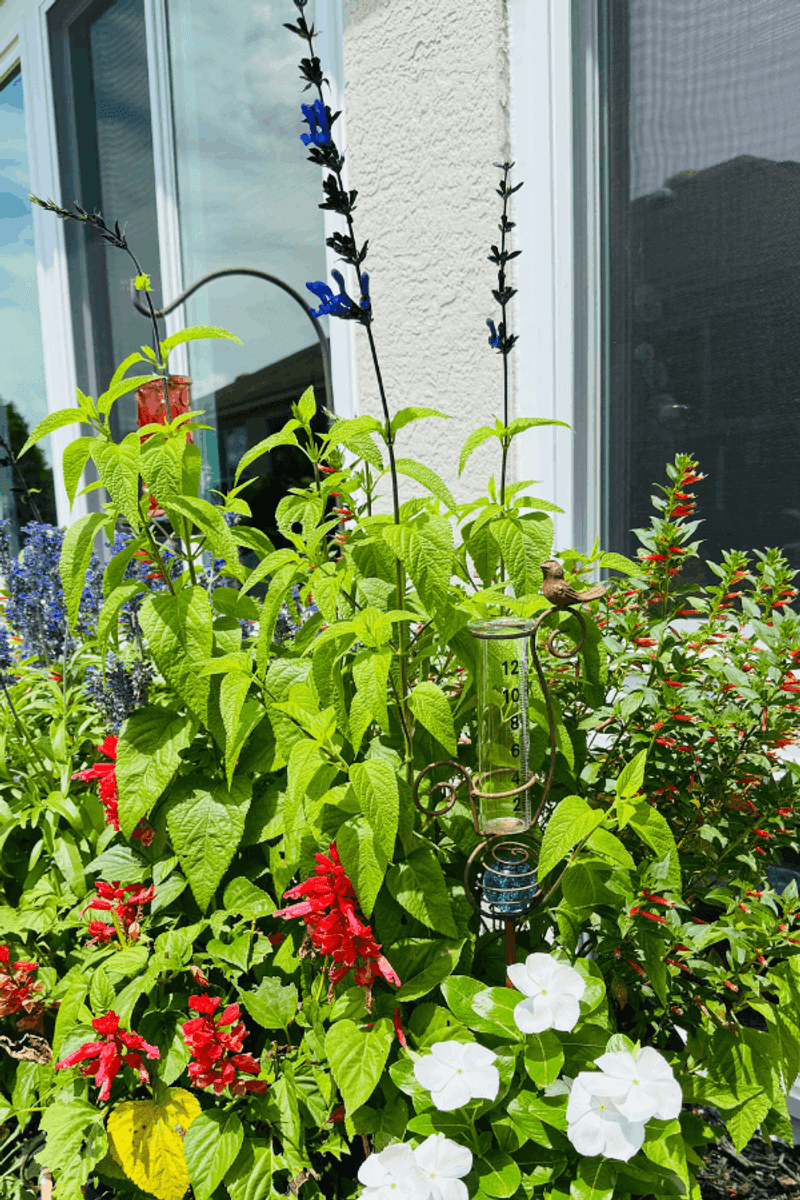
Start with your region and your calendar. Choose plants whose bloom windows match the months you want flowers, and pair them with shrubs for cover and perches.
If you like, add a feeder and keep it fresh using the UF/IFAS mix. Planted habitat complements a feeder, but it does not prove birds favor one over the other.
A hummingbird in winter is a guest you prepare for, not one you can order.