 Complete Gardening
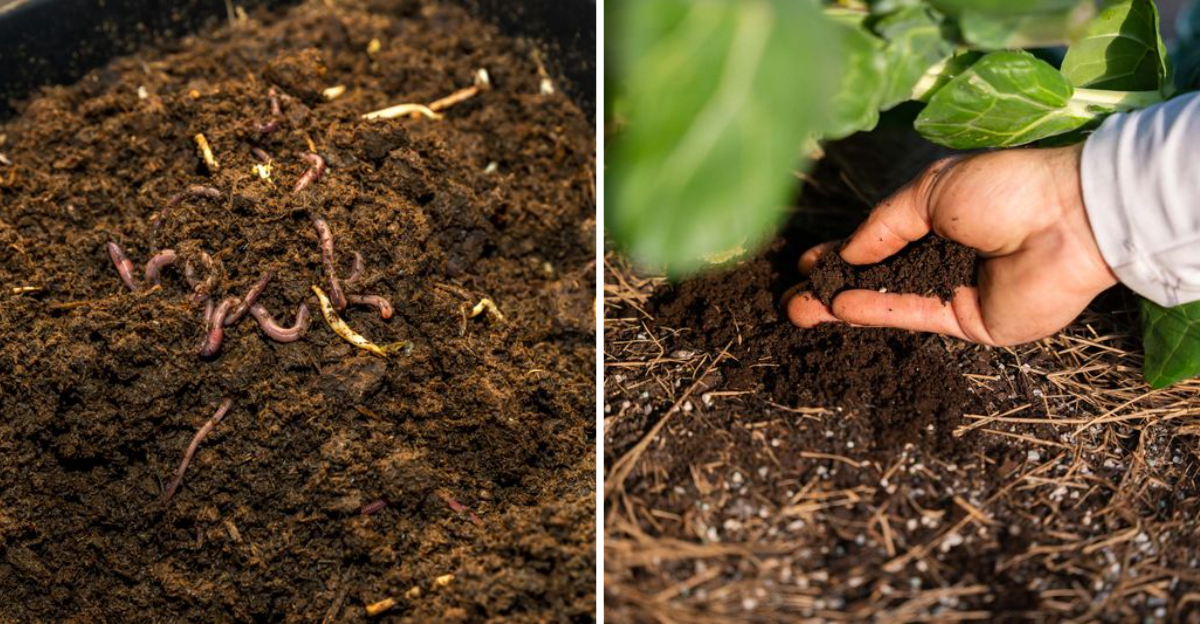
In the world of gardening, the debate between worm castings and compost is a heated one. Many gardeners often find themselves confused about the differences, benefits, and applications of these two organic materials. This blog post explores twelve common misconceptions, offering clarity and insight into how each can be effectively used in your garden. Whether you’re a seasoned gardener or a budding enthusiast, understanding these distinctions can lead to healthier plants and a more productive gardening experience. Get ready to rethink everything you thought you knew about worm castings and compost!
1. Nutrient Content
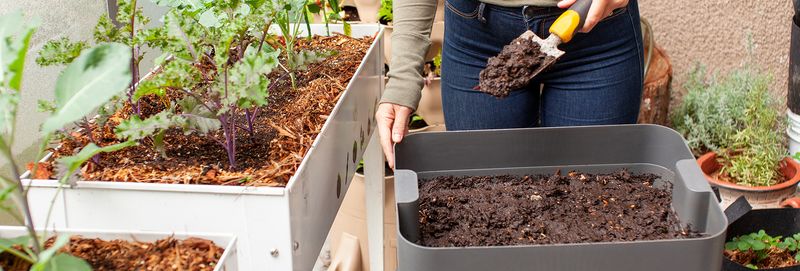
Worm castings are often hailed as the “black gold” of gardening, but how do they stack up against compost? While both are rich in nutrients, worm castings have a higher concentration of nitrogen. This makes them particularly valuable for leafy greens and other nitrogen-hungry plants. Compost, on the other hand, provides a well-balanced nutrient mix, suitable for a wide range of plants. Don’t overlook the unique benefits each offers: worm castings for specific boosts and compost for overall health. This nutrient variance is a key reason to include both in your gardening routine.
2. Soil Structure
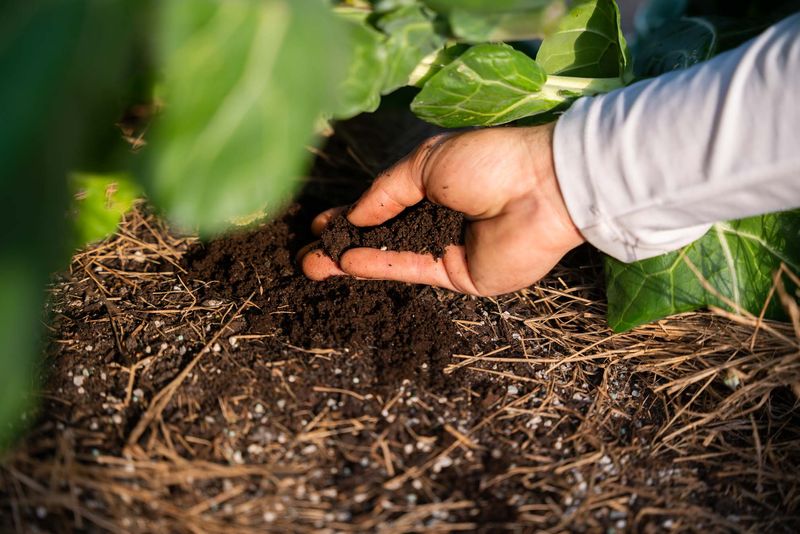
Have you ever considered how worm castings and compost affect soil structure differently? Worm castings improve soil aeration and drainage due to their granular nature. This is essential for root health and preventing waterlogging. Compost, with its mixed organic matter, enhances soil’s water retention capabilities. This dual benefit means you can tailor your soil’s structure by choosing the right application. For sandy soils, compost may be a better choice, while clay-heavy soils can benefit from the improved drainage offered by worm castings. Understanding these differences can transform your gardening results.
3. Microbial Activity
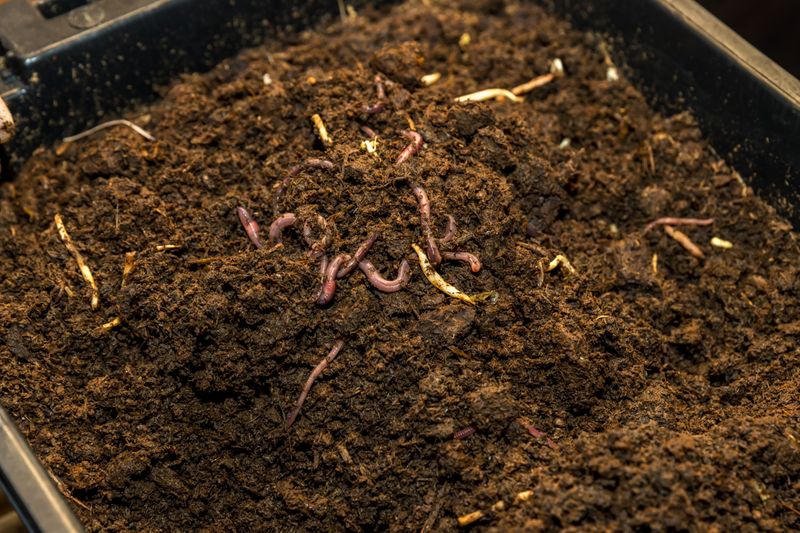
Did you know that worm castings and compost each have their own ecosystem? Worm castings are teeming with beneficial microbes that help break down organic matter and improve soil fertility. These microbes also aid in disease suppression. Compost, while also rich in microbes, provides a different microbial diversity. This diversity supports a balanced soil ecosystem. By using both, gardeners can encourage a robust microbial community that enhances plant health. This microbial richness is one reason why alternating between worm castings and compost can be beneficial for your garden.
4. Application Techniques
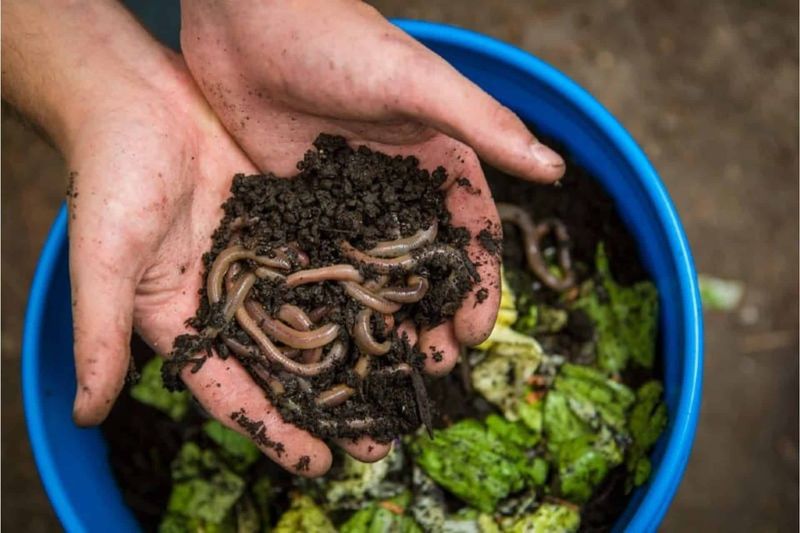
Applying worm castings and compost isn’t just about spreading them on the soil. Worm castings are best used as a top dressing or in vermicompost tea, providing a gentle nutrient release. Compost can be mixed directly into the soil or used as a mulch. Each method has its advantages, so understanding the right application can make a significant difference. For container plants, worm castings offer a controlled nutrient boost. In larger garden beds, compost can improve soil texture and nutrient content over time. Knowing these techniques can optimize your gardening efforts.
5. Cost Considerations
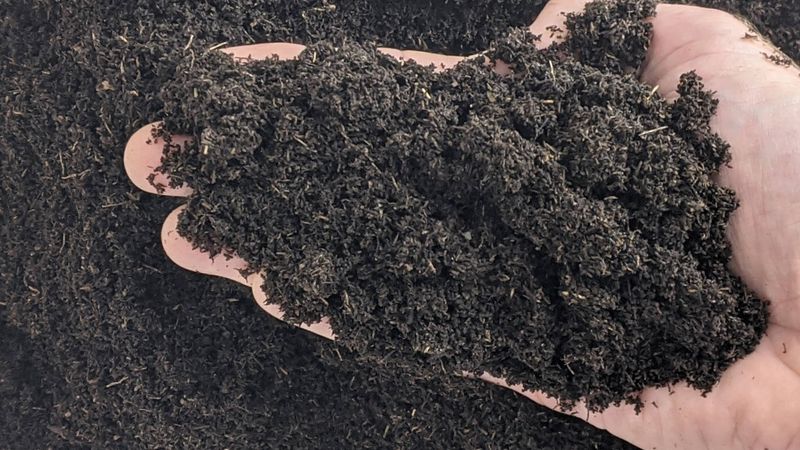
Are worm castings really worth the investment compared to compost? While worm castings are often more expensive, their concentrated nutrients mean less is needed for effective results. Compost, being more affordable, is ideal for bulk soil improvements. Balancing cost with benefit can guide your choice. Consider the specific needs of your plants and soil when deciding how much to spend. For high-value crops or when facing specific nutrient deficiencies, worm castings might be the better option. By understanding these cost dynamics, gardeners can make more informed decisions.
6. Environmental Impact
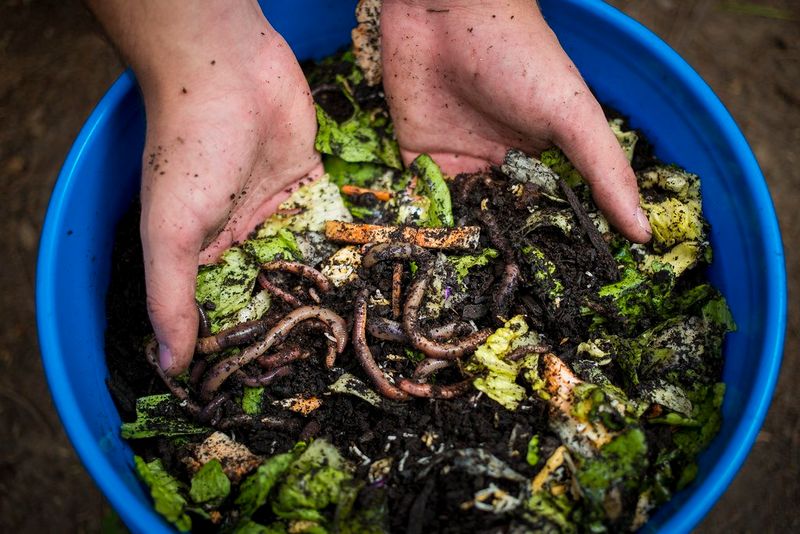
Thinking about sustainability? Both worm castings and compost contribute positively to the environment. Worm castings, produced through vermiculture, help recycle organic waste efficiently. Composting, a broader recycling method, reduces landfill waste and returns nutrients to the earth. Each process supports a circular economy and minimizes environmental footprint. Choosing between them may depend on local resources and your gardening goals. Understanding their environmental impacts can inspire more eco-conscious gardening practices. The choice isn’t just about the garden, but about contributing to a healthier planet.
7. Odor Differences
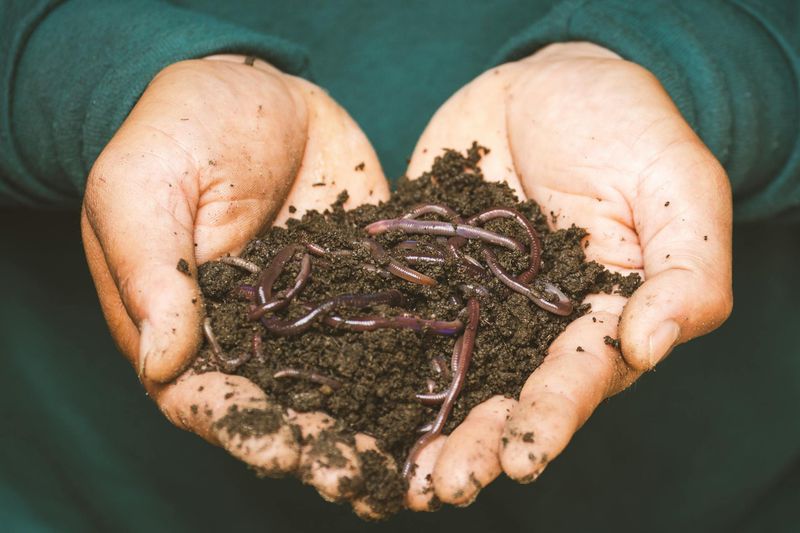
The scent of your gardening materials can influence your experience. Worm castings are often odorless, making them ideal for indoor use. Compost, depending on its composition and maturity, may have a more earthy aroma. This can be a plus when used as mulch in outdoor gardens but less desirable indoors. Knowing these odor profiles can help you choose the right material for your gardening space. For sensitive noses, worm castings provide a pleasantly neutral option, whereas compost’s earthy scent can evoke the essence of nature.
8. Organic Certification
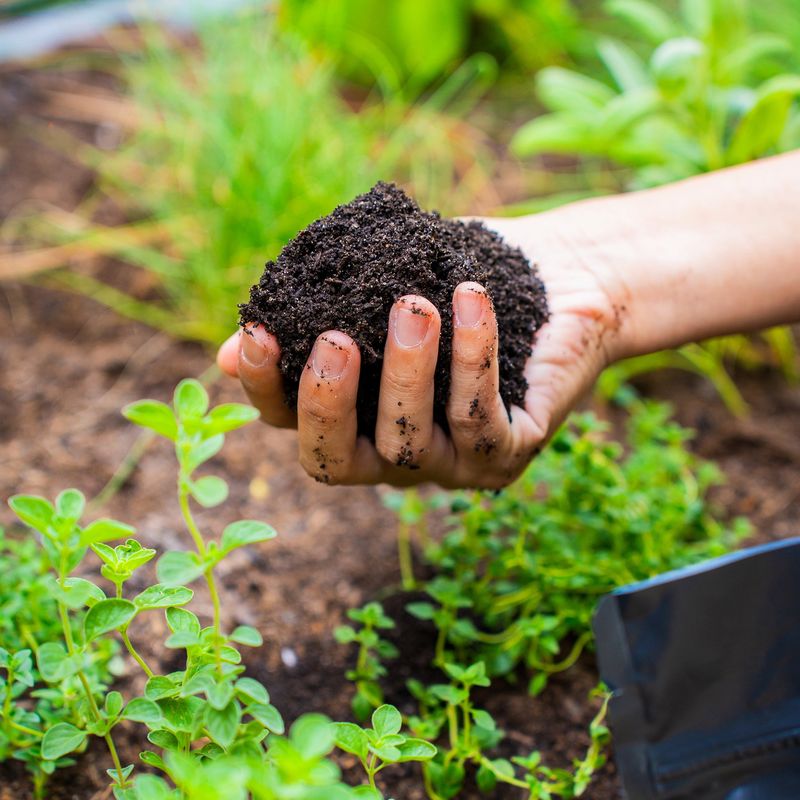
Are both worm castings and compost considered organic? Generally, yes, but it depends on the source. Worm castings from organic-fed worms are highly sought after. Compost must be free from synthetic additives to maintain organic certification. For organic gardeners, verifying the origin of these materials is crucial. This ensures compliance with organic standards and supports sustainable gardening practices. By choosing certified products, gardeners can align with organic principles and promote healthier ecosystems. Understanding these certification nuances helps maintain the integrity of organic gardening efforts.
9. Longevity in Soil
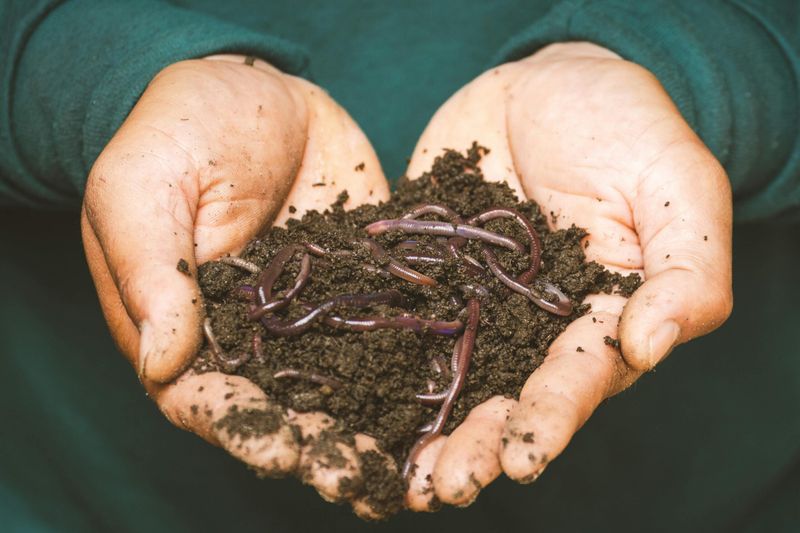
How long do the benefits of worm castings and compost last? Worm castings offer a slow, steady nutrient release, often lasting several months. Compost, due to its varied composition, may decompose faster, requiring more frequent application. This longevity influences how often gardeners need to replenish their soil amendments. For long-term soil health, combining both can offer sustained benefits. Understanding the decomposition rates of each can help plan your gardening schedule effectively. This balance of fast-acting and slow-releasing nutrients supports a thriving garden.
10. Water Retention
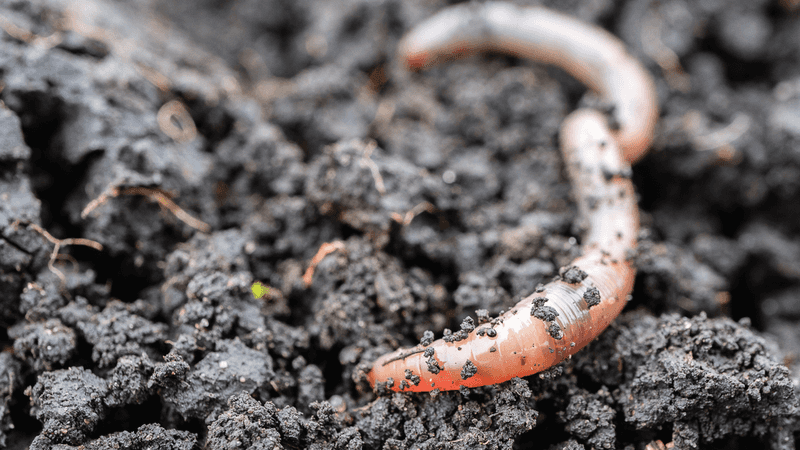
Balancing water retention is key to successful gardening. Worm castings enhance drainage, reducing waterlogging in dense soils. Compost, with its organic matter, helps retain moisture in sandy soils. Leveraging both can create optimal conditions for various plants. Understanding these water dynamics aids in choosing the right material for your soil type. For gardeners in dry climates, compost’s moisture retention is invaluable. Conversely, worm castings can prevent root rot in wetter areas. The right combination ensures plants receive the right amount of water without drowning or drying out.
11. Plant Compatibility
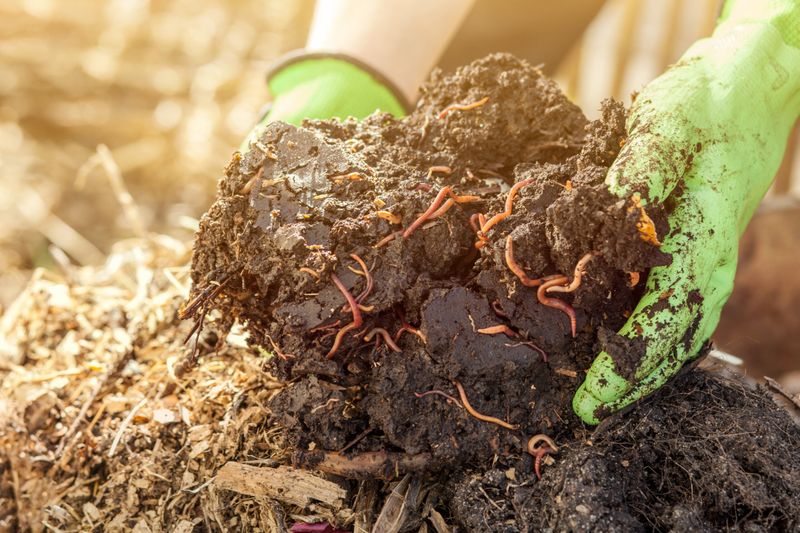
Are all plants equally suited to worm castings and compost? Not quite. Worm castings are particularly effective for nitrogen-loving plants like vegetables and leafy greens. Compost’s balanced nutrients support a wider range, including perennials and shrubs. Knowing your plants’ preferences can guide your choice. For gardeners cultivating a diverse array, alternating between the two can optimize growth. This tailored approach ensures each plant receives the nutrients it needs. Understanding these compatibilities enhances your ability to support a thriving, flourishing garden.
12. Chemical Composition
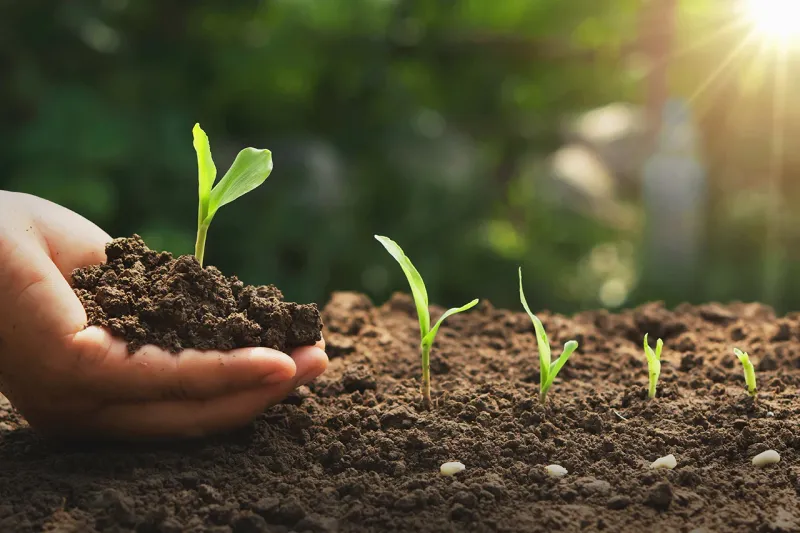
The chemical makeup of worm castings and compost varies greatly. Worm castings are more concentrated in certain elements like nitrogen, making them potent fertilizers for specific uses. Compost, however, offers a broader spectrum of nutrients. This chemical diversity means each has its niche in gardening. By learning the specific needs of your garden, you can apply the right balance of these materials. This nuanced understanding of chemical composition allows for more targeted gardening strategies, enhancing plant health and productivity.
13. Texture Perception
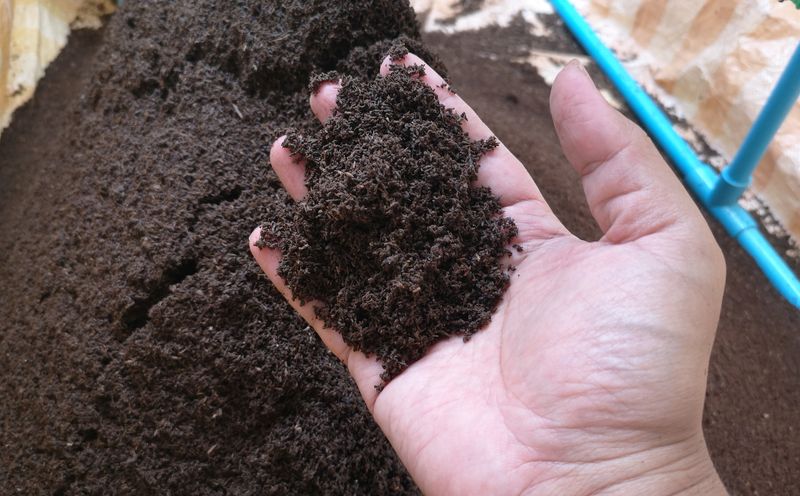
Gardening enthusiasts might assume worm castings and compost have a similar texture. In reality, worm castings resemble fine soil, smooth and crumbly, while compost can vary greatly, often coarser with unfinished organic matter.
The texture plays a crucial role in soil aeration and root penetration, influencing plant growth differently.
While both improve soil health, understanding these differences helps in selecting the right one for specific gardening needs. The finer texture of worm castings makes them ideal for seed starting, offering gentle support for delicate seedlings.
14. Impact on pH Levels
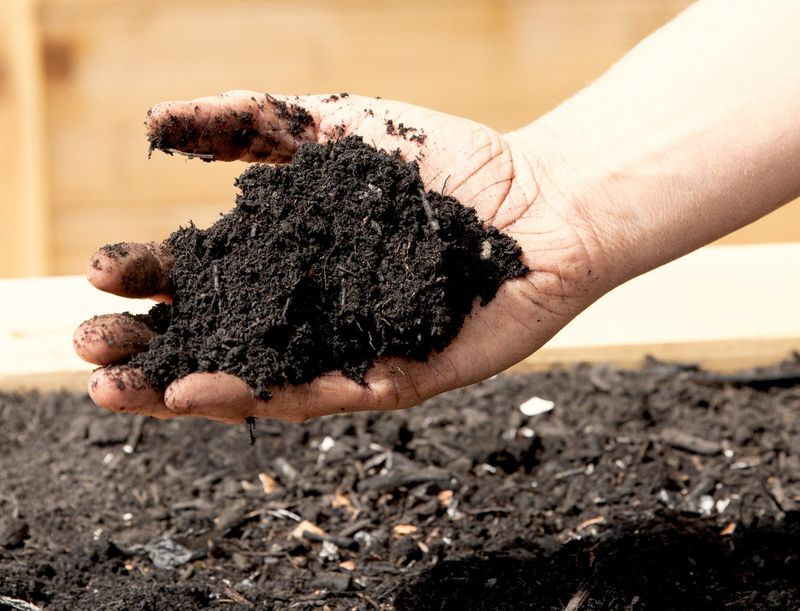
A common misconception is that worm castings and compost have the same effect on soil pH. Interestingly, worm castings tend to neutralize pH, bringing acidic or alkaline soils closer to neutral.
Compost, however, can slightly acidify soil, depending on its organic material. This difference is essential for gardeners to understand when dealing with plants sensitive to pH levels.
Adjusting soil pH appropriately can mean the difference between lush growth and lackluster performance, making it vital to tailor soil amendments to plant requirements.
15. Carbon to Nitrogen Ratio
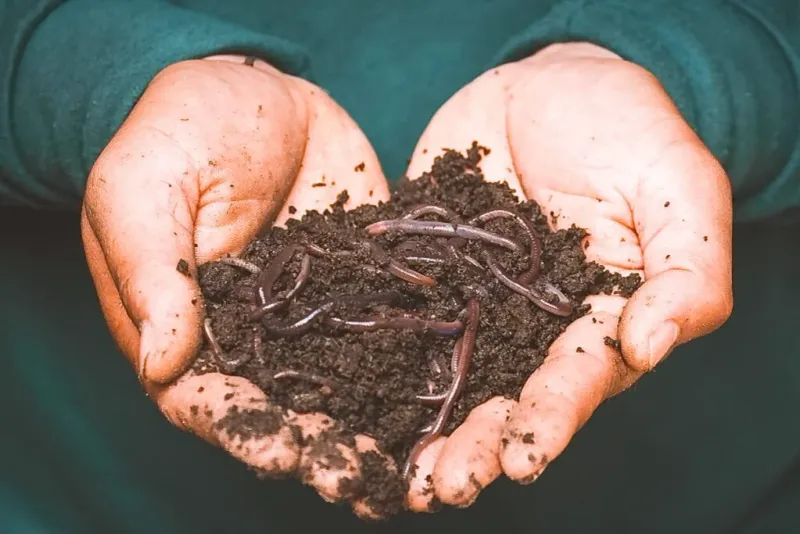
Many gardeners mistakenly believe worm castings and compost have identical carbon to nitrogen ratios. In truth, worm castings have a lower carbon to nitrogen ratio, providing immediate nutrients.
Compost, with its higher ratio, offers slow-release benefits, making it suitable for long-term soil enrichment.
Recognizing these differences allows gardeners to apply them strategically, depending on whether immediate plant nourishment or prolonged soil health is desired.
16. Animal Attraction
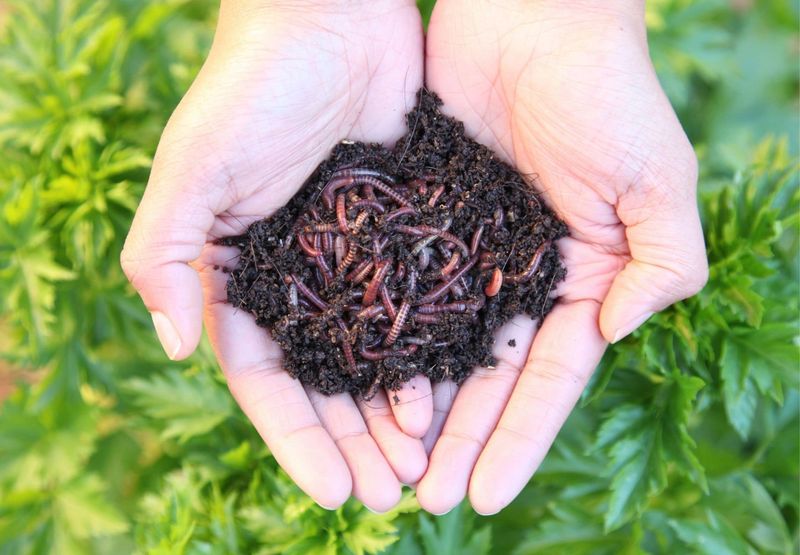
Some gardeners fear that worm castings and compost attract the same pests. Interestingly, worm castings are less appealing to pests due to their processed nature through worms.
Compost, especially if not fully decomposed, can attract insects and even larger animals seeking food scraps.
Understanding this can help in planning garden layouts, especially in areas prone to wildlife disturbances.
17. Temperature Influence
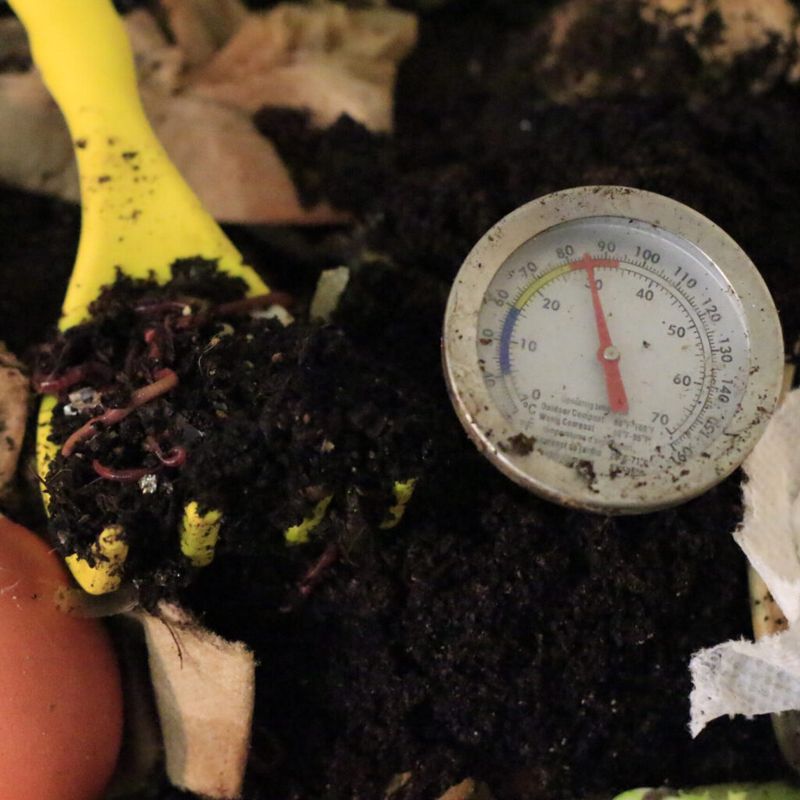
It’s often assumed that worm castings and compost influence soil temperature similarly. However, worm castings help regulate soil temperature, offering thermal stability.
Compost, during decomposition, can generate heat, which may not always be favorable for all plant types.
This thermal influence is crucial for gardeners aiming to maintain stable growing conditions year-round, particularly in regions with temperature swings.
18. Biodegradation Speed
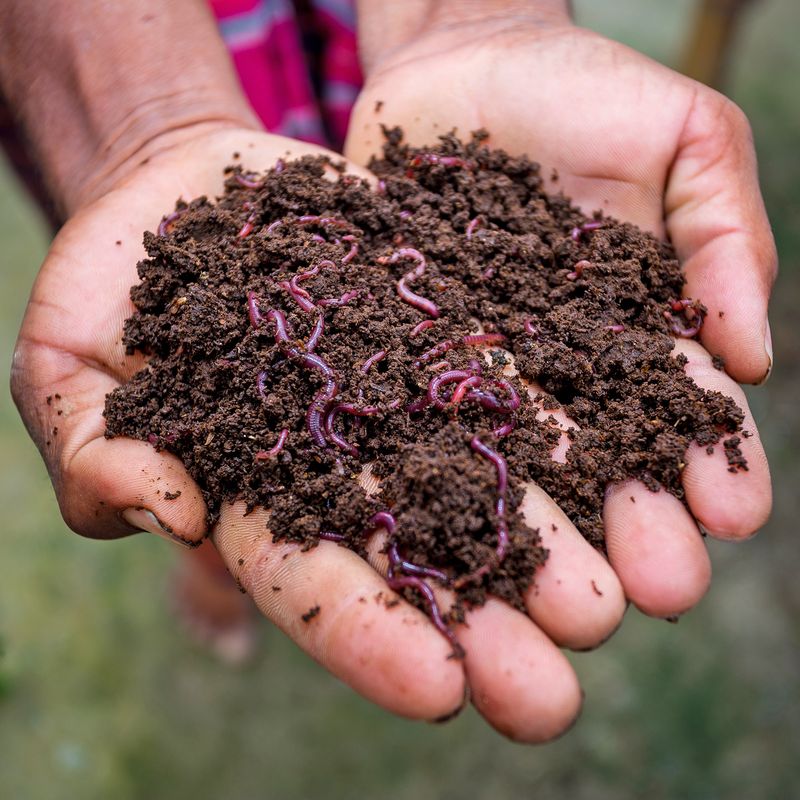
Biodegradation rates between worm castings and compost are often misunderstood. Worm castings break down quickly, releasing nutrients almost immediately, while compost takes longer.
This can influence planting schedules, especially when rapid soil nutrient availability is needed.
Gardeners planning high turnover crops might prefer worm castings for their swift action, while slower growing plants benefit from the sustained release of compost nutrients.
19. Volume Reduction
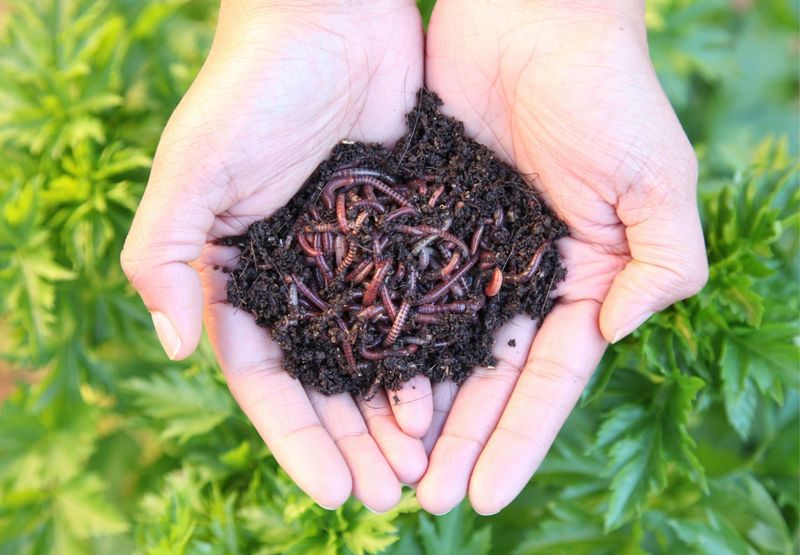
The reduction in volume over time is often overlooked by gardeners. Worm castings maintain their volume better than compost, which can significantly reduce as it continues to decompose.
This characteristic makes worm castings particularly useful in container gardening where maintaining soil volume is crucial.
Such knowledge helps gardeners manage their resource inputs more efficiently, ensuring ongoing plant support without frequent top-ups.