
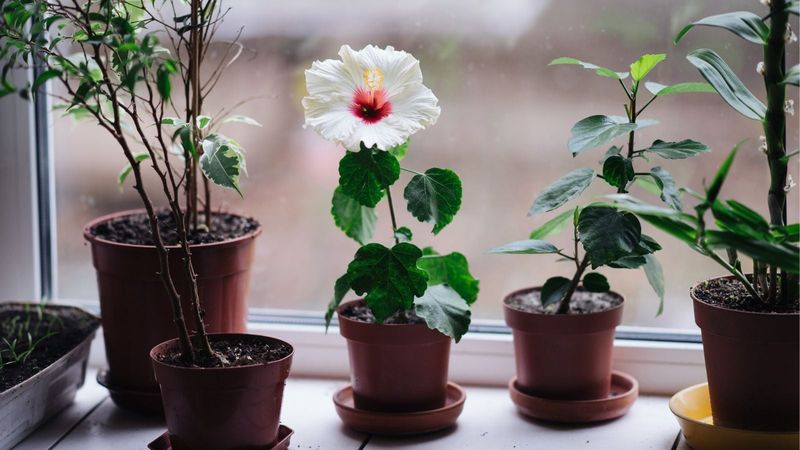
You carried your hibiscus inside before the first cold snap, and now yellow leaves are piling up on the floor. That sight can feel alarming, but it is a symptom to figure out, not a verdict on your plant.
Many things can cause it, from a big change in light to soggy soil to tiny insects. A few simple checks can point you toward the right adjustment.
Leaf drop can follow the move indoors
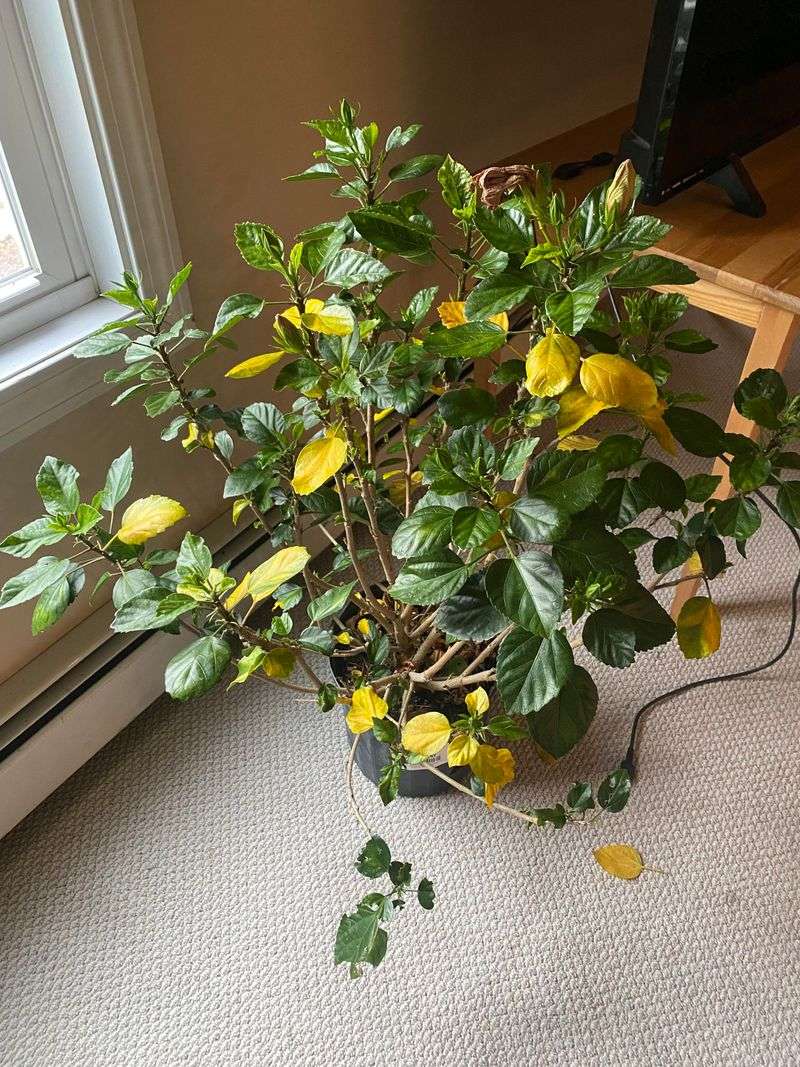
Moving a potted hibiscus from a bright porch or patio to a living room is a big change for the plant. Maryland Extension notes that hibiscus may drop leaves and stop growing while it adjusts to its new spot.
So a few yellow leaves in the first weeks do not automatically mean you made a mistake.
At the same time, leaf drop does not tell you the cause. The same yellow leaf can come from weaker light, cold air, too much water, too little water, or pests.
Think of it as a clue that tells you to look closer, and some adjustment-related leaf loss may continue even after you fix things.
One more point before you start. The advice in this article is for tropical hibiscus, Hibiscus rosa-sinensis, the kind with glossy leaves and big flowers that Florida and Texas gardeners often grow in pots.
Hardy perennial hibiscus behaves differently in winter, and UF/IFAS points out that some native hibiscus are perennial rosemallows. If you are not sure which one you have, check the plant tag or ask your local extension office before following tropical overwintering advice.
Check conditions before changing care
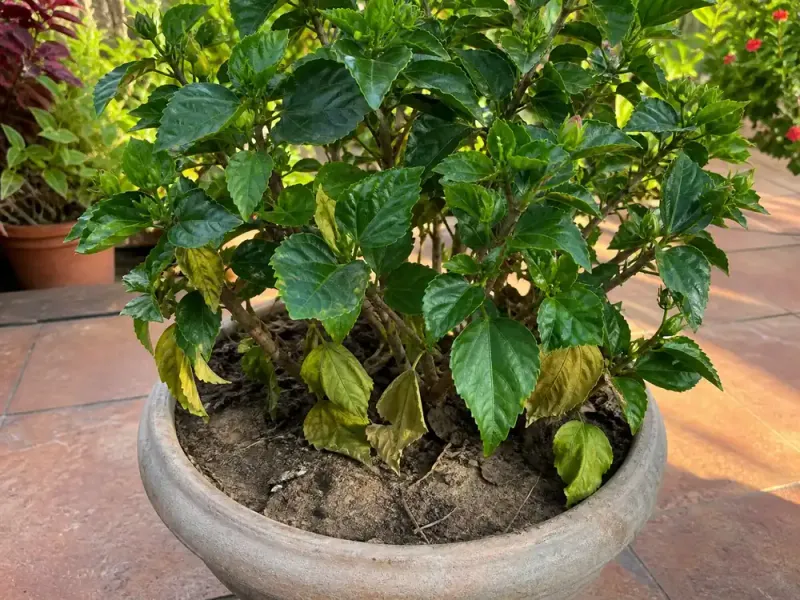
Before you water more, water less, or move the pot, spend a few minutes on triage. Yellowing can show up with too much water, too little water, weak light, cold, poor drainage, root trouble, or pests.
According to UC IPM guidance on houseplant problems, similar symptoms can have very different causes, so one sign alone is not enough to diagnose.
Start with the potting mix. Push a finger a couple of inches down and note whether it feels dry, damp, or soggy.
Then lift the pot and look at the drainage holes, the saucer, and any decorative outer pot for standing water.
Next, think back over the past few weeks. Did the plant move to a dimmer room, sit near a cold window or a vent, or come in after a chilly night?
Finally, look over the leaves, stems, and tips for anything unusual.
As the UF Emerging Pathogens Institute explains, checking soil moisture and other symptoms first keeps you from guessing. Jot down what you find, because it tells you which of the next sections matters most.
Give hibiscus the brightest suitable light
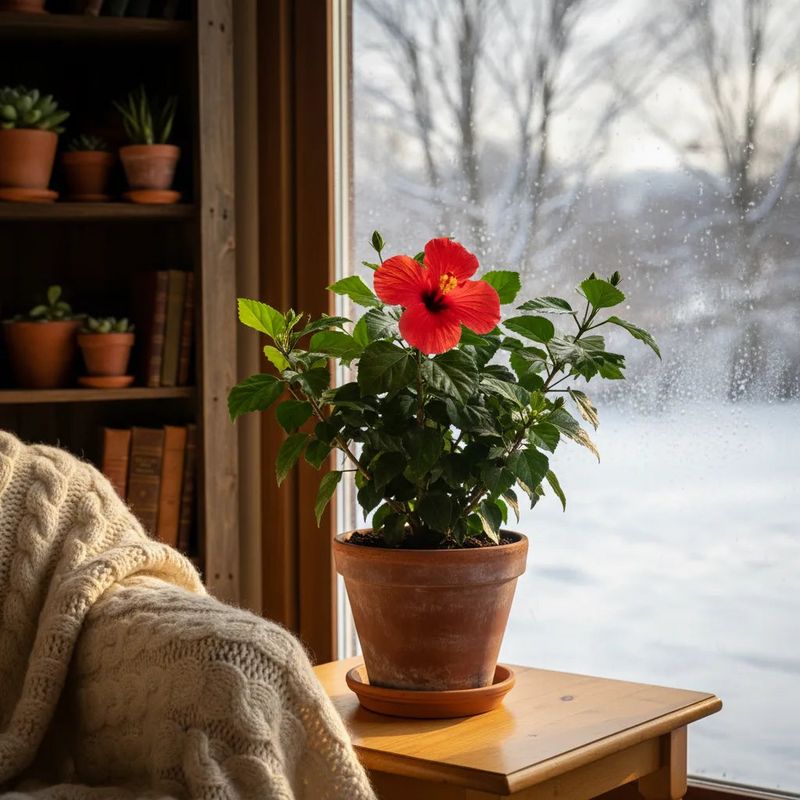
Winter light indoors is far weaker than the sun on a patio, even in a window that seems bright. Tropical hibiscus does best with a bright indoor position, and a sunny south- or west-facing window is a practical target.
If your best window is blocked by a porch roof or trees, that spot may be dimmer than it looks.
Minnesota Extension recommends 4 to 5 hours of bright, direct light for good blooming. That figure comes from that source and is a helpful benchmark rather than a rule for every home.
Set your expectations, too. A brighter window may help the plant hold its remaining leaves, but it will not necessarily stop all leaf drop.
Missouri Extension says hibiscus may bloom in a sunny window, but flowering may be sparse.
If your home cannot offer that much light, fewer flowers are the likely result. Keep the plant close to the glass without letting leaves touch cold panes.
Water according to the soil
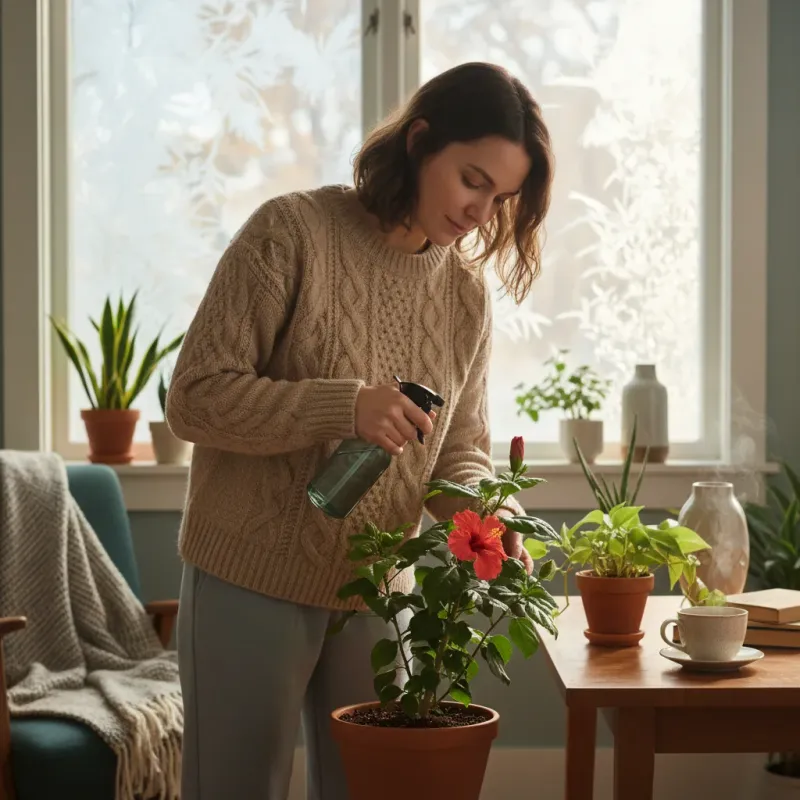
Indoors, growth slows and the plant usually needs less water than it did on the patio. The calendar is a poor guide, so let the potting mix decide.
Check it first, and in winter allow it to dry a little more between waterings than it did outdoors.
When the mix does need water, soak it thoroughly until water runs out the bottom, then empty the saucer or decorative pot. Minnesota Extension describes the goal as moist but not saturated soil, and a pot with drainage holes is essential.
Drier does not mean bone dry. Do not let the roots dry out completely or let an actively growing plant wilt, because underwatering can also turn leaves yellow.
If the soil stays soggy for days, or the plant wilts even though the mix is wet, look at the roots. Slide the plant out gently and check them.
UF Emerging Pathogens Institute guidance describes healthy roots as firm and light-colored, while soft, brown or black roots point to damage or rot. Wet soil can starve roots of oxygen, and standing water in a pot makes that worse.
Protect the plant from cold and abrupt changes
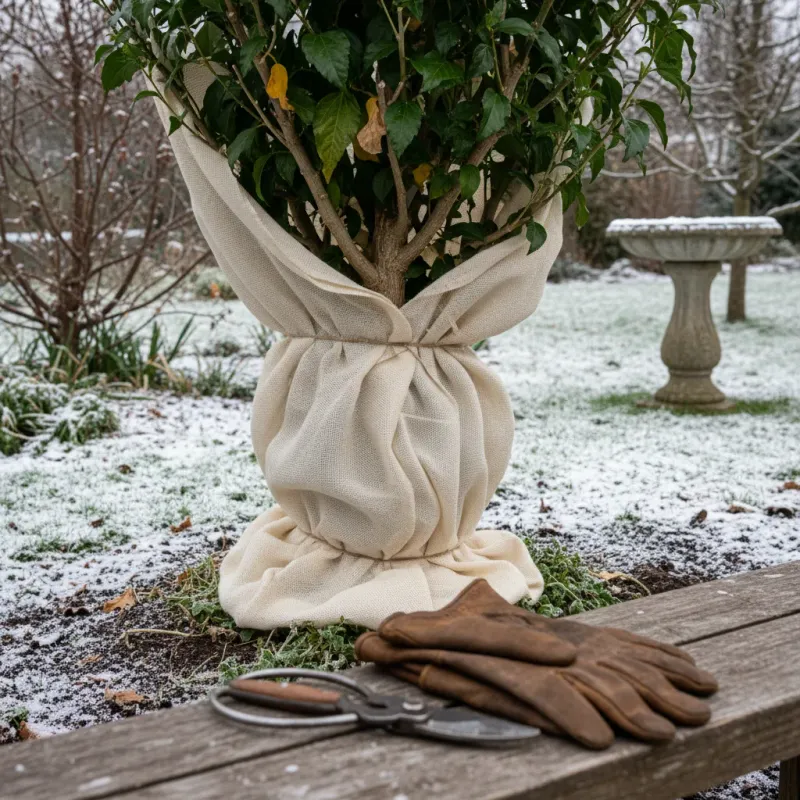
Tropical hibiscus is sensitive to cold, and Southern gardeners know a surprise cold front can arrive fast. UF/IFAS notes that even a cold wave can yellow and drop lower leaves.
So if your plant sat outside during a chilly night before you brought it in, that exposure could be part of the story.
Indoors, keep the pot away from cold drafts, leaky windows, and doors that open to the outside. Heating vents that blow hot, dry air straight on the leaves can cause stress too.
Sudden swings in temperature or light can trigger leaf loss, so move the plant gradually when you can, such as a few days in a sheltered spot before it comes fully inside.
For reference, Minnesota Extension gives 65 to 75 degrees F as a preferred indoor range, with daytime temperatures no lower than 55 degrees F. Treat those as that source’s care guidance, not guarantees.
A steady, draft-free spot matters more than hitting an exact number.
Inspect for pests before treating
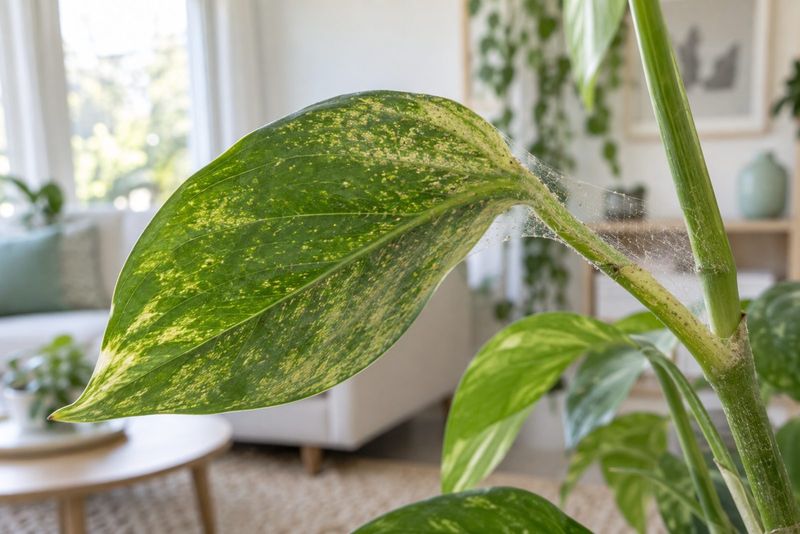
Dry indoor air and crowded plants can invite pests, and they can cause yellow leaves too. Turn leaves over and look at the undersides, then check stems and growing tips.
The usual suspects are spider mites, scale, aphids, mealybugs, and whiteflies.
Fine webbing or tiny yellow stippling on leaves can point to spider mites. Sticky residue, sooty mold, or visible insects can point to sap-feeding pests.
UC IPM houseplant guidance can help you match what you see to a likely pest.
If you find signs, move the plant away from your other houseplants. Identify the pest first, since different pests call for different responses.
Maryland Extension advises inspecting plants and treating when pests are present.
If you decide to use a pesticide, choose a product whose label allows indoor use on hibiscus and follow the directions exactly. Skip blanket sprays or neem oil applied just in case.
With no pests or signs of them, treatment adds risk without a clear benefit.
Keep winter care simple and realistic
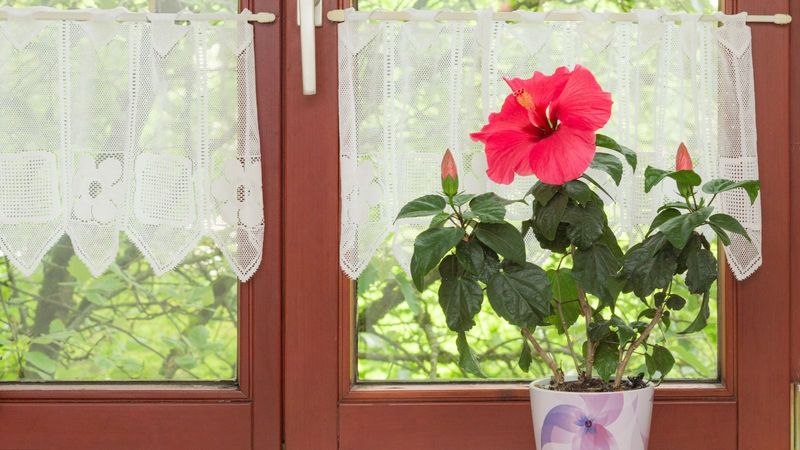
A workable winter routine is short. Give the plant the brightest suitable spot, check the potting mix before every watering, keep drainage clear, and keep it out of cold drafts.
Then watch for new symptoms, such as more yellowing, wilting, sticky leaves, or webbing, and adjust one thing at a time.
Hold off on fertilizer. It is not a quick fix for yellow leaves, and Maryland Extension advises waiting until new growth appears later in winter or early spring.
The Smithsonian Gardens care sheet also suggests cutting back or stopping feeding while overwintering.
If your home is dim, dormancy is another route for some situations. Missouri Extension notes that a dormant plant can be kept in a cool, frost-free place with much less water, though its roots should not dry out.
Recovery can be slow, and flowers may be sparse or absent until the light improves. A plant that holds steady through winter is already doing its job.