
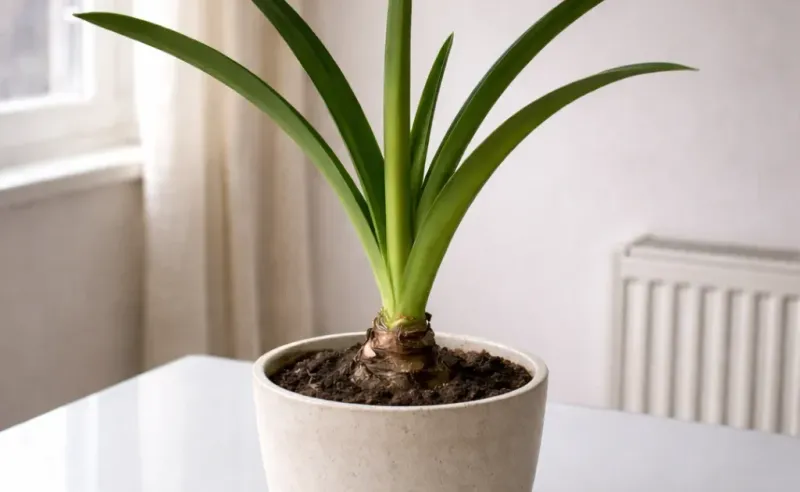
A pot full of strong green leaves and no flower stalk can feel like a plant that is teasing you. A skipped cool rest is one possible reason, but it is not the only one.
Sorting out the likely causes can save you a lot of guessing. Here is how to check your bulb, plan a rest if it makes sense, and aim for blooms on a realistic schedule.
A missed fall rest is not the only explanation
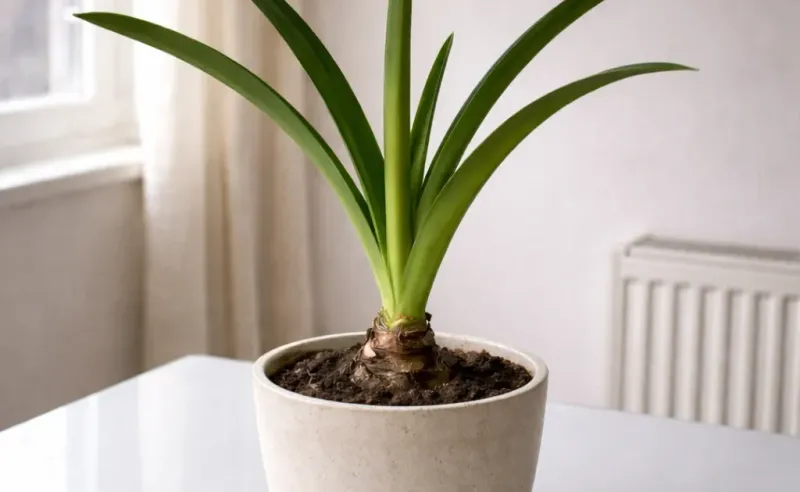
The big trumpet-flowered bulbs sold every holiday season are usually Hippeastrum hybrids, even though most stores label them amaryllis. That matters because a skipped fall rest does not automatically explain a plant that makes leaves and no flowers.
Extension advice actually differs. University of New Hampshire Extension says these plants can rebloom without dormancy, and Illinois and Minnesota Extension describe a dry rest mainly as a way to control when flowers appear.
Iowa State Extension, on the other hand, recommends a cool period to help the bulb flower.
So think of a rest as a scheduling tool that may help, not a cure that every bulb needs. Two things matter most for your leafy plant.
First, protect the energy stored in the bulb. Second, review the light and care it has been getting.
The next sections walk through both.
Green leaves help replenish the bulb
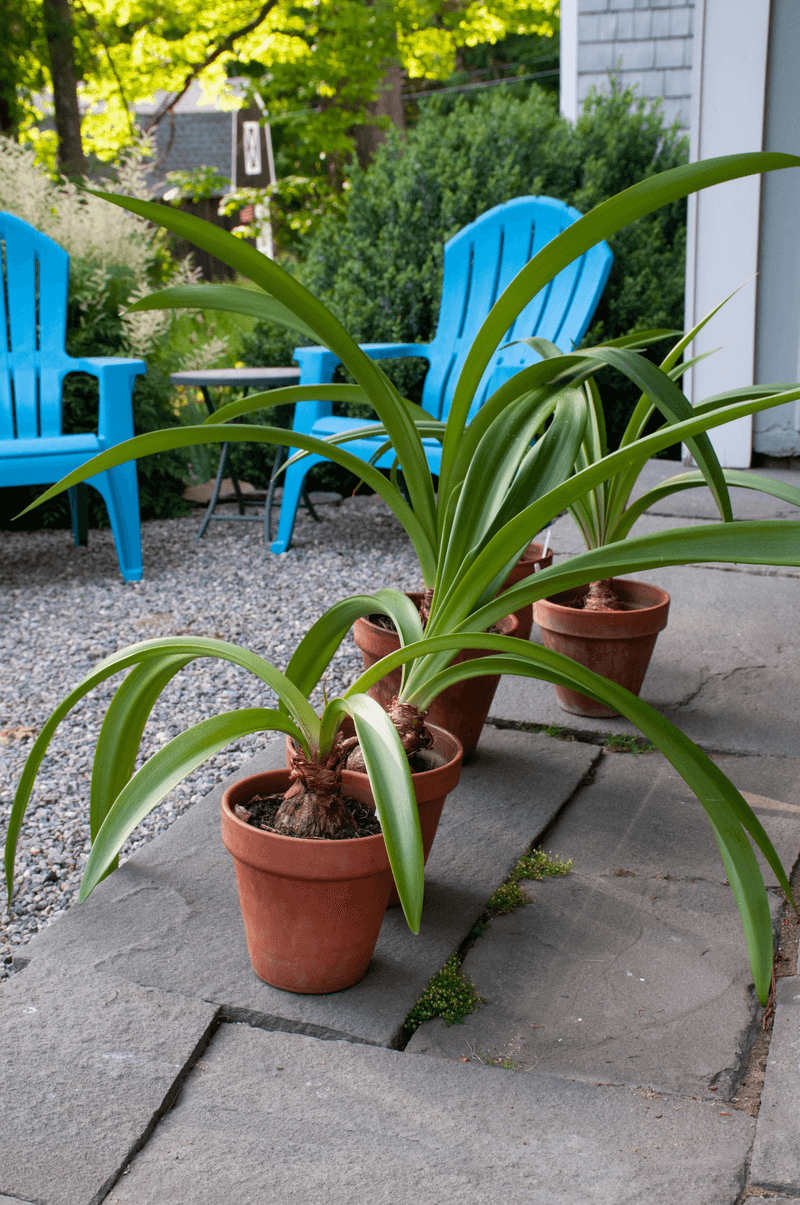
Think of the leaves as solar panels that recharge the bulb. Through photosynthesis they build up the reserves a bulb needs to make flowers later, so healthy green foliage is something to protect.
After the blooms fade, snip off the spent flowers so the plant does not spend energy making seeds. Leave the green leaves and a healthy green flower stalk in place until they yellow or wither, as advice from Illinois Extension and Iowa State Extension describes.
While the plant is actively growing, give it a bright spot and water when the top of the soil feels dry. Feed it regularly with a houseplant fertilizer during this growth period, as the New Hampshire guidance suggests.
Cutting leaves early or letting the pot sit in the dark through spring and summer can cost you the stored energy that future flowers depend on.
Allow enough time for a planned December bloom
Calendar math comes before any care steps. Extension guidance commonly calls for a rest of roughly 8 to 12 weeks, and University of Minnesota Extension notes flowers may follow about 4 to 6 weeks after growth restarts.
Add those together and you get roughly 12 to 18 weeks from the day the rest begins.
Counting backward from December, that points to a start in late summer or early fall. A bulb put into rest in late October leaves too little time, so holiday blooms from that start would be a long shot.
Real timing varies from bulb to bulb.
If you missed the window, do not force a deadline. Keep the leaves green and healthy, and plan a rest for a later bloom.
A flowering plant in late winter or spring is still a nice reward, and a well-fed bulb gives you better odds than a rushed one.
Use a cool, dry, frost-free rest to schedule flowering
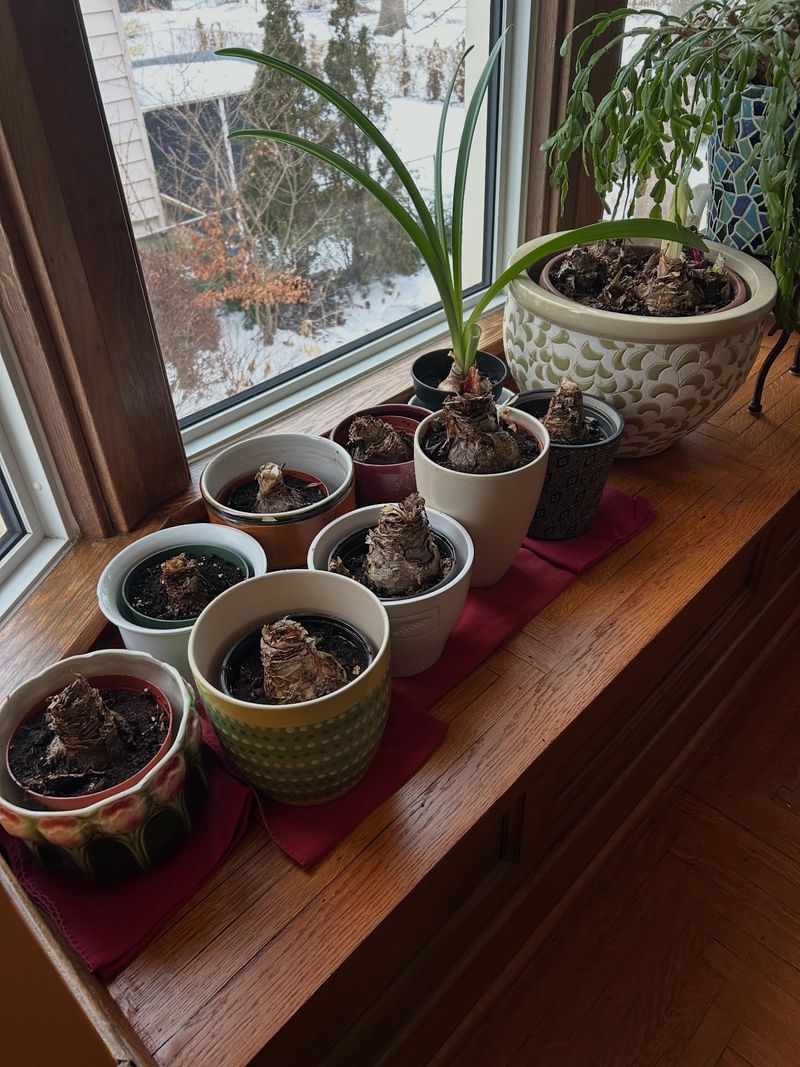
Start the rest by stopping water. Move the pot to a cool, dry, dark spot and leave it there for roughly 8 to 12 weeks.
Let the leaves yellow or die back on their own before you remove them.
Advice on how cool varies. Minnesota gives about 50 to 60°F, Illinois suggests 45 to 55°F, and Iowa State says 50 to 55°F.
Treat these as ranges, not one exact rule. In a warm Southern home, a spot like an interior closet or a sheltered, cool room may come closest.
A few cautions apply. Never let the bulb freeze.
Do not keep it wet during the rest. And do not cut green leaves to force dormancy, since Iowa State advises trimming only after foliage turns brown.
Restart growth with light and water
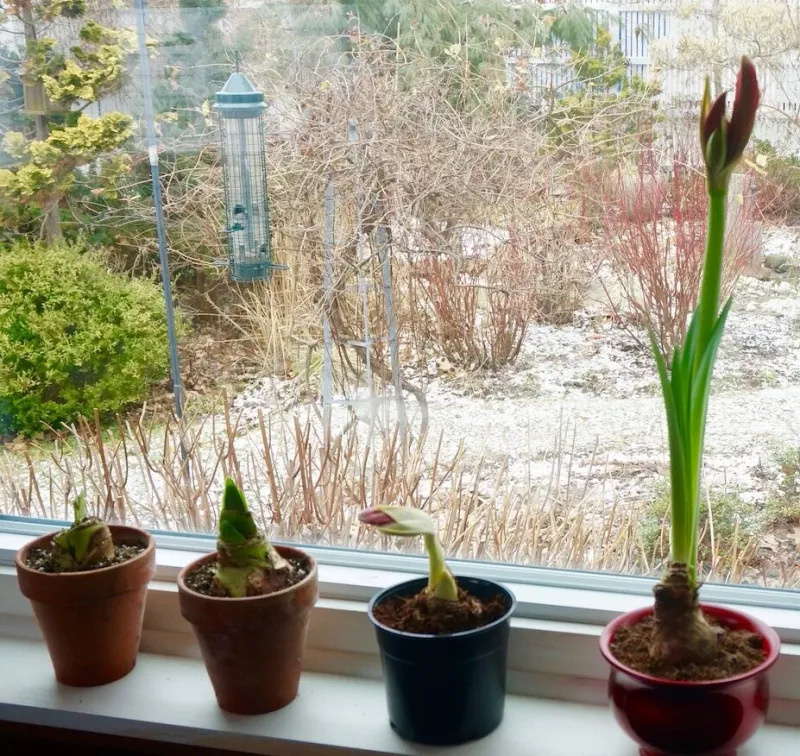
When the rest period ends, bring the pot back into bright light and give it a good drink of water. From there, return to regular care, including steady watering and feeding while new growth appears.
Patience is part of the plan. Minnesota Extension and New Hampshire Extension describe flowers appearing about 4 to 6 weeks after growth resumes, as long as the bulb has stored enough energy.
That condition is the catch. A bulb that spent the growing season in poor light may send up leaves and skip the flower stalk, so no one can promise a bloom or an exact date.
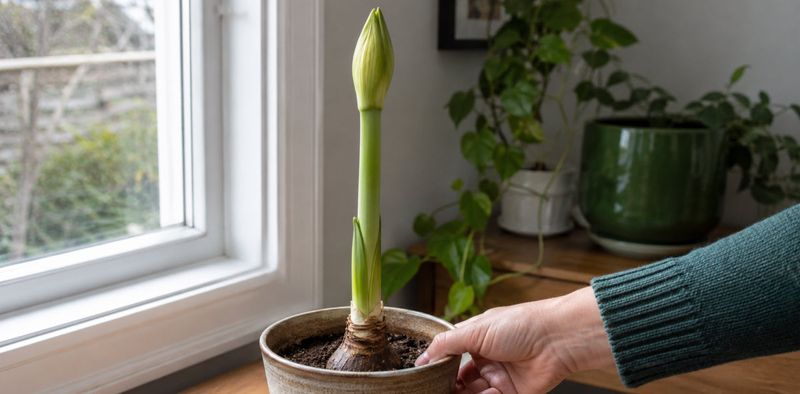
Watch for a green tip pushing up from the neck of the bulb, and turn the pot now and then so the stalk grows straight.
Check light and growing-season care if flowers still do not return
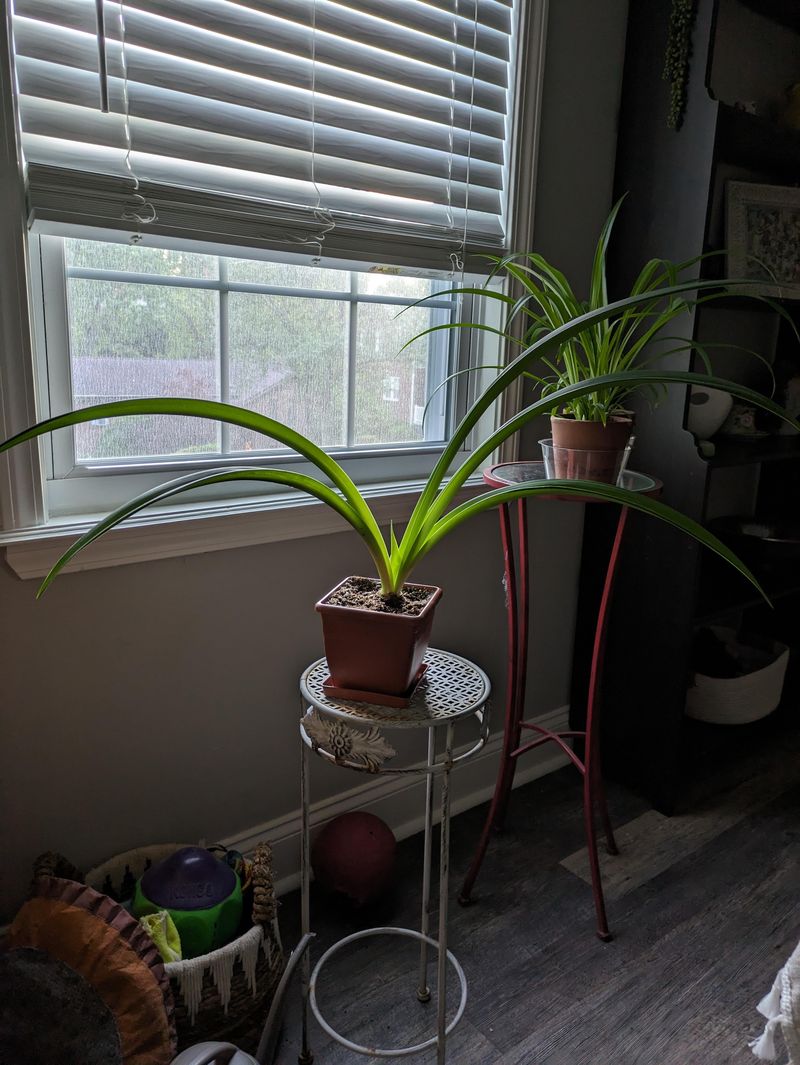
If a rest does not fix the problem, look at the plant’s history. Iowa State Extension points to insufficient stored carbohydrates, along with too little light or poor spring and summer care, as possible reasons for a bulb that will not bloom.
UF/IFAS adds more possibilities for foliage without flowers: too much shade, digging bulbs too early, excess water, rich soil, or too much nitrogen. Any of these may apply to your plant, though none is a sure diagnosis.
Ask a few plain questions. Did the leaves get bright light last year?
Were they cut off early? Has the pot stayed soggy, or has the plant been fed heavily with a leafy-growth fertilizer?
Fixing what you find, rather than resting the bulb again and again, often gives it a better chance at flowers in time.
Florida landscape plants follow a different rhythm
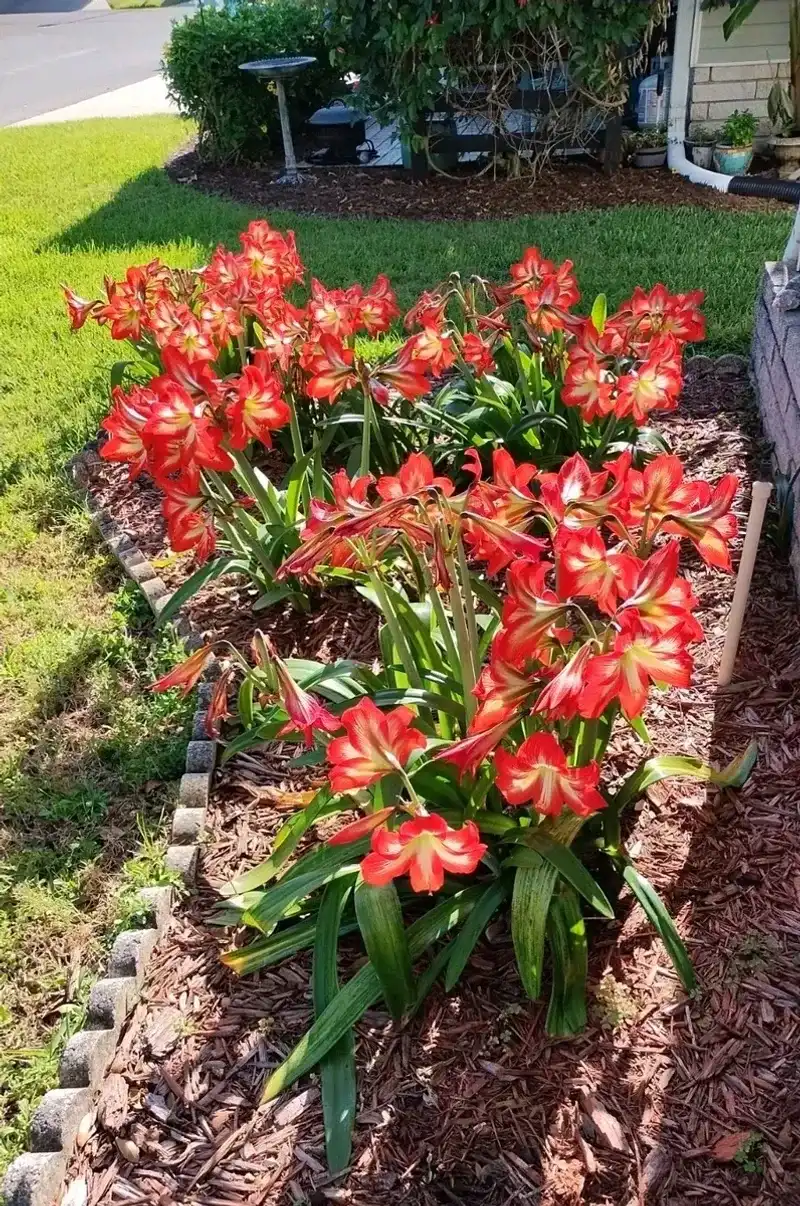
Hippeastrum planted in a Florida landscape do not live by an indoor holiday calendar. UF/IFAS describes their foliage as often lasting much of the year, with outdoor flowering typically in early spring.
It also describes a 6 to 8 week dry rest as one way to force late-winter bloom.
That advice is specific to Florida. The sources here do not give a statewide schedule for Texas, so Texas gardeners should watch their own local frost dates and conditions rather than copy Florida’s timing.
Potted bulbs can spend summer outdoors too. Illinois Extension and New Hampshire Extension advise moving them out after frost risk passes, adjusting them gradually to brighter light, and bringing them in before frost.
Plan for the next bloom, not a forced deadline
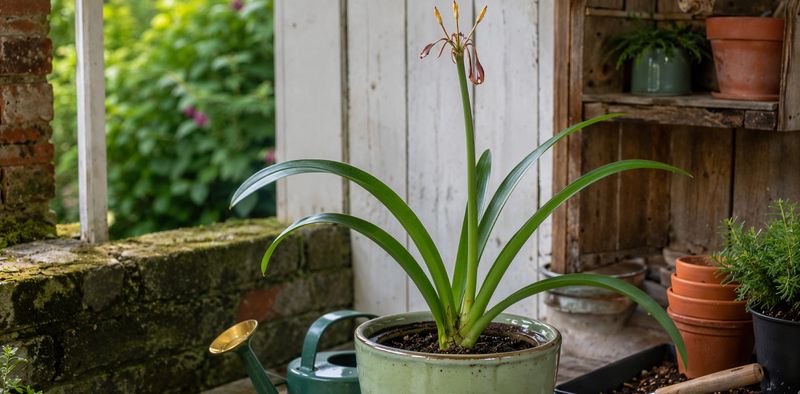
Keep the leaves green and growing if the bulb is not ready to rest. When timing allows, a cool, dry rest can help schedule a future bloom.
If the plant stays bloomless, review its light and care.
A late start may push flowers past the holidays, and that is fine. A well-fed bulb will reward patience far better than a rushed one.