
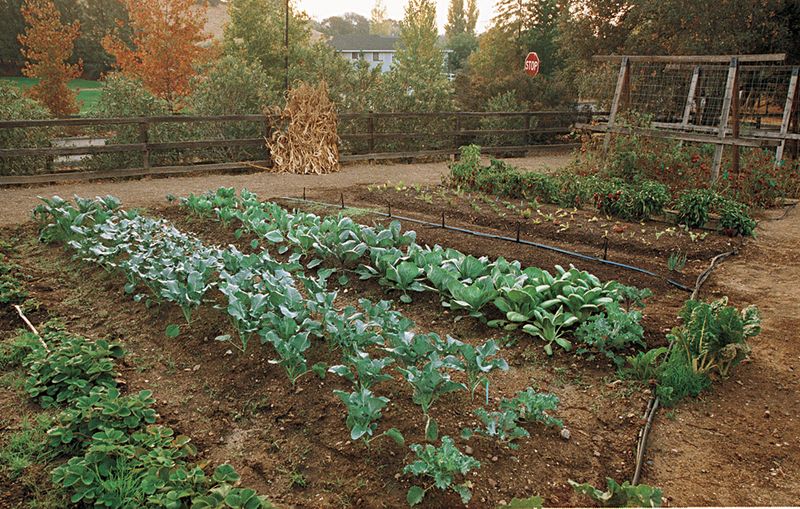
Winter is secretly the best vegetable season in much of California. Cool nights, rain on the way, and mild days let crops like lettuce, peas, and garlic grow with very little extra water.
But what works in foggy Half Moon Bay can flop in hot Fresno, so timing and plant choice really matter. This checklist walks you through ten simple steps to match your winter garden to your own slice of California.
1. Know Your Microclimate Before You Plant
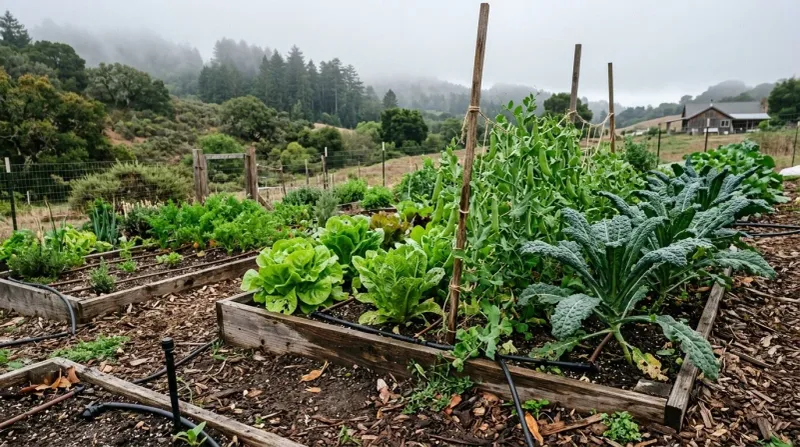
Two gardeners can live forty miles apart in California and garden on completely different planets. Along the coast, marine fog keeps winter days cool and damp, while inland valleys swing from warm afternoons to frosty mornings.
Knowing which side of that line you sit on shapes every choice that follows.
Start by looking up your Sunset climate zone, which tends to describe California conditions better than the USDA map alone. Coastal zones like 17 and 24 rarely freeze, so you can plant almost all winter.
Valley zones like 8, 9, and 14 can see hard frosts in December and January.
Jot down your average first frost date and note where cold air settles in your yard. Low spots near fences often run a few degrees colder.
That little notebook page may save you a whole bed of seedlings.
2. Time Your Planting Window by Region
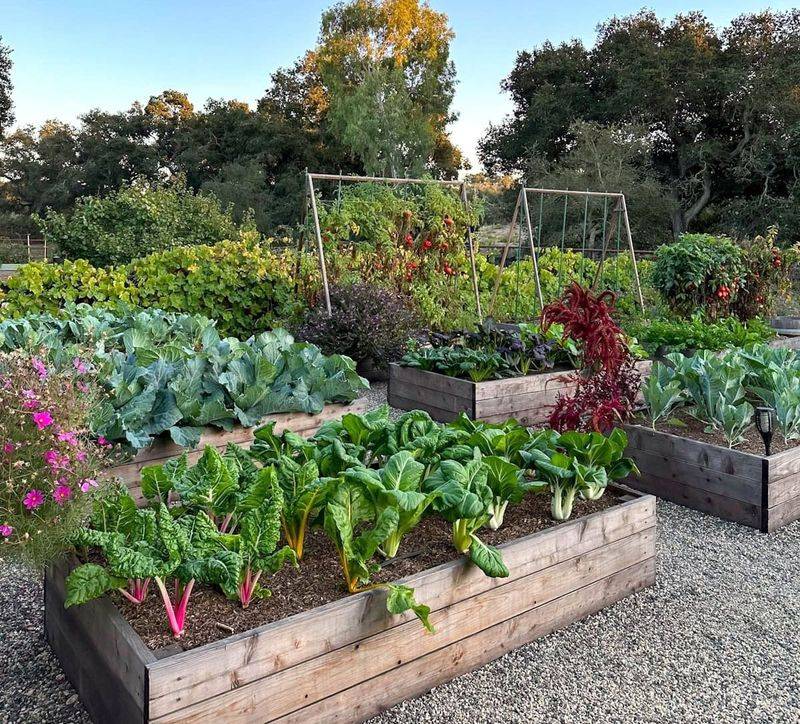
Here is a fun twist: in California, fall is planting season, not cleanup season. Most winter crops need warm soil to sprout and cool air to mature, so getting them in early pays off.
In hot inland areas like Sacramento, Riverside, or the San Joaquin Valley, aim for late September through October once daytime highs drop below about 90 degrees. Plant too late and frost slows everything down until spring.
Coastal gardeners have more slack. From San Diego to the Bay Area, you can often keep sowing greens and peas into December and even succession plant through February.
Southern California deserts are a special case, with a prime window from October to early November.
3. Build Rich, Well-Draining Soil
Winter rain is a gift, but soggy clay can rot roots faster than any pest. Many California yards sit on heavy adobe clay that holds water for days after a storm.
Work two to three inches of compost into your beds before planting. Compost can help clay drain better and help sandy coastal soils hold moisture longer.
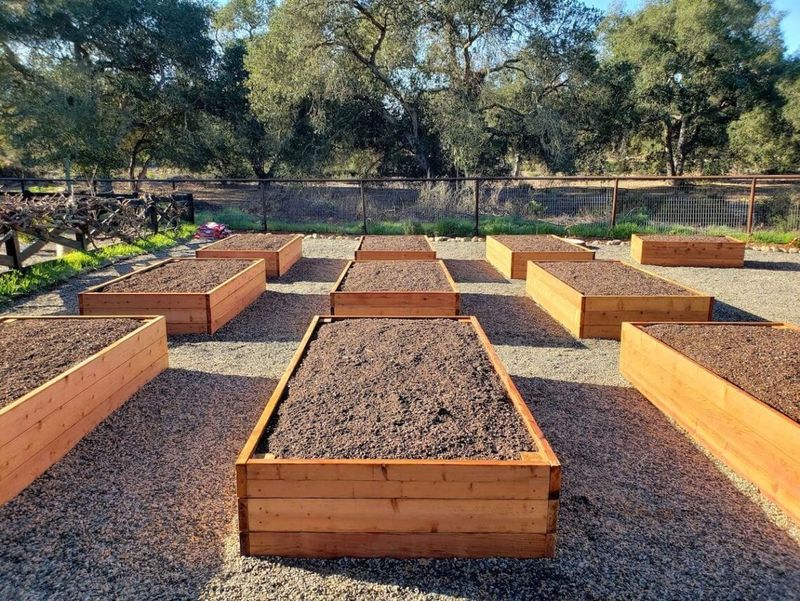
Raised beds are a smart upgrade if your yard puddles every January.
Skip harsh synthetic overloads. A balanced organic fertilizer gives leafy crops a steady boost, and healthy soil supports earthworms and the tiny life that keeps a garden humming.
4. Leafy Greens for Every Zone
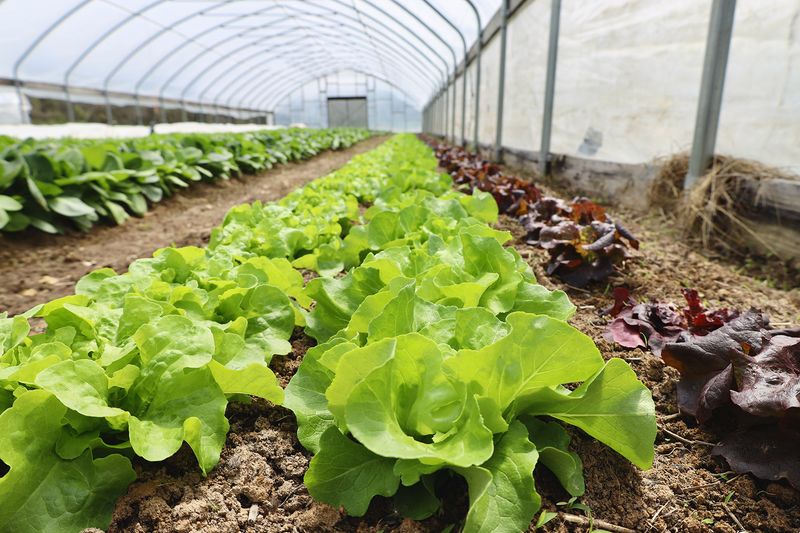
If you only grow one thing this winter, make it greens. Lettuce, spinach, kale, chard, and arugula are forgiving, quick, and love cool weather.
In the fog belt, lettuce and spinach can grow almost nonstop, rarely bolting thanks to steady cool temps. Inland, kale and chard shrug off light frost and often taste sweeter after a cold snap.
Try harvesting outer leaves instead of pulling whole plants. One planting of chard can feed a family from November into spring.
5. Brassicas That Love Cool Nights
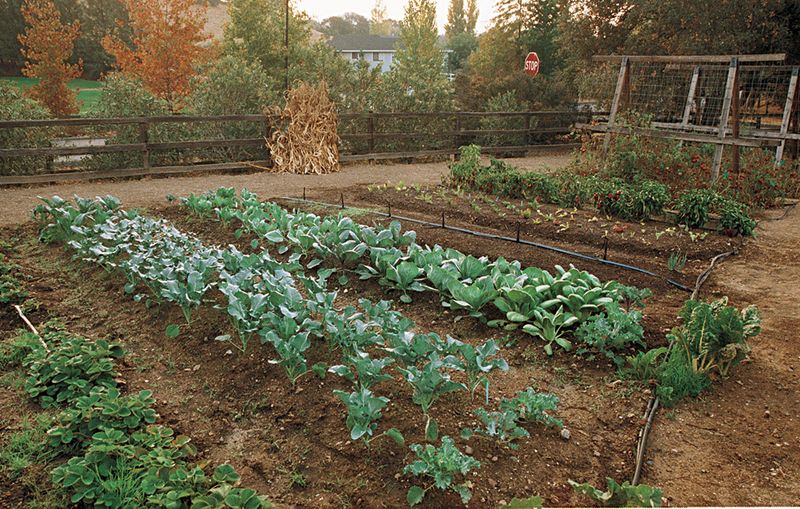
Broccoli is a bit of a drama queen in summer heat, but give it a California winter and it shines. Cabbage, cauliflower, and Brussels sprouts feel the same way.
Inland gardeners should transplant seedlings early so heads form before deep cold or spring heat. Coastal growers can plant a little later and often get bigger, slower-growing heads.
Watch for cabbage worms and aphids. Hand-picking, a strong water spray, or lightweight row cover can reduce damage without harming bees and ladybugs nearby.
6. Root Crops for Sweet Winter Harvests
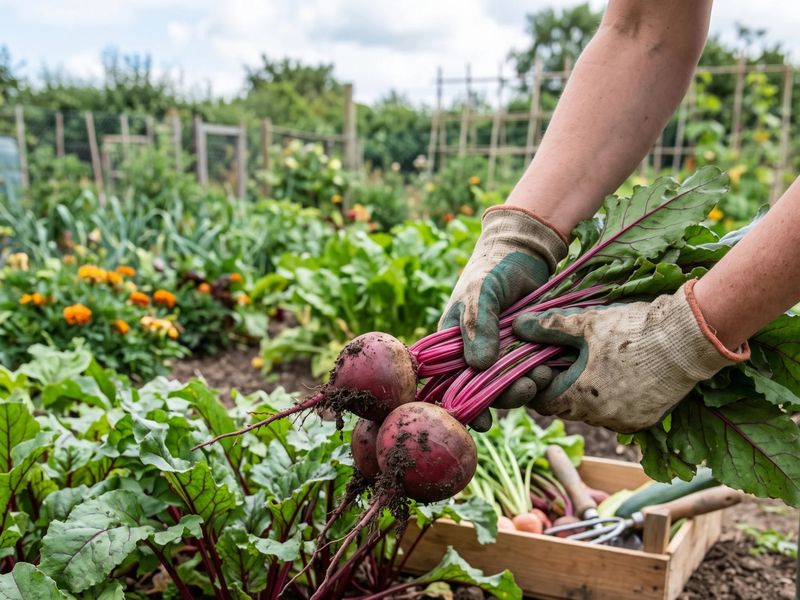
Ever bitten into a carrot pulled on a chilly January morning? Cold weather can push plants to store sugar, which is why winter roots often taste candy-sweet.
Sow carrots, beets, radishes, and turnips directly into loose soil, since they dislike being transplanted. Radishes may be ready in a month, a nice confidence boost for kids or new gardeners.
Keep seedbeds evenly moist until sprouts appear, especially inland where autumn heat lingers. A thin layer of burlap or shade cloth helps hold moisture.
7. Garlic, Onions, and Peas for the Long Game
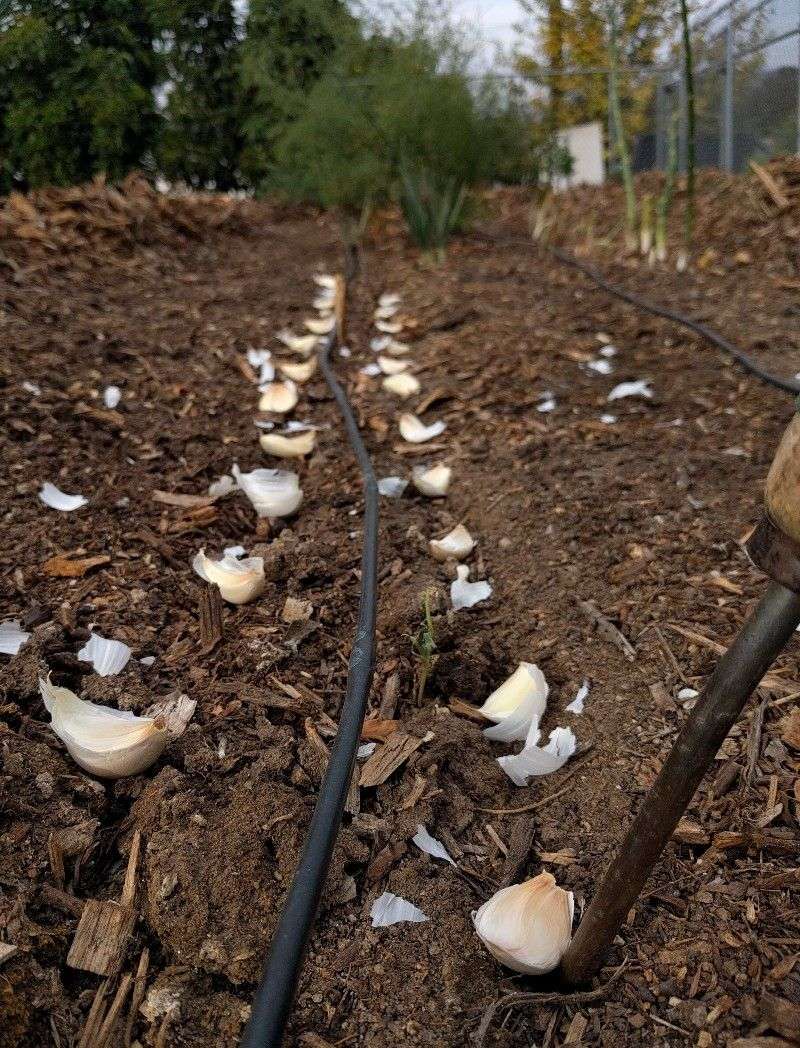
Patience gets rewarded here. Garlic planted in October or November will not be ready until early summer, but it asks for almost nothing in between.
Choose softneck types, which usually handle California’s mild winters better than hardneck varieties needing deep chill. Short-day onions suit Southern California, while intermediate types fit Northern regions.
Peas round out the trio with quick winter rewards. Give them a trellis and enjoy snap peas from January on.
Their roots also partner with soil bacteria to add nitrogen.
8. Water Wisely and Capture Winter Rain

Drought never really leaves the conversation in California, and winter is when you can bank water. A rain barrel or two can catch hundreds of gallons from a single storm.
Switch irrigation timers off after good rains, and check soil with your finger before watering. Many local districts offer rebates on rain barrels and drip systems, so check with your water agency.
Drip lines and soaker hoses put water at the roots and keep leaves dry, which can lower disease risk during damp coastal stretches.
9. Protect Crops from Frost and Pests
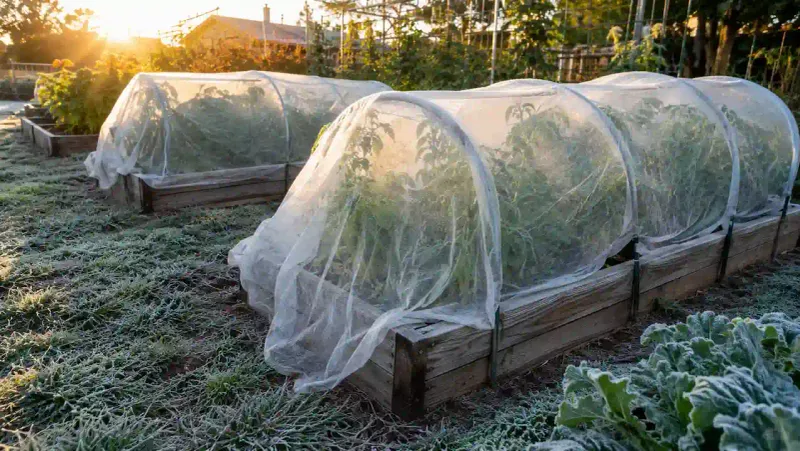
A clear, still night in the valley can drop below freezing with little warning. Lightweight frost cloth draped over beds can add a few protective degrees.
Remove covers on sunny days so plants do not overheat. Coastal gardeners worry less about frost and more about snails and slugs, which thrive in fog and rain.
Iron phosphate baits are generally considered safer around pets and wildlife than older metaldehyde products. Beer traps and copper strips are simple extras worth trying.
10. Invite Pollinators and Beneficial Wildlife
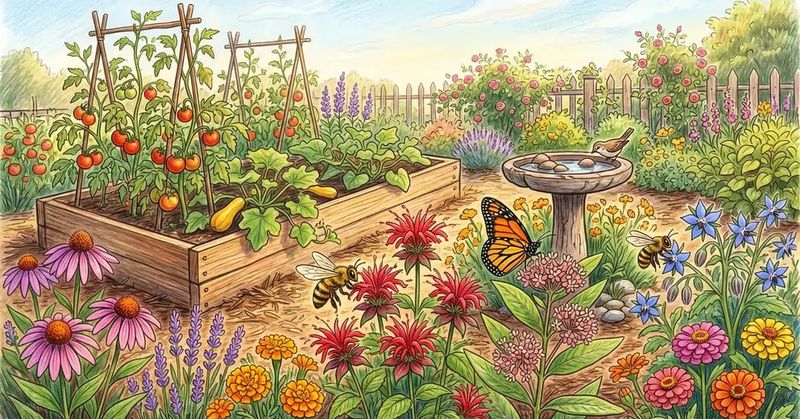
Bees do not vanish in winter here. Native bees and hummingbirds keep foraging on mild days, and your garden can be a lifeline when little else blooms.
Tuck in sweet alyssum, calendula, or California poppies between vegetable rows. These flowers can attract hoverflies and lacewings that help control aphids naturally.
Leave a small patch of bare soil for ground-nesting bees and avoid broad-spectrum sprays. A lively winter garden often means fewer pest problems come spring.