
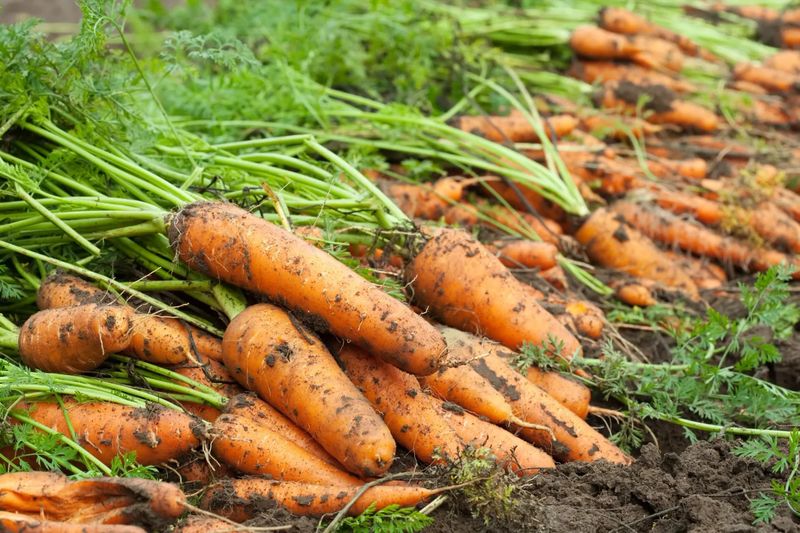
Few garden snacks beat a crisp, sweet carrot pulled straight from the bed. Plenty of gardeners hear that you must wait for frost to get that flavor.
In the South, where frost may come late or barely at all, that advice can leave you guessing. Here is a better way to decide when your carrots are ready.
Frost is not a guaranteed sweetness switch
Gardeners love the saying that frost sweetens carrots, and there is some truth tucked inside it. Cold can change how carrots hold sugar.
Still, one chilly night in the garden is not a magic switch.
Here is where the idea comes from. A low-temperature storage study found that harvested carrots lowered their starch and built up sucrose in the cold.
Those roots were already out of the ground. Separately, a controlled-temperature study looked at carrots grown at different temperatures, which is a different question again.
Neither one shows that a single light frost will reliably sweeten every carrot still in your bed. So skip the waiting game and ask better questions.
How big are the roots, how do they taste, and what is the weather doing? Those three answers will guide your harvest far better than a frost date on the calendar.
Variety and growing conditions shape flavor
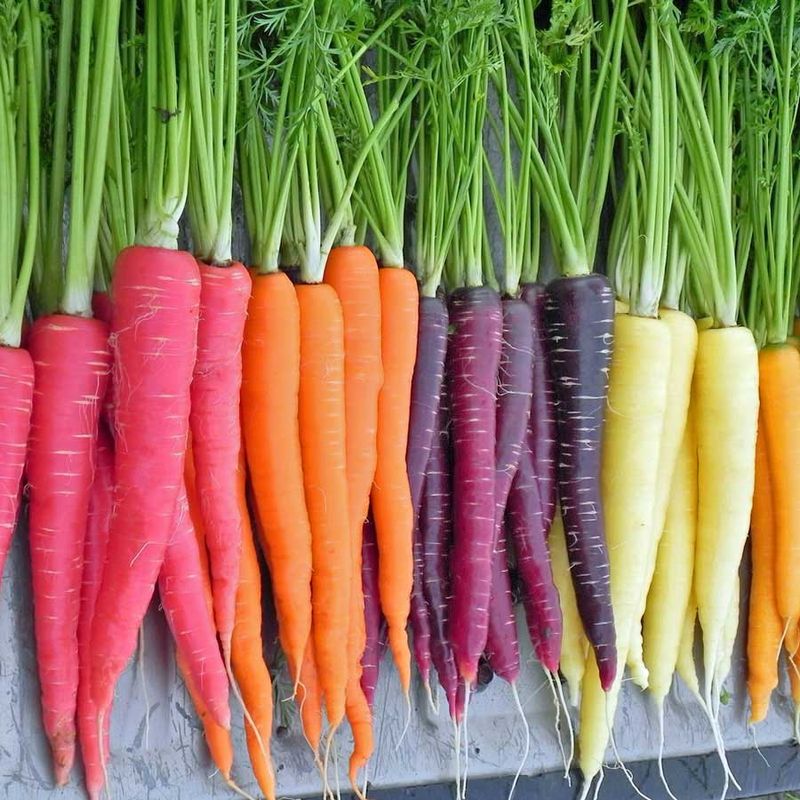
Two carrot varieties grown side by side can taste surprisingly different. Some lean sweet, others carry a bitter or earthy edge.
A peer-reviewed review of carrot quality reports big differences among varieties in both sweet and bitter taste, and climate plays a part too.
Temperature is one of the growing conditions that matters. In the controlled-temperature research, carrots grown at lower temperatures tasted sweeter and held more glucose and fructose than those grown warmer.
That points to cool growing weather as a possible helper for flavor.
Notice what that result does not say. It does not promise that one frost will turn a bland carrot into a sweet one.
Frost is not required for good carrots either.
If your last batch tasted flat, think about the variety you chose, how warm the weeks of growth were, and how old the roots were. Trying a different variety next season may do more for flavor than any frost.
Heat and overmaturity can hurt texture
Bland, woody carrots usually have other suspects than harvest timing. Warm weather is a prime one.
A USDA Risk Management Agency carrot document notes that high temperatures can produce strong flavor, coarser roots, and poorer texture.
Age matters as well. Roots left in the bed well past their prime can turn tough or crack, and UF/IFAS guidance flags overmaturity as a quality concern.
These are documented contributors, not the explanation for every disappointing carrot. Soil, water, and variety still play roles.
Here is a quick diagnostic. If your carrots grew through a hot stretch and taste harsh, heat is a likely culprit.
If they are thick, rough, and split, they may simply have stayed in the ground too long. Either way, digging a little earlier is not the villain.
Check root size and taste a sample
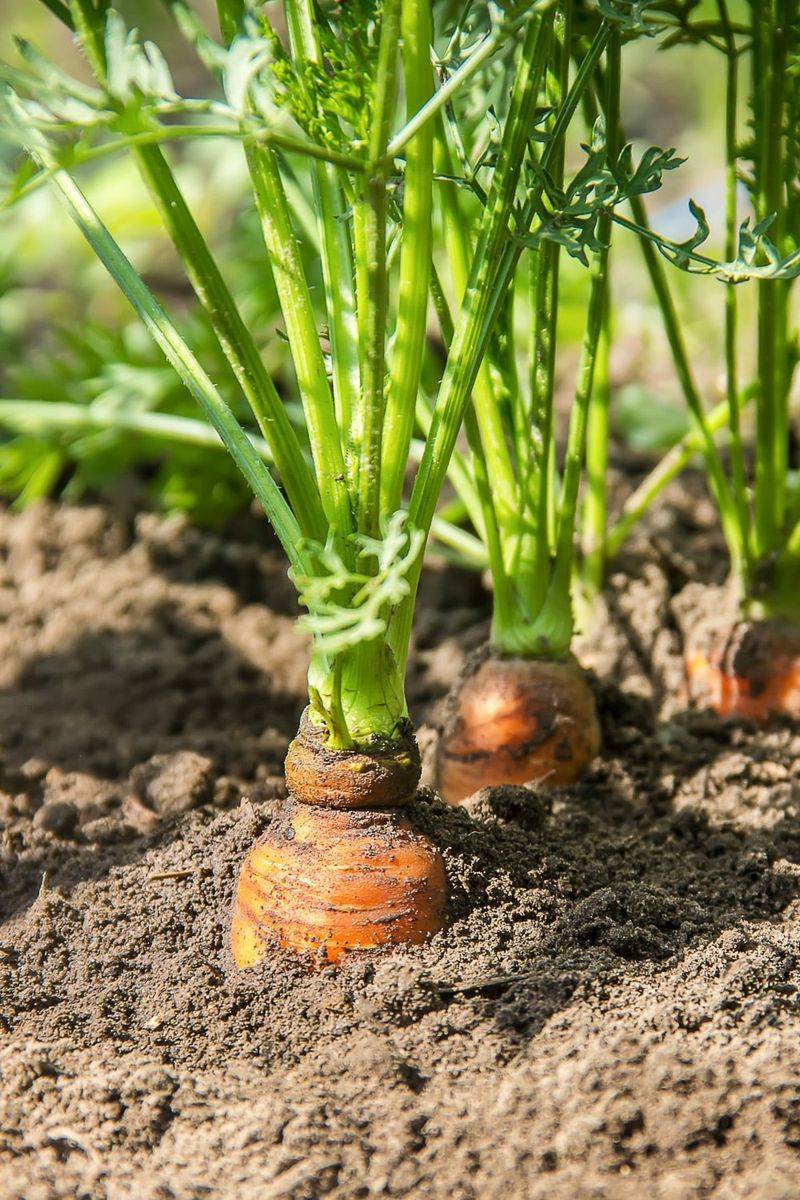
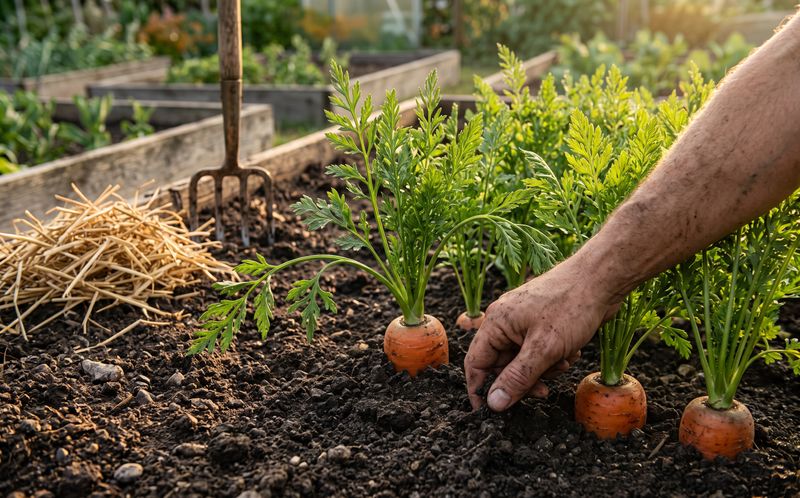
The most reliable harvest tool is already in your hands. Brush the soil back from a carrot’s shoulder and see how wide it looks.
Then pull one and taste it.
That sample tells you about size, sweetness, and crunch all at once. If the carrot is crisp and sweet, start harvesting.
If it is thin or mild, give the bed more time and test another in a week.
UC IPM guidance says carrots tolerate light frost and can stay in the ground into winter where the soil does not freeze. It also warns that carrots left too long can become overmature, tough, or cracked.
So leaving them in the bed is an option, not a requirement. Sampling beats frost timing because it tells you what is happening in your own garden, with your own variety, this season.
Use regional planting guidance, not a Southern frost date
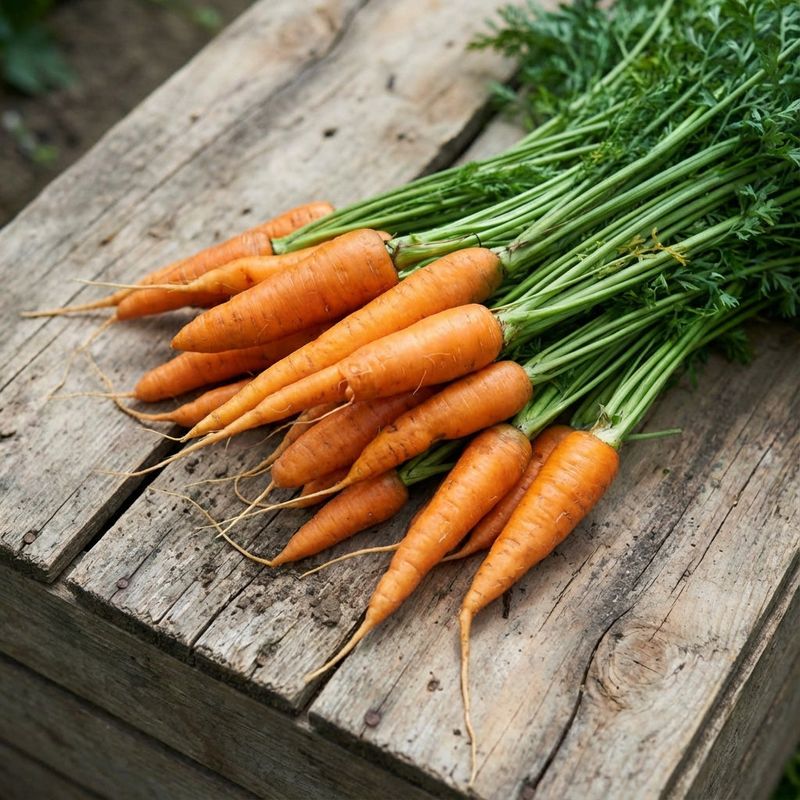
Frost may not be a useful cue where you garden. Across much of Florida and Texas, carrot season runs long and the weather varies from place to place.
For Florida, UF/IFAS gives planting windows of August through March in North and Central Florida and September through March in South Florida. Home-garden harvest comes roughly 70 to 120 days after planting, depending on variety.
Texas A&M AgriLife advises planting a fall crop in August in many areas, while South Texas can plant from July through February. It lists 70 to 80 days to harvest and suggests loosening the soil before pulling roots.
Treat these as regional guides, not universal dates. Count the days from your own planting, then check root size and taste.
Do not postpone harvest just to wait on a cold snap.
Protect carrots you leave in the bed
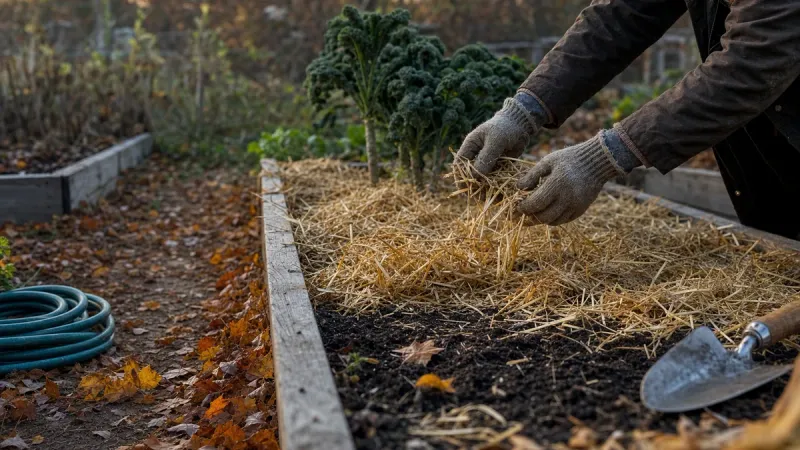
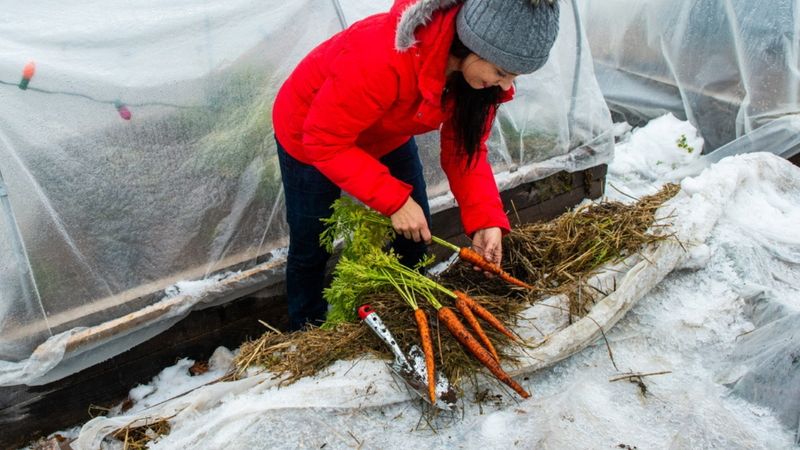
Leaving carrots in the bed can work, with a little protection. A layer of straw or shredded leaves may help insulate roots after a light frost.
University of Maryland Extension and UC IPM both point to mulch and to harvesting before a hard freeze or before the soil freezes.
Keep two things apart in your mind. Frost on the leaves is not the same as roots freezing underground.
UC Davis reports freezing injury in harvested carrots at about 29.5°F or lower, but that is a postharvest figure, not a safe limit for carrots still in the soil.
When a hard freeze is in the forecast, pull what you want to keep. Otherwise, weigh root size, a taste test, maturity, and freeze risk together.
Sweetness is a bonus you check by tasting, not a promise you wait for.