
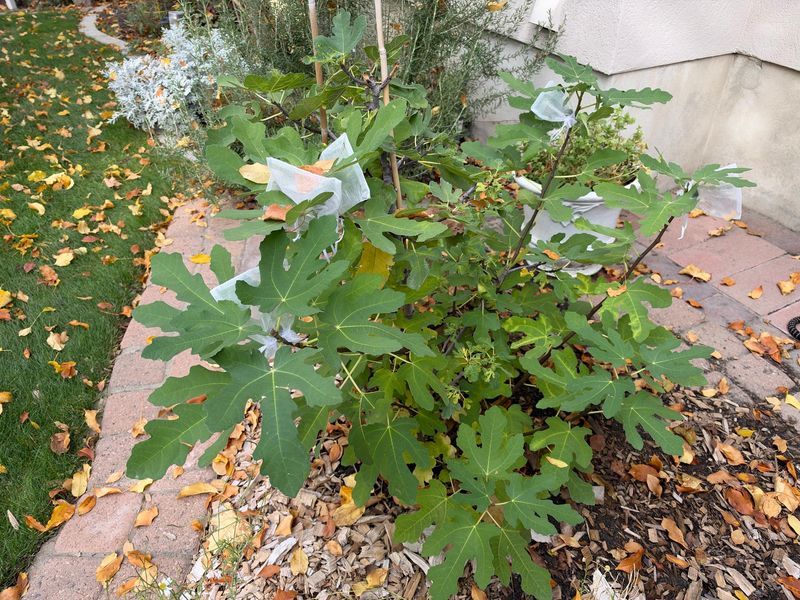
A fig that took years to settle in can lose its top growth in a single hard freeze. Many Southern gardeners wonder if one quick step before winter can keep the tree safe.
The answer depends on where you live, what kind of fig you grow, and how cold your yard really gets. Here is how to decide, what to do, and what not to promise yourself about next summer’s harvest.
Decide whether your fig needs winter protection
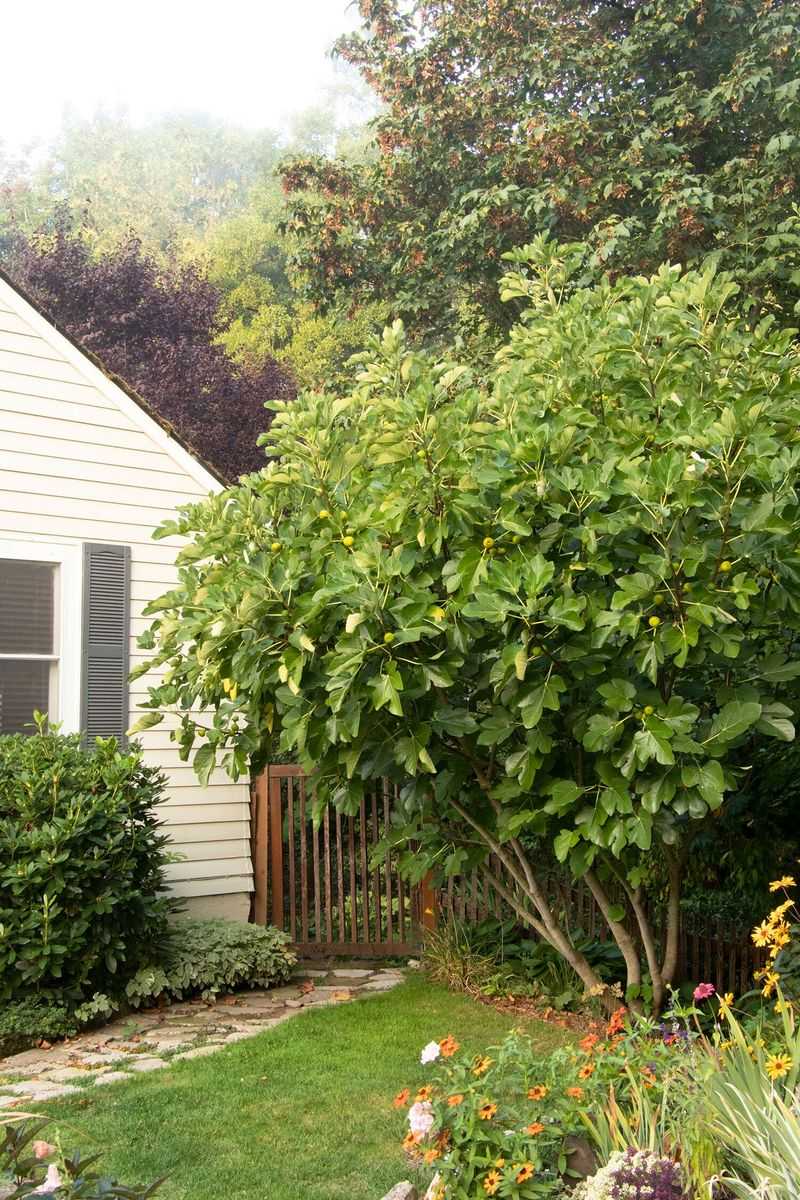
Start with your own yard, not a calendar date. Texas A&M guidance says figs grow across the state and do especially well along the Gulf Coast, but far northern and western areas may need supplemental cold protection.
Florida advice is more specific. UF/IFAS recommends common figs there and says they tolerate temperatures down to about 18°F.
Treat that number as a rough guide, not a promise that every tree survives every freeze.
Next, look at the site. Texas A&M notes that local topography and microclimates change freeze conditions, so a fig in a low spot may get hit harder than one near a warm wall.
Plants also respond to cold based on how well they have acclimated, as UF/IFAS cold protection advice explains. A sudden drop after warm weather can do more harm than the same low reached gradually.
Watch the forecast, judge the likely severity, and protect only if your risk is real.
Insulate stems and roots where cold exposure warrants it
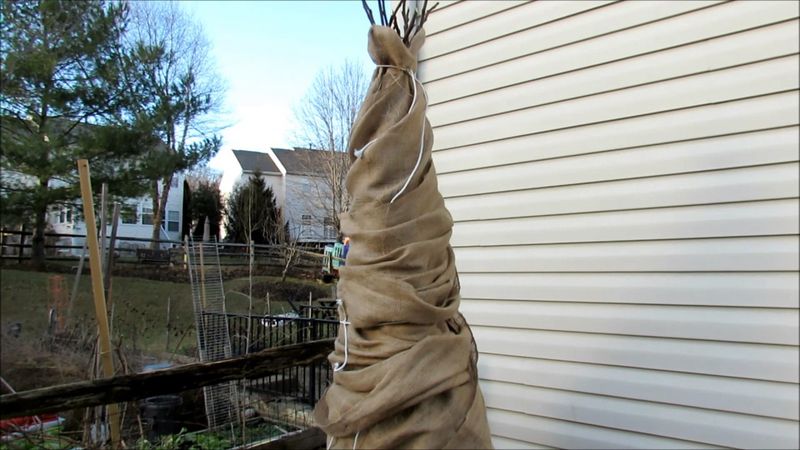
Where cold exposure is a genuine concern, insulation is the main tool. Texas A&M recommends mounding hay 2 to 3 feet above the ground line of mature trees at the onset of winter.
Young trees get a different setup. Build a wire cage around the plant and fill it with hay so the stems and lower trunk stay buffered from the worst cold.
Picture a gardener in the northern edge of Texas pulling hay up around a three-year-old fig in late fall. That makes sense there.
A gardener near Galveston, where freezes are milder and rarer, may not need it at all.
Tree shape matters too. Texas A&M notes that bush-form figs are easier to protect from freezes than single-trunk trees, since there is less exposed trunk and more low wood to cover.
Protection can lower the risk of winter injury, but it cannot guarantee the tree survives.
Use a temporary cover for a forecast frost
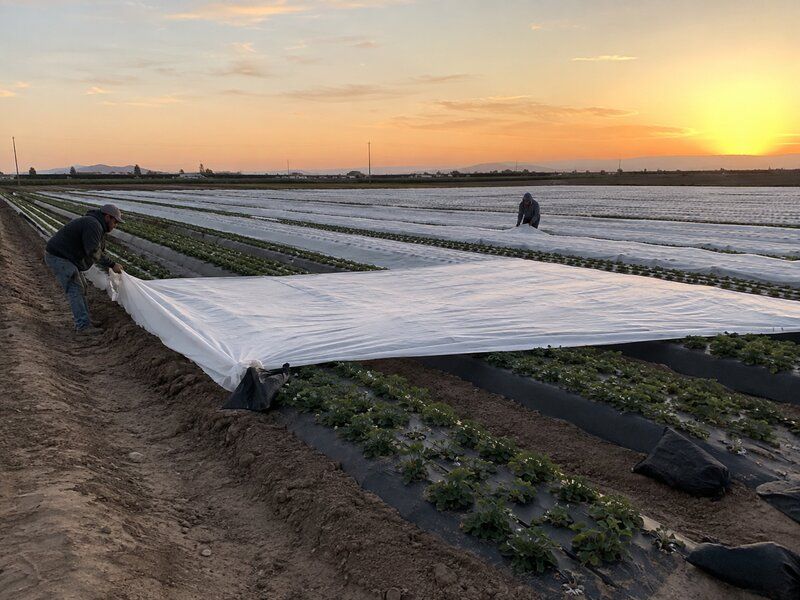
Winter insulation and a frost cover are not the same job. Hay mounds stay in place for weeks, while a frost cover goes on for a night or two when a cold snap is forecast and comes off afterward.
According to Texas A&M freeze protection guidance, a suitable cover should drape loosely so it captures heat rising from the ground. Skip tying it tight around the trunk.
Be careful with plastic. Clear plastic draped over plants during a radiative frost can cause damage at the points where it touches branches, so keep it from resting on the tree.
Also keep expectations realistic. A lightweight cover alone offers little to no protection in a severe, windy freeze.
On a night like that, you may need heavier insulation or a different plan.
Uncover the fig once temperatures climb, so it is not trapped under a damp, heavy sheet.
Preserve fruiting wood instead of pruning heavily for cold
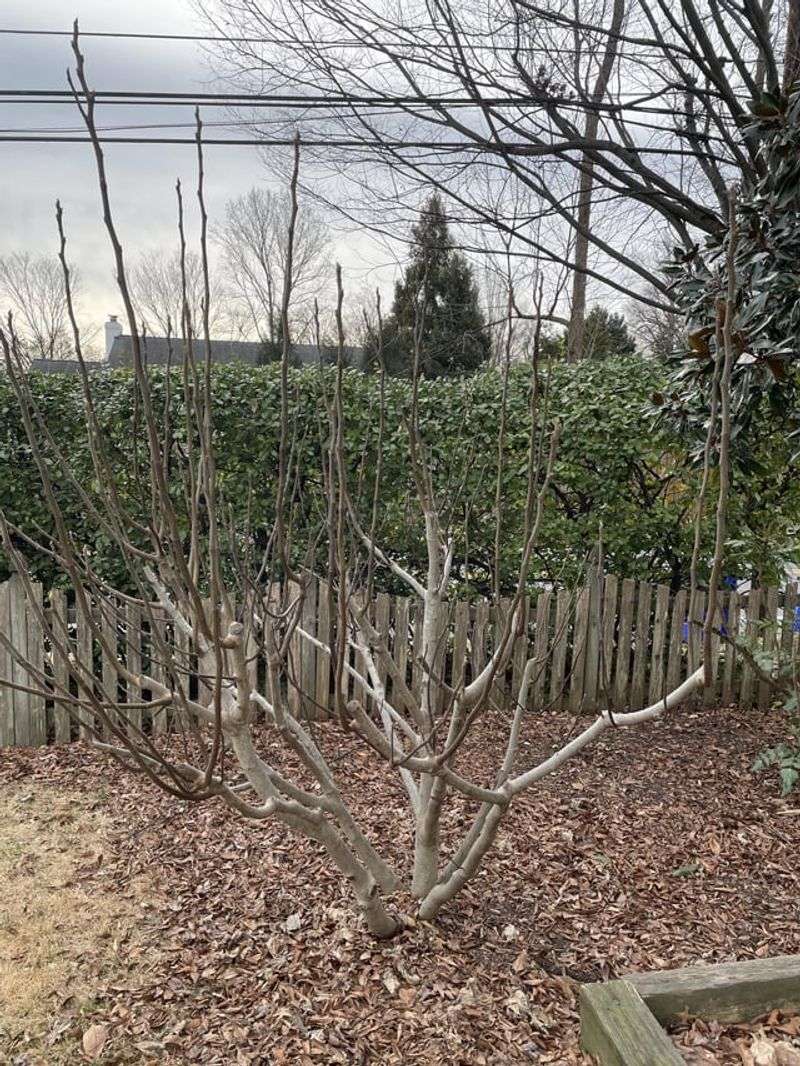
Heavy pruning in fall or winter is not a way to prepare for a freeze. UF/IFAS warns that it can eliminate the following crop.
Fig crops do not all grow on the same wood. The main crop forms on current-season growth, as Maryland Extension describes.
Some cultivars also set a breba crop on last year’s wood.
So keeping older stems may protect breba fruit and help the tree hold its shape. Even so, a tree that loses old wood can still make main-crop fruit on new shoots.
Which pattern you get depends on the cultivar and your growing conditions, as New Mexico State Extension material on figs suggests. If you are unsure what your variety does, leave the stems alone and let spring show you what survived.
Treat evidence for a larger later crop as limited
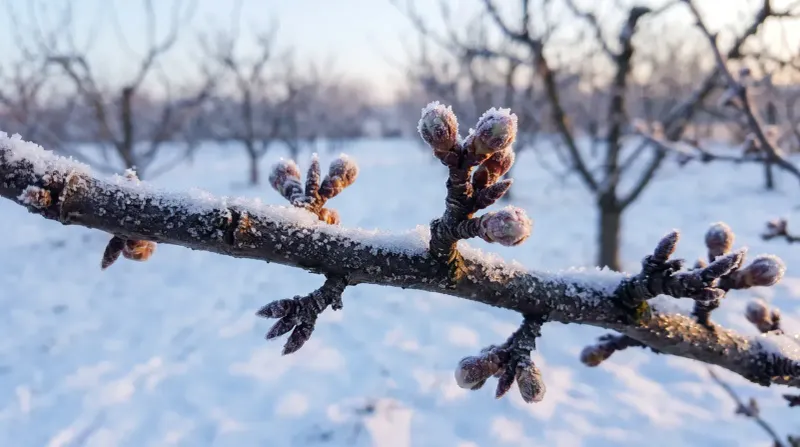
The promise of a heavier harvest is where caution matters most. In a University of New Hampshire report, some protection methods outyielded unprotected figs.
That was a preliminary, two-year trial in Zone 5B.
That is a useful clue, but it is not a Southern forecast. The trial does not show that every protection method works, or that Texas and Florida gardens will see the same gain.
It also did not show that individual figs grew larger.
Texas A&M ties fruit size to thinning, which is a separate practice from winter wrapping or mulching.
The better way to think about it is injury. Maryland Extension says roots may survive while stems are injured.
Minimal to moderate stem injury can still be followed by a modest crop, while severe injury may take two growing seasons to return to normal production.
Protection may help you lose less wood. How much fruit you get is still up to the cultivar, the weather, and the site.
Remove protection in spring and assess damage after regrowth
Timing in spring matters as much as timing in fall. Texas A&M advises removing protection after spring frost risk passes.
Pull it off too early and a late cold snap can catch the tree exposed.
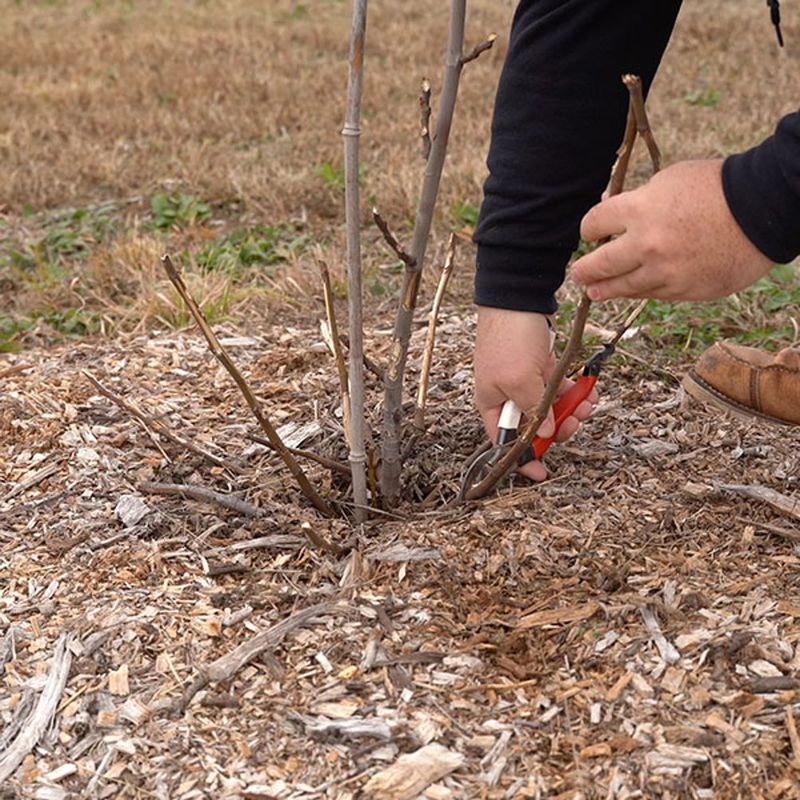
Once leaves and shoots start to emerge, check the damage. UF/IFAS says freeze-damaged wood should be pruned once regrowth begins, since new growth shows you where living wood ends.
Maryland Extension likewise suggests assessing and removing winter-killed branches in early spring.
Look closely at the bark near the base. Insulating piles can shelter voles, and Maryland Extension warns they may feed on bark.
If you see gnawing, clear the debris and check how far it goes.
A fig with some dead stems may still have healthy roots and push up new shoots. Protection is about lowering the odds of injury, not buying a bigger crop.
Sometimes the best sign of success is simply green growth in April.