
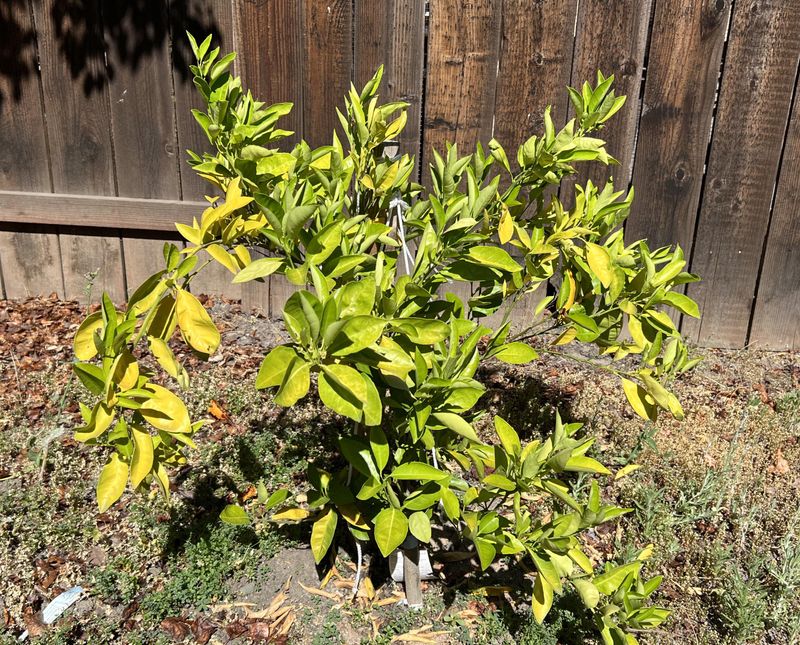
Yellow leaves on a backyard orange, lemon, or grapefruit tree can make any Florida gardener reach for the pruners or a bag of fertilizer. Neither move is a reliable fix.
Winter yellowing often comes from cool soil, soggy roots, or other stress that cutting will never touch. A few careful checks can save you from trimming healthy branches or feeding a tree at the wrong time.
Yellow leaves call for diagnosis, not pruning
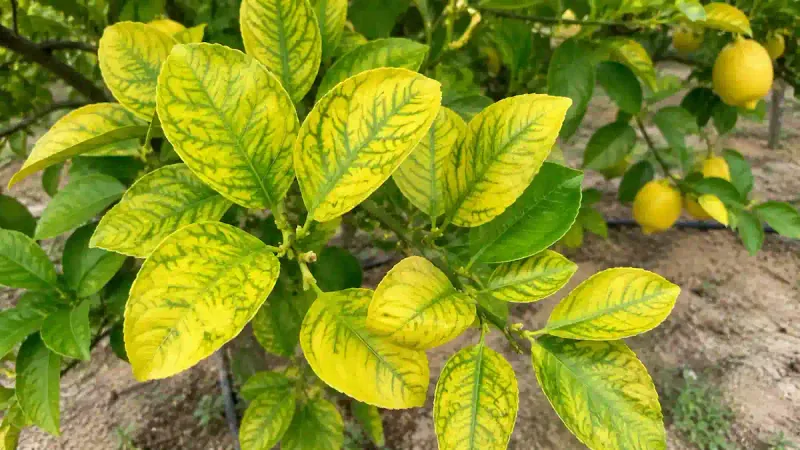
Seeing yellow on a citrus tree makes many of us want to snip it away. Cutting off the color feels like fixing the problem, but the leaf is only showing a symptom.
The cause is usually happening in the roots, the soil, or the weather.
According to UF/IFAS home-citrus guidance, mature landscape citrus trees generally do not need canopy pruning for health or production. Unnecessary pruning can even reduce fruiting, since you are removing the wood and leaves that carry next season’s crop.
That does not mean pruners never belong in the yard. Pruning makes sense for a specific need, such as removing dead wood, clearing branches that rub together, or keeping a walkway open.
In those cases, take off only the minimum necessary.
Trying to prune away yellowing is a different job. A trimmed tree with the same cold, waterlogged, or nutrient-starved roots will simply grow more yellow leaves.
Cutting also adds a new stress to a tree that may already be struggling.
A better first move is to pause and look closely. Note which leaves are yellow, how the color is spread, and what the weather and watering have been doing lately.
Those clues point toward the cause, and the cause should guide what you do next.
Read the leaf pattern as a clue
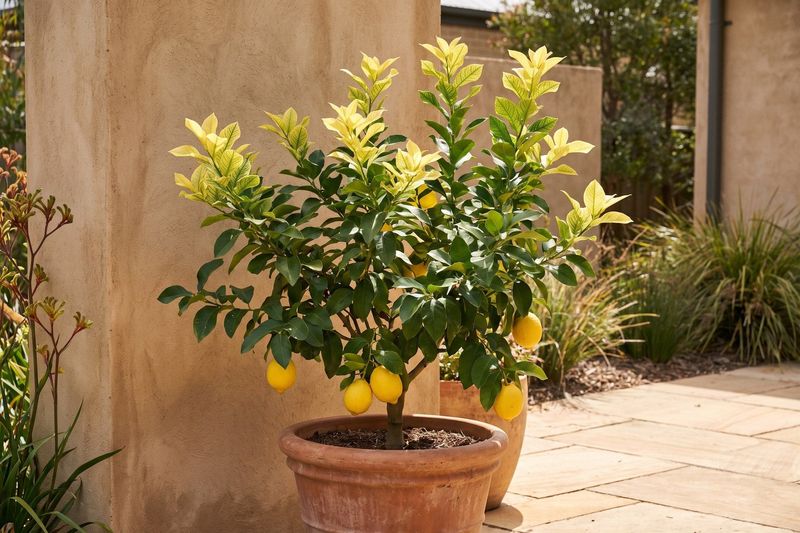
Where the yellow shows up tells you a lot. Start by checking whether the new growth or the older leaves are affected, and whether the color is even or patterned.
A quick walk around the whole tree is worth the few minutes.
Based on UF/IFAS deficiency identification guidance, yellowing spread evenly across the tree can be consistent with nitrogen deficiency. Yellow tissue between green veins on young leaves can suggest iron deficiency.
The same guide also warns that nutrient problems can be confused with disease, chemical injury, and other stress.
Older leaves tell a different story. For lemons, UF/IFAS lemon growing information describes older leaves with a yellow area that leaves an inverted green V as a possible sign of magnesium deficiency.
Treat each of these as a clue rather than a verdict. One pattern on its own is not enough to justify buying a nutrient product.
Herbicide drift, root damage, and disease can all look similar.
Jot down what you see, snap a few photos, and note the date. If the pattern is unclear, those notes will help a county Extension office help you, and they keep you from spending money on a guess.
Cold and wet conditions can affect nutrient uptake
Sometimes the nutrients are already in the ground and the tree simply cannot use them. Roots work slowly in cold soil, so a tree can look hungry in the cool months even when nothing is missing.
UF/IFAS describes a condition called winter chlorosis, a possible nitrogen-uptake problem in late winter or early spring. Growth starts to speed up, but cool soil limits what the roots can take in, and leaves turn pale as a result.
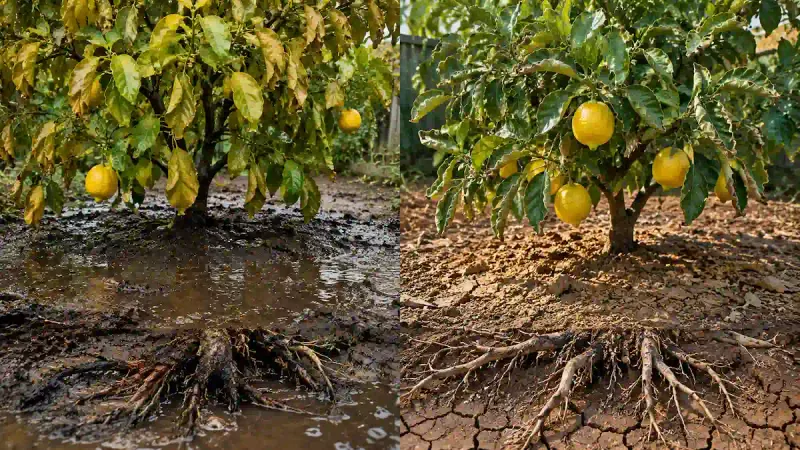
Wet feet cause a separate problem. As covered in UF/IFAS root health guidance, flooding or waterlogging can damage roots and produce deficiency-like symptoms.
Damaged roots cannot move water and nutrients well, no matter how much fertilizer sits around them.
Florida’s sandy soils drain fast, but low spots, compacted areas, and beds near downspouts can hold water after a big rain. Irrigation that keeps running through the cool season can add to the trouble.
Before adding anything, ask a few questions. Has it been unusually cold lately?
Has the area been soggy? Does water stand near the trunk after rain?
If the answer is yes, extra fertilizer may do little good and could add stress.
Follow the Florida home-citrus fertilizer schedule
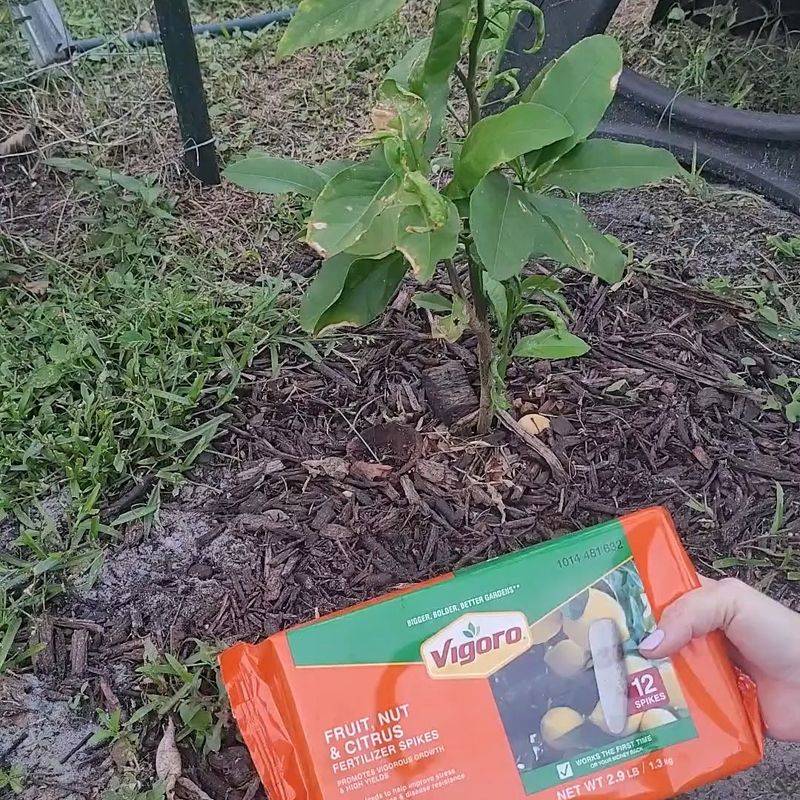
A schedule beats a symptom-based dose. Based on UF/IFAS home-landscape guidance, first-year trees are fertilized about every six weeks from February through October.
The schedule changes as the tree ages, so check the publication for your tree’s stage.
Seasonal demand helps explain the timing. The Florida citrus production guide notes that nutrient demand peaks in late winter and spring, and is moderate to low in summer, fall, and winter.
That guide is written for commercial groves, so use it only for the big picture and do not copy its rates for a backyard tree.
There is one firm exception. After a severe freeze, UF/IFAS advises waiting to assess the damage and see regrowth before fertilizing.
Feeding a stressed tree too soon does not repair frozen wood.
You may be tempted by a foliar spray for a faster result. UF/IFAS explains that foliar feeding can supplement nutrition when a deficiency has been diagnosed, but concentrated sprays can burn leaves or cause leaf drop.
In short, feed by the calendar and tree age, not by the color of a few winter leaves.
Check soil conditions before correcting a deficiency
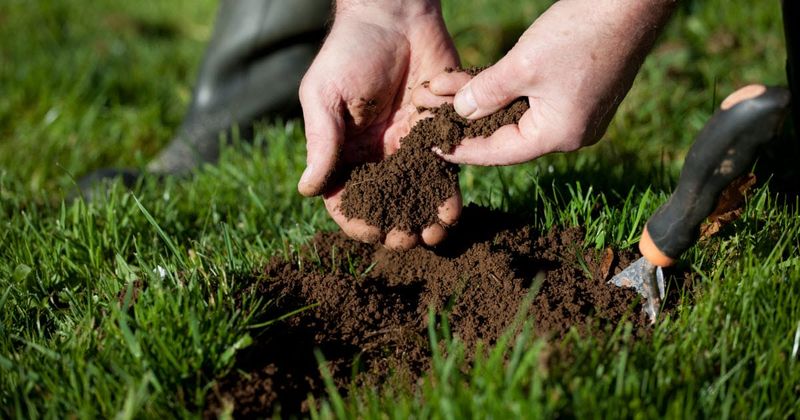
When the cause stays unclear, the soil can settle the question. A soil sample and a look at drainage turn guesswork into information you can act on.
UF/IFAS home-citrus guidance gives an optimum soil pH range of 5.5 to 6.5 and recommends taking a soil sample when foliage is unhealthy and the cause is not obvious. Treat that range as a target to compare against your results, not as a reason to add products on a hunch.
Soil pH matters because it changes what the tree can reach. As described in UF/IFAS soil pH management information, high pH can limit iron availability, which can produce yellow tissue between green veins on young leaves.
Drainage deserves its own check. Dig a small hole near the drip line after a rain and watch how long water lingers.
Standing water points to a root problem that no amendment will fix quickly.
Resist the urge to add iron, lime, or sulfur by guesswork. The right correction depends on what the test shows, and the wrong one can be wasted money or even push the soil in the wrong direction.
Your county Extension office can explain how to collect and submit a sample.
Know when symptoms raise concern about citrus greening
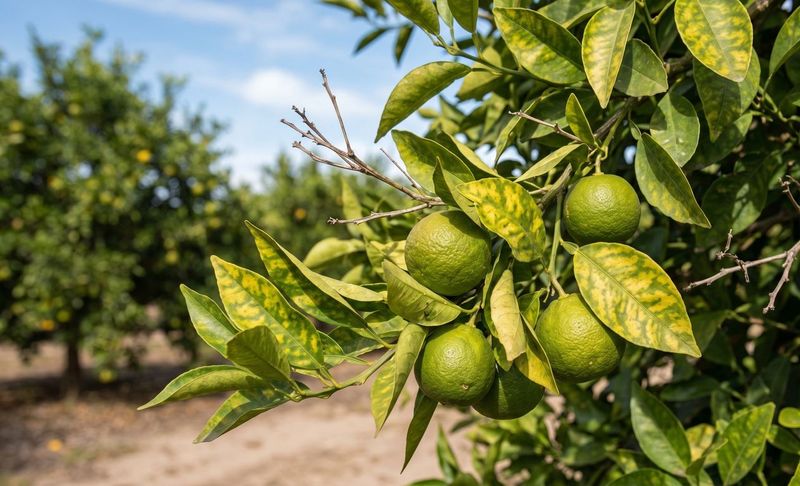
Not every yellow leaf is a nutrient issue. Citrus greening, also called HLB, can look a lot like one, and the confusion runs both ways.
UF/IFAS identifies asymmetrical blotchy mottle as a common leaf symptom of HLB. Unlike the even patterns of many nutrient problems, the yellow and green patches do not match from one side of the leaf’s midrib to the other.
UF/IFAS also notes that nutrient-deficiency symptoms can be confused with HLB.
A blotchy leaf is a reason for concern, not a diagnosis. Only proper testing can tell you what is going on with your tree.
The Florida Department of Agriculture and Consumer Services says HLB is widespread in Florida and has no cure. That is why a fertilizer cannot be promised to solve it, and why pruning will not remove it.
If you see blotchy, lopsided mottling, contact your county UF/IFAS Extension office or use FDACS sample-identification resources. Bring clear photos and a few affected leaves if they ask.
Getting the answer early helps you decide how to care for the tree from there.
Choose the next step after weighing the clues
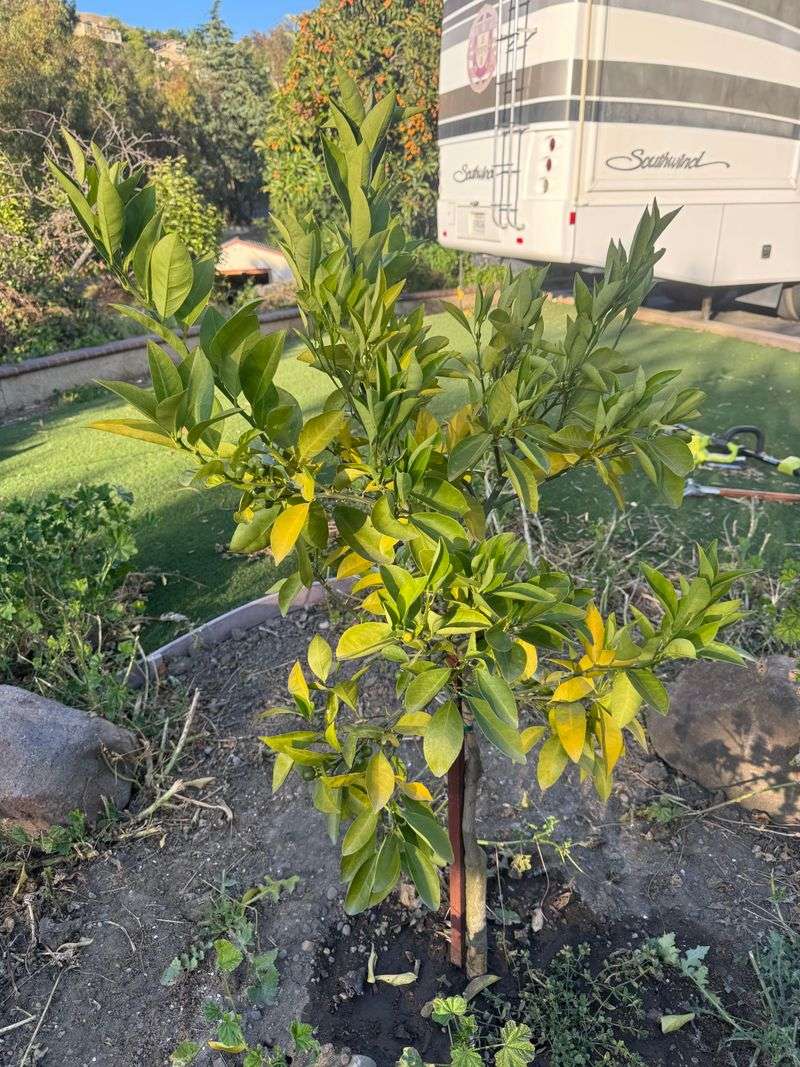
Work through it in order. Look at the leaf pattern first, then think about recent cold and wet weather.
If the cause is still unclear, check the soil, and keep to the age-appropriate home fertilizer timing instead of reacting with a winter dose. Remember that nutrient symptoms overlap with other problems.
Pruning stays a separate job. After a freeze, UF/IFAS advises waiting until the injury is clearer before cutting.
No sequence guarantees recovery, but a patient look beats a hasty cut.