 Complete Gardening
After a long winter, your garden soil might look fine on the surface – but beneath it, something essential is often missing. If your plants struggled last year, grew slowly, or produced disappointing harvests, the real issue may not have been sunlight or watering.
It was probably organic matter.
Early spring soil is commonly compacted, low in microbial activity, and depleted of nutrients. The fastest and most effective way to fix it? Add compost.
Why Spring Soil Needs a Boost
Winter rain, snow, and freezing temperatures take a toll on garden beds. Over time, soil can become:
- Compacted
- Low in nutrients
- Poor in structure
- Less active biologically
Without enough organic matter, soil struggles to hold moisture, roots grow poorly, and nutrients wash away more easily.
That’s where compost makes all the difference.
Why Compost Is the Fastest Fix
Compost improves soil immediately and long-term. It works on multiple levels at once:
- Enhances soil structure
- Improves drainage in heavy soil
- Helps sandy soil retain moisture
- Feeds beneficial microbes
- Adds slow-release nutrients
Instead of relying on synthetic fertilizers that only feed plants temporarily, compost improves the soil itself.
How to Apply It in Spring
The good news? You don’t need to dig deeply or overhaul your entire garden.
Here’s the simple method:
- Spread 2 to 5 centimeters of compost over your garden beds.
- Gently mix it into the top layer of soil (about 5 to 10 centimeters deep).
- Water lightly to help it settle.
If you practice no-dig gardening, simply spread compost on top and let earthworms do the mixing for you.
Signs Your Soil Needed It
If you noticed any of these last season, compost will likely help:
- Slow plant growth
- Yellowing leaves
- Poor flowering
- Hard, crusty soil
- Water pooling on the surface
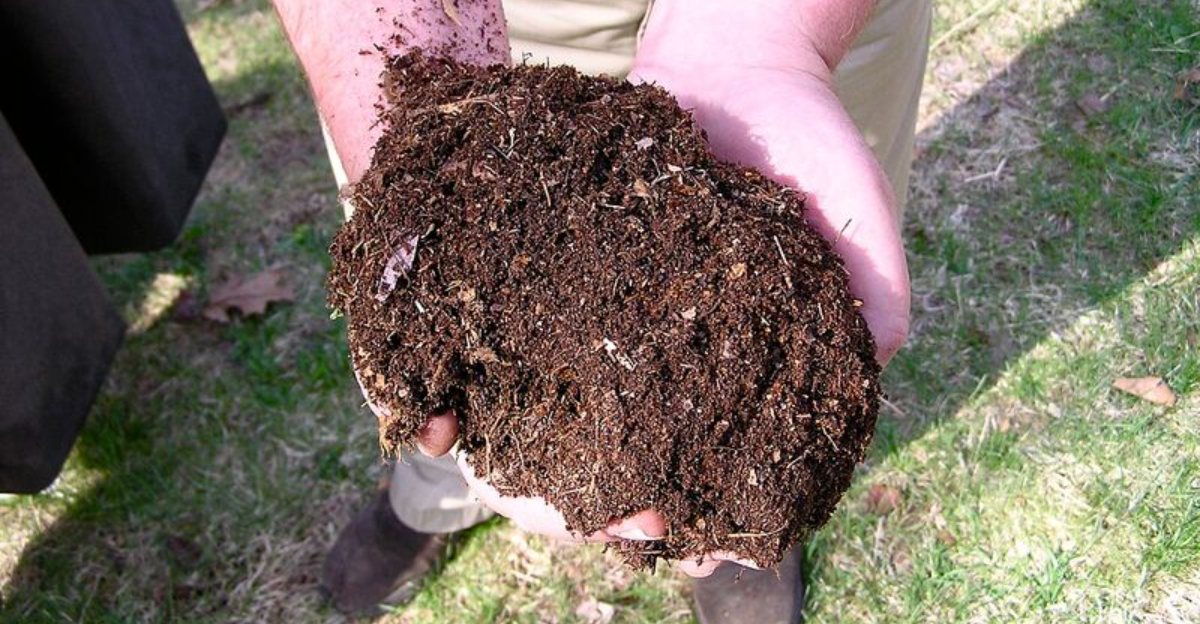
Healthy soil should feel crumbly, dark, and slightly moist – not dusty or rock-hard.
What If You Don’t Have Compost?
You can still boost organic matter quickly with:
- Well-rotted manure
- Leaf mold
- A high-quality organic soil conditioner
- Homemade compost from kitchen scraps
Even a small addition can dramatically improve performance throughout the growing season.
The Secret to Stronger Plants All Season
Think of compost as the foundation of your garden. Strong soil leads to stronger roots, which lead to healthier plants, better blooms, and larger harvests.
Before you rush to plant this spring, take a moment to feed your soil first. Fixing this one common spring problem now can transform your entire garden for months to come.