 Complete Gardening
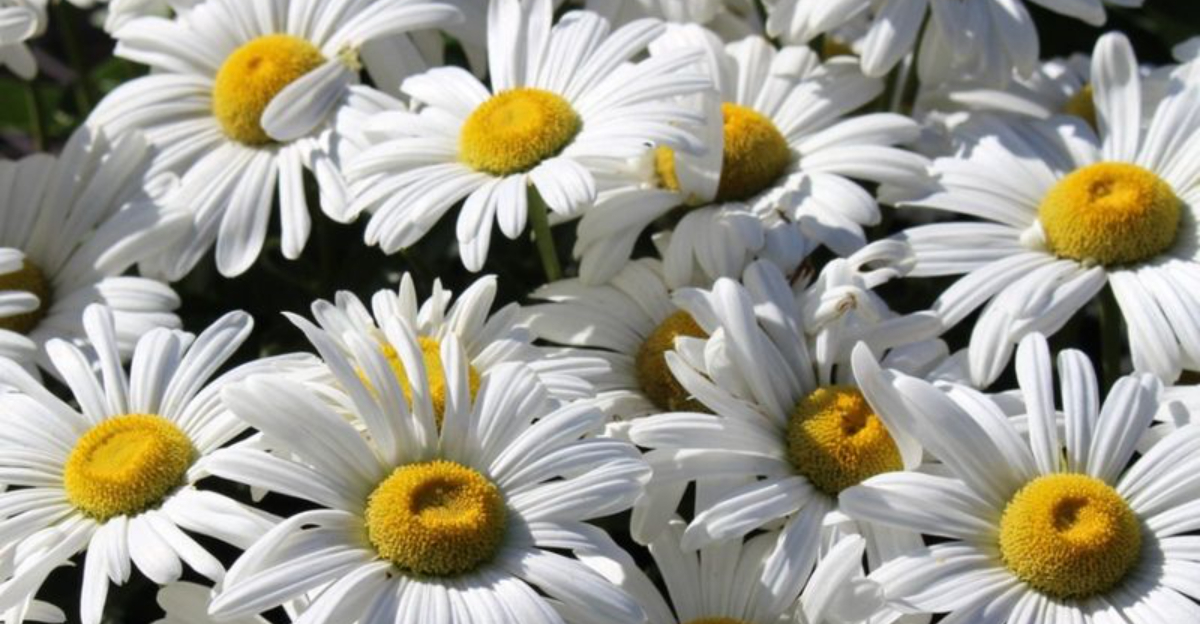
Shasta daisies are a beloved garden classic, yet many gardeners struggle to grow them successfully.
Despite their reputation for resilience, there are key aspects of their care that are often overlooked.
Let’s explore the unique tips and tricks that can transform your garden with thriving Shasta daisies.
1. Perfect Sunlight
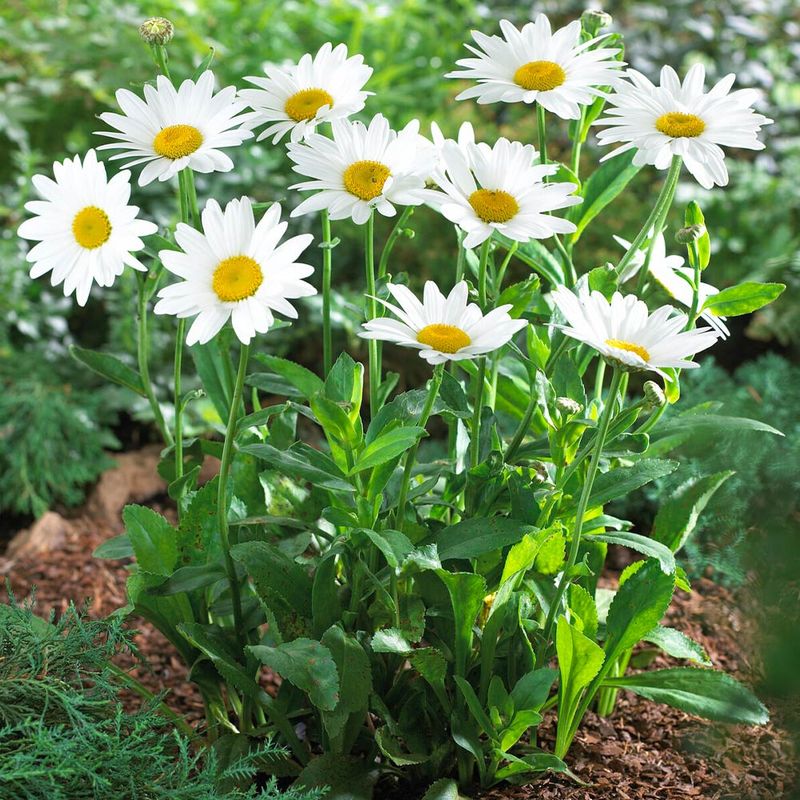
Sunlight is vital for Shasta daisies. Many gardeners underestimate the amount of sunlight these cheerful blooms require. Ideally, they should be basking in full sun for at least six hours a day.
Inadequate sunlight can lead to leggy plants with fewer blooms. Position your daisies where they won’t be overshadowed by taller plants or structures.
Imagine a sunny spot where daisies sway gently in the wind—a sight of pure joy! Proper placement ensures robust growth and abundant flowering. Keep in mind, even partial shade can hinder their performance, leading to disappointment.
2. Soil Matters
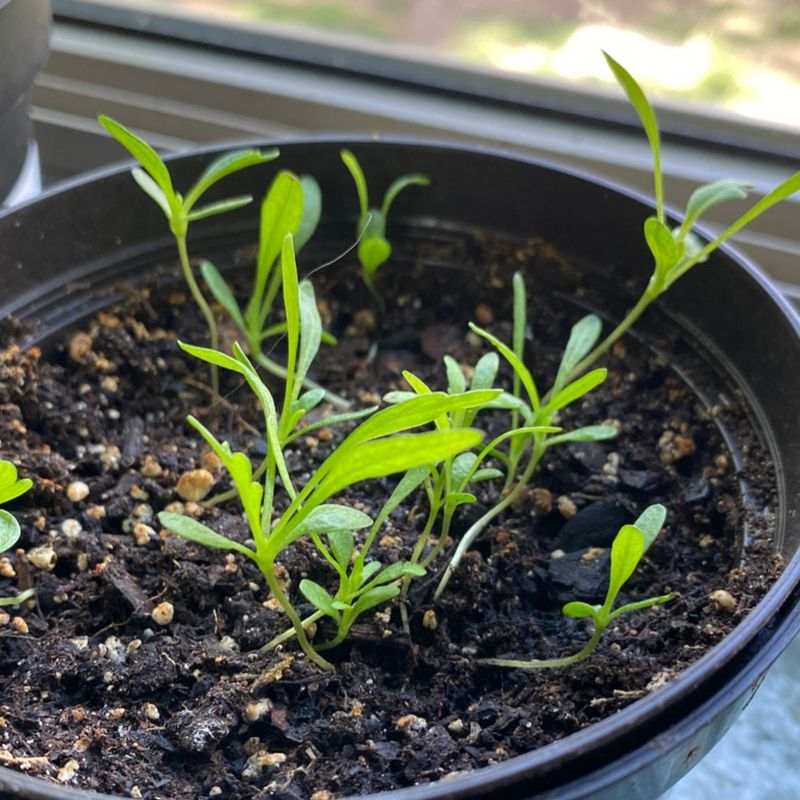
Shasta daisies thrive in well-drained soil. Heavy clay or overly compacted soil can suffocate their roots, leading to poor growth.
Amending your garden with organic matter like compost can enhance drainage and fertility. Picture a crumbly texture that allows roots to breathe and absorb nutrients effectively.
Consider performing a soil test to ensure the right pH balance—ideally slightly acidic to neutral. These daisies are hardy, but poor soil conditions can quickly become their downfall. Healthy soil is the cornerstone of thriving plants.
3. Water Wisely
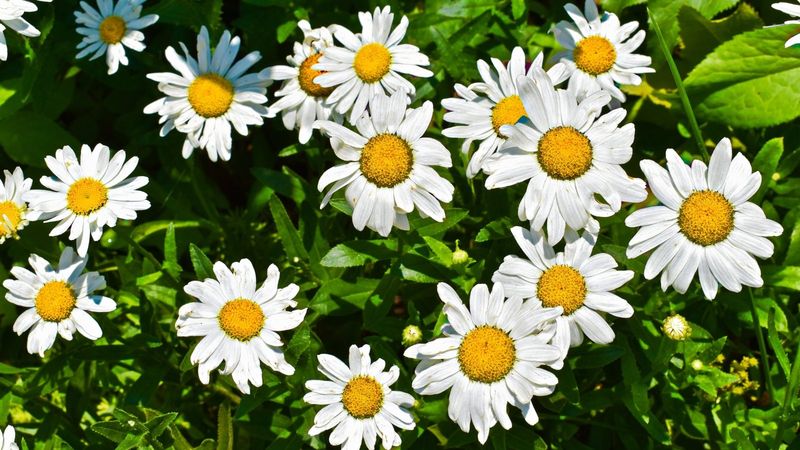
Watering is an art with Shasta daisies. Overwatering is a common mistake that can lead to root rot.
These beauties prefer consistent moisture but abhor soggy conditions. Consider watering deeply once or twice a week, allowing the soil to dry slightly between sessions.
Visualize a delicate balance—thirsty plants yet not drenched. Mulching can help retain moisture while preventing weed competition. The key is moderation, ensuring daisies remain lush without drowning them. It’s a dance of nature that, when mastered, results in stunning blooms.
4. Pruning Techniques
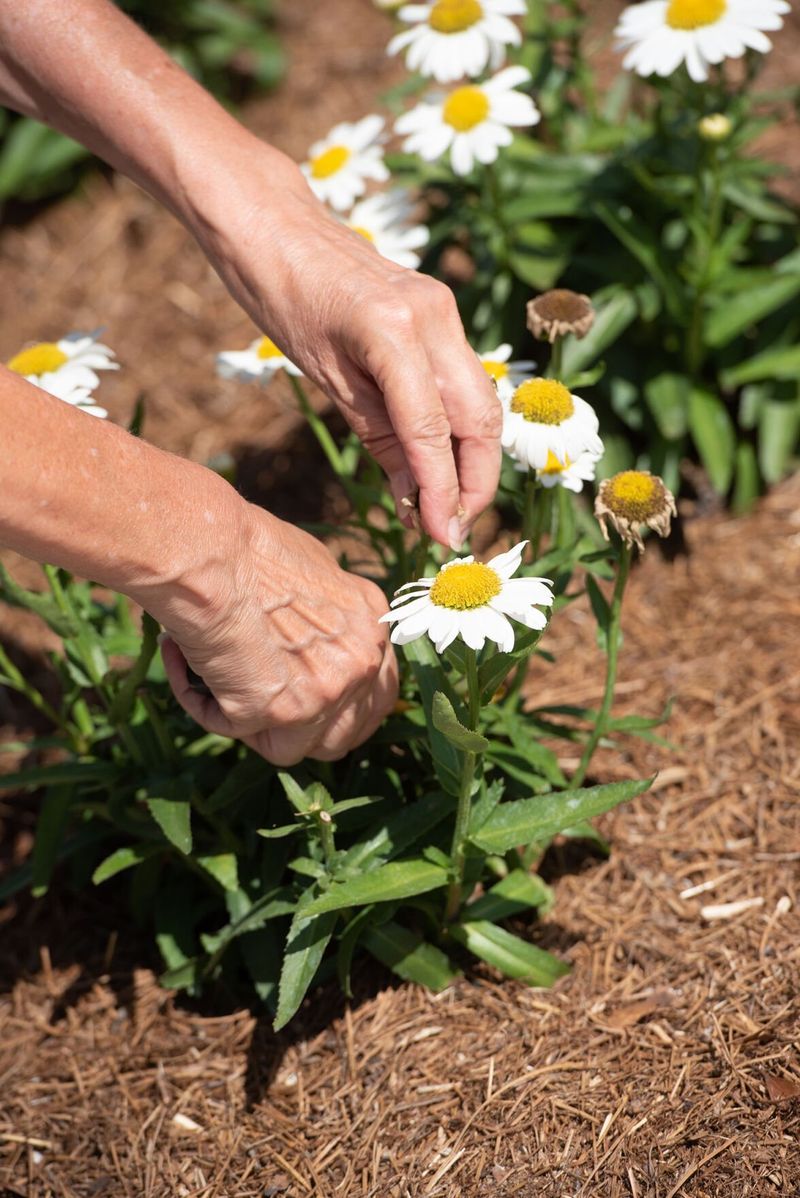
Pruning is essential to encourage new growth and prolong blooming. Regularly deadheading spent flowers redirects energy back into the plant.
Visualize a gardener gently snipping away faded blooms, revealing fresh buds eager to open. This practice not only enhances appearance but promotes healthier plants overall.
Pruning also involves cutting back foliage prone to disease or damage. A well-maintained daisy cluster is free of wilted leaves, standing tall and vibrant. By paying attention to these details, you extend the joy these flowers bring to your garden.
5. Companion Planting
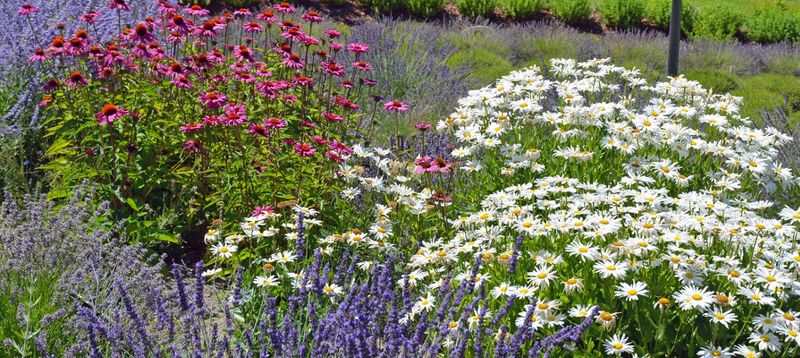
Companion planting enhances both aesthetics and health. Shasta daisies pair beautifully with plants like lavender and echinacea.
Envision a garden bed where colors and scents mingle seamlessly. The presence of these companions can deter pests and attract beneficial insects.
Moreover, diverse plantings prevent monoculture challenges, offering a vibrant tapestry of blooms. This synergy enhances soil health and reduces disease spread. The visual pleasure of such a garden is matched by its ecological harmony, where each plant supports the others.
6. Fertilization Tips
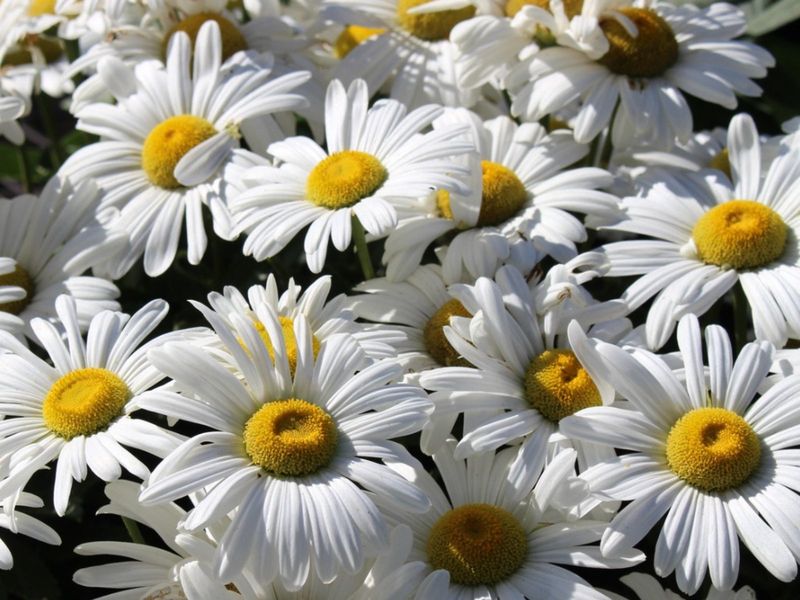
Fertilization boosts Shasta daisies’ vigor. While they aren’t heavy feeders, a balanced approach can make a significant difference.
Visualize a gardener sprinkling organic fertilizer with care, ensuring even distribution. An excess can lead to rapid but weak growth, so moderation is key.
Choose a time-release formula to provide gradual nutrients. Proper feeding supports robust stems and prolific blooms. The goal is to nourish without overwhelming, fostering resilience to environmental stresses. It’s a fine-tuned process that, when done right, supports healthy displays.
7. Pest Management
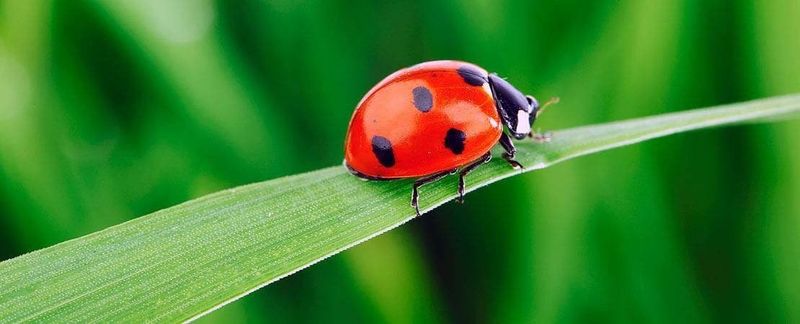
Pest management is crucial for Shasta daisies. Aphids and slugs can be problematic, but natural strategies are effective.
Imagine discovering ladybugs on your daisies—nature’s pest controllers! Encouraging beneficial insects maintains a healthy balance.
Regular checks for signs of infestation are important. Remove pests manually or use insecticidal soap if needed. A garden teeming with life is less likely to suffer from pest dominance. This holistic approach ensures daisies remain vibrant and untroubled, showcasing their full splendor without harmful chemicals.