
A beautiful Florida patio does not have to double as a mosquito lounge. The right native plants can help you create a greener, cooler space that supports pollinators while making your seating area less inviting to biting pests. Some of the best choices surprise gardeners because they work through fragrance, texture, airflow, or smart placement rather than magic bug-repelling claims alone. If you want lush looks with less swatting, these hardworking natives are a smart place to start.
1. American Beautyberry

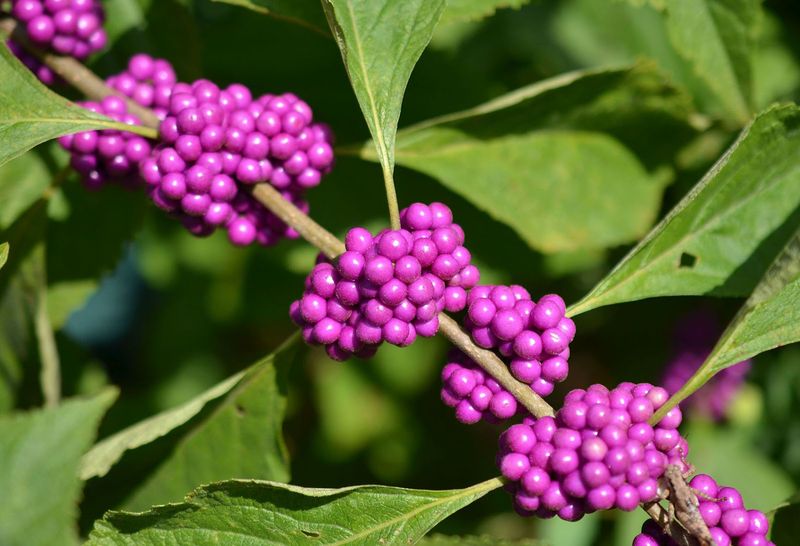
American beautyberry earns its spot because the leaves contain compounds many gardeners crush and rub on clothing for a traditional mosquito deterrent. I would not rely on it like a spray, but planting it near the patio adds scent, wildlife value, and gorgeous purple berries. It also creates soft structure without feeling stiff or formal.
Give it part sun to light shade and soil that drains well but stays lightly moist while roots establish. Prune in late winter to keep it compact, because leggy shrubs can crowd air movement around seating. Better airflow matters more than most people realize, since still, shady corners often become mosquito hangouts.
2. Southern Wax Myrtle

Southern wax myrtle is one of my favorite patio privacy plants because the aromatic leaves release a spicy fragrance when brushed, trimmed, or warmed by the sun. That scent will not erase mosquitoes completely, but it can make the patio edge less pleasant for them. You also get an evergreen screen that looks full all year.
Use it in big containers or as a loose hedge a few feet from sitting areas, where it can block views without trapping stale air. It tolerates sandy Florida soil, salt, humidity, and occasional drought once established. Skip constant shearing, because a lightly natural shape stays healthier and gives your patio that lush, layered look.
3. Muhly Grass

Muhly grass is not famous for mosquito-repelling oils, yet it solves a big patio problem by improving openness and air circulation without making the space look bare. Mosquitoes love dense, damp hiding spots close to the ground, and this airy native grass gives you texture without that heavy shelter. In fall, the pink haze of blooms makes the whole patio feel dreamy.
Plant it in full sun and sharply drained soil, then avoid overwatering once established. I like grouping three or five clumps along sunny edges where they catch breezes and dry quickly after rain. Cut old foliage back in late winter, and keep mulch pulled away from the crown so moisture does not linger.
4. Firebush

Firebush brings the lush tropical look people want on a Florida patio, but it also helps in a practical way by thriving in heat where other plants sulk and need extra water. Less constant irrigation can mean fewer damp zones nearby, which helps discourage mosquitoes. The flowers also pull in hummingbirds and butterflies, making the patio feel alive for better reasons.
Grow it in full sun for the best flowering and strongest shape, though it can handle light shade. Pinch or prune lightly through the warm season to keep it bushy instead of lanky around furniture. Avoid planting it so close that leaves press against chairs, because cramped, humid corners invite pests and reduce airflow.
5. Coontie

Coontie is a quiet workhorse for shady patios where mosquitoes often become the worst. Its stiff, tidy foliage does not create the floppy, moisture-trapping mass that some common shade plants do, so it helps the area stay cleaner and easier to monitor. I also love that it looks lush and architectural with almost no fuss.
Plant coontie in part shade or filtered sun with excellent drainage, especially in containers. Water regularly at first, then back off, because soggy soil does more harm than mild dryness and can attract gnats around the patio. Remove fallen leaves from pots and saucers often, since hidden standing water and decaying debris are classic mosquito nursery mistakes.
6. Simpson’s Stopper

Simpson’s stopper is one of those Florida natives that looks polished enough for a front patio but still feels natural and relaxed. The small aromatic leaves and dense branching make a useful screen, and you can clip it neatly without ruining its character. When used wisely, it creates privacy while still allowing enough airflow to keep the area less mosquito friendly.
Place it where it gets sun to part shade and use soil that drains well. I would shape it selectively instead of shaving the outside every month, because thick outer growth with dead interior wood can hold humidity. White flowers and bright berries are a bonus, especially if you want birds visiting during quieter patio mornings.
7. Twinflower

Twinflower is a smart pick if you want a softer patio edge but do not want thirsty annuals that need constant watering. This trailing native handles heat and spills beautifully from containers, helping your patio look lush without creating a maintenance headache. Less overwatering means fewer wet saucers and fewer accidental mosquito breeding spots.
Give it bright shade or morning sun in rich, well-drained potting mix, and trim lightly to keep fresh growth coming. I like pairing it with upright plants so the overall design feels layered instead of flat. Check baskets and decorative pots after rain, because even the best mosquito-resistant planting plan fails if water sits hidden for several days.
8. Seaside Goldenrod

Seaside goldenrod adds a burst of yellow when many patio plantings start looking tired, and it handles rough Florida conditions with surprising grace. It does not repel mosquitoes by scent in any dramatic way, but it supports a sunnier, drier planting style that leaves fewer sheltered damp pockets. That is often the real secret behind a patio that feels more comfortable.
Grow it in full sun and lean soil, even sandy spots where fussier plants struggle. Avoid rich fertilizer, because floppy growth can crowd pathways and reduce the open feel around seating. Cut it back after flowering if you want a tidier look, and pair it with grasses or coontie so the patio stays balanced rather than overly wild.
9. Wild Bergamot

Wild bergamot is the patio plant I suggest when someone wants fragrance, pollinator appeal, and a slightly cottage look without relying on nonnative mint relatives. The leaves carry a strong scent that makes brushing past the plant a pleasant experience for you and less pleasant for some insects. It is not a miracle shield, but it is a useful piece of the puzzle.
Plant it in full sun with good drainage and give it room for air to move freely through the stems. Powdery mildew can show up if the planting stays crowded and humid, especially in rainy weather. Deadhead spent blooms, water at the base, and keep pots raised so drainage stays fast after summer downpours.
10. Fakahatchee Grass

Fakahatchee grass gives you that big, lush Florida feeling without the thirsty demands of many tropical ornamentals. The arching blades soften hard patio edges, yet the plant still keeps a more open structure than dense shrubs that trap humidity near the ground. That balance of fullness and airflow is exactly what many mosquito-plagued patios are missing.
Use it in sun or part shade, spacing clumps so air can move between them instead of creating a solid wall. Water regularly while it establishes, then only as needed, especially if your soil holds moisture after summer storms. Every spring, comb out dead blades or cut it back lightly, and always empty nearby saucers where hidden standing water can undo all your good planting choices.