
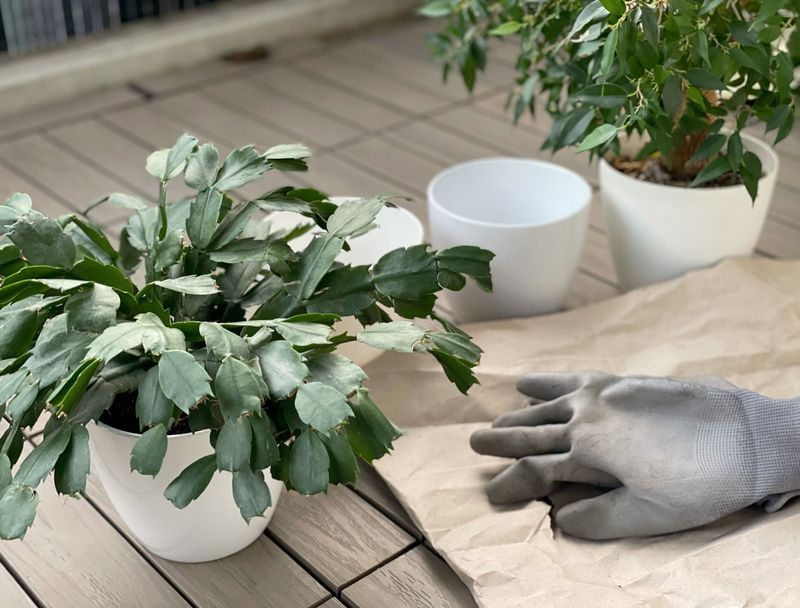
Few things sting like watching fat pink buds fall off your Christmas cactus just days before they bloom. The good news is that bud drop almost never happens by accident.
It usually comes from small things we do every day without thinking twice. Fix a few of these habits, and your plant can put on the holiday show it was saving up for.
1. Moving the Pot to Show It Off
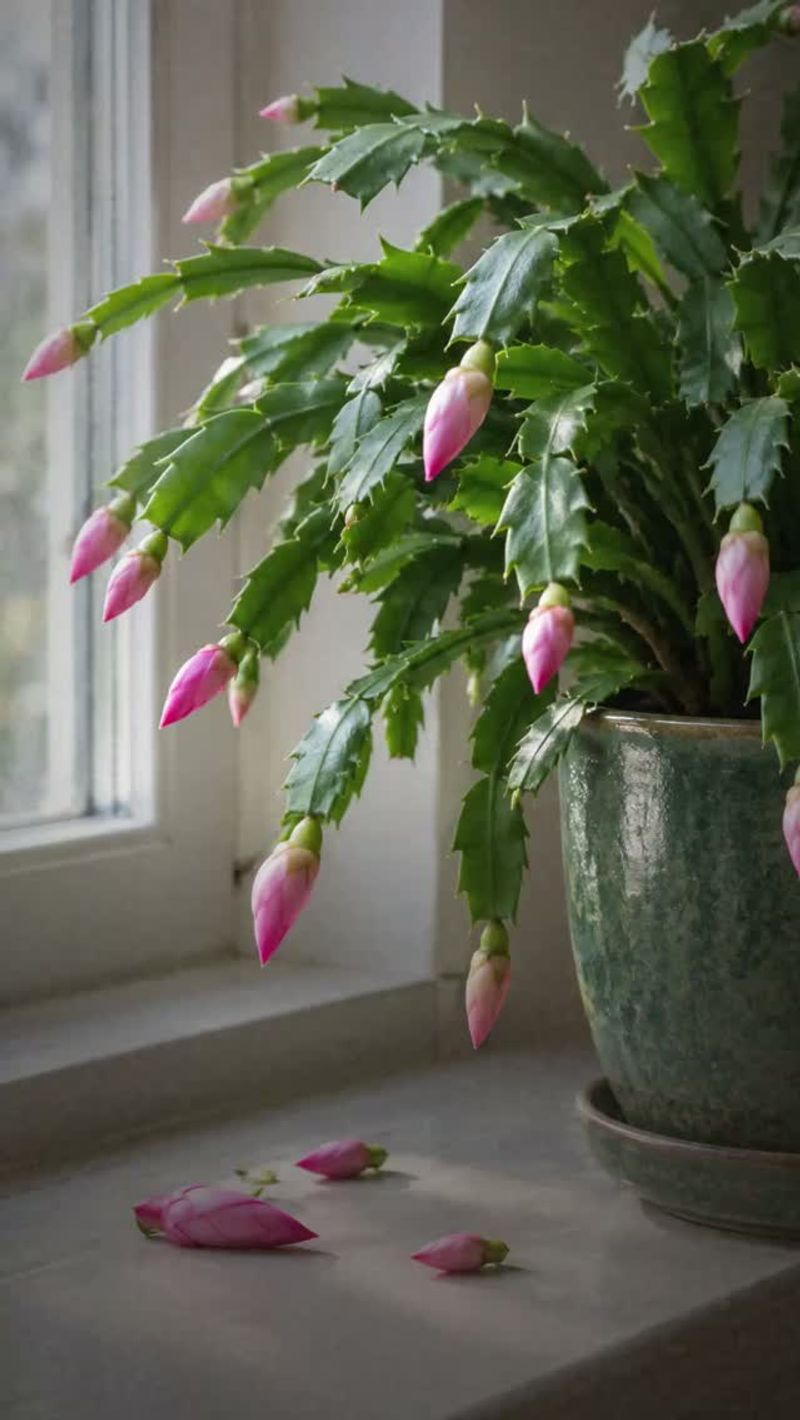
Picture this: the buds finally swell, you carry the pot to the dining table so guests can admire it, and three days later the floor is littered with pink droplets. Sound familiar?
Christmas cactus buds are oddly sensitive to change once they set.
Every plant tunes itself to its spot. Buds grow toward a particular light direction, and the whole plant adjusts to the temperature and humidity of that corner.
A sudden move scrambles those signals, and the plant reacts by dumping the buds it can no longer support.
Even rotating the pot a half turn can trigger trouble at this stage. Gardeners in the 1800s noticed the same thing and warned against fussing with blooming cacti on parlor shelves.
The smart move is to pick the display spot early, ideally before buds appear in fall. Let the plant set its buds right where it will bloom.
If you must move it, keep the new location similar in light and warmth, and keep the same side facing the window.
Patience pays off here. Once the flowers are fully open, a short trip to the table for a party is much less risky, so save the showing off for later.
2. Watering on a Strict Calendar
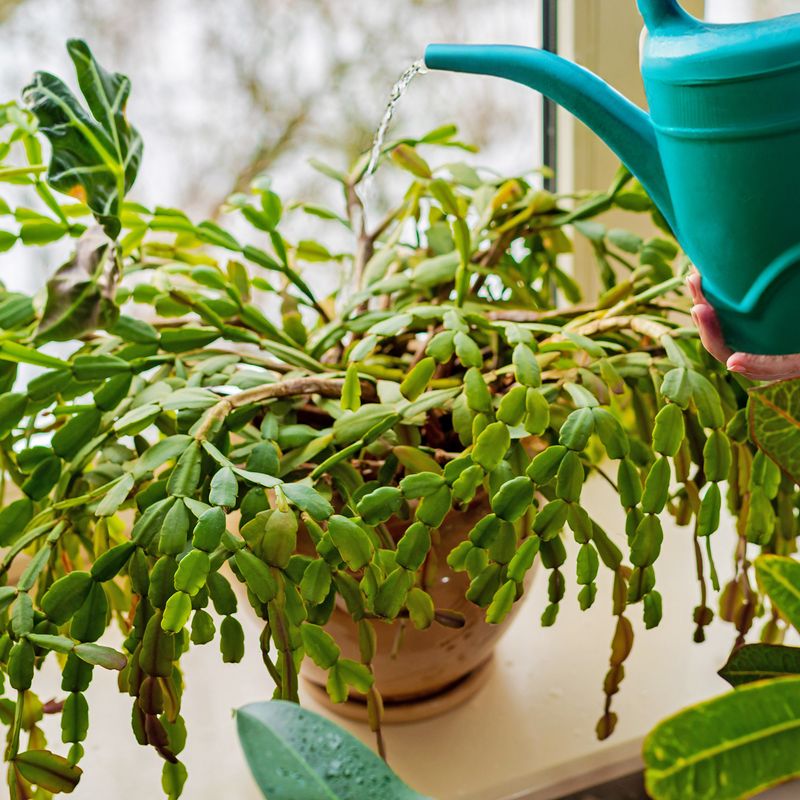
Sunday is watering day, right? For many houseplants that routine works fine.
For a budding Christmas cactus, a rigid schedule can quietly sabotage the whole bloom.
The trouble is that a plant’s thirst changes with the weather. Cloudy weeks, cooler rooms, and shorter days all slow down how fast the soil dries.
Water on autopilot during those stretches, and the roots sit soggy, start to suffocate, and the plant sheds buds to protect itself.
The opposite problem shows up too. A sunny, heated room can dry the pot faster than your calendar expects, and a thirsty cactus will also drop buds.
Try the finger test instead. Push a finger about an inch into the soil.
If it feels dry at that depth, water slowly until a little drains out the bottom, then empty the saucer. If it still feels cool and damp, wait a few days and check again.
Lifting the pot helps too. A freshly watered pot feels heavy, while a dry one feels surprisingly light.
After a couple of weeks, you will know the difference by feel alone, and your buds will thank you for paying attention rather than following the calendar.
3. Parking It Near a Heat Vent
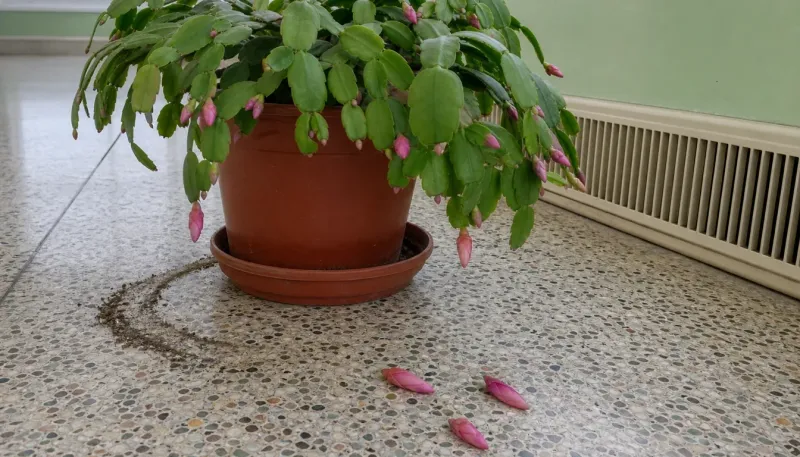
Warm air feels cozy to us in December. To a Christmas cactus parked over a furnace register, it feels more like a hair dryer pointed straight at its face.
These plants come from the cloud forests of southeastern Brazil, where they grow on tree branches in cool, damp shade. Blasts of hot, dry air are completely foreign to them.
Buds lose moisture faster than the roots can replace it, and the plant cuts its losses by letting them fall.
Fireplaces, space heaters, radiators, and even the top of the fridge cause the same trouble. A spot that seems warm and protected may actually be the harshest place in the house.
Aim for a room that stays around 60 to 70 degrees during the day, with slightly cooler nights. Place the pot at least a few feet from any heat source, and check that warm air is not drifting toward it when the furnace kicks on.
A simple trick is to hold your hand near the plant while the heat runs. If you feel a warm breeze, so does your cactus.
Slide it somewhere calmer and watch those buds hang on.
4. Opening the Door to Winter Drafts
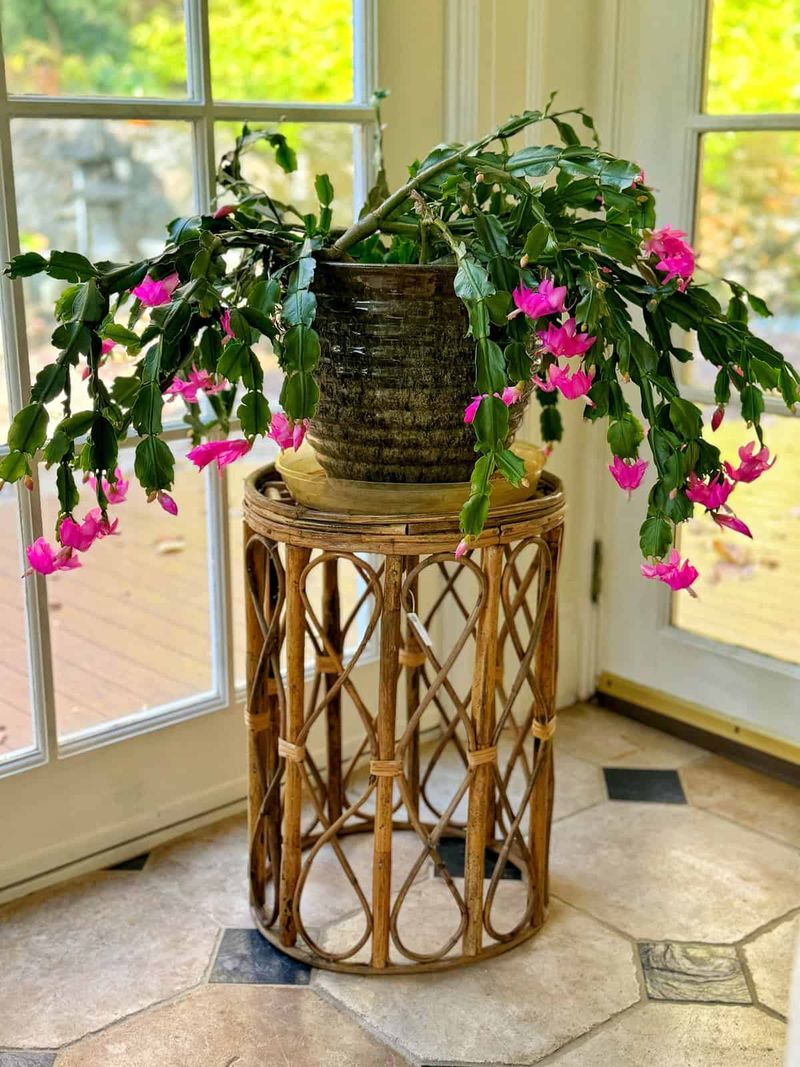
Every time the front door swings open in January, a little blast of winter rushes in. You barely notice it.
Your Christmas cactus, sitting on the entry table, notices every single time.
Cold drafts are one of the most common bud killers, and they are sneaky because they come and go. A few chilly gusts a day stress the plant enough to make buds yellow at the base and drop off, often before you connect the dots.
Leaky windows cause similar problems. Plants pressed against frosty glass at night can get chilled even when the room feels comfortable.
Here is a quick checklist for a safer spot:
Keep the pot away from exterior doors, mudrooms, and drafty hallways. Pull it back a few inches from window glass on freezing nights.
Watch out for air from ceiling fans or open windows on mild days.
Temperatures below about 50 degrees spell real trouble for buds. If you need to carry the plant home from a store in winter, wrap it in a paper bag first.
A short trip through freezing air can be enough to undo weeks of bud development.
5. Leaving the Lamp On All Evening
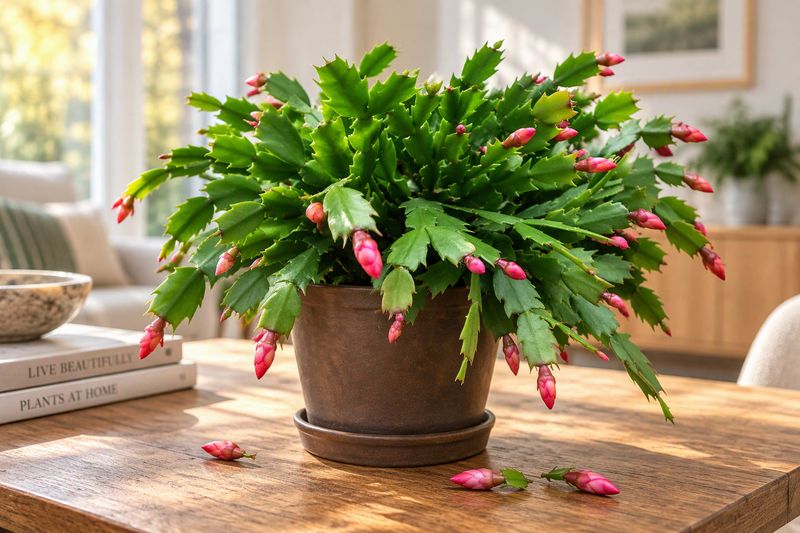
Here is a fun fact: a Christmas cactus decides to bloom partly by counting the dark hours. It is a short-day plant, which means long, uninterrupted nights tell it that the flowering season has arrived.
That is why late evenings in a bright family room can cause problems. A reading lamp, TV glow, or overhead light shining on the plant until midnight sends mixed messages.
The cactus may start buds, then get confused and abandon them halfway.
In the fall, while buds are setting, the plant does best with about 12 to 14 hours of real darkness each night. Some growers even tuck theirs into a spare bedroom or closet overnight, though that can lead to the moving problem mentioned earlier.
A better approach is choosing a room that naturally goes dark after sunset, like a guest room or a quiet corner of the dining room. Daylight during the day is still important, so a bright window that stays dim at night is ideal.
Once buds are big and colored, the plant is less fussy about light. Early in the process, though, a little darkness goes a long way toward a full, steady bloom.
6. Feeding It Right Before Bloom
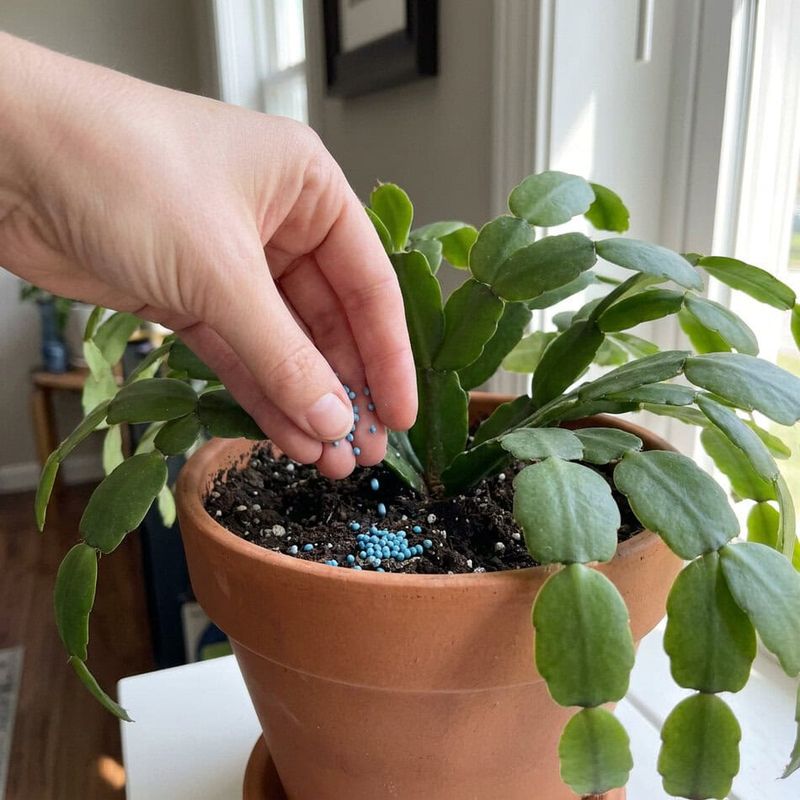
Plenty of us show love with food, and plants seem like no exception. So when buds appear, it feels natural to treat the cactus to a hearty dose of fertilizer.
Unfortunately, the timing could hardly be worse.
During bud development, the plant is focused on finishing flowers, not growing new segments. A strong feeding pushes it toward leafy growth and can build up salts in the soil.
Those salts stress the roots, and stressed roots often lead to dropped buds.
Think of it like eating a giant meal right before running a race. The energy is there, but it is going to the wrong place.
Most growers feed Christmas cactus from spring through late summer, when it is actively growing. A balanced houseplant fertilizer at half strength every few weeks works well.
Then, around early fall, they stop feeding entirely and let the plant settle into bloom mode.
If you already fertilized heavily, water thoroughly until plenty drains out the bottom to flush some salts away. After flowering ends and new growth starts again, you can return to light feedings.
Your cactus will be hungrier and more grateful then.
7. Repotting Because It Looks Crowded
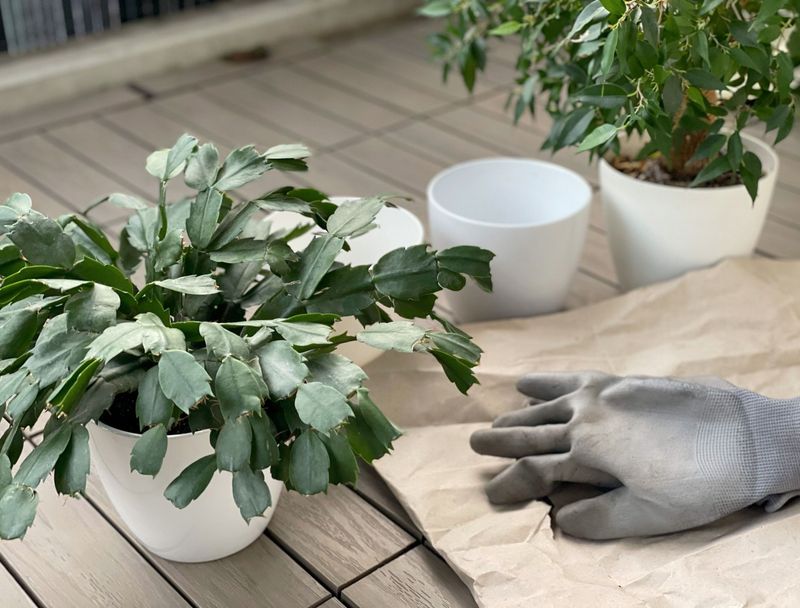
Tight roots, a cramped pot, and a plant that seems to be bursting out. Surely a bigger home would help, right?
Not while buds are forming.
Christmas cactus actually likes being a little snug in its pot. Slightly crowded roots encourage flowering, while a roomy new container nudges the plant to spend energy on root growth instead.
Add the shock of disturbed roots, and the buds become the first casualty.
Repotting during bloom season is one of the fastest ways to lose an entire flush of flowers. Many gardeners learn this lesson the hard way after a well-meaning upgrade in November.
Wait until flowering finishes and the plant has rested for a few weeks, usually late winter or spring. Then move it up just one pot size, about an inch wider.
Use a fast-draining mix, such as regular potting soil blended with perlite or orchid bark, since these plants grow on trees in the wild and hate heavy soil.
Honestly, many healthy plants only need repotting every two or three years. If yours is blooming well and draining fine, let it stay crowded.
It is happier that way than it looks.
8. Running a Bone-Dry Furnace All Winter
Ever wake up in winter with cracked lips and static in your hair? Your Christmas cactus is feeling that dry air too, and its buds pay the price.
Indoor humidity can fall below 20 percent when the furnace runs day and night. That is drier than many deserts.
Remember, this plant is a forest dweller, not a true desert cactus, and it prefers humidity closer to 50 percent.
In very dry rooms, bud tips may shrivel or turn brown before they drop. The plant simply cannot keep enough moisture flowing to every developing flower.
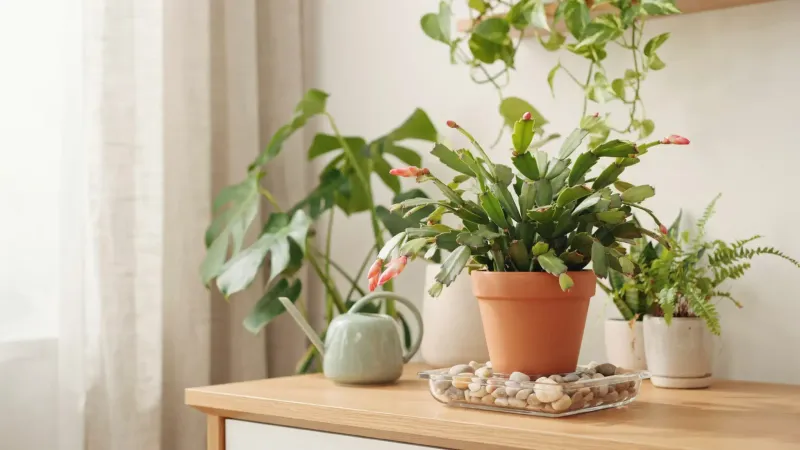
Raising humidity is easier than it sounds. Set the pot on a tray of pebbles with water just below the top of the stones.
Group it with other houseplants, since they release moisture together. A small room humidifier works wonders for both plants and people.
Misting gets mentioned a lot, but its effect lasts only minutes, so it is not much help. A cheap humidity gauge from the hardware store tells you exactly what your plant is dealing with.
Once you see the numbers, you may be surprised how parched your home really gets in January.
9. Giving It Full Afternoon Sun
Sunlight equals flowers, so more sun equals more flowers. That logic works for tomatoes and petunias, but a Christmas cactus sees things differently.
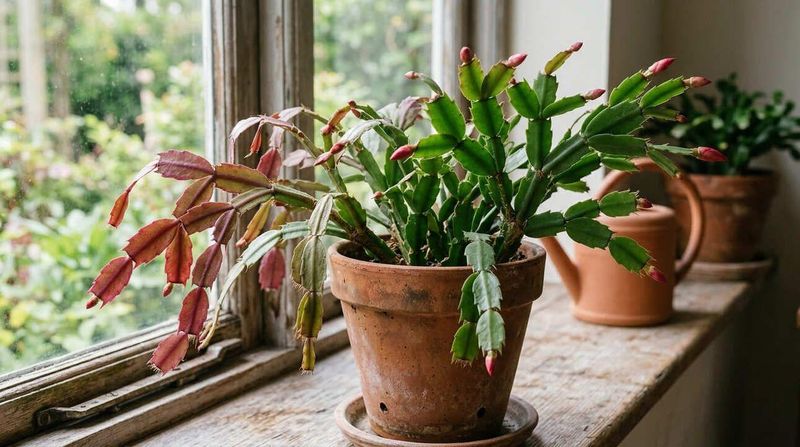
In its native Brazilian forests, this plant grows in dappled light under the tree canopy. Strong, direct afternoon sun through a south or west window can heat the buds and stems more than they can handle.
One warning sign is segments turning reddish or purple, which signals stress. Buds on a sunbaked plant often drop before they open.
Window glass also magnifies heat. A sill can get surprisingly hot on a clear afternoon, even when snow covers the yard outside.
The sweet spot is bright, indirect light. An east-facing window with gentle morning sun is ideal.
A south window works if you pull the plant back a couple of feet or filter the light with a sheer curtain.
If summer finds your cactus outdoors on the porch, keep it in the shade as well. Bring it inside before nights drop below about 50 degrees, and settle it into its bright but sheltered winter spot.
That way the plant spends its energy on flowers instead of fighting sunburn.
10. Setting It Beside the Fruit Bowl
Of all the habits on this list, this one surprises people the most. That bowl of apples and bananas on the kitchen counter could be the reason your cactus keeps losing buds.
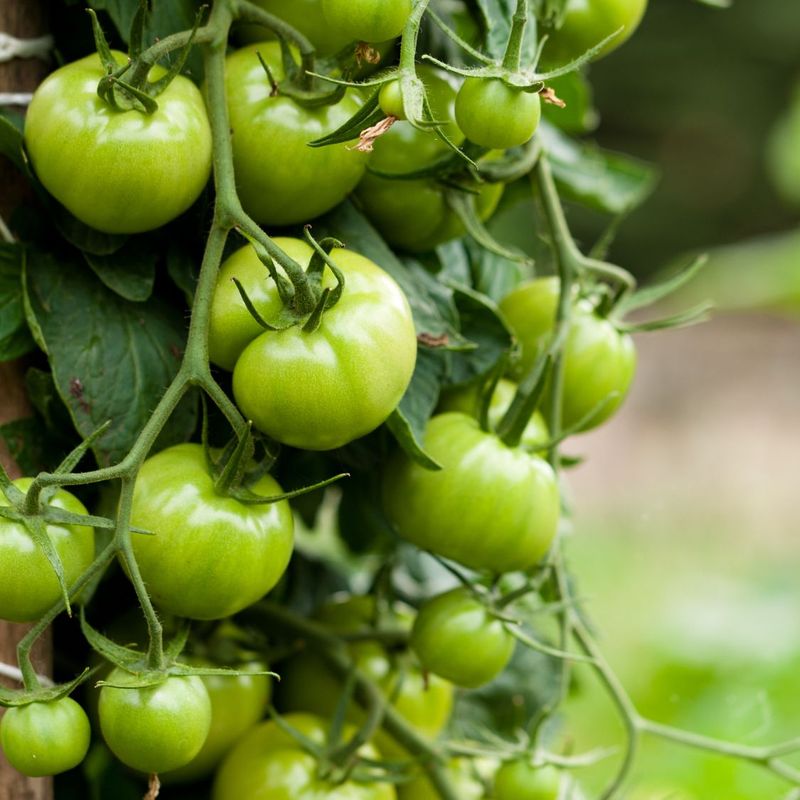
Ripening fruit gives off ethylene, a natural gas that tells fruit to soften and sweeten. Plants also read ethylene as a signal to age, and flower buds are especially sensitive.
A Christmas cactus sitting next to the fruit bowl may quietly drop buds without any other obvious cause.
Apples, bananas, pears, and tomatoes are the biggest producers. Florists have known about this for decades, which is why cut flowers are never stored near produce in their coolers.
Ethylene also comes from gas stoves, leaky furnaces, and car exhaust drifting in from an attached garage. If your plant lives near any of those, consider a new home before buds form.
The fix is wonderfully simple. Move the fruit, or move the cactus to another room.
Keep fresh air flowing gently through the space without creating drafts. Small changes like this one cost nothing, and they can be the final piece that keeps every bud on the plant until it bursts open.